Nigeria News (Standard)
NBS Reports 31% Decline in Company Income Tax Collection, Raises Concerns for Nigerian Businesses
Sharp drop in tax revenue for Q1 2026 attributed to inflation, forex volatility and higher operating costs across sectors

Sharp drop in tax revenue for Q1 2026 attributed to inflation, forex volatility and higher operating costs across sectors
Company income tax revenue in Nigeria dropped by 31.05 percent year-on-year to ₦1.37 trillion in the first quarter of 2026, according to fresh data released by the National Bureau of Statistics (NBS) in Abuja on Saturday. The agency said the figure reflects a significant fall from the ₦1.98 trillion recorded in Q1 of 2025, and an 8.08 percent decrease from the ₦1.49 trillion collected in the previous quarter.
The NBS report highlights that company income tax collections have continued to slide despite ongoing economic reforms and government initiatives aimed at boosting non-oil revenue streams. Most of the tax receipts during the quarter came from foreign companies operating within Nigeria, signalling persistent pressure on local firms.
Analysts say this steep decline is a worrying indicator for Africa’s largest economy, as businesses struggle with surging inflation, unstable foreign exchange rates, increased borrowing costs and rising operational expenses. The development has sparked concerns about reduced government capacity to fund key infrastructure and social programmes, especially at a time when public finances are already stretched.
Economic experts warn that without urgent interventions to stabilise macroeconomic conditions and support private sector recovery, company income tax performance may remain weak in coming quarters. Stakeholders have called on government agencies to address inflationary pressures and improve access to affordable credit for businesses.
With company earnings under strain across major sectors including manufacturing, telecoms and services, observers say policymakers must act swiftly to prevent further erosion of Nigeria’s non-oil revenue base. The NBS noted it will continue monitoring trends in corporate tax payments as part of efforts to provide timely economic guidance.
Source: https://guardian.ng/news/nigeria/national/corporate-tax-revenue-drops-31-amid-economic-strain-nbs/
Nigeria News (Standard)
Abuja Federal High Court Orders INEC to Deregister ADC, Accord Party, Three Others for Poor Poll Performance
Justice Peter Lifu rules affected parties failed constitutional benchmarks; INEC yet to issue official reaction as 2027 polls approach
Justice Peter Lifu rules affected parties failed constitutional benchmarks; INEC yet to issue official reaction as 2027 polls approach
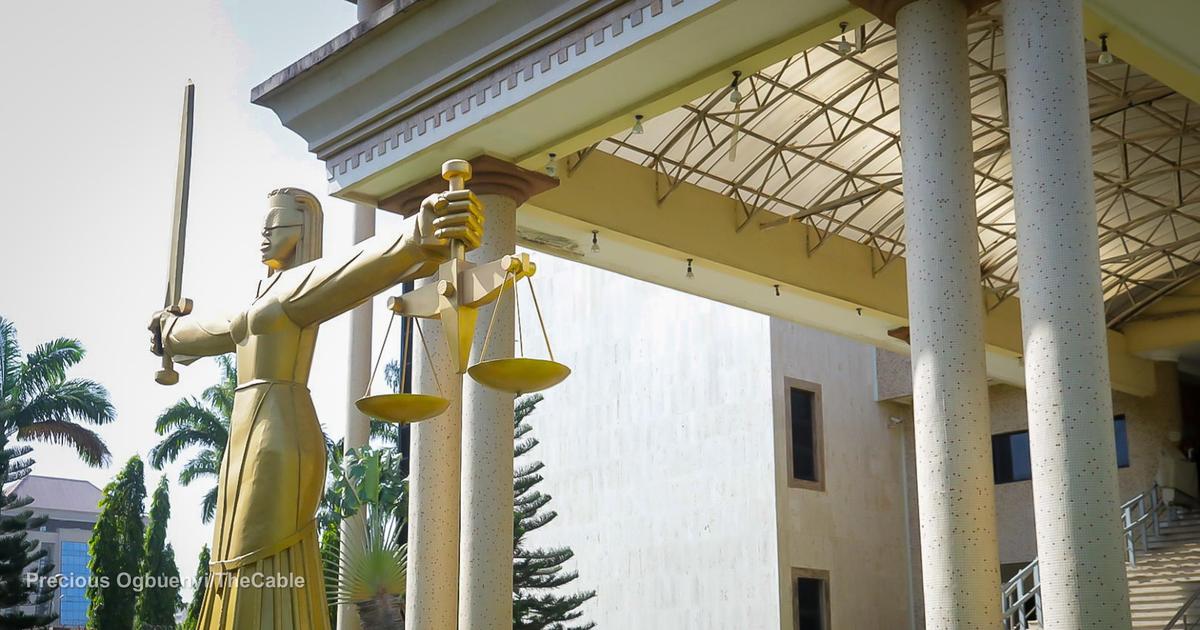
A Federal High Court sitting in Abuja has directed the Independent National Electoral Commission (INEC) to deregister five political parties, including the African Democratic Congress (ADC) and Accord Party, over their failure to meet constitutional requirements for electoral performance. The judgement was delivered by Justice Peter Lifu on Friday, following a suit brought by former lawmakers who argued that underperforming parties should not remain on the political register ahead of the 2027 general elections.
The affected parties—Action Peoples Party (APP), Action Alliance (AA), Accord Party (AP), Zenith Labour Party (ZLP), and ADC—were said to have failed to win any seat in recent elections or secure at least 25 percent of votes in any state during the last presidential poll. Plaintiffs maintained that keeping parties with little or no electoral support only clutters the ballot and undermines Nigeria’s multiparty democracy.
According to court documents, the suit sought clarification on whether INEC is constitutionally mandated to deregister political parties that do not satisfy Section 225A of the 1999 Constitution (as amended). The plaintiffs claimed that none of the five parties met minimum criteria during the 2023 general election or subsequent by-elections—criteria which include winning seats in the National Assembly or state legislatures, or achieving significant vote thresholds at federal and local levels.
Justice Lifu, in his ruling, agreed with arguments presented by the plaintiffs and ordered INEC to remove the five parties from its register. He stated that allowing such parties to continue operations contradicts constitutional provisions and could erode public confidence in Nigeria’s electoral system. “Keeping political parties that do not meet constitutional standards on the ballot paper is a breach of Section 225A,” Justice Lifu held.
INEC has not issued a public statement regarding the court’s decision as at press time. The ruling is expected to have major implications for smaller parties seeking relevance ahead of Nigeria’s next general elections in 2027. Political analysts say this development may prompt other minor parties to intensify grassroots mobilisation or risk deregistration before future polls.
Nigeria News (Standard)
General Rabe Abubakar’s Body Recovered After Death in Captivity, Military Confirms
Senior Army officials disclose recovery details, say investigation ongoing into circumstances of late general’s detention and demise

Senior Army officials disclose recovery details, say investigation ongoing into circumstances of late general’s detention and demise
The Nigerian Army has confirmed the recovery of the body of retired General Rabe Abubakar after he died while being held captive. The development was made public on Monday, 15 June 2026, following days of uncertainty regarding the general’s fate and whereabouts.
According to military officials familiar with the situation, General Abubakar’s remains were located and retrieved by a team dispatched to the area where he had been reportedly detained. Details about the location and the group responsible for his captivity were not immediately disclosed by authorities as at press time.
General Abubakar, a former high-ranking officer in the Nigerian Army, was reported missing several days prior to the discovery of his body. His disappearance sparked anxiety within military circles and among his associates, given his long-standing service record and connections across security agencies. The incident has raised fresh concerns about the safety of retired senior officers in the country.
A senior army spokesperson said that efforts were ongoing to ascertain the full circumstances surrounding General Abubakar’s detention and subsequent death. “We are conducting a thorough investigation to determine all those involved and what led to this unfortunate incident,” he stated during a press briefing in Abuja. As at Monday evening, no group had claimed responsibility for his abduction or provided information about negotiations or demands.
The Nigerian Army has assured that it will intensify its search for those responsible for holding General Abubakar captive. Security analysts have called on government to increase protection for both serving and retired officers amid rising security threats nationwide.
Nigeria News (Standard)
Rockefeller, Nizam of Hyderabad, Musk Top Global Wealth Rankings Across Decades
World’s richest title shifts from oil and royalty to tech, as Musk becomes first-ever trillionaire in 2026 milestone

World’s richest title shifts from oil and royalty to tech, as Musk becomes first-ever trillionaire in 2026 milestone
The evolution of the world’s richest individuals from 1900 to 2026 has witnessed a dramatic shift in the sources of wealth, moving from heavy industry and royal treasuries to the modern technology sector. This global trend reflects changing economic realities and has seen figures like John D. Rockefeller, Mir Osman Ali Khan, J. Paul Getty, and most recently Elon Musk hold the title at different times.
At the start of the 20th century, John D. Rockefeller established himself as the world’s wealthiest man through his control of Standard Oil in the United States. Even after antitrust actions forced a breakup of his company in 1911, Rockefeller’s net worth continued to rise due to increased value of the separated companies. By today’s calculations, his fortune would surpass $400 billion. He retained this position until his death in 1937, despite periods of economic downturn such as the Great Depression.
With Rockefeller’s passing and amid the aftermath of World War II, Mir Osman Ali Khan, then Nizam of Hyderabad in present-day India, became globally recognised for his enormous inherited wealth and state treasury filled with gold, silver and rare jewels. In February 1947, TIME magazine named him the world’s richest individual with an estimated fortune of $2 billion at that time—equivalent to tens of billions in today’s value.
From the post-war era into the late 1970s, American oil magnate J. Paul Getty dominated global rich lists by capitalising on new energy concessions secured in the Middle East. His immense petroleum-based fortune was matched by a reputation for frugality until his death in 1976.
The late 1980s saw a brief shift eastwards when Japanese real estate investor Yoshiaki Tsutsumi became the world’s richest during Japan’s asset bubble peak. More recently, fortunes have been built on digital innovation and technology platforms. Elon Musk reached an unprecedented milestone in 2026 by becoming the first person ever to amass a trillion-dollar fortune through ventures spanning software, electric vehicles and space technology.
These changes highlight how advances in industry and shifts in economic power have redefined what it means to be wealthy on a global scale. Experts say Nigeria and other developing economies can learn from these trends by diversifying beyond traditional sectors into emerging areas such as tech innovation.
Source: https://www.pulse.ng/story/world-richest-man-every-decade-2026061514490601835
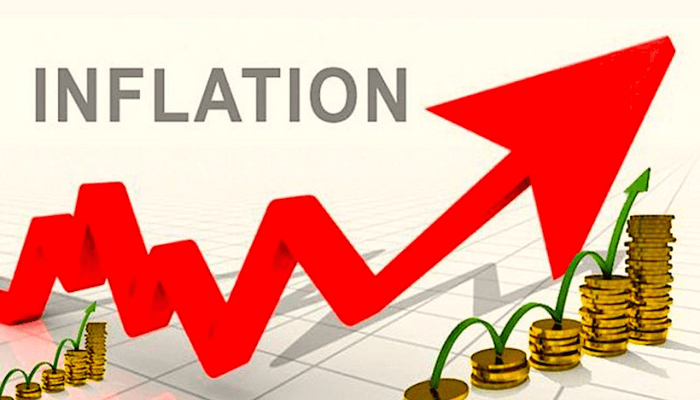
Ọnụ Ahịa Ịrị Elu Abawanyela Ruo 15.93% n’Naịjiria, Ọnwa Juun
Abuja Federal High Court Orders INEC to Deregister ADC, Accord Party, Three Others for Poor Poll Performance
General Rabe Abubakar’s Body Recovered After Death in Captivity, Military Confirms
Rockefeller, Nizam of Hyderabad, Musk Top Global Wealth Rankings Across Decades

NDLEA Kwupụtara Ọrụ Ahịa Ihe Ndi Omekome Ji Nwetara Ego Ruru ₦6.15bn, Ụlọ nkwari akụ dị na Victoria Island wetara ₦5.9bn
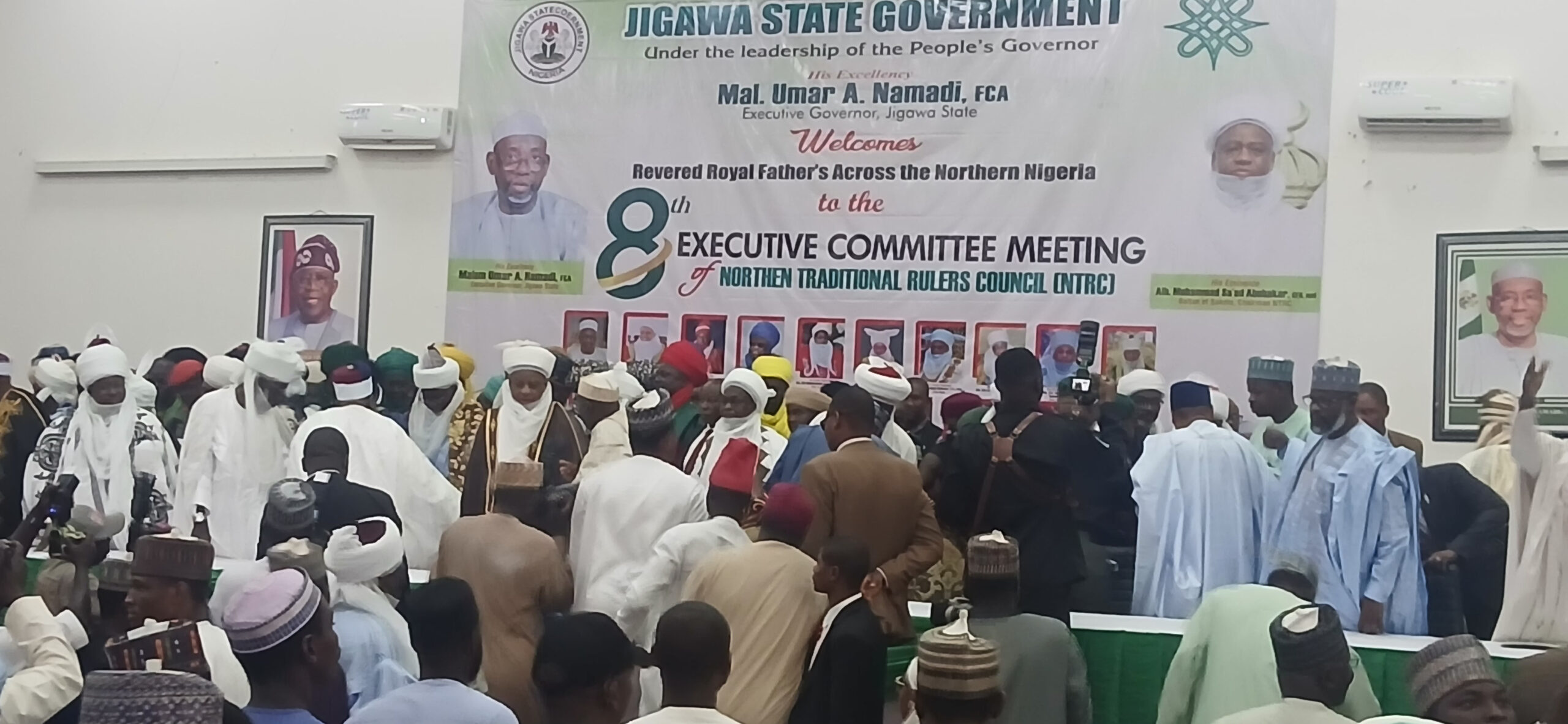
Sultan of Sokoto Urges Nigerians to Hold Leaders Accountable Amid Rising Insecurity
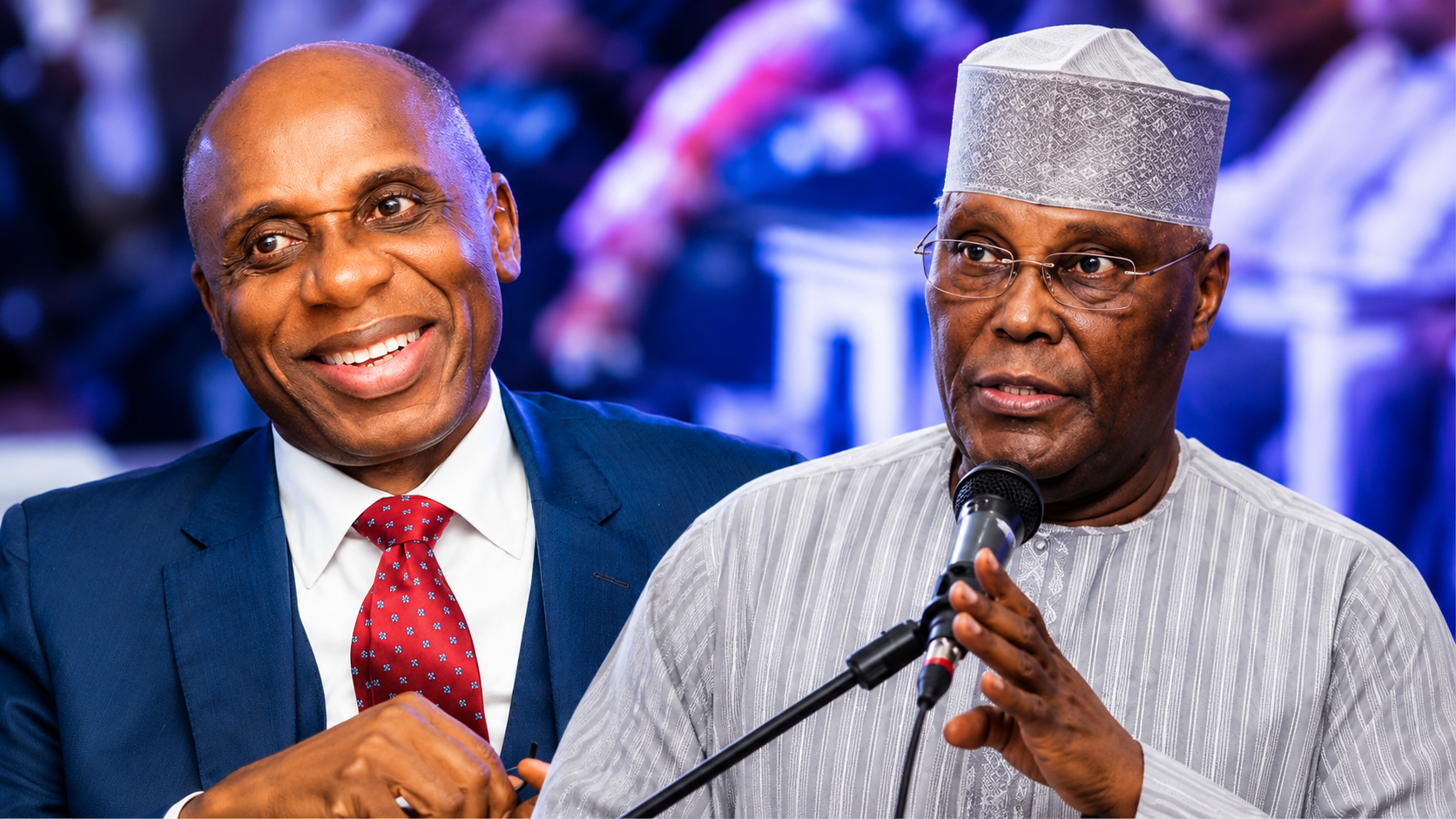
ADC Names Amaechi as Atiku’s Running Mate Ahead of 2027 Polls

Visa Nigeria Marks Africa Day With Cultural Celebration and Pledge to Digital Growth in Lagos

Lagos: RetailWings Africa, Corner Block Sign Deal to Boost Working Capital for SMEs
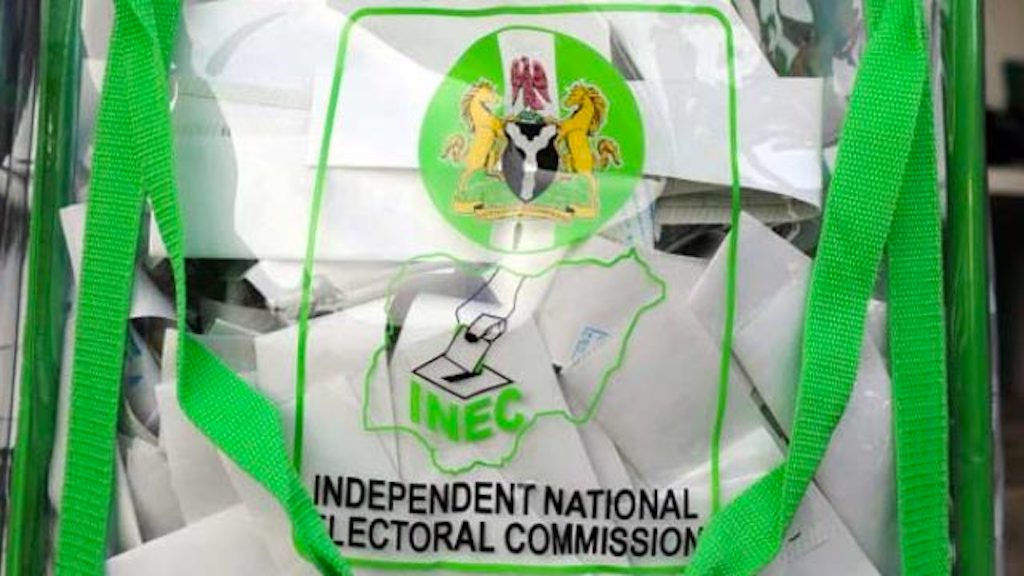
Abuja Court Orders Deregistration of ADC, Accord and Three Other Parties Over INEC Application
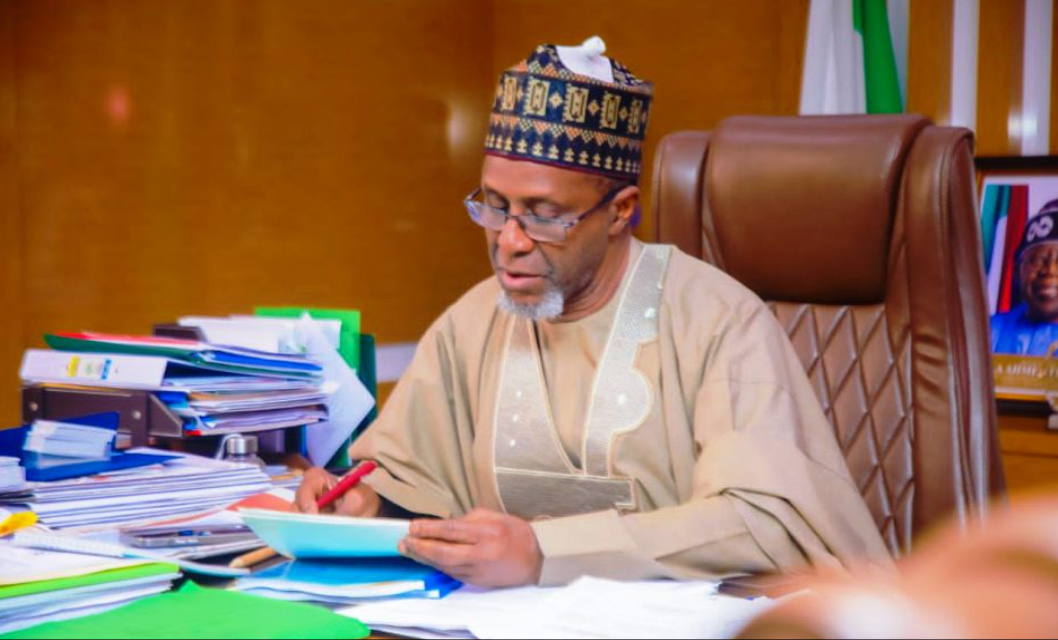
Environment Minister Urges Increased Investment in Nigeria’s Green Economy Ahead of Global Climate Summit

Moniepoint Graduates Second DreamDevs Cohort in Lagos to Strengthen Nigeria’s Engineering Workforce

Gọvanmenti Nigeria Kwupụtara 53 Orù Anyanwụ Maka Ike Ọhụrụ N’iru Afọ 2050

Fresh Romance Rumours Trail Lando Norris as Alix Earle Sparks Drama in Monaco
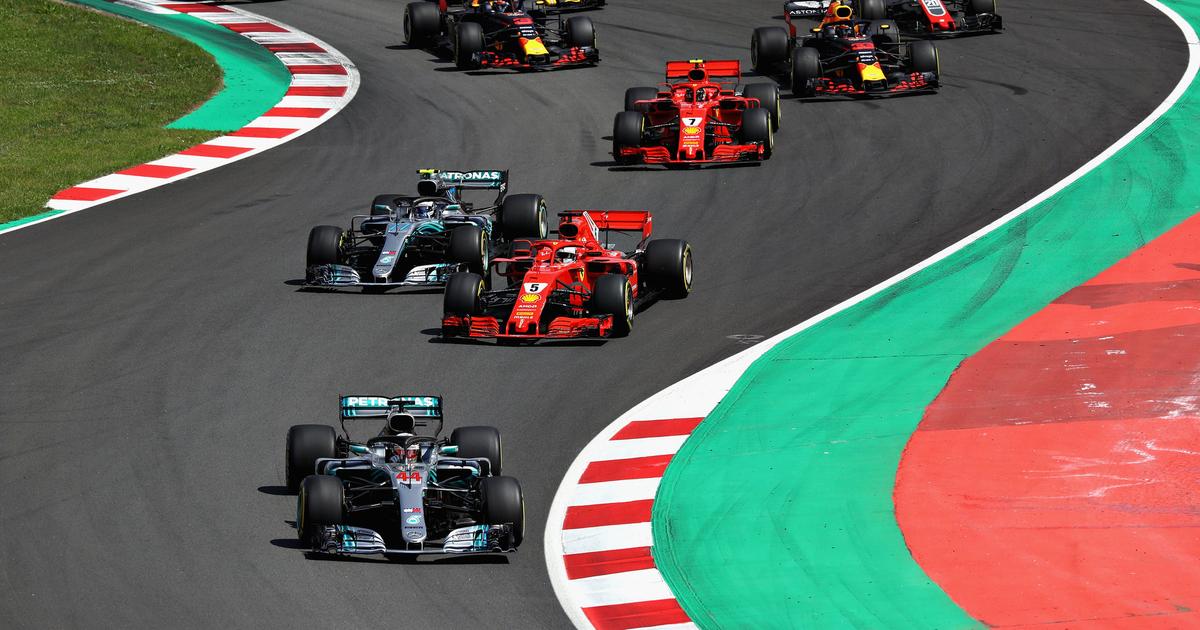
FG Launches $500m Abuja Formula 1 Bid, Targets Africa’s First Grand Prix Since 1993

Why More Nigerians Are Searching for Casino Bonuses—and What You Should Know Before Claiming
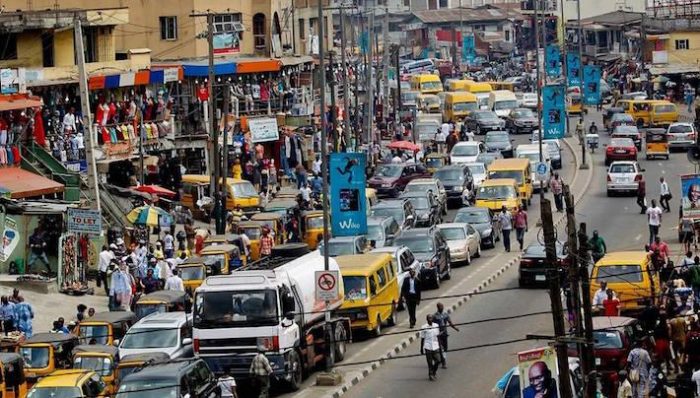
Ụlọ Ọrụ Nigeria Kwupụtara Nsogbu Nchekwa na Ụtụ Isi N’agbanyeghị Ịrị Elu Obi Ike Ahịa
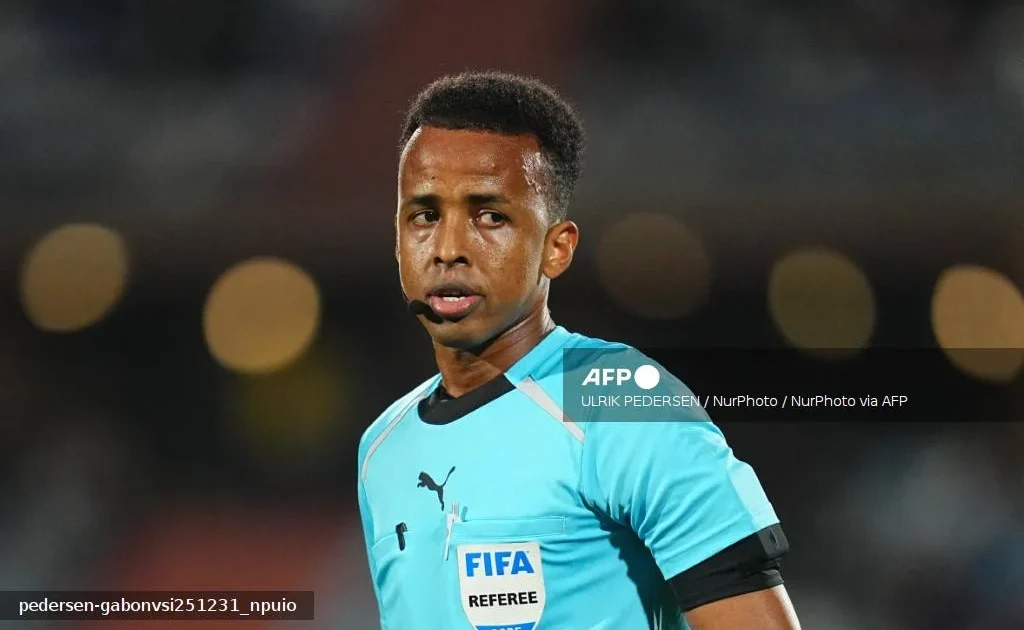
Somali Referee Omar Artan Blocked From US World Cup Over Visa Row, Misses Dream Debut
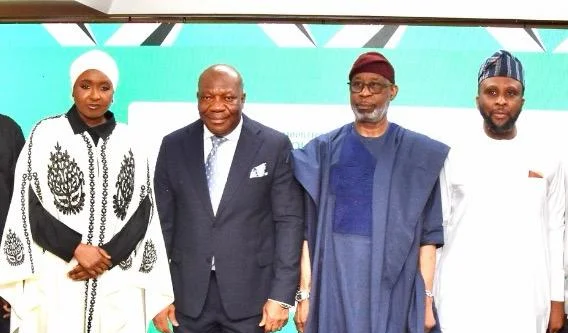
Federal Government Launches Mining Grants for Research and Exploration Across Nigeria