Nigeria News (Standard)
Manufacturers in Lagos Say Tinubu’s Reforms Yet to Lower Costs as Energy, FX Remain Major Hurdles
MAN urges urgent action on electricity, credit and naira stability, noting limited relief despite new industrial policies
MAN urges urgent action on electricity, credit and naira stability, noting limited relief despite new industrial policies
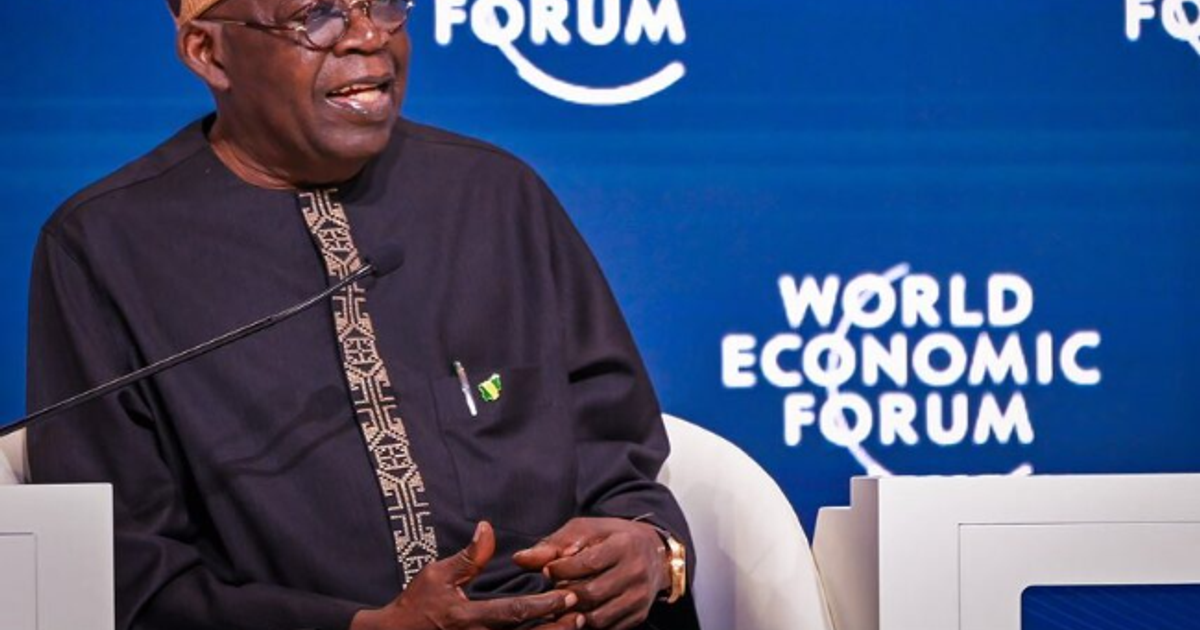
The Manufacturers Association of Nigeria (MAN) has stated that major economic reforms introduced by President Bola Tinubu’s administration have not yet translated into lower production costs or stable conditions for manufacturers in Lagos and across the country. The association made this known on Saturday, highlighting ongoing challenges with energy supply, high borrowing costs and persistent foreign exchange pressures three years into the current government.
Despite a raft of interventions, including a ₦200 billion Presidential Intervention Fund for industry and the unveiling of a ten-year Nigeria Industrial Policy aimed at boosting manufacturing’s share of GDP by 2030, manufacturers say the benefits are yet to be felt on factory floors. MAN Director General Segun Ajayi-Kadir welcomed initiatives such as withholding tax exemptions, reduced company income tax rates, and expanded VAT deductibility under the 2025 Tax Reform Act. He also acknowledged the local value addition legislation and Naira-for-Crude policy which have provided some support for downstream petrochemical firms.
However, Ajayi-Kadir noted that widespread depreciation of the naira since forex liberalisation has sharply increased the cost of importing machinery, raw materials and other critical inputs. “Margins are being squeezed and prices are rising across industries,” he said. Manufacturers also face surging energy bills due to continued grid instability—despite several tariff hikes—and many companies remain reliant on diesel and gas generators that further push up operating expenses.
Access to credit has tightened as the Central Bank repeatedly raised interest rates in response to inflationary pressures. Many firms considering expansion now find borrowing costs prohibitive. While MAN described recent reforms as necessary groundwork for industrial recovery, Ajayi-Kadir said: “Stabilisation and real sector growth are not the same destination. We need to see promised improvements in power supply, procurement enforcement, credit access and local content before these reforms can deliver real industrial growth.”
As Tinubu’s administration enters its fourth year, manufacturers are calling on government to move beyond policy announcements to address practical obstacles in energy supply, financing and implementation of local content rules. MAN maintained that only when these issues are resolved will the intended benefits of recent reforms materialise for Nigeria’s manufacturing sector.
Source: https://www.pulse.ng/story/man-says-tinubu-reforms-not-yet-helping-manufacturers-2026061512204059465
Nigeria News (Standard)
Cross River Governor Otu Approves 100% Salary Increase for Doctors, Lifts Health Sector Recruitment Ban
Move includes hiring of 2,000 health workers, hospital renovations and expanded funding to revitalise state healthcare
Move includes hiring of 2,000 health workers, hospital renovations and expanded funding to revitalise state healthcare
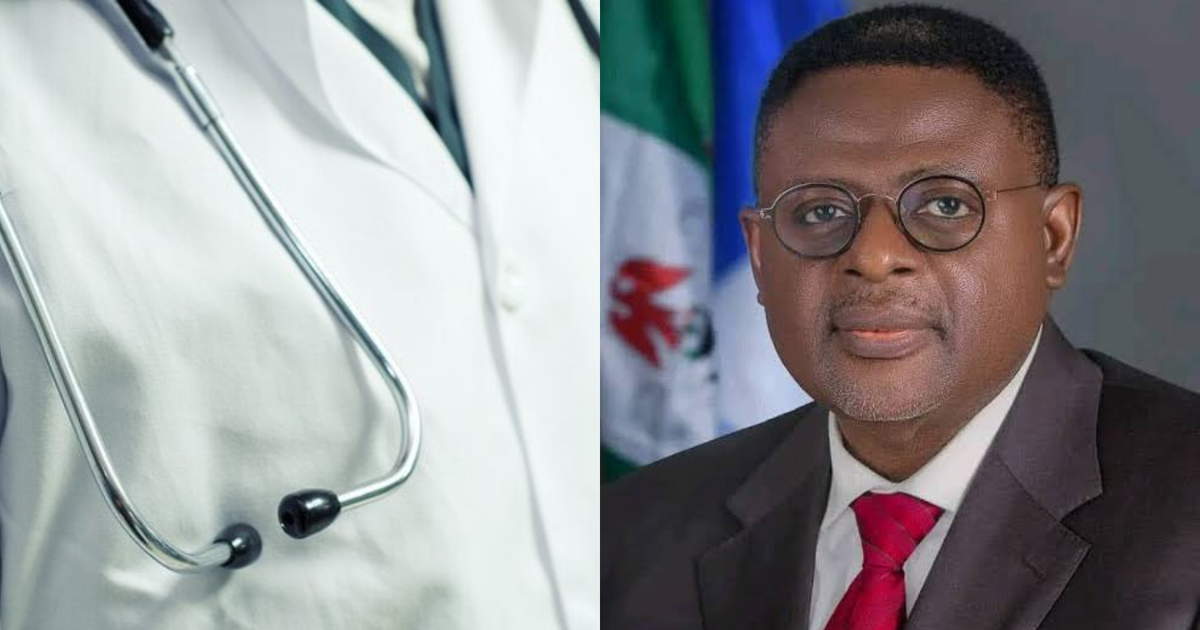
Governor Bassey Otu of Cross River State has approved a 100% salary increase for medical doctors working in the state’s public hospitals, alongside the lifting of a longstanding recruitment embargo in the health sector. The announcement was made on Saturday in Calabar by Commissioner for Health, Dr Henry Ayuk, as part of a broad initiative to overhaul healthcare delivery across the South-South state.
According to Dr Ayuk, the new measures will see not only doctors’ salaries doubled but also improved allowances for other categories of health workers. The state government has further authorised the immediate recruitment of 2,000 additional staff into its medical workforce. This is aimed at filling critical gaps in manpower and boosting service delivery in both urban and rural communities.
The commissioner stated that funding for healthcare services in Cross River has more than doubled over the past two years under Governor Otu’s administration. More than 100 primary healthcare centres have reportedly been rehabilitated statewide during this period, while funds have also been released for comprehensive renovation works at key general hospitals.
“Governor Bassey Otu is committed to repositioning the health sector for better outcomes,” Dr Ayuk said during the press briefing. He explained that these reforms are designed to address persistent challenges such as staff shortages, infrastructural decay and poor remuneration that have contributed to brain drain among medical professionals. No official response from organised labour or opposition parties was immediately available as at press time.
The state government indicated that recruitment processes for new health workers would begin in coming weeks, with priority given to critical care areas and underserved LGAs. The expansion of healthcare investment is expected to improve access to quality medical services and reduce outmigration of skilled personnel from Cross River State.
Nigeria News (Standard)
Kwankwaso’s Son Named Running Mate for Kano NDC Governorship Ticket
Selection signals strategic move by NDC ahead of 2027 Kano polls, as party seeks to boost youth support
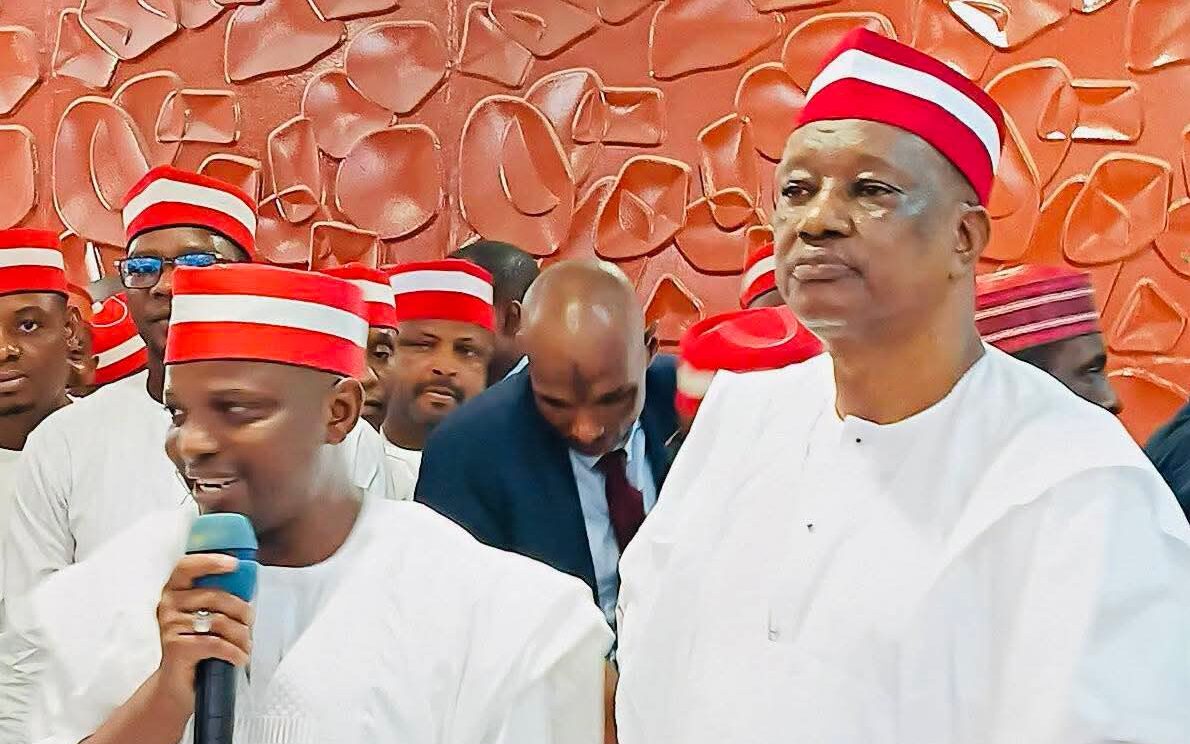
Selection signals strategic move by NDC ahead of 2027 Kano polls, as party seeks to boost youth support
The New Democratic Congress (NDC) in Kano State has picked the son of former Governor Rabiu Musa Kwankwaso as its deputy governorship candidate for the upcoming election. The announcement was made on Monday, 15 June, positioning the younger Kwankwaso alongside the party’s flagbearer in a bid to strengthen the party’s ticket ahead of the crucial contest.
Party officials in Kano confirmed that the decision was taken after extensive consultations among stakeholders within the NDC. The move is seen as an effort to attract support from younger voters and leverage the influence of the Kwankwaso political family, which has played a major role in Kano politics over the past decade.
Kano State remains one of Nigeria’s most politically significant states, given its large population and history as a battleground for major parties including APC, PDP, and NNPP. The emergence of Kwankwaso’s son on the NDC ticket is expected to reshape alliances and intensify competition ahead of the governorship poll. Political observers note that such a choice could sway undecided voters and energise grassroots supporters who identify with the Kwankwasiyya movement championed by his father.
The NDC leadership described their running mate pick as a demonstration of their commitment to youth inclusion and fresh ideas. A senior party official stated that “the selection process was transparent and aimed at presenting a credible alternative for Kano people.” There has been no immediate public reaction from rival parties or electoral officials regarding the development.
With campaigns set to begin in earnest, all eyes are now on how this new pairing will perform against established political structures in Kano. Analysts predict that voter turnout and alliances among key blocs may be affected by this latest decision. The Independent National Electoral Commission (INEC) is yet to release an official timetable for party primaries and electioneering activities.
Nigeria News (Standard)
Abuja Federal High Court Orders INEC to Deregister ADC, Accord Party, Three Others for Poor Poll Performance
Justice Peter Lifu rules affected parties failed constitutional benchmarks; INEC yet to issue official reaction as 2027 polls approach
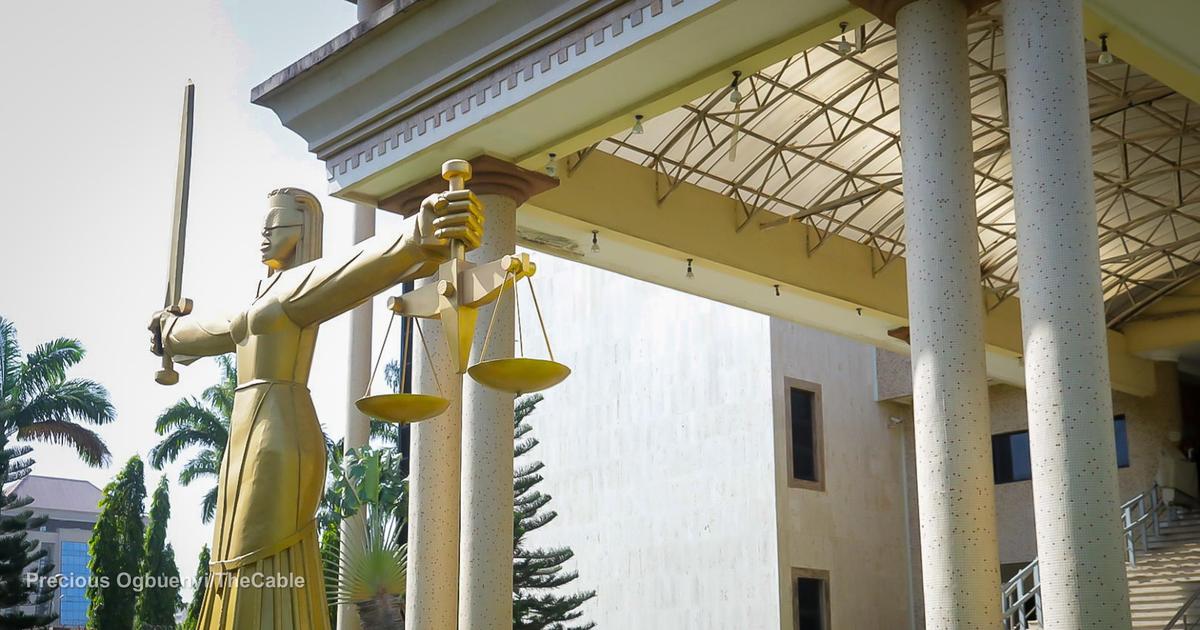
Justice Peter Lifu rules affected parties failed constitutional benchmarks; INEC yet to issue official reaction as 2027 polls approach
A Federal High Court sitting in Abuja has directed the Independent National Electoral Commission (INEC) to deregister five political parties, including the African Democratic Congress (ADC) and Accord Party, over their failure to meet constitutional requirements for electoral performance. The judgement was delivered by Justice Peter Lifu on Friday, following a suit brought by former lawmakers who argued that underperforming parties should not remain on the political register ahead of the 2027 general elections.
The affected parties—Action Peoples Party (APP), Action Alliance (AA), Accord Party (AP), Zenith Labour Party (ZLP), and ADC—were said to have failed to win any seat in recent elections or secure at least 25 percent of votes in any state during the last presidential poll. Plaintiffs maintained that keeping parties with little or no electoral support only clutters the ballot and undermines Nigeria’s multiparty democracy.
According to court documents, the suit sought clarification on whether INEC is constitutionally mandated to deregister political parties that do not satisfy Section 225A of the 1999 Constitution (as amended). The plaintiffs claimed that none of the five parties met minimum criteria during the 2023 general election or subsequent by-elections—criteria which include winning seats in the National Assembly or state legislatures, or achieving significant vote thresholds at federal and local levels.
Justice Lifu, in his ruling, agreed with arguments presented by the plaintiffs and ordered INEC to remove the five parties from its register. He stated that allowing such parties to continue operations contradicts constitutional provisions and could erode public confidence in Nigeria’s electoral system. “Keeping political parties that do not meet constitutional standards on the ballot paper is a breach of Section 225A,” Justice Lifu held.
INEC has not issued a public statement regarding the court’s decision as at press time. The ruling is expected to have major implications for smaller parties seeking relevance ahead of Nigeria’s next general elections in 2027. Political analysts say this development may prompt other minor parties to intensify grassroots mobilisation or risk deregistration before future polls.
Cross River Governor Otu Approves 100% Salary Increase for Doctors, Lifts Health Sector Recruitment Ban
Ụlọ Ikpe Abuja Kwupụtara Ka INEC Wepụ ADC Na Ndi Ọzọ N’ihi Mmebi Iwu Ala
Ex-Nigeria U23 Star Credits Boniface for Career Boost, Hails Support From Nigerian Friends
Kwankwaso’s Son Named Running Mate for Kano NDC Governorship Ticket
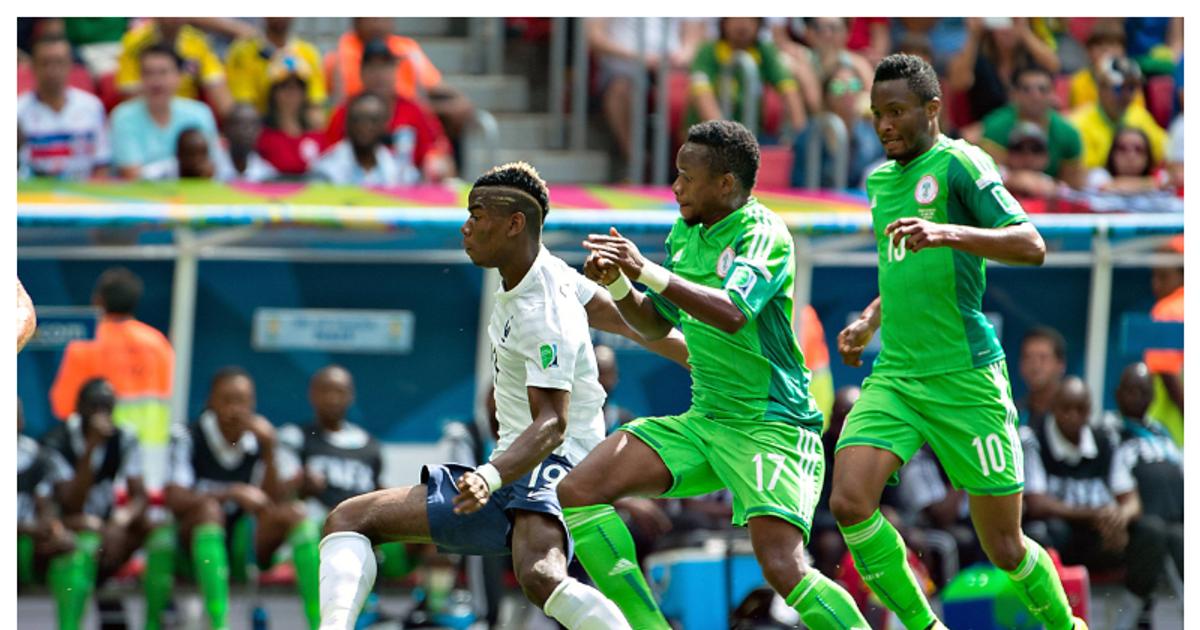
Super Eagles Legend Reveals How He Dominated Pogba and Matuidi in Unforgettable World Cup Battle

Ọnụ Ahịa Ịrị Elu Abawanyela Ruo 15.93% n’Naịjiria, Ọnwa Juun
Abuja Federal High Court Orders INEC to Deregister ADC, Accord Party, Three Others for Poor Poll Performance
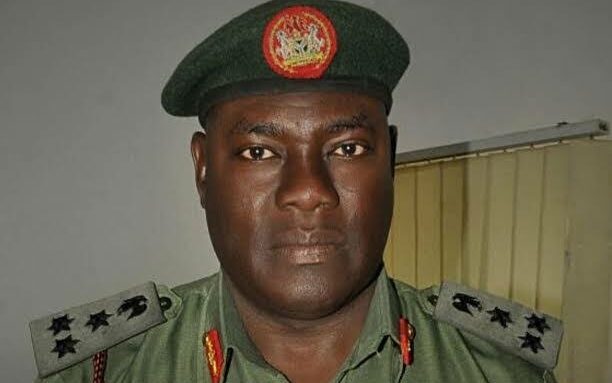
General Rabe Abubakar’s Body Recovered After Death in Captivity, Military Confirms
Rockefeller, Nizam of Hyderabad, Musk Top Global Wealth Rankings Across Decades

NDLEA Kwupụtara Ọrụ Ahịa Ihe Ndi Omekome Ji Nwetara Ego Ruru ₦6.15bn, Ụlọ nkwari akụ dị na Victoria Island wetara ₦5.9bn
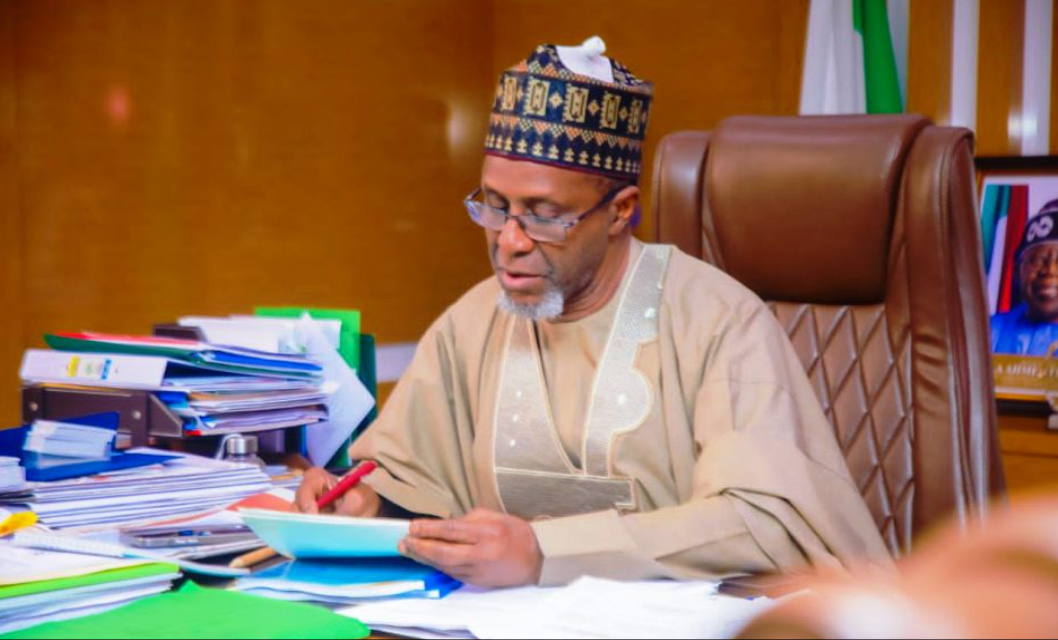
Environment Minister Urges Increased Investment in Nigeria’s Green Economy Ahead of Global Climate Summit
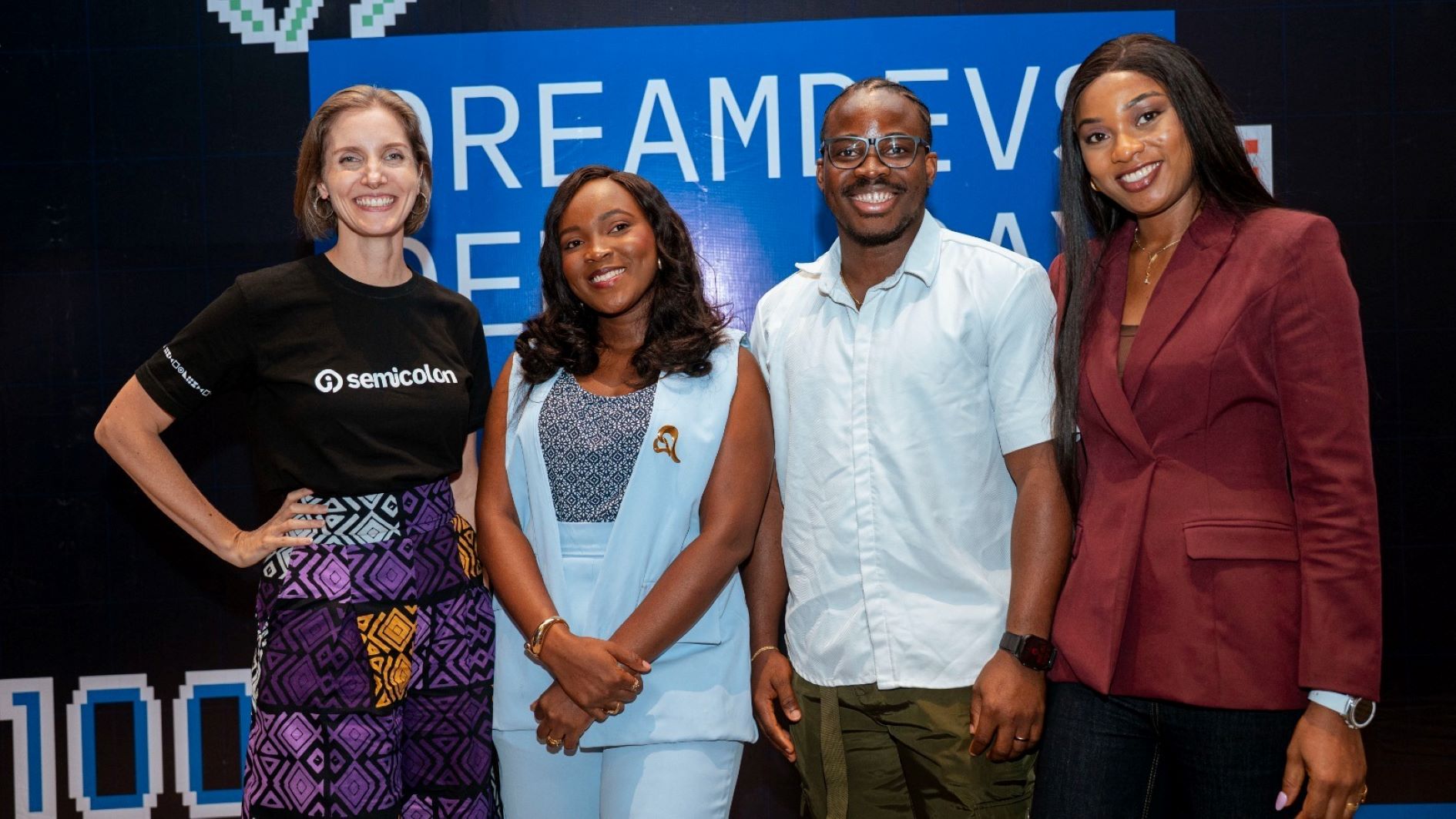
Moniepoint Graduates Second DreamDevs Cohort in Lagos to Strengthen Nigeria’s Engineering Workforce

Gọvanmenti Nigeria Kwupụtara 53 Orù Anyanwụ Maka Ike Ọhụrụ N’iru Afọ 2050

Fresh Romance Rumours Trail Lando Norris as Alix Earle Sparks Drama in Monaco
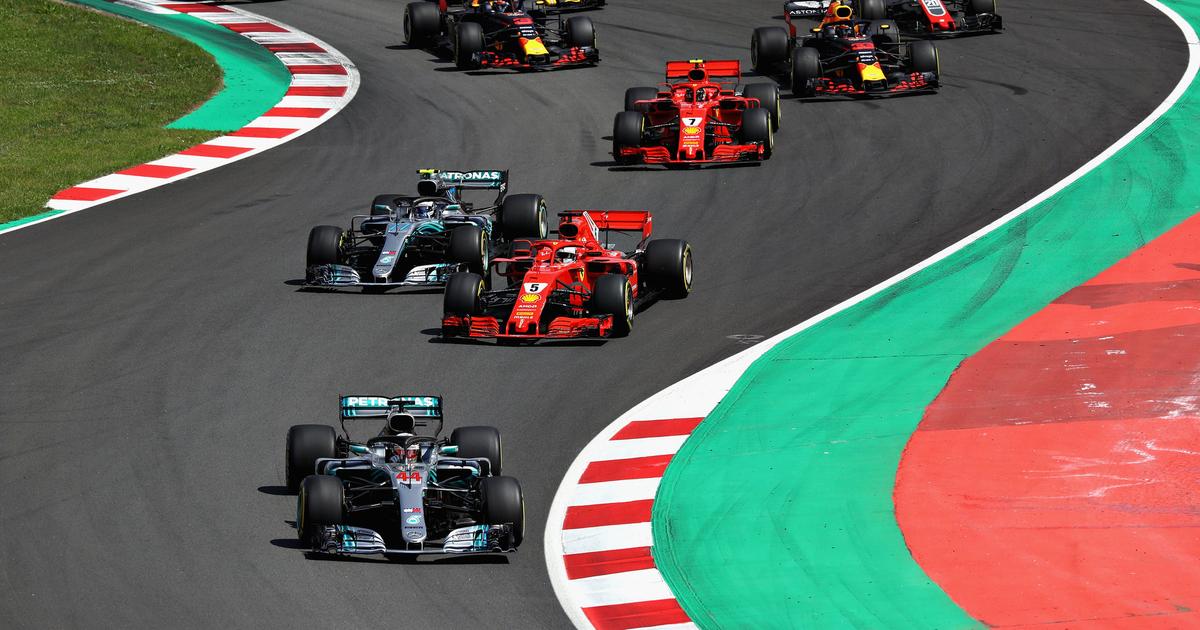
FG Launches $500m Abuja Formula 1 Bid, Targets Africa’s First Grand Prix Since 1993

Why More Nigerians Are Searching for Casino Bonuses—and What You Should Know Before Claiming
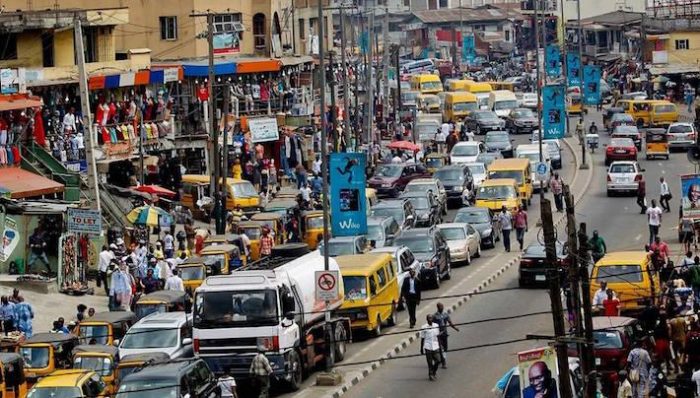
Ụlọ Ọrụ Nigeria Kwupụtara Nsogbu Nchekwa na Ụtụ Isi N’agbanyeghị Ịrị Elu Obi Ike Ahịa
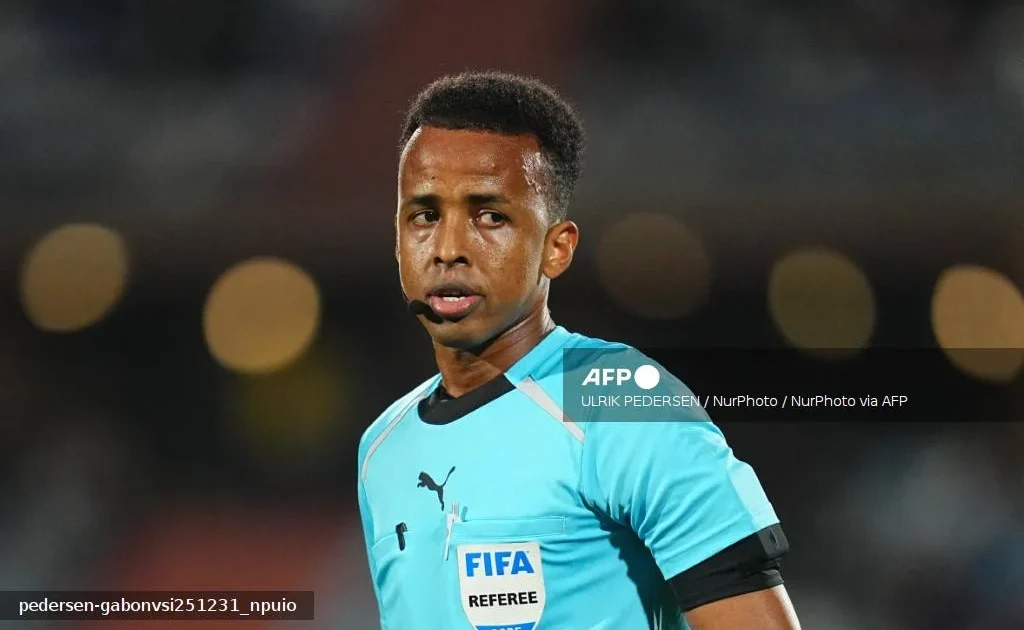
Somali Referee Omar Artan Blocked From US World Cup Over Visa Row, Misses Dream Debut
Federal Government Launches Mining Grants for Research and Exploration Across Nigeria