Nigeria News (Standard)
Lagos Banks Generate ₦225bn from ATM and E-Banking Fees in Q1, Sparking Public Outcry
Customers criticise rising charges as Access Holdings, UBA, Ecobank top digital revenue earners amid shift to electronic transactions
Customers criticise rising charges as Access Holdings, UBA, Ecobank top digital revenue earners amid shift to electronic transactions
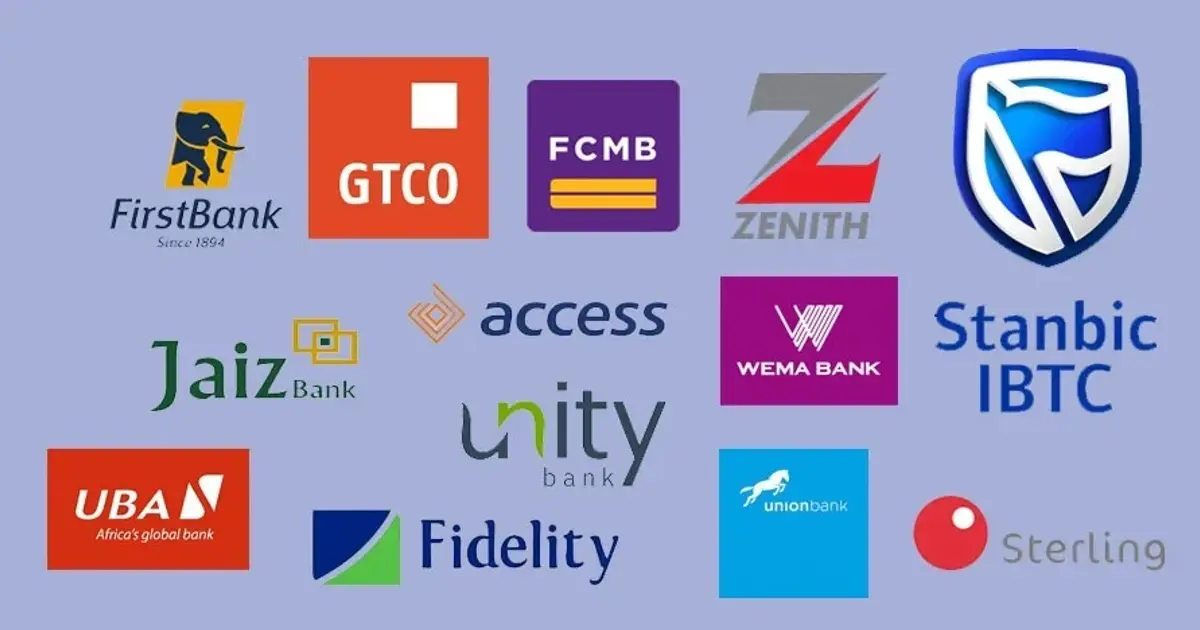
Major Nigerian banks operating in Lagos and other cities generated nearly ₦225 billion from ATM, card management, and electronic banking charges between January and March 2026, leading to renewed complaints from customers over mounting transaction costs. The unaudited Q1 financial statements of 11 listed lenders revealed a sharp 12.56 percent rise in digital banking income compared to the same period last year.
The review shows that Access Holdings led the pack with ₦55.71 billion earned from e-banking channels, followed by United Bank for Africa (UBA) with ₦46.93 billion, and Ecobank with ₦35.53 billion from card management fees. Other banks such as GTCO and Zenith Bank also reported significant income, raking in ₦21.90 billion and ₦21.54 billion respectively through electronic products and services.
This surge comes at a time when more Nigerians are relying on digital platforms—mobile apps, USSD codes, debit cards, online transfers and ATMs—for daily transactions. However, many customers have questioned why they are made to pay multiple fees just to access their own funds as banks post record non-interest earnings. Income from ATM and card management alone rose to ₦46.70 billion in Q1 2026, up from ₦40.09 billion recorded in the first quarter of 2025.
A breakdown of the figures shows that electronic banking services accounted for a substantial ₦177.97 billion out of the total earnings for the quarter—reflecting how crucial these channels have become for bank profitability in Nigeria’s increasingly cashless economy. Despite this growth, public criticism has mounted over what many see as excessive deductions on routine transactions.
Not all banks recorded gains: Wema Bank saw digital product income fall by more than half year-on-year, while UBA and Ecobank reported slight declines in some segments despite their overall strong performance. Meanwhile, Fidelity Bank posted the fastest growth among peers—its digital banking revenue soared nearly 165 percent to ₦8.81 billion on the back of increased ATM use.
The Central Bank of Nigeria (CBN) has not issued fresh guidance on fee caps since its last directive on bank charges; however, consumer advocates argue that current levels are unsustainable for ordinary Nigerians facing economic pressures from inflation and naira volatility. As banks continue to prioritise digital expansion for non-interest revenue growth, stakeholders say the debate over fair access to financial services is unlikely to subside soon.
Nigeria News (Standard)
Federal, State, LG Governments Share ₦2.257trn April 2026 Revenue Nationwide
Latest revenue allocation marks significant rise as states and councils receive disbursements for critical projects and salaries
Latest revenue allocation marks significant rise as states and councils receive disbursements for critical projects and salaries
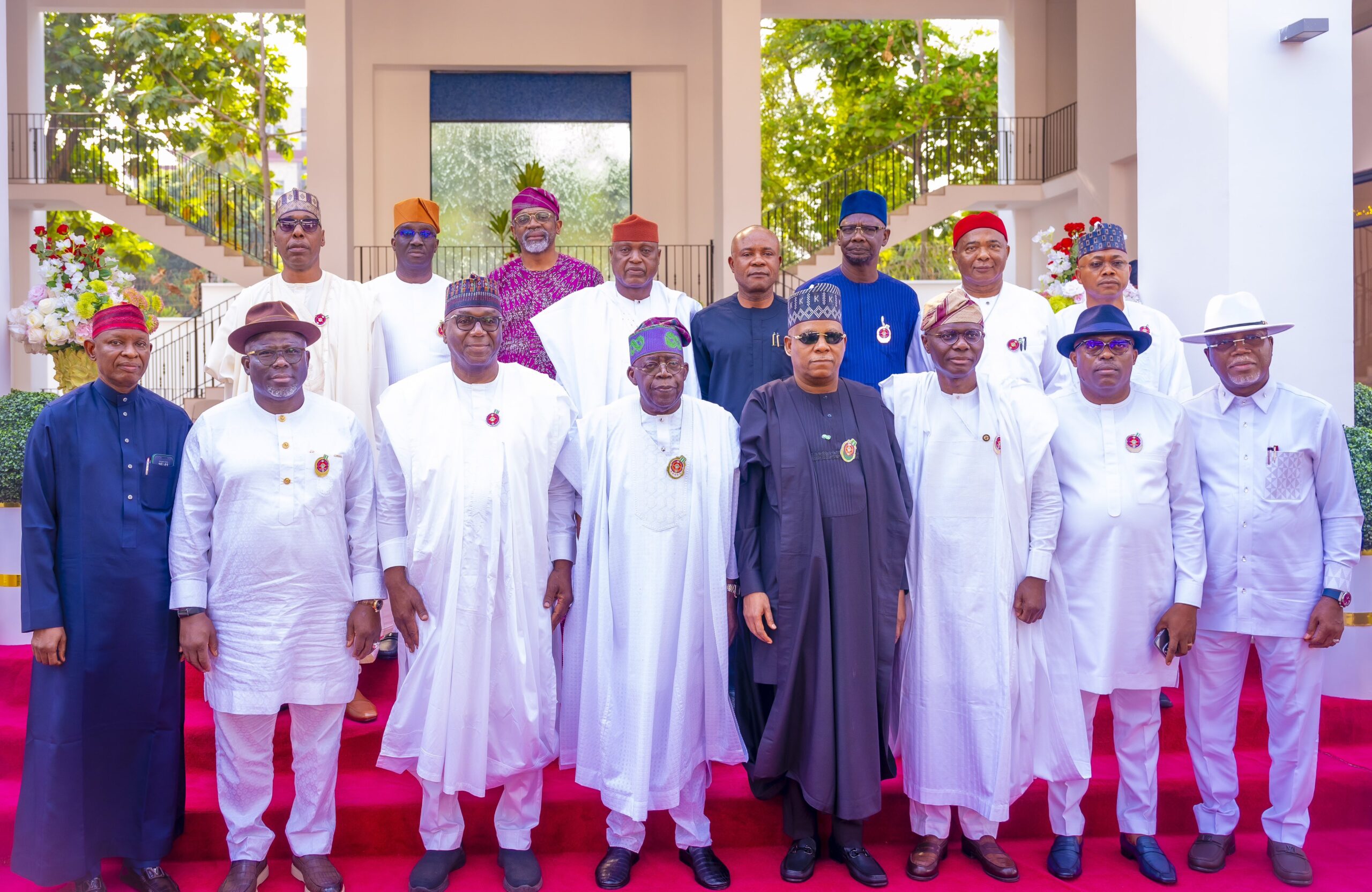
The federal, state, and local government (LG) authorities across Nigeria have shared a total of ₦2.257 trillion as statutory revenue for April 2026. The distribution, which covers all 36 states and the Federal Capital Territory, was concluded on Monday, June 15, according to official figures released by the Federation Accounts Allocation Committee (FAAC).
The sharing formula follows established procedures involving the federal government, state governors, and representatives of the 774 local government areas. FAAC met in Abuja to finalise the allocation after reconciling revenue inflows for the month. The funds are drawn from oil receipts, value-added tax (VAT), and other statutory sources collected into the Federation Account.
This latest disbursement represents a notable increase from previous months, reflecting improvements in oil sales and non-oil revenue collection. The timely sharing of funds is expected to help states and local councils address salary backlogs, ongoing capital projects, and pressing social needs. Many states have faced fiscal pressure due to rising inflation and exchange rate volatility in recent quarters.
Government officials present at the meeting reaffirmed their commitment to transparent allocation and prudent utilisation of public funds. State representatives welcomed the higher remittance but urged federal agencies to step up monitoring of deductions at source. The FAAC committee also called on states to intensify internally generated revenue (IGR) efforts amid continued economic headwinds.
The next FAAC meeting is scheduled for mid-July when May’s figures will be reviewed. Economic analysts say sustained high allocations could improve liquidity across tiers of government but warn that inflationary pressures remain a concern for effective service delivery.
Nigeria News (Standard)
Cross River Governor Otu Approves 100% Salary Increase for Doctors, Lifts Health Sector Recruitment Ban
Move includes hiring of 2,000 health workers, hospital renovations and expanded funding to revitalise state healthcare
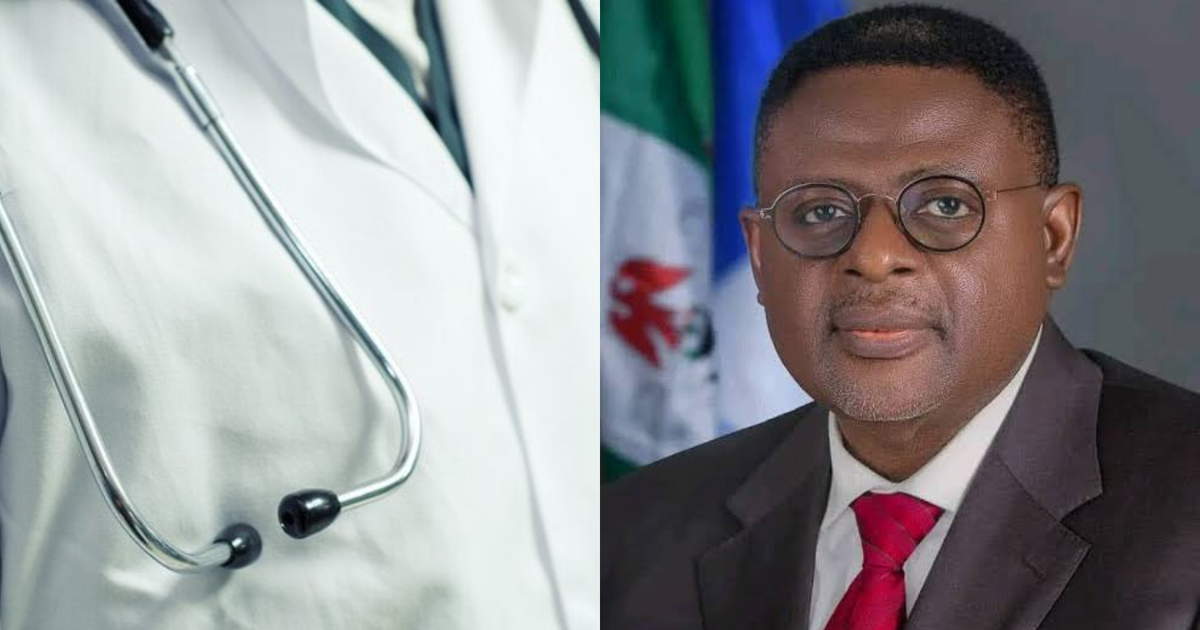
Move includes hiring of 2,000 health workers, hospital renovations and expanded funding to revitalise state healthcare
Governor Bassey Otu of Cross River State has approved a 100% salary increase for medical doctors working in the state’s public hospitals, alongside the lifting of a longstanding recruitment embargo in the health sector. The announcement was made on Saturday in Calabar by Commissioner for Health, Dr Henry Ayuk, as part of a broad initiative to overhaul healthcare delivery across the South-South state.
According to Dr Ayuk, the new measures will see not only doctors’ salaries doubled but also improved allowances for other categories of health workers. The state government has further authorised the immediate recruitment of 2,000 additional staff into its medical workforce. This is aimed at filling critical gaps in manpower and boosting service delivery in both urban and rural communities.
The commissioner stated that funding for healthcare services in Cross River has more than doubled over the past two years under Governor Otu’s administration. More than 100 primary healthcare centres have reportedly been rehabilitated statewide during this period, while funds have also been released for comprehensive renovation works at key general hospitals.
“Governor Bassey Otu is committed to repositioning the health sector for better outcomes,” Dr Ayuk said during the press briefing. He explained that these reforms are designed to address persistent challenges such as staff shortages, infrastructural decay and poor remuneration that have contributed to brain drain among medical professionals. No official response from organised labour or opposition parties was immediately available as at press time.
The state government indicated that recruitment processes for new health workers would begin in coming weeks, with priority given to critical care areas and underserved LGAs. The expansion of healthcare investment is expected to improve access to quality medical services and reduce outmigration of skilled personnel from Cross River State.
Nigeria News (Standard)
Kwankwaso’s Son Named Running Mate for Kano NDC Governorship Ticket
Selection signals strategic move by NDC ahead of 2027 Kano polls, as party seeks to boost youth support
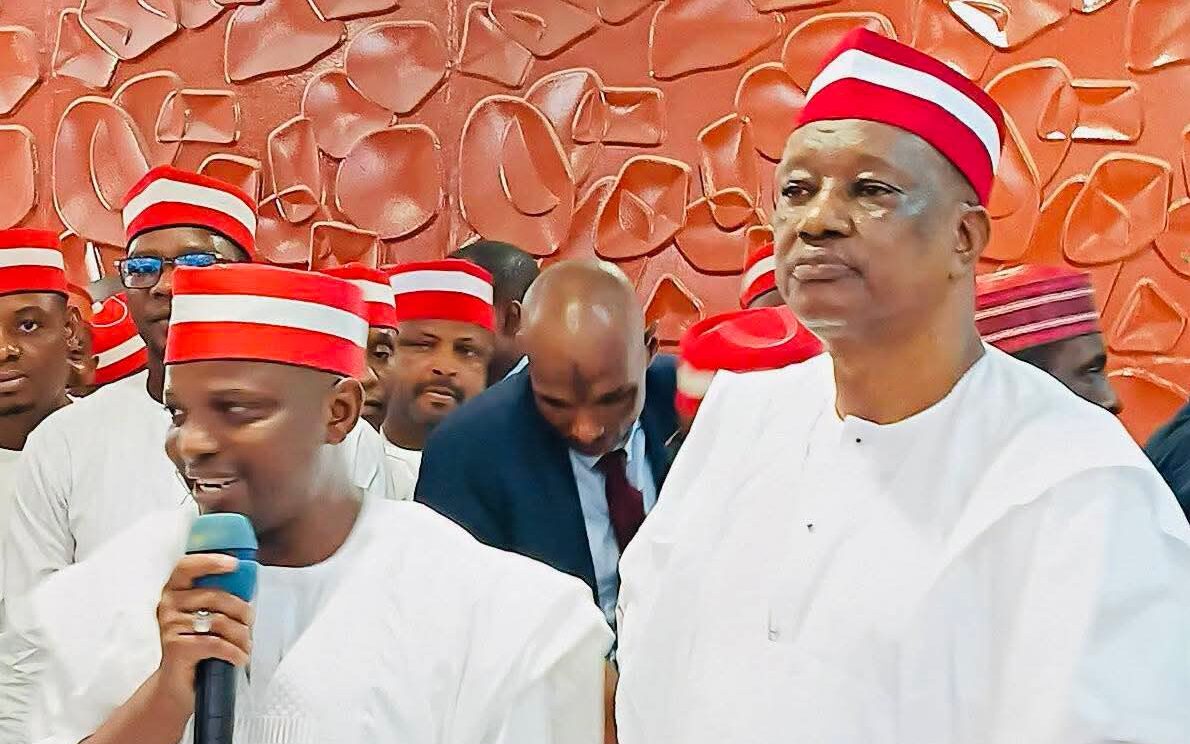
Selection signals strategic move by NDC ahead of 2027 Kano polls, as party seeks to boost youth support
The New Democratic Congress (NDC) in Kano State has picked the son of former Governor Rabiu Musa Kwankwaso as its deputy governorship candidate for the upcoming election. The announcement was made on Monday, 15 June, positioning the younger Kwankwaso alongside the party’s flagbearer in a bid to strengthen the party’s ticket ahead of the crucial contest.
Party officials in Kano confirmed that the decision was taken after extensive consultations among stakeholders within the NDC. The move is seen as an effort to attract support from younger voters and leverage the influence of the Kwankwaso political family, which has played a major role in Kano politics over the past decade.
Kano State remains one of Nigeria’s most politically significant states, given its large population and history as a battleground for major parties including APC, PDP, and NNPP. The emergence of Kwankwaso’s son on the NDC ticket is expected to reshape alliances and intensify competition ahead of the governorship poll. Political observers note that such a choice could sway undecided voters and energise grassroots supporters who identify with the Kwankwasiyya movement championed by his father.
The NDC leadership described their running mate pick as a demonstration of their commitment to youth inclusion and fresh ideas. A senior party official stated that “the selection process was transparent and aimed at presenting a credible alternative for Kano people.” There has been no immediate public reaction from rival parties or electoral officials regarding the development.
With campaigns set to begin in earnest, all eyes are now on how this new pairing will perform against established political structures in Kano. Analysts predict that voter turnout and alliances among key blocs may be affected by this latest decision. The Independent National Electoral Commission (INEC) is yet to release an official timetable for party primaries and electioneering activities.
Federal, State, LG Governments Share ₦2.257trn April 2026 Revenue Nationwide
Cross River Governor Otu Approves 100% Salary Increase for Doctors, Lifts Health Sector Recruitment Ban
Ụlọ Ikpe Abuja Kwupụtara Ka INEC Wepụ ADC Na Ndi Ọzọ N’ihi Mmebi Iwu Ala
Ex-Nigeria U23 Star Credits Boniface for Career Boost, Hails Support From Nigerian Friends
Kwankwaso’s Son Named Running Mate for Kano NDC Governorship Ticket
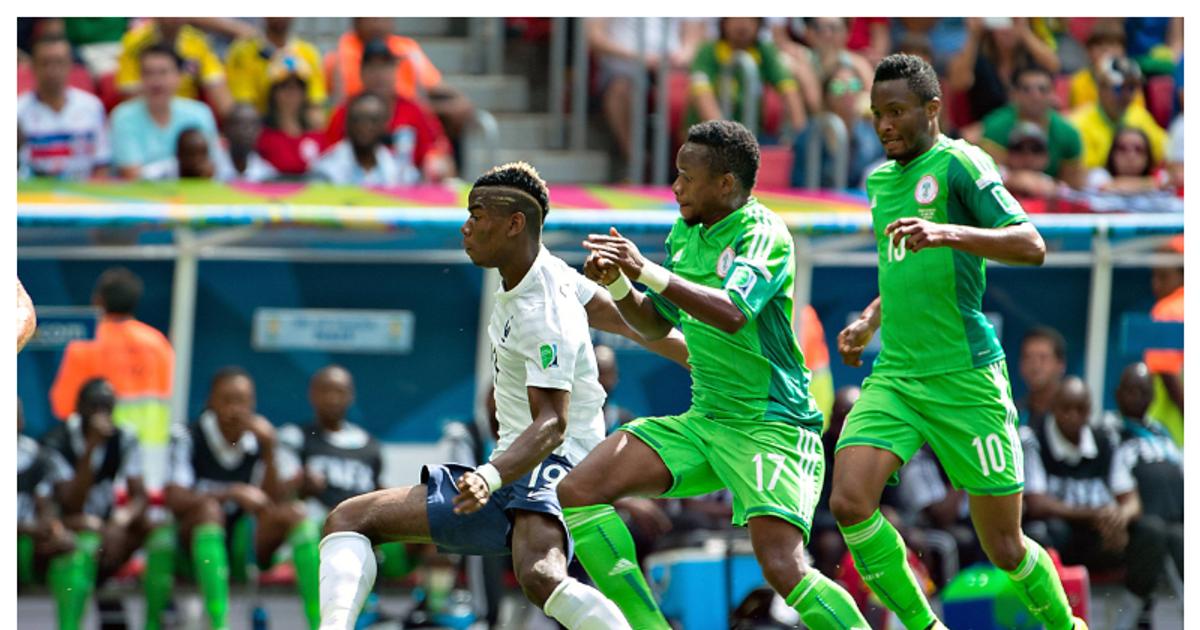
Super Eagles Legend Reveals How He Dominated Pogba and Matuidi in Unforgettable World Cup Battle
Ọnụ Ahịa Ịrị Elu Abawanyela Ruo 15.93% n’Naịjiria, Ọnwa Juun
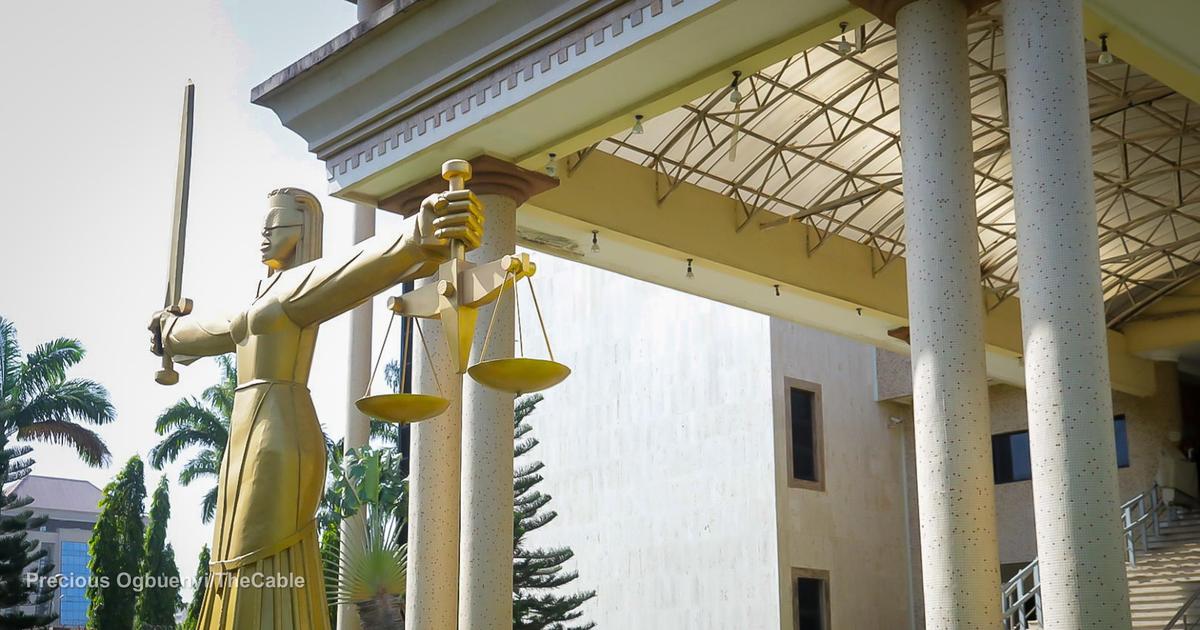
Abuja Federal High Court Orders INEC to Deregister ADC, Accord Party, Three Others for Poor Poll Performance
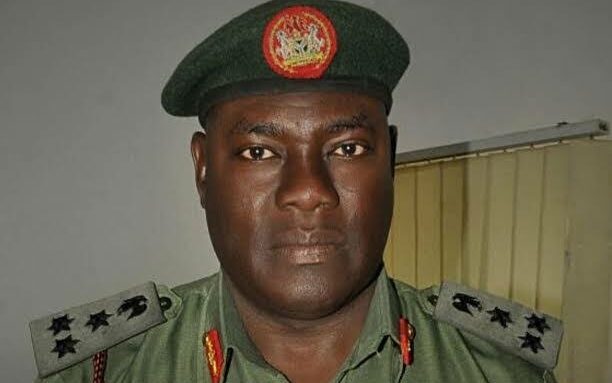
General Rabe Abubakar’s Body Recovered After Death in Captivity, Military Confirms
Rockefeller, Nizam of Hyderabad, Musk Top Global Wealth Rankings Across Decades
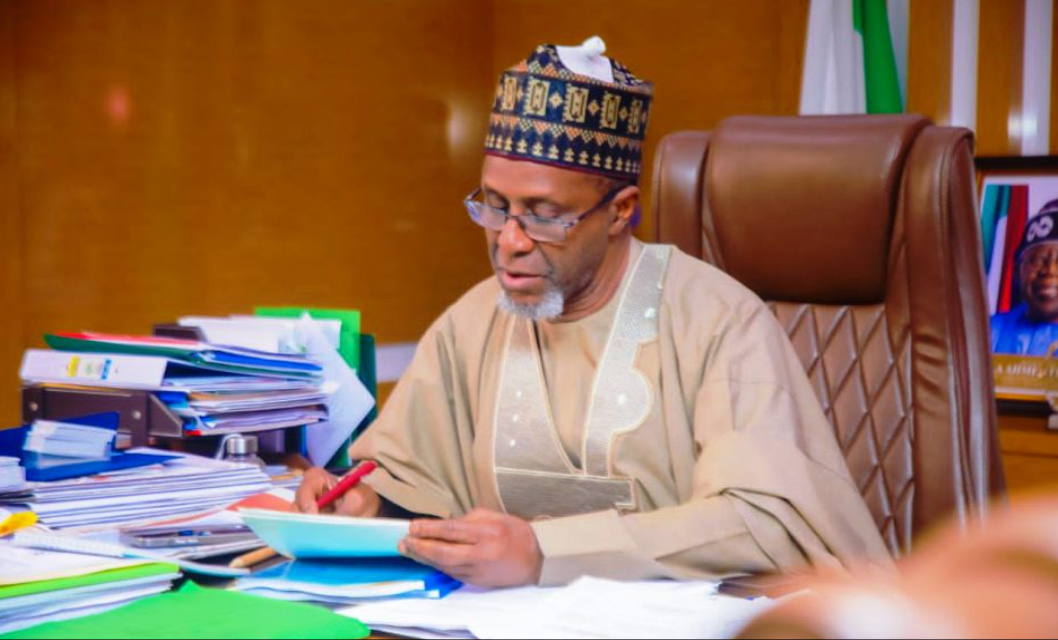
Environment Minister Urges Increased Investment in Nigeria’s Green Economy Ahead of Global Climate Summit
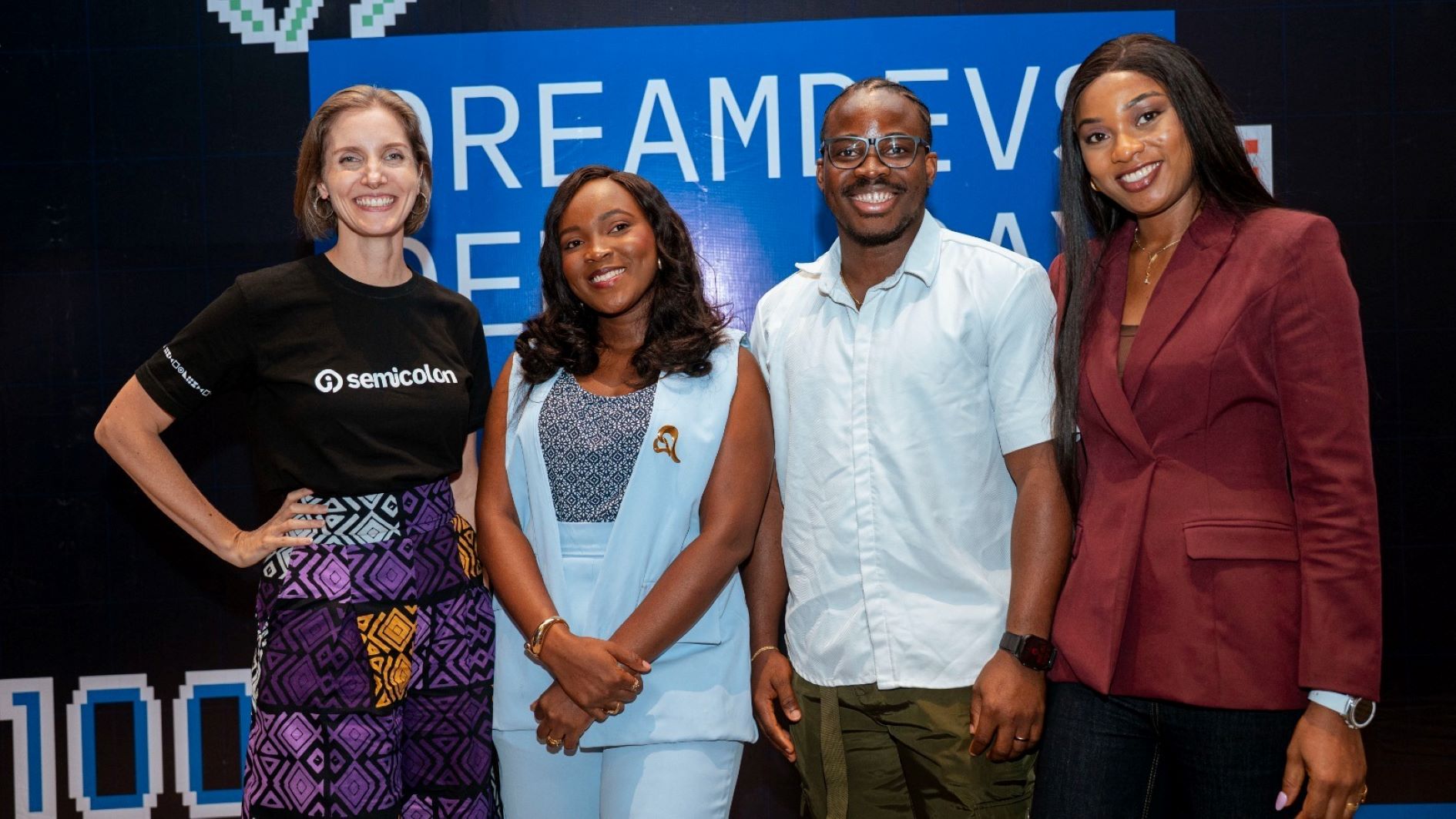
Moniepoint Graduates Second DreamDevs Cohort in Lagos to Strengthen Nigeria’s Engineering Workforce
Gọvanmenti Nigeria Kwupụtara 53 Orù Anyanwụ Maka Ike Ọhụrụ N’iru Afọ 2050

Fresh Romance Rumours Trail Lando Norris as Alix Earle Sparks Drama in Monaco
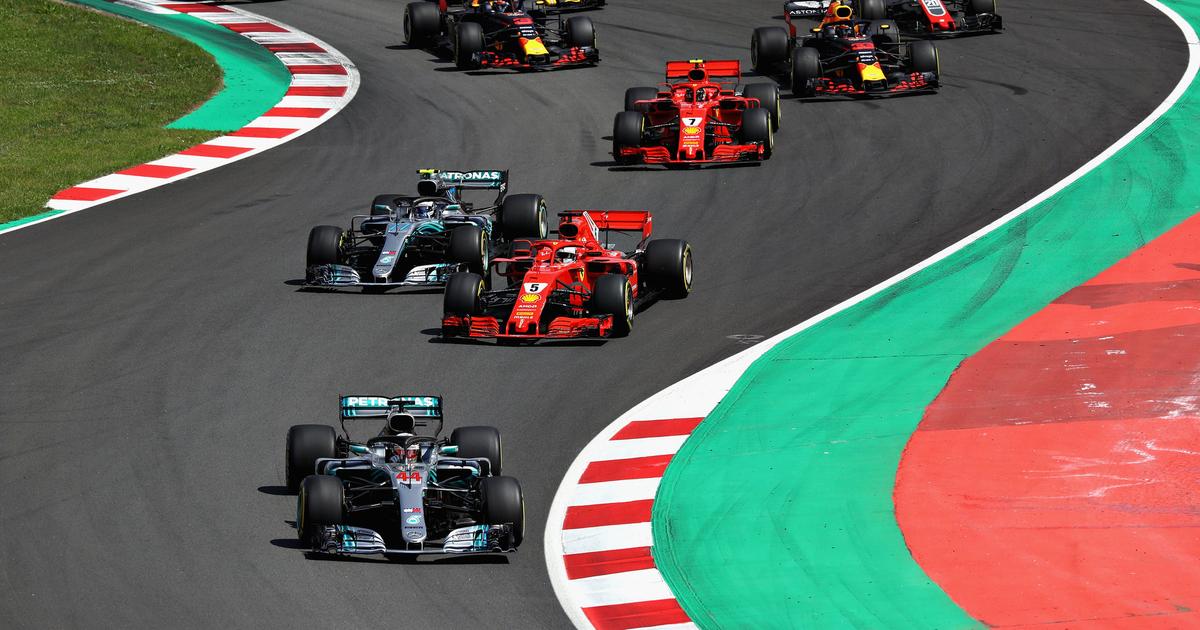
FG Launches $500m Abuja Formula 1 Bid, Targets Africa’s First Grand Prix Since 1993

Why More Nigerians Are Searching for Casino Bonuses—and What You Should Know Before Claiming
Ụlọ Ọrụ Nigeria Kwupụtara Nsogbu Nchekwa na Ụtụ Isi N’agbanyeghị Ịrị Elu Obi Ike Ahịa
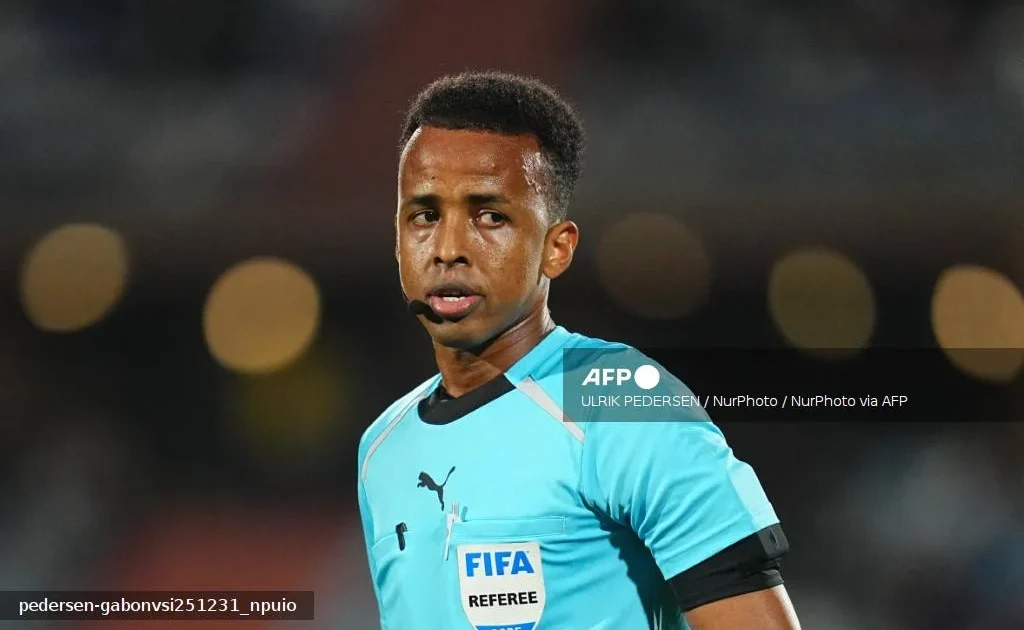
Somali Referee Omar Artan Blocked From US World Cup Over Visa Row, Misses Dream Debut
Federal Government Launches Mining Grants for Research and Exploration Across Nigeria