Nigeria News (Standard)
UK Government Moves to Ban TikTok, Instagram, Snapchat for Under-16s in Major Tech Crackdown
Plan garners strong support from parents as officials consider stricter age checks and curfews for young users
Plan garners strong support from parents as officials consider stricter age checks and curfews for young users
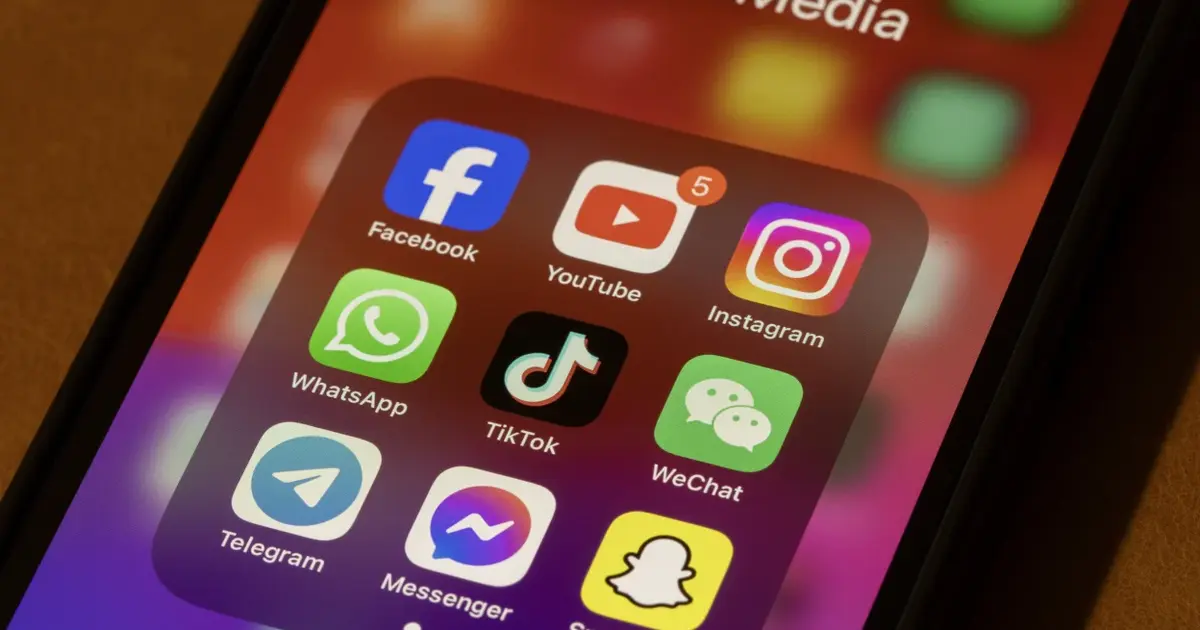
The United Kingdom government has announced plans to ban children under the age of 16 from accessing major social media platforms such as TikTok, Instagram, Snapchat, Facebook, X and YouTube. The move, unveiled on Saturday in London, follows a nationwide consultation that received over 116,000 responses and is aimed at addressing growing concerns over child safety online.
According to officials, the proposed policy will require all user-to-user social media platforms to block access for users below 16 years through tougher age verification systems. Features considered particularly risky for young people—including livestreaming and communication with strangers—will also be targeted. Some gaming platforms that allow these functions are expected to be affected by the restrictions. Messaging services like WhatsApp and Signal will remain exempt for now.
This development comes as many Nigerian parents and educators closely monitor global tech regulations amid rising debates on the impact of social media on youth well-being. UK Prime Minister Keir Starmer described the policy as a “line in the sand” designed to give children their childhood back and reduce exposure to harmful online content. The government is also considering further measures such as overnight curfews and scrolling limits for those under 18, with more details expected next month.
Announcing the decision, Starmer said he had listened to families worried about the effects of unrestricted social media use. “I’ve heard first hand from families crying out for change and we will do right by them,” he stated. “That’s why we’re going further than any country in the world by banning social media for under-16s and putting wider protections in place to give kids their childhood back.”
A government survey revealed that nine out of ten parents support the ban, citing mental health and privacy concerns for children. Around two-thirds of young people who participated agreed that children younger than 16 should not have access to certain platforms. Dame Rachel de Souza, Children’s Commissioner for England, welcomed the move but stressed that its effectiveness would depend on robust enforcement against tech companies.
To ensure compliance, UK communications regulator Ofcom has been tasked with conducting a rapid review into effective age verification methods. Technology Secretary Liz Kendall has also requested a detailed assessment of Ofcom’s enforcement powers and strategies to make sure companies adhere to new rules.
The proposal signals a significant shift in how governments globally are responding to Big Tech’s influence over young users. For Nigerian stakeholders watching from afar, the UK’s approach could provide lessons or models if similar debates arise locally about protecting minors from online risks.
Nigeria News (Standard)
Lagos State Disburses ₦15bn, Creates 320,000 Jobs Through Employment Trust Fund
LSETF says over 20,000 small businesses received funding as agency marks decade of job creation in South-West state
LSETF says over 20,000 small businesses received funding as agency marks decade of job creation in South-West state
Lagos State Government has announced the disbursement of more than ₦15 billion to over 20,000 small and medium-scale businesses across the state through the Lagos State Employment Trust Fund (LSETF), leading to the creation of more than 320,000 direct and indirect jobs within the last ten years. The disclosure was made on Monday in Ikeja by the Executive Secretary of LSETF, Feyisayo Alayande, during a media parley where she presented the agency’s ten-year impact report.
Alayande stated that LSETF, established in 2016 to tackle unemployment and foster entrepreneurship in Lagos, has become a vital instrument for economic empowerment. She highlighted that access to finance, skills development initiatives, market opportunities and technology support provided by the fund have enabled thousands of residents and enterprises to thrive despite Nigeria’s challenging business environment.
According to Alayande, LSETF interventions have also helped safeguard more than 173,000 jobs that were at risk of being lost due to economic headwinds. Over 82,000 small businesses have benefited from capacity-building programmes organised by the fund during its decade of operation. She said: “Our focus remains on empowering Lagosians with resources and knowledge needed for sustainable livelihoods.”
She explained that since inception, LSETF has focused on inclusive growth by targeting young people and women-owned enterprises among its beneficiaries. The agency’s support covers various sectors including trading, manufacturing, hospitality and creative industries. Alayande noted that partnerships with local and international development partners have strengthened the fund’s impact across Lagos’ five administrative divisions.
While presenting the impact report, Alayande affirmed that LSETF would continue scaling up interventions in job creation and enterprise support as Lagos State aims to further reduce unemployment rates in South-West Nigeria. The opposition could not be immediately reached for comment regarding the agency’s reported achievements.
Nigeria News (Standard)
Delta Tricycle Operator Outsmarts Kidnappers, Escapes Abduction Attempt in Warri
Security agencies urge increased vigilance as residents recount growing cases of abduction along major transport routes in Delta State
Security agencies urge increased vigilance as residents recount growing cases of abduction along major transport routes in Delta State
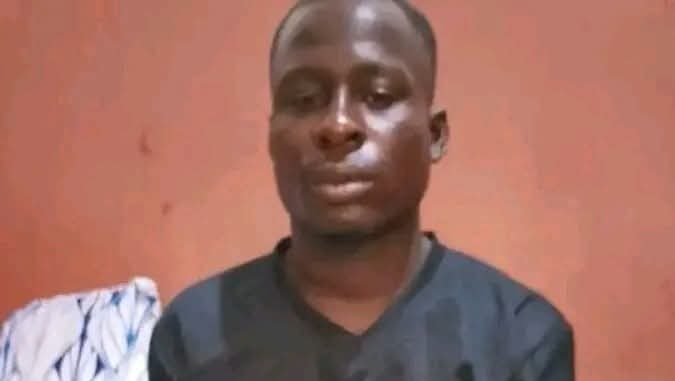
A tricycle operator in Warri, Delta State, has narrated how he narrowly escaped from suspected kidnappers after being lured under false pretence on Monday. The incident occurred along a busy route in the metropolis, highlighting renewed concerns over rising abduction cases targeting commercial transporters in the South-South state.
According to the operator, who requested anonymity for safety reasons, he was approached by three men posing as regular passengers. After picking them up at a known junction, the suspects diverted him towards an isolated area under the guise of changing their destination. Sensing danger as one of the men tried to restrain him, the driver managed to swerve his tricycle abruptly and escaped from their grip before raising an alarm that drew the attention of passersby.
Abductions and attempted kidnappings targeting drivers and commuters have become more frequent across Delta and neighbouring states in recent months, with residents reporting similar tactics used by criminal elements. Local unions representing tricycle operators have repeatedly called for increased police patrols and more visible security presence on major roads to deter such attacks.
The Delta State Police Command has urged transport operators to remain vigilant and report suspicious behaviour immediately. “We are working with community leaders and transport unions to improve intelligence gathering around hotspots,” a senior police officer stated. The officer warned that criminals often exploit routine routes and low-traffic periods to perpetrate abductions, advising drivers not to travel alone during late hours whenever possible.
Authorities say investigations into Monday’s incident are ongoing, with efforts underway to identify those behind the foiled kidnapping. Meanwhile, residents are advised to exercise heightened caution as security agencies step up patrols in identified flashpoints across Warri and other parts of Delta State.
Nigeria News (Standard)
Federal, State, LG Governments Share ₦2.257trn April 2026 Revenue Nationwide
Latest revenue allocation marks significant rise as states and councils receive disbursements for critical projects and salaries
Latest revenue allocation marks significant rise as states and councils receive disbursements for critical projects and salaries
The federal, state, and local government (LG) authorities across Nigeria have shared a total of ₦2.257 trillion as statutory revenue for April 2026. The distribution, which covers all 36 states and the Federal Capital Territory, was concluded on Monday, June 15, according to official figures released by the Federation Accounts Allocation Committee (FAAC).
The sharing formula follows established procedures involving the federal government, state governors, and representatives of the 774 local government areas. FAAC met in Abuja to finalise the allocation after reconciling revenue inflows for the month. The funds are drawn from oil receipts, value-added tax (VAT), and other statutory sources collected into the Federation Account.
This latest disbursement represents a notable increase from previous months, reflecting improvements in oil sales and non-oil revenue collection. The timely sharing of funds is expected to help states and local councils address salary backlogs, ongoing capital projects, and pressing social needs. Many states have faced fiscal pressure due to rising inflation and exchange rate volatility in recent quarters.
Government officials present at the meeting reaffirmed their commitment to transparent allocation and prudent utilisation of public funds. State representatives welcomed the higher remittance but urged federal agencies to step up monitoring of deductions at source. The FAAC committee also called on states to intensify internally generated revenue (IGR) efforts amid continued economic headwinds.
The next FAAC meeting is scheduled for mid-July when May’s figures will be reviewed. Economic analysts say sustained high allocations could improve liquidity across tiers of government but warn that inflationary pressures remain a concern for effective service delivery.
Lagos State Disburses ₦15bn, Creates 320,000 Jobs Through Employment Trust Fund
Delta Tricycle Operator Outsmarts Kidnappers, Escapes Abduction Attempt in Warri
Federal, State, LG Governments Share ₦2.257trn April 2026 Revenue Nationwide
Cross River Governor Otu Approves 100% Salary Increase for Doctors, Lifts Health Sector Recruitment Ban
Ụlọ Ikpe Abuja Kwupụtara Ka INEC Wepụ ADC Na Ndi Ọzọ N’ihi Mmebi Iwu Ala
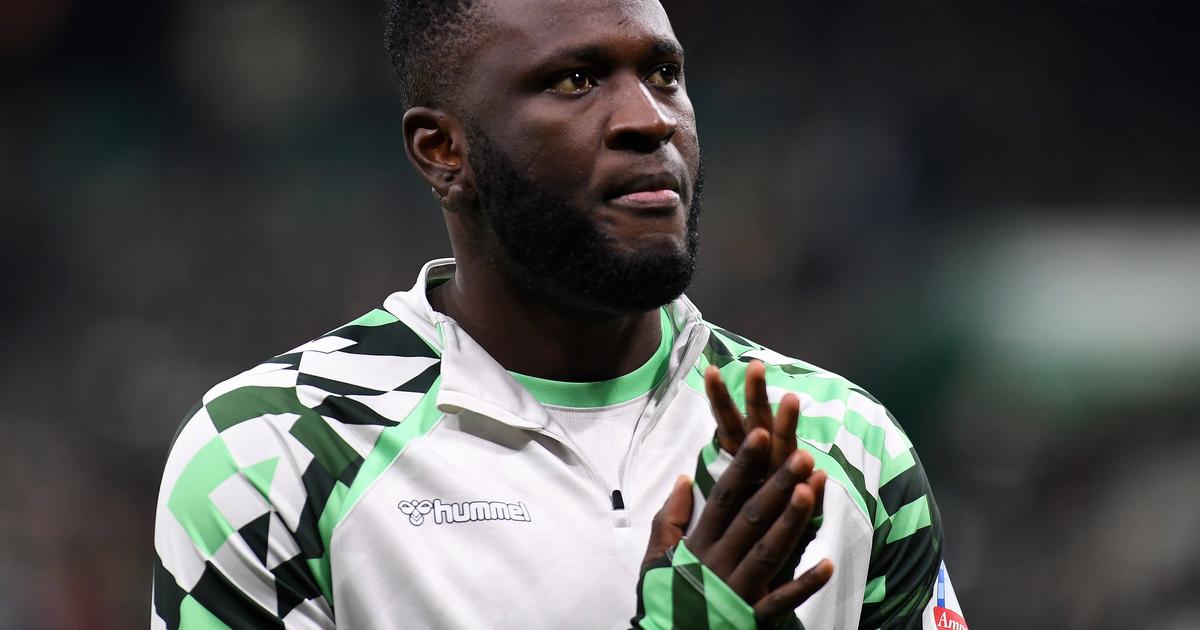
Ex-Nigeria U23 Star Credits Boniface for Career Boost, Hails Support From Nigerian Friends
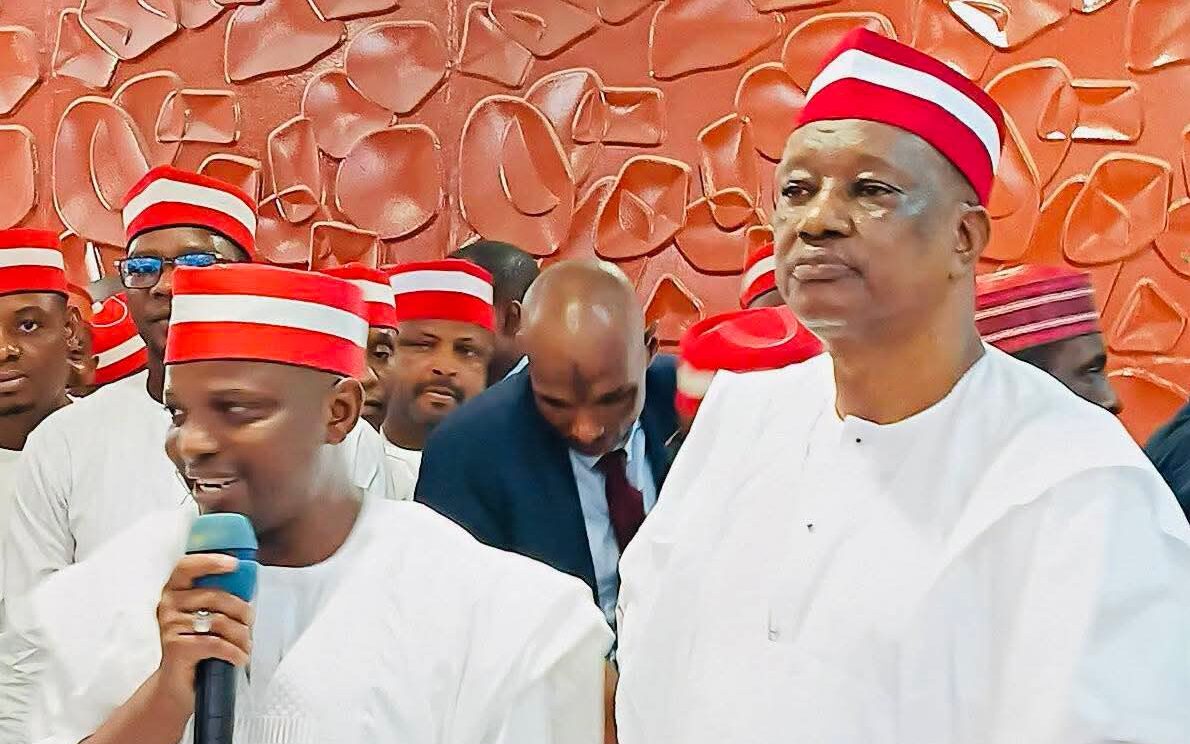
Kwankwaso’s Son Named Running Mate for Kano NDC Governorship Ticket

Super Eagles Legend Reveals How He Dominated Pogba and Matuidi in Unforgettable World Cup Battle

Ọnụ Ahịa Ịrị Elu Abawanyela Ruo 15.93% n’Naịjiria, Ọnwa Juun
Abuja Federal High Court Orders INEC to Deregister ADC, Accord Party, Three Others for Poor Poll Performance
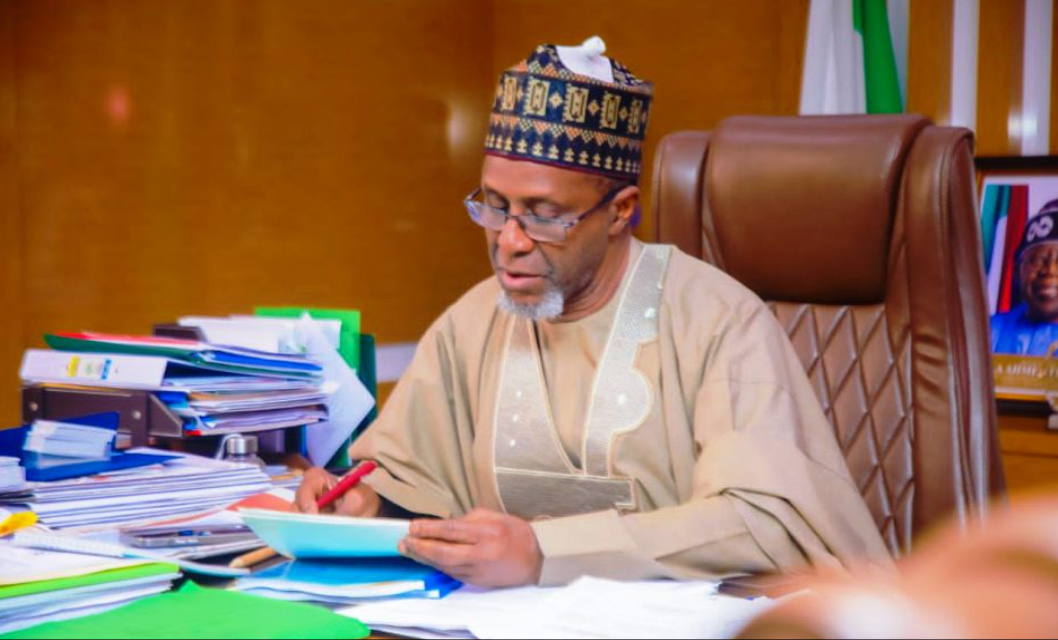
Environment Minister Urges Increased Investment in Nigeria’s Green Economy Ahead of Global Climate Summit

Moniepoint Graduates Second DreamDevs Cohort in Lagos to Strengthen Nigeria’s Engineering Workforce

Gọvanmenti Nigeria Kwupụtara 53 Orù Anyanwụ Maka Ike Ọhụrụ N’iru Afọ 2050

Fresh Romance Rumours Trail Lando Norris as Alix Earle Sparks Drama in Monaco

FG Launches $500m Abuja Formula 1 Bid, Targets Africa’s First Grand Prix Since 1993

Why More Nigerians Are Searching for Casino Bonuses—and What You Should Know Before Claiming

Ụlọ Ọrụ Nigeria Kwupụtara Nsogbu Nchekwa na Ụtụ Isi N’agbanyeghị Ịrị Elu Obi Ike Ahịa
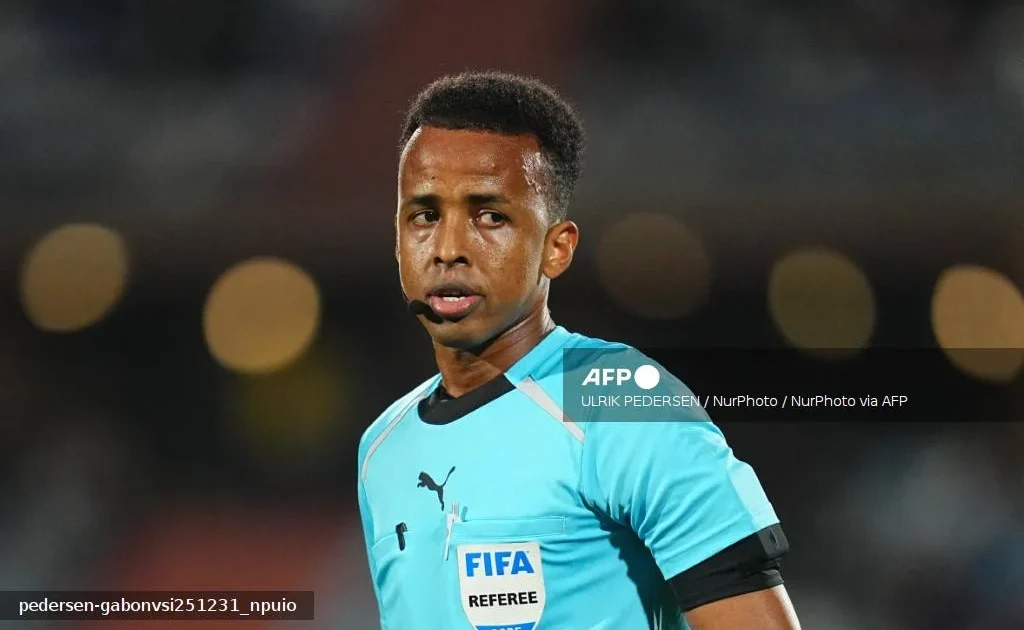
Somali Referee Omar Artan Blocked From US World Cup Over Visa Row, Misses Dream Debut
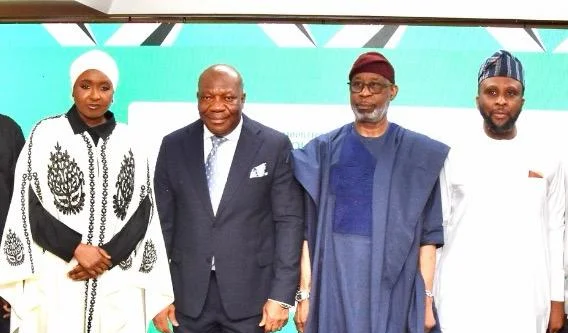
Federal Government Launches Mining Grants for Research and Exploration Across Nigeria