
Nigeria News (Standard)
Over 30 Kwara Monarchs Flee Palaces as 11 Obas Abducted or Killed in Kidnap Wave
Traditional rulers now operate from Ilorin, Lagos, and Osogbo after armed men target palaces, crippling local governance

Traditional rulers now operate from Ilorin, Lagos, and Osogbo after armed men target palaces, crippling local governance
More than 30 traditional rulers have fled their palaces across southern Kwara State following a series of abductions and attacks by armed men, with at least 11 Obas reportedly abducted or killed since the start of the year. The exodus has paralysed leadership in over two dozen communities, disrupting farming and local security structures.
The crisis intensified after recent incidents including the death of Oba Salman Olatunji Aweda, the ruler of Olayinka community, who reportedly died in captivity after being abducted alongside his wife. Another attack targeted the palace of the Elerin of Adanla. Most affected monarchs are now said to be ruling remotely from safer cities such as Ilorin, Offa, Osogbo in Osun State, and Lagos, while maintaining contact with their subjects at a distance.
Communities impacted by these developments include Omugo, Afin, Oreke, Oreke Oke-Igbo, Olohuntele, Alabe, Ganmu Ailehri, Ologanmo, Igbo Agbon and Olayinka. Local residents say the absence of their kings has disrupted conflict resolution mechanisms and intelligence gathering vital for community security. Farming activities have also come to a halt in several towns due to increased insecurity.
The list of monarchs affected by abductions or attacks reflects a growing trend in the region. Notable cases include Oba Simeon Olanipekun (Oniwo of Afin), who was held captive for over a month before regaining freedom; Oba Segun Aremu-Cole (Olukoro of Koro-Ekiti), shot dead in his palace; and Oba Olufemi Adewumi (Ondo State), who was abducted and later killed. Others like Oba David Adebayo Fatoba (Alara of Ara-Ekiti) survived attacks but were forced into hiding.
Security agencies have yet to issue a comprehensive response to the crisis. However, traditional leaders are calling for urgent intervention from government to restore safety in rural areas and safeguard Nigeria’s traditional institutions. As at now, there has been no official comment from Kwara State Police Command on new measures to address the surge in attacks targeting monarchs. The situation remains tense as local leadership structures struggle to function amid ongoing threats.
Source: https://www.pulse.ng/story/kwara-kings-flee-palaces-kidnap-list-2026061610140874407
Nigeria News (Standard)
Lagos Ports Set to Receive 37 Vessels Laden with Petroleum Products and Food Items, Says NPA
Nigerian Ports Authority confirms multiple consignments to boost supplies amid economic pressures on import-dependent sectors
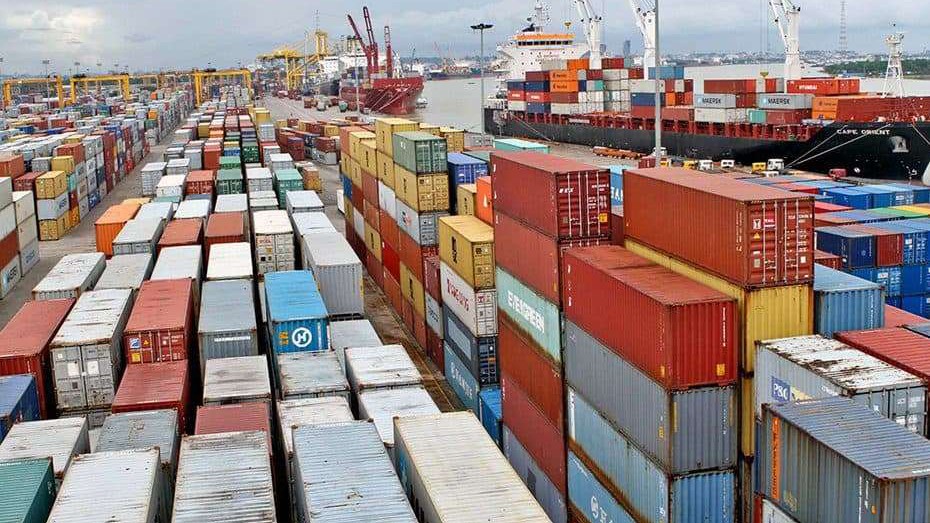
Nigerian Ports Authority confirms multiple consignments to boost supplies amid economic pressures on import-dependent sectors
The Nigerian Ports Authority (NPA) has announced that 37 vessels carrying petroleum products, food items, and other goods are expected to berth at Lagos ports in the coming days. The agency disclosed this development on Tuesday, highlighting efforts to enhance the flow of essential commodities into Nigeria’s commercial hub.
According to the NPA, preparations are underway at Lagos ports for the arrival of these ships, which are scheduled in phases over the next several days. The authority did not specify the breakdown of cargo by volume but indicated that consignments include critical imports such as fuel and various foodstuffs.
The scheduled arrivals come at a time when Nigeria faces persistent challenges with fuel distribution and rising food costs. Lagos remains a key entry point for imported goods, with port activities directly impacting market supplies across the country. Stakeholders in the logistics sector say timely clearance and distribution of these consignments are vital to easing inflationary pressures currently affecting millions of Nigerians.
While no specific figures were given for tonnage or vessel capacity, the NPA assured operators that it is working with relevant agencies to ensure efficient handling and prompt discharge of goods once the vessels dock. “We remain committed to facilitating trade and ensuring steady supplies for Nigerian consumers,” an NPA spokesperson said in a statement.
Industry watchers expect that the influx of petroleum products will help stabilise supply chains for filling stations in Lagos and adjoining states, while increased food imports could offer temporary relief from escalating prices. The NPA says it will continue monitoring port operations closely as more vessels are scheduled in subsequent weeks.
Nigeria News (Standard)
UNICEF Flags Rising Child Malnutrition and Out-of-School Figures in Abuja, Urges Swift Action
Six in ten Nigerian children face violence as federal government faces calls to boost protection and education funding

Six in ten Nigerian children face violence as federal government faces calls to boost protection and education funding
The United Nations Children’s Fund (UNICEF) has raised alarm over worsening rates of malnutrition and declining school attendance among children in Nigeria, as the country joined others to mark the Day of the African Child on Sunday in Abuja. The agency warned that urgent intervention is needed, with about 10.5 million Nigerian children out of school and an estimated two million suffering from severe acute malnutrition.
According to UNICEF, Nigeria now ranks as one of the countries with the highest number of stunted children globally, with 32 percent of those under five years facing chronic malnutrition. These health challenges are worsened by rising food prices and poverty, especially in rural communities across states like Kano, Jigawa, Katsina (North-West), and Borno (North-East), where insecurity further restricts access to both food and schools.
Despite official policy guaranteeing free primary education nationwide, millions remain excluded due to child labour, early marriage, inadequate school infrastructure, and conflict-related disruptions. “One in every five out-of-school children worldwide is Nigerian,” UNICEF stated on Sunday. Attacks on schools and student abductions have forced many parents to keep their wards at home, particularly in northern states.
The agency also highlighted a disturbing trend of violence against minors: six out of every ten Nigerian children experience some form of physical, emotional or sexual abuse before age 18. One in four girls and one in ten boys have faced sexual violence before adulthood; however, only a small fraction receive any professional help after such incidents. “Our children deserve safety at home, at school and within their communities,” UNICEF added.
Federal authorities say they are working with state governments to scale up feeding programmes and strengthen security around learning centres. However, experts warn that without increased budgetary allocation for child welfare and stronger enforcement of child protection laws, Nigeria risks failing its next generation. Advocacy groups continue to call for coordinated action from all stakeholders as the country reflects on the sacrifices made by young people during the Soweto Uprising – the historical event commemorated each year on June 16.
Nigeria News (Standard)
NSA Ribadu Says Nigeria’s Porous Borders Fuel Terrorism, Outlines New Security Measures
National Security Adviser highlights ongoing efforts to secure border regions, links weak surveillance to rising insurgency threats
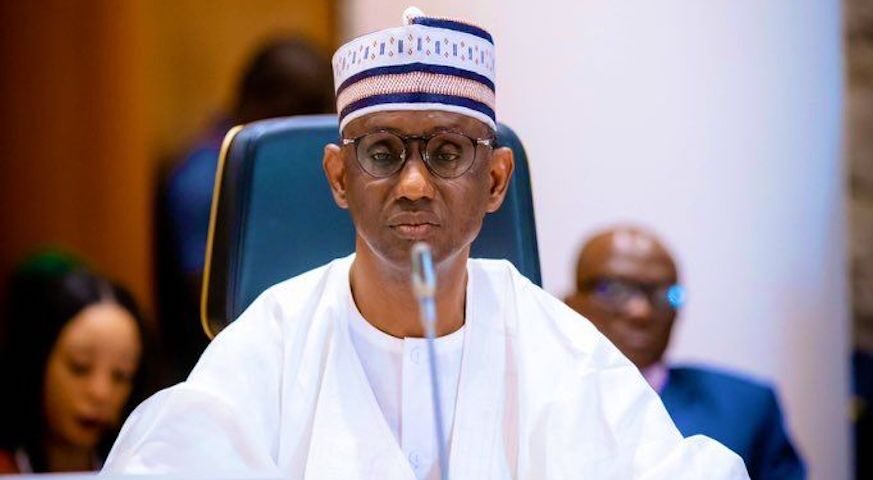
National Security Adviser highlights ongoing efforts to secure border regions, links weak surveillance to rising insurgency threats
Nigeria’s National Security Adviser, Nuhu Ribadu, has identified the country’s porous borders as a major factor fuelling terrorism and insecurity nationwide. Ribadu made this statement in Abuja on Tuesday, stressing that uncontrolled entry points have enabled armed groups and criminal elements to operate with ease across several regions.
Ribadu explained that the federal government is implementing fresh strategies to curb illegal cross-border movements and address the rising threat of terrorism. According to him, security agencies are working together to enhance surveillance and patrols in border communities, especially in northern states most affected by insurgency. The NSA noted that new technologies for monitoring and data collection are being deployed as part of a broader border management programme.
Border security has remained a significant challenge for Nigeria due to its expansive land boundaries stretching over thousands of kilometres with neighbouring countries such as Niger, Chad, Cameroon, and Benin Republic. The unchecked flow of arms, drugs and fighters has compounded insecurity in border areas, contributing to attacks on civilians and displacement of residents.
“The open nature of our borders is a key enabler for terrorists,” Ribadu said while addressing stakeholders on Tuesday. He assured that President Bola Tinubu’s administration is prioritising improved coordination among security agencies and investing in intelligence gathering to stem the tide of cross-border crimes. Ribadu added that the government is engaging with regional partners to strengthen joint patrols and information sharing.
Security experts have consistently called for more robust border controls to complement military operations against armed groups. While welcoming government’s renewed focus, some analysts argue that community engagement and economic support for border communities are also crucial in reducing local collaboration with criminal elements.
The federal government is expected to roll out further details on its new border security framework in the coming weeks as part of ongoing efforts to tackle insurgency, banditry and other transnational crimes.
Lagos Ports Set to Receive 37 Vessels Laden with Petroleum Products and Food Items, Says NPA
UNICEF Flags Rising Child Malnutrition and Out-of-School Figures in Abuja, Urges Swift Action

No Match, No Drama: Key Details Missing as Malaysian Betting Platform Claims Spotlight
NSA Ribadu Says Nigeria’s Porous Borders Fuel Terrorism, Outlines New Security Measures

Nigeria Eyes Broader 5G Rollout as Global Subscriptions Hit 3.1 Billion

DJ Cuppy Rejects Nigerian Suitors, Cites Pressure of Being Otedola’s Daughter
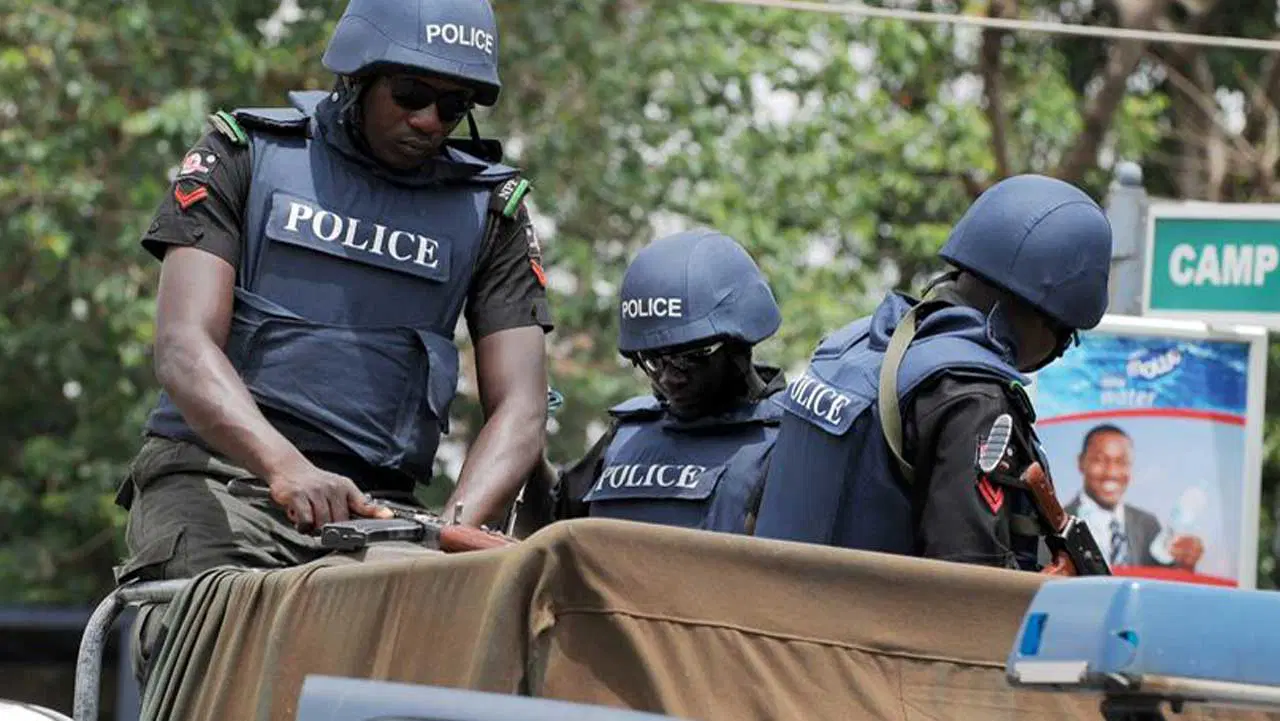
Zamfara Bomb Explosion Kills Three Police Officers in Northwest Nigeria

Abuja Court Revokes Sowore’s Bail, Orders Immediate Arrest of Activist

Lagos Influencer Dispute Exposes Deep Rift Between Brands and Creators in Nigeria’s Digital Economy

FirstBank Launches 2026 Pan-African Graduate Trainee Programme Across Lagos and Six African Cities
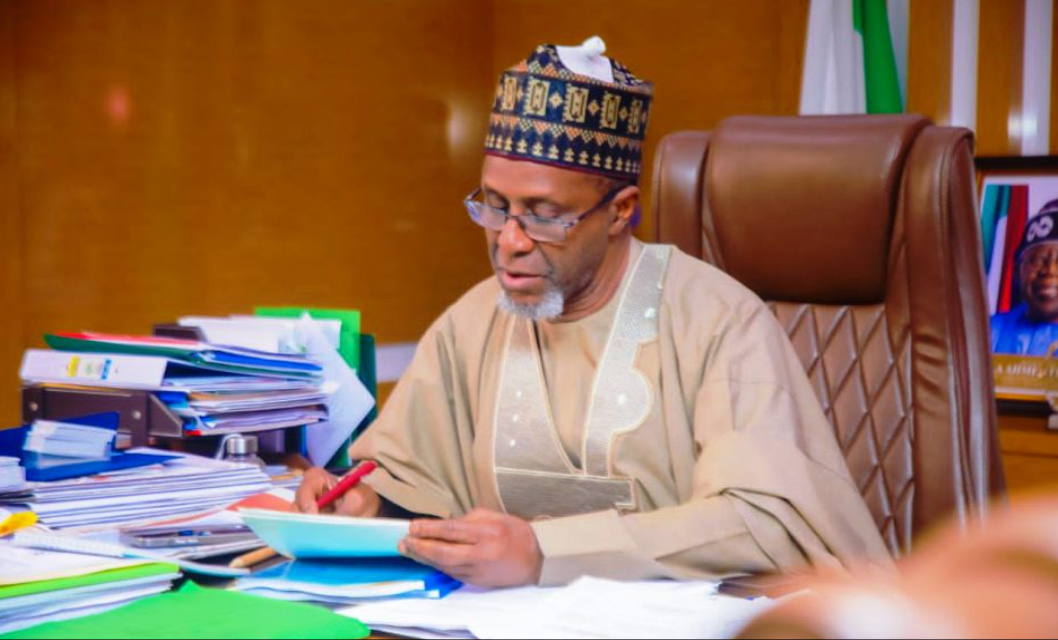
Environment Minister Urges Increased Investment in Nigeria’s Green Economy Ahead of Global Climate Summit

Moniepoint Graduates Second DreamDevs Cohort in Lagos to Strengthen Nigeria’s Engineering Workforce

Gọvanmenti Nigeria Kwupụtara 53 Orù Anyanwụ Maka Ike Ọhụrụ N’iru Afọ 2050

Fresh Romance Rumours Trail Lando Norris as Alix Earle Sparks Drama in Monaco

FG Launches $500m Abuja Formula 1 Bid, Targets Africa’s First Grand Prix Since 1993

Why More Nigerians Are Searching for Casino Bonuses—and What You Should Know Before Claiming
Ụlọ Ọrụ Nigeria Kwupụtara Nsogbu Nchekwa na Ụtụ Isi N’agbanyeghị Ịrị Elu Obi Ike Ahịa
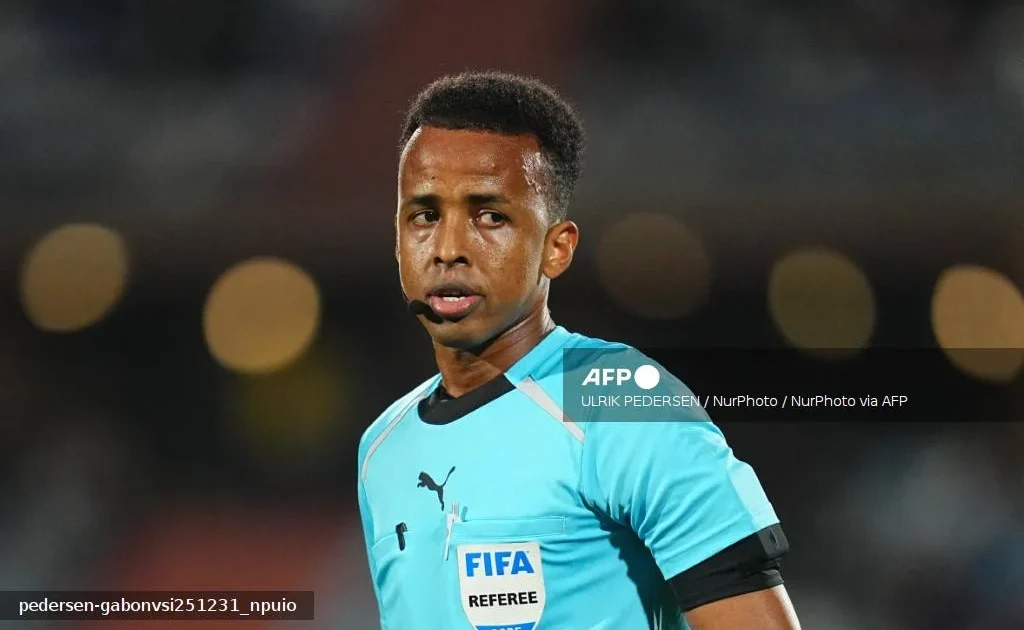
Somali Referee Omar Artan Blocked From US World Cup Over Visa Row, Misses Dream Debut

Federal Government Launches Mining Grants for Research and Exploration Across Nigeria