Nigeria News (Standard)
Bingham University Experts Warn Insecurity, Poor Funding Threaten 40 Million Nigerian SMEs
Stakeholders at Karu conference urge urgent reforms as entrepreneurs face rising business risks and shrinking investment
Stakeholders at Karu conference urge urgent reforms as entrepreneurs face rising business risks and shrinking investment
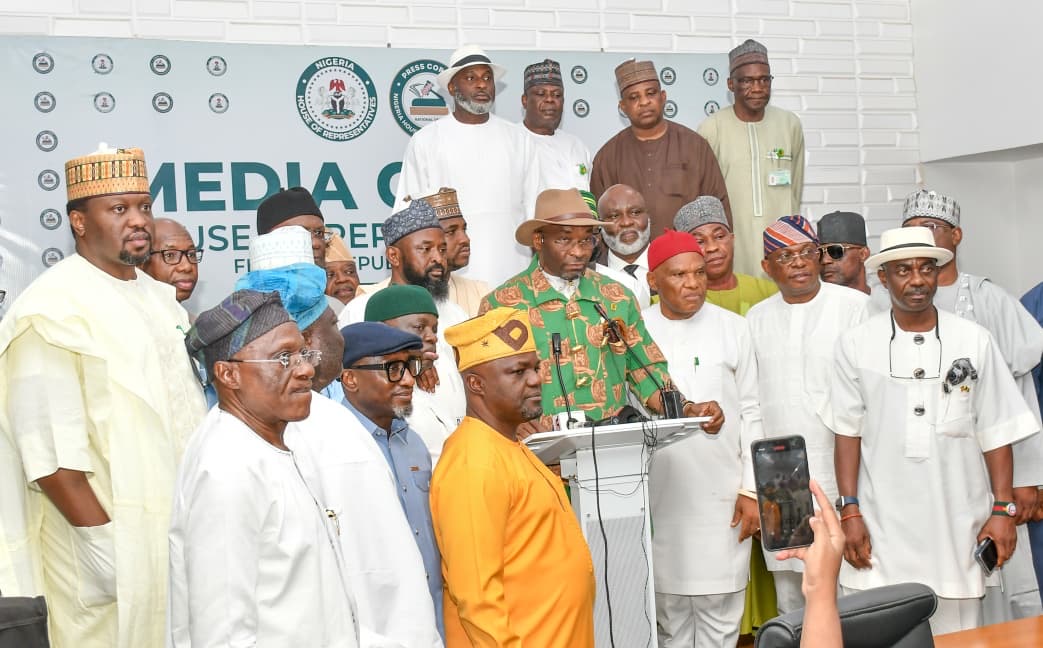
Over 40 million small and medium-sized enterprises (SMEs) in Nigeria are facing increasing setbacks due to widespread insecurity and poor access to finance, experts said on Monday at the first International Conference on Entrepreneurial and Managerial Innovation for Sustainable Socio-Economic Development (ICEMISD 2026) held at Bingham University, Karu, Nasarawa State. The event brought together academics, business leaders and policymakers who raised alarm over the hostile environment limiting the growth of Nigeria’s vital SME sector.
Stakeholders at the conference noted that entrepreneurs across the country now operate under unprecedented risks, with many forced to scale down or close operations entirely. Dr Edinen Usoroh, Managing Director of Executive Guards Ltd, explained that “insecurity—ranging from terrorism and kidnapping to cybercrime and political instability—has heightened business risks, increased costs, and discouraged investment.” Usoroh emphasised that security is not just a condition for peace but a fundamental determinant for sustainable enterprise.
Nigeria’s SMEs have long been recognised as a major driver of job creation and economic diversification. However, participants at the Karu conference stressed that current conditions are making it harder for these businesses to thrive compared to their counterparts in other countries. Limited access to affordable credit and structural inefficiencies were cited as major challenges holding back expansion and innovation. Many entrepreneurs struggle to secure bank loans or government grants needed for day-to-day operations or long-term growth.
Experts called on government at all levels to prioritise policies that will improve security nationwide and boost funding channels for small businesses. They recommended targeted support programmes for SMEs affected by insecurity as well as regulatory reforms aimed at reducing barriers to entry. Participants also urged financial institutions to develop products better tailored to the realities of local entrepreneurs.
As Nigeria faces rising unemployment and slow economic recovery, observers warned that continued neglect of SME challenges could undermine national development goals. The conference resolved that without swift action on insecurity and improved access to finance, millions of livelihoods remain at risk.
Nigeria News (Standard)
IAEA Chief Says Nigeria’s Nuclear Power Programme Remains on Track Amid Global Scrutiny
International Atomic Energy Agency reiterates support as Nigeria seeks to diversify energy sector through nuclear technology
International Atomic Energy Agency reiterates support as Nigeria seeks to diversify energy sector through nuclear technology
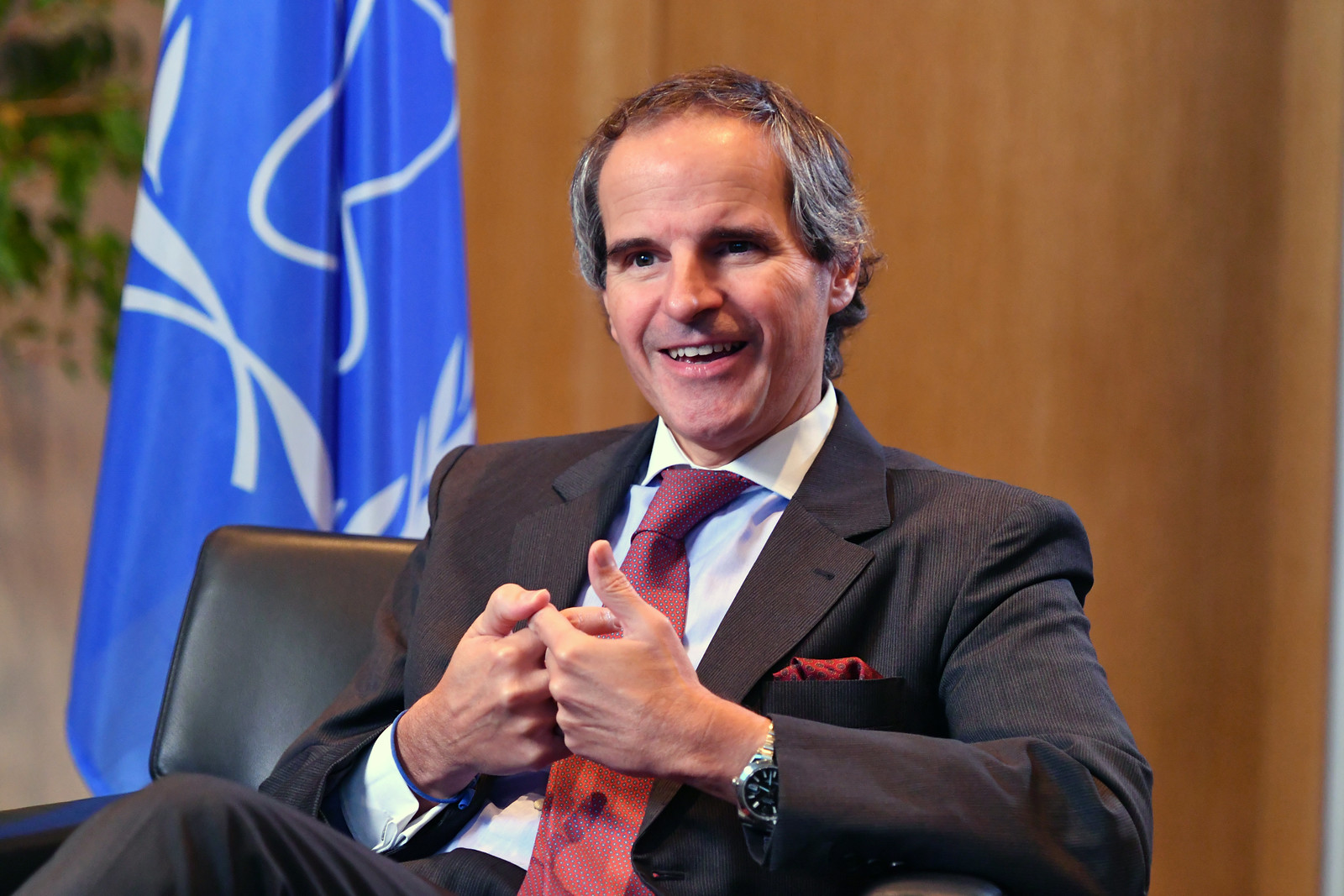
Nigeria’s nuclear power ambitions are still active and progressing, according to the Director-General of the International Atomic Energy Agency (IAEA), Rafael Mariano Grossi. Grossi made this known on Wednesday, stressing that despite global debates about nuclear energy and challenges faced by developing countries, Nigeria remains committed to its civilian nuclear programme.
Grossi spoke during a high-level meeting with Nigerian officials in Abuja, where he assured stakeholders that the IAEA continues to support Nigeria’s efforts towards developing nuclear power infrastructure. The meeting comes amid renewed calls for cleaner and more reliable energy sources as Nigeria confronts persistent electricity shortages and seeks alternatives to fossil fuels.
Nigeria has been pursuing a civilian nuclear energy programme for over a decade, aiming to diversify its energy mix and address chronic power supply deficits affecting millions nationwide. The project, which began with technical cooperation from the IAEA, has faced delays due to funding constraints and regulatory hurdles. However, the IAEA chief affirmed that the agency is working closely with Nigerian authorities to ensure compliance with international safety standards and secure technology transfer.
“Nigeria’s commitment to the peaceful use of nuclear technology is clear. We are here to provide every technical assistance necessary,” Grossi said during his engagement with government officials. He noted that several African countries are now exploring nuclear options due to growing demand for stable electricity supply.
While some experts have raised concerns about cost, safety, and waste management in developing economies like Nigeria, government officials maintain that nuclear power remains vital for national development. The Ministry of Power reiterated its plan to proceed with feasibility studies and regulatory groundwork before any construction commences.
With international backing from the IAEA and ongoing policy dialogue, Nigeria’s nuclear power drive is expected to remain a key part of its long-term strategy for energy security. Further consultations between Nigerian authorities and global partners are anticipated in coming months as the country moves closer towards making its first civilian nuclear plant a reality.
Nigeria News (Standard)
Over 8,000 Unemployed Nigerians Withdraw ₦12.1bn Pension Savings Amid Rising Economic Hardship
PenCom data shows spike in early pension withdrawals as inflation and joblessness squeeze households nationwide

PenCom data shows spike in early pension withdrawals as inflation and joblessness squeeze households nationwide
More than 8,000 jobless Nigerians accessed a total of ₦12.11 billion from their Retirement Savings Accounts (RSAs) between October and December 2025, according to figures released by the National Pension Commission (PenCom). The withdrawals, permitted under the Pension Reform Act 2014 for those unemployed for at least four months, reflect mounting financial pressure on citizens across the country.
PenCom data confirmed that 8,082 unemployed workers withdrew up to 25 percent of their pension balances in the last quarter of 2025. Many beneficiaries reportedly used the funds to cope with high living costs while seeking new employment. On average, each individual accessed about ₦1.5 million from their RSA during this period.
The surge in withdrawals comes as Nigeria continues to grapple with persistent inflation, currency depreciation and rising costs of food, transportation and housing. Many sacked workers face prolonged periods of unemployment with limited options for financial support. As at December 2025, early pension withdrawals have become a critical safety net for thousands navigating economic uncertainty.
Financial experts have cautioned that while early access to RSAs provides immediate relief for jobless contributors, frequent withdrawals could undermine long-term retirement security for many households. “These savings are meant to provide income after active service ends. Dipping into them too soon leaves future senior citizens vulnerable,” one industry analyst noted.
Despite such concerns, PenCom’s latest figures highlight the difficult choices facing Nigerian families as they balance present survival against future financial stability. The trend signals increasing reliance on pension funds as an emergency lifeline in a challenging economic environment.
Nigeria News (Standard)
Simba Power Unveils Renewable Energy Solutions for Hospitals at Lagos Exhibition
Firm introduces battery storage and hybrid systems to cut costs, urges healthcare providers to embrace sustainable power sources
Firm introduces battery storage and hybrid systems to cut costs, urges healthcare providers to embrace sustainable power sources
Simba Power, a leading energy firm, on Monday showcased new commercial and industrial energy solutions designed for healthcare facilities at the 2026 WHX Medic Exhibition in Lagos. The company urged Nigerian hospitals and clinics to adopt renewable energy technologies in order to improve service delivery and reduce operational expenses.
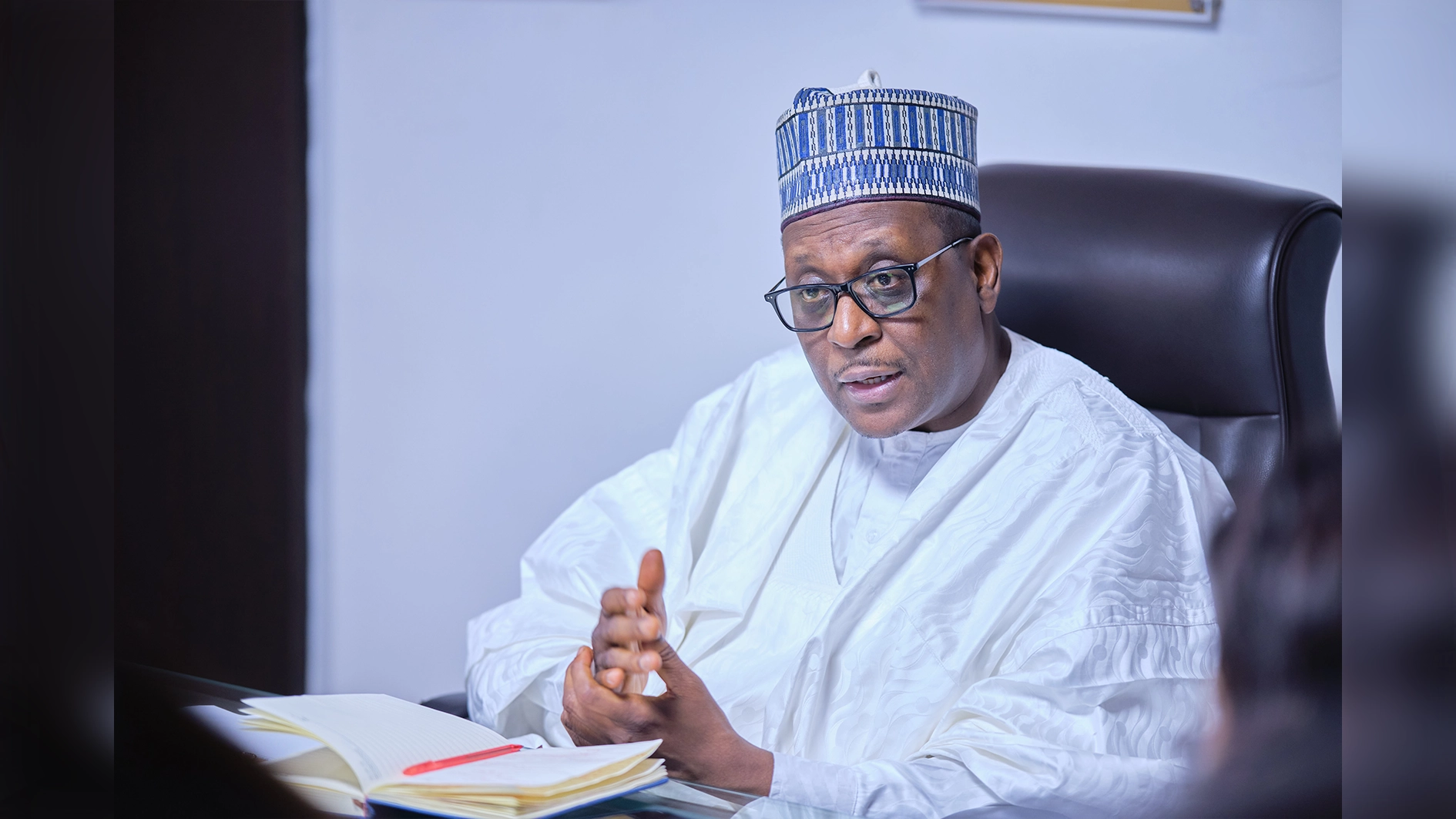
Presenting the new offerings at the event, Simba Power’s Spokesperson, Debdeep Mukherjee, said reliable electricity is essential for modern healthcare, from running diagnostic machines to maintaining critical patient care equipment. He encouraged operators in the sector to leverage renewable power sources such as solar and advanced battery storage systems to enhance efficiency and lower running costs.
Mukherjee explained that Simba Power’s latest products include scalable battery energy storage systems, hybrid inverter platforms, and grid-connected solutions tailored specifically for the needs of healthcare institutions. These systems are aimed at boosting energy reliability, cutting down on frequent power interruptions, and strengthening the overall resilience of hospitals across Nigeria.
“Our solutions are designed to address the unique challenges faced by healthcare providers in Nigeria when it comes to stable electricity supply. By adopting these technologies, hospitals can significantly reduce their dependence on diesel generators and bring down operational costs,” Mukherjee stated during a presentation at the exhibition.
The call for sustainable energy in healthcare comes amid ongoing concerns about unreliable power supply in Nigerian hospitals—a challenge that often leads to higher costs and compromised patient care. Stakeholders have repeatedly highlighted the need for alternative power solutions as government efforts to improve public electricity infrastructure continue. With initiatives like Simba Power’s latest launch, industry observers say hospitals now have more options to strengthen their operations while contributing to national climate goals.
Source: https://guardian.ng/business-services/firm-seeks-sustainable-energy-for-healthcare-sector/
IAEA Chief Says Nigeria’s Nuclear Power Programme Remains on Track Amid Global Scrutiny
Over 8,000 Unemployed Nigerians Withdraw ₦12.1bn Pension Savings Amid Rising Economic Hardship

Messi Ties All-Time Hat-Trick Record as Celebrities Flood Social Media With Praise
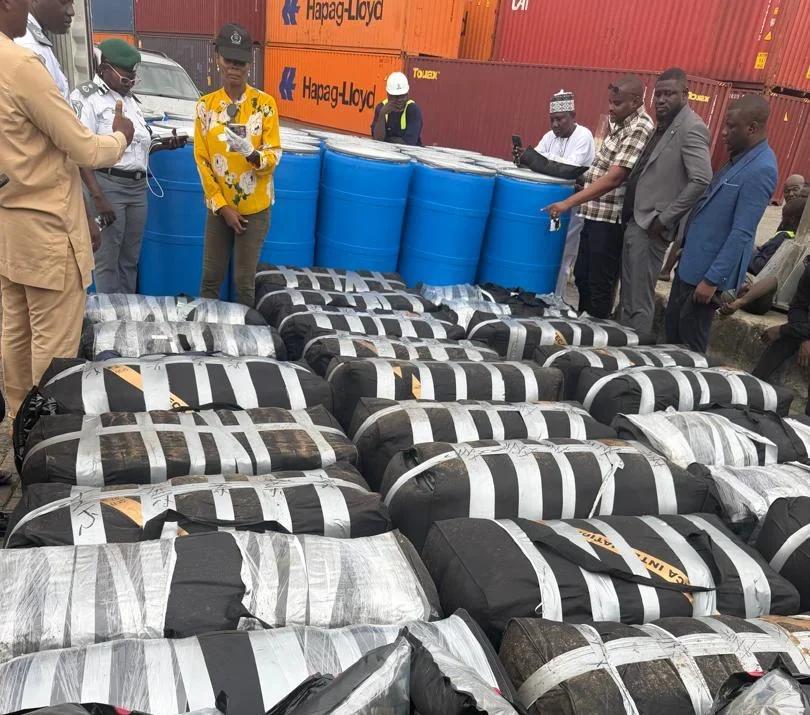
Ndị Ọrụ Nkọrọ Apapa Kwupụtara Iji 1.81 Tọn Kánnabịs Na Ogwu Agwụla Ọrụ Ruru ₦12.7bn

No Final Score Reported as Fans Left Waiting for ‘Bet of the Day’ Over Predictions Update
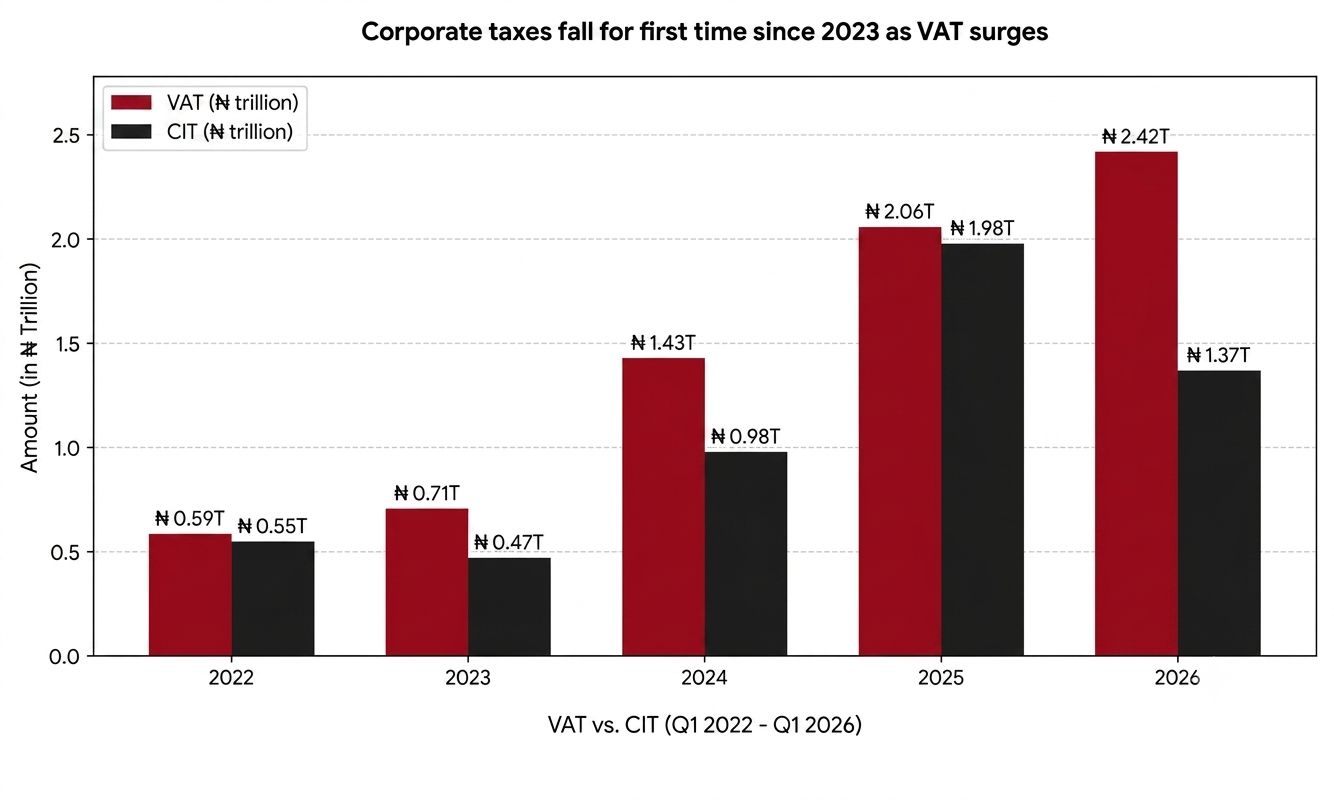
Ego ụtụ ụlọ ọrụ dara ruo izizi kemgbe 2023 ka VAT riri elu n’ahịa

‘I Want to Be There Again’ — Former Super Eagles Captain Opens Up on Emotional Longing for National Team
Simba Power Unveils Renewable Energy Solutions for Hospitals at Lagos Exhibition

NCC Reports Nigeria Hits 30.8 Million 5G Connections, Makes Up 1% of Global Total
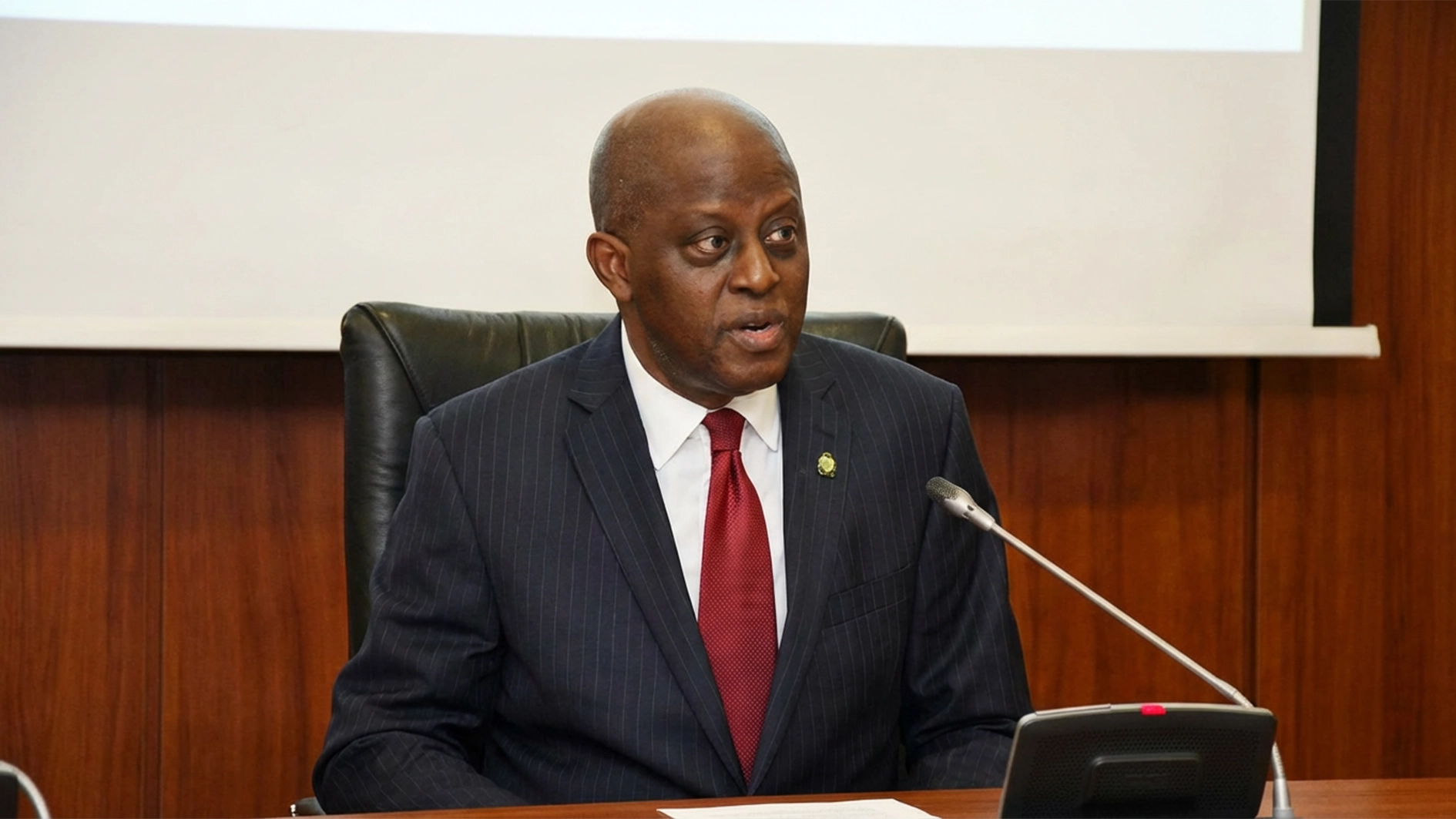
CBN Mandates Banks and Fintechs to Localise Payment Data by January 2027, Sector Faces Capacity Test
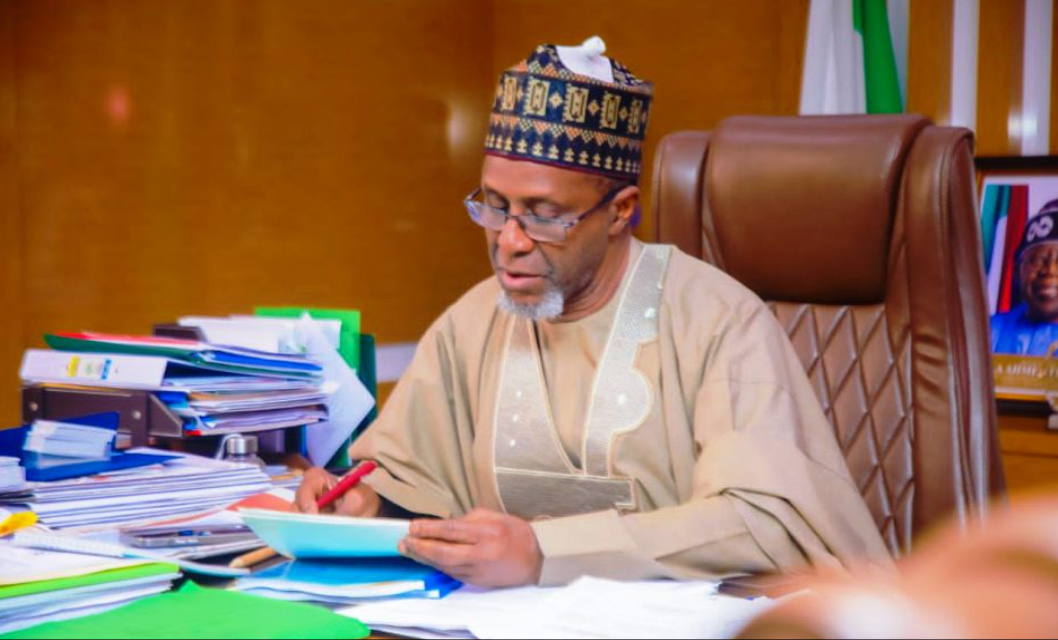
Environment Minister Urges Increased Investment in Nigeria’s Green Economy Ahead of Global Climate Summit

Moniepoint Graduates Second DreamDevs Cohort in Lagos to Strengthen Nigeria’s Engineering Workforce

Gọvanmenti Nigeria Kwupụtara 53 Orù Anyanwụ Maka Ike Ọhụrụ N’iru Afọ 2050

Fresh Romance Rumours Trail Lando Norris as Alix Earle Sparks Drama in Monaco

FG Launches $500m Abuja Formula 1 Bid, Targets Africa’s First Grand Prix Since 1993

Why More Nigerians Are Searching for Casino Bonuses—and What You Should Know Before Claiming

Somali Referee Omar Artan Blocked From US World Cup Over Visa Row, Misses Dream Debut

Ụlọ Ọrụ Nigeria Kwupụtara Nsogbu Nchekwa na Ụtụ Isi N’agbanyeghị Ịrị Elu Obi Ike Ahịa
Federal Government Launches Mining Grants for Research and Exploration Across Nigeria