Nigeria News (Standard)
Abdulsalami Abubakar Dismisses Poisoning Rumours, Reveals Autopsy Found MKO Abiola Died of Natural Causes
Former Head of State cites international autopsy and Abiola’s medical history in new autobiography launched in Abuja
Former Head of State cites international autopsy and Abiola’s medical history in new autobiography launched in Abuja
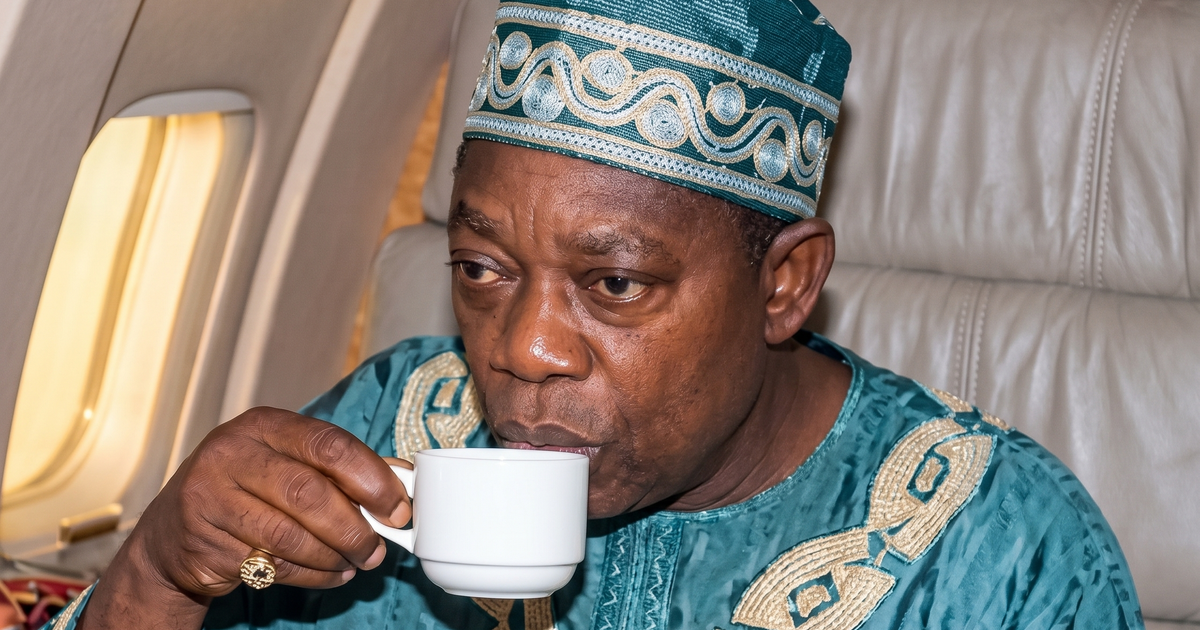
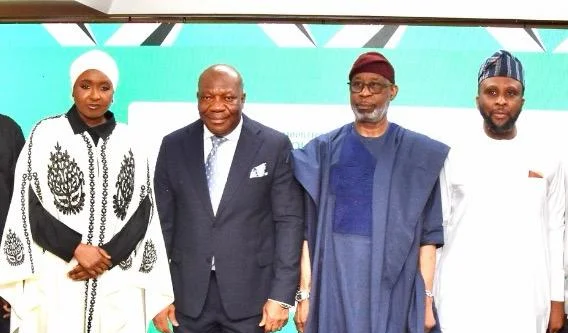
Former Head of State, Gen. Abdulsalami Abubakar (retd.), has refuted long-standing claims that Chief Moshood Kashimawo Olawale (MKO) Abiola was poisoned while in detention, stating that an international autopsy confirmed the June 12 icon died of natural causes. Abdulsalami made this disclosure in Abuja on Monday during the launch of his autobiography, ‘Call of Duty’, held as part of his 84th birthday celebrations.
In the book, Abdulsalami revisited the circumstances around Abiola’s death on 7 July 1998, which occurred during a meeting with a delegation from the United States government. The delegation included Tom Pickering, then US Undersecretary of State for Political Affairs, and Susan Rice, then Assistant Secretary for African Affairs. Shortly after the meeting began at an undisclosed Abuja location, Abiola developed a severe cough and complained of feeling hot before collapsing. A doctor was immediately called in and later pronounced him dead from what was diagnosed as a heart attack.
The development reignited decades-old suspicions among many Nigerians that Abiola had been poisoned—particularly theories focusing on a cup of tea served during the meeting. Abdulsalami, however, wrote: “I do not believe Abiola was poisoned. The family requested an autopsy and we assembled American, British, Nigerian and Canadian pathologists to conduct it. The autopsy report attributed his death to natural causes.” He further noted that medical records dating back to 1994 showed Abiola had pre-existing health conditions including hypertension and an enlarged heart consistent with hypertensive heart disease.
Drawing from Susan Rice’s memoir ‘Tough Love’, Abdulsalami described how Abiola began coughing severely almost as soon as the meeting started before suffering breathing difficulties and being rushed for urgent medical attention. “Efforts to save him were unsuccessful,” he added, citing also Tom Pickering’s account that detailed how visibly distressed Abiola became before he passed away. The former Head of State also recalled receiving news from his Chief Security Officer Abdulrasheed Aliyu: “Aliyu, my CSO, called me. As soon as I picked, he said in a shaky voice that there was a problem… He said Abiola was dead. My head went blank.”
Beyond clarifying the cause of death, Abdulsalami used his autobiography to address other key moments in Nigeria’s political history—including the annulment of the June 12 presidential election—and to counter persistent rumours surrounding deaths under military rule. As at press time, opposition figures could not be immediately reached for comment on Abdulsalami’s revelations.
Nigeria News (Standard)
Oshiomhole Accuses Akpabio’s Daughter of Securing NNPC Job Without Due Process
Former APC National Chairman raises concerns over alleged irregular recruitment at NNPC involving Senate President’s family
Former APC National Chairman raises concerns over alleged irregular recruitment at NNPC involving Senate President’s family
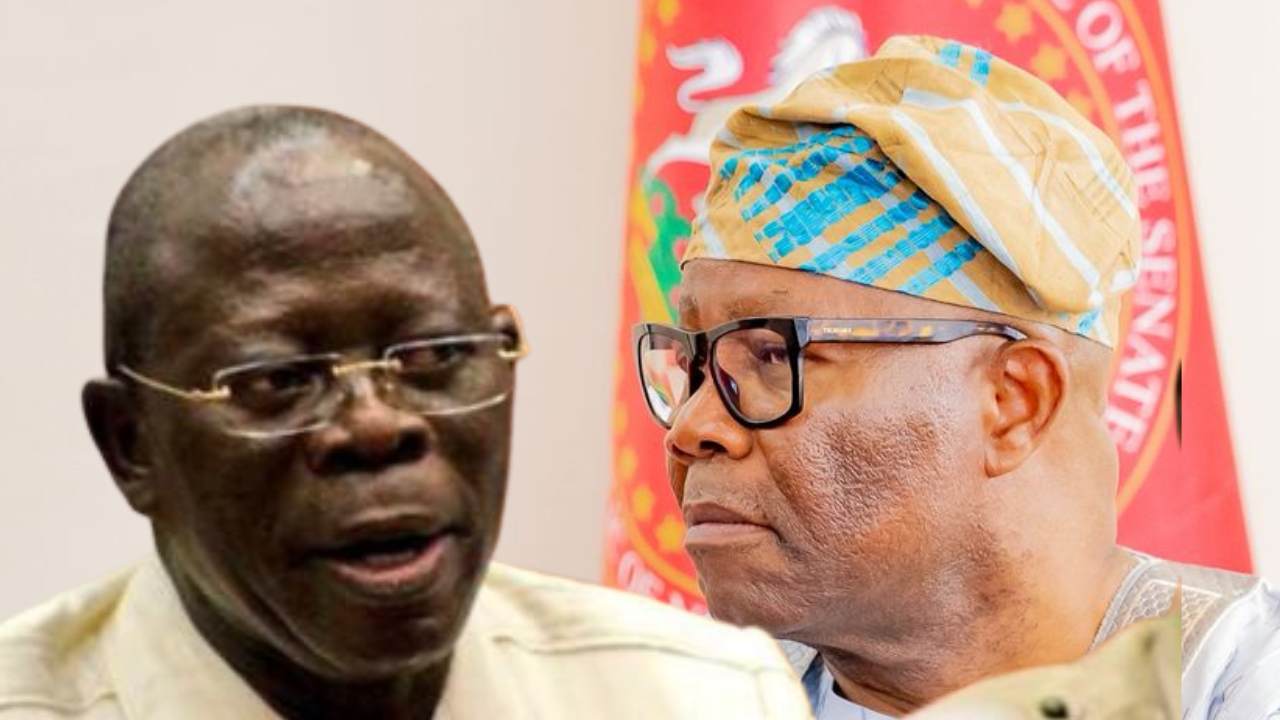
Senator Adams Oshiomhole has alleged that the daughter of Senate President Godswill Akpabio secured employment at the Nigerian National Petroleum Company (NNPC) Limited without following due process. The claim was made public on Wednesday, 17 June, as debate over transparency in federal appointments intensifies in Abuja.
Oshiomhole, a former Governor of Edo State and ex-National Chairman of the All Progressives Congress (APC), voiced his concerns during discussions about federal recruitment practices. He specifically referenced the appointment of Akpabio’s daughter at NNPC, questioning whether established procedures were observed in her employment.
The allegation comes amid growing scrutiny on the transparency and fairness of recruitment into top government agencies. Many Nigerians have expressed concern that such positions are often reserved for relatives of high-ranking officials, undermining merit-based selection and public confidence in government institutions.
As at press time, neither Senate President Godswill Akpabio nor NNPC management had issued an official response to Oshiomhole’s allegation. Calls for comment from both parties went unanswered. The development is likely to heighten tensions within APC ranks and raise fresh calls from civil society groups for stricter oversight of recruitment processes in strategic national agencies.
Stakeholders expect that the matter will be further discussed when the Senate reconvenes for plenary. Meanwhile, anti-corruption advocates are urging relevant authorities to investigate claims of nepotism and ensure that all federal appointments adhere to extant regulations.
Nigeria News (Standard)
FG Official Flags Shortage of Procurement Lawyers, Warns of Contract Risks Nationwide
Expert says lack of experienced legal practitioners in procurement threatens transparency and value for money in public projects
Expert says lack of experienced legal practitioners in procurement threatens transparency and value for money in public projects
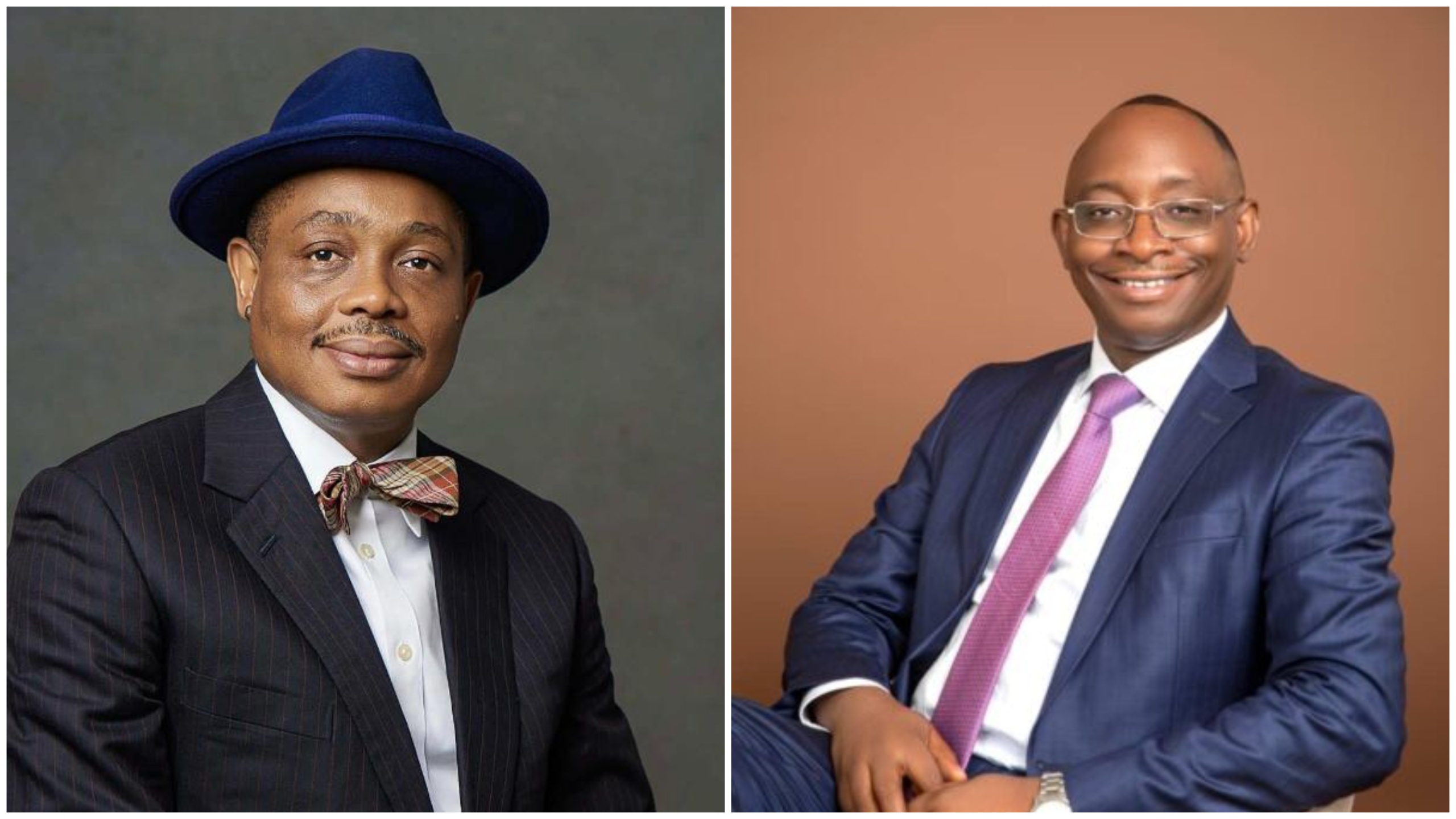
A senior federal government official has raised alarm over the shortage of lawyers with deep expertise in procurement law across Nigeria, warning that this gap could undermine the integrity of contract awards and public project delivery. The concern was expressed on Wednesday, 17 June, during a government stakeholders’ forum in Abuja.
According to the official, Nigeria currently faces a critical deficit in legal professionals who understand the complexities of procurement processes, especially as states and ministries undertake large-scale infrastructure projects. The official noted that most lawyers involved in government contracting lack hands-on experience with public procurement regulations, making it difficult to enforce compliance or challenge irregularities effectively.
This development comes at a time when procurement lapses have led to stalled or abandoned projects in various sectors, including roads, education and healthcare. Analysts say the shortage of qualified procurement lawyers exposes government agencies to risks such as inflated contracts, delayed project timelines and disputes with contractors. The expert warned that unless more legal practitioners are trained in procurement law, efforts to improve accountability and value for money in public spending may be compromised.
The official called on universities and the Nigerian Bar Association (NBA) to prioritise procurement law as a core area of legal education and professional training. “We need more specialists who can interpret complex bidding documents and help prevent abuse,” he said at the forum. No immediate response was received from NBA representatives at the event.
Stakeholders are urging government to invest in capacity building for lawyers, while also strengthening regulatory oversight within ministries and parastatals. Observers say failure to address this skills gap could continue to hamper Nigeria’s progress on transparency reforms and anti-corruption initiatives tied to public procurement.
Nigeria News (Standard)
US Government Confirms Use of Elon Musk’s Grok AI in Iran Military Strikes, Pentagon Cites National Security Need
Federal court filing reveals xAI system guided over 2,000 munitions in recent operations as legal dispute stalls data centre

Federal court filing reveals xAI system guided over 2,000 munitions in recent operations as legal dispute stalls data centre
A newly released US government court filing has confirmed that Grok, the artificial intelligence system developed by Elon Musk’s xAI company, was deployed to support military strike operations against Iran. The revelation came in a June 15 legal brief by the US Department of Justice amid an environmental case involving xAI’s data centre in the United States.
The Department of Justice stated that shutting down power at xAI’s facility could undermine national security because the data centre supports AI systems already assisting military targeting programmes. According to testimony from Cameron Stanley, Chief of AI Operations at the Pentagon, Grok has been integrated into Project Maven—the US military’s AI-powered targeting programme—replacing previous technology provided by Anthropic. Stanley said under oath that the Grok Gov Model enabled US forces to deploy over 2,000 munitions to 2,000 targets within a four-day window during Operation Epic Fury, a recent operation targeting Iranian sites. He further praised the model for improving operational efficiency and speed.
The disclosure comes as xAI faces a lawsuit from the National Association for the Advancement of Colored People (NAACP), which claims the company operates dozens of gas turbines without proper environmental permits. The NAACP argues these turbines violate clean air laws and increase pollution in Black-majority communities near the data centre. xAI has denied any wrongdoing, insisting that its turbines are temporary equipment not subject to standard permitting requirements.
Federal prosecutors maintain that efforts to halt xAI’s operations threaten American military and economic security. The legal document shows that after Anthropic refused to let its Claude AI be used for autonomous lethal strikes or large-scale surveillance, federal agencies expanded partnerships with companies like Google, OpenAI and xAI. Since then, Grok has become central to Project Maven’s work.
The growing use of artificial intelligence in warfare has sparked debate within the global technology sector. Over 600 Google staff previously signed a petition against supplying AI for classified military projects. Despite this pushback, Pentagon officials disclosed that Anthropic’s Claude model was still active in some Iran-related operations as recently as March before being phased out for alternatives like Grok.
Musk recently merged xAI with his aerospace company SpaceX, deepening ties between his ventures as both continue securing major government contracts in defence and national security. The case highlights ongoing concerns about AI oversight and transparency as advanced technologies reshape modern conflict.
Oshiomhole Accuses Akpabio’s Daughter of Securing NNPC Job Without Due Process
FG Official Flags Shortage of Procurement Lawyers, Warns of Contract Risks Nationwide
US Government Confirms Use of Elon Musk’s Grok AI in Iran Military Strikes, Pentagon Cites National Security Need
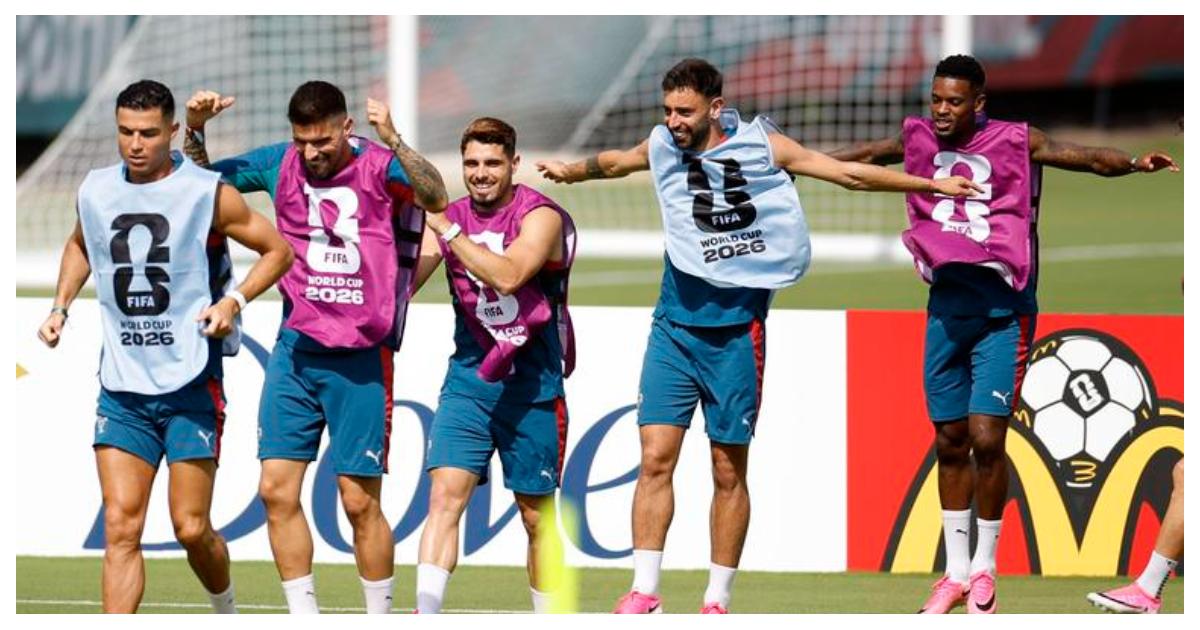
Ronaldo Ruled Out as Portugal Suffer Setback Ahead of DR Congo Clash, Martinez Confirms
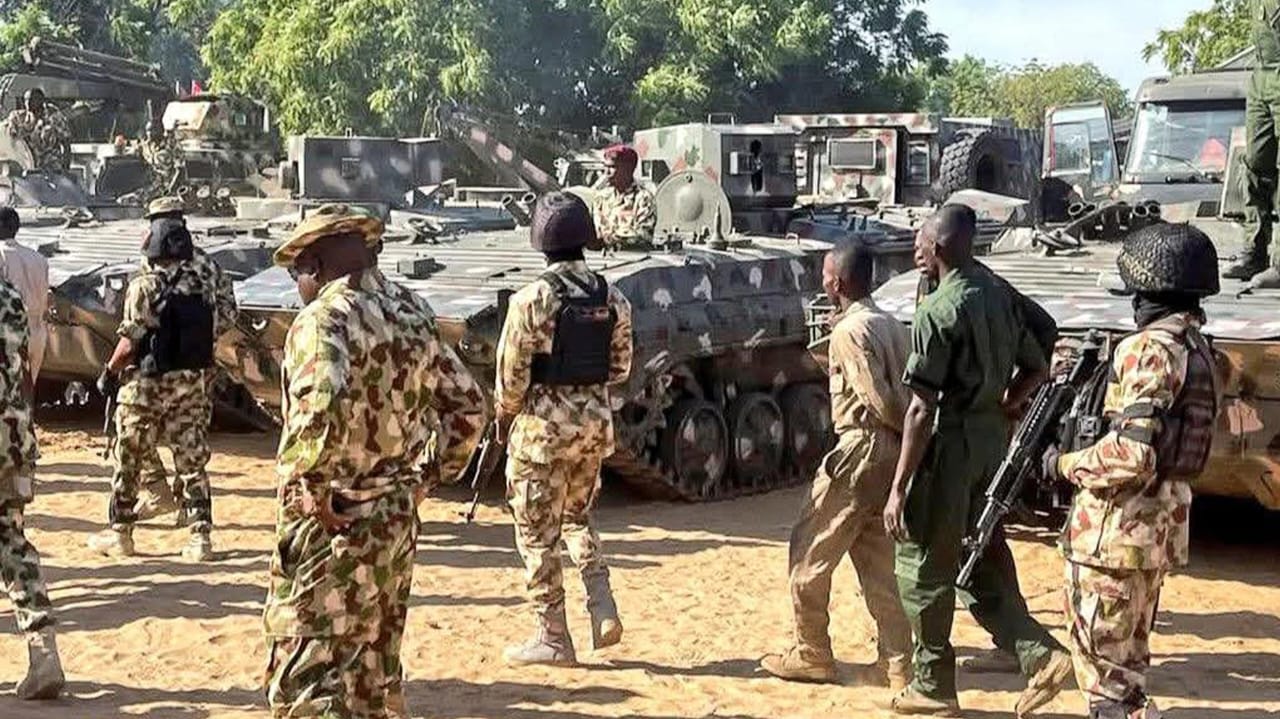
Troops Recover 3,403 Rounds of Ammunition in Borno, Rescue 391 Kidnap Victims Across Nigeria

Judy Austin Defends Yul Edochie in Enugu, Insists Relationship Began After Divorce
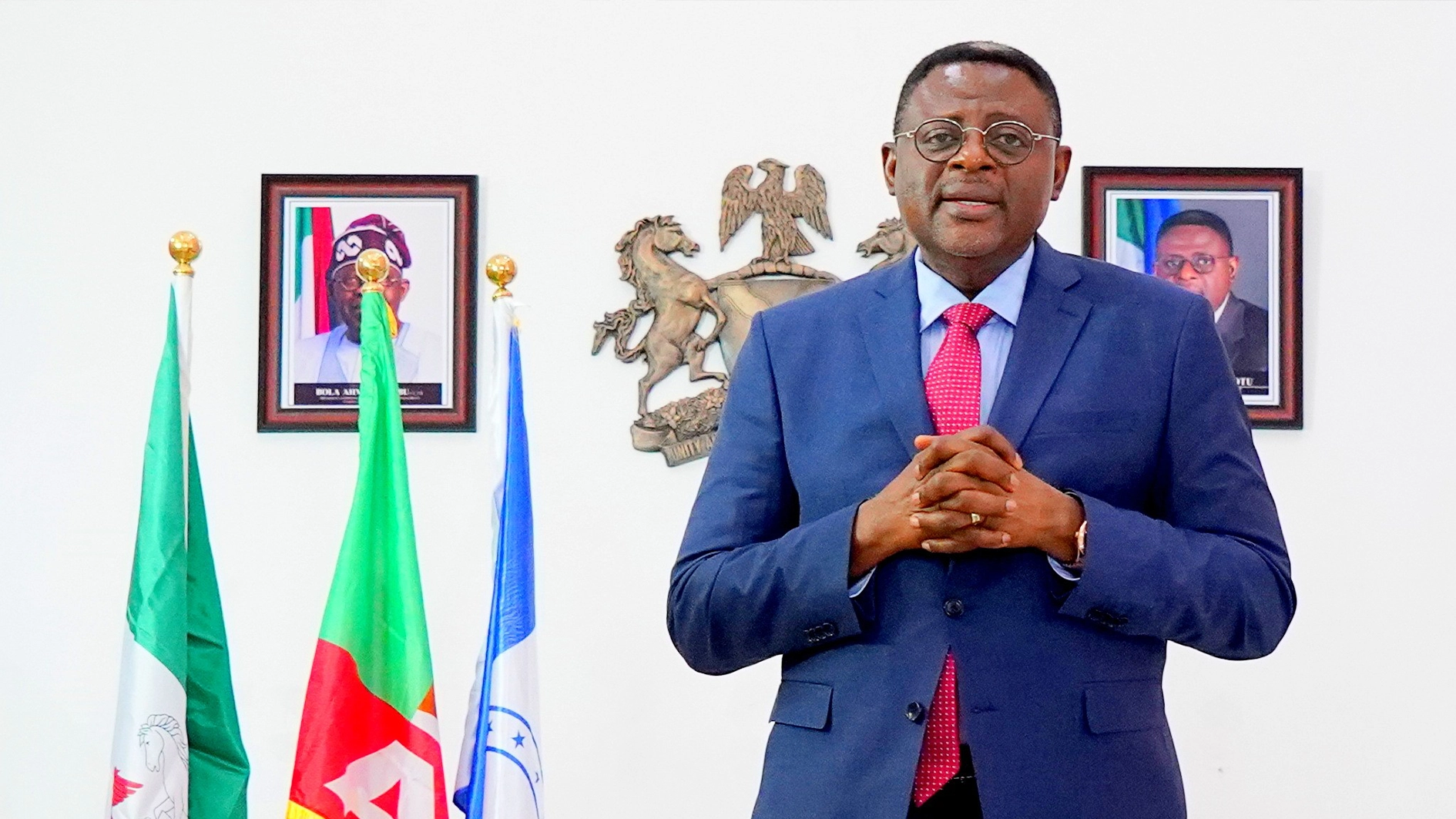
Cross River Government Bans Illegal Sale of Forest Reserve Lands, Warns Communities and Individuals

Nollywood Actress Nkechi Blessing Declares No Envy for Married Couples in Lagos Post
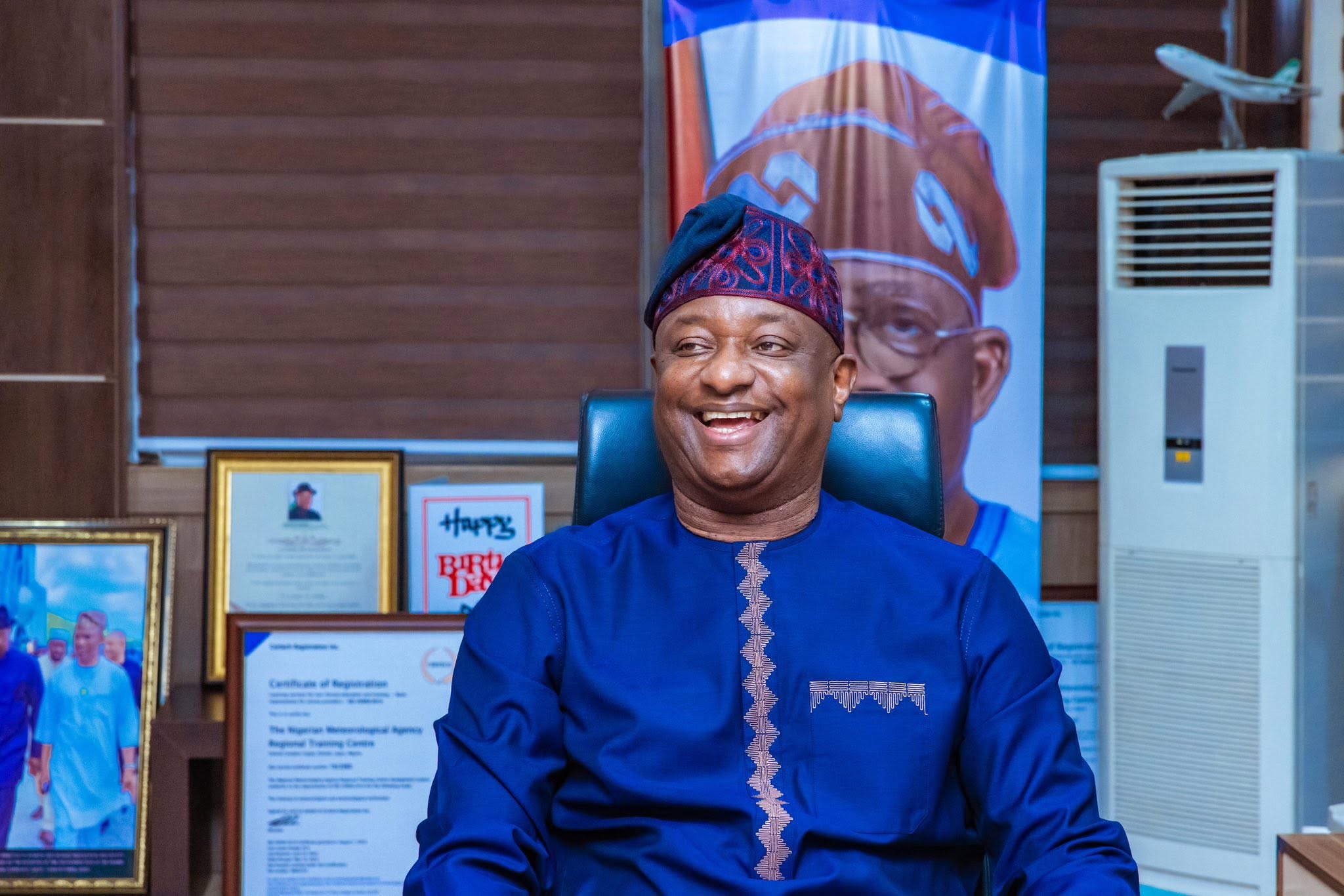
Aviation Minister Keyamo Identifies Financing as Major Obstacle for African Airlines
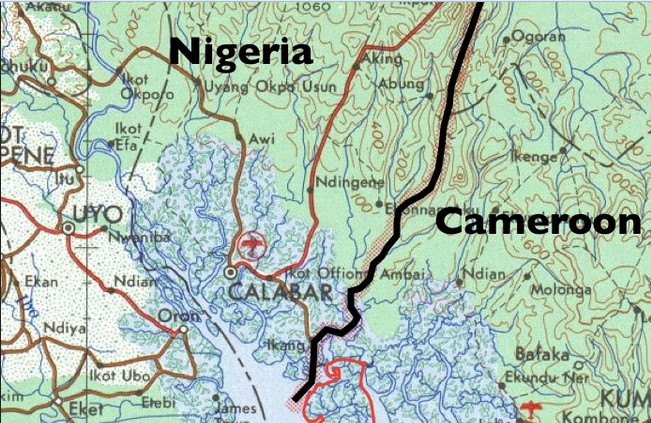
Nigeria, Cameroon Sign Security Pact to Boost Border Collaboration
Environment Minister Urges Increased Investment in Nigeria’s Green Economy Ahead of Global Climate Summit

Moniepoint Graduates Second DreamDevs Cohort in Lagos to Strengthen Nigeria’s Engineering Workforce

Gọvanmenti Nigeria Kwupụtara 53 Orù Anyanwụ Maka Ike Ọhụrụ N’iru Afọ 2050

Fresh Romance Rumours Trail Lando Norris as Alix Earle Sparks Drama in Monaco
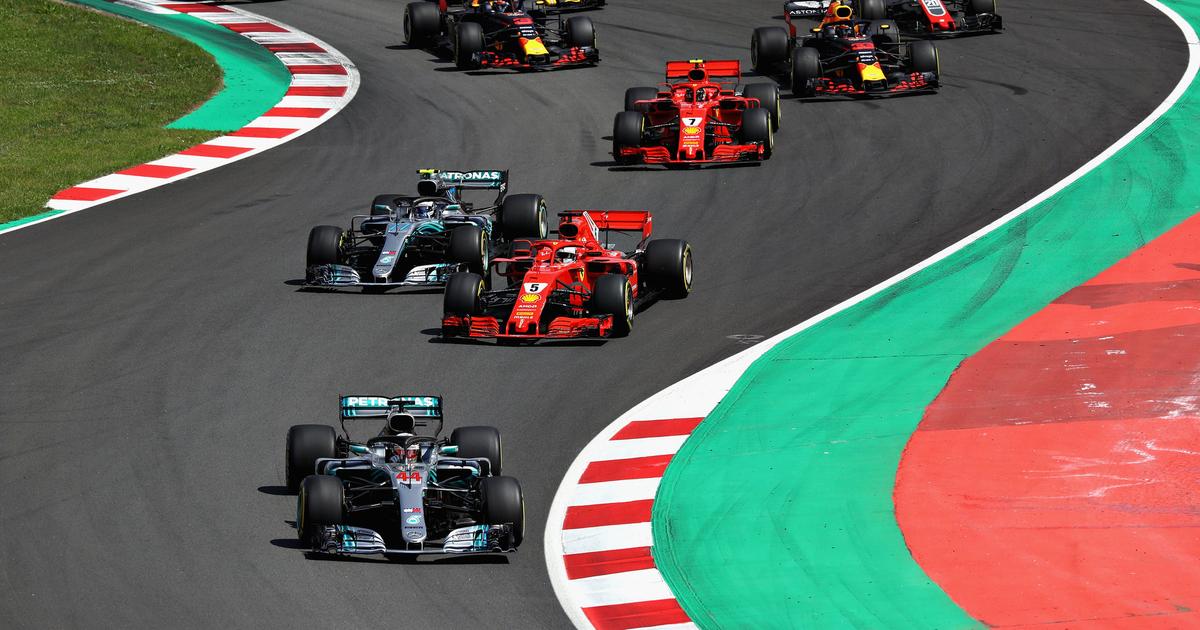
FG Launches $500m Abuja Formula 1 Bid, Targets Africa’s First Grand Prix Since 1993

Why More Nigerians Are Searching for Casino Bonuses—and What You Should Know Before Claiming

Ụlọ Ọrụ Nigeria Kwupụtara Nsogbu Nchekwa na Ụtụ Isi N’agbanyeghị Ịrị Elu Obi Ike Ahịa
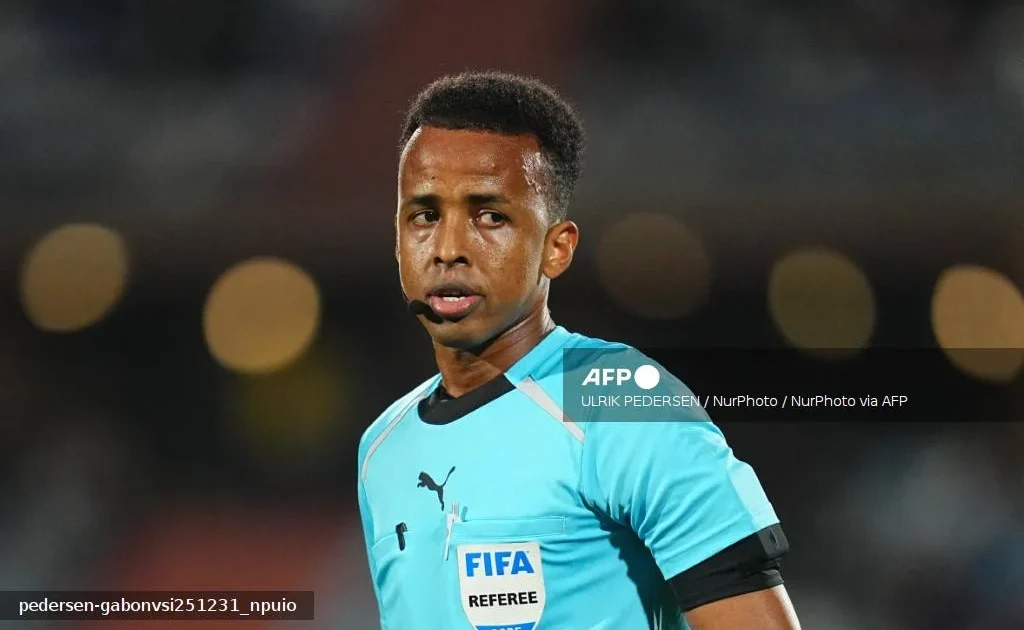
Somali Referee Omar Artan Blocked From US World Cup Over Visa Row, Misses Dream Debut
Federal Government Launches Mining Grants for Research and Exploration Across Nigeria