Nigeria News (Standard)
Minister Ekpo Orders Increased Cooking Gas Imports as Nigerians Question Reliance Despite Vast Reserves
Federal Government blames forex volatility and logistics for high LPG prices; citizens urge focus on domestic supply
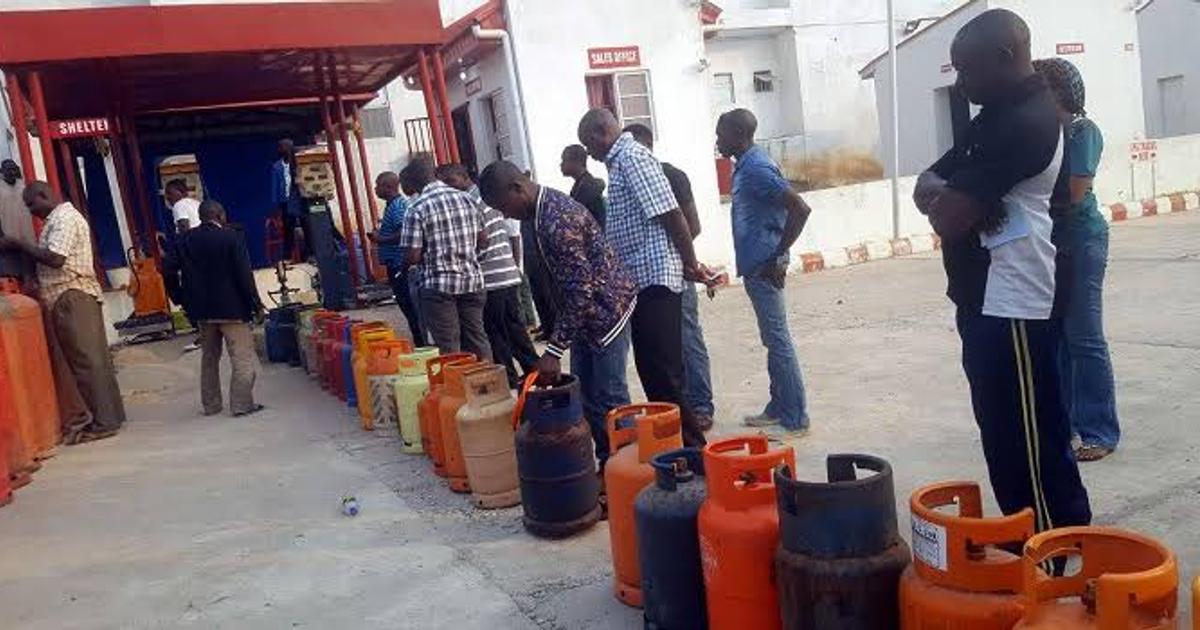
Federal Government blames forex volatility and logistics for high LPG prices; citizens urge focus on domestic supply
The Federal Government has directed gas marketers to ramp up imports of Liquefied Petroleum Gas (LPG), commonly known as cooking gas, to address supply shortages and rising prices across Nigeria. Minister of State for Petroleum Resources (Gas), Ekperikpe Ekpo, announced the move on Monday in Abuja, following widespread complaints from households struggling with higher energy costs.
Ekpo explained that recent spikes in cooking gas prices were driven by foreign exchange volatility, logistics challenges, and inadequate infrastructure within the country. He stated that marketers had received clear instructions to increase imports in the short term while government works on longer-term solutions to stabilise supply and prices. The directive comes as many Nigerians grapple with climbing food and transportation costs, making affordable cooking gas a pressing concern nationwide.
The government’s decision has drawn sharp reactions from citizens, who questioned why a nation with over 200 trillion cubic feet of proven natural gas reserves still needs to depend on imports. Many took to social media to express their frustration. “In a country where we have more gas reserves than oil, a nation is saying people should import? What happens to opening up more LNG plants across the country for this thing to be in abundance?” one user wrote. Another added: “If we have a large reserve and we export more than 942 billion scf and yet the minister’s solution is to import instead of cut export and increase what’s available for consumption… this isn’t a renewed hope, Nigeria is screwed.”
Despite these criticisms, Ekpo maintained that government policies are focused on ensuring local supply remains a priority. He emphasised that factors such as rising international LPG prices and infrastructural bottlenecks have limited domestic availability but assured that new gas projects—such as those from Seplat Energy—are expected to boost local supply and help moderate prices in the coming months.
Stakeholders in the oil and gas sector have long highlighted issues like inadequate processing facilities and poor transportation networks as obstacles preventing Nigerians from fully benefiting from the country’s vast gas wealth. The government insists that domestically produced LPG will continue to serve local demand first before exports are considered. Meanwhile, concerns persist that further price hikes may force more Nigerians to revert to firewood or charcoal for cooking—a trend with serious health and environmental implications.
Nigeria News (Standard)
Oyebanji Marks Over Three Years as Ekiti Governor, Faces Scrutiny on Development Progress
Residents and political observers assess impact of APC administration amid ongoing infrastructure and governance challenges in South-West state
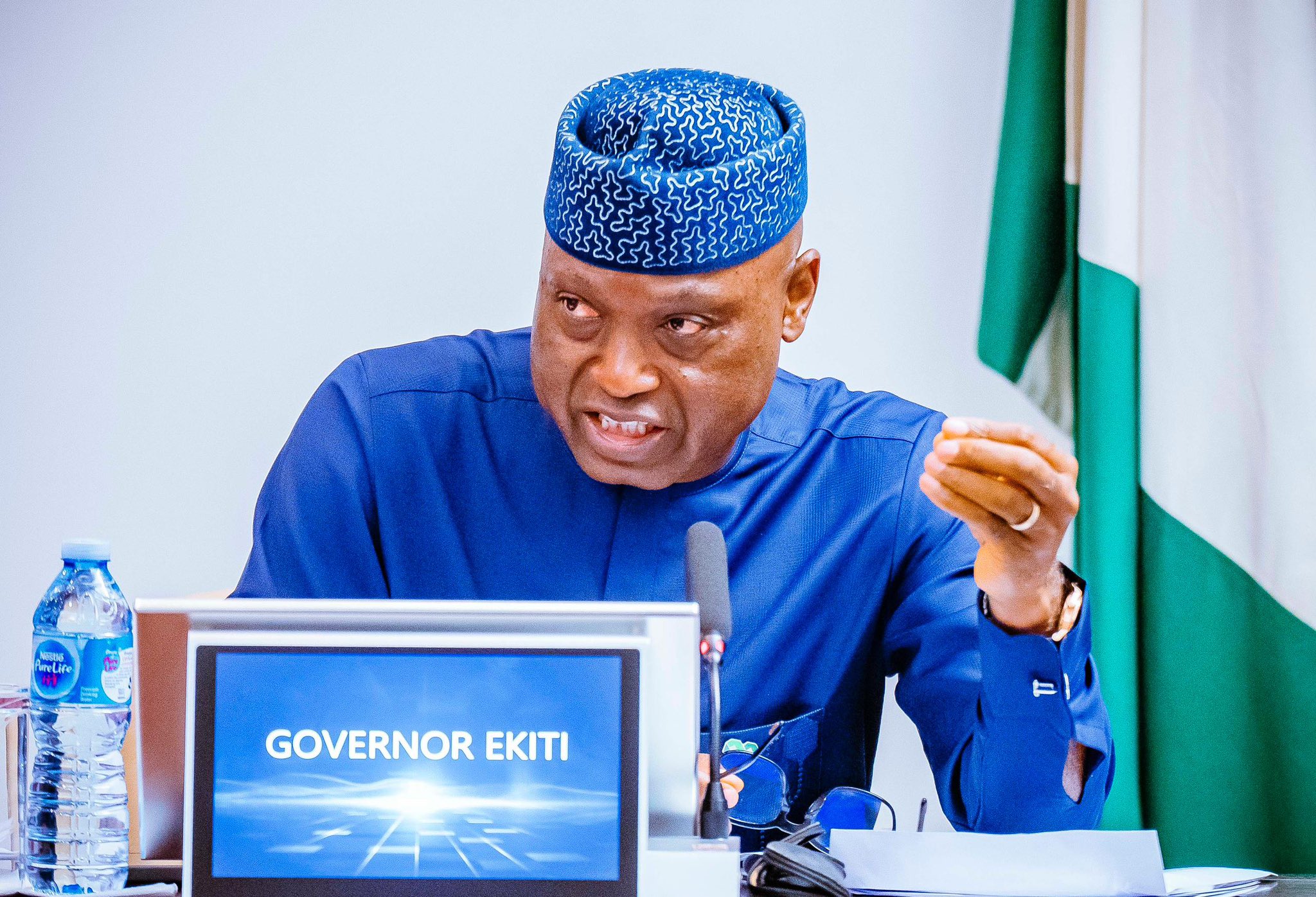
Residents and political observers assess impact of APC administration amid ongoing infrastructure and governance challenges in South-West state
Governor Biodun Oyebanji has clocked over three years in office as the Governor of Ekiti State, prompting renewed debate on the extent of change and progress under his administration. The review of Oyebanji’s tenure comes as citizens and political stakeholders evaluate his achievements and the outstanding challenges facing the South-West state.
Since taking over as Governor, Oyebanji—who succeeded former Governor Kayode Fayemi under the All Progressives Congress (APC)—has prioritised infrastructure development, education, and public service reforms. Observers note that while some road rehabilitation projects have been flagged off in Ado-Ekiti and other parts of the state, many communities are still grappling with poor access roads and inadequate public amenities.
Ekiti residents and analysts say that expectations were high following Oyebanji’s swearing-in, especially given long-standing issues with unemployment, teacher recruitment, and basic healthcare delivery. While the administration has launched initiatives aimed at boosting agricultural productivity and youth empowerment, questions remain about their scale and effectiveness in addressing widespread poverty and rural-urban migration.
Opposition parties in Ekiti have raised concerns over what they describe as slow pace of governance reforms. Some critics argue that certain campaign promises—including improvements to water supply systems and social welfare—have yet to be fully delivered. However, government officials maintain that budget constraints and national economic challenges have affected the pace of project implementation. The Commissioner for Information has emphasised that ongoing projects will be completed before the end of Oyebanji’s tenure.
As the administration enters its fourth year, attention is shifting to how Governor Oyebanji will consolidate on current efforts ahead of future elections. Analysts suggest that tangible progress on critical sectors could influence both public perception and party fortunes in Ekiti’s next governorship election cycle.
Nigeria News (Standard)
Ronaldo Fires Blank as DR Congo Hold Portugal to Draw in World Cup Opener
Portuguese captain unable to break deadlock as both teams share points in tightly contested group stage match
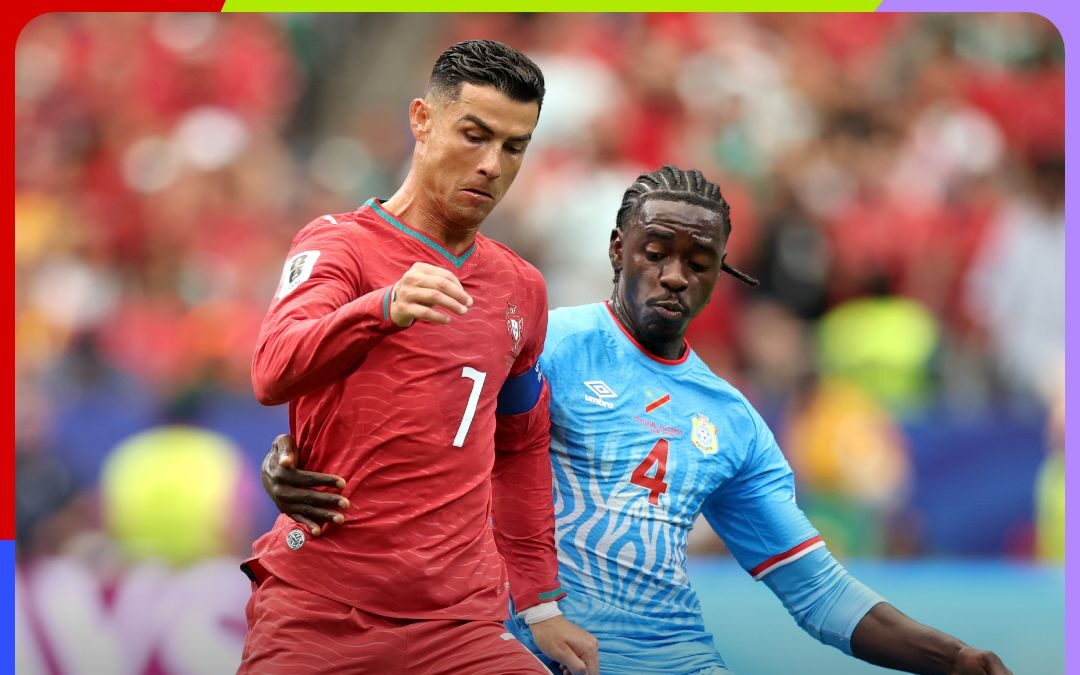
Portuguese captain unable to break deadlock as both teams share points in tightly contested group stage match
Cristiano Ronaldo and his Portuguese teammates were held to a goalless draw by DR Congo in their opening match of the 2026 FIFA World Cup on Wednesday. The highly anticipated fixture took place at a neutral venue, with both sides struggling to find the back of the net throughout the encounter.
Portugal, led by veteran forward Ronaldo, dominated possession but failed to convert several opportunities, as DR Congo’s defence remained resolute. Despite repeated attempts by the European side to break through, the Congolese goalkeeper and backline ensured that their clean sheet was preserved till the final whistle.
The result leaves both teams with one point each in Group stage standings, putting pressure on Portugal, who came into the tournament as strong favourites. For DR Congo, holding a top-ranked team like Portugal will be seen as a positive start and could boost their chances of progressing from the group.
Neither side issued official post-match statements immediately after the game. However, analysts believe Portugal will need to improve their finishing ahead of their next fixture if they are to justify pre-tournament expectations. DR Congo’s tactical discipline has drawn praise from observers who noted their effective containment of Ronaldo’s threat.
Both nations will look ahead to their upcoming group matches, with Portugal expected to make tactical adjustments while DR Congo aim to build on this solid performance. The group remains wide open following this result.
Nigeria News (Standard)
Lagos Investors Turn to Trading Education as Market Volatility Shakes Confidence
Surge in demand for financial literacy follows sharp price swings; experts warn access alone does not guarantee success

Surge in demand for financial literacy follows sharp price swings; experts warn access alone does not guarantee success
Heightened market volatility has triggered a spike in demand for trading education among investors in Lagos and other major Nigerian cities, as individuals seek to better understand risks and navigate unpredictable price movements. The trend became more pronounced in June 2026, according to market observers, following a series of sharp fluctuations affecting both local and international financial markets.
Previously, opening a trading account was considered difficult and information was less accessible, limiting participation to professionals. However, the removal of these barriers in recent years has not translated into automatic success for new entrants. Market analysts note that many retail investors now realise that simply having access to trading platforms is not enough without proper knowledge, especially during turbulent periods.
Market volatility often exposes the limits of superficial strategies. When prices rise steadily, poor decisions can still result in gains, masking underlying risks. “Periods of uncertainty take away that comfort from traders,” said one Lagos-based financial educator. With recent currency fluctuations and unpredictable swings in the Nigerian Stock Exchange, more investors are enrolling in training programmes focused on risk management and market analysis.
Education providers report increased attendance at seminars and online courses designed to help traders understand complex market dynamics. Financial experts urge caution, emphasising that while technology has made markets more accessible, informed decision-making remains critical. “Trading without education is like driving without knowing the rules,” said another industry stakeholder.
As market uncertainty persists, sector observers predict continued growth in demand for trading education across Nigeria. They stress that improved financial literacy will not only help individual investors but also contribute to greater stability in the broader capital market.
Oyebanji Marks Over Three Years as Ekiti Governor, Faces Scrutiny on Development Progress
Ronaldo Fires Blank as DR Congo Hold Portugal to Draw in World Cup Opener
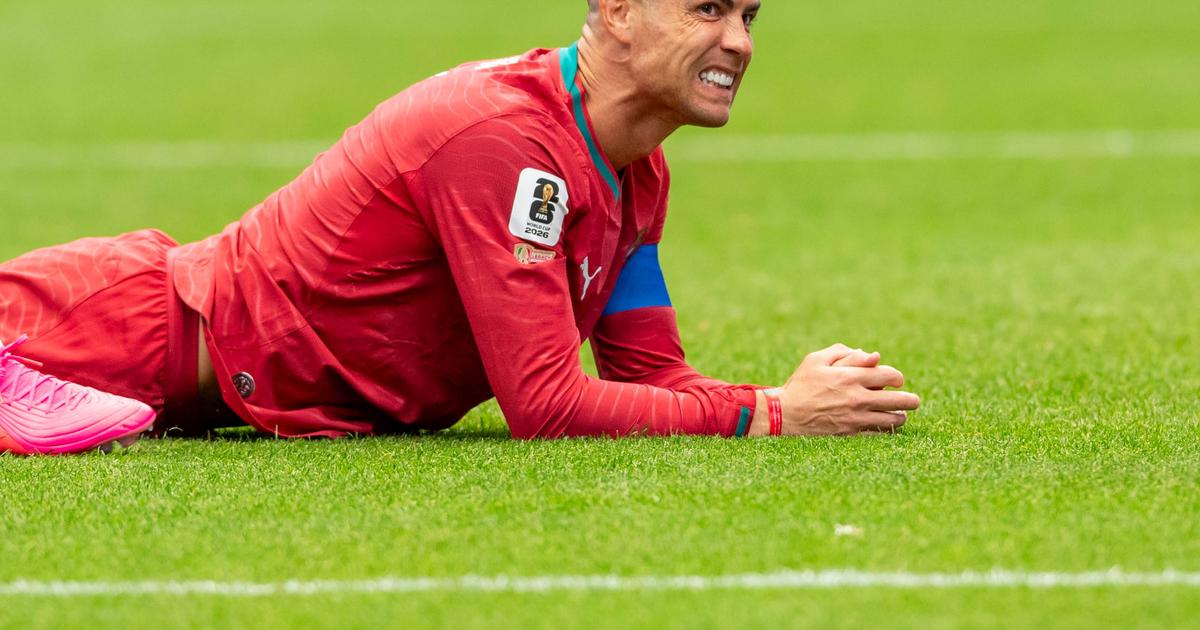
No Score Reported as Ronaldo Endures Disastrous World Cup Outing Against DR Congo
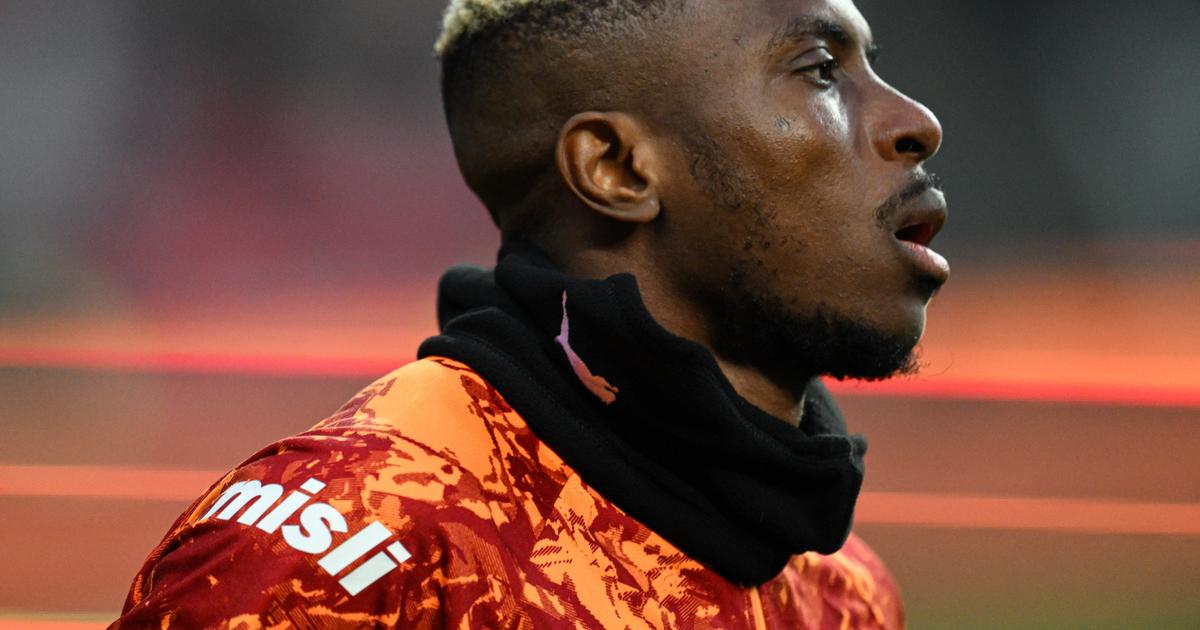
Victor Osimhen Leaves Door Open on Possible Galatasaray Exit Amid Transfer Rumours
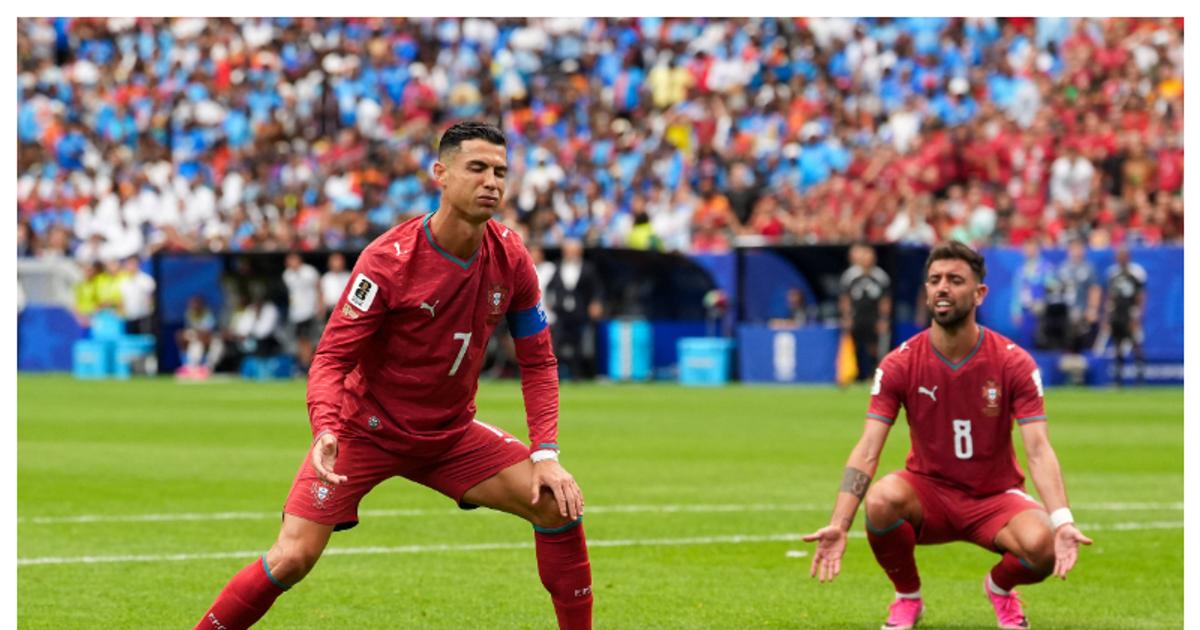
Cristiano Ronaldo Faces Heavy Criticism as Fans Accuse Him of Selfish Play
Lagos Investors Turn to Trading Education as Market Volatility Shakes Confidence
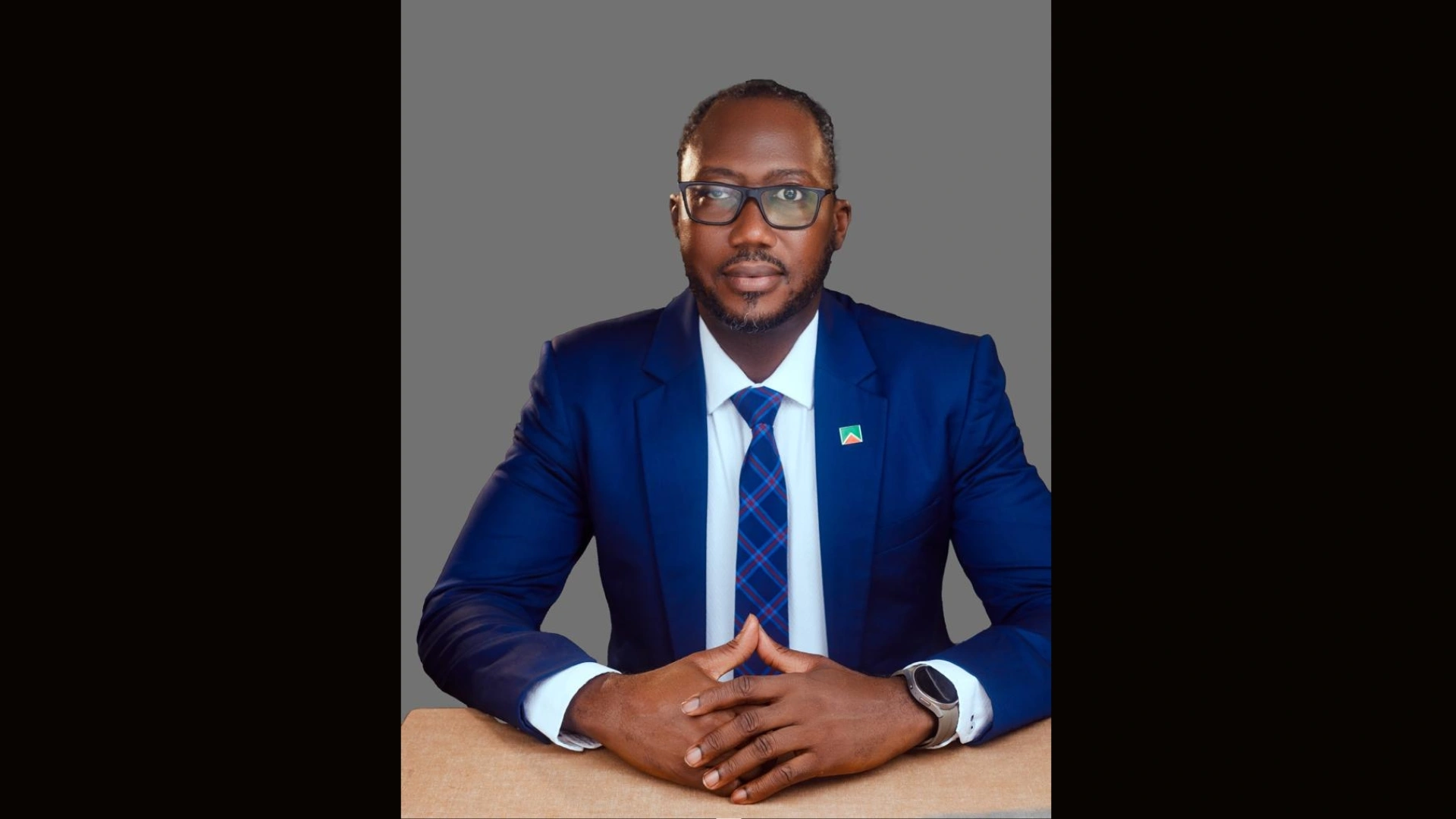
Xpress Payments Unveils Week-Long 10th Anniversary Celebration in Lagos, Showcasing Fintech Milestones
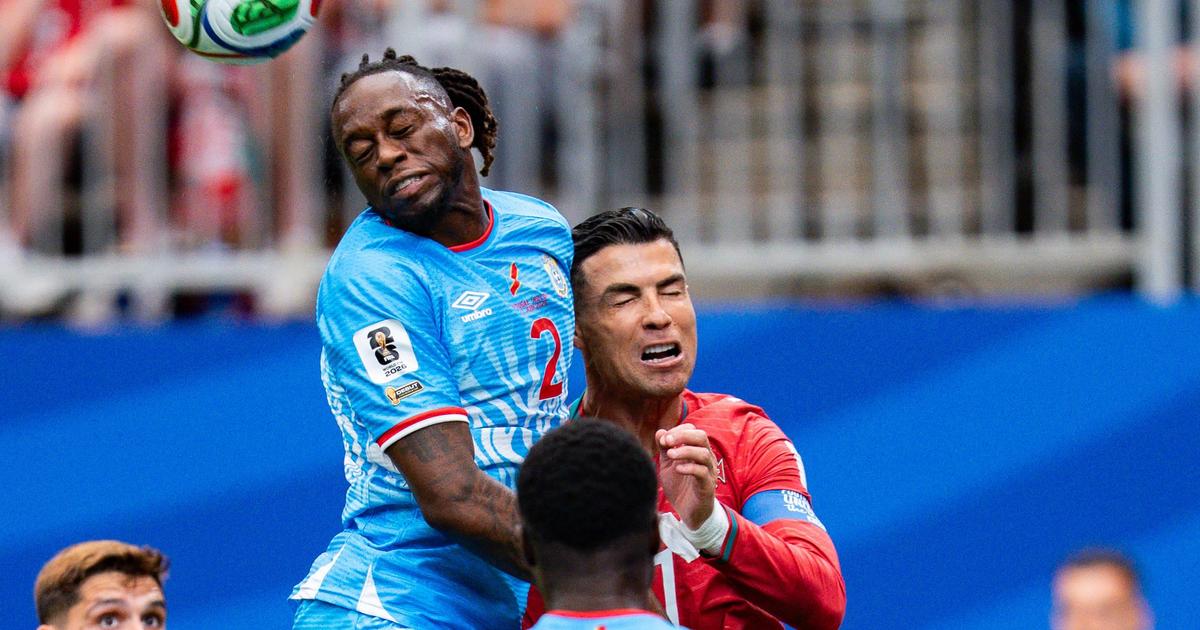
Ronaldo Struggles as Congo Fly Africa’s Flag High at 2026 FIFA World Cup — Final Score Not Confirmed
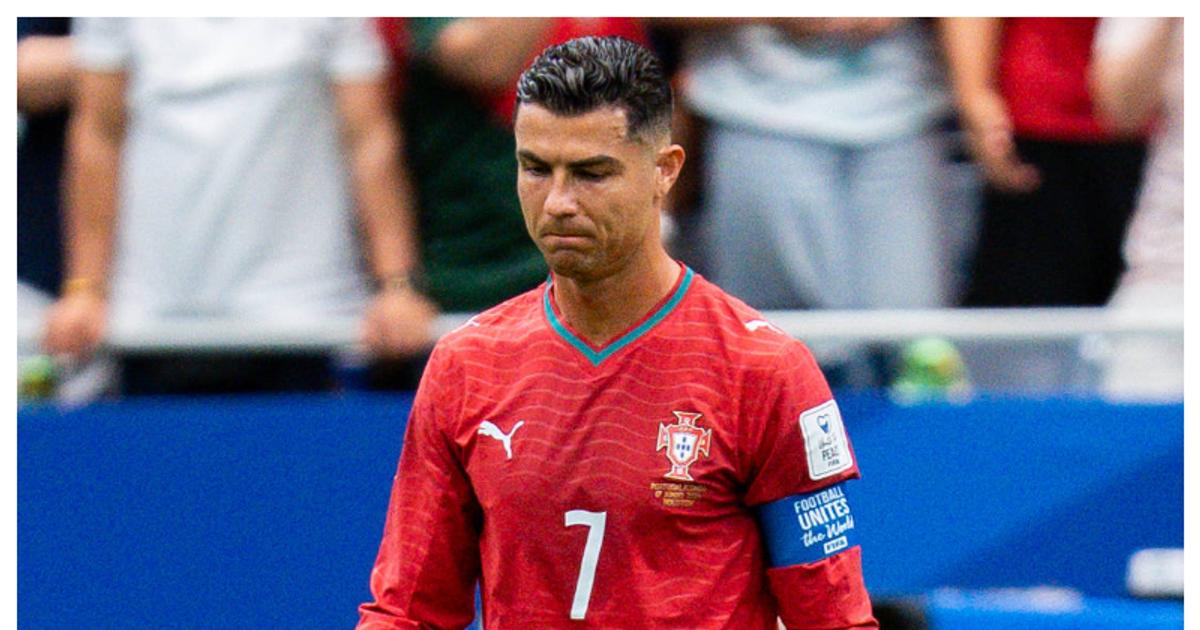
Ronaldo’s First-Half Display Under Fire as Calls Grow for Early Substitution
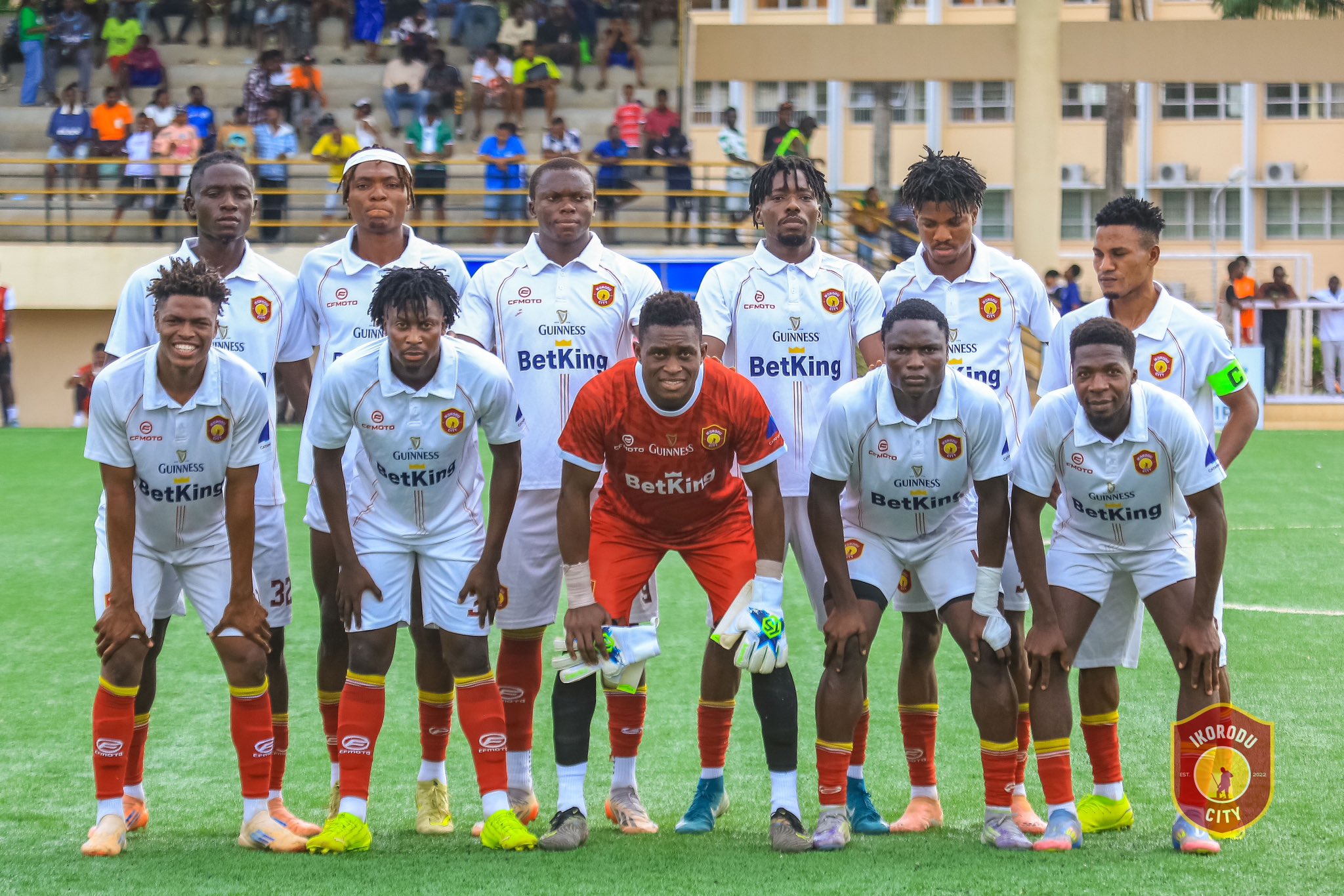
Borno’s El-Kanemi Warriors Set to Face Ikorodu City in President Federation Cup Final
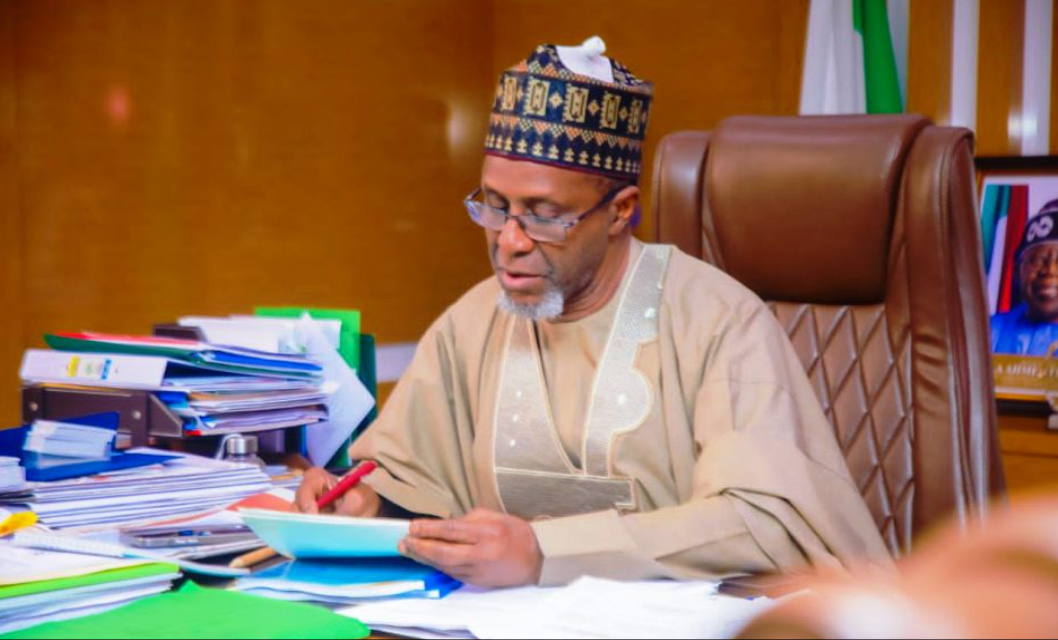
Environment Minister Urges Increased Investment in Nigeria’s Green Economy Ahead of Global Climate Summit

Moniepoint Graduates Second DreamDevs Cohort in Lagos to Strengthen Nigeria’s Engineering Workforce

Gọvanmenti Nigeria Kwupụtara 53 Orù Anyanwụ Maka Ike Ọhụrụ N’iru Afọ 2050

Fresh Romance Rumours Trail Lando Norris as Alix Earle Sparks Drama in Monaco
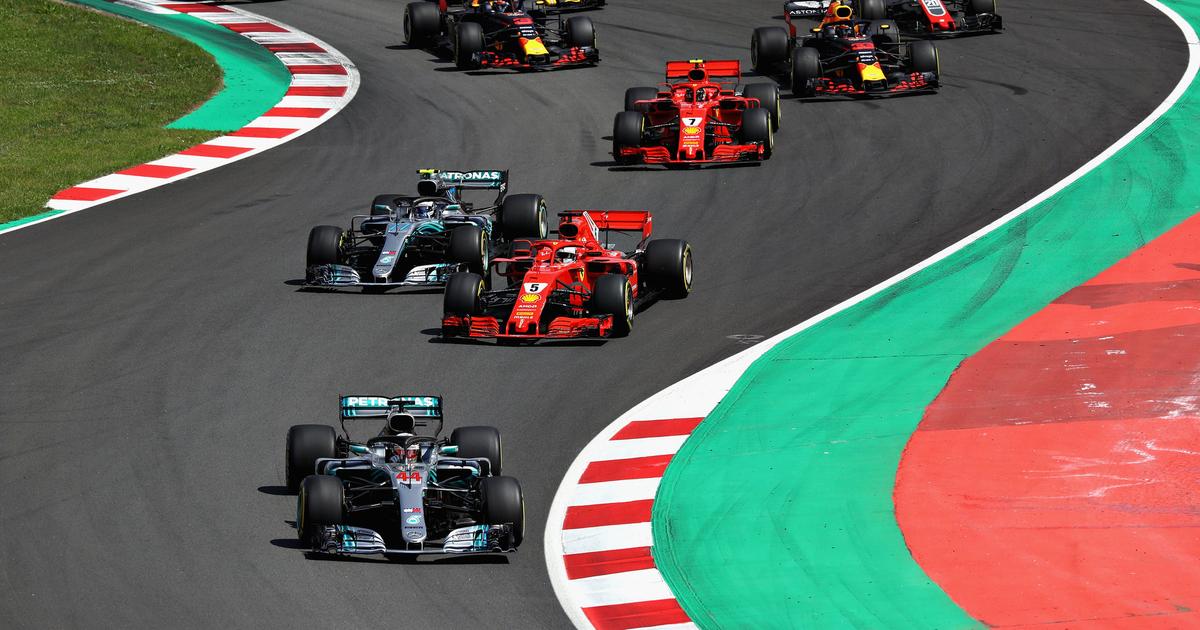
FG Launches $500m Abuja Formula 1 Bid, Targets Africa’s First Grand Prix Since 1993

Why More Nigerians Are Searching for Casino Bonuses—and What You Should Know Before Claiming
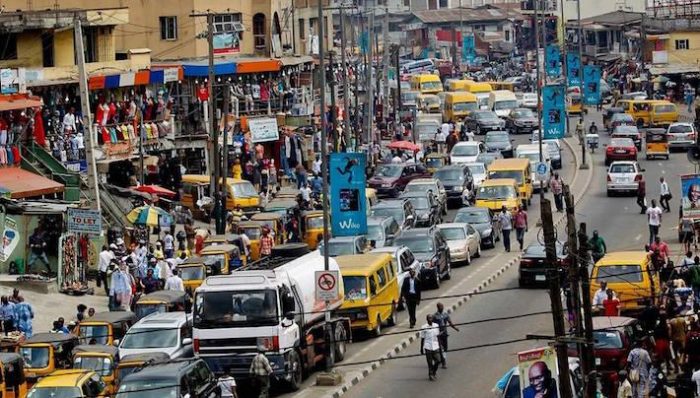
Ụlọ Ọrụ Nigeria Kwupụtara Nsogbu Nchekwa na Ụtụ Isi N’agbanyeghị Ịrị Elu Obi Ike Ahịa
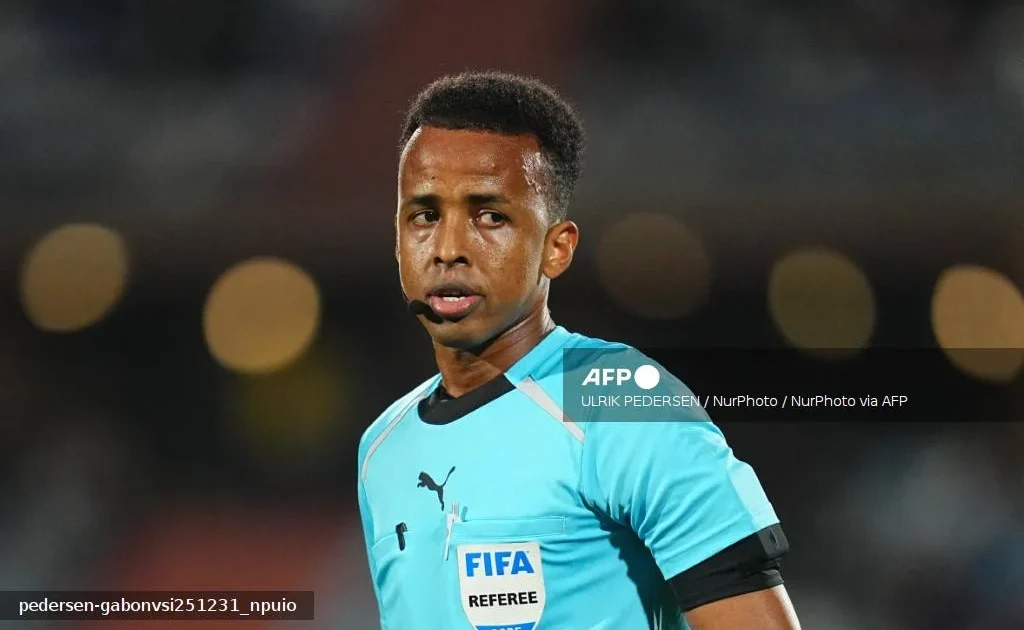
Somali Referee Omar Artan Blocked From US World Cup Over Visa Row, Misses Dream Debut
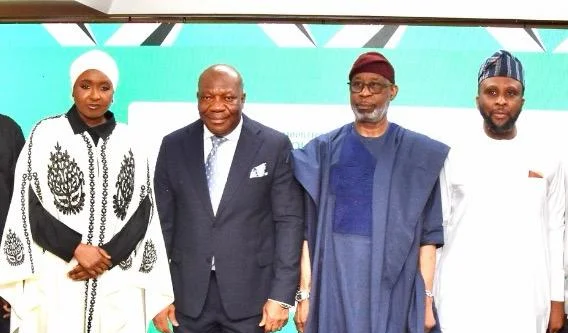
Federal Government Launches Mining Grants for Research and Exploration Across Nigeria