
Nigeria News (Standard)
Sanwo-Olu Launches West Africa’s First Multi-Tech 3D Omnifactory in Lagos, Backs Local Manufacturing
Governor says new Arridex facility will reduce imports and boost industrial self-reliance; firm completes rebranding from RusselSmith

Governor says new Arridex facility will reduce imports and boost industrial self-reliance; firm completes rebranding from RusselSmith
Industrial manufacturing in Nigeria witnessed a landmark development on Thursday as Governor of Lagos State, Babajide Sanwo-Olu, officially commissioned West Africa’s first multi-technology 3D industrial omnifactory in Lagos. The facility, operated by Arridex—formerly known as RusselSmith—was inaugurated on 20 June, with government officials and industry stakeholders in attendance.
The state-of-the-art plant is positioned to transform the region’s manufacturing sector by offering advanced additive manufacturing capabilities for industrial components and spare parts. The launch marks Arridex’s transition from its previous identity, following a strategic corporate rebranding aimed at expanding its footprint in local production technologies.
According to Sanwo-Olu, the establishment of the omnifactory will significantly reduce Nigeria’s dependence on imported parts and equipment for critical industries such as oil and gas, construction, and power. The governor said the move would support economic growth and job creation in Lagos and across the South-West geopolitical zone. “By producing industrial components and spare parts here in Lagos, Arridex is helping to reduce our dependence on imports, strengthening critical industries and supporting economic growth,” Sanwo-Olu stated during the launch ceremony.
Arridex management noted that the facility brings together multiple advanced technologies under one roof, enabling local companies to access world-class 3D printing solutions without relying on foreign suppliers. Industry experts at the event described the development as a major step towards achieving self-reliance in Nigeria’s manufacturing value chain. No opposition statement was available as at press time.
With the new omnifactory now operational, industry observers expect increased investment in local manufacturing and a gradual reduction of foreign exchange pressure linked to importation of spare parts. Stakeholders say this could lead to broader adoption of modern manufacturing processes across Nigeria’s key economic sectors.
Nigeria News (Standard)
Lagos Bartenders Launch Blue Lagoon Cocktail as Demand for Tropical Drinks Rises
Hospitality sector in Lagos sees increased interest in visually appealing cocktails, with Blue Lagoon gaining popularity among young professionals

Hospitality sector in Lagos sees increased interest in visually appealing cocktails, with Blue Lagoon gaining popularity among young professionals
Bartenders across Lagos State have introduced the Blue Lagoon cocktail to their menus this June, responding to a surge in demand for vibrant, tropical-inspired drinks among the city’s nightlife crowd. The new addition, known for its distinct bright blue colour and refreshing citrus taste, was rolled out in major hospitality spots across Victoria Island and Lekki on 20 June.
According to hospitality managers, the cocktail’s simple preparation and eye-catching presentation have made it a favourite at social gatherings and after-work events. The Blue Lagoon is typically prepared with 50 ml vodka, 25 ml blue curaçao liqueur, and 25 ml freshly squeezed lemon juice or lemonade for those who prefer a sweeter taste. It is served over ice in a tall glass and garnished with either a lemon slice or maraschino cherry. Some bartenders opt to top up the drink with soda water or lemonade for a lighter option.
The renewed interest in such cocktails comes as Lagos continues to position itself as West Africa’s entertainment hub. Industry observers say visually striking drinks like the Blue Lagoon appeal to young professionals seeking both flavour and style in their beverage choices. Many establishments have reported increased sales of tropical cocktails since the beginning of June, attributing the trend to both social media influence and changing consumer preferences.
Speaking on the development, Chidinma Enweani, a beverage consultant based in Lagos, said: “This kind of drink is attractive because it is easy to make and brings something fresh to the table. People are looking for experiences that are not just about taste but also about presentation.”
Bar owners expect the popularity of colourful cocktails like the Blue Lagoon to grow further as more venues adopt creative menus ahead of major summer events. Stakeholders in Lagos’ hospitality sector anticipate that this shift could drive higher patronage and encourage innovation among local bartenders.
Nigeria News (Standard)
Dr Isioma Okolo Raises Alarm Over Beauty Product Risks for Women in Lagos
Emerging research links common cosmetics to hormonal health concerns as experts urge regulatory scrutiny and public awareness

Emerging research links common cosmetics to hormonal health concerns as experts urge regulatory scrutiny and public awareness
Concerns over the health impact of everyday beauty products have been brought to the fore in Lagos, as Dr Isioma Okolo highlighted possible risks associated with repeated use of certain cosmetics on Thursday. The discussion, which focused on the long-term effects of chemical exposure among Nigerian women, comes amidst growing calls for improved regulation and public sensitisation.
Beauty salons across Lagos and other urban centres remain busy every weekend, with women opting for hair relaxing, braiding, colouring and various skin treatments. However, Dr Okolo noted that while these products are meant to enhance appearance, emerging studies indicate they may contribute to hormonal imbalances and other health issues when used frequently over time.
The issue has gained urgency as more Nigerian women report experiencing skin irritations and unexplained symptoms linked to cosmetic use. Health professionals warn that certain ingredients found in some imported and locally manufactured products could have cumulative effects, especially with regular application. “Many of these substances are absorbed through the skin into the bloodstream and may disrupt natural hormone levels,” Dr Okolo said during a public forum in Ikeja.
Despite mounting evidence from recent research, regulatory agencies such as NAFDAC are yet to issue fresh guidelines on ingredient safety or conduct large-scale product testing. Some consumer advocates argue that existing policies do not adequately address newer chemicals now present in popular brands. “Women need to be better informed about what they are applying daily,” Dr Okolo emphasised, calling for stricter monitoring and increased education campaigns.
Experts say further investigation is needed into the specific health outcomes tied to these products in Nigerian contexts. In the meantime, both medical practitioners and advocacy groups encourage users to scrutinise labels carefully and seek professional advice before choosing personal care items.
Source: https://guardian.ng/life/what-everyday-beauty-products-may-be-doing-to-nigerian-womens-health/
Nigeria News (Standard)
Rising Kidnappings in All Nigerian Zones Spur Security Agencies to Issue Fresh Advisory
Over 19,000 abductions recorded nationwide in past decade as authorities urge citizens to adopt personal safety measures

Over 19,000 abductions recorded nationwide in past decade as authorities urge citizens to adopt personal safety measures
Security agencies across Nigeria have raised fresh concerns over the increasing rate of kidnappings, with recent data showing that more than 19,366 people have been abducted in 2,694 reported incidents nationwide within the last ten years. The Nigeria Security Tracker documented these cases spanning every geopolitical zone, including the North-East, South-South, North-Central, North-West, South-West, and South-East.
Authorities in Abuja stated on Thursday that kidnappers no longer focus only on wealthy individuals but now target a wider range of victims such as employees, students, and children regardless of their social status. This shift has prompted security operatives to encourage Nigerians to take greater responsibility for their own safety while efforts to contain criminal gangs intensify at both state and federal levels.
The security situation has become a major concern for families and businesses across Nigeria. Armed groups—including militants and other unidentified gunmen—have continued to operate despite ongoing military operations and increased police patrols. Citizens are now being urged to remain vigilant at all times, avoid sharing sensitive information about their movements online or with strangers, and ensure that homes are secured with reliable gates and surveillance systems where possible.
A spokesperson for the Nigeria Police Force said the command is committed to tackling kidnapping through intelligence-led patrols and community engagement. “We advise everyone to be conscious of their environment and report suspicious activities promptly,” the official stated during a media briefing in Lagos. No official opposition response was available as at press time.
Experts warn that until kidnappers are effectively deterred through coordinated action by security agencies and communities, Nigerians must remain proactive about their personal safety. Authorities say additional awareness campaigns will be rolled out in coming weeks to educate the public on practical steps that can reduce exposure to abduction risks.
Source: https://guardian.ng/life/security-tips-that-could-help-you-stay-off-kidnappers-radar/

No Saturday Football Results Yet — Bet of the Day Predictions Await Key Match Outcomes

Paraguay’s Almiron First to Fall Under ‘Vinicius’ Rule as Turkey Crash Out of World Cup
Lagos Bartenders Launch Blue Lagoon Cocktail as Demand for Tropical Drinks Rises
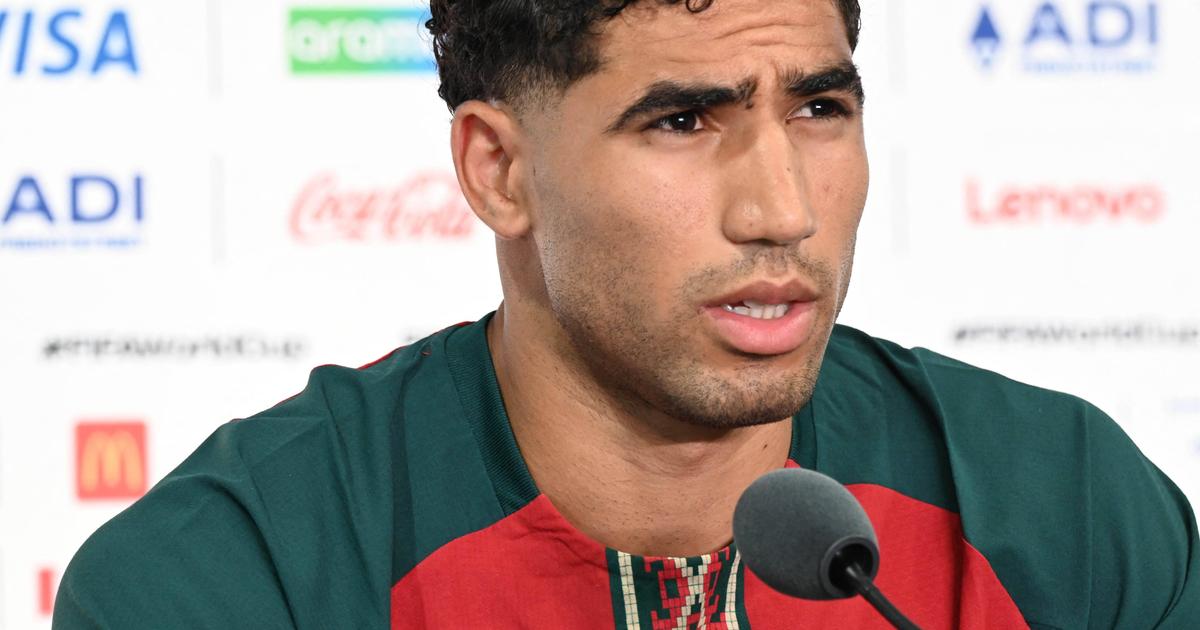
Morocco Captain Achraf Hakimi Faces Court Trial Over Rape Allegations — What We Know So Far
Dr Isioma Okolo Raises Alarm Over Beauty Product Risks for Women in Lagos

Queiroz Sets New World Cup Record as Ghana Coach, Surpassing Mark Previously Achieved Against Super Eagles
Rising Kidnappings in All Nigerian Zones Spur Security Agencies to Issue Fresh Advisory

Lagos Stylists Promote Vibrant Hair Colours as Women Embrace Creative Trends

Lagos Fashion Enthusiasts Embrace Timeless Handbags as Style Statements

Diaspora Nigerians Shine as Super Eagles Miss Out on 2026 FIFA World Cup in Lagos

Environment Minister Urges Increased Investment in Nigeria’s Green Economy Ahead of Global Climate Summit

Gọvanmenti Nigeria Kwupụtara 53 Orù Anyanwụ Maka Ike Ọhụrụ N’iru Afọ 2050

Moniepoint Graduates Second DreamDevs Cohort in Lagos to Strengthen Nigeria’s Engineering Workforce

FG Launches $500m Abuja Formula 1 Bid, Targets Africa’s First Grand Prix Since 1993

Fresh Romance Rumours Trail Lando Norris as Alix Earle Sparks Drama in Monaco

Why More Nigerians Are Searching for Casino Bonuses—and What You Should Know Before Claiming

Ụlọ Ọrụ Nigeria Kwupụtara Nsogbu Nchekwa na Ụtụ Isi N’agbanyeghị Ịrị Elu Obi Ike Ahịa

Peter Obi Demands ₦5bn and Public Apology From Kenneth Okonkwo Over Defamation in Lagos

Federal Government Launches Mining Grants for Research and Exploration Across Nigeria