Nigeria News (Standard)
Iranian Court Sentences Singer Parastoo Ahmadi to 74 Lashes for Performing Without Hijab
Human rights groups condemn Qom Province ruling as crackdown on women’s rights intensifies after viral concert

Human rights groups condemn Qom Province ruling as crackdown on women’s rights intensifies after viral concert
An Iranian criminal court in Qom Province has sentenced singer Parastoo Ahmadi to 74 strokes of cane, a two-year travel ban, and a two-year prohibition from artistic activities for performing without a hijab during a livestreamed concert in December 2024. The verdict, delivered this week, also affects eight members of her production team, all of whom received similar penalties after their performance went viral online.
The case centres on Ahmadi’s performance of the patriotic song ‘Az Khoone Javanane Vatan’ during an audience-free event later dubbed the ‘Caravanserai Concert.’ The concert was broadcast on Ahmadi’s YouTube channel and quickly attracted millions of views. Iranian authorities charged the artist and her colleagues with producing and publishing what they described as ‘vulgar and immoral content.’ Shortly after the concert, Ahmadi and several musicians were reportedly arrested before being released on bail, leading to formal legal proceedings.
The sentence has drawn strong reactions from international human rights advocates, who describe it as part of a wider campaign by Iranian authorities against cultural expression and women’s rights. According to Bahar Ghandehari, Director of Advocacy at the Center for Human Rights in Iran, the punishment highlights that conditions for artists and women in Iran remain largely unchanged. “Ahmadi’s punishment of 74 lashes for merely singing and appearing without a hijab is yet another reminder that human rights conditions in Iran have not changed,” Ghandehari said.
Legal experts have also raised concerns about the legitimacy of the charges. Human rights lawyer Moein Khazaeli argued that Iranian criminal law does not criminalise women singing or producing musical works. Khazaeli added that corporal punishment like flogging raises serious issues under international human rights standards, with many organisations considering it a form of torture.
The ruling comes amid ongoing tension over compulsory hijab laws in Iran, especially following nationwide protests triggered by the death of Mahsa Amini in police custody in 2022. Exiled Iranian figures such as actress Nazanin Boniadi have condemned the verdict as evidence that repression remains entrenched. Setareh Maleki, another exiled actress, praised Ahmadi’s courage in performing despite knowing the risks involved. Rights groups say prosecutions like Ahmadi’s are designed to deter dissent and enforce strict social restrictions on cultural expression.
Nigeria News (Standard)
Lagos EFCC Witness Testifies Accused Boasted No Agency Could Arrest Him in Alleged $41,000 Romance Scam
Court hears details of suspect’s claims as EFCC pursues prosecution over alleged international online fraud involving foreign victim
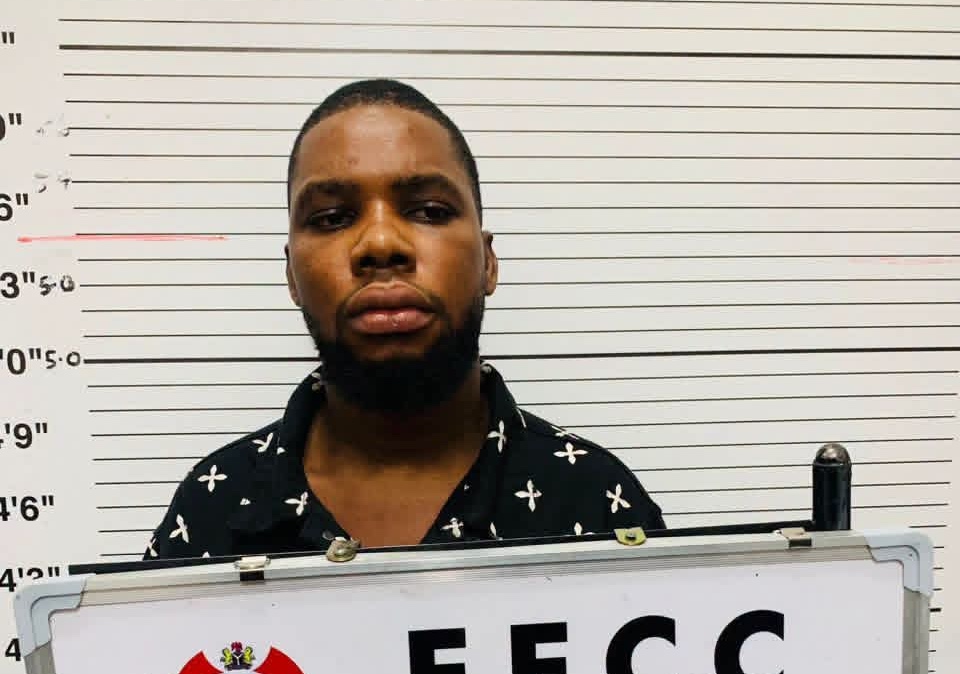
Court hears details of suspect’s claims as EFCC pursues prosecution over alleged international online fraud involving foreign victim
A witness for the Economic and Financial Crimes Commission (EFCC) told a Lagos court on Saturday that the accused person in an alleged $41,000 romance scam had boasted no agency could arrest or prosecute him. The testimony was delivered during a session at the Federal High Court, Lagos, as part of ongoing efforts by the EFCC to tackle cybercrime and related offences within the state.
According to court proceedings, the EFCC’s witness described how the accused, whose name was not disclosed in open session, allegedly defrauded a foreign national through an elaborate romance scam valued at $41,000 (over ₦61 million at current exchange rates). The witness recounted that during investigations, the suspect claimed he was untouchable by Nigerian law enforcement agencies.
The case highlights growing concerns among stakeholders about the proliferation of online scams targeting individuals abroad, with Nigeria’s anti-graft agency intensifying efforts to secure convictions and recover illicit proceeds. The EFCC has repeatedly warned Nigerians about engaging in internet fraud schemes and urged citizens to report suspicious activities.
During cross-examination, the defence challenged aspects of the evidence presented. The presiding judge adjourned further hearing to a later date for continuation of trial. The EFCC maintains that it will pursue all legal avenues to ensure justice is served in cases of cybercrime.
If convicted, the accused faces significant jail time under Nigeria’s anti-fraud laws. The case underscores ongoing government efforts to restore Nigeria’s image internationally and deter would-be offenders from engaging in cyber-enabled crimes.
Nigeria News (Standard)
US Moves to Withdraw HIV/AIDS Funding from South Africa Over Policy Dispute
Decision follows unresolved disagreements between US government and South African authorities on HIV/AIDS programme management
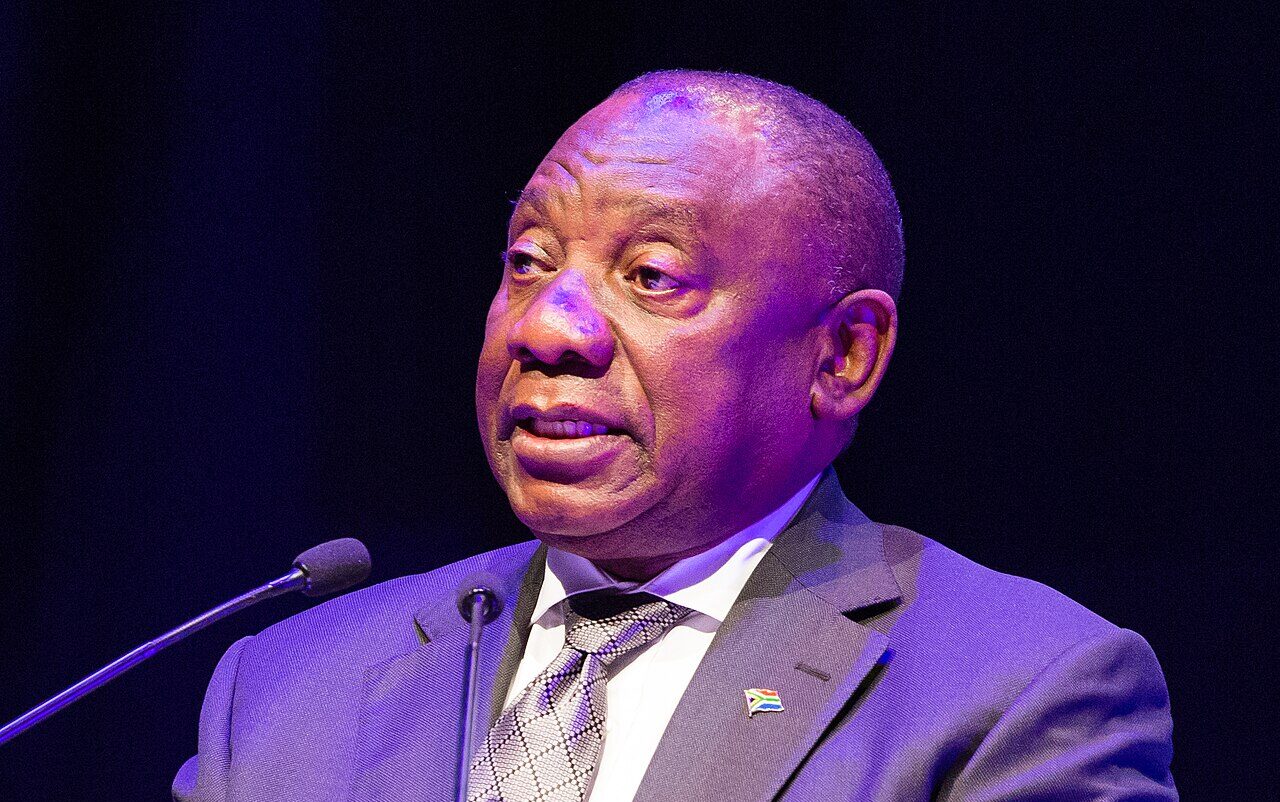
Decision follows unresolved disagreements between US government and South African authorities on HIV/AIDS programme management
The United States government has announced plans to gradually end its financial support for HIV/AIDS interventions in South Africa, citing ongoing policy disputes with the country’s authorities. The development, which was made public on Saturday, signals a significant shift in the long-standing partnership between Washington and Pretoria in the fight against HIV/AIDS.
According to details released, the US intends to phase out funding for key health programmes following disagreements over how these initiatives should be managed and implemented. The move is expected to affect resources channelled towards prevention, treatment, and support services for people living with HIV/AIDS in South Africa, a country with one of the world’s highest rates of infection.
This decision comes at a time when millions depend on externally funded interventions for access to life-saving antiretroviral drugs and community outreach services. Analysts say the planned withdrawal could have far-reaching consequences for public health outcomes if alternative sources of funding are not secured by South African authorities.
While the US government has cited policy differences as its reason for pulling back support, there was no immediate statement from the South African government regarding possible steps to address the funding gap or resolve outstanding issues. Health sector stakeholders warn that vulnerable populations may face increased risk if interventions are scaled down without sufficient transition planning.
It remains unclear what timeline the US will follow in winding down its involvement. However, attention now turns to how both governments will navigate the diplomatic fallout and whether South Africa can mobilise domestic or alternative international resources to sustain critical HIV/AIDS programmes moving forward.
Nigeria News (Standard)
EFCC Operatives Raid Governor Oyebanji’s Polling Unit in Ekiti Over Alleged Vote-Buying
Anti-graft agency intensifies surveillance as governorship election witnesses reports of inducement across Ado Ekiti
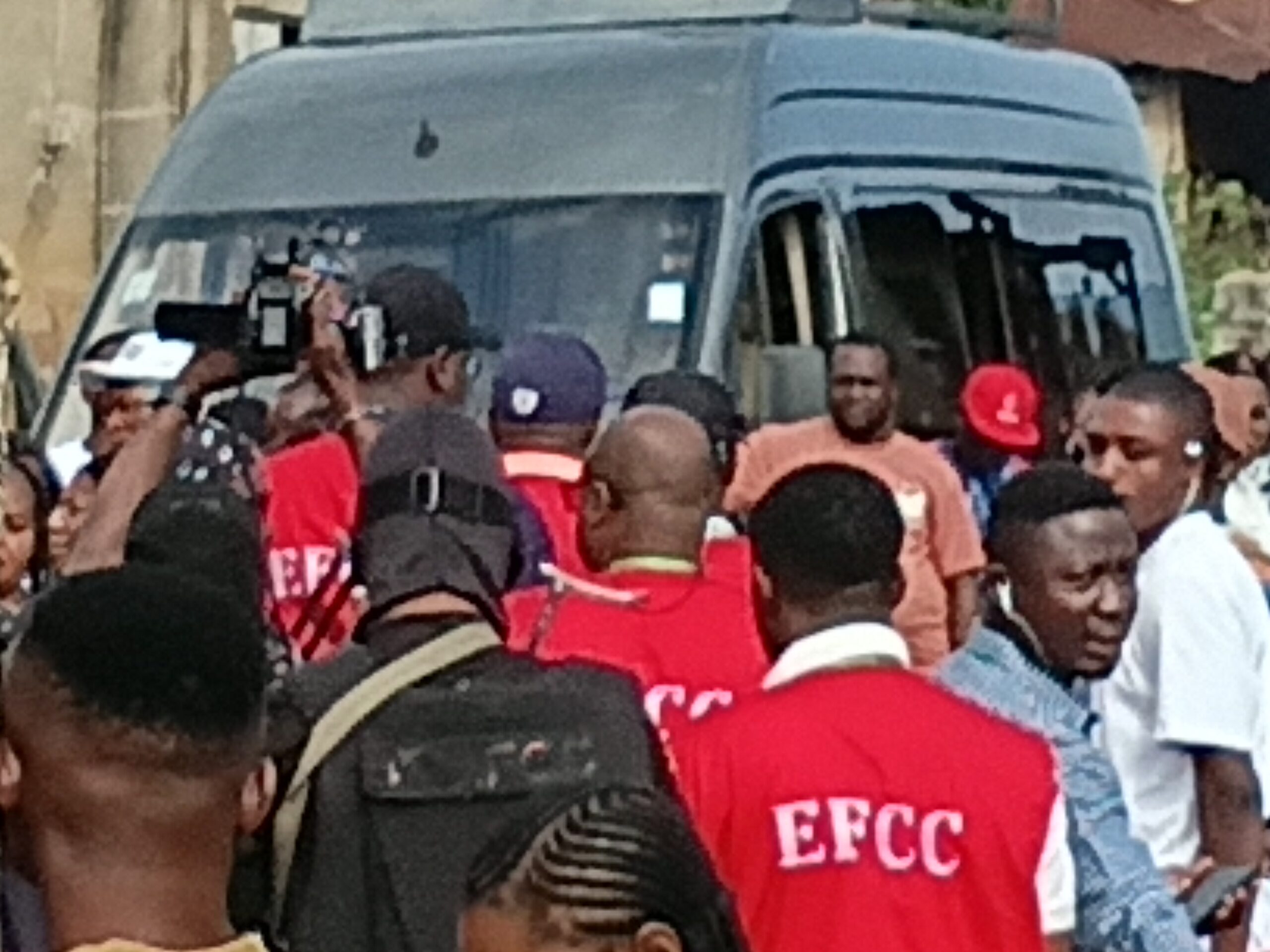
Anti-graft agency intensifies surveillance as governorship election witnesses reports of inducement across Ado Ekiti
Operatives of the Economic and Financial Crimes Commission (EFCC) on Saturday stormed the polling unit of Governor Biodun Oyebanji in Ado Ekiti, Ekiti State, amid growing concerns over alleged vote-buying during the ongoing 2026 governorship election. The EFCC officers arrived at the scene on June 20, heightening security presence and monitoring electoral activities as voters cast their ballots.
The anti-corruption agency’s intervention followed widespread reports of inducement across several polling units in the state capital, with eyewitnesses alleging that party agents were seen distributing cash to influence voters’ choices. EFCC personnel moved into the governor’s polling unit in response to these complaints, conducting on-the-spot checks and questioning individuals suspected of electoral malpractice.
Vote-buying has remained a persistent challenge in Nigeria’s electoral process, especially during high-stakes contests such as governorship elections. Stakeholders and civil society groups have repeatedly called for stricter enforcement of electoral laws to curb financial inducement and ensure credible polls. The presence of EFCC operatives at a sitting governor’s polling unit underscores rising concerns about the integrity of the process in Ekiti, a key state in the South-West geopolitical zone.
As at press time, neither Governor Oyebanji nor his representatives had issued an official statement regarding the EFCC operation. The commission also did not disclose whether any arrests were made during their visit. Election observers present welcomed the agency’s proactive measures, noting that real-time monitoring could deter malpractice. However, opposition parties have urged EFCC to ensure impartiality and avoid targeting specific constituencies or political parties.
The governorship election continues across Ekiti State with heightened vigilance from anti-graft agencies and security operatives. Results are expected to be announced by the Independent National Electoral Commission (INEC) in the coming days. Analysts say that effective monitoring by bodies like EFCC will be critical in restoring public confidence in Nigeria’s democratic process.
Lagos EFCC Witness Testifies Accused Boasted No Agency Could Arrest Him in Alleged $41,000 Romance Scam
US Moves to Withdraw HIV/AIDS Funding from South Africa Over Policy Dispute
EFCC Operatives Raid Governor Oyebanji’s Polling Unit in Ekiti Over Alleged Vote-Buying

Omni Kwupụtara Na Pasent Iri Na Asatọ Naanị Ndị Na-ere Ahịa Nigeria Nwetara Ego Ụlọ Akụ

Akwa Ibom Magistrate Orders Journalists, Complainant Out of Court During Herder Trial
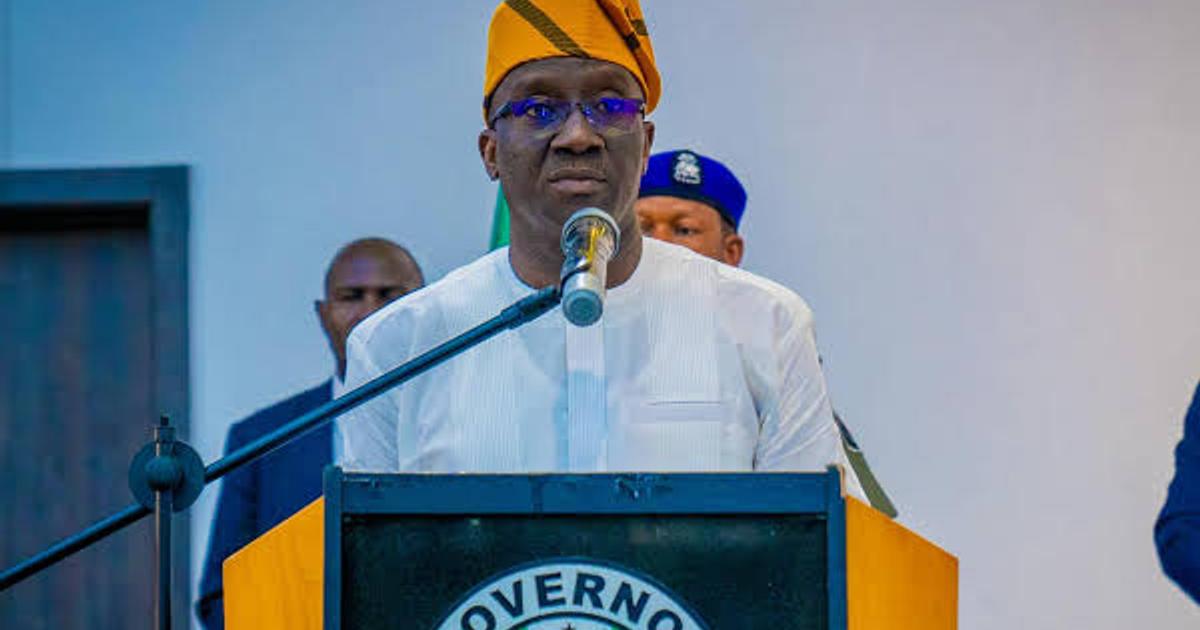
Edo Governor Okpebholo Approves Death Penalty for Convicted Kidnappers, Orders Public Execution in Benin City

FG Disburses ₦13bn Interest-Free Loans to 7,450 Tertiary Institution Workers Nationwide
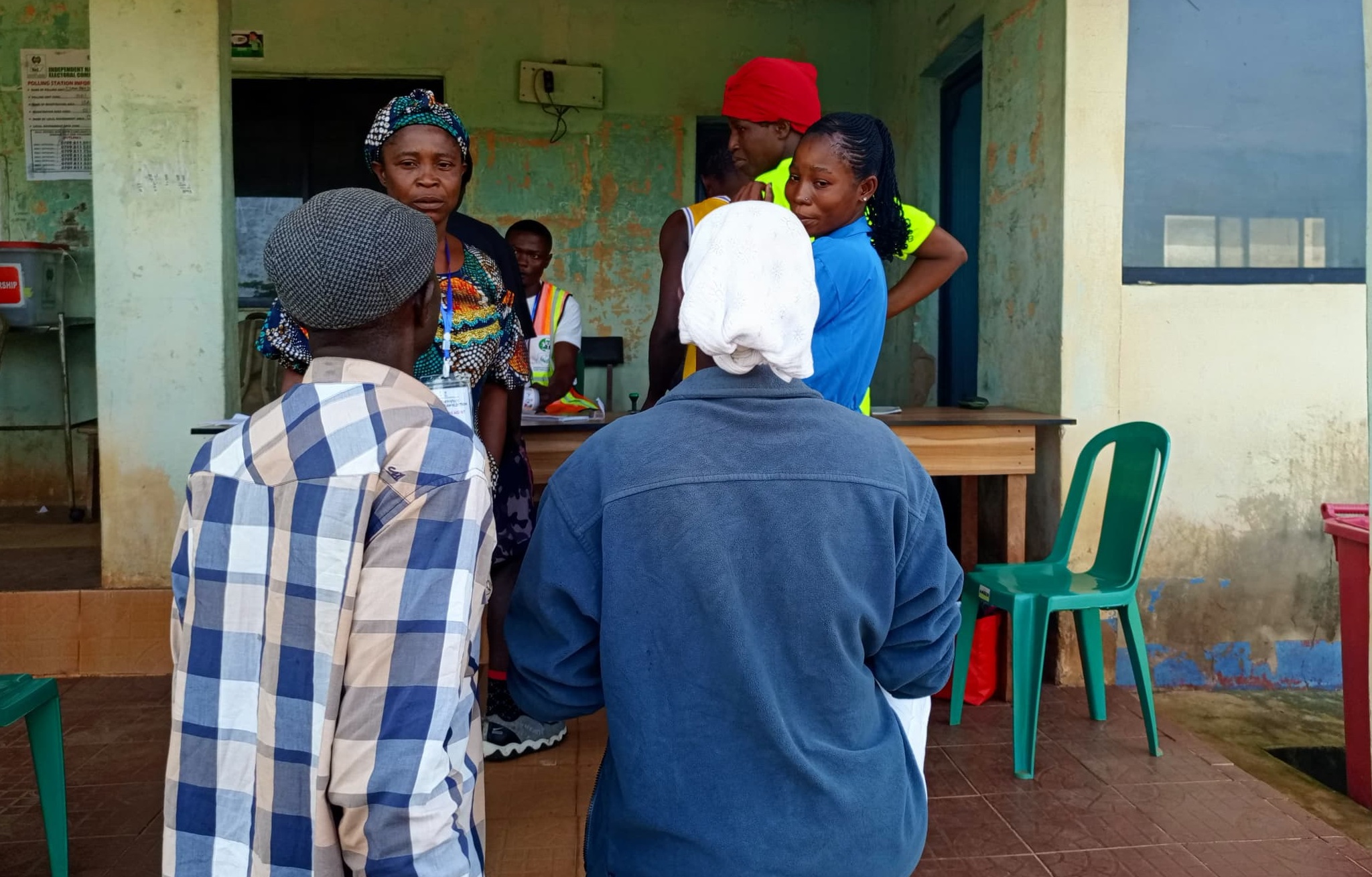
Ekiti LGAs Commence Early Voting in 2026 Governorship Election
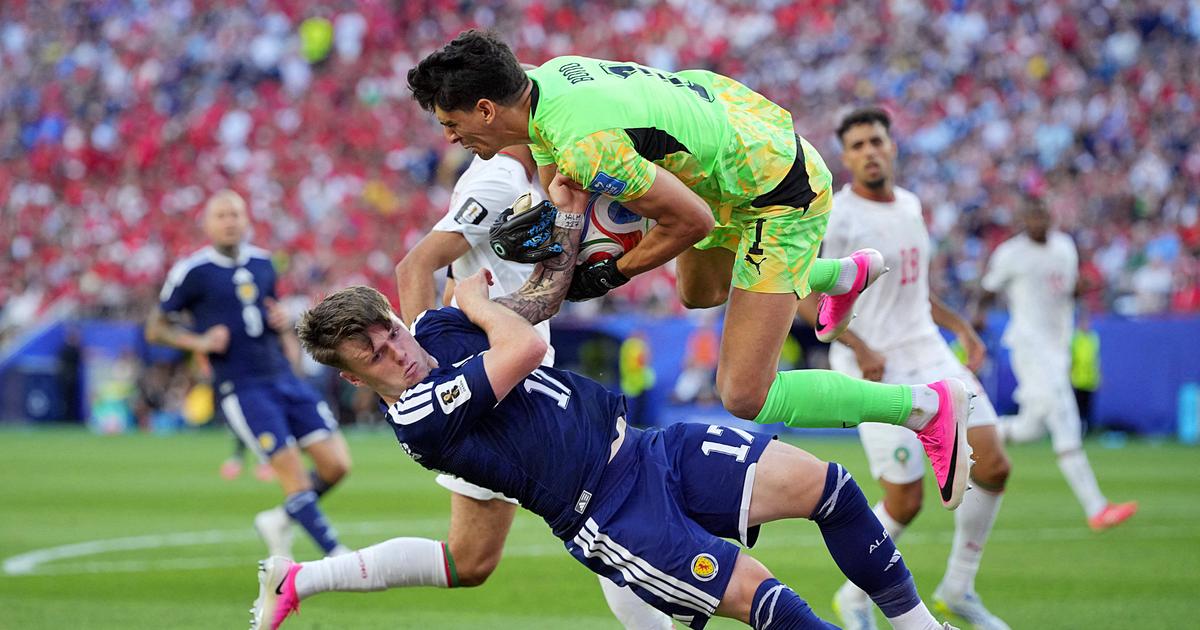
Yassine Bounou Claims Morocco Earned Win Over Scotland but Score Not Confirmed

Ekiti Police Dismiss Link Between Isan-Ekiti Violence and 2026 Governorship Election
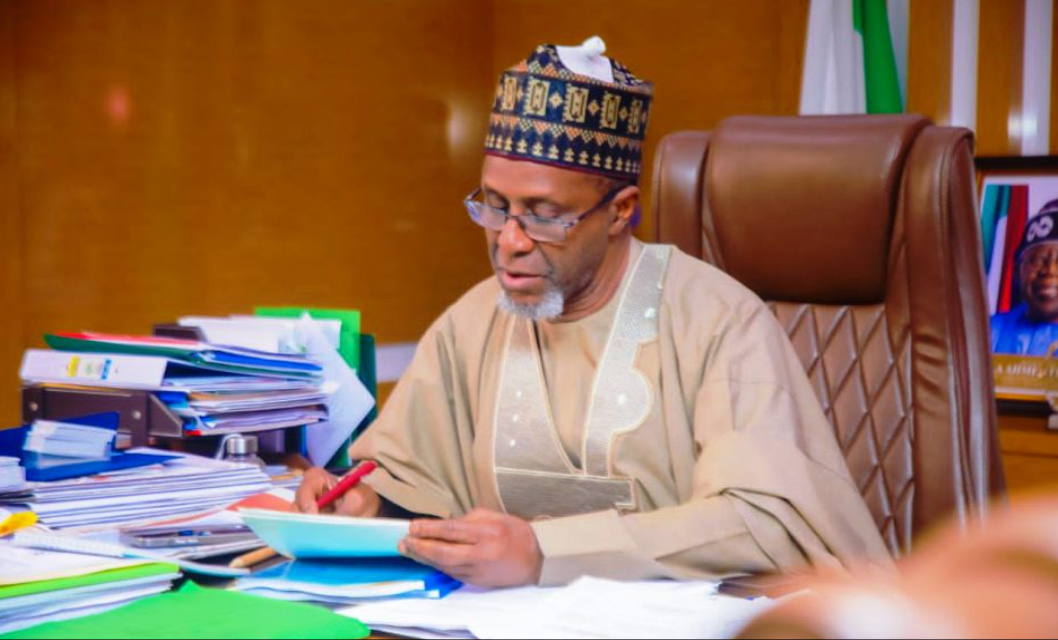
Environment Minister Urges Increased Investment in Nigeria’s Green Economy Ahead of Global Climate Summit

Gọvanmenti Nigeria Kwupụtara 53 Orù Anyanwụ Maka Ike Ọhụrụ N’iru Afọ 2050

Moniepoint Graduates Second DreamDevs Cohort in Lagos to Strengthen Nigeria’s Engineering Workforce

FG Launches $500m Abuja Formula 1 Bid, Targets Africa’s First Grand Prix Since 1993

Fresh Romance Rumours Trail Lando Norris as Alix Earle Sparks Drama in Monaco

Why More Nigerians Are Searching for Casino Bonuses—and What You Should Know Before Claiming

Ụlọ Ọrụ Nigeria Kwupụtara Nsogbu Nchekwa na Ụtụ Isi N’agbanyeghị Ịrị Elu Obi Ike Ahịa
Peter Obi Demands ₦5bn and Public Apology From Kenneth Okonkwo Over Defamation in Lagos
Lagos State Disburses ₦15bn, Creates 320,000 Jobs Through Employment Trust Fund