Nigeria News (Standard)
Ekiti Deputy Governor Casts Vote, Applauds High Turnout in 2026 Polls
Massive voter presence recorded as deputy governor participates; observers note keen public interest in South-West governorship election
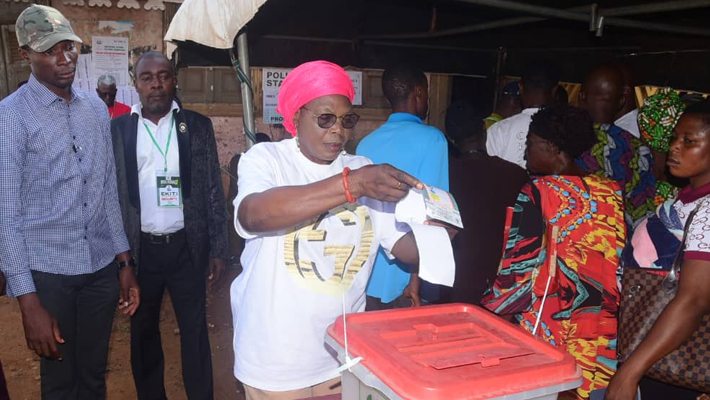
Massive voter presence recorded as deputy governor participates; observers note keen public interest in South-West governorship election
The Deputy Governor of Ekiti State participated in the ongoing 2026 governorship election on Saturday, praising the impressive turnout witnessed across polling units in the state. The exercise, taking place in various local government areas of Ekiti, attracted large crowds eager to perform their civic responsibility.
Election officials reported that voting commenced early at most centres, with residents lining up as at 8 a.m. to cast their ballots. Observers noted a peaceful atmosphere and efficient distribution of election materials by the Independent National Electoral Commission (INEC), contributing to the smooth conduct of the poll.
This year’s governorship contest has generated significant attention within Ekiti and the wider South-West region, with political stakeholders describing it as a crucial test of democratic engagement. Many voters expressed optimism about the outcome, citing improved logistics compared to previous elections and a renewed sense of confidence in the process.
While casting her vote, the deputy governor lauded both INEC and security agencies for maintaining orderliness at polling stations. She encouraged all eligible voters to participate fully, emphasising that high turnout was vital for credible results. “What we have seen so far is encouraging. I urge everyone to remain peaceful and allow the process to conclude without disruption,” she stated.
The collation of results is expected to begin later in the evening, with INEC promising timely release of official figures. Political analysts predict that turnout levels and conduct during voting will play a key role in shaping public trust ahead of future elections in Ekiti State.
Nigeria News (Standard)
Low Voter Turnout Hits Ilawe-Ekiti as BVAS Glitch Disrupts Ado-Ekiti Polling Unit
Technical issues with Bimodal Voter Accreditation System raise concerns over election credibility and voter participation in Ekiti State
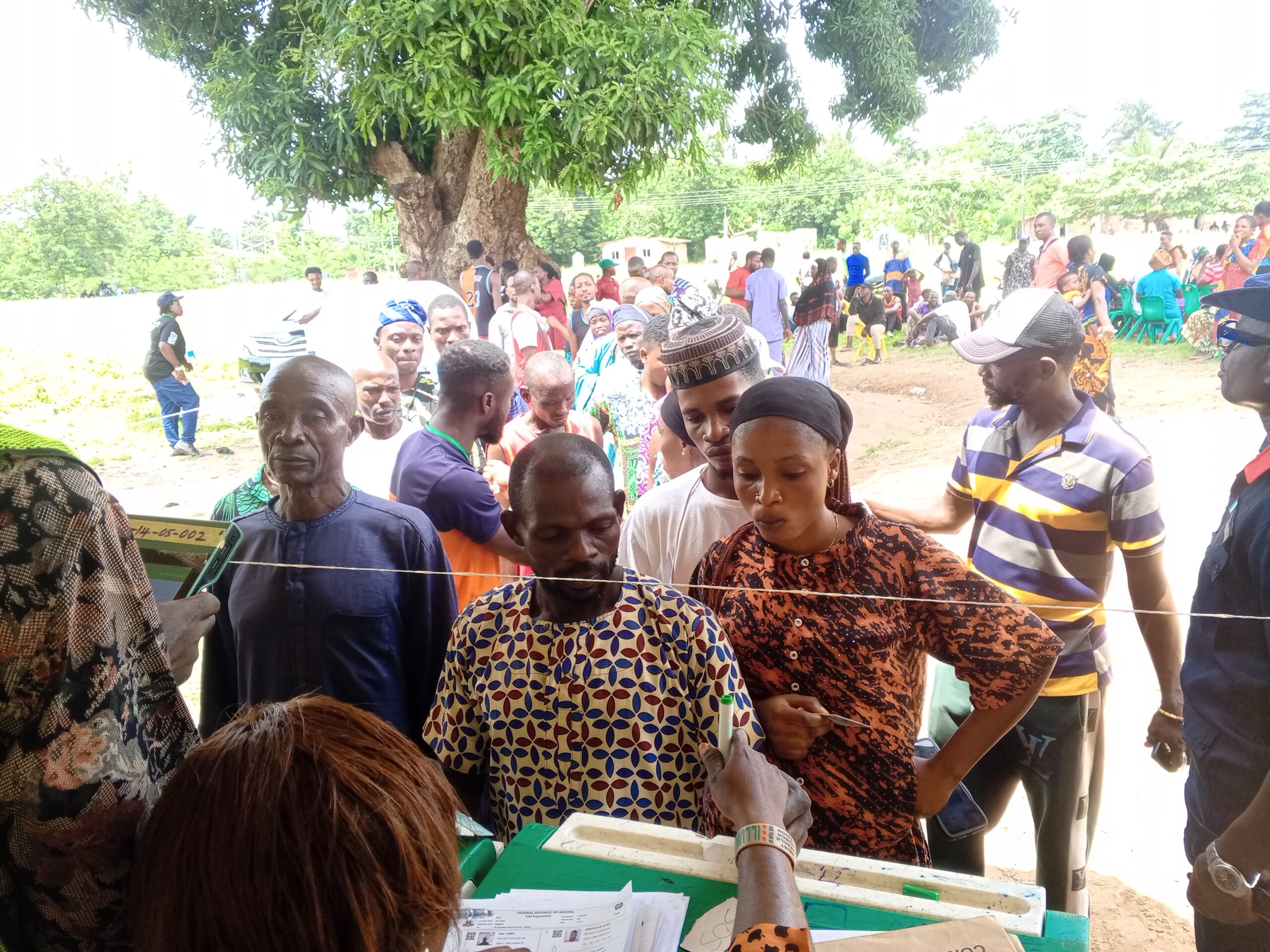
Technical issues with Bimodal Voter Accreditation System raise concerns over election credibility and voter participation in Ekiti State
The governorship election in Ekiti State on Saturday witnessed low voter turnout in Ilawe-Ekiti, while a malfunction of the Bimodal Voter Accreditation System (BVAS) disrupted proceedings at a major polling unit in Ado-Ekiti. The incidents were observed as residents across the state headed to polling centres on 20 June to elect a new governor.
In Ilawe-Ekiti, South-West Nigeria, electoral officials reported sparse attendance at several voting points, with many ballot boxes remaining largely empty hours after accreditation began. Meanwhile, voters and officials at one of Ado-Ekiti’s prominent polling units experienced delays due to BVAS failure, which temporarily stalled the accreditation and voting process until technical support arrived.
The low turnout and technical hitches have heightened concerns about the effectiveness of the Independent National Electoral Commission’s (INEC) preparations for the election. In recent cycles, INEC has promoted BVAS as a solution to electoral fraud and multiple voting, but technical breakdowns have repeatedly cast doubt on its reliability. Many voters expressed frustration at the delays, with some leaving before casting their ballots.
INEC officials on ground acknowledged the challenges but assured that efforts were underway to resolve all technical issues. “We are working with our technical team to ensure every eligible voter is accredited and can vote,” one official stated at the affected Ado-Ekiti polling unit. No official statement had been released by opposition parties as at press time regarding the day’s disruptions.
With voting scheduled to continue across Ekiti State into the afternoon, attention now turns to whether turnout will improve and if further technical issues can be avoided. The outcome of this election is seen as critical for both APC and PDP in consolidating their positions ahead of the next general elections.
Nigeria News (Standard)
Ekiti Observers Raise Alarm as BVAS Fails to Recognise Elderly Voters in Governorship Poll
Technical hitches with biometric system spark concern over disenfranchisement; INEC faces calls for urgent review
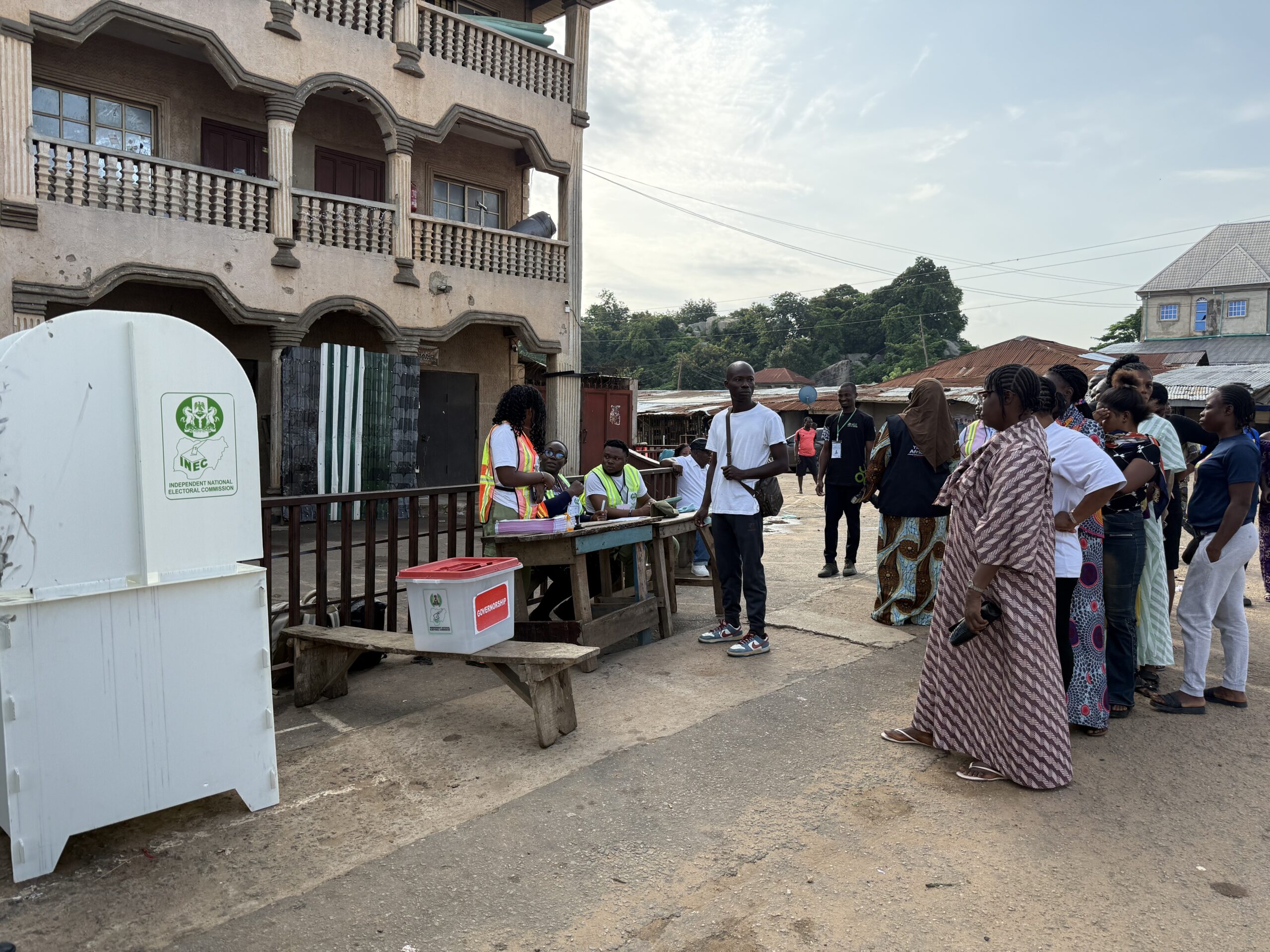
Technical hitches with biometric system spark concern over disenfranchisement; INEC faces calls for urgent review
Election observers have expressed serious concern after the Bimodal Voter Accreditation System (BVAS) failed to recognise several elderly voters during the ongoing Ekiti State governorship election on Saturday, 20 June 2026. Reports from multiple polling units across the state indicated that some senior citizens were unable to complete accreditation as the BVAS devices repeatedly rejected their fingerprints and facial recognition attempts.
The malfunction was observed in different local government areas, with officials confirming that affected voters were mostly elderly persons whose biometric data could not be captured by the machines. While some polling officers attempted manual intervention, many of the older voters left frustrated, unable to cast their ballots.
This incident has raised fresh questions about the reliability of technology in Nigeria’s electoral process, especially in rural communities where access and technical know-how remain limited. The Independent National Electoral Commission (INEC) introduced BVAS to curb multiple voting and enhance transparency, but similar glitches were recorded during previous elections, prompting calls for improvement ahead of the high-stakes Ekiti poll.
An observer group monitoring the election described the situation as worrisome and urged INEC to provide alternative accreditation procedures for vulnerable groups. “We have seen several elderly voters unable to vote because BVAS could not recognise them,” one observer stated. “INEC must urgently address this to avoid widespread disenfranchisement.”
As at press time, INEC officials said efforts were ongoing to resolve technical issues at affected polling units. The commission is expected to conduct a review after the election and consider recommendations from stakeholders on improving biometric verification for subsequent polls.
Nigeria News (Standard)
Trump Distances Himself from Netanyahu over Iran Deal, Insists ‘I Call All the Shots’
US president warns Israeli leader against actions that could derail ongoing Iran talks amid rising diplomatic tensions
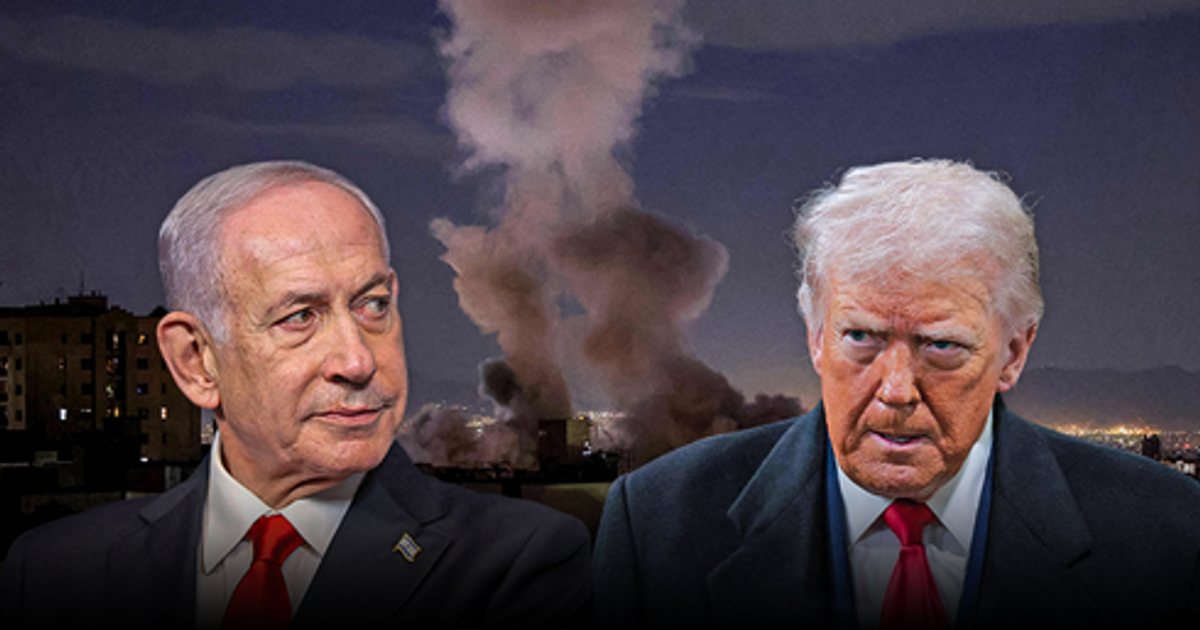
US president warns Israeli leader against actions that could derail ongoing Iran talks amid rising diplomatic tensions
A sharp division has emerged between United States President Donald Trump and Israeli Prime Minister Benjamin Netanyahu over a proposed deal with Iran, as the US administration intensifies efforts to broker an agreement aimed at ending months of conflict in the Middle East. The development comes as Trump, speaking from Washington on 20 June, urged Israel not to take steps that could undermine negotiations with Tehran.
The disagreement was laid bare after reports revealed Trump cautioned Netanyahu against retaliating following an Iranian missile strike earlier in June, insisting diplomatic channels were close to delivering results. Trump reportedly told Netanyahu during a phone call, “We are close to doing something good in terms of a deal,” while also making it clear in conversations with US officials and the media that he alone determines the direction of negotiations. “I call the shots. I call all the shots,” Trump said in comments to Financial Times, adding that Netanyahu “won’t have any choice” but to accept the outcome.
Netanyahu has long advocated for military pressure on Iran and was said to be dissatisfied with news that a deal might be imminent. According to sources familiar with discussions, the Israeli prime minister had hoped that coordinated US-Israeli military action would further weaken Tehran’s leadership and improve his own political standing ahead of elections in Israel’s Knesset. However, Israel’s recent airstrike in Beirut reportedly drew Trump’s ire, with US officials indicating frustration over moves that could jeopardise months of diplomatic work.
Despite speculation about a possible rift, both countries remain close allies. US officials maintain that any final agreement will address longstanding concerns regarding Iran’s nuclear ambitions and regional influence. Opposition figures within Israel have called for greater transparency from Netanyahu regarding his strategy towards Iran and relations with Washington. Meanwhile, there is no indication that the US intends to withdraw support for Israel or seek political change in the country.
For now, attention remains focused on whether Trump and Netanyahu can find common ground as talks with Tehran progress. The fate of the proposed deal—and its impact on Middle East stability—continues to be closely watched by policymakers and analysts across the region.
Low Voter Turnout Hits Ilawe-Ekiti as BVAS Glitch Disrupts Ado-Ekiti Polling Unit
Ekiti Observers Raise Alarm as BVAS Fails to Recognise Elderly Voters in Governorship Poll
Trump Distances Himself from Netanyahu over Iran Deal, Insists ‘I Call All the Shots’
Enugu North By-Election Records Peaceful Voting Amid Low Turnout
APC, Other Parties Contest Kano Federal Bye-Election as NDC Remains Absent
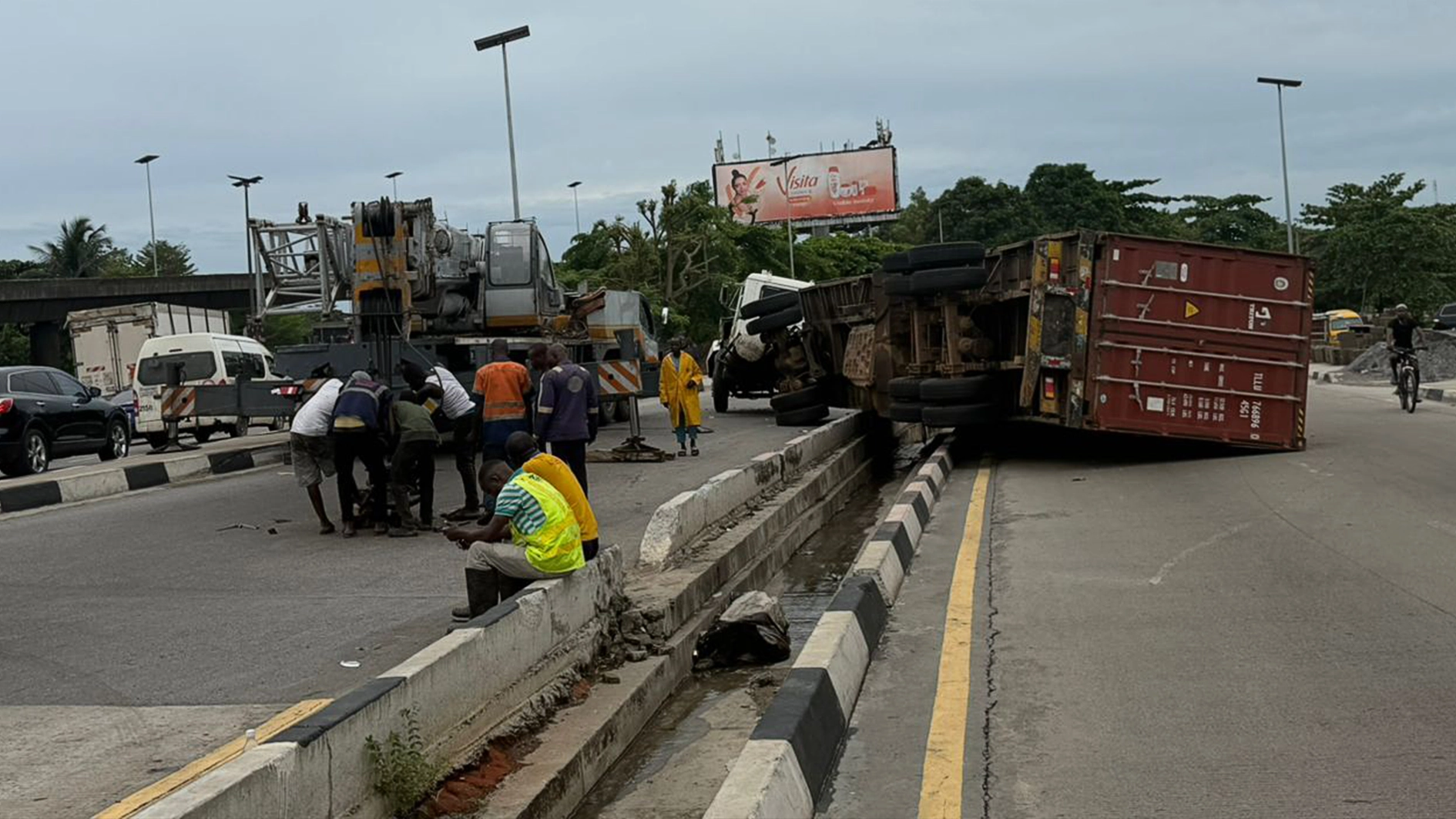
Lagos Truck Accident Blocks Oshodi-Apapa Road as Driver, Assistant Escape Scene
Oyo Police Arrest Suspected Kidnapper, Launch Manhunt for Abducted Farmer’s Rescue
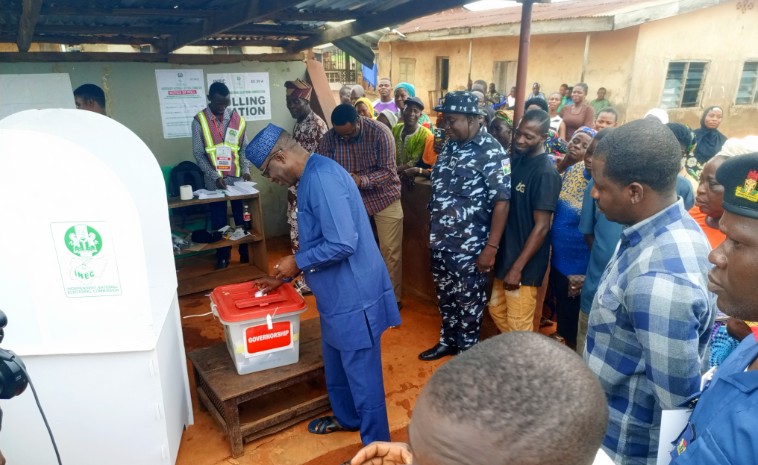
Ex-Governor Fayemi Votes in Ekiti, Commends INEC Over Election Conduct
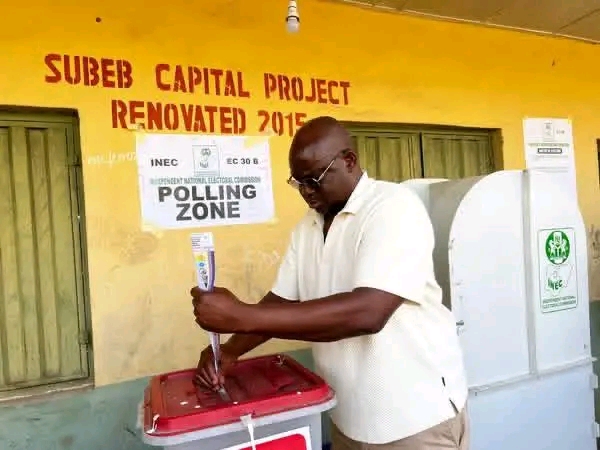
Ex-Governor Fayose Votes in Ekiti, Predicts Landslide Victory for Governor Oyebanji

Nigerian-Born DJ Spectacles Uses Data Analytics to Transform UK Live Music Scene
Environment Minister Urges Increased Investment in Nigeria’s Green Economy Ahead of Global Climate Summit

Gọvanmenti Nigeria Kwupụtara 53 Orù Anyanwụ Maka Ike Ọhụrụ N’iru Afọ 2050

Moniepoint Graduates Second DreamDevs Cohort in Lagos to Strengthen Nigeria’s Engineering Workforce
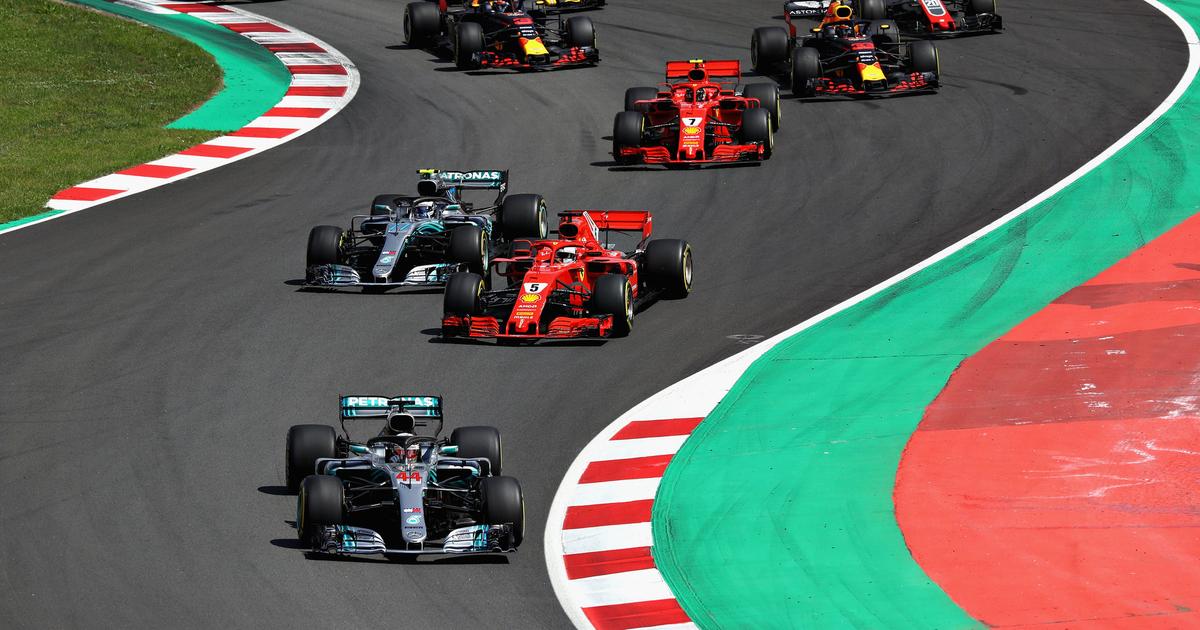
FG Launches $500m Abuja Formula 1 Bid, Targets Africa’s First Grand Prix Since 1993

Fresh Romance Rumours Trail Lando Norris as Alix Earle Sparks Drama in Monaco

Why More Nigerians Are Searching for Casino Bonuses—and What You Should Know Before Claiming
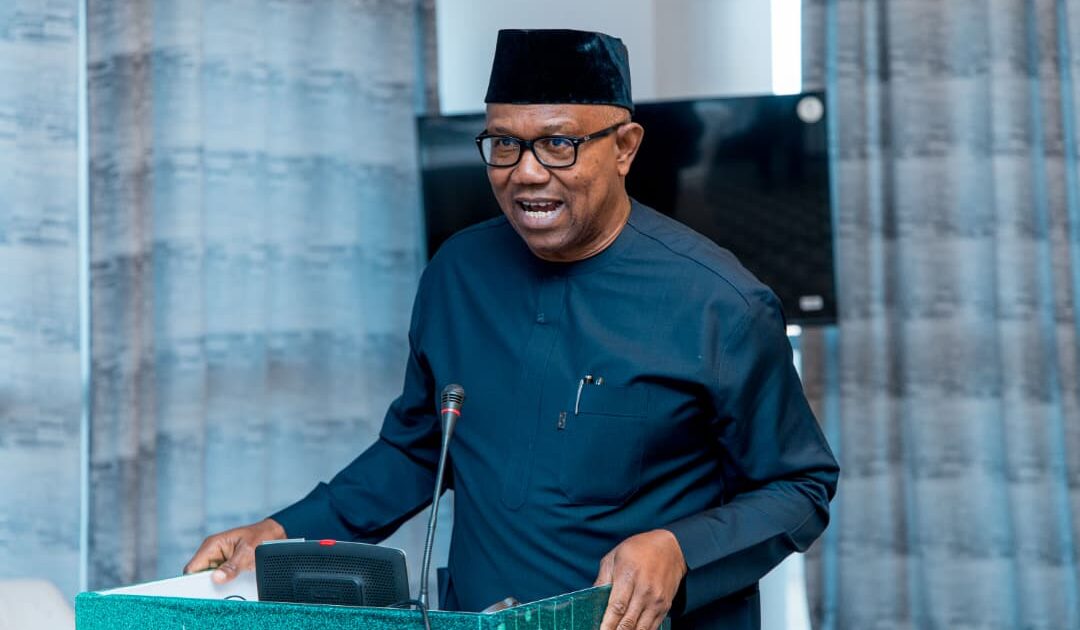
Peter Obi Demands ₦5bn and Public Apology From Kenneth Okonkwo Over Defamation in Lagos
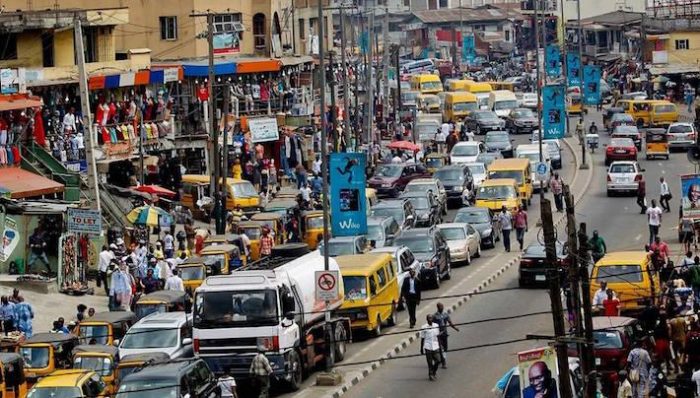
Ụlọ Ọrụ Nigeria Kwupụtara Nsogbu Nchekwa na Ụtụ Isi N’agbanyeghị Ịrị Elu Obi Ike Ahịa
Lagos State Disburses ₦15bn, Creates 320,000 Jobs Through Employment Trust Fund