Nigeria News (Standard)
EFCC Screens Delta Head of Service, Audits State Payroll in Fresh Crackdown on Ghost Workers
Dr. Mininim Oseji confirms anti-graft agency’s visit during Civil Service Week as nationwide probe targets payroll fraud
Dr. Mininim Oseji confirms anti-graft agency’s visit during Civil Service Week as nationwide probe targets payroll fraud
The Economic and Financial Crimes Commission (EFCC) has launched a comprehensive screening exercise targeting the Delta State Head of Service, Dr. Mininim Oseji, and key officials across Ministries, Departments and Agencies (MDAs), as part of efforts to expose ghost workers and strengthen the integrity of the state’s civil service payroll. The verification, which began this week in Asaba, comes amid a broader national move against payroll irregularities in public service.
According to Dr. Oseji, who spoke at a press briefing in Asaba on Monday marking the 2026 Civil Service Week themed “Reforms, Resilience and Results”, EFCC operatives visited government offices to scrutinise payroll records, nominal rolls and other employment documents. The exercise is part of a series of checks being conducted in several states to uncover fraudulent salary payments and ensure only legitimate workers are paid by government.
The screening is seen as a response to longstanding concerns about ghost workers—non-existent employees who remain on public payrolls—costing states billions of naira each year. The EFCC’s intervention follows repeated calls from financial experts and anti-corruption groups for stronger oversight of state wage bills. Delta State, like many others in the South-South zone, has faced scrutiny over its personnel management practices and fiscal discipline.
“The EFCC informed us that it is a nationwide exercise with legal backing to investigate suspected financial irregularities within state administrations,” Dr. Oseji stated during the event. She emphasised that Delta government was cooperating fully with federal authorities to guarantee transparency and restore public confidence in the civil service system. No specific figures were disclosed regarding any ghost workers identified so far.
The outcome of the audit will determine whether further disciplinary or legal actions will be taken against culpable officials or if additional reforms are required within Delta’s MDAs. Observers say the ongoing probe could prompt similar crackdowns in other states if significant payroll fraud is uncovered. The EFCC is expected to release preliminary findings once the verification process concludes.
Nigeria News (Standard)
Norway Bans AI Tools for Pupils Under 13, Tightens School Tech Policy
New regulation follows successful smartphone ban as government targets core learning skills, plans social media age limits

New regulation follows successful smartphone ban as government targets core learning skills, plans social media age limits
Norway has introduced a new policy barring children aged 6 to 13 from using generative artificial intelligence tools in schools, with the ban set to commence nationwide in late August. Prime Minister Jonas Gahr Støre announced the decision at a press conference on Friday, stating the measure aims to protect essential reading, writing and mathematics skills among primary school pupils.
Under the new guidelines, elementary school students (grades one to seven) will be prohibited from accessing platforms such as ChatGPT and similar AI tools during school hours. For older students aged 14 to 16, AI use will only be permitted under direct supervision of a teacher, while those aged 17 and above are encouraged to use such technology responsibly. Norwegian authorities said unrestricted access could lead children to skip important aspects of learning by relying too heavily on digital assistance.
This move comes after Norway’s earlier decision in 2024 to ban smartphones in schools — a policy that has since been linked with improved academic performance and reduced bullying. Research led by Sara Abrahamsson across over 400 middle schools reported a significant drop in visits to psychological specialists by about 60%, especially among female students. The Ministry of Education believes the new AI restriction could yield similar positive results by limiting classroom distractions and helping young learners build foundational skills before turning to advanced technologies.
Prime Minister Støre explained: “The most important thing in school is that our children learn to read, write and do mathematics.” According to government officials, the latest measure responds to growing concern over children’s exposure to technology both in and out of the classroom. The government is also preparing legislation that would ban social media use for those under 16 years old, mirroring recent laws introduced in Australia. The proposal is expected to go before parliament before the end of 2026.
Supporters argue that Norway’s approach allows children more time to develop critical thinking and problem-solving abilities without depending on AI-generated content. However, questions remain about how effectively such restrictions can be enforced outside school premises, given widespread access through personal devices at home. Similar debates are ongoing across Europe as governments weigh how best to regulate emerging technologies among younger populations.
Nigeria News (Standard)
Lagos State Inaugurates Transport Union Task Force to Tackle Waste Dumping at Bus Parks
Commissioner Osiyemi warns NURTW, RTEAN members must clean up own garages before policing others
Commissioner Osiyemi warns NURTW, RTEAN members must clean up own garages before policing others
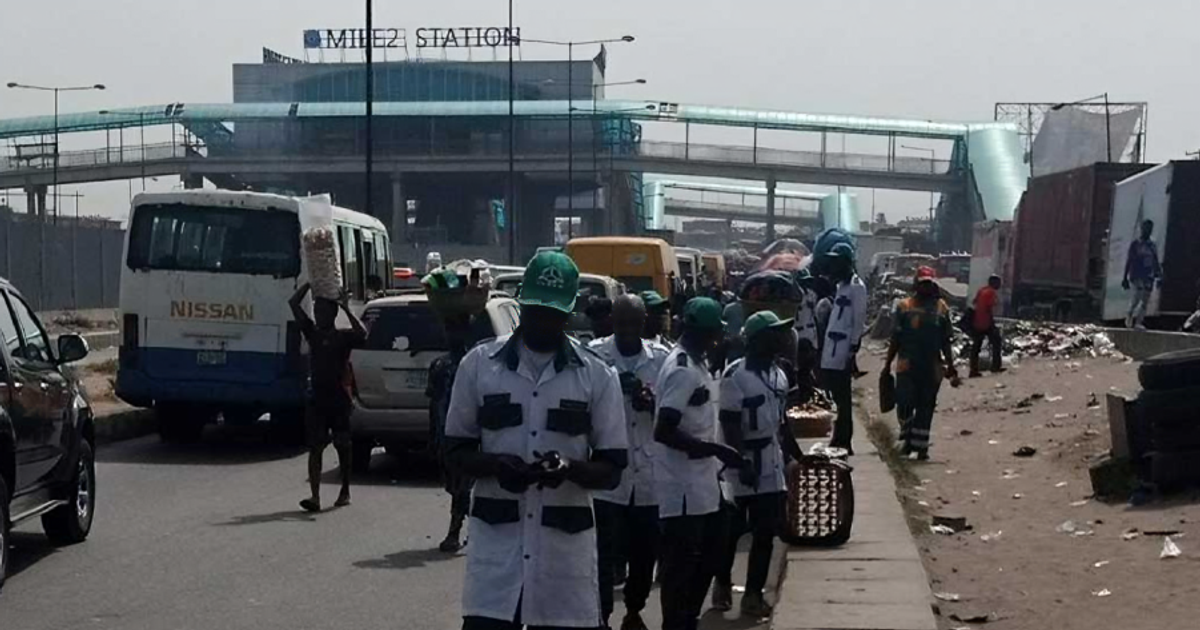
Lagos State Government on Saturday inaugurated a Special Task Force empowering transport union members to enforce sanitation at bus stops, garages, and major roads across the city. The move, announced at a ceremony in Alausa, Ikeja, sees members of the National Union of Road Transport Workers (NURTW) and Road Transport Employers Association of Nigeria (RTEAN) drafted as street-level ‘waste police’ to monitor indiscriminate dumping in transport corridors.
Commissioner for Transportation Oluwaseun Osiyemi said the initiative aims to curb a surge in refuse dumping along roadsides and inside parks, with Lagos generating an estimated 13,000 tonnes of waste daily. “We cannot fold our arms while people carry waste from their homes and dump it on roads, medians, and public spaces,” Osiyemi stated at the inauguration. He told union leaders that enforcement must begin within their own premises: “Before you can enforce discipline outside, your own garages and bus stops must be in order.”
The task force was launched amid criticism that many transport union parks themselves are hotspots for poor sanitation, shanties, and indiscriminate trading. Stakeholders have questioned whether unions previously accused of tolerating dirty garages can effectively police littering by commuters and traders. The Lagos Waste Management Authority (LAWMA), represented by Managing Director Muyiwa Gbadegesin, backed the plan but noted that the real challenge remains large-scale collection gaps and illegal dumping by private sector operators.
Despite clearing over 418,000 tonnes of waste in May and addressing 173 identified black spots, LAWMA continues to face complaints from residents about uncollected household waste and blocked drains. Critics argue that while union-led patrols could deter petty littering around bus stops through spot fines and visible enforcement, they do not address systemic failures in contracted waste evacuation or alleged illegal dumping by licensed operators.
The Lagos government maintains that the task force will focus on changing behaviour at high-traffic sites such as bus parks and lay-bys. However, observers say real progress requires LAWMA to improve oversight of private contractors responsible for residential waste collection. As at now, there is no announced plan to expand union involvement beyond street-level monitoring.
Source: https://www.pulse.ng/story/lagos-transport-unions-waste-task-force-2026062215180852665
Nigeria News (Standard)
Flood and Windstorm Destroy Farms, Shops in Ebonyi State Communities
Residents count losses as severe weather damages livelihoods across multiple LGAs; local authorities yet to respond
Residents count losses as severe weather damages livelihoods across multiple LGAs; local authorities yet to respond
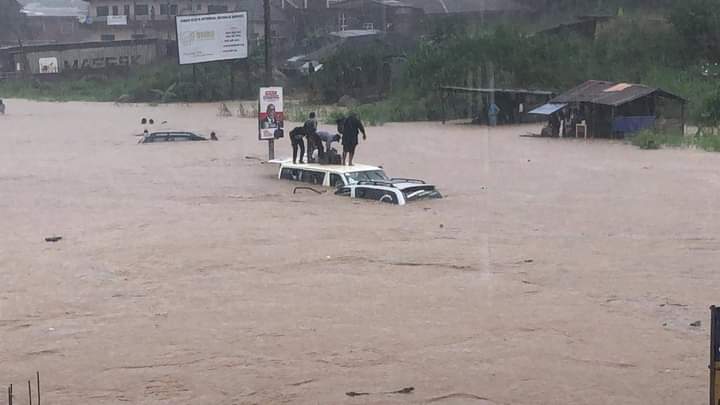
Severe flood and windstorm have wreaked havoc on farms and shops in several communities across Ebonyi State, South-East Nigeria, causing significant destruction to livelihoods. The incidents, which occurred recently, left many residents counting their losses as agricultural produce and commercial properties were swept away or damaged.
According to affected residents, the heavy downpour led to widespread flooding, while strong winds toppled structures and uprooted crops in parts of the state. Farmers reported that their farmlands, stocked with crops at various stages of maturity, were submerged, resulting in substantial financial setbacks. Shop owners also lamented that goods worth millions of naira were destroyed as roofs were blown off and water inundated business premises.
The disaster comes at a time when many in Ebonyi rely heavily on agriculture and petty trading for survival. With the destruction of farmlands and shops, concerns are mounting over food security and economic hardship in the affected areas. Residents say such natural disasters have become more frequent during the rainy season, intensifying pressure on already vulnerable households.
As at press time, local government authorities had not issued an official statement or announced relief measures for those impacted by the flood and windstorm. Many residents appealed for urgent intervention from both state government and relevant agencies to mitigate their losses and prevent further hardship. “We need support to rebuild our farms and restart our businesses,” one affected farmer said.
The full extent of the damage is yet to be assessed, but community leaders are urging prompt action to avert a deeper humanitarian crisis. Stakeholders have called on government at all levels to implement long-term solutions, including improved drainage systems and disaster preparedness programmes, to protect lives and property from recurring extreme weather events.
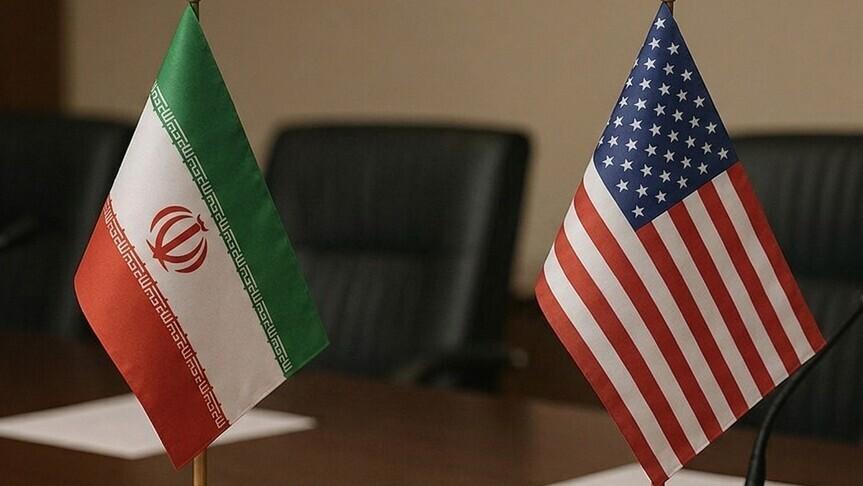
Onye Isi Ala US Kwupụtara Nkwụsị Iwu Mmanụ Iran Maka ụbọchị 60 Ka Mkparịta Ụka Udo Gara N’ihu
Norway Bans AI Tools for Pupils Under 13, Tightens School Tech Policy
Lagos State Inaugurates Transport Union Task Force to Tackle Waste Dumping at Bus Parks
Flood and Windstorm Destroy Farms, Shops in Ebonyi State Communities
NUJ Honours SSS DG Yusuf Bichi with ‘Man of the Year’ Award in Abuja
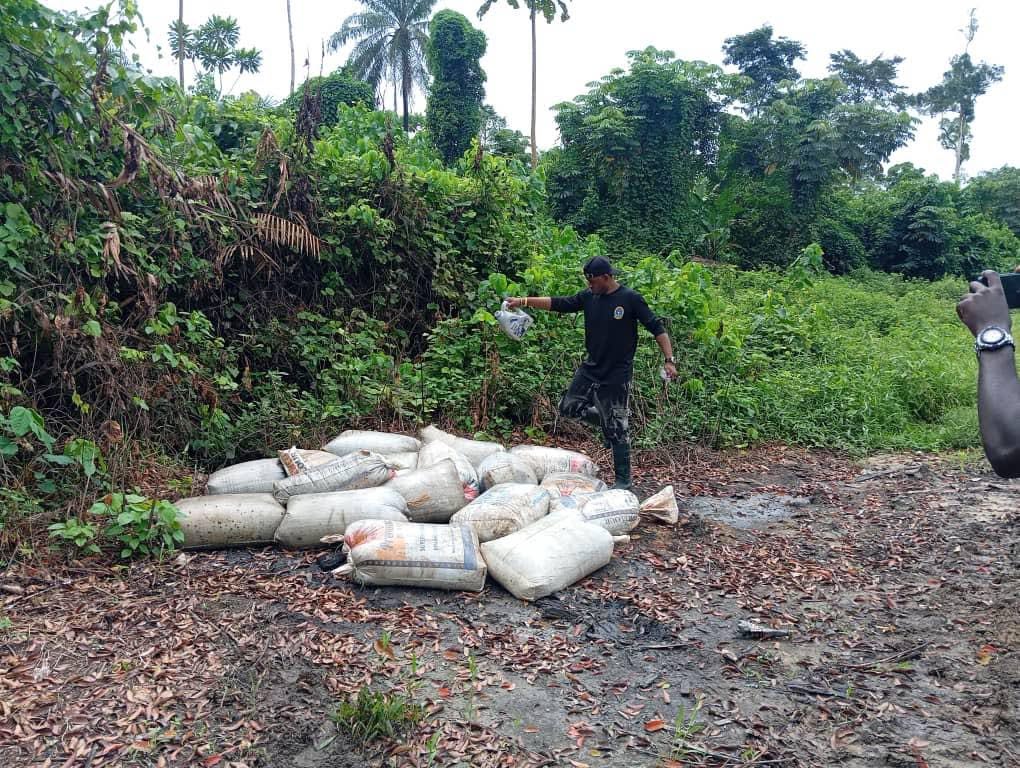
Ndị Agha Mmanụ Nigeria Wepụtara Lita 63,290 Mmanụ Dizel A Na-atụ Esi N’ụzọ Iwu Na Rivers

Troops Neutralise Suspected Terrorists, Rescue Abductees in Sokoto and Katsina Raids

Asake Unveils Four New Songs at Exclusive Spotify Concert in London

Ibrahimovic Blasts Belgium for ‘Boring’ World Cup Draw Against Iran — Says He Nearly Slept Off

Oyo Police Reassure Families on Swift Release of Abducted Pupils and Teachers
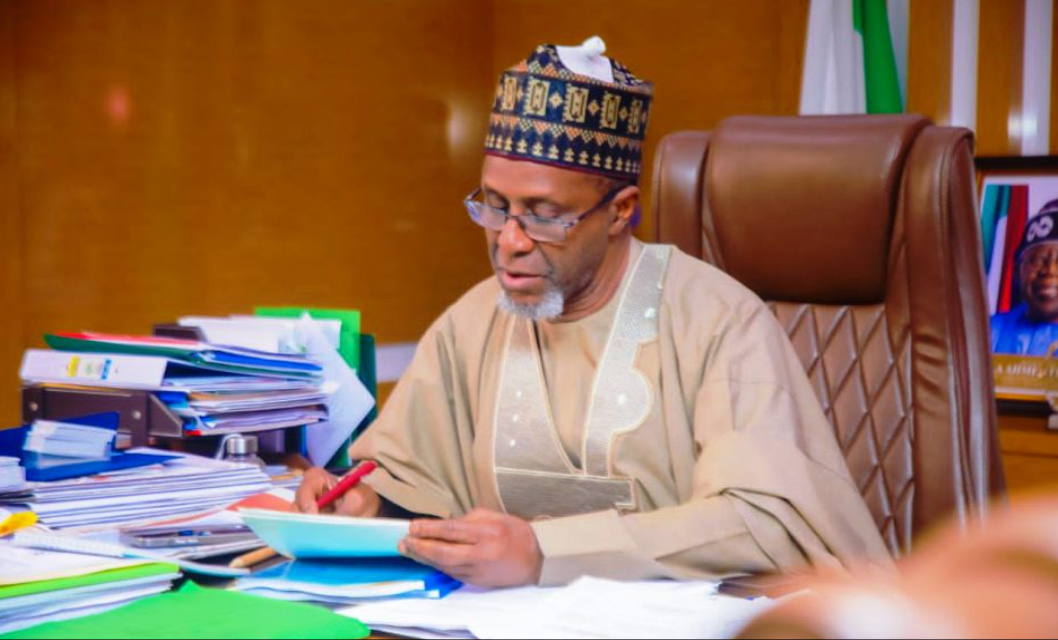
Environment Minister Urges Increased Investment in Nigeria’s Green Economy Ahead of Global Climate Summit

Gọvanmenti Nigeria Kwupụtara 53 Orù Anyanwụ Maka Ike Ọhụrụ N’iru Afọ 2050

Moniepoint Graduates Second DreamDevs Cohort in Lagos to Strengthen Nigeria’s Engineering Workforce

FG Launches $500m Abuja Formula 1 Bid, Targets Africa’s First Grand Prix Since 1993

Fresh Romance Rumours Trail Lando Norris as Alix Earle Sparks Drama in Monaco
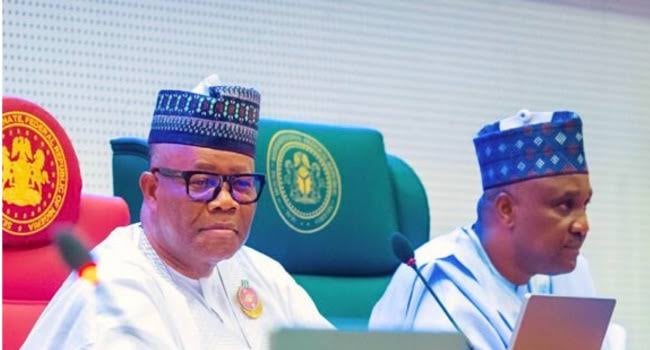
Lagos Court Declares National Assembly’s ₦110bn Vehicle and Allowance Spending Unlawful

Why More Nigerians Are Searching for Casino Bonuses—and What You Should Know Before Claiming
Lagos State Disburses ₦15bn, Creates 320,000 Jobs Through Employment Trust Fund
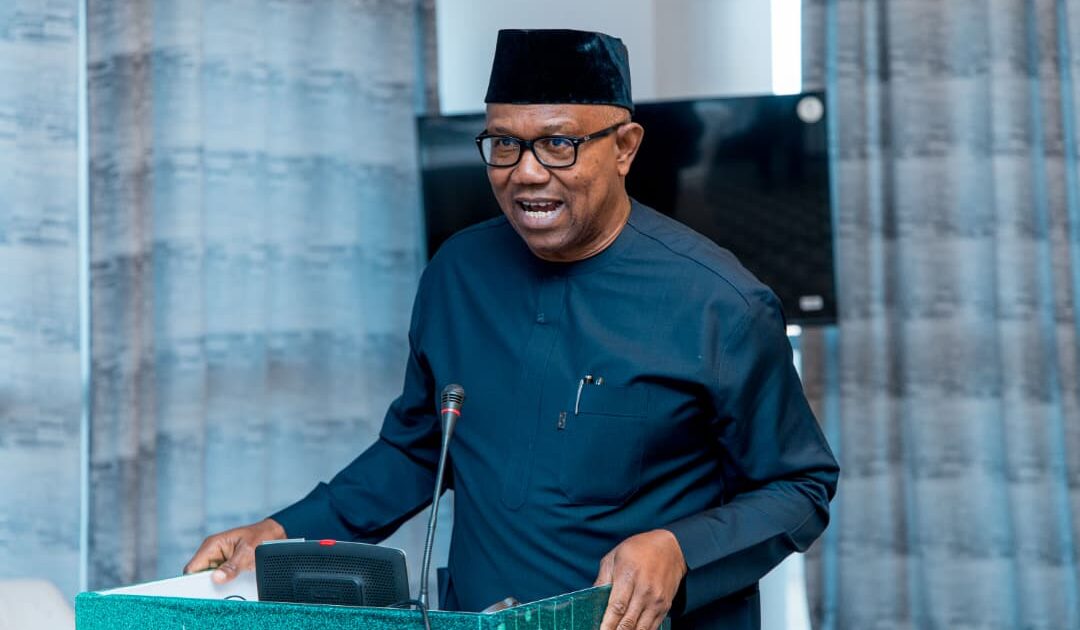
Peter Obi Demands ₦5bn and Public Apology From Kenneth Okonkwo Over Defamation in Lagos