Nigeria News (Standard)
Gunmen Kill 21 in Night Attack on Plateau’s Bokkos LGA, Youth Leaders Confirm
Assailants strike Kawel village while residents sleep; local youth leader reports security agencies arrived after attackers fled
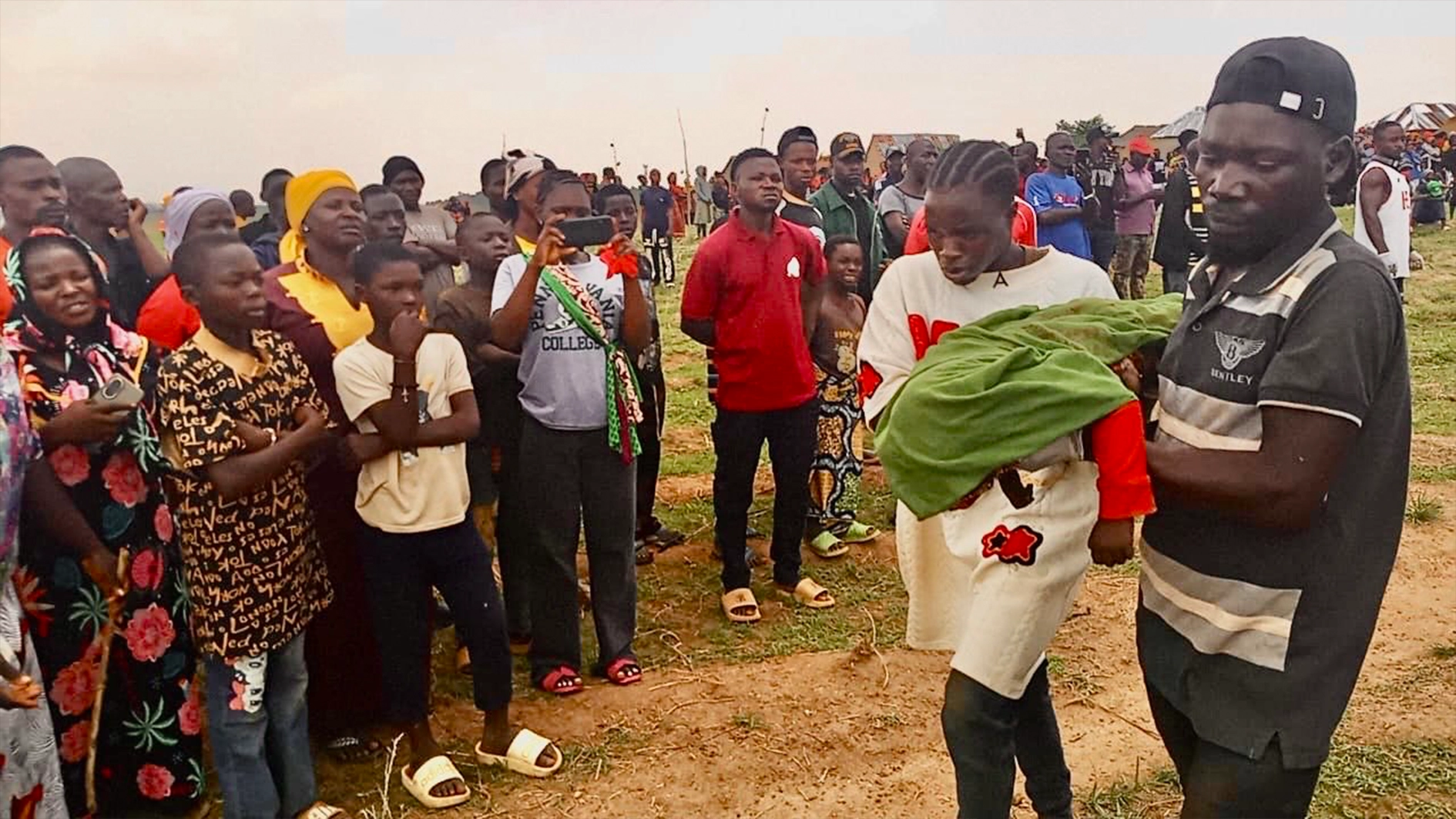
Assailants strike Kawel village while residents sleep; local youth leader reports security agencies arrived after attackers fled
No fewer than 21 people were killed and several others injured when gunmen invaded Kawel village in Mushere Kingdom, Bokkos Local Government Area of Plateau State late Sunday night. Residents and local youth leaders said the assailants stormed the community at about 11:40 p.m., shooting indiscriminately as villagers slept.
According to Malo Bitrus, a resident of Mushere Kingdom who spoke with journalists, the attackers forced many to flee their homes in search of safety. He said more than 21 persons lost their lives in the violence, which has heightened fears among locals already grappling with insecurity in the area.
A resident who requested anonymity for security reasons said the armed men operated swiftly and left without encountering resistance or prompt response from security agencies. This development, according to him, underscores the deteriorating security situation in Bokkos LGA and other parts of Plateau State’s North-Central zone that have witnessed similar attacks in recent months.
Bokkos Youth Leader Christopher Luka confirmed the incident to journalists, stating that information about the attack reached local youth groups shortly after midnight. “A youth leader called around 12:10 a.m. and reported that gunmen had attacked the community and shot several people. So far, 21 deaths have been confirmed,” Luka said.
As at press time, security agencies had yet to issue an official statement regarding the attack. Community leaders are calling for urgent intervention from both state and federal authorities to prevent further loss of life and restore peace in Bokkos LGA. The latest violence adds to a string of deadly incidents in Plateau State this year, with many residents expressing concern over what they describe as inadequate protection by government security forces.
Source: https://guardian.ng/news/nigeria/metro/21-feared-dead-in-fresh-attack-on-plateau-community/
Nigeria News (Standard)
Senegal’s Mbaye Joins Pelé, Messi, Yamal in Elite World Cup Club
Youngster becomes one of few to play FIFA World Cup at age 16, matching records set by football legends
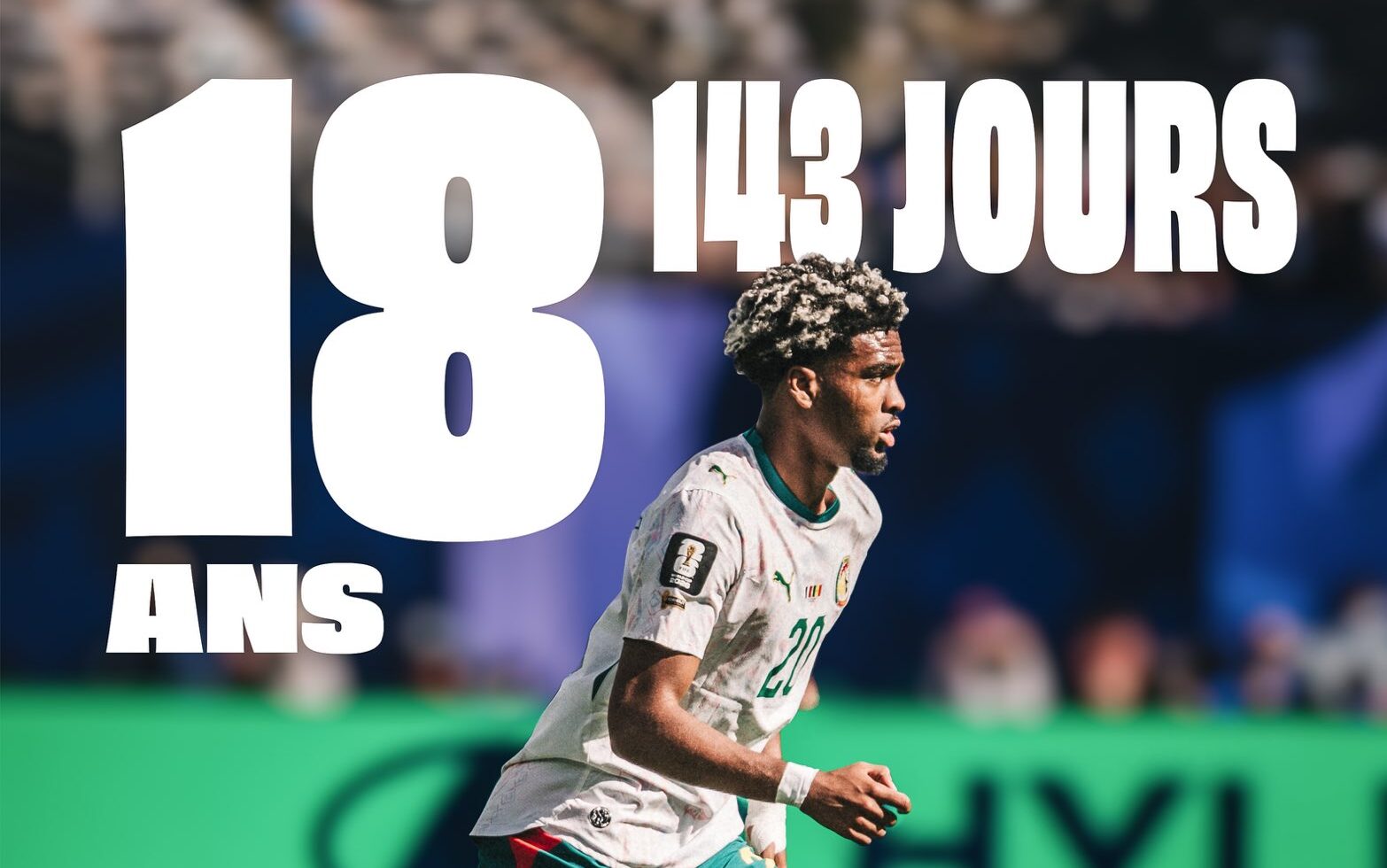
Youngster becomes one of few to play FIFA World Cup at age 16, matching records set by football legends
Senegalese footballer Amara Mbaye has joined a rare group of players who have featured at the FIFA World Cup at just 16 years old, matching the feats of football greats such as Pelé, Lionel Messi, and Spain’s Lamine Yamal. Mbaye’s inclusion in this exclusive club came after he made his tournament debut for Senegal during the ongoing World Cup.
Mbaye, who is regarded as a rising star in African football, made his first appearance for Senegal’s senior national team on Monday. This significant milestone places him among the youngest players to ever compete on football’s biggest stage, highlighting both his talent and the increasing trust national teams are placing in youth development.
Historically, only a handful of players have achieved such an early breakthrough at the World Cup. Brazilian legend Pelé was famously just 17 when he starred in the 1958 tournament, while Lionel Messi and Spain’s Lamine Yamal also entered the global spotlight as teenagers. Mbaye’s achievement underscores Senegal’s commitment to nurturing young talent and signals a new era for African participation in world football.
With Mbaye now part of this distinguished list, analysts expect more attention to be paid to youth scouting and development across African nations. The Senegal Football Federation has expressed pride in Mbaye’s progress and called on other young players to draw inspiration from his rapid rise. The federation said it will continue investing in grassroots programmes to ensure that more talents like Mbaye get opportunities on the world stage.
As the World Cup progresses, observers will be watching closely to see how Mbaye performs against some of football’s toughest opponents. His early debut may inspire a new generation of African footballers aiming for global recognition.
Nigeria News (Standard)
British High Commission Flags Vote Trading, Accessibility Gaps in Ekiti Governorship Election
UK congratulates Oyebanji, INEC and security agencies but raises concerns over party agent interference and disabled voters’ access

UK congratulates Oyebanji, INEC and security agencies but raises concerns over party agent interference and disabled voters’ access
The British High Commission has commended the peaceful conduct of Saturday’s governorship election in Ekiti State, while raising concerns about reports of vote trading and limited accessibility for persons with disabilities at several polling units. The commission made its position known in a statement released on Monday, following the re-election of Governor Abiodun Oyebanji of the All Progressives Congress (APC) across all 16 local government areas in the South-West state.
According to the statement, the British mission welcomed the orderly nature of the poll and applauded the efforts of the Independent National Electoral Commission (INEC), security agencies, and other stakeholders in delivering a largely credible process. It noted that effective cooperation between election officials and security personnel contributed to a calm atmosphere across most polling centres.
However, the High Commission expressed concern over persistent reports of vote trading—where votes are exchanged for cash or favours—and alleged interference by party agents at some locations visited by UK observers. It also highlighted technical challenges faced by voters and cited limited access for persons with disabilities as an area requiring urgent attention.
“The peaceful and orderly delivery of the election by INEC, security agencies and other stakeholders is commendable,” the commission stated. “Nonetheless, we remain concerned about incidents of vote trading as well as accessibility issues that undermine electoral integrity.”
The commission’s statement comes as Nigeria prepares for further off-cycle elections ahead of the 2027 general polls. Stakeholders have called on INEC to intensify reforms that will address technical glitches and ensure inclusive participation for all eligible voters. As at press time, opposition parties had not issued formal reactions to either the conduct or outcome of Saturday’s election.
Source: https://guardian.ng/news/nigeria/national/uk-flags-vote-trading-accessibility-issues-in-ekiti-poll/
Nigeria News (Standard)
Norway Bans AI Tools for Pupils Under 13, Tightens School Tech Policy
New regulation follows successful smartphone ban as government targets core learning skills, plans social media age limits
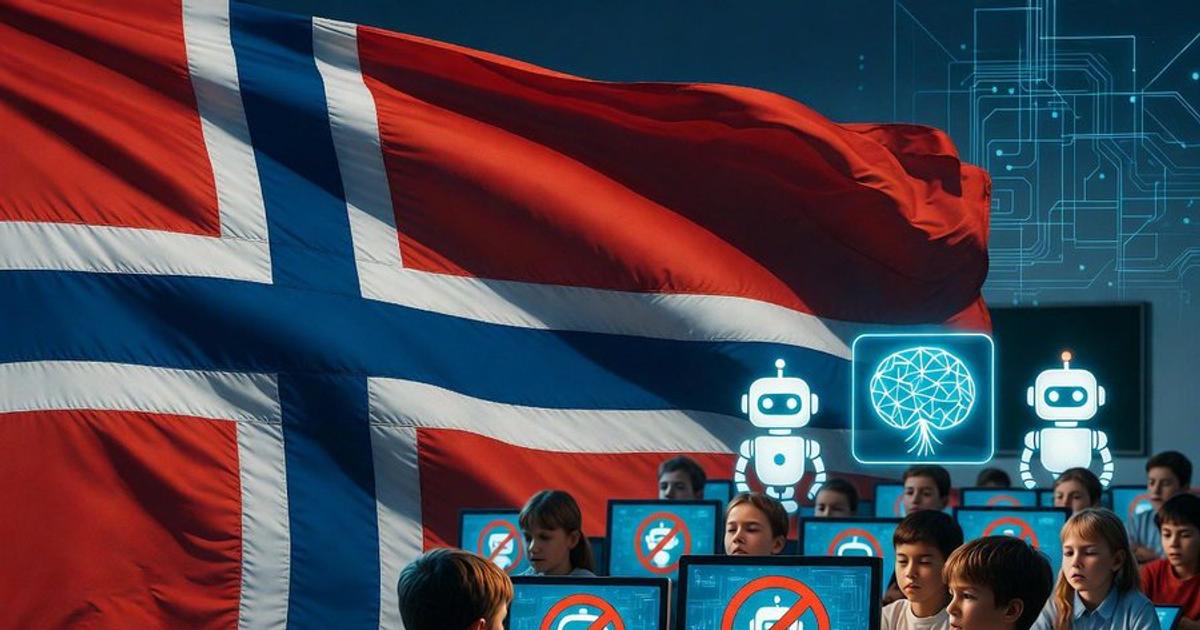
New regulation follows successful smartphone ban as government targets core learning skills, plans social media age limits
Norway has introduced a new policy barring children aged 6 to 13 from using generative artificial intelligence tools in schools, with the ban set to commence nationwide in late August. Prime Minister Jonas Gahr Støre announced the decision at a press conference on Friday, stating the measure aims to protect essential reading, writing and mathematics skills among primary school pupils.
Under the new guidelines, elementary school students (grades one to seven) will be prohibited from accessing platforms such as ChatGPT and similar AI tools during school hours. For older students aged 14 to 16, AI use will only be permitted under direct supervision of a teacher, while those aged 17 and above are encouraged to use such technology responsibly. Norwegian authorities said unrestricted access could lead children to skip important aspects of learning by relying too heavily on digital assistance.
This move comes after Norway’s earlier decision in 2024 to ban smartphones in schools — a policy that has since been linked with improved academic performance and reduced bullying. Research led by Sara Abrahamsson across over 400 middle schools reported a significant drop in visits to psychological specialists by about 60%, especially among female students. The Ministry of Education believes the new AI restriction could yield similar positive results by limiting classroom distractions and helping young learners build foundational skills before turning to advanced technologies.
Prime Minister Støre explained: “The most important thing in school is that our children learn to read, write and do mathematics.” According to government officials, the latest measure responds to growing concern over children’s exposure to technology both in and out of the classroom. The government is also preparing legislation that would ban social media use for those under 16 years old, mirroring recent laws introduced in Australia. The proposal is expected to go before parliament before the end of 2026.
Supporters argue that Norway’s approach allows children more time to develop critical thinking and problem-solving abilities without depending on AI-generated content. However, questions remain about how effectively such restrictions can be enforced outside school premises, given widespread access through personal devices at home. Similar debates are ongoing across Europe as governments weigh how best to regulate emerging technologies among younger populations.
Gọvanmentị Lagos Malitere Usoro Nchedo Iji Kpochie Ịtụpụ Nsị n’Ụzọ Obodo
Senegal’s Mbaye Joins Pelé, Messi, Yamal in Elite World Cup Club
British High Commission Flags Vote Trading, Accessibility Gaps in Ekiti Governorship Election
Onye Isi Ala US Kwupụtara Nkwụsị Iwu Mmanụ Iran Maka ụbọchị 60 Ka Mkparịta Ụka Udo Gara N’ihu
Norway Bans AI Tools for Pupils Under 13, Tightens School Tech Policy

Lagos State Inaugurates Transport Union Task Force to Tackle Waste Dumping at Bus Parks
Flood and Windstorm Destroy Farms, Shops in Ebonyi State Communities
NUJ Honours SSS DG Yusuf Bichi with ‘Man of the Year’ Award in Abuja
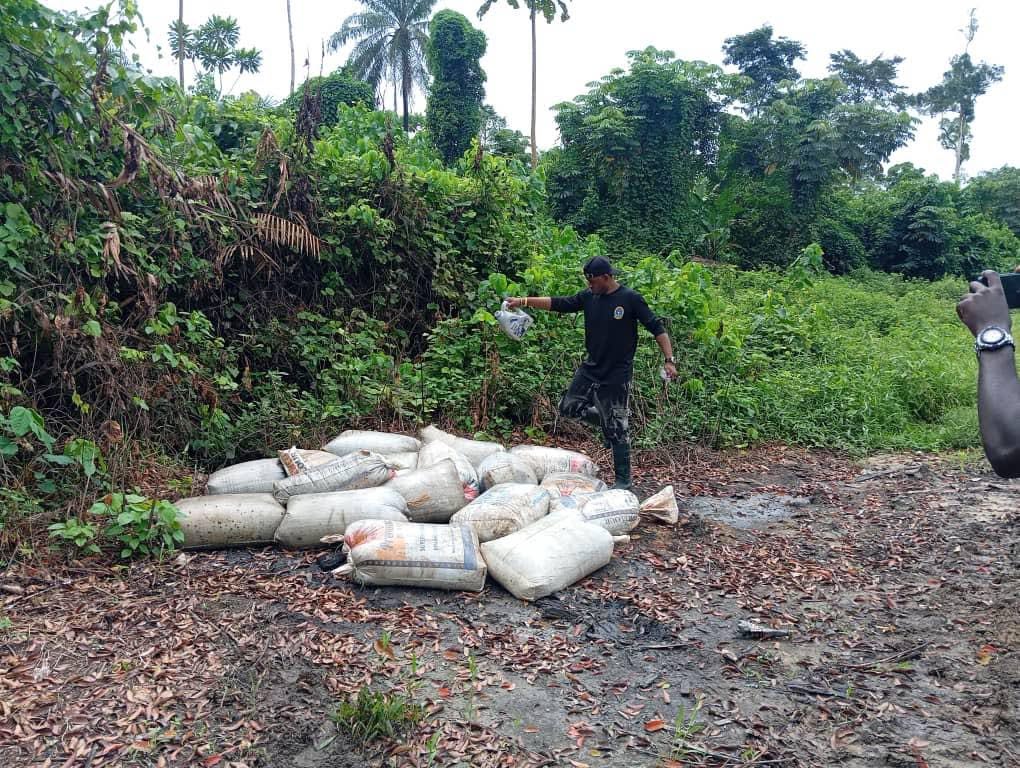
Ndị Agha Mmanụ Nigeria Wepụtara Lita 63,290 Mmanụ Dizel A Na-atụ Esi N’ụzọ Iwu Na Rivers

Troops Neutralise Suspected Terrorists, Rescue Abductees in Sokoto and Katsina Raids
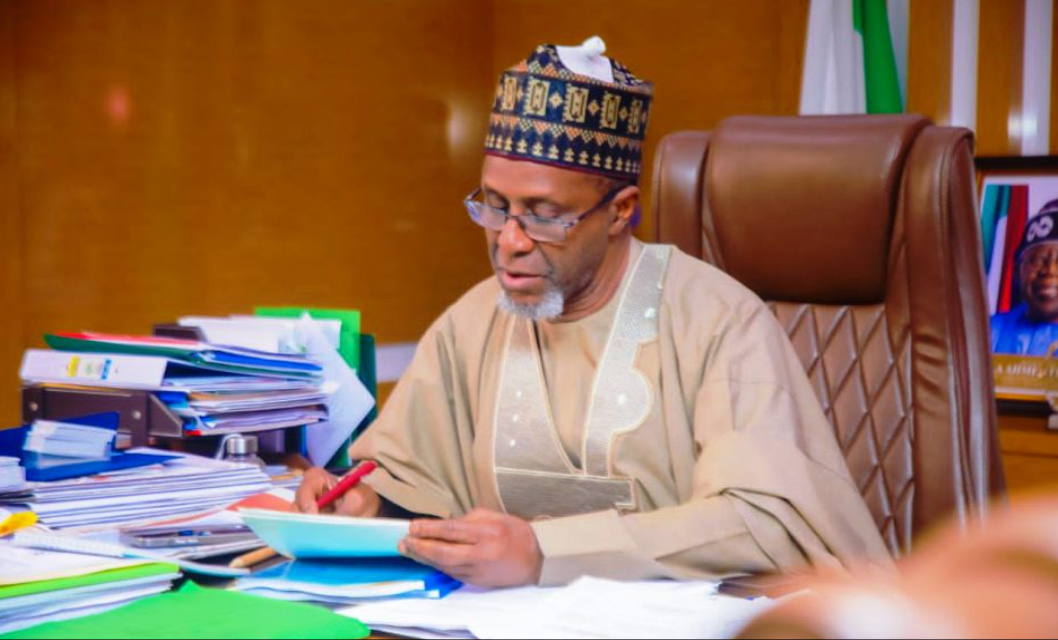
Environment Minister Urges Increased Investment in Nigeria’s Green Economy Ahead of Global Climate Summit

Gọvanmenti Nigeria Kwupụtara 53 Orù Anyanwụ Maka Ike Ọhụrụ N’iru Afọ 2050

Moniepoint Graduates Second DreamDevs Cohort in Lagos to Strengthen Nigeria’s Engineering Workforce
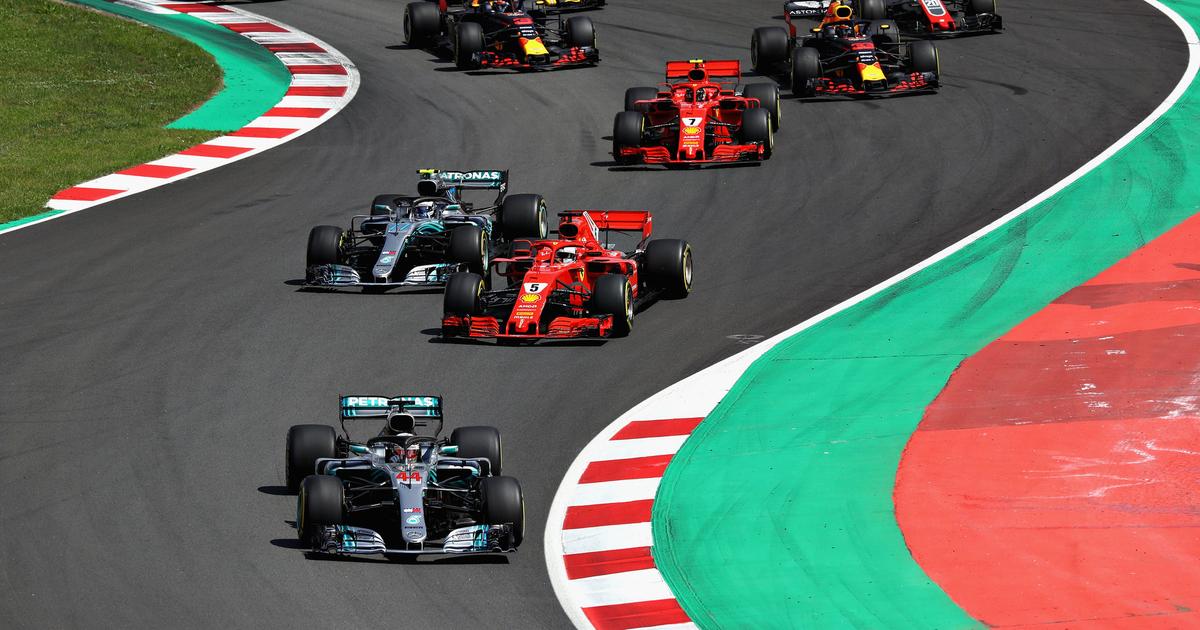
FG Launches $500m Abuja Formula 1 Bid, Targets Africa’s First Grand Prix Since 1993

Fresh Romance Rumours Trail Lando Norris as Alix Earle Sparks Drama in Monaco
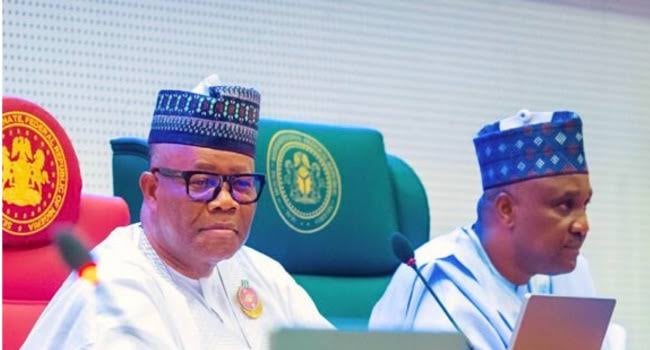
Lagos Court Declares National Assembly’s ₦110bn Vehicle and Allowance Spending Unlawful

Why More Nigerians Are Searching for Casino Bonuses—and What You Should Know Before Claiming
Lagos State Disburses ₦15bn, Creates 320,000 Jobs Through Employment Trust Fund
Peter Obi Demands ₦5bn and Public Apology From Kenneth Okonkwo Over Defamation in Lagos