Nigeria News (Standard)
Norway Bans AI Tools for Pupils Under 13, Tightens School Tech Policy
New regulation follows successful smartphone ban as government targets core learning skills, plans social media age limits

New regulation follows successful smartphone ban as government targets core learning skills, plans social media age limits
Norway has introduced a new policy barring children aged 6 to 13 from using generative artificial intelligence tools in schools, with the ban set to commence nationwide in late August. Prime Minister Jonas Gahr Støre announced the decision at a press conference on Friday, stating the measure aims to protect essential reading, writing and mathematics skills among primary school pupils.
Under the new guidelines, elementary school students (grades one to seven) will be prohibited from accessing platforms such as ChatGPT and similar AI tools during school hours. For older students aged 14 to 16, AI use will only be permitted under direct supervision of a teacher, while those aged 17 and above are encouraged to use such technology responsibly. Norwegian authorities said unrestricted access could lead children to skip important aspects of learning by relying too heavily on digital assistance.
This move comes after Norway’s earlier decision in 2024 to ban smartphones in schools — a policy that has since been linked with improved academic performance and reduced bullying. Research led by Sara Abrahamsson across over 400 middle schools reported a significant drop in visits to psychological specialists by about 60%, especially among female students. The Ministry of Education believes the new AI restriction could yield similar positive results by limiting classroom distractions and helping young learners build foundational skills before turning to advanced technologies.
Prime Minister Støre explained: “The most important thing in school is that our children learn to read, write and do mathematics.” According to government officials, the latest measure responds to growing concern over children’s exposure to technology both in and out of the classroom. The government is also preparing legislation that would ban social media use for those under 16 years old, mirroring recent laws introduced in Australia. The proposal is expected to go before parliament before the end of 2026.
Supporters argue that Norway’s approach allows children more time to develop critical thinking and problem-solving abilities without depending on AI-generated content. However, questions remain about how effectively such restrictions can be enforced outside school premises, given widespread access through personal devices at home. Similar debates are ongoing across Europe as governments weigh how best to regulate emerging technologies among younger populations.
Nigeria News (Standard)
Police Rescue Five Kidnap Victims After Armed Men Invade Owo, Ondo State
Swift intervention by security operatives thwarts abduction attempts in South-West community; victims include local pastor and family
Swift intervention by security operatives thwarts abduction attempts in South-West community; victims include local pastor and family
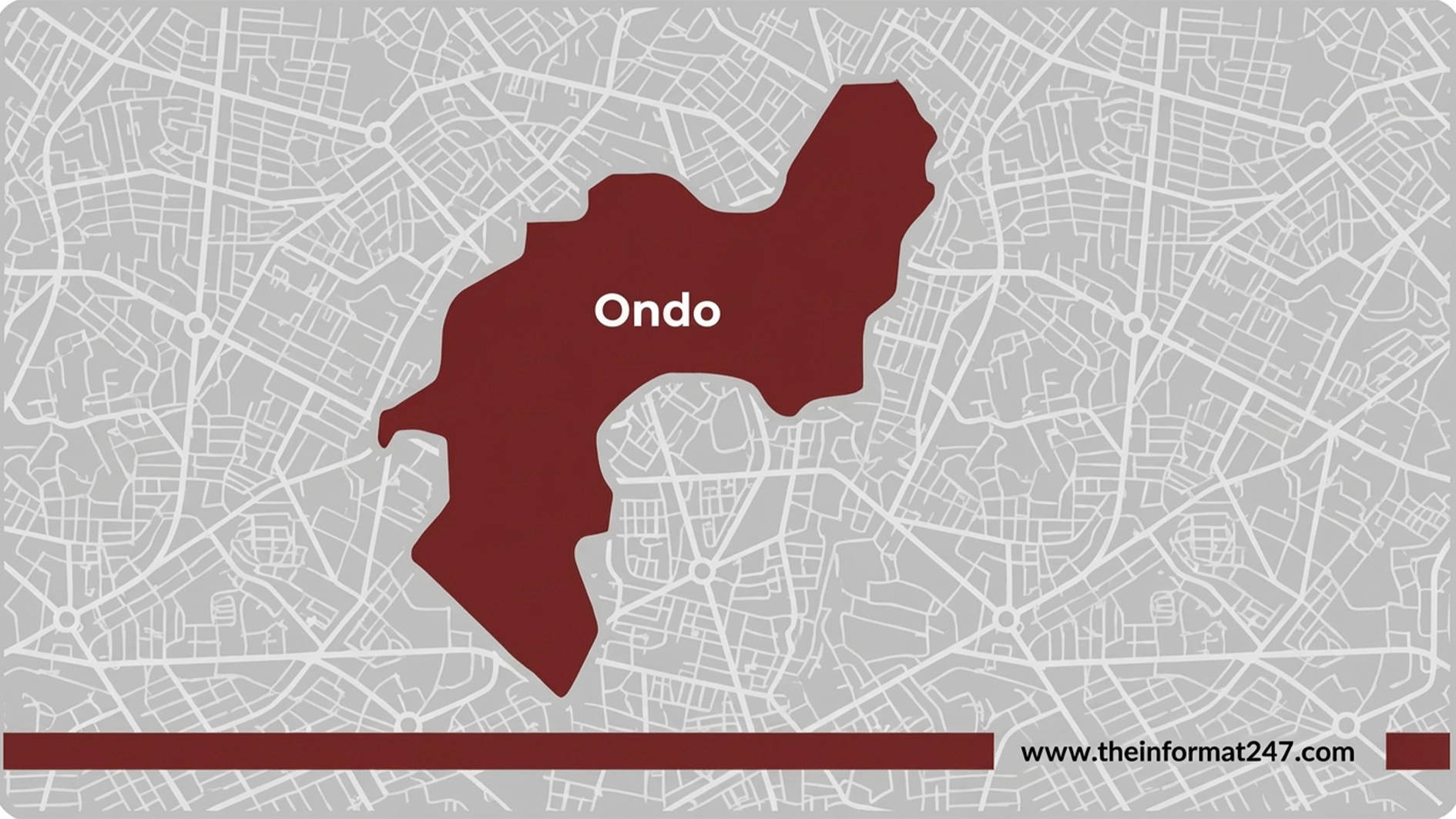
Five persons have been rescued by security operatives following coordinated kidnap attempts in Owo, headquarters of Owo Local Government Area, Ondo State, at the weekend. The incidents, which occurred on Saturday evening and late night, involved armed men targeting the home of a local pastor and a family of four in different parts of the ancient town.
According to eyewitnesses, six gunmen invaded Pastor Taiwo’s residence at Ojana axis around 7:00pm in an attempt to abduct him. Pastor Taiwo, who also serves as chairman of the community, was saved after his family raised alarm and officers from B Division, Owo responded promptly. Security agents engaged the attackers in a gun duel, forcing the suspects to abandon their victim and escape into nearby bushland.
In a separate incident at about 11:30pm the same day, another group of suspected kidnappers stormed Gbegun Community along Alhaja Camp, off Housing Estate in Owo. The armed men entered the home of Daniel Ologun, aged 39, and shot him in his left leg before attempting to whisk away his family members. The police intervened swiftly once again, leading to the rescue of Mr Ologun’s relatives.
These incidents have sparked anxiety among residents in Owo and across Ondo State’s South-West region due to rising cases of armed attacks targeting both individuals and families. Security agencies have intensified patrols within the area as at Sunday evening while investigations continue into the identities and motives of those behind these coordinated kidnap attempts.
The Ondo State Police Command has yet to issue an official statement on the arrests or possible casualties during the exchange with the suspects. However, community leaders commended the prompt response from law enforcement officers. As at press time, authorities advised residents to remain vigilant and report any suspicious movement while efforts are ongoing to apprehend fleeing suspects.
Nigeria News (Standard)
Lagos Employers Adopt Hybrid Work Systems as Remote Trends Shift Nationwide
Companies invest in digital tools and cybersecurity as professionals face new demands for adaptability and self-management
Companies invest in digital tools and cybersecurity as professionals face new demands for adaptability and self-management
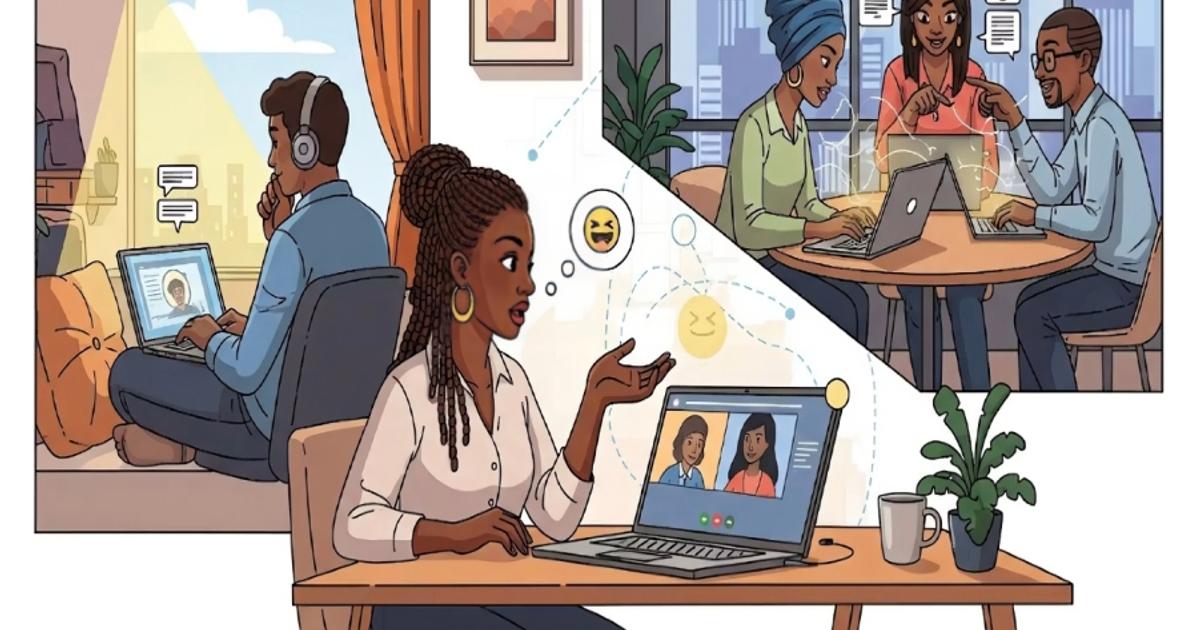
Employers across Lagos State have begun implementing hybrid work systems, marking a significant shift in Nigeria’s remote work landscape as at June 2026. This move comes as both businesses and professionals adapt to the evolving demands of the digital workplace, with increasing focus on advanced technology, flexible schedules, and output-based performance tracking.
The transition from temporary remote arrangements to structured hybrid models has seen organisations investing heavily in secure digital platforms and tools that support collaboration, while also prioritising data protection. According to industry observers, employers are now seeking staff who can manage their time independently and deliver results without close supervision.
This trend is particularly relevant for Nigerian professionals aiming to remain competitive in the workforce. Technical skills alone are no longer sufficient; soft skills such as adaptability, emotional intelligence, and effective self-management have become essential for career advancement. As more companies tap into borderless talent pools, the ability to thrive in flexible work environments is now a key differentiator.
A statement from Jobberman noted that: “Employers are prioritising candidates who demonstrate initiative and can balance autonomy with productivity.” The platform advised job seekers to continuously upskill and embrace new workplace technologies. Some human resource experts further highlighted that investments in cybersecurity are crucial for maintaining business integrity as remote operations expand.
With hybrid work arrangements gaining ground nationwide, analysts predict further changes in Nigeria’s employment landscape. Experts advise both employers and employees to stay informed about evolving best practices to ensure long-term success in the digital economy.
Nigeria News (Standard)
Delborough Lagos Honours Obi of Onitsha with Exclusive Dinner as Monarch Marks 85th Birthday
Igwe Nnaemeka Achebe, revered traditional ruler and board chairman, celebrated by Lagos hospitality firm at landmark age

Igwe Nnaemeka Achebe, revered traditional ruler and board chairman, celebrated by Lagos hospitality firm at landmark age
The Delborough Lagos, a luxury hospitality destination in Lagos State, has honoured its Board Chairman and the Obi of Onitsha, His Royal Majesty Igwe Nnaemeka Alfred Ugochukwu Achebe (Agbogidi), with an exclusive dinner to mark his 85th birthday. The event took place on Saturday in Lagos, drawing recognition to the monarch’s longstanding leadership and influence.
According to a statement from the management of The Delborough Lagos, the celebration was organised to acknowledge Igwe Achebe’s remarkable contributions both as a respected traditional ruler in Anambra State and as board chairman of the hospitality group. Guests at the dinner included dignitaries from various sectors who gathered to pay tribute to the Obi’s achievements over the decades.
Igwe Achebe, who is the 21st Obi of Onitsha, has held his throne for several years and is recognised for promoting cultural heritage and community development within Onitsha and beyond. His leadership has also extended into corporate governance through his role at The Delborough Lagos, positioning him as a bridge between traditional institutions and modern business practice in Nigeria.
While details of speeches delivered at the event were not made available, The Delborough management described the occasion as a fitting tribute to a leader whose impact spans generations. No official statement from Igwe Achebe was released at press time.
The celebration underscores growing recognition for Nigerian traditional rulers’ roles in national development. Industry stakeholders say such events help foster collaboration between cultural institutions and private sector operators. The Delborough Lagos is expected to continue its tradition of honouring distinguished personalities associated with its brand.
Police Rescue Five Kidnap Victims After Armed Men Invade Owo, Ondo State

No Score Reported as Lionel Messi Makes History at 2026 FIFA World Cup
Lagos Employers Adopt Hybrid Work Systems as Remote Trends Shift Nationwide

Ronaldo Fan Mocks Messi After Missed Penalty in Record-Chasing Game
Delborough Lagos Honours Obi of Onitsha with Exclusive Dinner as Monarch Marks 85th Birthday

Fed Kwupụtara Ọnụ Ego Ọchụ Ga-anọgide Elu, Mepụta Ntụrụndụ Na Eurobond Nigeria

Fans React As Lionel Messi Misses Historic Penalty — ‘Our GOAT Doesn’t Break Records With Spot-Kicks’

Ogun State Auto Crash Claims Two Lives, Four Injured on Sagamu–Benin Expressway
Conservative Leader Kemi Badenoch Blasts Starmer After Resignation, Demands Labour Accountability

EFCC Nabs Enugu Travel Firm CEO, Accomplice Over Alleged ₦68m Visa Scam
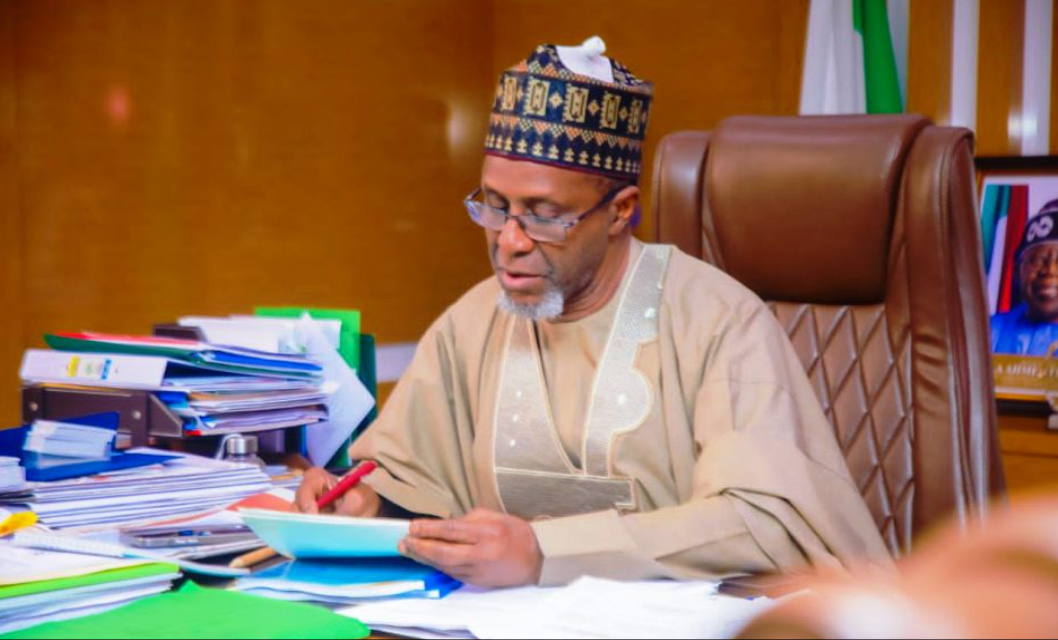
Environment Minister Urges Increased Investment in Nigeria’s Green Economy Ahead of Global Climate Summit

Gọvanmenti Nigeria Kwupụtara 53 Orù Anyanwụ Maka Ike Ọhụrụ N’iru Afọ 2050
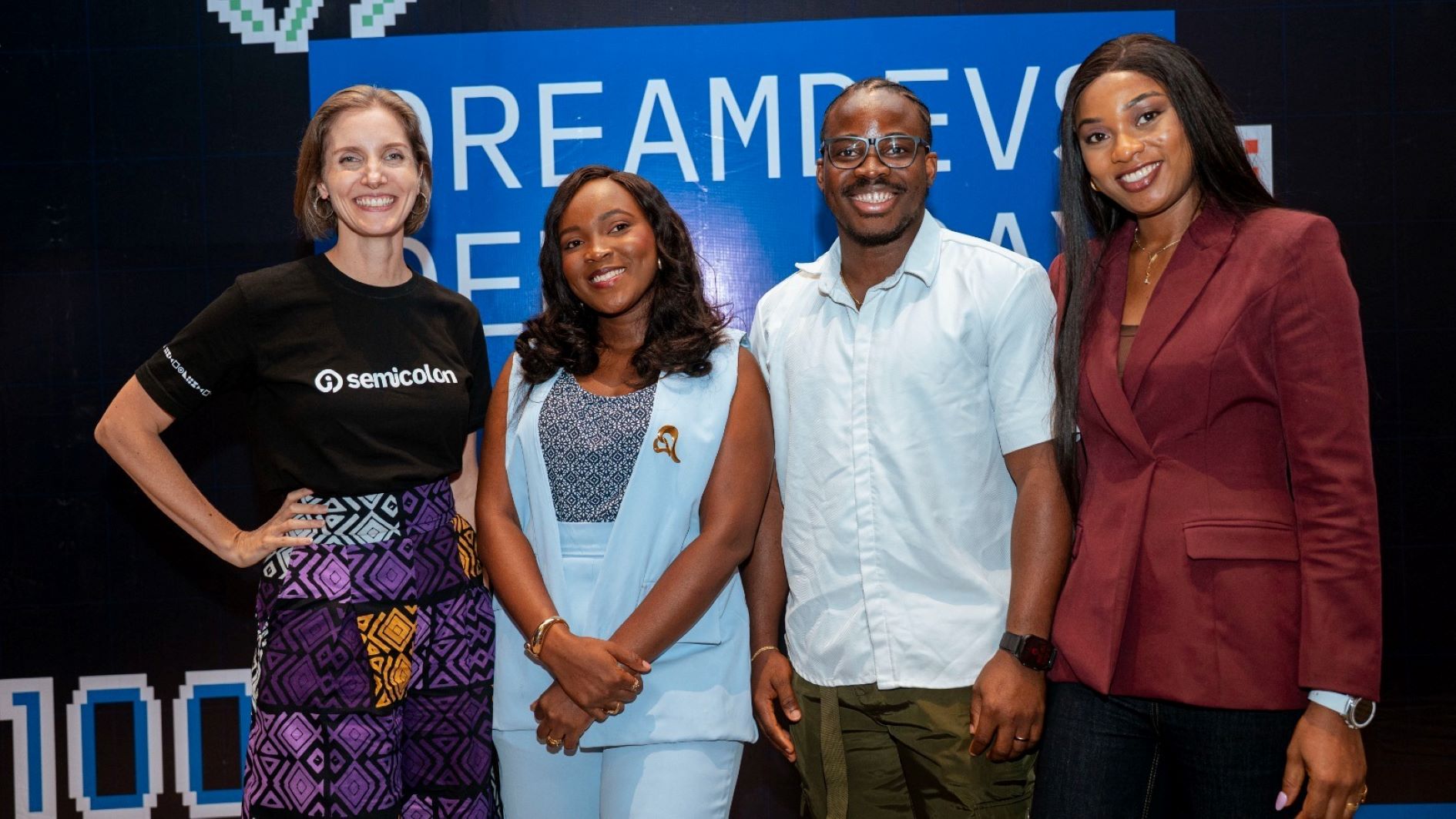
Moniepoint Graduates Second DreamDevs Cohort in Lagos to Strengthen Nigeria’s Engineering Workforce

FG Launches $500m Abuja Formula 1 Bid, Targets Africa’s First Grand Prix Since 1993

Fresh Romance Rumours Trail Lando Norris as Alix Earle Sparks Drama in Monaco
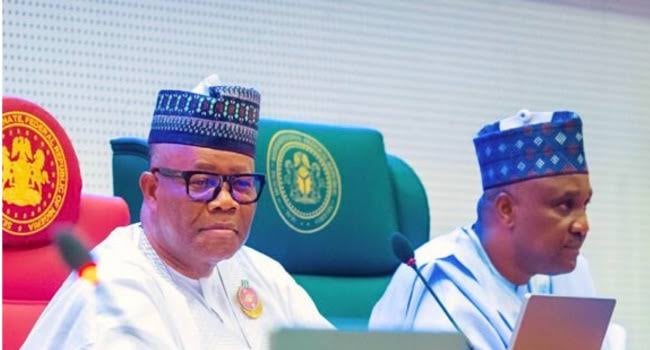
Lagos Court Declares National Assembly’s ₦110bn Vehicle and Allowance Spending Unlawful

Why More Nigerians Are Searching for Casino Bonuses—and What You Should Know Before Claiming
Lagos State Disburses ₦15bn, Creates 320,000 Jobs Through Employment Trust Fund
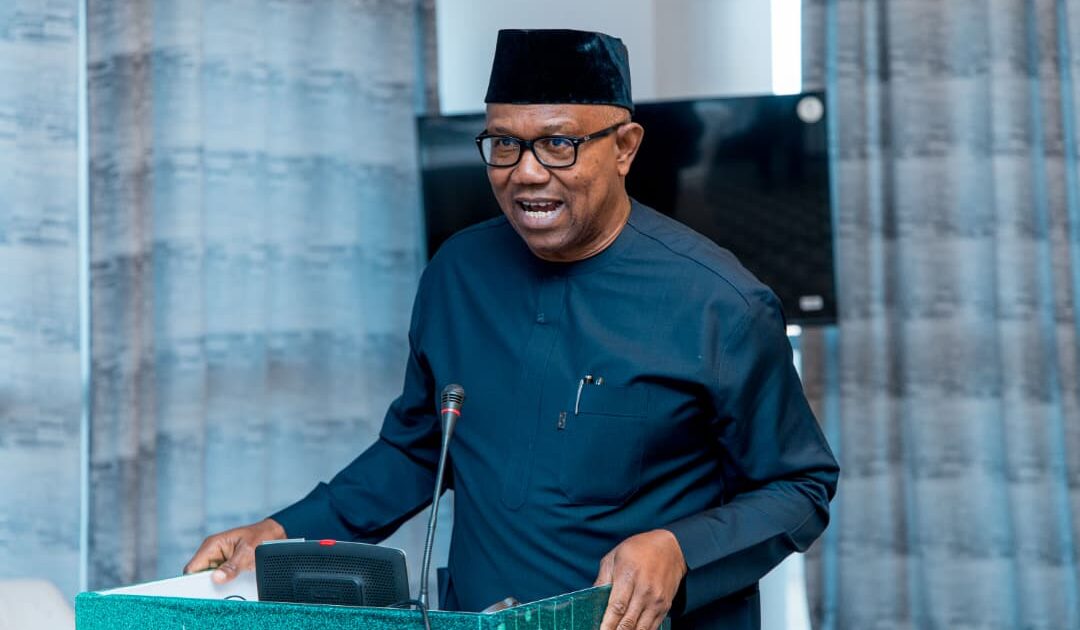
Peter Obi Demands ₦5bn and Public Apology From Kenneth Okonkwo Over Defamation in Lagos