Nigeria News (Standard)
Air Peace CEO Onyema Says Airlines Rely on Bank Loans as Jet Fuel Prices Surge
Rising aviation fuel costs push Nigerian carriers into debt, industry leaders warn of threat to operations

Rising aviation fuel costs push Nigerian carriers into debt, industry leaders warn of threat to operations
Nigerian airlines are now depending heavily on bank loans to keep their operations afloat as the price of aviation fuel continues to soar, Allen Onyema, Chief Executive Officer of Air Peace, has said. Onyema raised the alarm on Wednesday, highlighting the mounting financial pressure facing domestic carriers across Nigeria.
Speaking from Lagos, Onyema explained that the sharp increase in jet fuel prices has left airlines struggling to meet daily operational expenses. He stated that many operators have had no choice but to seek loans from commercial banks to cover essential costs such as fuel and aircraft maintenance.
The Air Peace boss noted that the aviation sector has been hit particularly hard by recent economic challenges, with jet fuel prices rising in tandem with naira depreciation and inflation. Industry analysts say this situation threatens the long-term sustainability of local airlines and could lead to higher airfares for Nigerian travellers.
Onyema called on government and regulatory agencies to urgently intervene by stabilising fuel supply and supporting indigenous airlines. He warned that unless there is a prompt response, more airlines may be forced out of business. “We cannot continue like this; something must be done to save Nigeria’s aviation industry,” Onyema stressed.
Aviation stakeholders have echoed Onyema’s concerns, urging government to review policies affecting jet fuel importation and forex access. They argue that failure to address these issues will not only hurt airline operators but also disrupt air connectivity across Nigeria. The situation remains tense as airlines await further action from authorities.
Nigeria News (Standard)
NSC Chairman Shehu Dikko Approves ₦1bn NPFL Prize Money, Sets ₦2m Minimum Wage for Players
New policy unveiled in Abuja raises football league rewards from ₦200m to ₦1bn; runners-up to get ₦500m

New policy unveiled in Abuja raises football league rewards from ₦200m to ₦1bn; runners-up to get ₦500m
The National Sports Commission (NSC) on Tuesday announced a major boost for Nigerian football, increasing the Nigeria Premier Football League (NPFL) winners’ prize money to an unprecedented ₦1 billion. The announcement was made by NSC Chairman Shehu Dikko during a meeting with top officials of the Nigeria Football Federation (NFF) in Abuja.
Dikko revealed that the new prize, which takes effect from the 2026/27 NPFL season, marks a fivefold rise from the previous amount of ₦200 million. He also confirmed that runners-up will receive ₦500 million and third-placed teams will take home ₦300 million, subject to confirmation by league authorities. The meeting further resolved to introduce a minimum wage of ₦2 million for all players competing in the NPFL.
This development comes as part of wider efforts to professionalise Nigerian football and incentivise performance at club level. Stakeholders have long called for increased financial support and improved welfare for players in the local league, citing the need to stem the exodus of talent abroad and strengthen the domestic game.
“A major highlight of our deliberations is that champions of the coming NPFL season will now receive a minimum prize money of ₦1 billion,” Dikko said at the Abuja briefing. He added that these measures aim to “uplift player welfare and raise standards across our clubs”. Discussions are ongoing with relevant bodies to finalise implementation details and ensure compliance with the new salary structure.
The NFF is expected to issue formal guidelines in coming weeks, while league authorities work on monitoring mechanisms for club payments. Analysts say the move could reshape Nigeria’s football landscape if enforced effectively, offering new motivation for athletes and potentially attracting more investment into local sports.
Source: https://guardian.ng/sport/football/nsc-increases-npfl-prize-money-to-n1bn/
Nigeria News (Standard)
Visa Identifies ₦1.5trn Scam Surge as AI-Driven Fraud Hits Nigerian Consumers in 2026 Report
Payment security gains push fraudsters to exploit social engineering; Visa urges banks and merchants to adopt AI defences
Payment security gains push fraudsters to exploit social engineering; Visa urges banks and merchants to adopt AI defences
Visa, a global leader in digital payments, has reported a significant spike in scam-related payment fraud targeting Nigerian and international consumers, with losses nearing $1 billion (about ₦1.5 trillion) between July and December 2025. The development was disclosed in Visa’s mid-year 2026 Biannual Threats Report, released on Monday.
According to the report, while network-level security measures for digital payments have become more robust across Nigeria and other regions, criminals are increasingly shifting tactics—relying on artificial intelligence (AI) tools and sophisticated social engineering scams to deceive individuals into authorising payments themselves. This marks a move away from hacking technical systems towards exploiting human trust.
Visa revealed that fraud involving device tokens dropped by 9.6% compared to the previous year, demonstrating the effectiveness of stronger authentication methods. However, scams have now overtaken all other forms of payment fraud, with criminals impersonating reputable brands or institutions to trick victims into making legitimate-seeming transactions under false pretences.
Paul Fabara, Chief Risk and Client Services Officer at Visa, said in a written statement: “Payments at a network level continue to get safer, but threats are evolving faster than ever. Criminals are increasingly targeting people rather than technology, using deception, urgency and AI-enabled tools to exploit trust. Addressing this shift requires continuous innovation at the network level and close collaboration across banks, merchants, policymakers and the broader payments ecosystem.”
The report also notes that global ransomware attacks rose by 26% within the same period, though only 23% of victims paid ransoms—a record low—suggesting improved resilience by institutions and less willingness to pay when data may still be leaked regardless of payment.
Andrew Uaboi, Vice President and Cluster Head for Visa West Africa, commented: “The rapid adoption of AI has fundamentally lowered the barrier to entry for fraud. What once required deep technical skill can now be executed with a prompt. That reality makes intelligence-driven defences and coordinated action across the ecosystem more critical than ever.”
Visa advised Nigerian banks, fintech firms and merchants to invest in both AI-powered detection systems and ongoing consumer education to stay ahead of these evolving threats. The company emphasised that early intelligence-sharing between stakeholders is key to reducing losses before scams reach end-users.
The full mid-year 2026 Biannual Threats Report is available through Visa’s official website.
Nigeria News (Standard)
Tinubu Urges African Leaders to Stop Raw Mineral Exports, Pushes for Local Value Addition
President calls for end to export of unprocessed minerals, says value addition will boost jobs and Africa’s economic independence
President calls for end to export of unprocessed minerals, says value addition will boost jobs and Africa’s economic independence
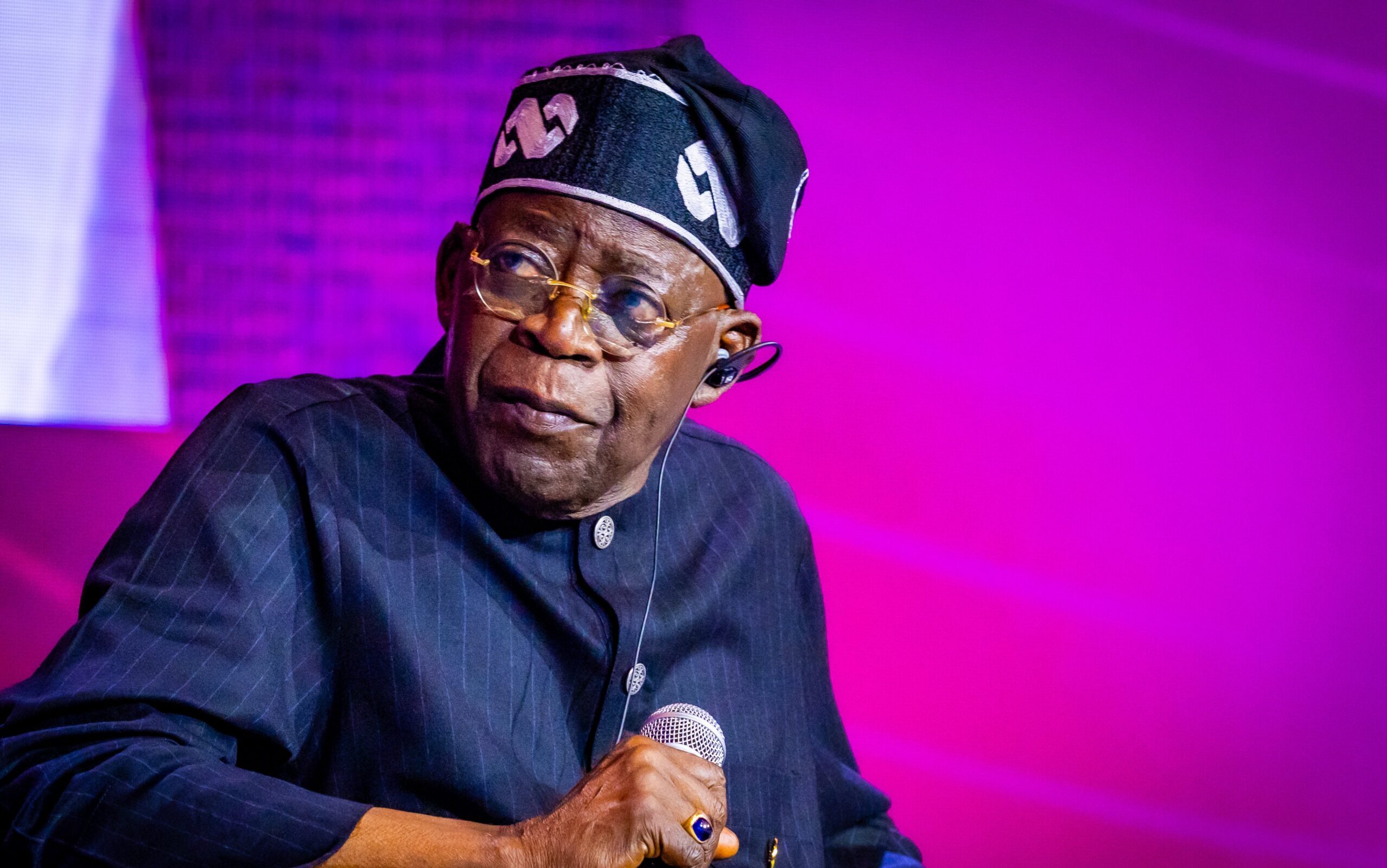
President Bola Tinubu has called on African countries to halt the export of raw minerals and instead focus on developing industries that add value within the continent. Tinubu made this appeal on Wednesday, 24 June 2026, during an official engagement in Abuja, stressing that Africa must shift from being a supplier of raw materials to global markets.
The president emphasised that continued export of unprocessed minerals leaves Africa at a disadvantage, as it limits job creation and restricts economic growth to lower rungs of the global value chain. He urged fellow African leaders to implement policies that will encourage investment in local processing and manufacturing sectors.
Tinubu’s comments come at a time when Nigeria and other resource-rich African nations are seeking ways to diversify their economies amid fluctuating global commodity prices. Many economists have long argued that Africa’s reliance on raw material exports hampers sustainable development, as the majority of profits are earned abroad through finished products.
“We must stop exporting our minerals in their raw state,” Tinubu said. “Africa must invest in industries that will process these resources here at home. This is the only way we can create quality jobs for our people and ensure true economic independence.”
No immediate response was available from opposition parties or major business groups. However, policy analysts say the president’s stance aligns with broader continental goals such as the African Continental Free Trade Area (AfCFTA), which encourages intra-African trade and industrialisation. They noted that implementing such reforms would require significant investments in infrastructure, skills development, and stable regulatory frameworks.
Experts predict that if Nigeria and its neighbours can successfully prioritise value addition in mining and other extractive sectors, the continent could see an increase in foreign direct investment and a reduction in youth unemployment rates.
NSC Chairman Shehu Dikko Approves ₦1bn NPFL Prize Money, Sets ₦2m Minimum Wage for Players
Visa Identifies ₦1.5trn Scam Surge as AI-Driven Fraud Hits Nigerian Consumers in 2026 Report
Tinubu Urges African Leaders to Stop Raw Mineral Exports, Pushes for Local Value Addition

Over ₦100 Million Monthly: Super Eagles Head Coach Chelle Set for Record-Breaking New Contract

Bellingham Praises Ghana After Frustrating Draw—Black Stars Hold Firm as England Lose Momentum

MTN Nigeria Partners digifon to Launch Premium Tech Accessories in Lagos Activation

No Score Reported Yet as Fans Wait for Today’s Top Football Betting Tips
FAAC Kwupụtara Abawanye Oke Nkesa Ego Ruo ₦10.45trn N’ime Ọnwa Ise
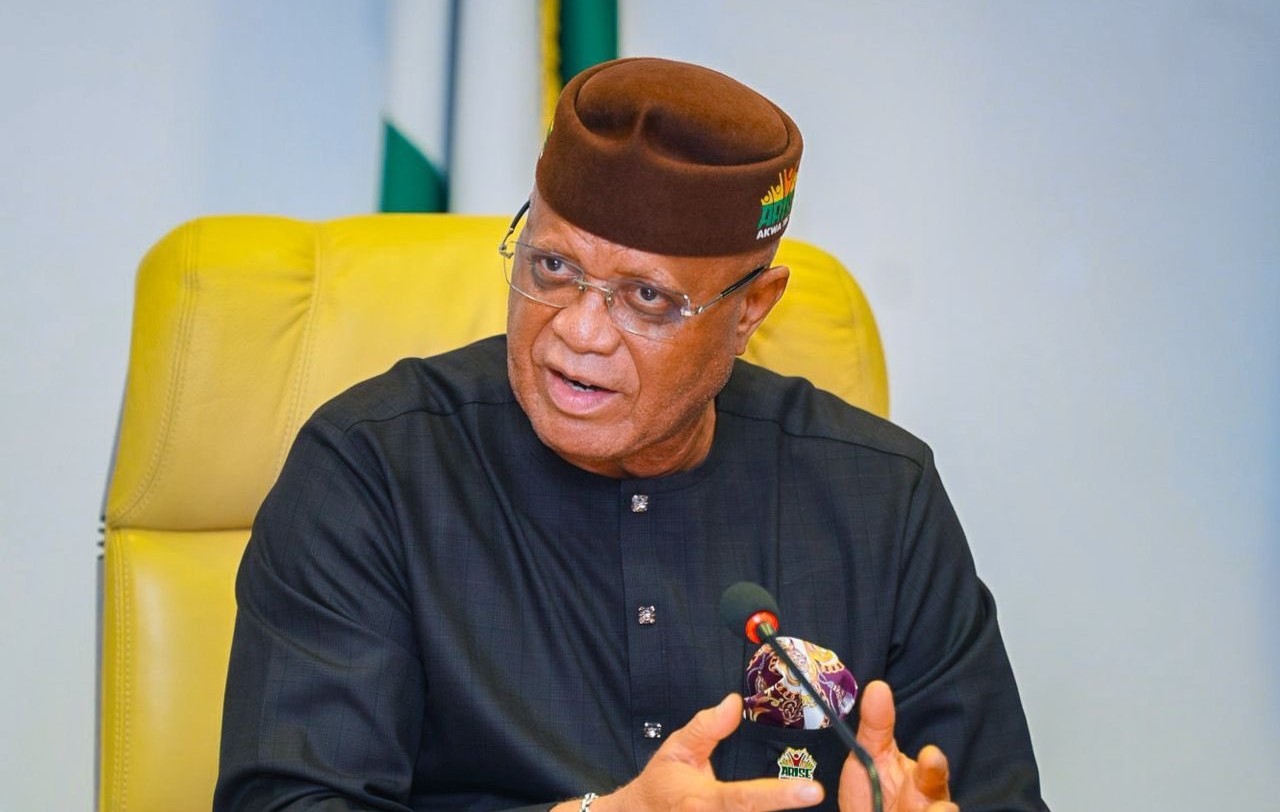
Civil Society Group Flags Executive Powers, Transparency Issues in Akwa Ibom Fiscal Bill
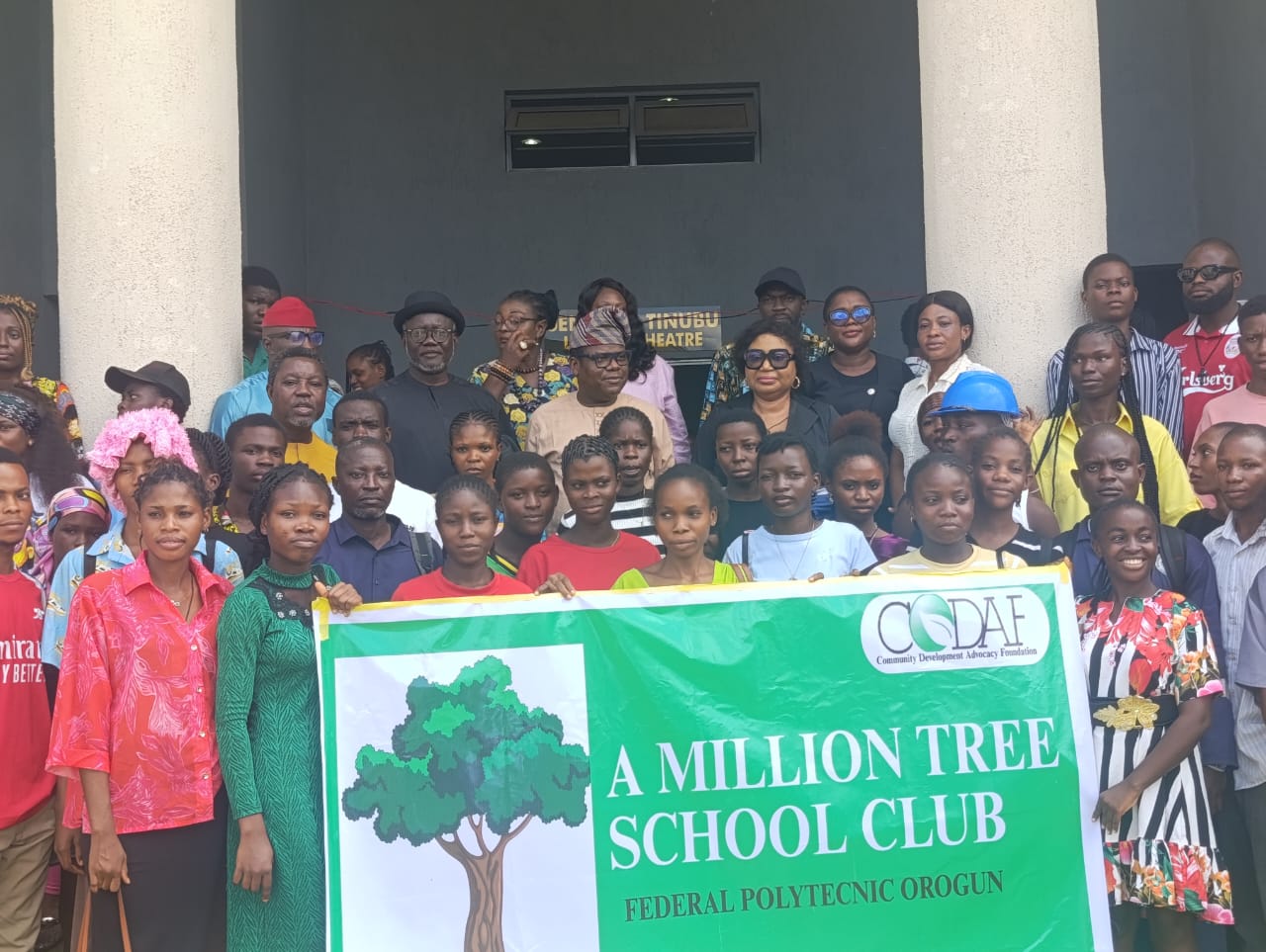
Kwara Polytechnic Allocates 2 Hectares for One Million Trees in Landmark Climate Initiative
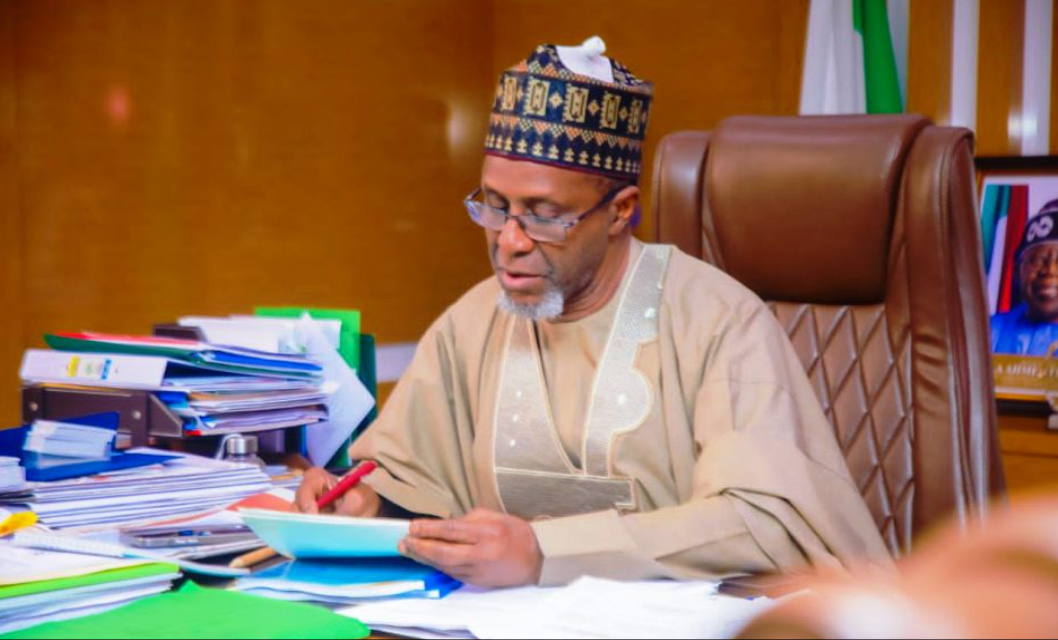
Environment Minister Urges Increased Investment in Nigeria’s Green Economy Ahead of Global Climate Summit

Gọvanmenti Nigeria Kwupụtara 53 Orù Anyanwụ Maka Ike Ọhụrụ N’iru Afọ 2050

Moniepoint Graduates Second DreamDevs Cohort in Lagos to Strengthen Nigeria’s Engineering Workforce
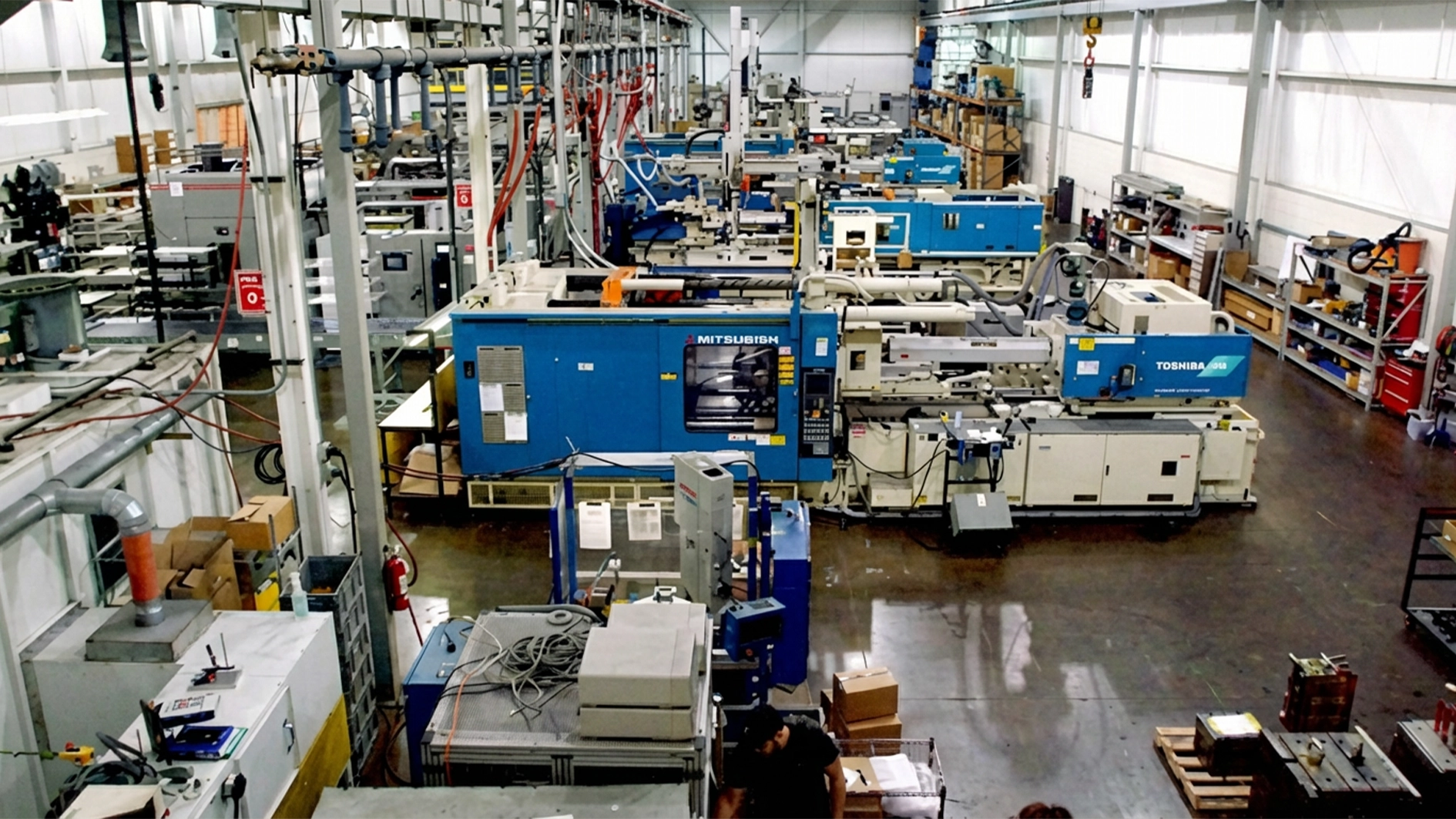
Lagos FMCG Giants Record ₦18.9bn Rise in Production Costs, Earnings Hit by Inflation in Q1
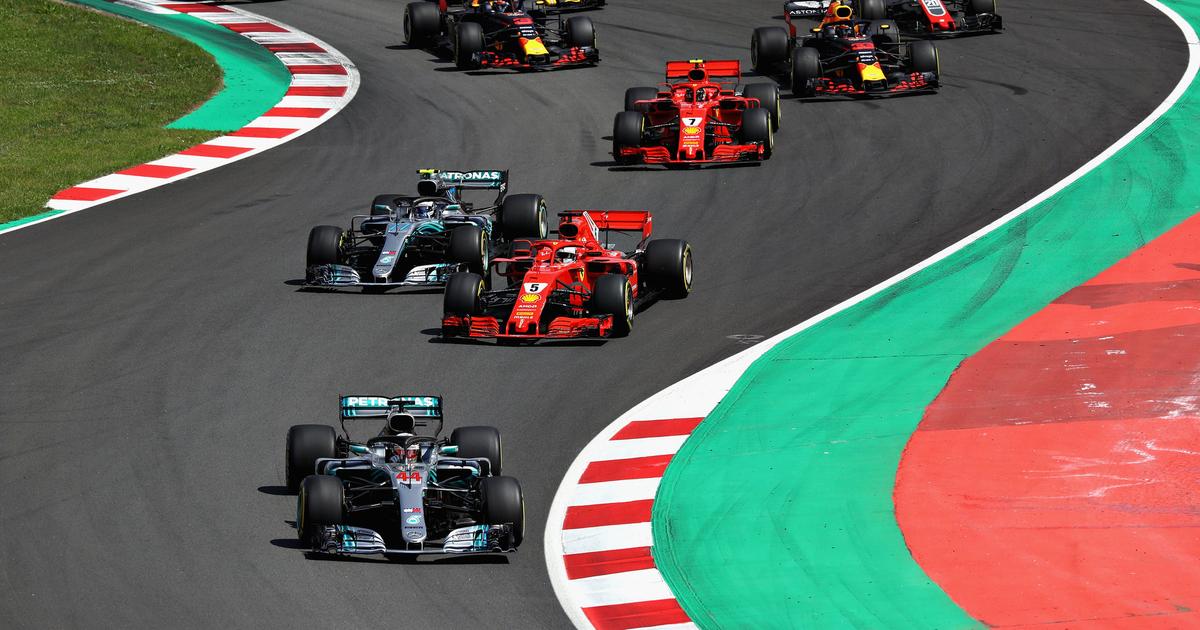
FG Launches $500m Abuja Formula 1 Bid, Targets Africa’s First Grand Prix Since 1993

Lagos Residents Spend Over ₦50bn on US Visa Applications Amid Tighter Entry Rules

Fresh Romance Rumours Trail Lando Norris as Alix Earle Sparks Drama in Monaco
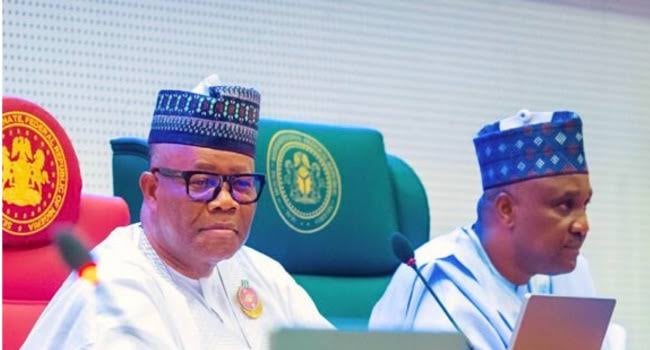
Lagos Court Declares National Assembly’s ₦110bn Vehicle and Allowance Spending Unlawful

Lagos Police Arrest Doctor, Birth Attendant Over Alleged Sale of Newborn for ₦2.5m