Nigeria News (Standard)
Federal Government Auctions Forfeited Lagos Hotel, Three Other Properties for ₦6.1 Billion
NDLEA, Justice Ministry oversee public bidding in Abuja as top estate firms secure prime assets; four lots remain unsold
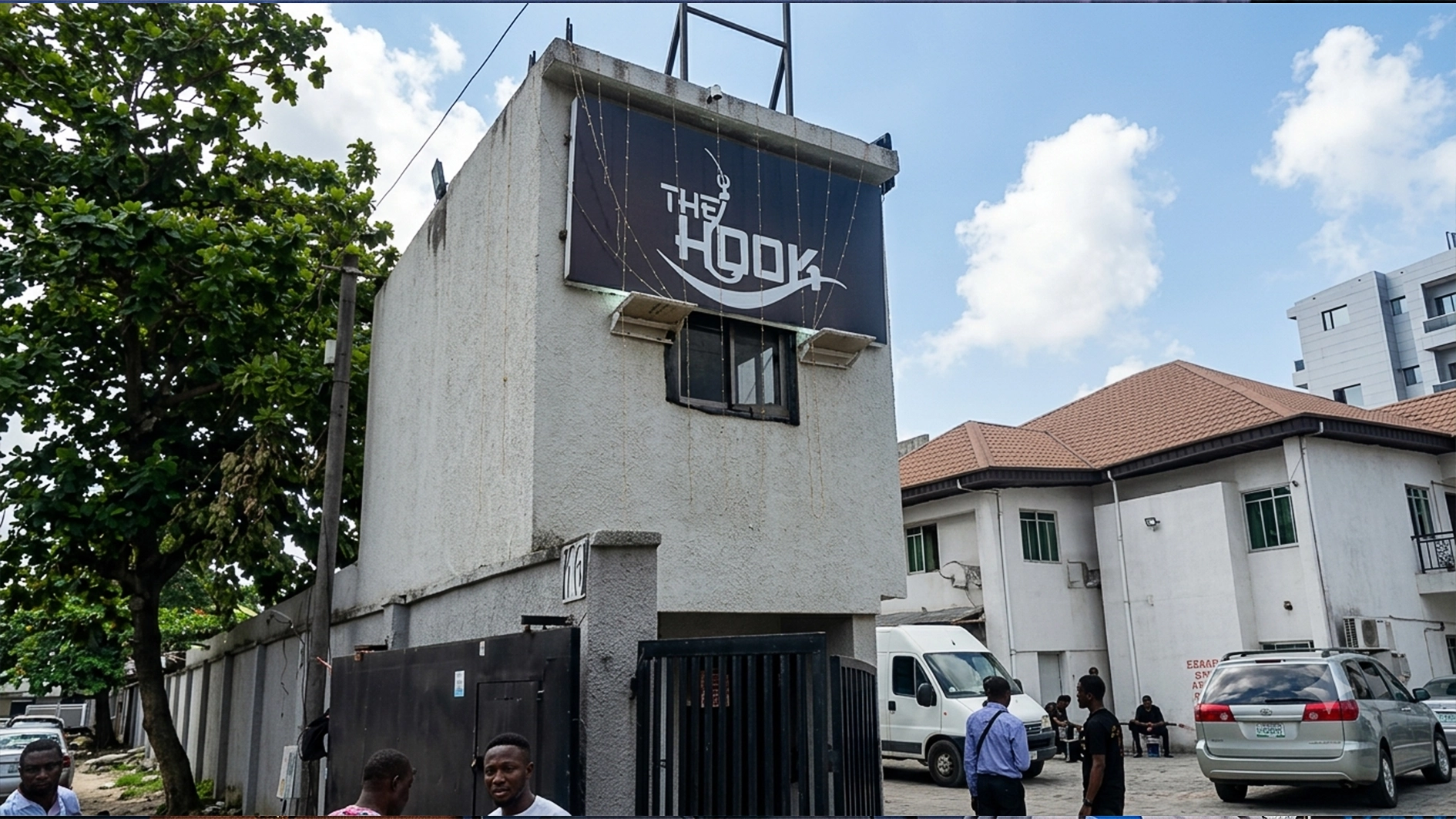
NDLEA, Justice Ministry oversee public bidding in Abuja as top estate firms secure prime assets; four lots remain unsold
The federal government has auctioned a hotel in Victoria Island, Lagos, along with three other properties seized from convicted drug kingpins, raising a total of ₦6.15 billion through a competitive bidding exercise held on Monday at the NDLEA Headquarters in Abuja. The assets were forfeited to government following court proceedings instituted by the National Drug Law Enforcement Agency (NDLEA).
According to Tamarantare Ali-Bozi, Head of Asset Recovery and Management Unit at the Federal Ministry of Justice, Tope Ojo and Tunde Olonishakin estate firm emerged winner of the six-floor Victoria Island hotel with a bid of ₦5.9 billion, topping the reserved price. Other successful bidders include FSS Limited, which acquired a property in Lekki Phase 1 for ₦219.5 million; A-BNB Global Innovations Limited, which secured a block of flats in Ejigbo for ₦104 million; and Fazeen Global Link Limited, which won a property in Akure, Ondo State for ₦29.36 million.
The public auction involved eight assets across Nigeria that had been confiscated from individuals convicted of drug trafficking offences. While four properties were successfully sold after surpassing their reserved prices, bids on the remaining four did not meet the minimum threshold set by authorities and remain unsold.
The event was attended by officials from the NDLEA, representatives of the Independent Corrupt Practices and Other Related Offences Commission (ICPC), members of civil society groups and journalists. Ali-Bozi said the transparent process is part of ongoing government efforts to recover proceeds of crime and reinvest them into public coffers. “This exercise demonstrates our commitment to ensuring that assets derived from criminal activities are not left idle but put back into productive use for national development,” Ali-Bozi stated during the opening ceremony.
NDLEA officials noted that proceeds from these auctions will be remitted to the federal treasury and used to fund anti-drug enforcement initiatives and other government priorities. The unsold properties are expected to be listed for fresh bidding rounds in coming months as authorities seek to maximise returns on seized assets.
Source: https://guardian.ng/news/nigeria/metro/forfeited-lagos-hotel-other-property-auctioned-for-n6-1b/
Nigeria News (Standard)
Simba Power Unveils Renewable Energy Solutions for Hospitals at Lagos Exhibition
Firm introduces battery storage and hybrid systems to cut costs, urges healthcare providers to embrace sustainable power sources
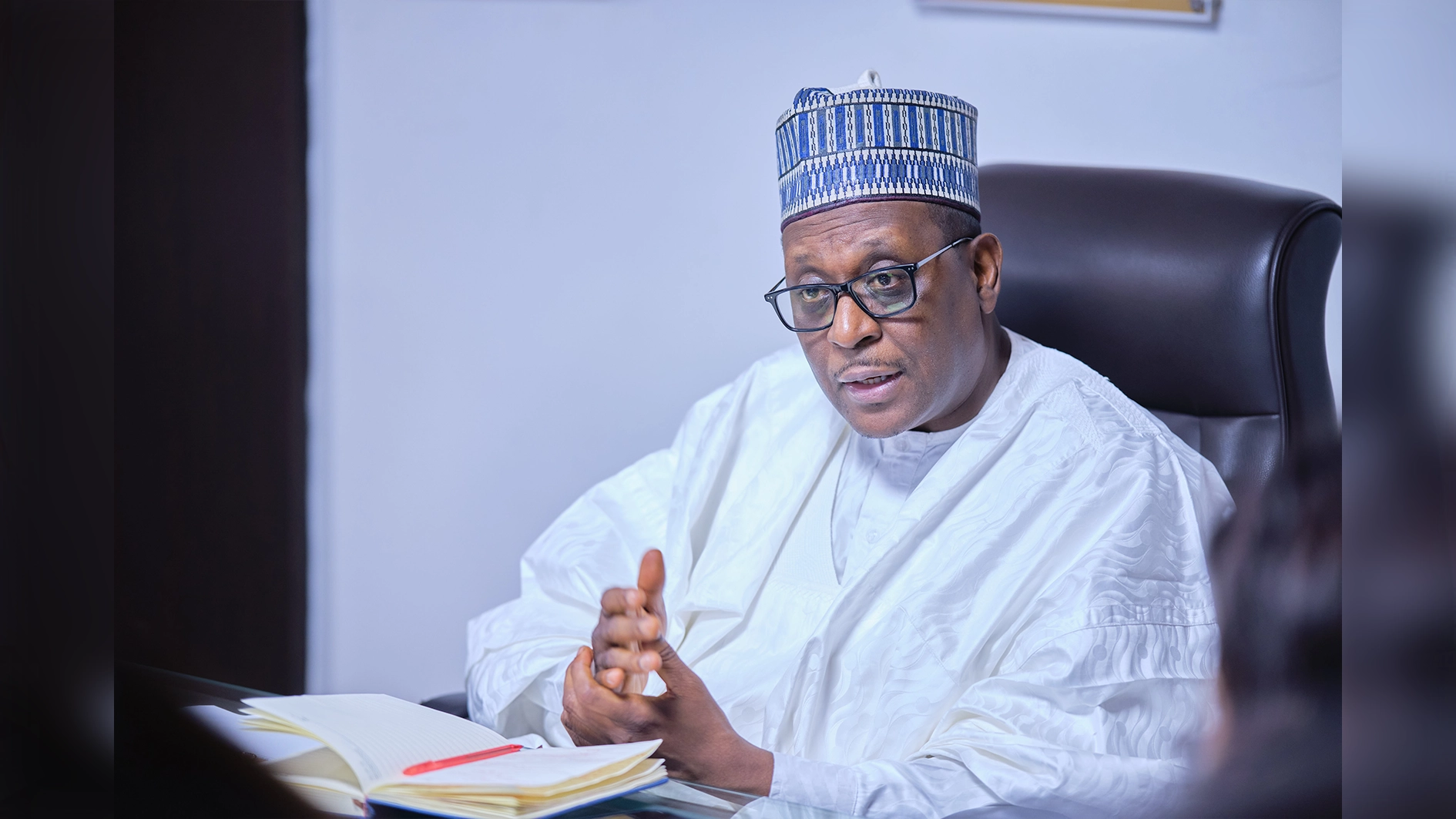
Firm introduces battery storage and hybrid systems to cut costs, urges healthcare providers to embrace sustainable power sources
Simba Power, a leading energy firm, on Monday showcased new commercial and industrial energy solutions designed for healthcare facilities at the 2026 WHX Medic Exhibition in Lagos. The company urged Nigerian hospitals and clinics to adopt renewable energy technologies in order to improve service delivery and reduce operational expenses.
Presenting the new offerings at the event, Simba Power’s Spokesperson, Debdeep Mukherjee, said reliable electricity is essential for modern healthcare, from running diagnostic machines to maintaining critical patient care equipment. He encouraged operators in the sector to leverage renewable power sources such as solar and advanced battery storage systems to enhance efficiency and lower running costs.
Mukherjee explained that Simba Power’s latest products include scalable battery energy storage systems, hybrid inverter platforms, and grid-connected solutions tailored specifically for the needs of healthcare institutions. These systems are aimed at boosting energy reliability, cutting down on frequent power interruptions, and strengthening the overall resilience of hospitals across Nigeria.
“Our solutions are designed to address the unique challenges faced by healthcare providers in Nigeria when it comes to stable electricity supply. By adopting these technologies, hospitals can significantly reduce their dependence on diesel generators and bring down operational costs,” Mukherjee stated during a presentation at the exhibition.
The call for sustainable energy in healthcare comes amid ongoing concerns about unreliable power supply in Nigerian hospitals—a challenge that often leads to higher costs and compromised patient care. Stakeholders have repeatedly highlighted the need for alternative power solutions as government efforts to improve public electricity infrastructure continue. With initiatives like Simba Power’s latest launch, industry observers say hospitals now have more options to strengthen their operations while contributing to national climate goals.
Source: https://guardian.ng/business-services/firm-seeks-sustainable-energy-for-healthcare-sector/
Nigeria News (Standard)
NCC Reports Nigeria Hits 30.8 Million 5G Connections, Makes Up 1% of Global Total
Ericsson projects global 5G subscriptions to more than double by 2031 as Nigeria’s penetration reaches 14 percent
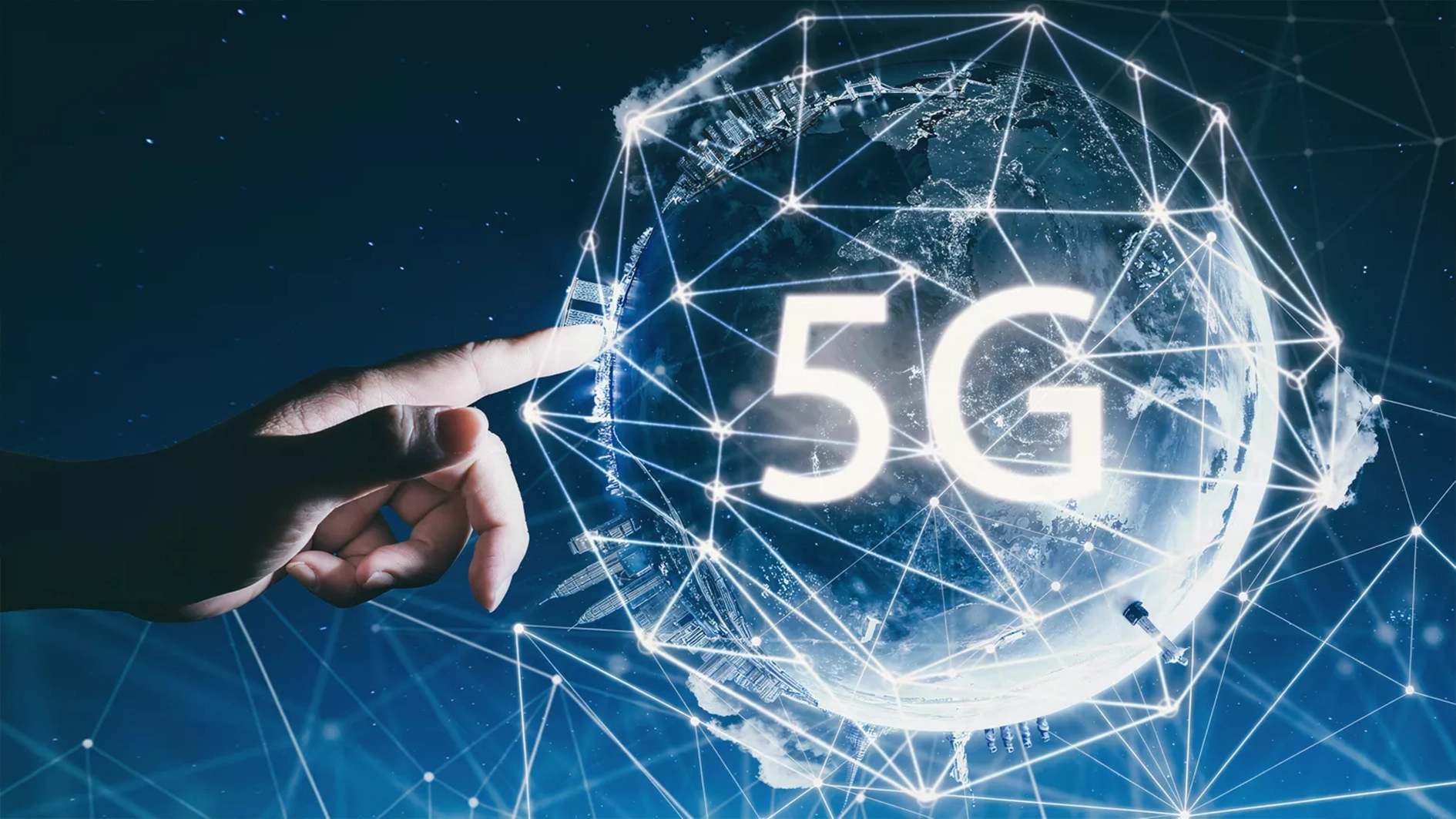
Ericsson projects global 5G subscriptions to more than double by 2031 as Nigeria’s penetration reaches 14 percent
Nigeria has recorded an estimated 30.8 million active 5G connections as at March 2026, representing just under one percent of the world’s total subscriptions, according to new data released by the Nigerian Communications Commission (NCC) and the Ericsson Mobility Report. The announcement was made in Abuja on Monday by Dr Aminu Maida, Executive Vice Chairman of NCC, following the global report’s publication.
The Ericsson Mobility Report stated that a total of 162 million new 5G subscriptions were added globally in the first quarter of 2026, pushing the worldwide figure to about 3.1 billion as at end-March. Nigeria’s contribution stands at approximately one percent of this number, with current national penetration at 14 percent and usage rate at five percent, according to NCC.
Nigeria officially launched its commercial 5G network in September 2022, making it less than four years old in the country’s telecoms sector. Since then, uptake has grown steadily due to increased investment by mobile operators and rising demand for high-speed internet access. The technology has been promoted as a key driver for digital transformation across sectors like financial services, education and health.
Dr Maida explained that while Nigeria’s share is still modest compared to leading regions such as Western Europe, North America and North East Asia, local uptake is expected to rise sharply over the next five years. “The NCC is committed to expanding coverage and ensuring affordable access for all Nigerians,” he said during a press briefing in Abuja. As at now, some 390 service providers worldwide have launched commercial 5G services, including over 90 with standalone networks.
According to Ericsson’s forecast covering up to year-end 2031, global subscriptions are projected to more than double from today’s figures to reach around 6.4 billion. By then, it is expected that up to 85 percent of all mobile data traffic worldwide will run on 5G networks – up from the current level of about half. The NCC noted that continued infrastructure expansion and regulatory support will be crucial for Nigeria to keep pace with international trends.
Source: https://guardian.ng/business-services/nigeria-accounts-for-1-of-3-1-billion-global-5g-subscriptions/
Nigeria News (Standard)
CBN Mandates Banks and Fintechs to Localise Payment Data by January 2027, Sector Faces Capacity Test
Industry experts warn majority of operators lack required technology skills as migration deadline approaches, citing talent shortages
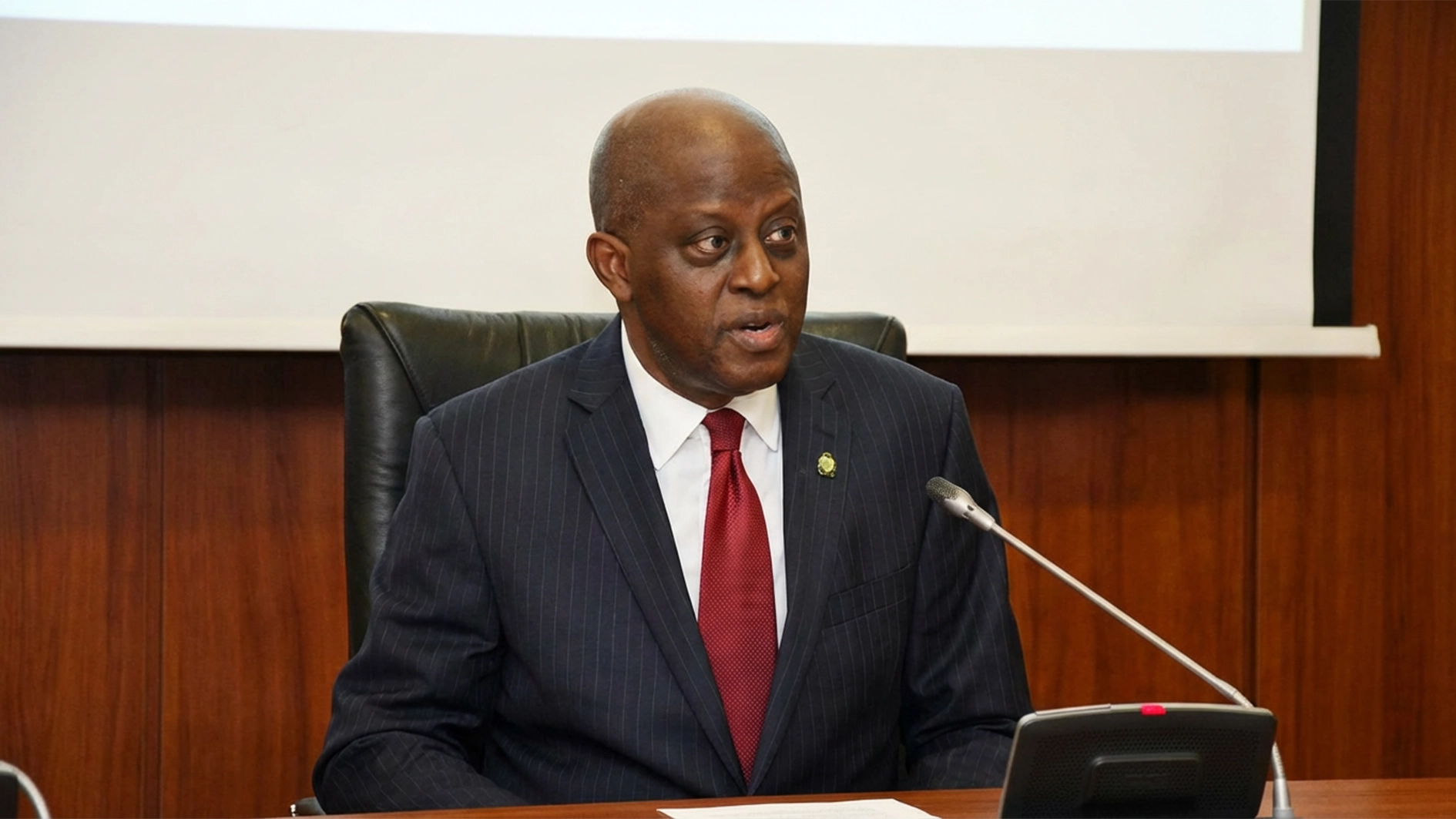
Industry experts warn majority of operators lack required technology skills as migration deadline approaches, citing talent shortages
The Central Bank of Nigeria (CBN) has directed all banks, fintech companies, and payment service providers nationwide to store payment transaction data generated in Nigeria within the country, starting from 1 January 2027. The policy, announced on Monday in Abuja by CBN Governor Olayemi Cardoso, also requires operators to fully disclose ownership structures and comply with new data capping rules.
According to the CBN circular, the move is intended to strengthen data security and boost confidence in the Nigerian payments ecosystem. However, stakeholders in Lagos and other major financial centres say most industry players will need major system upgrades to comply before the transition window closes. While a few large banks may have already built capacity for local data management, many smaller operators are expected to struggle due to existing skill gaps and recent increases in professional emigration.
The regulation comes amid a persistent shortage of high-end technology skills in Nigeria’s financial sector—a problem aggravated by an ongoing exodus of skilled professionals seeking better opportunities abroad. Analysts predict some companies may be forced to import technical expertise or partner with foreign firms just to meet the localisation mandate. “Data localisation is a specialised service that requires advanced expertise, which many payment service providers do not have at present,” one Lagos-based technology consultant noted.
CBN Governor Cardoso said at the press briefing that localising payment data will ensure compliance with national security standards and protect sensitive financial information from foreign access. He added that strict enforcement will begin from January next year, giving operators over six months to prepare. Operators who fail to meet the requirements risk regulatory sanctions, including possible suspension or heavy fines.
Industry observers argue that while the new rule could boost investor confidence and promote indigenous data management firms, it also threatens to widen operational disparities between large banks and smaller fintech startups. The coming months are expected to see increased recruitment drives and cross-border collaborations as firms race against time to overhaul their systems ahead of the deadline.

‘I Want to Be There Again’ — Former Super Eagles Captain Opens Up on Emotional Longing for National Team
Simba Power Unveils Renewable Energy Solutions for Hospitals at Lagos Exhibition
NCC Reports Nigeria Hits 30.8 Million 5G Connections, Makes Up 1% of Global Total
CBN Mandates Banks and Fintechs to Localise Payment Data by January 2027, Sector Faces Capacity Test
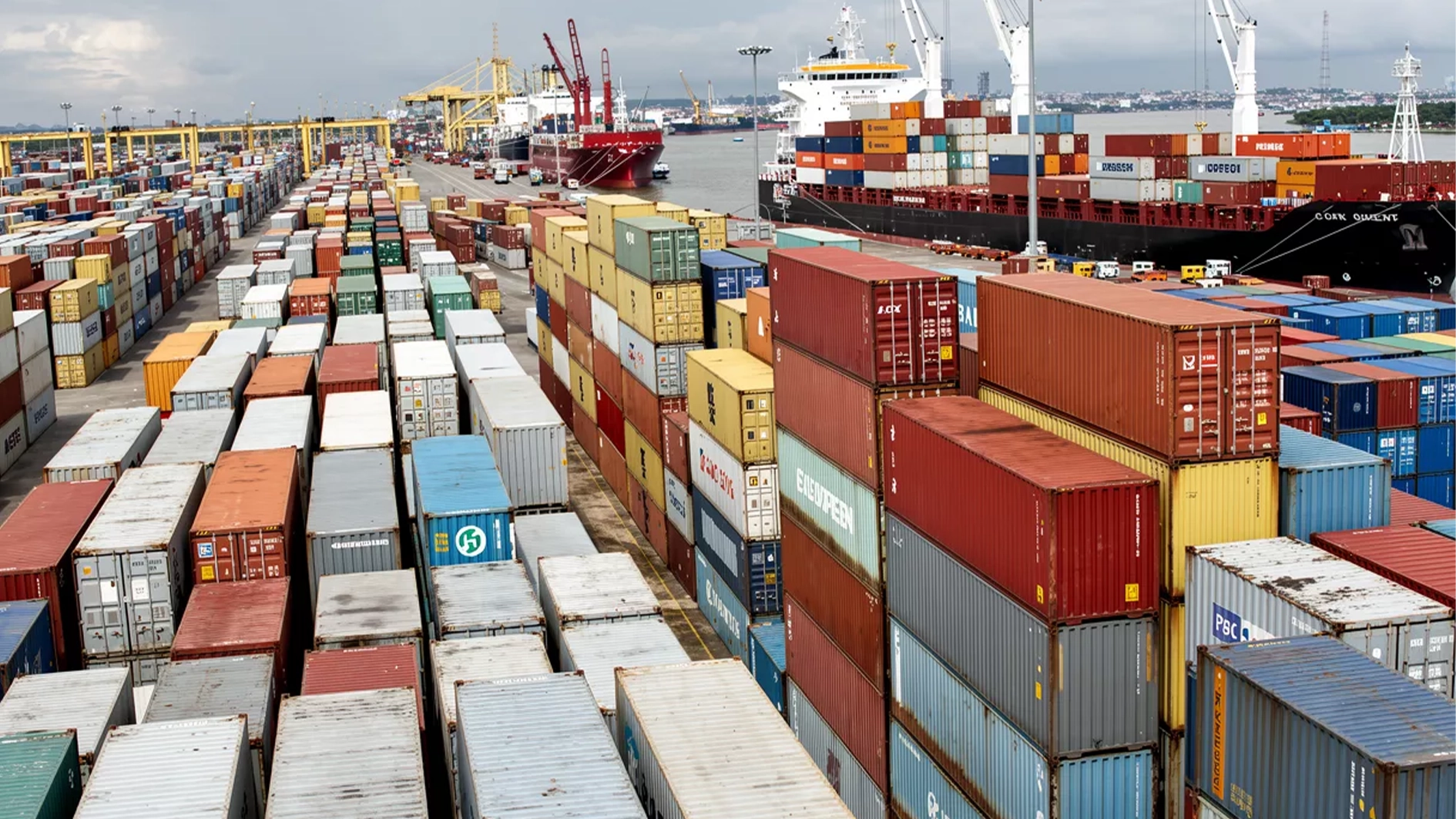
CMA CGM Raises Peak Season Surcharge on China-Lagos Shipments, Hikes Fees for West Africa

GOC Babalola Charges Ogun Troops to Uphold Discipline at 81 Division Combat Proficiency Event
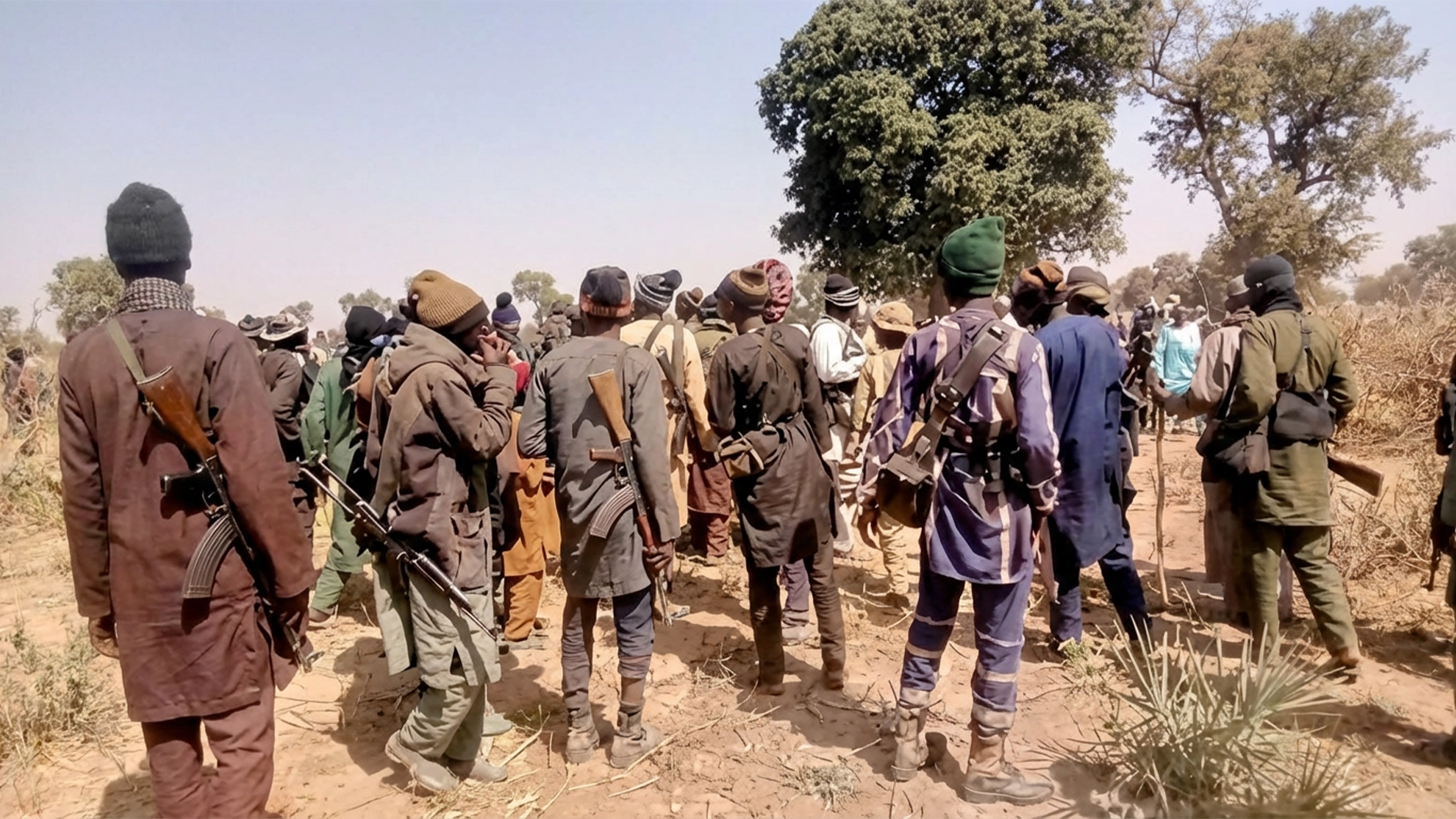
Bingham University Experts Warn Insecurity, Poor Funding Threaten 40 Million Nigerian SMEs
Lagos Police Impound 50 Vehicles Over Number Plate Violations in Statewide Clampdown
Lagos Telecom Operators Attract ₦4trn Investment After 50% Tariff Hike, Says ALTON

LSSTF CEO Ayodele Ogunsan Mourns Death of DCP Salihu Khan in Lagos
Environment Minister Urges Increased Investment in Nigeria’s Green Economy Ahead of Global Climate Summit
Moniepoint Graduates Second DreamDevs Cohort in Lagos to Strengthen Nigeria’s Engineering Workforce

Gọvanmenti Nigeria Kwupụtara 53 Orù Anyanwụ Maka Ike Ọhụrụ N’iru Afọ 2050

Fresh Romance Rumours Trail Lando Norris as Alix Earle Sparks Drama in Monaco
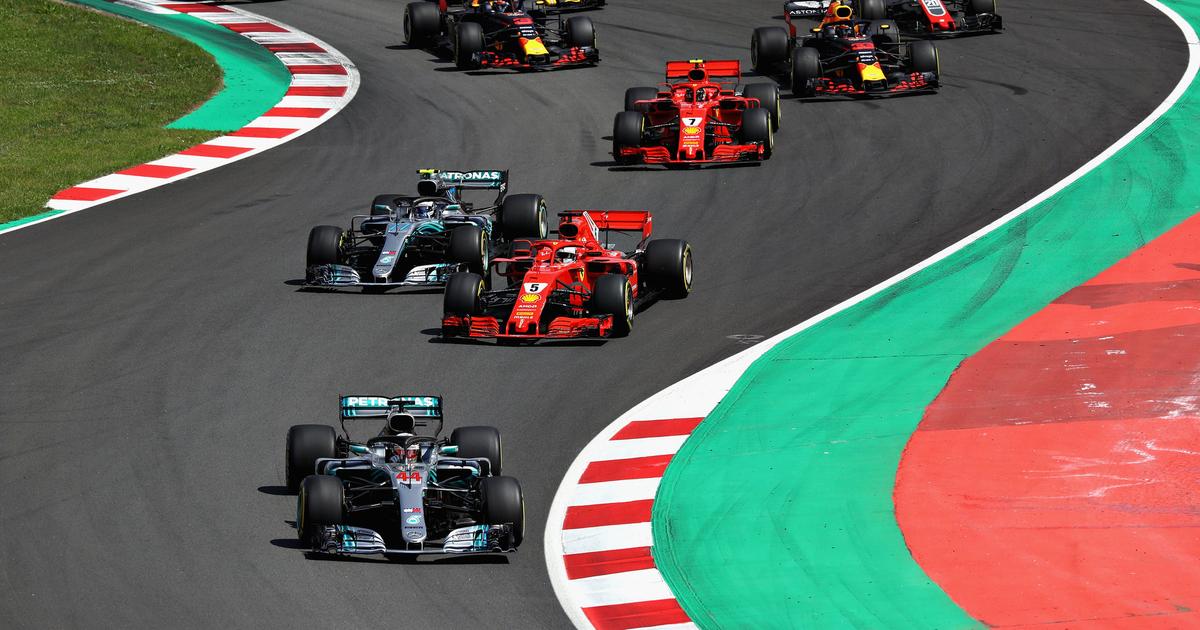
FG Launches $500m Abuja Formula 1 Bid, Targets Africa’s First Grand Prix Since 1993

Why More Nigerians Are Searching for Casino Bonuses—and What You Should Know Before Claiming
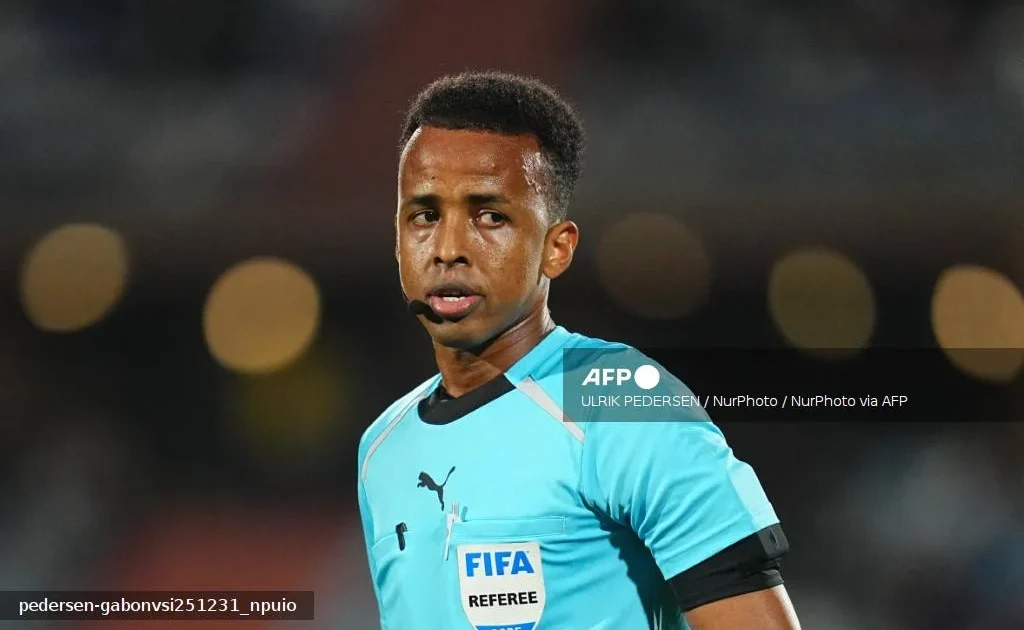
Somali Referee Omar Artan Blocked From US World Cup Over Visa Row, Misses Dream Debut
Ụlọ Ọrụ Nigeria Kwupụtara Nsogbu Nchekwa na Ụtụ Isi N’agbanyeghị Ịrị Elu Obi Ike Ahịa
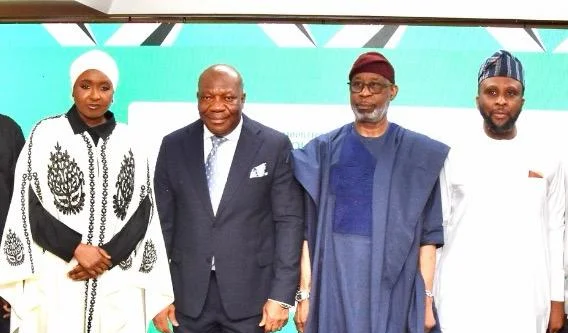
Federal Government Launches Mining Grants for Research and Exploration Across Nigeria