Nigeria News (Standard)
Lagos Stock Exchange Sheds ₦1.02trn as Banking and Oil Shares Plunge
Market capitalisation falls to ₦155.99trn, with NGX indices down across major sectors amid negative sentiment

Market capitalisation falls to ₦155.99trn, with NGX indices down across major sectors amid negative sentiment
The Nigerian Exchange Limited (NGX) in Lagos recorded a sharp decline on Friday, with market capitalisation dropping by ₦1.02 trillion following significant losses in banking and oil sector stocks. Trading data showed the all-share index closed at 243,204.73 points, a decrease from Thursday’s 244,738.74 points, reflecting widespread investor caution.
The market capitalisation fell from ₦156.97 trillion to ₦155.99 trillion within one session, representing a loss of ₦1.02 trillion. The downturn was led by declines in the NGX Banking Index, which slipped to 2,272.44 points from 2,299.26 points previously. The Oil and Gas Index also dropped sharply to 5,516.25 points compared to 5,698.36 points in the last session.
Other sectoral indices mirrored the weak performance: the Industrial Index edged lower to close at 11,590.56 points, while the NGX Insurance and Consumer Goods indices posted mild losses as well. Analysts attributed the broad-based sell-off to profit-taking activities and lingering uncertainty over macroeconomic policies affecting key financial stocks.
A senior analyst at one of the leading brokerage firms in Lagos explained that “the negative performance was largely driven by sustained sell pressure on banking counters as investors reacted to recent policy signals from regulatory authorities.” The analyst added that oil sector stocks were affected by global crude price volatility and ongoing reforms within Nigeria’s downstream sector.
Market participants expect cautious trading to persist in the coming week as investors watch for policy direction from both fiscal and monetary authorities. Experts say sustained weakness in major indices could dampen investment sentiment if confidence is not restored through targeted interventions.
Nigeria News (Standard)
Education Minister Commends UNIBEN’s ₦100bn Sustainable Funding Drive in Edo State
Federal government says initiative will boost university autonomy and research as sector faces funding shortfalls nationwide

Federal government says initiative will boost university autonomy and research as sector faces funding shortfalls nationwide
The Minister of Education has praised the University of Benin (UNIBEN) in Edo State for launching a ₦100 billion sustainable funding initiative aimed at strengthening the institution’s financial base. The minister gave the commendation on Friday, describing the move as a significant step towards ensuring long-term stability and academic excellence at one of Nigeria’s foremost universities.
According to details released by UNIBEN management, the funding drive is designed to attract resources from alumni, private sector partners, and other stakeholders to address infrastructural needs and support research activities. The university said this approach is intended to reduce over-reliance on federal allocations, which have been shrinking due to competing national priorities and economic challenges.
Nigeria’s public universities have faced repeated disruptions caused by underfunding, often resulting in strikes and delayed academic calendars. Experts in the education sector say innovative funding models like UNIBEN’s could set an example for other institutions struggling with budgetary constraints. The government has repeatedly called for universities to seek alternative revenue sources as part of broader reforms.
The education minister noted that such efforts are key to achieving greater institutional autonomy and improved standards across Nigeria’s higher education landscape. “This initiative shows the commitment of UNIBEN leadership to finding homegrown solutions,” he said during an official visit. The university administration also urged its alumni network and corporate organisations to support the fund for lasting impact.
Stakeholders expect that if successful, UNIBEN’s ₦100 billion project could encourage similar drives at other federal and state universities. Government said it will continue working with institutions seeking creative pathways out of persistent funding shortfalls.
Nigeria News (Standard)
UniCal Set to Host 50,000 Athletes for 2026 NUGA Games, Says Vice-Chancellor
University of Calabar targets record turnout as preparations begin; stakeholders emphasise infrastructure and security needs
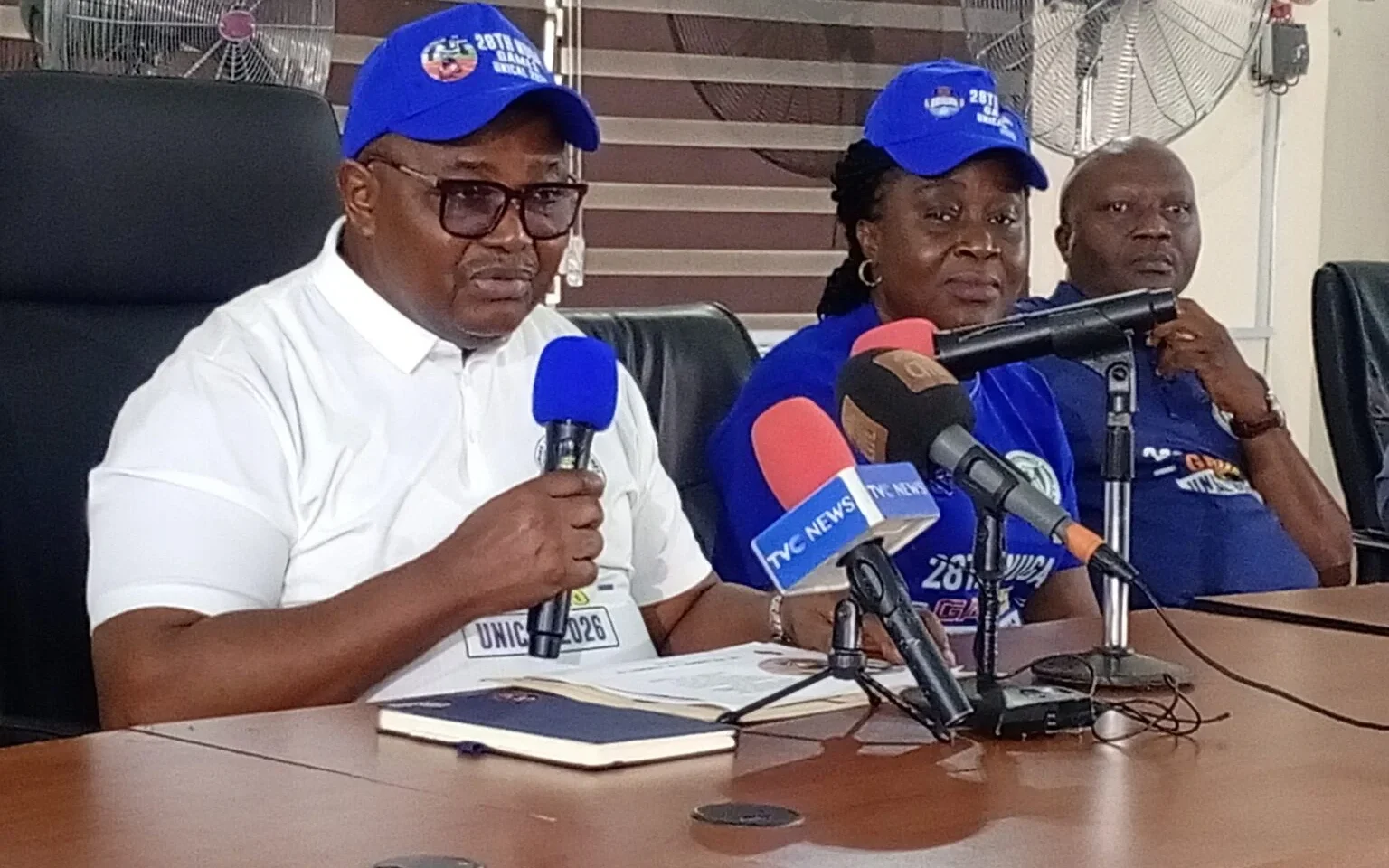
University of Calabar targets record turnout as preparations begin; stakeholders emphasise infrastructure and security needs
The University of Calabar (UniCal), Cross River State, has announced plans to host an estimated 50,000 athletes and officials during the 2026 edition of the Nigeria University Games Association (NUGA) Games. The Vice-Chancellor disclosed this in Calabar on Friday, stating that the institution is gearing up for what is expected to be one of the largest gatherings in the history of university sports in Nigeria.
According to UniCal management, preparations are already underway to ensure that facilities meet national standards ahead of the event. The Vice-Chancellor noted that the university will collaborate with state authorities and key stakeholders to upgrade hostels, sporting arenas, and other essential infrastructure required to accommodate thousands of participants from tertiary institutions across the country.
This development is significant for both UniCal and Cross River State, as hosting NUGA typically brings substantial economic activity and national attention. Past editions of the games have spurred local business growth and created temporary job opportunities within host communities. With a projected attendance surpassing previous records, there are heightened expectations regarding logistics, athlete welfare, and security arrangements.
University authorities have emphasised their commitment to delivering a successful tournament. The Vice-Chancellor said efforts would focus on improving security measures on campus and providing adequate medical facilities for athletes. He called on government agencies and corporate partners to support the university in its preparations, noting that such collaboration is essential for a smooth event.
As preparations intensify, UniCal is expected to unveil further details about schedules, participating universities, and volunteer opportunities in coming months. Stakeholders hope that successful hosting will reinforce Nigeria’s reputation for collegiate sports excellence while boosting economic prospects in Cross River’s South-South region.
Nigeria News (Standard)
Defensive Errors Reshape World Cup Betting Trends as Sweden, Japan, Australia Matches Spark Analysis
Early mistakes in Sweden’s 5–1 win and late drama in Japan-Netherlands draw prompt punters to review betting strategies

Early mistakes in Sweden’s 5–1 win and late drama in Japan-Netherlands draw prompt punters to review betting strategies
Defensive lapses are setting new directions for World Cup betting research, with recent matches highlighting how a single error can shift the odds and expectations for upcoming fixtures. The impact was felt during Sweden’s emphatic 5–1 victory over Tunisia and Japan’s dramatic late equaliser against the Netherlands, both played on Wednesday.
In the clash between Sweden and Tunisia, an early defensive blunder from the Tunisian side allowed Yasin Ayari to open the scoring. The Swedish team capitalised fully, with Ayari netting twice and teammates Alexander Isak, Viktor Gyokeres, and Mattias Svanberg adding to the tally. Observers say this quick turnaround from a single error into a rout changed the betting landscape, as punters adjusted their expectations on goal totals and handicap markets. “A defensive mistake is not just a highlight; it often explains why favourites cover margins or why totals shift,” said a Lagos-based sports analyst.
Meanwhile, Japan’s encounter with the Netherlands ended 2–2 after Daichi Kamada struck in the 88th minute to snatch a point for Japan. The Netherlands had led twice but failed to close out the game, raising fresh questions about their ability to control matches under pressure. Betting experts note that such repeated lead losses affect market confidence in a team’s defensive strength going into future fixtures. “When you concede late goals despite leading, it sends signals to punters that match control is an ongoing issue,” another analyst explained.
In contrast, Australia delivered a disciplined performance against Turkey, securing a 2–0 win despite facing 78% Turkish possession and conceding 30 attempts on goal. Patrick Beach stood firm in goal while Australia’s defensive structure absorbed pressure and shut out their opponents. This result has encouraged some Nigerian bettors to look beyond possession statistics when assessing potential outcomes. “Heavy pressure does not always translate into goals if the defence remains compact,” said Chinedu Okoye, an Abuja-based football enthusiast.
As at now, analysts advise punters to watch for patterns rather than one-off mistakes before adjusting their bets. If teams like Tunisia or the Netherlands repeat these defensive issues in subsequent matches, it could indicate deeper tactical problems rather than isolated incidents. Betting research platforms have also urged responsible gambling as market trends shift rapidly due to on-field errors. The next round of fixtures is expected to test whether these early defensive weaknesses persist or if teams can address them ahead of critical matches.
Education Minister Commends UNIBEN’s ₦100bn Sustainable Funding Drive in Edo State
UniCal Set to Host 50,000 Athletes for 2026 NUGA Games, Says Vice-Chancellor
Defensive Errors Reshape World Cup Betting Trends as Sweden, Japan, Australia Matches Spark Analysis
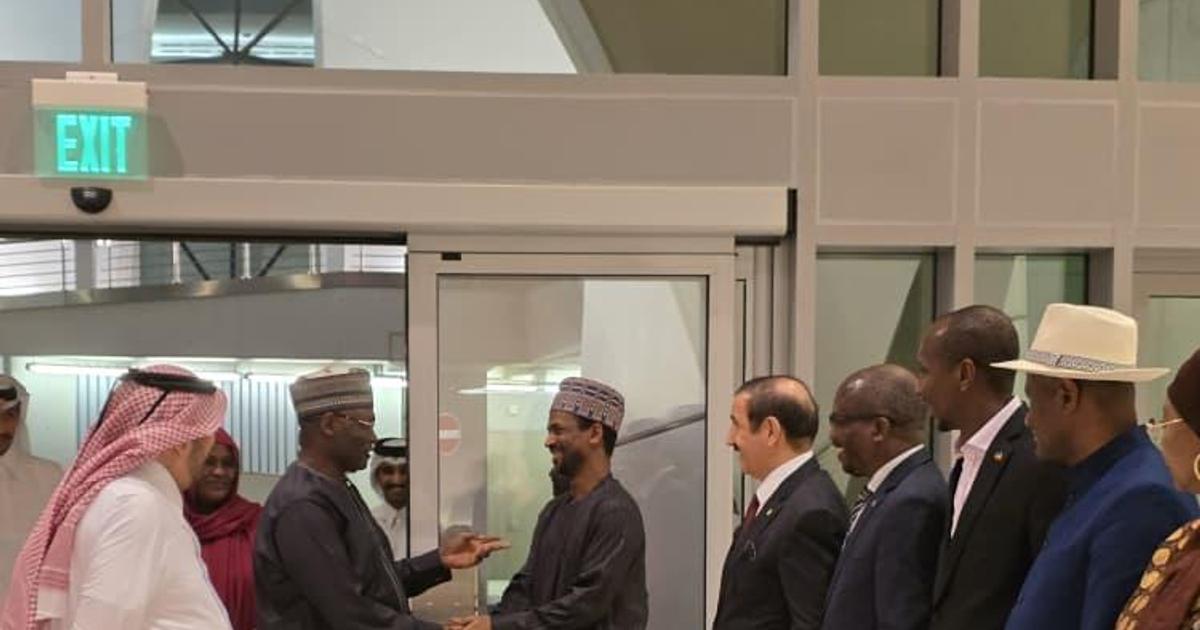
Ex-INEC Chairman Mahmood Yakubu Assumes Duty as Nigeria’s Ambassador to Qatar
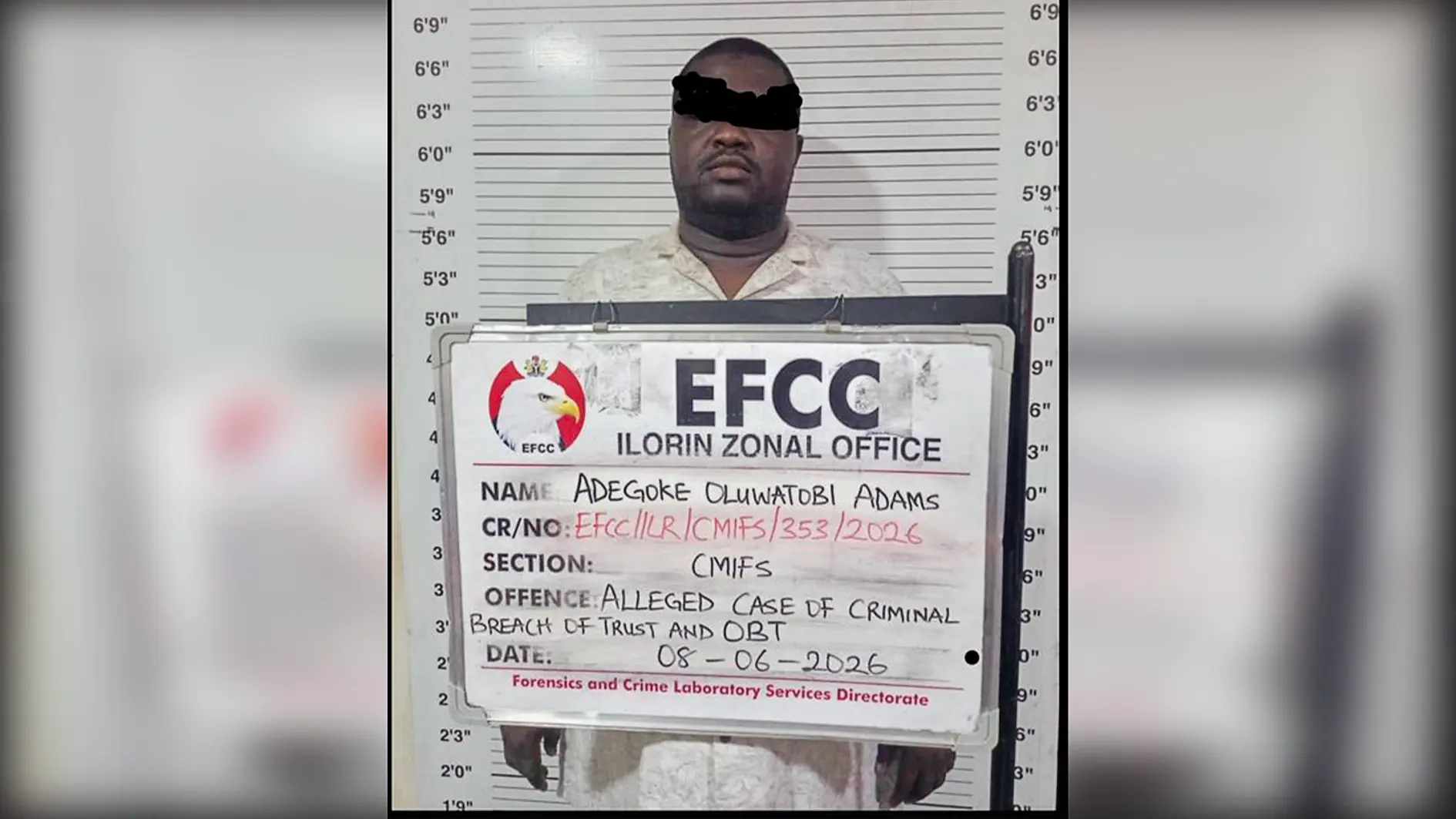
EFCC Ilorin Zonal Directorate Arrests Nigerian-American Over Alleged ₦434.88m Vehicle Import Scam
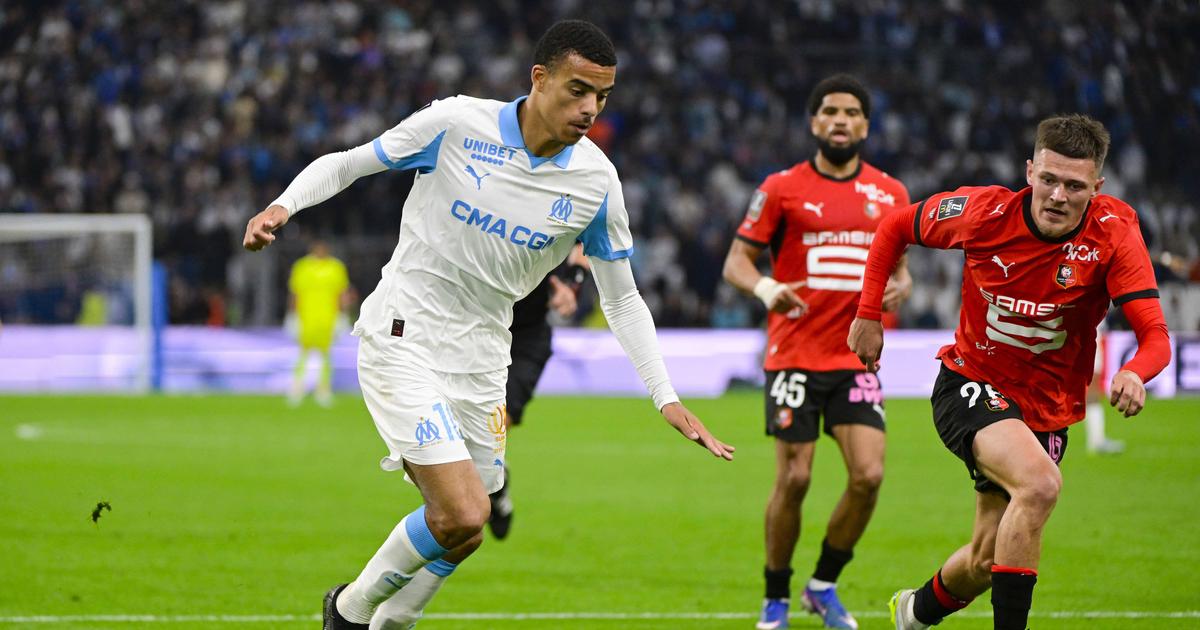
Premier League Heavyweights Reportedly Considering Move for Mason Greenwood Amid Controversy

Ụlọ Ezinaụlọ Naijiria Nwetara Oke Mkpagbu Ọnụ Ahịa Iri Ihe Kwa Ubochi N’ahịa
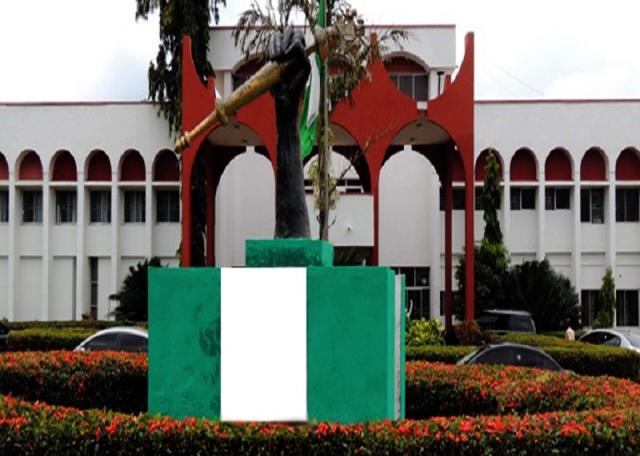
Anambra Assembly Demands Prosecution of Woman Accused of Brutalising 10-Year-Old Boy

Lagos Cinemas Record Over ₦574m as ‘Call of My Life’ Tops Nollywood Box Office in 2026
Ndị Ọrụ Ekekọrịta Nyochara Ọnụ Ahịa, Kwupụtara Na Ọnụ Ahịa Tariff Agaghị Abawanye Ugbu A
Environment Minister Urges Increased Investment in Nigeria’s Green Economy Ahead of Global Climate Summit

Moniepoint Graduates Second DreamDevs Cohort in Lagos to Strengthen Nigeria’s Engineering Workforce

Gọvanmenti Nigeria Kwupụtara 53 Orù Anyanwụ Maka Ike Ọhụrụ N’iru Afọ 2050

Fresh Romance Rumours Trail Lando Norris as Alix Earle Sparks Drama in Monaco
FG Launches $500m Abuja Formula 1 Bid, Targets Africa’s First Grand Prix Since 1993

Why More Nigerians Are Searching for Casino Bonuses—and What You Should Know Before Claiming

Ụlọ Ọrụ Nigeria Kwupụtara Nsogbu Nchekwa na Ụtụ Isi N’agbanyeghị Ịrị Elu Obi Ike Ahịa
Federal Government Launches Mining Grants for Research and Exploration Across Nigeria
Somali Referee Omar Artan Blocked From US World Cup Over Visa Row, Misses Dream Debut