Nigeria News (Standard)
UniCal Set to Host 50,000 Athletes for 2026 NUGA Games, Says Vice-Chancellor
University of Calabar targets record turnout as preparations begin; stakeholders emphasise infrastructure and security needs
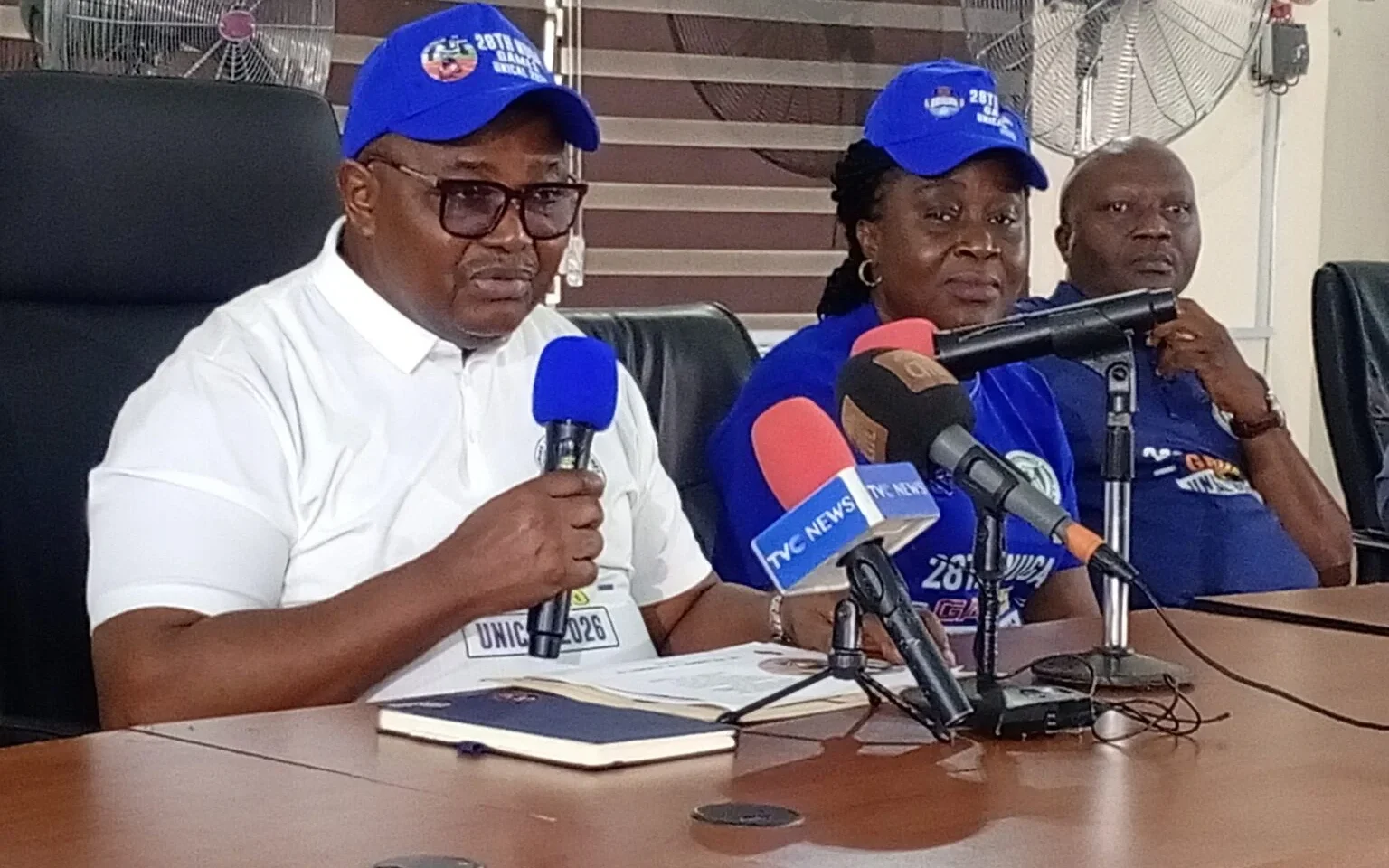
University of Calabar targets record turnout as preparations begin; stakeholders emphasise infrastructure and security needs
The University of Calabar (UniCal), Cross River State, has announced plans to host an estimated 50,000 athletes and officials during the 2026 edition of the Nigeria University Games Association (NUGA) Games. The Vice-Chancellor disclosed this in Calabar on Friday, stating that the institution is gearing up for what is expected to be one of the largest gatherings in the history of university sports in Nigeria.
According to UniCal management, preparations are already underway to ensure that facilities meet national standards ahead of the event. The Vice-Chancellor noted that the university will collaborate with state authorities and key stakeholders to upgrade hostels, sporting arenas, and other essential infrastructure required to accommodate thousands of participants from tertiary institutions across the country.
This development is significant for both UniCal and Cross River State, as hosting NUGA typically brings substantial economic activity and national attention. Past editions of the games have spurred local business growth and created temporary job opportunities within host communities. With a projected attendance surpassing previous records, there are heightened expectations regarding logistics, athlete welfare, and security arrangements.
University authorities have emphasised their commitment to delivering a successful tournament. The Vice-Chancellor said efforts would focus on improving security measures on campus and providing adequate medical facilities for athletes. He called on government agencies and corporate partners to support the university in its preparations, noting that such collaboration is essential for a smooth event.
As preparations intensify, UniCal is expected to unveil further details about schedules, participating universities, and volunteer opportunities in coming months. Stakeholders hope that successful hosting will reinforce Nigeria’s reputation for collegiate sports excellence while boosting economic prospects in Cross River’s South-South region.
Nigeria News (Standard)
Delta Police Arrest Two Suspected Cable Vandals in Ndokwa West
One suspect hospitalised after attempted escape as police recover stolen electric cables along Ibabu–Ugiliamai Road
One suspect hospitalised after attempted escape as police recover stolen electric cables along Ibabu–Ugiliamai Road
Operatives of the Delta State Police Command have arrested two individuals suspected of vandalising electric cables in Ndokwa West Local Government Area on Tuesday, 25 June. The suspects were apprehended around 10:30pm along the Ibabu–Ugiliamai Road following a joint operation involving officers from Kwale Police Station and members of the local vigilante group.
According to a statement issued by Delta State Police Public Relations Officer, SP Bright Edafe, the security team acted swiftly on credible intelligence that some persons were removing and stealing electric cables in the area. Upon sighting law enforcement, the suspects attempted to flee the scene, resulting in one of them sustaining injuries during the pursuit. The injured suspect is currently receiving medical attention, while the other is in police custody.
Cable vandalism has become a significant concern in Delta State and across Nigeria, often leading to prolonged power outages and financial losses for communities. The state government has repeatedly called for increased vigilance by residents and closer collaboration with security agencies to combat such crimes.
SP Edafe stated that investigations are ongoing to determine if other individuals are involved in the syndicate. “We urge members of the public to continue providing timely information that can help us protect public infrastructure,” Edafe said in Thursday’s press release.
The police command assured residents that efforts will be intensified to prevent further incidents of cable theft in Ndokwa West and neighbouring communities. Authorities also reminded residents that anyone found engaging in vandalism or aiding such activities would face prosecution according to Nigerian law.
Source: https://guardian.ng/news/nigeria/metro/delta-police-arrest-two-suspected-cable-vandals/
Nigeria News (Standard)
Trump Claims US Military Strikes in Borno Prevented Mass Killing of Christians by ISWAP
Former US president says American intervention curbed attacks; Nigerian government yet to issue official response
Former US president says American intervention curbed attacks; Nigerian government yet to issue official response
Former United States President Donald Trump has stated that military strikes authorised by his administration in Borno State helped prevent the mass killing of Christians by militants linked to Islamic State West Africa Province (ISWAP). Trump made this assertion on Friday during an event held in Washington, where he defended his decision to target terrorist groups operating in Nigeria’s North-East region.
According to Trump, the US military operations significantly reduced attacks on Christian communities in Borno and neighbouring states, which had been facing repeated assaults from ISWAP fighters. He said, “As you know, we recently struck Nigeria and largely ended the slaughter of great Christian populations. They have a great Christian population. They were being butchered—thousands and thousands of people were being killed, children, women, old people, just being slaughtered, hacked to death.”
Trump added that the American intervention sent a strong warning to the militants responsible for these attacks. He claimed the strikes discouraged further violence against religious minorities in the region. The former president did not provide specific details regarding the timing or scale of the US operations referenced.
The Nigerian government and security agencies are yet to release any official statement confirming the reported strikes or commenting on Trump’s claims as at press time. In previous years, Borno State and other parts of North-East Nigeria have witnessed repeated attacks targeting both Muslim and Christian communities by various armed groups, including ISWAP and Boko Haram.
Security analysts say international military cooperation is often conducted discreetly and that foreign involvement in counter-insurgency operations can carry both diplomatic and security implications for Nigeria. The opposition could not be immediately reached for comment regarding Trump’s statements.
Nigeria News (Standard)
Former Super Eagles Coach Adegboye Onigbinde Laid to Rest in Modakeke, Osun State
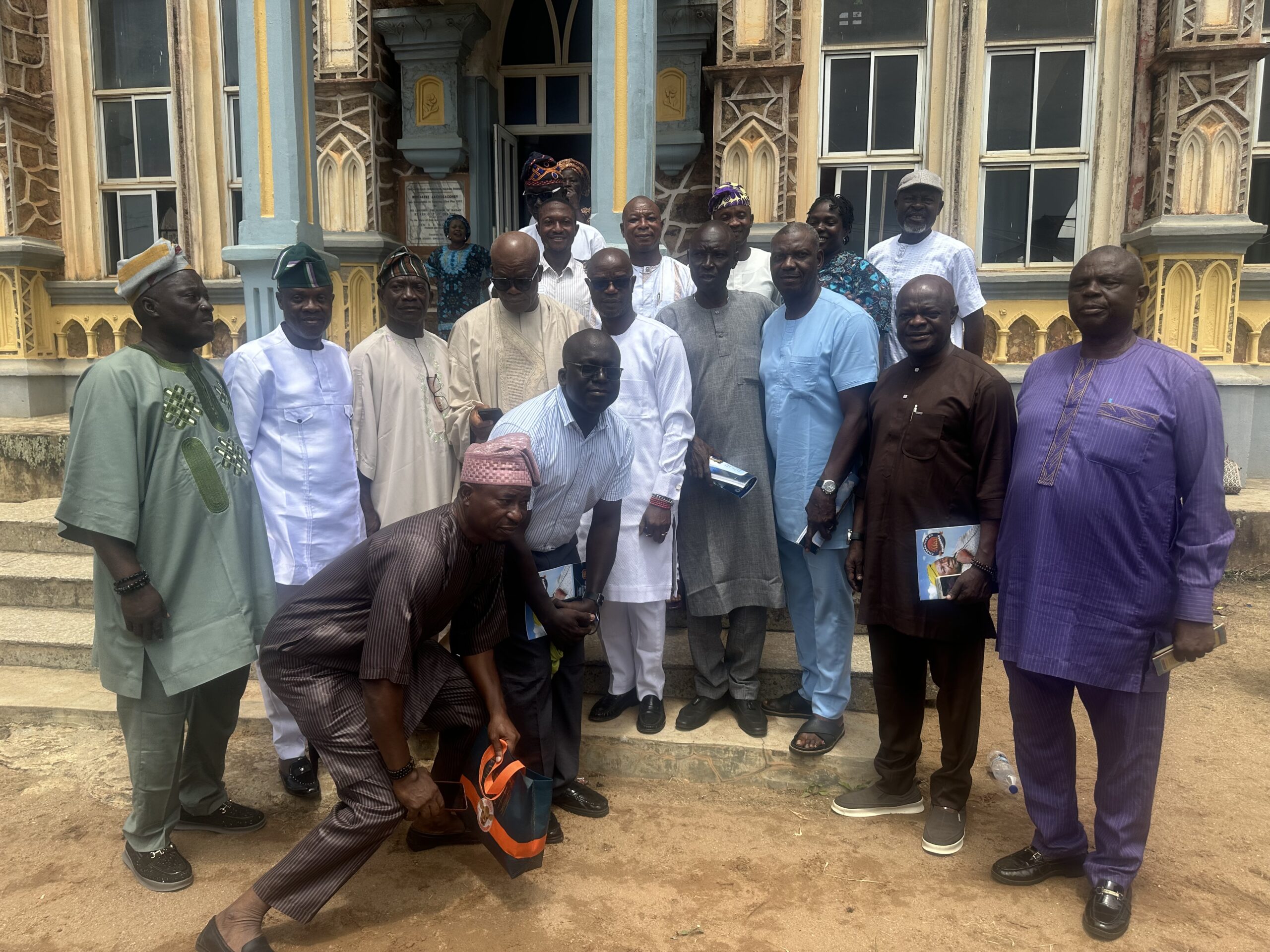
Onigbinde, who led Nigeria to the 2002 FIFA World Cup, remembered for his legacy in Nigerian football
Onigbinde, who led Nigeria to the 2002 FIFA World Cup, remembered for his legacy in Nigerian football
Adegboye Onigbinde, the former head coach of the Super Eagles, was buried on Saturday in Modakeke, Osun State. The burial ceremony drew family members, friends, and football stakeholders who came together to pay their last respects to the veteran tactician.
Onigbinde’s funeral was held at his hometown of Modakeke, marking the end of an era for one of Nigeria’s most respected football coaches. Attendees described him as a disciplinarian and a mentor whose contribution to Nigerian football development spanned decades. Many local residents and members of the football community gathered to honour his memory.
Onigbinde rose to national prominence when he managed the Super Eagles at the 2002 FIFA World Cup. He is credited with nurturing young talent and promoting professionalism in Nigerian football. His death is considered a significant loss by many in the sports fraternity, particularly those from Osun State and across the South-West geopolitical zone.
Though details of official statements were not available at press time, tributes have continued to pour in from fans and former players who worked with Onigbinde during his long career. They praised his dedication and commitment to raising the profile of Nigerian football on the world stage.
As Nigerians reflect on Onigbinde’s enduring legacy, sports analysts note that his impact will continue through coaches and players he mentored over the years. The Nigerian Football Federation is expected to organise further commemorative events in honour of his service.
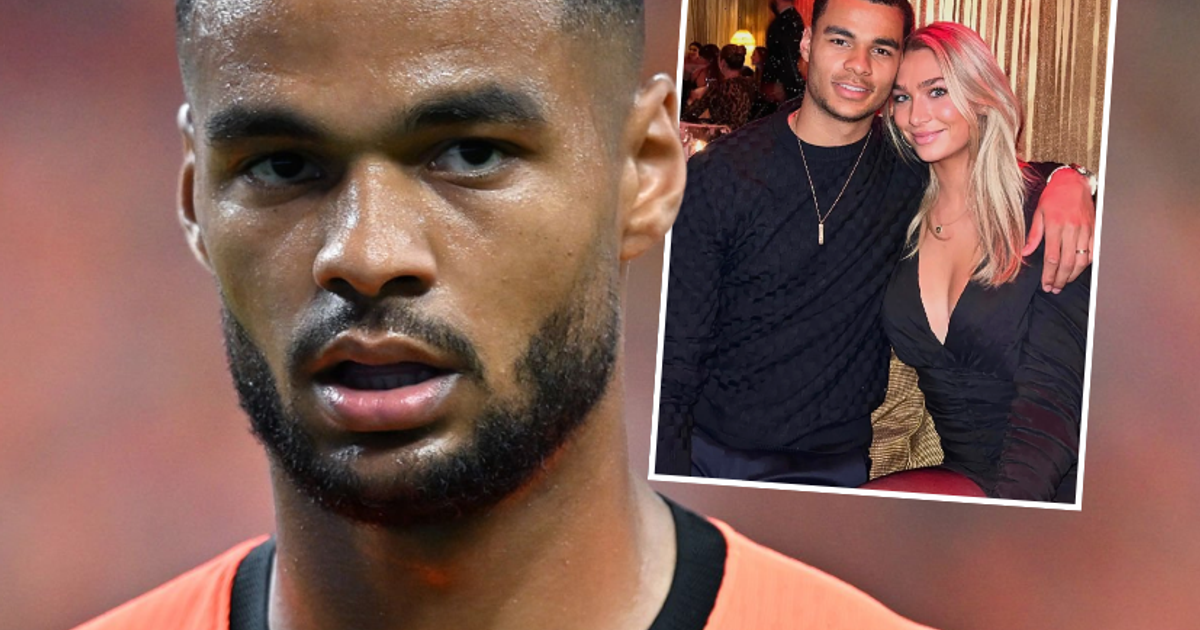
Liverpool World Cup Star Faces Tragedy as Wife Suffers Miscarriage
Delta Police Arrest Two Suspected Cable Vandals in Ndokwa West
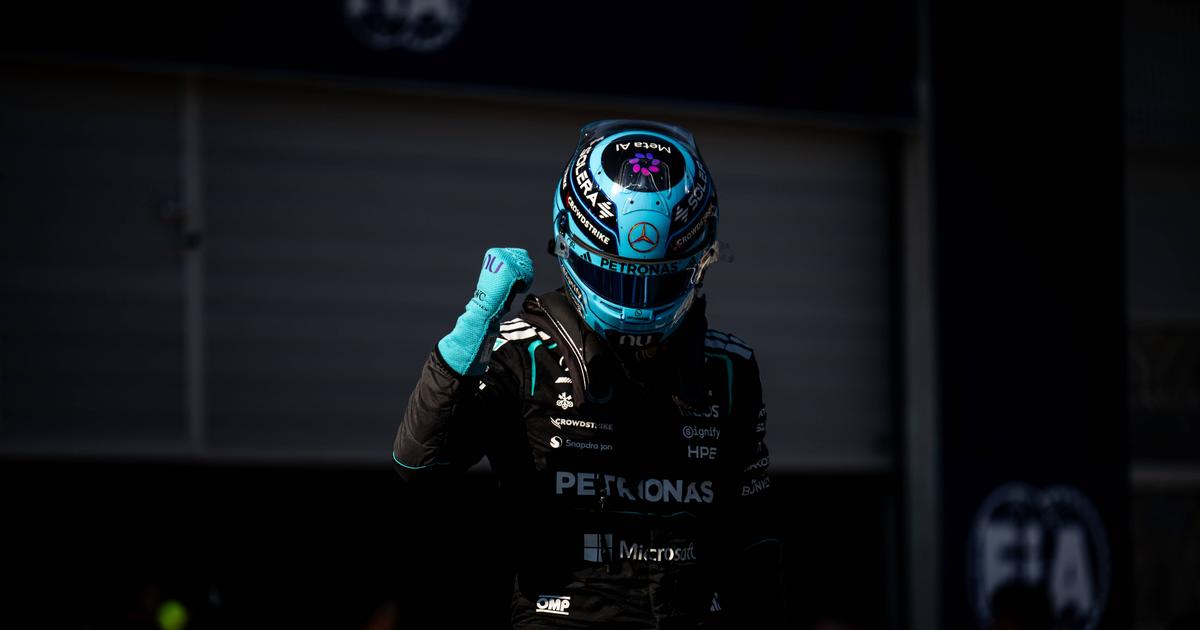
Late Crash Hands George Russell Shock Pole as Verstappen Drama Rocks Austrian GP Qualifying
Trump Claims US Military Strikes in Borno Prevented Mass Killing of Christians by ISWAP
Former Super Eagles Coach Adegboye Onigbinde Laid to Rest in Modakeke, Osun State
Abacha’s Ex-Security Chief Says He Has Nothing to Apologise For
Chelsea Set to Seal £48m Move for Super Eagles Star After World Cup Campaign
Japan Star Claims Team Can Eliminate Brazil at 2026 World Cup
Abia’s Don Media Group Celebrates One Year of Expanding Radio Broadcasting Across South-East
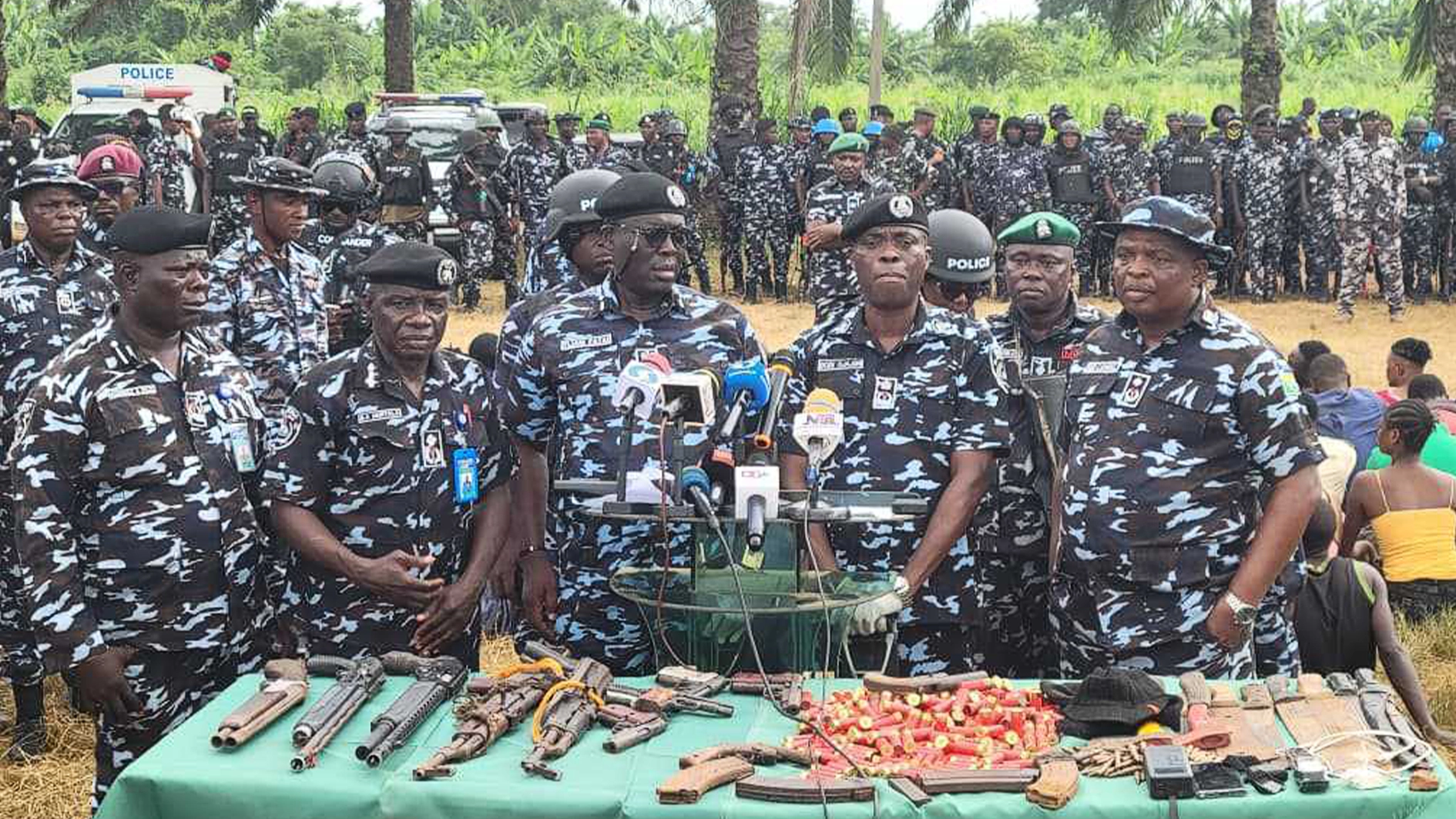
Police Launch ‘Kosaye’ Operation in Ogun, Lagos, Arrest 88, Rescue Five Kidnap Victims
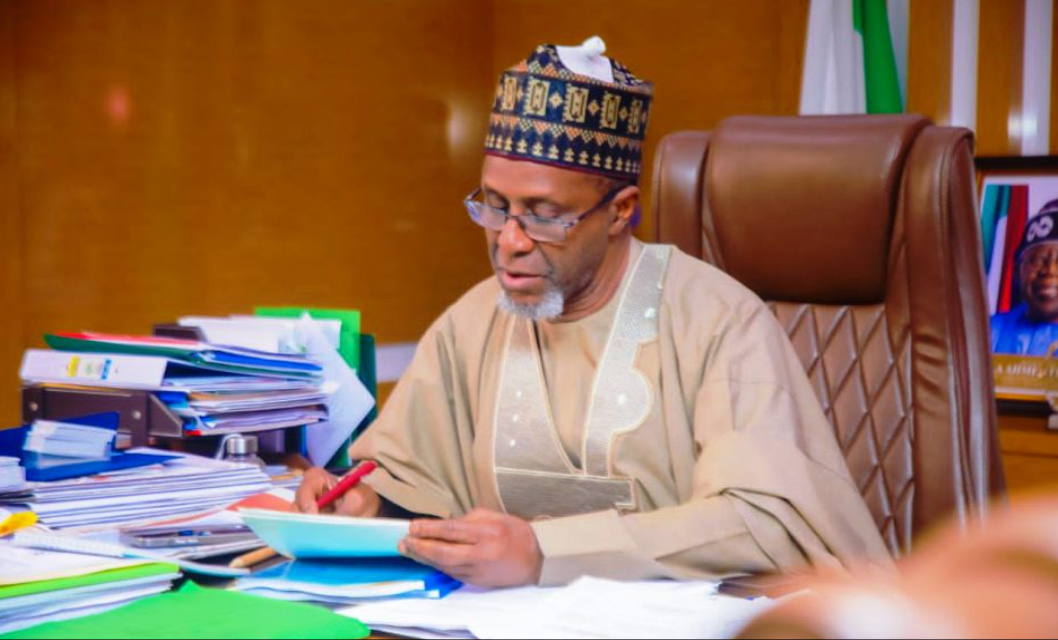
Environment Minister Urges Increased Investment in Nigeria’s Green Economy Ahead of Global Climate Summit
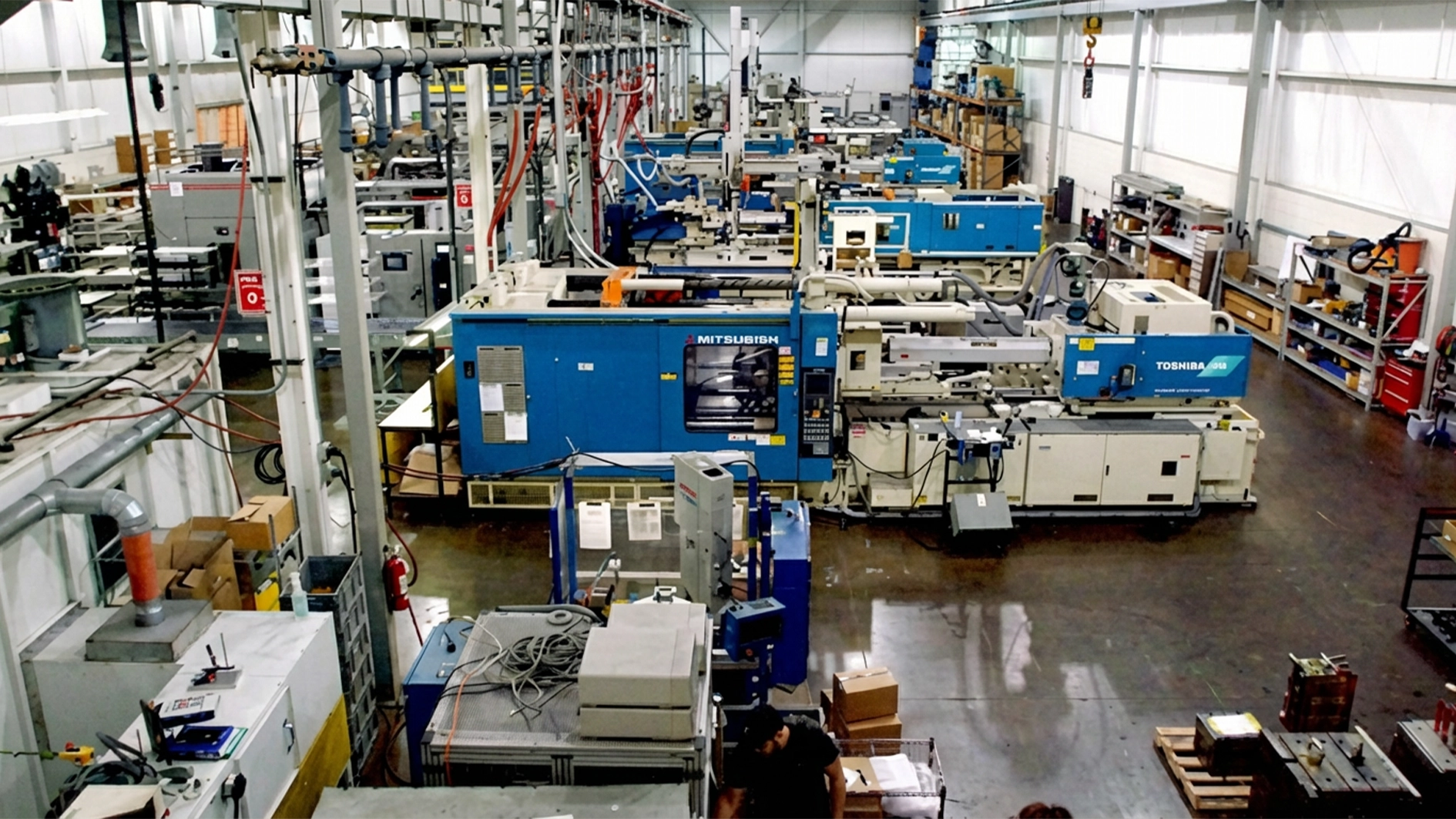
Lagos FMCG Giants Record ₦18.9bn Rise in Production Costs, Earnings Hit by Inflation in Q1

Lagos Residents Spend Over ₦50bn on US Visa Applications Amid Tighter Entry Rules

Over 8,000 Unemployed Nigerians Withdraw ₦12.1bn Pension Savings Amid Rising Economic Hardship
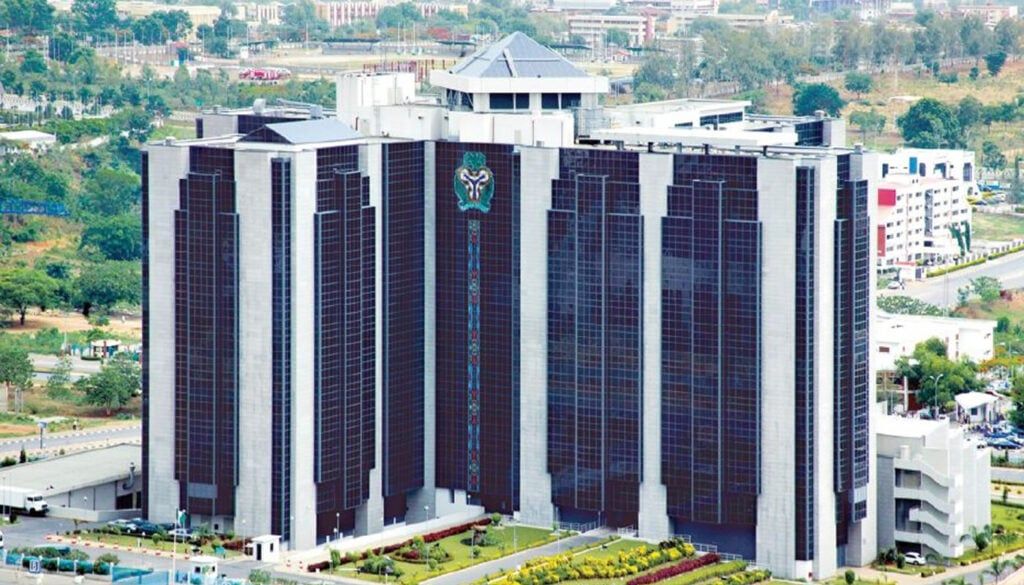
CBN Kwupụtara Nnweta Ego Ọhụrụ ₦2.09trn OMO Na ₦464.6bn NTB N’ime Ụlọ Akụ N’izu a
Lagos Court Declares National Assembly’s ₦110bn Vehicle and Allowance Spending Unlawful
Lagos Police Arrest Doctor, Birth Attendant Over Alleged Sale of Newborn for ₦2.5m

Lagos Stock Exchange Sheds ₦1.02trn as Banking and Oil Shares Plunge
Lagos Investors Gain ₦1.4trn as NGX Market Capitalisation Surges Past ₦156trn Mark