
Nigeria News (Standard)
Femi Pedro Assumes Office as Nigeria’s Ambassador to Australia in Abuja Ceremony
Pedro, former Lagos Deputy Governor, begins diplomatic posting as federal government seeks stronger ties with Canberra
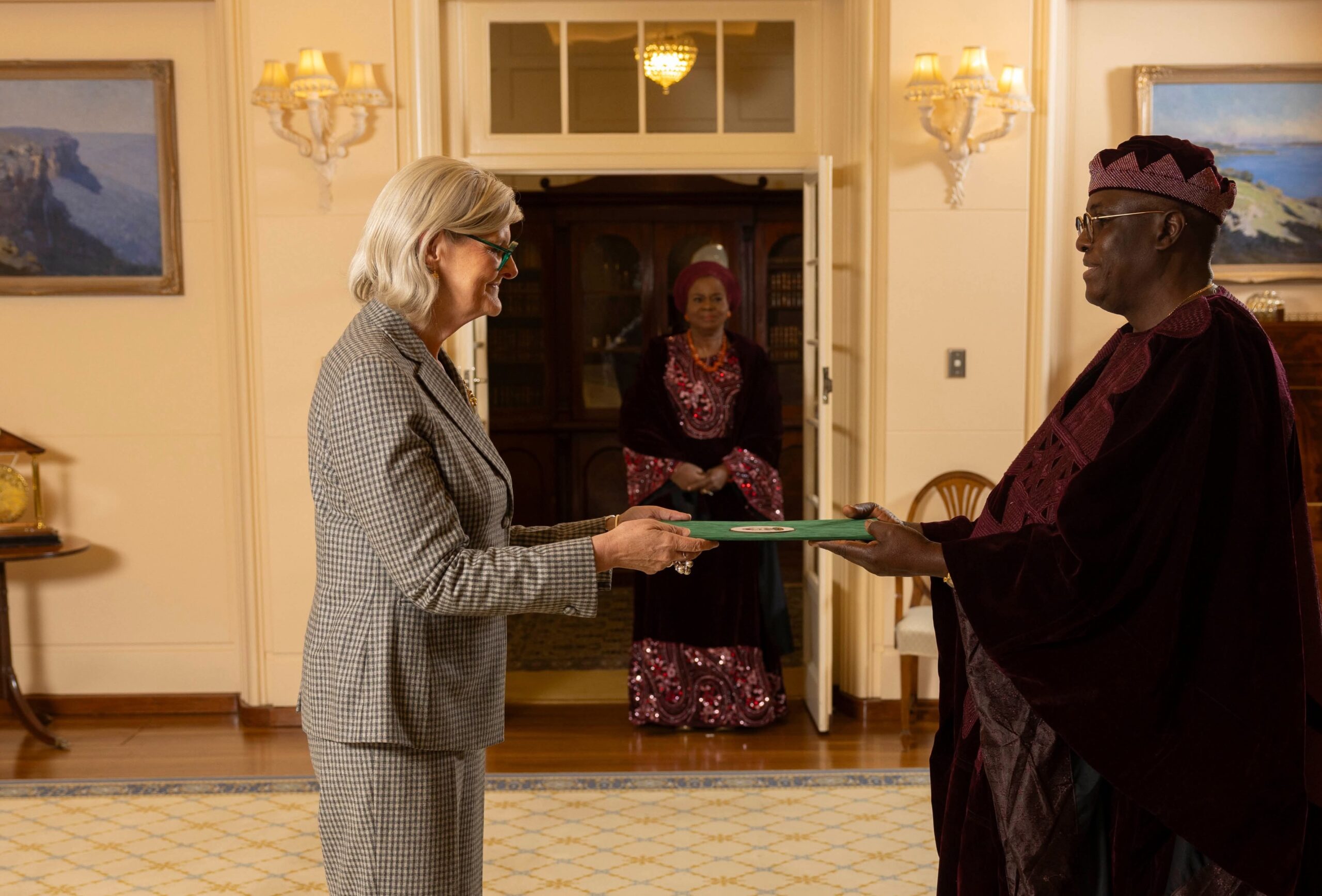
Pedro, former Lagos Deputy Governor, begins diplomatic posting as federal government seeks stronger ties with Canberra
Femi Pedro has officially assumed duty as Nigeria’s Ambassador to Australia, following his appointment by the federal government. The ceremony marking his assumption of office took place in Abuja on Tuesday, 23 June 2026. Pedro, a former Deputy Governor of Lagos State, is expected to represent Nigeria’s interests in Australia and oversee relations with the country moving forward.
Pedro’s posting comes at a time when Nigeria is looking to expand its diplomatic and economic engagement with Australia, particularly in areas such as trade, education, and investment. His appointment is seen by observers as part of President Bola Tinubu’s broader efforts to reposition Nigeria’s foreign policy and strengthen international partnerships.
Pedro previously served as Deputy Governor under Bola Tinubu during his tenure as Governor of Lagos State (South-West), and has since held various roles in both the public and private sectors. His new mandate places him at the centre of advancing Nigeria-Australia relations at a time when global geopolitical shifts are impacting bilateral ties across Africa.
The federal government has expressed optimism that Pedro will leverage his experience in governance and business to attract investment opportunities for Nigerians living in Australia and back home. No official statement from opposition parties was available as at press time regarding the new appointment.
Pedro is expected to present his credentials to Australian authorities in Canberra soon. The Ministry of Foreign Affairs said the envoy will prioritise issues affecting Nigerians in Australia, while also seeking to boost trade volumes between both countries.
Nigeria News (Standard)
Nigerian Association of Engineers Backs Power Sector Reforms, Warns on Infrastructure Gaps
Group urges government to prioritise grid upgrades as sector faces persistent blackouts and rising demand
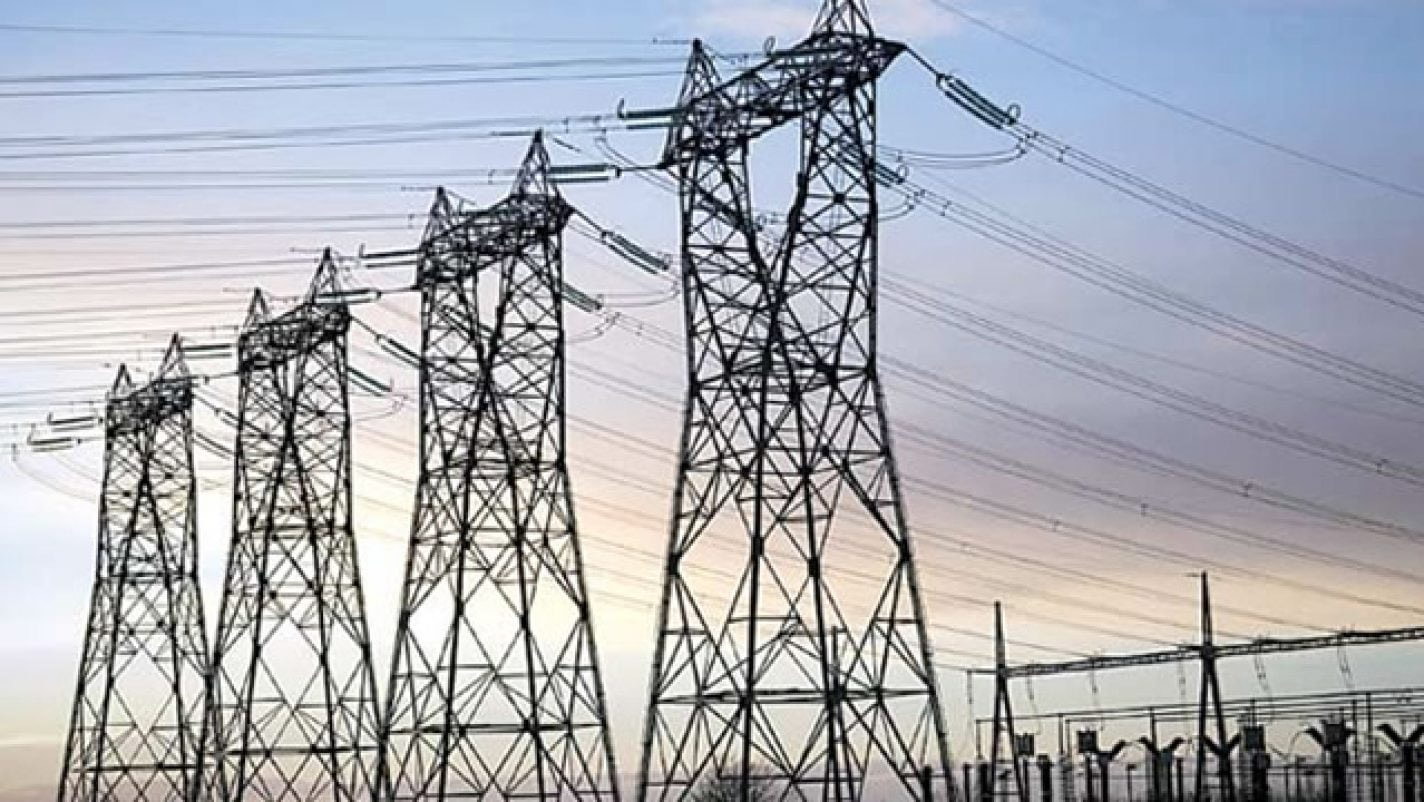
Group urges government to prioritise grid upgrades as sector faces persistent blackouts and rising demand
The Nigerian Association of Engineers (NAE) has expressed support for ongoing reforms in the nation’s power sector, while warning that inadequate infrastructure could undermine recent policy gains. The association made its position known in Lagos on Wednesday, highlighting the urgent need for government intervention to address gaps in electricity transmission and distribution networks.
According to the NAE, although recent regulatory changes have opened up new opportunities for investment and efficiency in the power industry, Nigeria’s ageing infrastructure remains a major stumbling block. Many communities across the country continue to experience frequent outages, with businesses and households bearing the brunt of unreliable supply.
The association emphasised that addressing these deficiencies is crucial if Nigerians are to benefit from reforms aimed at improving electricity access. NAE members noted that without significant upgrades to substations, transmission lines, and metering systems, efforts by federal and state authorities may fall short of delivering stable power to end-users.
“We acknowledge government’s commitment to repositioning the power sector, but we must stress that visible improvements will only be possible when infrastructure challenges are tackled head-on,” the NAE said in a statement issued after its meeting. The group further called on private investors and international partners to collaborate with local stakeholders for faster progress.
With energy demand expected to rise due to population growth and industrial expansion, experts say failure to modernise the grid could hamper economic development. The NAE urged policymakers to treat grid rehabilitation as a national emergency and ensure transparent allocation of funds for capital projects. As at press time, government officials had not responded publicly to the association’s recommendations.
Nigeria News (Standard)
Ghana’s Black Stars Defeat England 2–1 in FIFA World Cup Clash at Boston
Victory marks significant achievement for West African side as both teams battle for group stage advancement in the US-hosted tournament
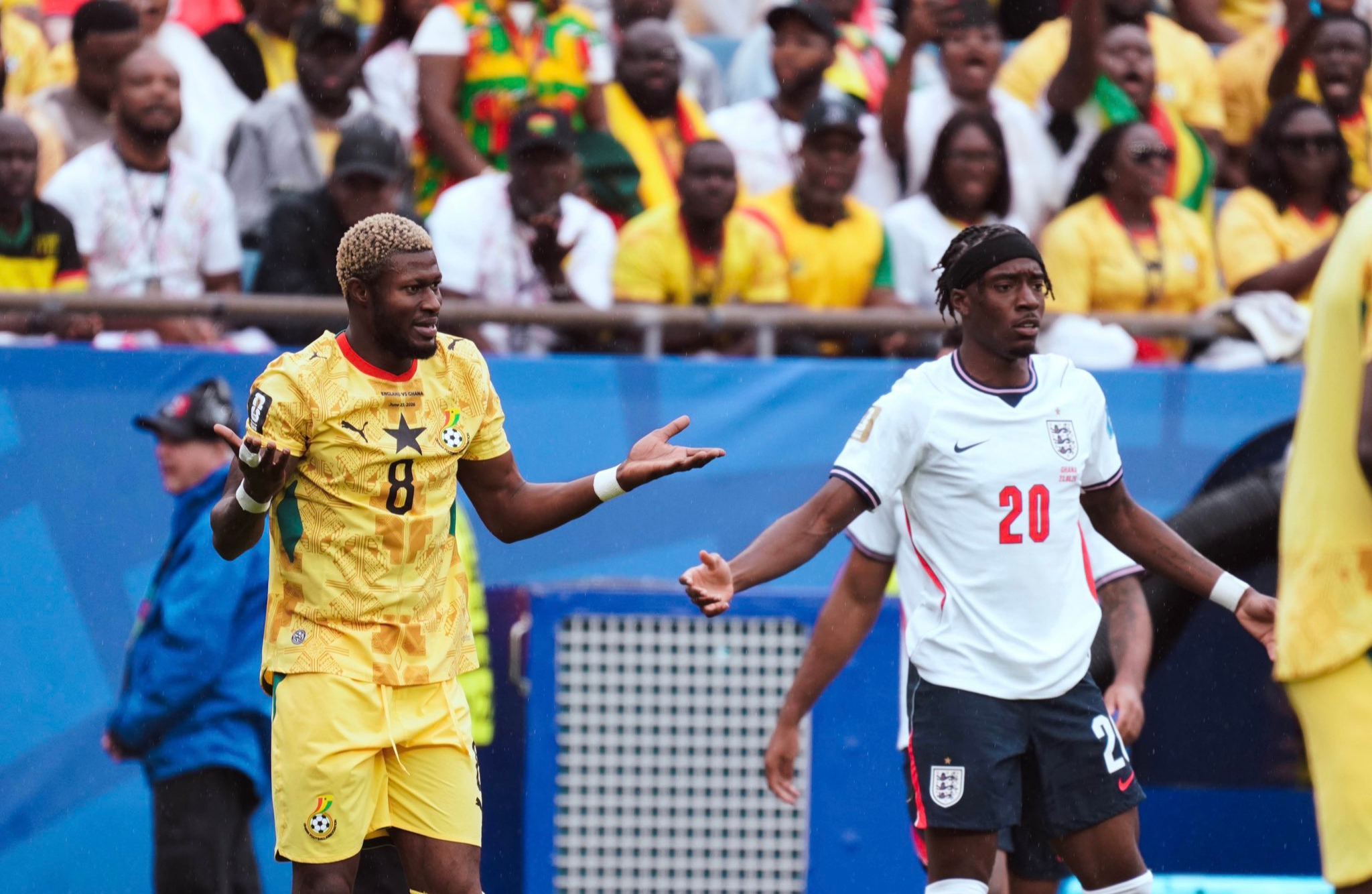
Victory marks significant achievement for West African side as both teams battle for group stage advancement in the US-hosted tournament
Ghana’s national football team, the Black Stars, recorded a 2–1 win over England’s Three Lions on Wednesday in Boston, United States, during a tightly contested FIFA World Cup group stage match. The result gives Ghana a crucial advantage as they seek to progress from their group in the ongoing global competition.
The match, played at the Gillette Stadium in Boston, saw both sides fielding strong line-ups with high expectations. Ghana struck first before England found an equaliser, but the Black Stars ultimately secured all three points with a decisive late goal. The encounter kept fans on edge until the final whistle, reflecting the intensity of World Cup football.
This victory is especially significant for Ghanaian football and African representation at the World Cup. Historically, matches between African and European teams draw large audiences and carry extra weight due to their competitive and symbolic value. Ghana’s triumph not only boosts their chances of reaching the knockout rounds but also raises hopes among supporters across West Africa.
While there were no immediate official statements from either camp following the match, analysts have highlighted Ghana’s tactical discipline and resilience as key factors in their success against England. The win will likely spark discussions about team strategies and player selections ahead of subsequent fixtures.
With this result, Ghana moves closer to securing a spot in the tournament’s next phase. Both teams will return to action in their remaining group matches as they strive for qualification, with fans and pundits alike keenly watching how the group standings develop.
Nigeria News (Standard)
Nigeria Faces Power Shortages Despite Africa’s Hydropower Growth, New Report Reveals
Study highlights steady rise in hydropower capacity across continent, while Nigerians continue to experience erratic electricity supply
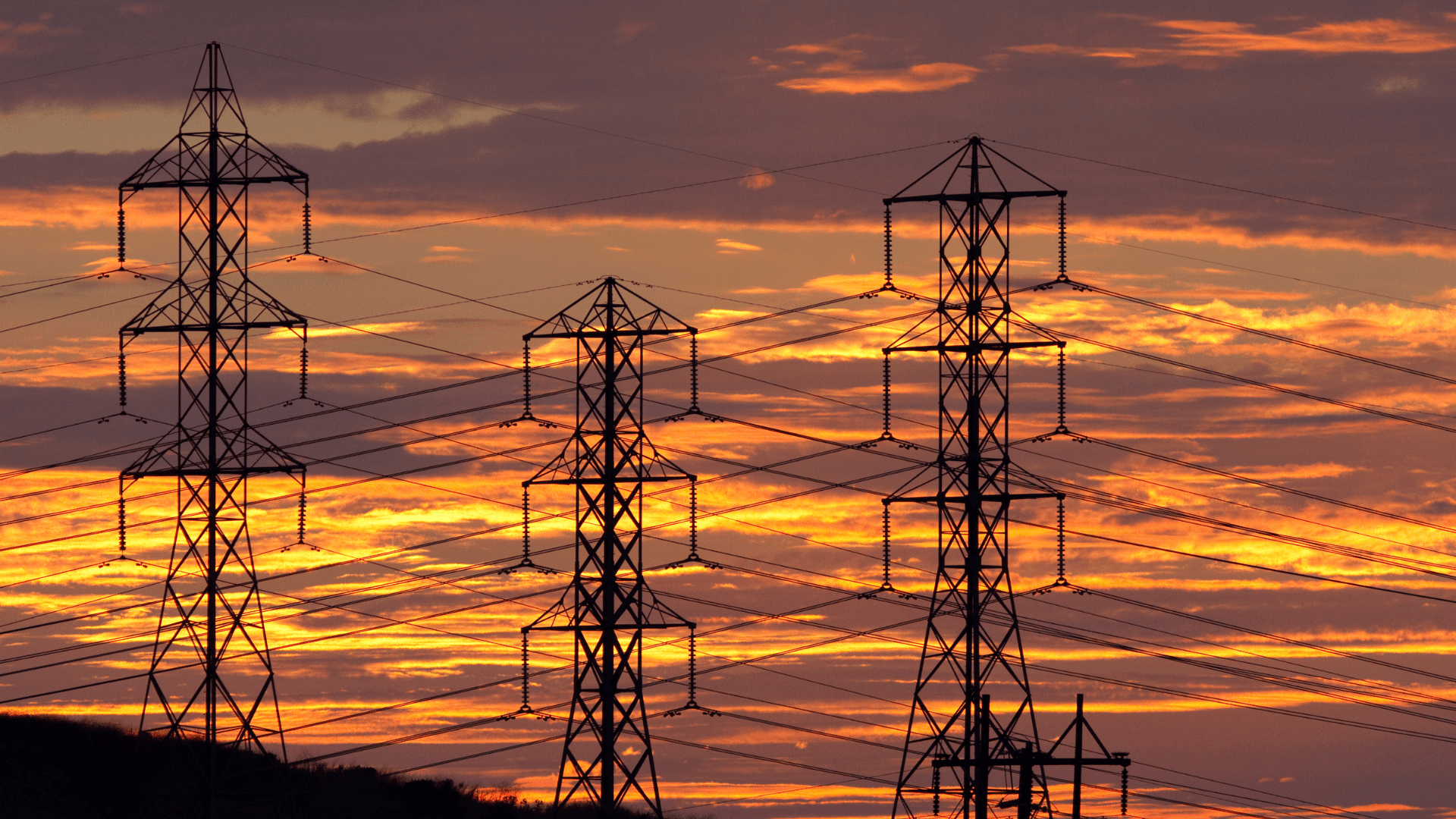
Study highlights steady rise in hydropower capacity across continent, while Nigerians continue to experience erratic electricity supply
A recent report has shown that although hydropower generation is recording significant growth across Africa, Nigeria still grapples with persistent electricity shortages. The findings, published on Wednesday, indicate that despite the continent’s overall progress in renewable energy, millions of Nigerians remain affected by unreliable power supply.
According to the report, several African countries have ramped up investments in hydropower infrastructure over recent years, leading to increased capacity and improved access to electricity in some regions. However, Nigeria—the continent’s most populous nation—continues to fall short of meeting its domestic energy needs due to a combination of ageing infrastructure and underinvestment in the power sector.
The study notes that Nigeria’s reliance on hydroelectric dams such as Kainji and Jebba has not been sufficient to address the country’s growing demand for electricity. This has resulted in frequent power outages and heavy dependence on alternative sources like diesel generators, which place additional financial burdens on households and businesses. Experts say the situation is compounded by inadequate grid maintenance and delays in completing new hydro projects.
While some stakeholders have urged government to prioritise expansion and rehabilitation of hydropower facilities, others stress the need for a diversified approach that includes solar and wind investments. The report also points out that effective regulatory reforms and transparent funding are critical for boosting Nigeria’s generation capacity.
As neighbouring countries continue to expand their renewable energy portfolios, analysts warn that failure to address Nigeria’s power challenges could hamper economic development and deter foreign investment. The report calls for urgent action from policymakers to ensure stable electricity supply for all Nigerians.
Nigerian Association of Engineers Backs Power Sector Reforms, Warns on Infrastructure Gaps
Ghana’s Black Stars Defeat England 2–1 in FIFA World Cup Clash at Boston
Nigeria Faces Power Shortages Despite Africa’s Hydropower Growth, New Report Reveals
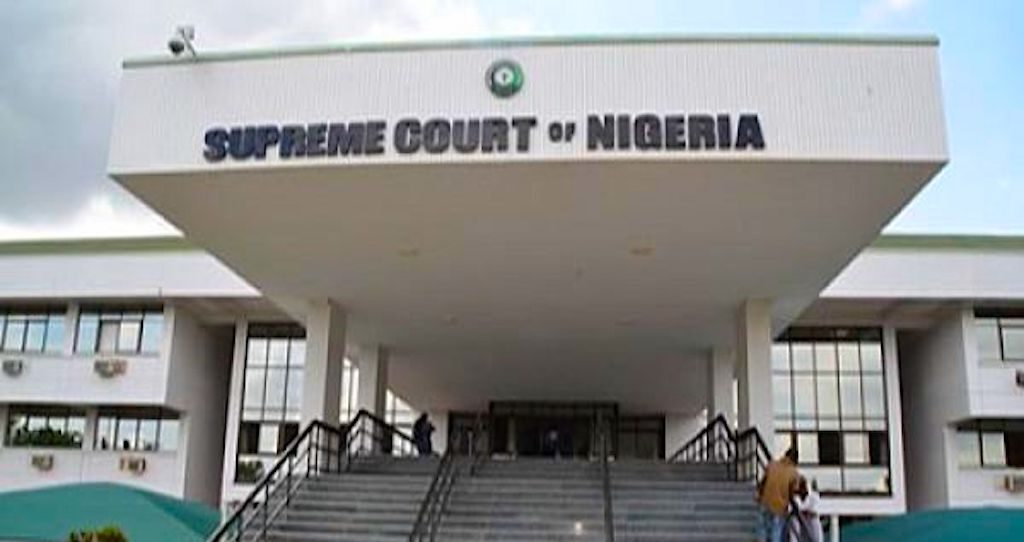
Supreme Court Slams ₦50m Fine on Lawyer, Bars Him from Nigerian Courts over ‘Abusive’ Filing
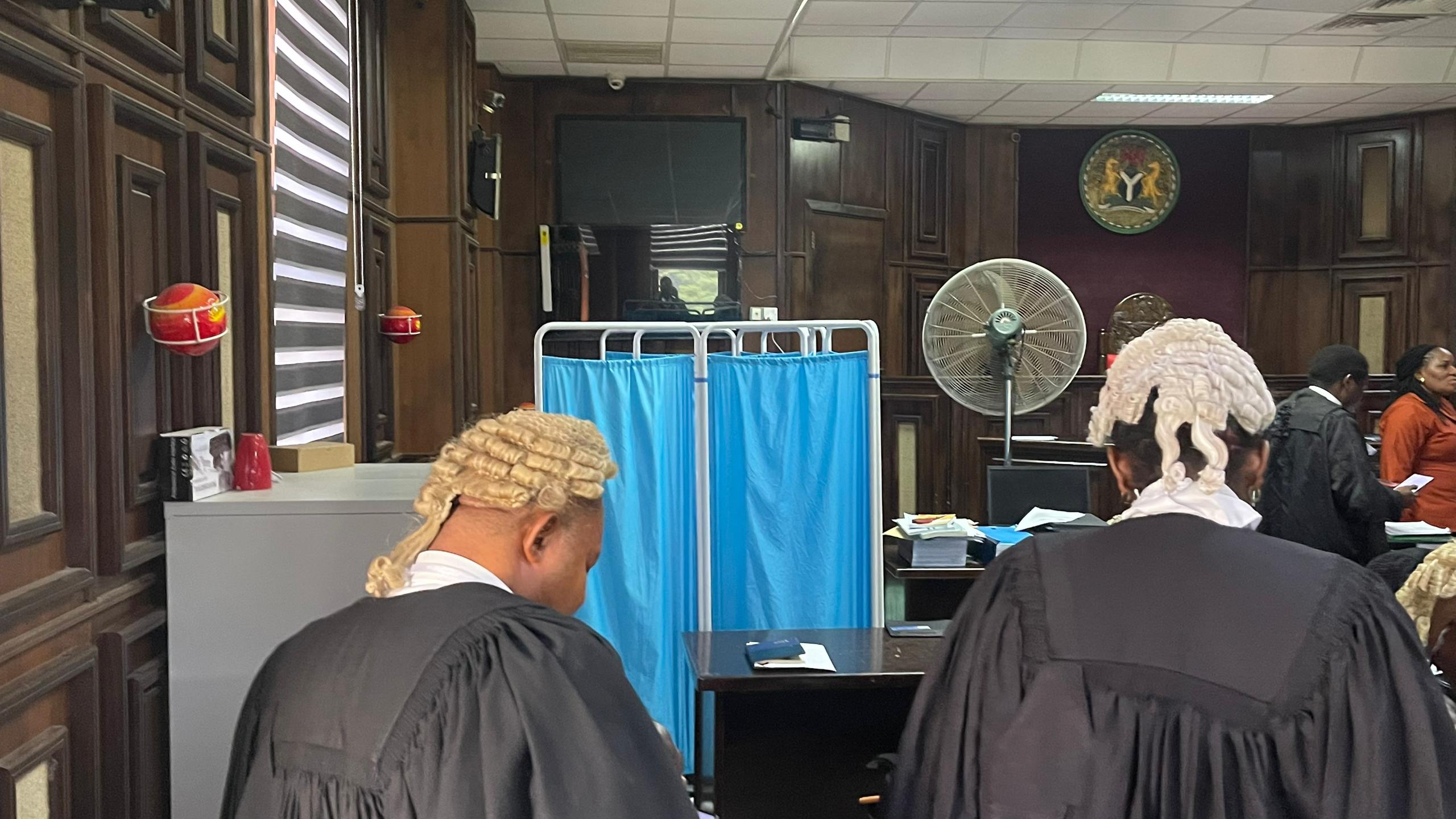
Abuja Court Orders Probe into Alleged Leaked Video as Witness Testifies in Coup Trial

Ghana Hold England in Frustrating World Cup Draw as Social Media Erupts With ‘Juju’ Claims

Ghana Match England in World Cup Feat, Equalling Super Eagles’ 24-Year Record After Dramatic First Half

Ronaldo Snubs Messi Question After Scoring Twice Against Uzbekistan
Femi Pedro Assumes Office as Nigeria’s Ambassador to Australia in Abuja Ceremony

International Rights Groups Raise Alarm Over Alleged Intimidation of SERAP in Ongoing Legal Disputes
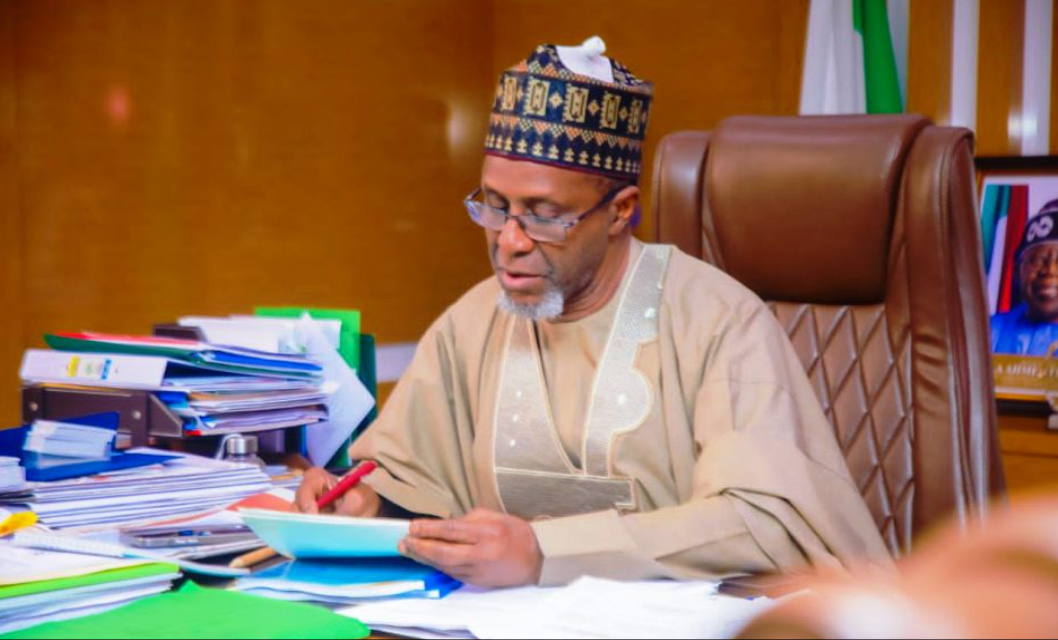
Environment Minister Urges Increased Investment in Nigeria’s Green Economy Ahead of Global Climate Summit

Gọvanmenti Nigeria Kwupụtara 53 Orù Anyanwụ Maka Ike Ọhụrụ N’iru Afọ 2050

Moniepoint Graduates Second DreamDevs Cohort in Lagos to Strengthen Nigeria’s Engineering Workforce
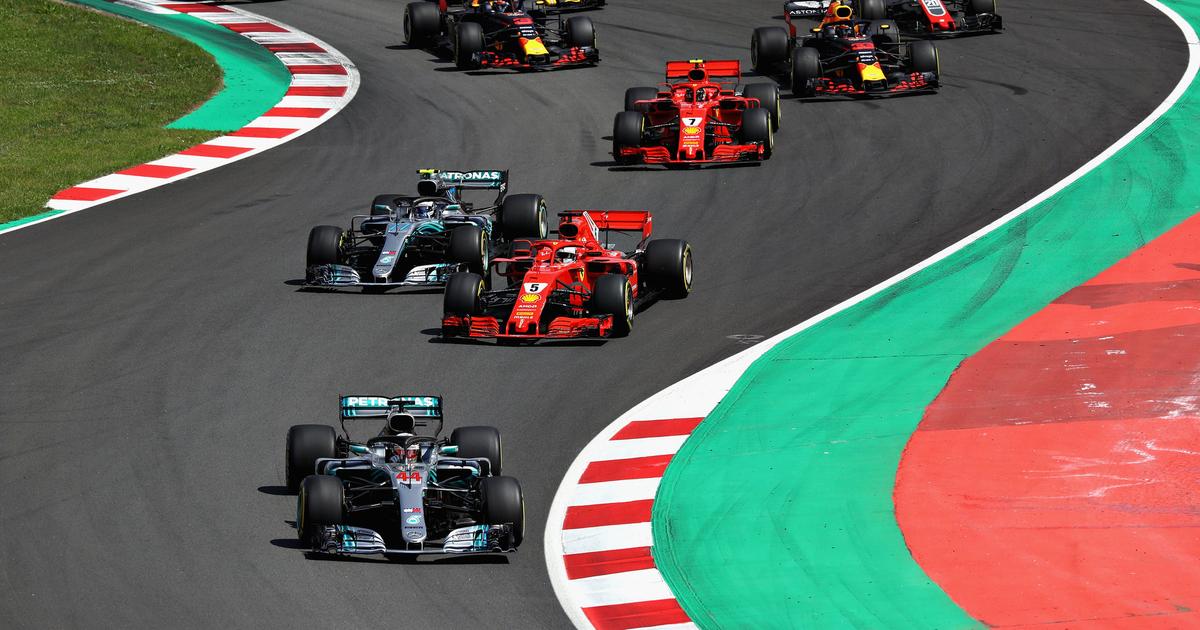
FG Launches $500m Abuja Formula 1 Bid, Targets Africa’s First Grand Prix Since 1993

Fresh Romance Rumours Trail Lando Norris as Alix Earle Sparks Drama in Monaco

Lagos Residents Spend Over ₦50bn on US Visa Applications Amid Tighter Entry Rules
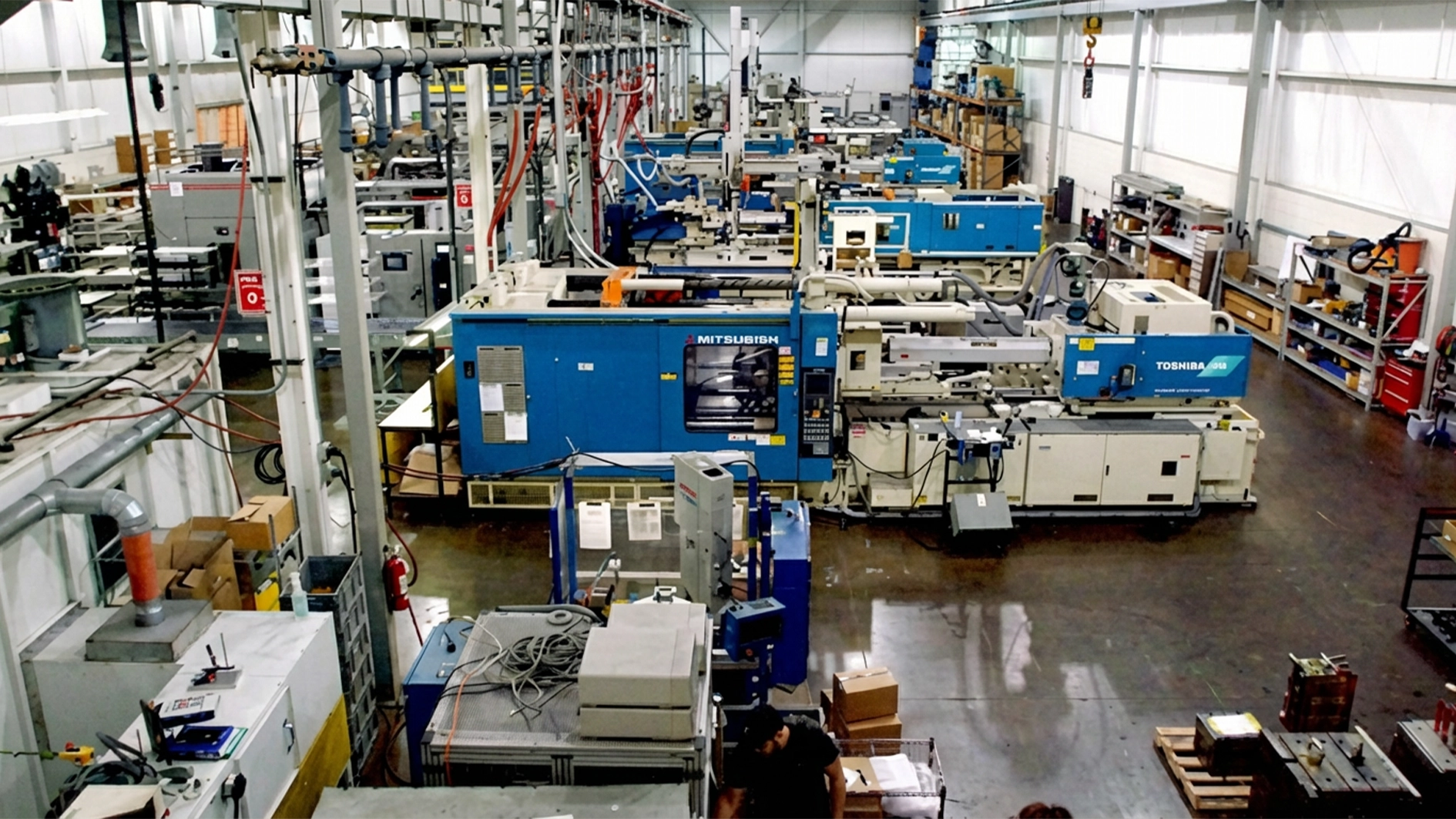
Lagos FMCG Giants Record ₦18.9bn Rise in Production Costs, Earnings Hit by Inflation in Q1
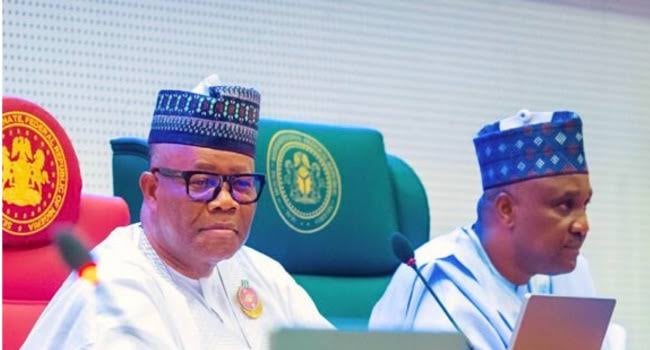
Lagos Court Declares National Assembly’s ₦110bn Vehicle and Allowance Spending Unlawful

Lagos Police Arrest Doctor, Birth Attendant Over Alleged Sale of Newborn for ₦2.5m