Nigeria News (Standard)
Nigeria Faces Power Shortages Despite Africa’s Hydropower Growth, New Report Reveals
Study highlights steady rise in hydropower capacity across continent, while Nigerians continue to experience erratic electricity supply
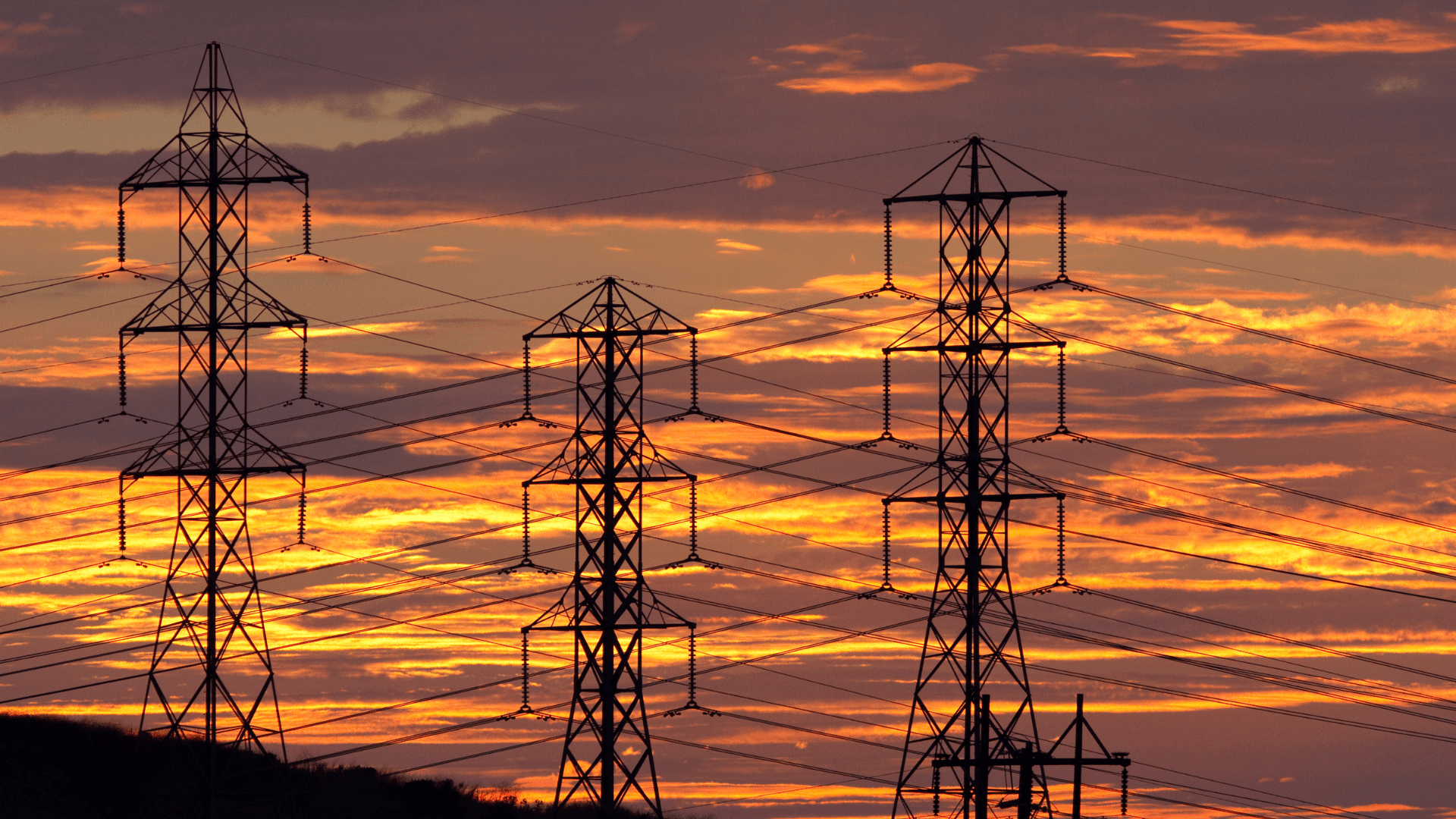
Study highlights steady rise in hydropower capacity across continent, while Nigerians continue to experience erratic electricity supply
A recent report has shown that although hydropower generation is recording significant growth across Africa, Nigeria still grapples with persistent electricity shortages. The findings, published on Wednesday, indicate that despite the continent’s overall progress in renewable energy, millions of Nigerians remain affected by unreliable power supply.
According to the report, several African countries have ramped up investments in hydropower infrastructure over recent years, leading to increased capacity and improved access to electricity in some regions. However, Nigeria—the continent’s most populous nation—continues to fall short of meeting its domestic energy needs due to a combination of ageing infrastructure and underinvestment in the power sector.
The study notes that Nigeria’s reliance on hydroelectric dams such as Kainji and Jebba has not been sufficient to address the country’s growing demand for electricity. This has resulted in frequent power outages and heavy dependence on alternative sources like diesel generators, which place additional financial burdens on households and businesses. Experts say the situation is compounded by inadequate grid maintenance and delays in completing new hydro projects.
While some stakeholders have urged government to prioritise expansion and rehabilitation of hydropower facilities, others stress the need for a diversified approach that includes solar and wind investments. The report also points out that effective regulatory reforms and transparent funding are critical for boosting Nigeria’s generation capacity.
As neighbouring countries continue to expand their renewable energy portfolios, analysts warn that failure to address Nigeria’s power challenges could hamper economic development and deter foreign investment. The report calls for urgent action from policymakers to ensure stable electricity supply for all Nigerians.
Nigeria News (Standard)
Minister Tegbe Unveils Plan for 277GW Power Capacity by 2060, Presidency Rejects Claims on Tinubu’s Re-election Promise
Federal government targets massive energy expansion with renewables as Presidency dismisses reports on Tinubu’s alleged electricity pledge
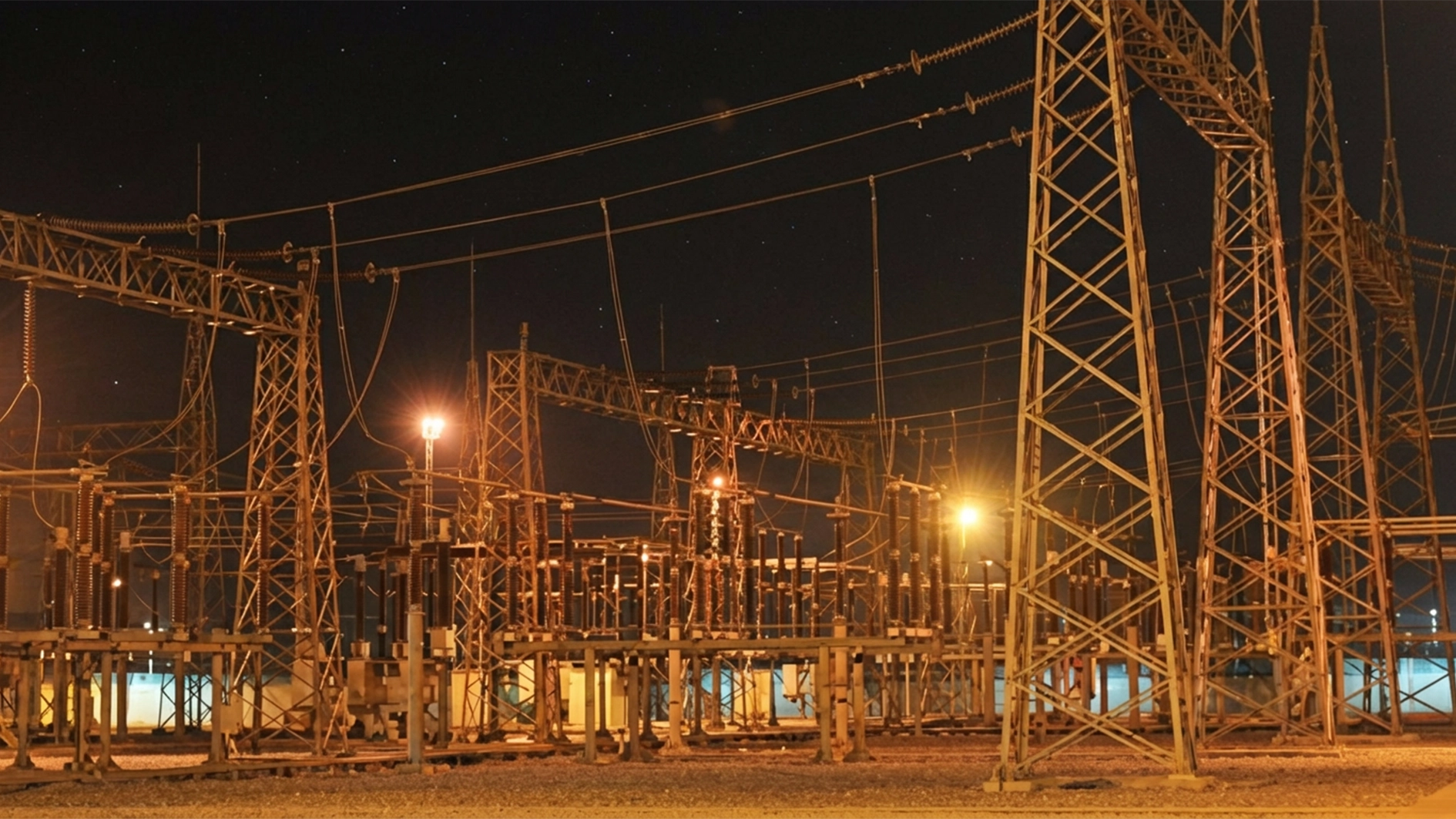
Federal government targets massive energy expansion with renewables as Presidency dismisses reports on Tinubu’s alleged electricity pledge
Minister of Power, Joseph Tegbe, has announced that Nigeria is set to pursue an ambitious target of increasing the nation’s installed electricity capacity to 277 gigawatts (GW) by the year 2060. Speaking on Monday at the Lagos Chamber of Commerce and Industry (LCCI) Renewable Energy Outlook Conference held at Commerce House in Lagos, Tegbe said government’s energy transition agenda will focus on leveraging renewable resources and private sector investment to tackle energy poverty and drive industrial growth.
Tegbe highlighted that the plan forms part of government’s broader strategy to address both climate change and the persistent lack of adequate power supply across the country. According to him, boosting power generation is central to Nigeria’s economic competitiveness and long-term development. The minister explained that by focusing on renewables, government aims to improve access for millions of Nigerians currently facing unreliable electricity, while also meeting global climate commitments.
He stated: “Nigeria’s energy transition agenda is designed not only to tackle climate concerns but also to address energy poverty, improve industrial competitiveness and create jobs.” Tegbe added that achieving this target would require significant investments from both public and private sectors, as well as policy reforms to attract investors into the power sector.
Meanwhile, Special Adviser to President Bola Tinubu on Media and Publicity, Bayo Onanuga, has refuted claims circulating online that President Tinubu vowed not to seek re-election if he failed to substantially improve power supply during his tenure. Onanuga described such reports as false and misleading, insisting that the President has not made any such commitment regarding his political future or electricity targets.
The power sector remains a critical challenge for Nigeria’s development, with frequent outages affecting businesses and households nationwide. Stakeholders at the conference urged government to prioritise implementation of reforms and ensure transparency in project execution. Experts say realising a 277GW capacity will depend on stable policy direction, sustained funding, and effective regulation over the coming decades.
Nigeria News (Standard)
Economists Gather in Uyo to Assess Nigeria’s Debt and Poverty Under Buhari, Tinubu Administrations
Experts to review monetary policy, food security, and manufacturing as Akpan Ekpo Centre hosts national dialogue at UniUyo

Experts to review monetary policy, food security, and manufacturing as Akpan Ekpo Centre hosts national dialogue at UniUyo
Leading economists and policy experts will converge on Uyo, Akwa Ibom State this Friday for a national dialogue aimed at appraising Nigeria’s economic performance since 2015. The event, holding at the University of Uyo and convened by the Akpan Ekpo Centre for Public Policy, is set to address critical issues such as the country’s rising debt profile, persistent poverty, governance record, and manufacturing sector challenges.
The forum is being organised in honour of renowned economist and public policy scholar, Professor Akpan Hogan Ekpo, who will deliver the keynote address as he marks his 72nd birthday. According to organisers, participants will include academics and senior stakeholders from across the country’s economic landscape.
Among those scheduled to speak are Professor Chikanele Asuru, who will focus on trends in monetary and fiscal policy, labour market dynamics, poverty rates and growing inequality. Professor Emmanuel Onwioduokit is expected to examine Nigeria’s debt management approach in recent years—including under both President Muhammadu Buhari (APC) and President Bola Tinubu (APC)—and offer recommendations for sustainable fiscal practices.
The dialogue comes at a time when Nigerians are grappling with inflationary pressures that have pushed food prices higher and worsened living conditions for millions. The National Bureau of Statistics recently reported inflation above 30 percent, while unemployment remains a pressing concern. Many observers say effective policy responses are urgently needed to reverse declining manufacturing output and ensure food security.
Stakeholders at the event are expected to produce recommendations for government action on key challenges affecting ordinary citizens. The outcomes from the Uyo dialogue may inform future interventions by federal ministries as well as legislative oversight by the National Assembly. As at press time, no official government statement had been released regarding anticipated responses to the dialogue’s resolutions.
Source: https://guardian.ng/business-services/economists-to-appraise-nigerias-performance-at-uyo-dialogue/
Nigeria News (Standard)
Manufacturers Association Reports ₦1.9trn Decline in Bank Credit as Capacity Utilisation Falls Nationwide
MAN urges urgent reduction of benchmark interest rate after sector credit drops to ₦6.61trn by end of 2025

MAN urges urgent reduction of benchmark interest rate after sector credit drops to ₦6.61trn by end of 2025
Bank lending to Nigeria’s manufacturing sector has dropped sharply by ₦1.92 trillion, falling from ₦8.53 trillion in December 2024 to ₦6.61 trillion at the close of 2025, according to the Manufacturers Association of Nigeria (MAN). The development, which MAN described as a severe financial constraint, has led to reduced capacity utilisation and job losses across the country.
The Director-General of MAN, Segun Ajayi-Kadir, disclosed this data on Tuesday while highlighting the challenges manufacturers are facing amid declining commercial credit from banks. He stated that the manufacturing sector experienced a significant 22.5 percent contraction in bank credit allocation within the year—one of the largest drops among all major economic sectors, with only general services posting a higher shortfall at 25 percent.
Ajayi-Kadir explained that the reduction in available credit has suppressed manufacturers’ ability to operate at optimal levels, stagnated their contribution to Nigeria’s GDP, and intensified price pressures due to production shortfalls. He warned that unless urgent steps are taken, including an adjustment in monetary policy, the sector’s performance would remain hampered.
“The present funding arrangement is not sustainable for our members or the wider economy,” Ajayi-Kadir said, urging monetary authorities to lower the benchmark interest rate by at least 200 basis points over the next two quarters. He emphasised that improved access to affordable financing is critical if manufacturers are to boost output and sustain jobs amid current economic headwinds.
MAN called on policymakers and relevant agencies to urgently address these concerns through coordinated interventions targeting lower lending rates and better access to long-term capital for industrial players. Without such action, stakeholders warned that further contractions could undermine Nigeria’s ambitions for industrial growth and economic diversification.

South Korea Stumble as South Africa Make FIFA World Cup History — Africans Left Wanting More
Minister Tegbe Unveils Plan for 277GW Power Capacity by 2060, Presidency Rejects Claims on Tinubu’s Re-election Promise

No Details Yet on African Teams in 2026 World Cup Knockout — Official Records Not Released
Economists Gather in Uyo to Assess Nigeria’s Debt and Poverty Under Buhari, Tinubu Administrations
Manufacturers Association Reports ₦1.9trn Decline in Bank Credit as Capacity Utilisation Falls Nationwide

IATA Reports Airlines Lost $11bn to Aircraft Supply Chain Delays in 2025

TotalEnergies Chairman Torres Projects Profit Rebound After ₦13.85bn Loss in 2025

AOPAN President Rejects Lagos Aviation Bank Proposal, Warns on Single-Digit Loan Demand

Tinubu Unveils National Poverty Intelligence Lab in Abuja to Address 140 Million Living Below Poverty Line

Oyetola Unveils $50m Port Expansion in Abuja, Targets Maritime Hub Status for Nigeria
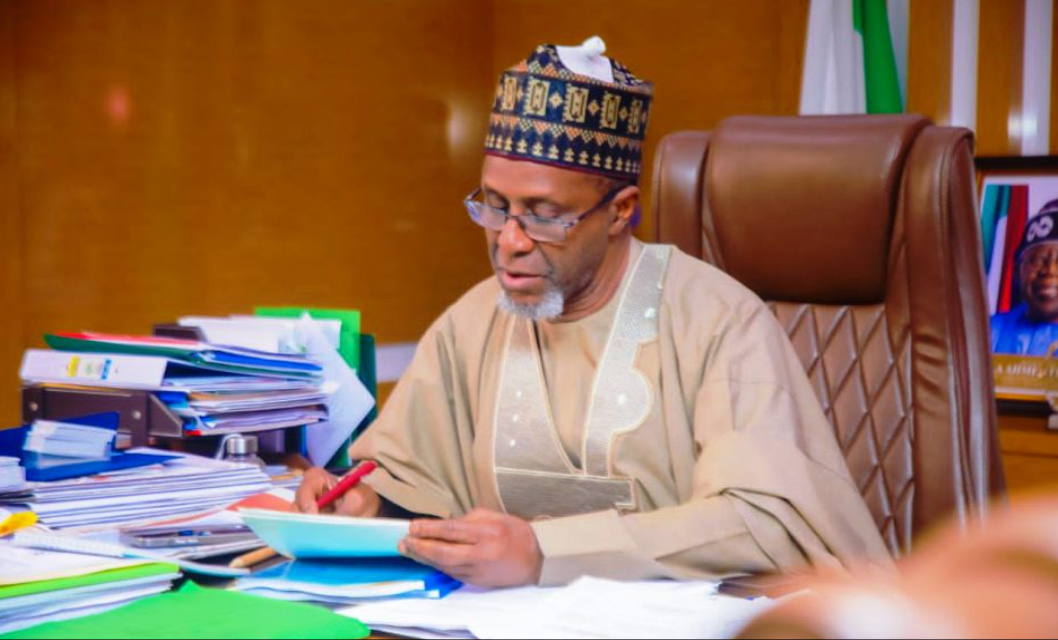
Environment Minister Urges Increased Investment in Nigeria’s Green Economy Ahead of Global Climate Summit

Gọvanmenti Nigeria Kwupụtara 53 Orù Anyanwụ Maka Ike Ọhụrụ N’iru Afọ 2050

Moniepoint Graduates Second DreamDevs Cohort in Lagos to Strengthen Nigeria’s Engineering Workforce
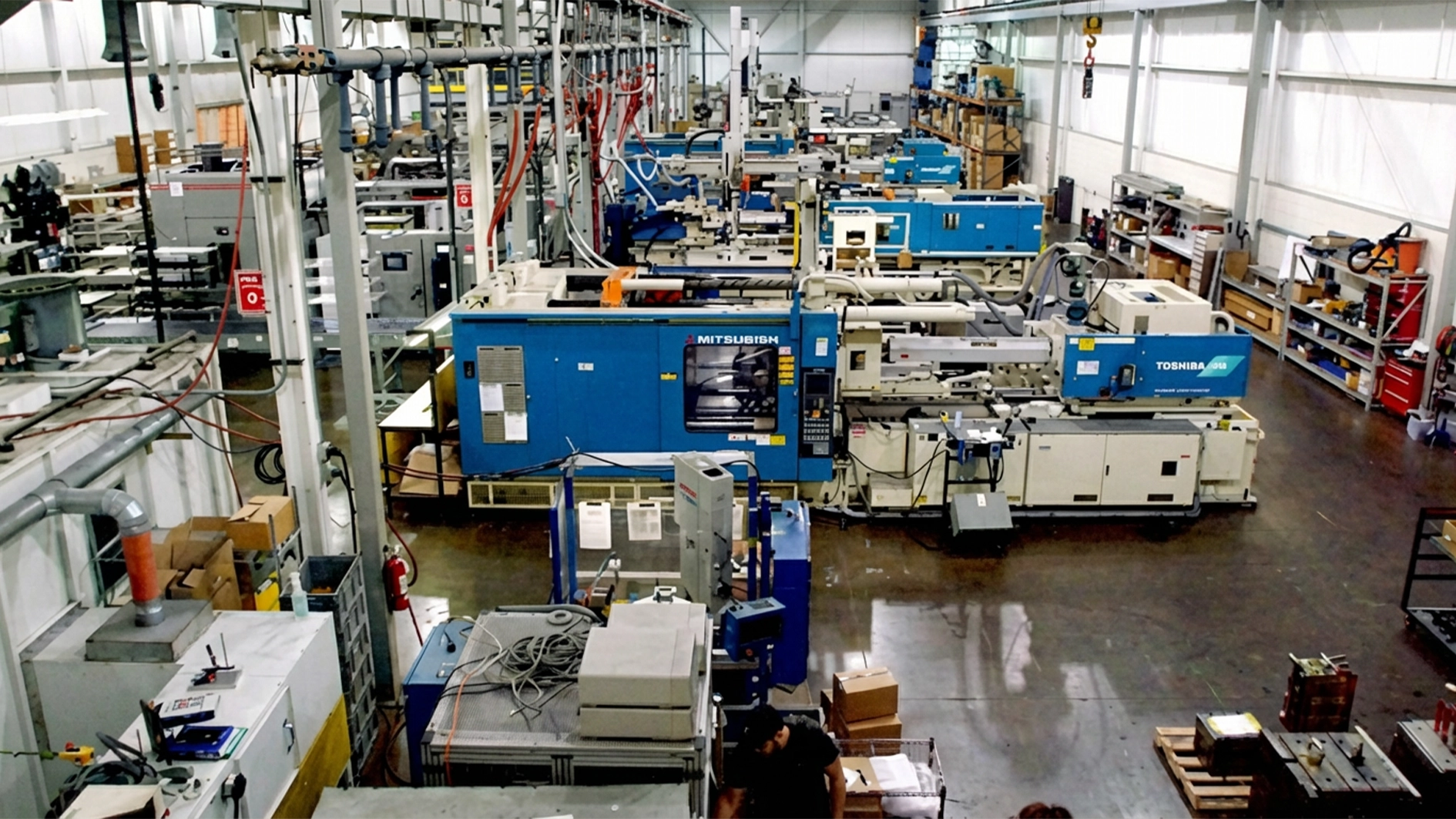
Lagos FMCG Giants Record ₦18.9bn Rise in Production Costs, Earnings Hit by Inflation in Q1
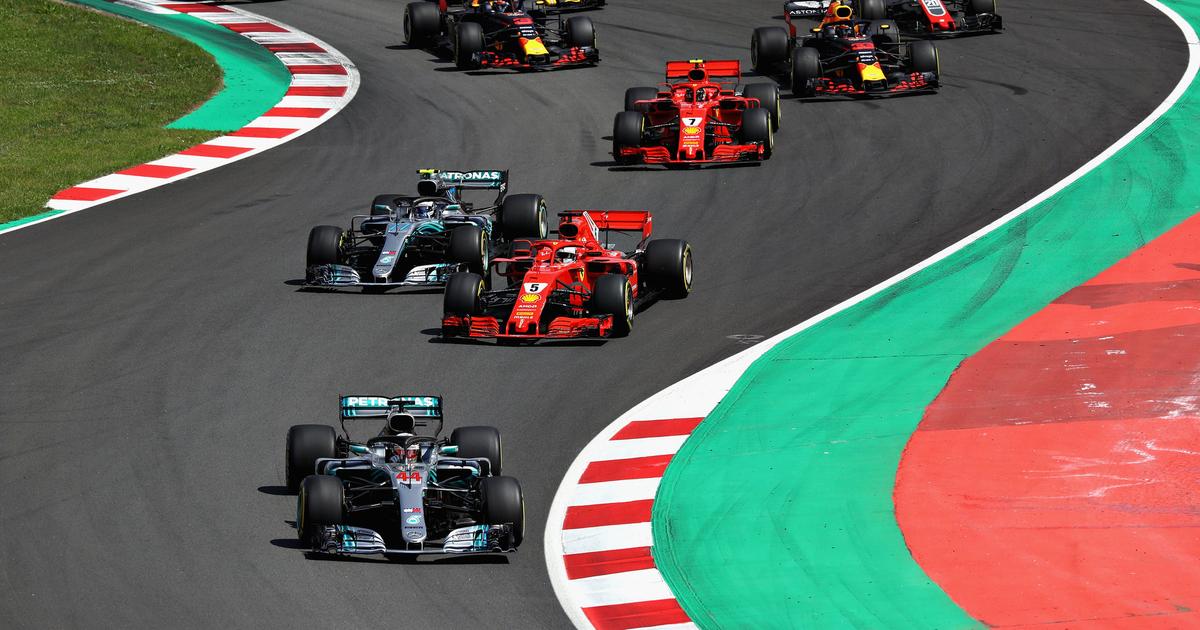
FG Launches $500m Abuja Formula 1 Bid, Targets Africa’s First Grand Prix Since 1993

Lagos Residents Spend Over ₦50bn on US Visa Applications Amid Tighter Entry Rules

Fresh Romance Rumours Trail Lando Norris as Alix Earle Sparks Drama in Monaco
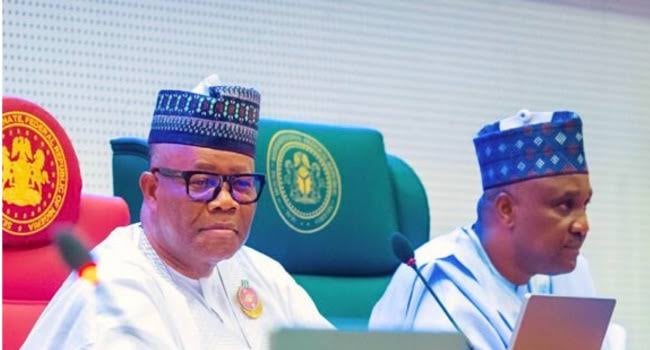
Lagos Court Declares National Assembly’s ₦110bn Vehicle and Allowance Spending Unlawful

Lagos Police Arrest Doctor, Birth Attendant Over Alleged Sale of Newborn for ₦2.5m