
Nigeria News (Standard)
Akwa Ibom Police Command Refutes Skit Maker’s Claim on Governor Eno’s ₦10m Donation to Late Officer’s Family
Police deny social media reports alleging Akwa Ibom Governor Umo Eno donated ₦10 million to family of slain officer
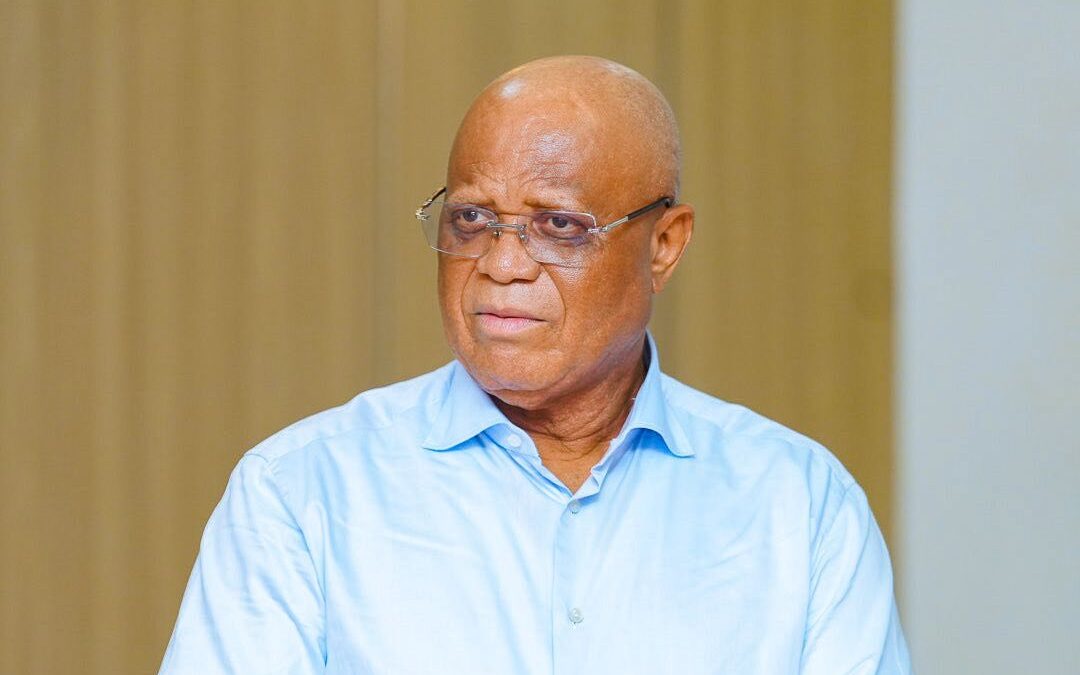
Police deny social media reports alleging Akwa Ibom Governor Umo Eno donated ₦10 million to family of slain officer
The Akwa Ibom State Police Command has dismissed claims circulating on social media that Governor Umo Eno donated ₦10 million to the family of a deceased police officer. The controversy arose after a popular skit maker alleged in a recent post that such a donation had been made by the state government, sparking public debate and sympathy online.
The police, in an official statement issued Tuesday in Uyo, stated unequivocally that no such financial contribution was received from Governor Eno or the state government for the bereaved family. According to the command, the information being spread is false and misleading, and the public should disregard it. The statement also cautioned against using unverified claims to incite sentiments or discredit the efforts of the state government and security agencies.
This incident comes at a time when issues of welfare for security personnel and their families have drawn national attention, especially following cases where officers killed in active service are celebrated online without corresponding institutional support. The purported donation had generated reactions from members of the public, with many calling for greater transparency regarding assistance extended to families of fallen officers.
While addressing the matter, the Akwa Ibom State Police Command emphasised its commitment to supporting officers’ families within available resources and in collaboration with relevant stakeholders. The command further urged content creators and citizens to verify sensitive information before sharing it on social platforms. As at press time, there was no official response from Governor Umo Eno or his aides regarding the viral claim.
The police reiterated their appeal for responsible reportage and assured continued engagement with both media practitioners and community members on issues affecting security personnel in Akwa Ibom.
Nigeria News (Standard)
Oyo State Government Demolishes Ibadan Building Used as Criminal Hideout, Arms Storehouse
Commissioner Abdulmojeed Mogbonjubola leads demolition in Egbeda LGA after security agencies uncover weapons cache

Commissioner Abdulmojeed Mogbonjubola leads demolition in Egbeda LGA after security agencies uncover weapons cache
Oyo State Government on Tuesday demolished a residential building in Gbenku community, Arubiewe Road, off Olodo Garage, Egbeda Local Government Area of Ibadan, following its alleged use as a criminal hideout and arms storehouse. The exercise was led by Commissioner for Public Works and Transport, Abdulmojeed Mogbonjubola, with support from Nigeria Police Force operatives and Egbeda LGA officials.
According to Mogbonjubola, the demolition followed an investigation by security agencies who uncovered a cache of arms and ammunition within the compound. The property consisted of a storey building and two bungalows enclosed by a fence. He stated that the state government approved the demolition after being notified by law enforcement agencies about the security threat posed by the premises.
The commissioner explained that this action is part of Governor Seyi Makinde’s broader initiative to address insecurity across Oyo State, especially the rising incidents of kidnapping and violent crime in urban and peri-urban areas. The government said it is committed to ensuring the safety of lives and property for all residents.
Speaking during the demolition exercise, Mogbonjubola said: “Security agencies discovered weapons on this property during their routine investigation. Based on their findings, we obtained approval from government to demolish this structure. We will not tolerate any attempt to compromise public safety in Oyo State.”
As at press time, no group or individual had claimed ownership of the building. The state government warned that similar measures would be taken against any property found to harbour criminal activity. Residents in the area welcomed the move but urged government to enhance patrols and surveillance to prevent future recurrence.
Nigeria News (Standard)
Recording Academy Unveils Major Grammy Awards Rule Changes Ahead of 2027 Ceremony
New categories, expanded eligibility for Best New Artist, and voting reforms set to reshape global music recognition

New categories, expanded eligibility for Best New Artist, and voting reforms set to reshape global music recognition
The Recording Academy has announced a series of significant changes to the Grammy Awards ahead of the 69th edition scheduled for 7 February 2027. The updates, which affect category definitions, eligibility rules and voting procedures, will directly impact Nigerian and African artists aiming for international recognition.
According to the Academy, the headline reform is an expanded eligibility window for Best New Artist. From 2027, musicians can now be submitted up to four times in this category—an increase from the previous three—giving emerging talents a longer runway to break into global prominence. Industry watchers note that this addresses concerns that rising stars from markets like Nigeria were often excluded by earlier restrictions despite growing steadily over several years.
Five new award categories have also been introduced, reflecting shifts in the global music landscape. These include Best Asian Pop Music Performance—which covers K-pop, J-pop, C-pop and other Asian-language genres—and Best R&B Collaboration or Duo/Group Performance. The latter splits the existing R&B performance prize into separate solo and collaborative awards. Other additions are Best Traditional Pop Vocal Performance, Best Traditional Folk Album (with the previous category renamed Best Contemporary Folk Album), and Best Latin Song to specifically honour songwriters behind Spanish-language tracks.
Voting reforms are also part of the overhaul. A new Ballot Plus system allows eligible Recording Academy members with verified multi-genre credits to vote in up to 15 categories instead of the standard 10. This move is expected to broaden genre representation and give more voice to professionals with diverse backgrounds.
Additional adjustments announced include lowering the threshold for album eligibility: projects now require only 66 percent new recordings instead of 75 percent. Furthermore, songwriters and composers will receive Grammy statuettes when their albums win in genre categories—a recognition previously reserved for producers and engineers.
The Recording Academy said these measures were introduced after consultations with global stakeholders in response to ongoing calls for inclusivity and evolving musical trends. Nigerian artists and industry leaders are expected to monitor these developments closely as preparations begin for submissions ahead of the next ceremony.
Source: https://www.pulse.ng/story/grammy-awards-2027-new-categories-rule-changes-2026061618305077085
Nigeria News (Standard)
INEC Seeks Court Stay on Deregistration of Five Parties in Abuja, Boosts Atiku, Adeleke Hopes
Electoral body challenges Abuja court order as PDP leaders await final decision affecting opposition alliance strength
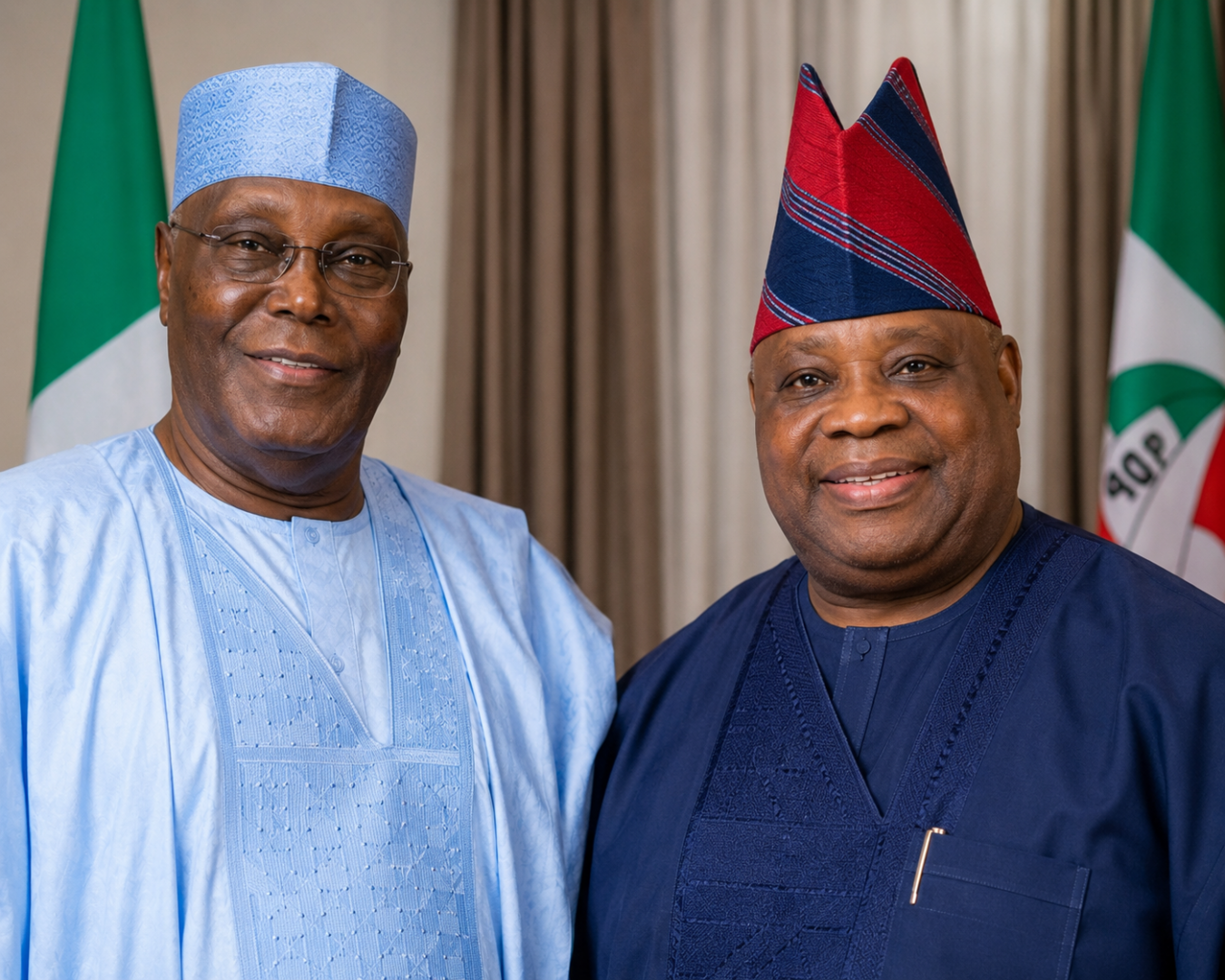
Electoral body challenges Abuja court order as PDP leaders await final decision affecting opposition alliance strength
The Independent National Electoral Commission (INEC) has applied for a stay of execution on a recent Federal High Court order in Abuja that directed the deregistration of five political parties. The move, announced on Tuesday, comes as top opposition figures including former Vice President Atiku Abubakar and Osun State Governor Ademola Adeleke watch developments closely, given the potential impact on their political strategies.
According to filings, INEC is contesting the court’s ruling which mandates it to remove the affected parties from its register. The commission’s legal team submitted its request for a suspension of the deregistration order pending determination of an appeal it has lodged against the judgment. No further details were provided on the identities of the five parties involved or their current electoral standing.
The dispute follows ongoing controversies over the legal requirements for political party existence and participation in elections. In recent years, INEC has repeatedly clashed with smaller parties and their supporters over guidelines that stipulate minimum electoral performance thresholds. Observers say these cases have implications for future coalition-building among opposition blocs, especially as aggrieved PDP stalwarts like Atiku and Adeleke seek to consolidate support ahead of coming national polls.
INEC officials argue that deregistration is necessary to maintain an efficient ballot and prevent what they describe as ‘ballot paper congestion.’ However, affected party representatives insist that the commission’s actions undermine multiparty democracy and disenfranchise Nigerians who support alternative platforms. The Federal High Court’s latest order adds another layer of uncertainty to Nigeria’s political landscape ahead of key elections.
A ruling in favour of INEC could see immediate removal of the five parties from all official lists, while a stay would allow them to continue operating until final judgment is reached. Political analysts note that the outcome may shape how major opposition candidates like Atiku and Adeleke approach alliances with smaller groups in future contests.

Czech Republic and South Africa Set for Must-Win 2026 World Cup Clash — Loser Faces Early Exit
Oyo State Government Demolishes Ibadan Building Used as Criminal Hideout, Arms Storehouse
Recording Academy Unveils Major Grammy Awards Rule Changes Ahead of 2027 Ceremony

Confusion as AC Milan Announce Signing of ‘Former Man United Boss’ Amorim—Details Missing

Iker Casillas Responds as Spain Face Cape Verde in 2026 World Cup Build-Up
INEC Seeks Court Stay on Deregistration of Five Parties in Abuja, Boosts Atiku, Adeleke Hopes
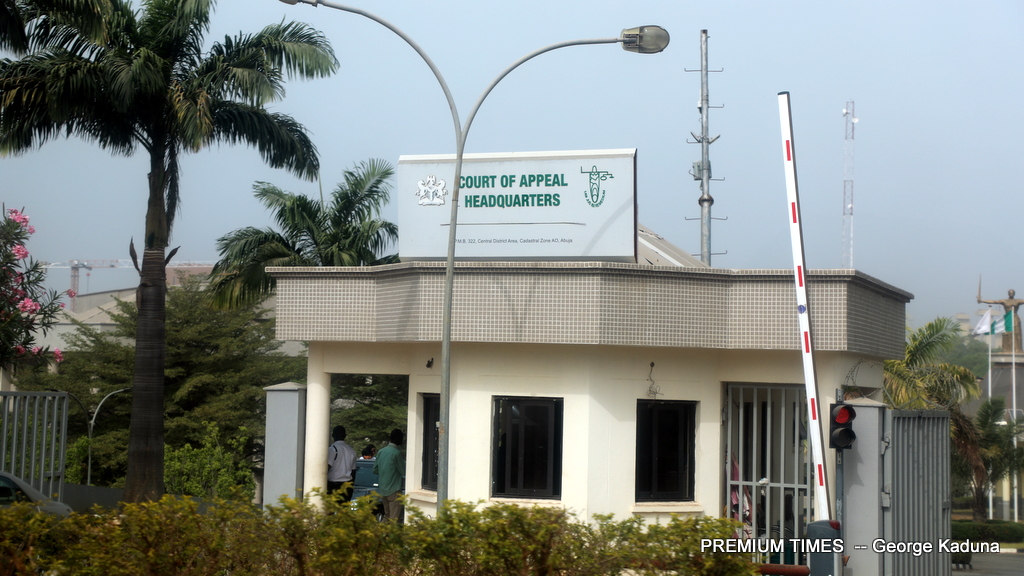
Abuja Appeal Court Halts Deregistration of ADC, Accord, Three Other Opposition Parties

Enugu Government Approves Airport Concession, Eyes $30bn State Economy Target

Recording Academy Introduces Five New Grammy Categories After African Music Milestone

Ghana vs Panama: World Cup Qualification Clash Set for Potential Upset, but Key Details Still Missing
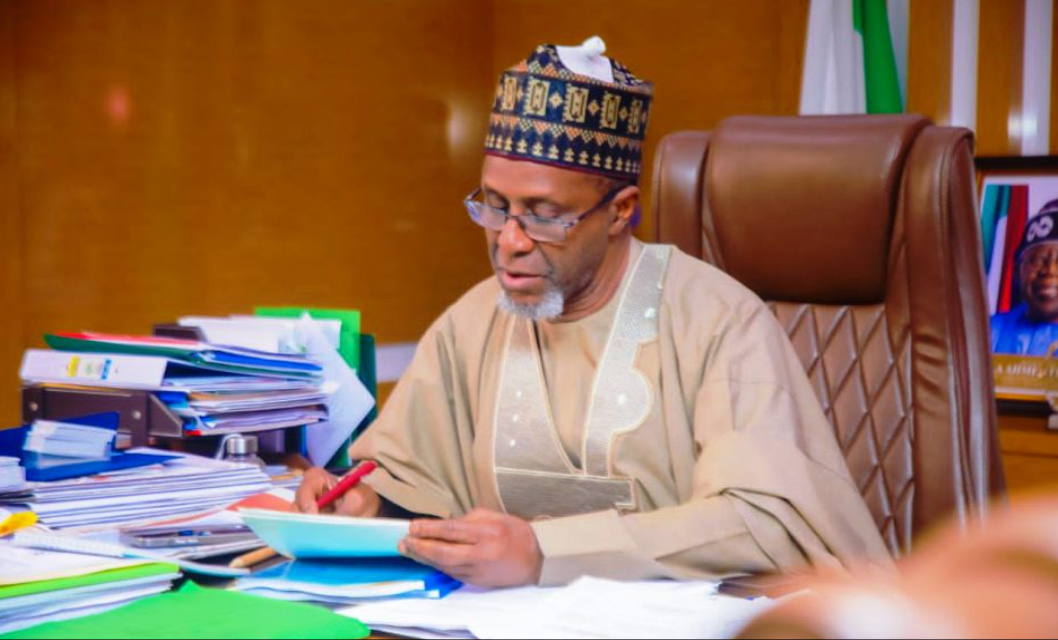
Environment Minister Urges Increased Investment in Nigeria’s Green Economy Ahead of Global Climate Summit

Moniepoint Graduates Second DreamDevs Cohort in Lagos to Strengthen Nigeria’s Engineering Workforce

Gọvanmenti Nigeria Kwupụtara 53 Orù Anyanwụ Maka Ike Ọhụrụ N’iru Afọ 2050

Fresh Romance Rumours Trail Lando Norris as Alix Earle Sparks Drama in Monaco
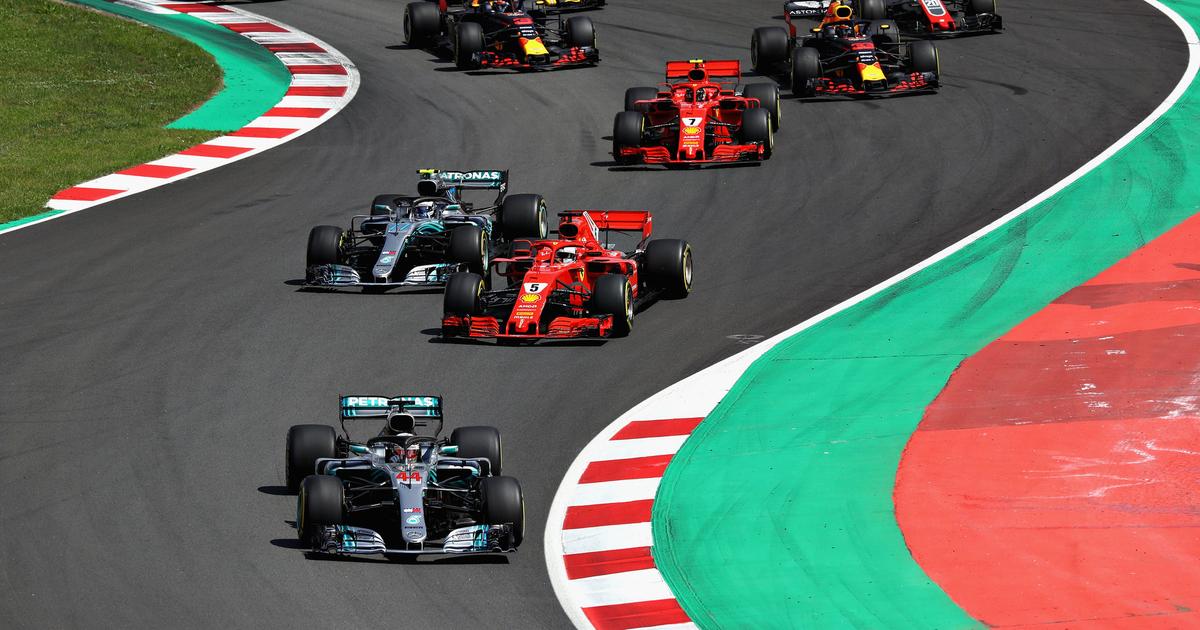
FG Launches $500m Abuja Formula 1 Bid, Targets Africa’s First Grand Prix Since 1993

Why More Nigerians Are Searching for Casino Bonuses—and What You Should Know Before Claiming

Ụlọ Ọrụ Nigeria Kwupụtara Nsogbu Nchekwa na Ụtụ Isi N’agbanyeghị Ịrị Elu Obi Ike Ahịa
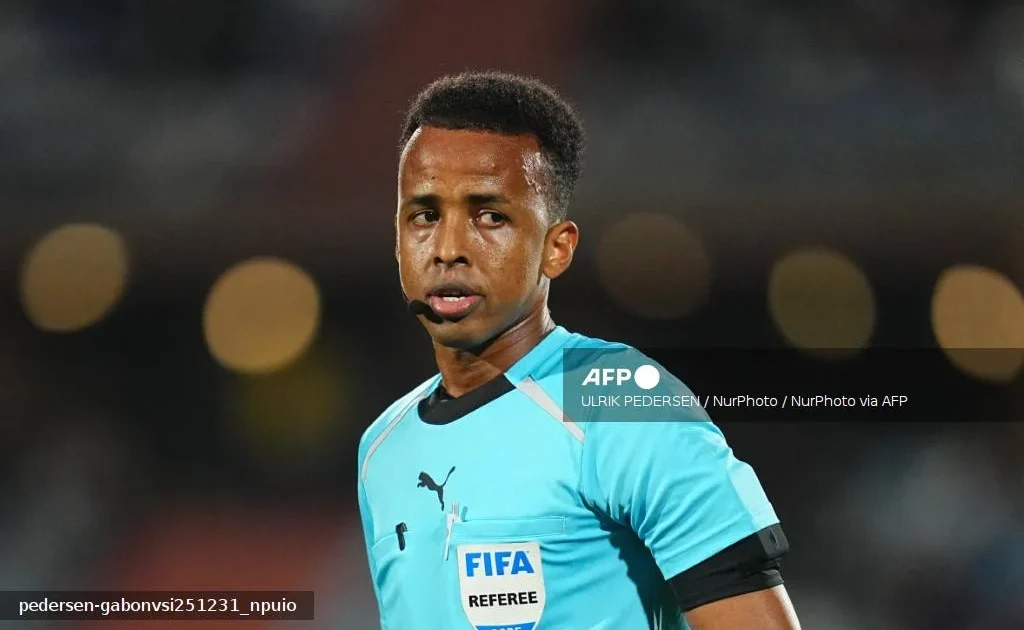
Somali Referee Omar Artan Blocked From US World Cup Over Visa Row, Misses Dream Debut

Federal Government Launches Mining Grants for Research and Exploration Across Nigeria