Nigeria News (Standard)
CBN Governor Cardoso Flags ₦5.19trn Cash Hoarding Despite Push for Digital Payments
Currency held outside banks rises by ₦109bn in May as over 91% of naira circulation remains informal

Currency held outside banks rises by ₦109bn in May as over 91% of naira circulation remains informal
Currency hoarding outside Nigeria’s banking sector has reached a new high of ₦5.19 trillion as at May, according to latest data released by the Central Bank of Nigeria (CBN). The figures, announced by CBN Governor Olayemi Cardoso in Abuja on Monday, highlight a growing challenge for financial authorities pushing to shift economic activity onto digital platforms.
CBN’s updated Money and Credit Statistics revealed that the amount of cash held outside banks rose by ₦109.34 billion from April’s level of ₦5.08 trillion. Compared to May last year, this represents an increase of ₦559.16 billion, up from ₦4.63 trillion previously recorded. The apex bank stated that 91.27 percent of all currency in circulation was now outside the formal banking system, up from 90.03 percent a month earlier.
This trend comes at a time when government and financial institutions are intensifying efforts to promote cashless transactions through bank transfers, mobile money, agent banking and fintech platforms. However, the bulk of Nigeria’s naira supply continues to circulate within households, businesses and informal markets rather than being deposited in banks or channelled through digital payment systems.
Experts say persistent cash hoarding could undermine policy initiatives aimed at curbing inflation and improving transparency in financial transactions. The CBN has repeatedly urged Nigerians to embrace electronic payment options to reduce reliance on physical currency, citing benefits such as improved security and efficiency in commerce.
While the CBN continues its advocacy for a cashless economy, analysts note that building trust in digital payments and expanding access—especially in rural communities—remain critical to reducing high levels of cash held outside banks.
Nigeria News (Standard)
Yobe Police Arrest Two for Alleged Killing of Newborn, Recover Evidence in Damaturu
Command condemns spike in abandoned babies; pledges prosecution as investigation continues into Anguwar Boka incident
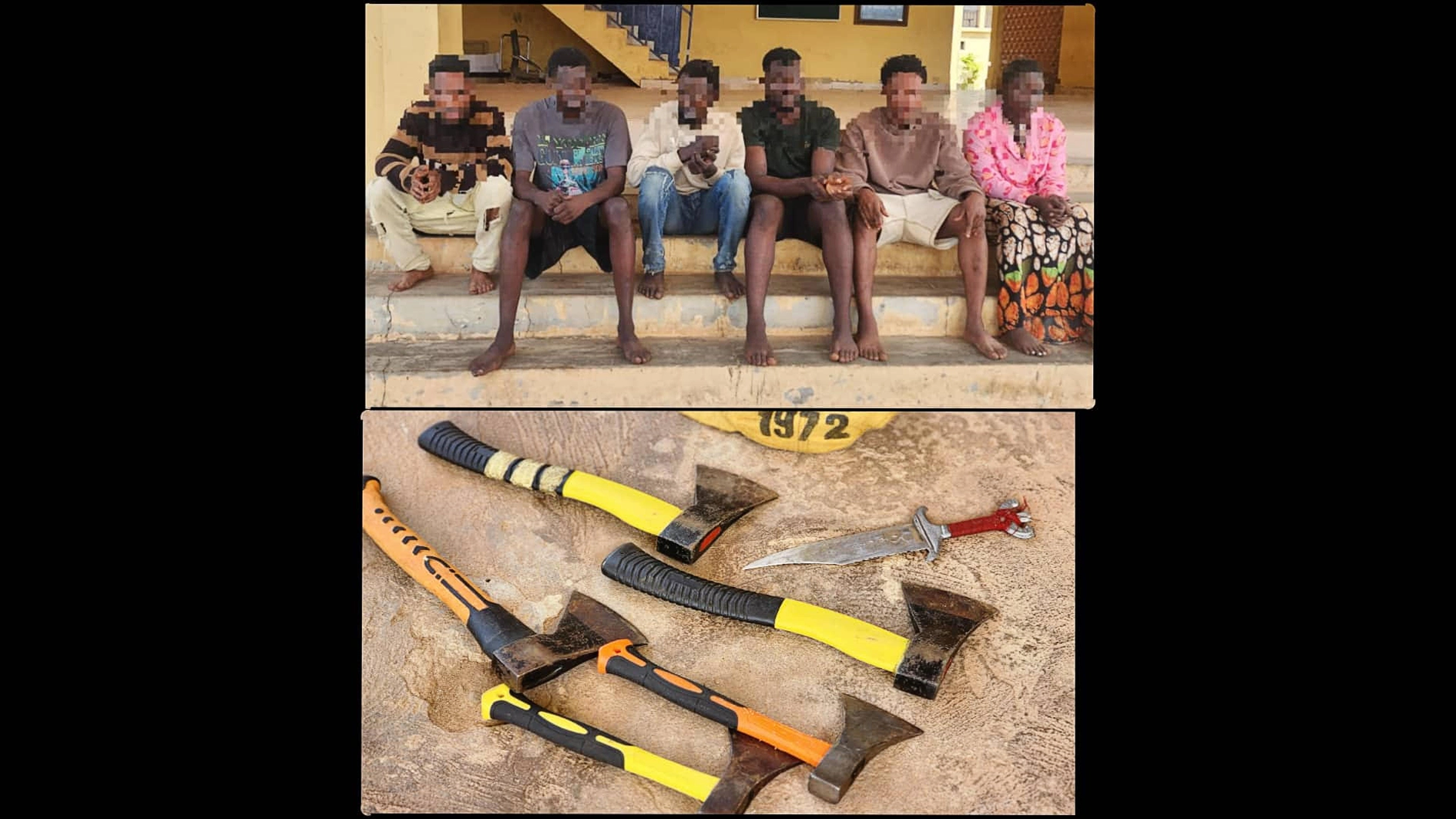
Command condemns spike in abandoned babies; pledges prosecution as investigation continues into Anguwar Boka incident
The Yobe State Police Command has arrested two suspects in connection with the alleged killing of a day-old baby and other offences in Damaturu, the state capital. The incident reportedly took place on 23 June 2026, prompting an immediate response from the Violent Crime Response Unit following a distress call from residents of Anguwar Boka area.
According to a statement released by Police Public Relations Officer, SP Dungus Abdulkarim, preliminary investigations revealed that a female suspect who had recently given birth was allegedly involved in strangling the newborn baby girl. The remains were subsequently concealed in a box and abandoned behind a mosque in the neighbourhood. Police operatives recovered the body and commenced further investigation.
The command expressed concern over the rising cases of abandoned newborns and reiterated that every child is entitled to protection, care, and dignity under Nigerian law. “Anyone found guilty of violating children’s rights will face the full weight of the law,” Abdulkarim stated.
Community members have expressed shock at the incident, calling on authorities to intensify public enlightenment on child protection and maternal support services. Meanwhile, police say efforts are ongoing to unravel all circumstances surrounding the case and any possible accomplices.
The Yobe State Police Command assured that both suspects are currently in custody and will be charged to court upon completion of investigations. Authorities also urged residents to promptly report suspicious activities and stressed their commitment to safeguarding vulnerable persons across the state.
Nigeria News (Standard)
US Sanctions Lagos BDC Operator and Firms Over Alleged Terrorism Financing
Action targets financial network in Lagos; Nigerian government yet to issue official response to US Treasury measures
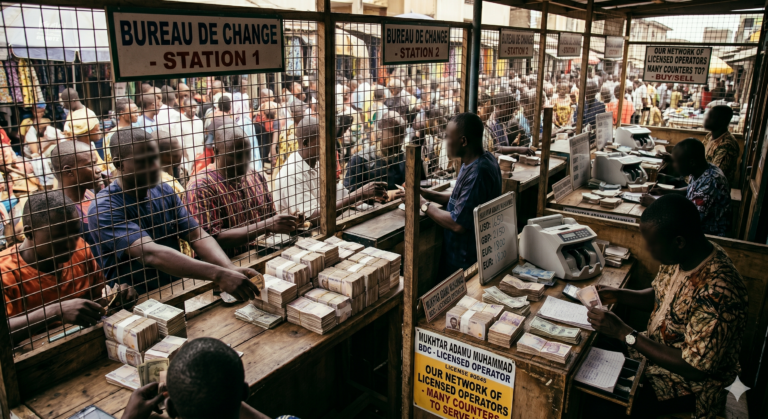
Action targets financial network in Lagos; Nigerian government yet to issue official response to US Treasury measures
The United States government has announced sanctions against a Bureau de Change (BDC) operator based in Lagos, along with several associated firms, citing allegations of financing terrorism. The development was made public on Wednesday, 24 June 2026, as part of a broader effort by the US Treasury to disrupt financial networks suspected of aiding terrorist activities.
According to the US authorities, the sanctioned entities are accused of facilitating transactions that support terrorist organisations. The names of the affected operator and companies were not immediately disclosed in the available information. The US Treasury stated that these measures are intended to curtail the flow of funds used for extremist operations both within and outside Nigeria.
Sanctions of this nature carry significant implications for Nigeria’s financial services sector, especially as BDC operators remain a critical part of the foreign exchange market. In recent years, international partners have repeatedly raised concerns over illicit financial flows through informal channels in the country. The latest action signals increased scrutiny on how money is moved within and beyond Nigeria’s borders.
As at press time, the Nigerian government has not issued an official statement addressing the US sanctions or outlining any local investigations into the matter. Security and finance experts have called for enhanced regulatory oversight and closer cooperation between Nigerian authorities and international counterparts to prevent abuse of financial systems.
The impact of these sanctions is expected to affect access to foreign exchange for some businesses operating in Lagos and could prompt further compliance checks on other BDC operators nationwide. Stakeholders await further clarification from both Nigerian regulators and the US government regarding next steps and any potential legal proceedings.
Nigeria News (Standard)
Witness Testifies on Bank Account in Malami’s Alleged ₦8.7bn Fraud Case in Abuja Court
Prosecution presents evidence linking ex-Attorney General’s associate to suspicious account; defence challenges admissibility
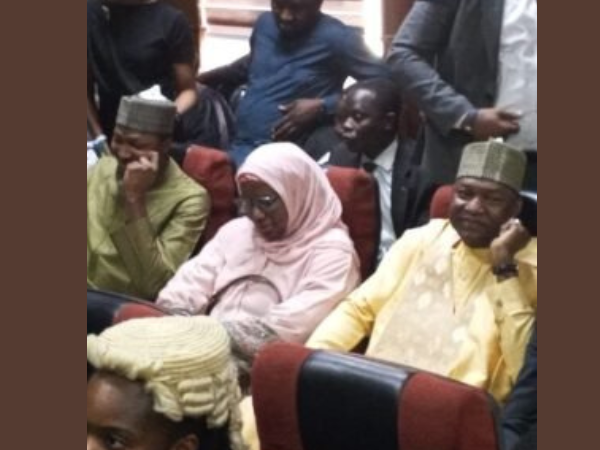
Prosecution presents evidence linking ex-Attorney General’s associate to suspicious account; defence challenges admissibility
A prosecution witness on Wednesday testified before a Federal High Court in Abuja, detailing how a bank account allegedly linked to associates of former Attorney General of the Federation, Abubakar Malami, was used in a purported ₦8.7 billion fraud scheme. The testimony forms part of an ongoing trial that has drawn national attention due to the high-profile figures involved.
The court session saw the prosecution present documentary evidence which they claim ties a specific bank account to suspicious transactions connected with the alleged embezzlement. The witness, whose name was not disclosed in open court, provided an overview of how funds were allegedly moved through the account under investigation. Defence lawyers for the accused contested the admissibility of some exhibits, leading to heated exchanges before Justice Binta Nyako.
This case is significant as it involves top officials from the previous administration and raises questions about oversight of public funds at the federal level. The Economic and Financial Crimes Commission (EFCC) has pursued this matter as part of its broader anti-corruption drive, insisting that all individuals linked to misappropriation will face justice. Legal observers note that such high-stake cases test both the independence of Nigeria’s judiciary and the effectiveness of anti-graft agencies.
During proceedings, EFCC prosecutors argued that tracing large sums through specific accounts provides direct evidence of fraudulent activity. However, defence counsel countered that mere ownership or operation of an account does not constitute proof of wrongdoing without clear evidence showing intent or benefit by their clients. The judge adjourned for further hearing and directed parties to file written submissions on disputed documents.
The trial is expected to continue in coming weeks, with both sides preparing additional witnesses and expert testimonies. Nigerians continue to watch closely as outcomes from cases like this are seen as a litmus test for accountability among public office holders.

Declan Rice Hails Ghana After England Stalemate at World Cup — Final Score Not Reported
Yobe Police Arrest Two for Alleged Killing of Newborn, Recover Evidence in Damaturu
CBN Governor Cardoso Flags ₦5.19trn Cash Hoarding Despite Push for Digital Payments
US Sanctions Lagos BDC Operator and Firms Over Alleged Terrorism Financing
Witness Testifies on Bank Account in Malami’s Alleged ₦8.7bn Fraud Case in Abuja Court

NIA Chair-Elect Ebelechukwu Nwachukwu Backs Insurance Reform Act for Sector Growth in Lagos

Delta State Sponsors 15 U.S.-Based Athletes for Commonwealth Games Trials in Lagos

Lagos Sports Trust Fund Launches Rehabilitation of Rowe Park Indoor Hall and Squash Courts in Yaba
LAWMA, ZoomLion Begin Stabilisation of Olusosun Refuse Facility to Boost Lagos Waste Evacuation

Favour Ashe Sets National Record, Wins 100m Title at Lagos Commonwealth Trials
Environment Minister Urges Increased Investment in Nigeria’s Green Economy Ahead of Global Climate Summit

Gọvanmenti Nigeria Kwupụtara 53 Orù Anyanwụ Maka Ike Ọhụrụ N’iru Afọ 2050

Moniepoint Graduates Second DreamDevs Cohort in Lagos to Strengthen Nigeria’s Engineering Workforce
Lagos FMCG Giants Record ₦18.9bn Rise in Production Costs, Earnings Hit by Inflation in Q1
FG Launches $500m Abuja Formula 1 Bid, Targets Africa’s First Grand Prix Since 1993

Lagos Residents Spend Over ₦50bn on US Visa Applications Amid Tighter Entry Rules

Fresh Romance Rumours Trail Lando Norris as Alix Earle Sparks Drama in Monaco
Lagos Court Declares National Assembly’s ₦110bn Vehicle and Allowance Spending Unlawful
Lagos Police Arrest Doctor, Birth Attendant Over Alleged Sale of Newborn for ₦2.5m