Nigeria News (Standard)
Ex-Rivers Commissioner Named Among Top 50 Global Thought Leaders in Media Communications
Former state official recognised for strategic communication expertise as only Nigerian on international list released Tuesday
Former state official recognised for strategic communication expertise as only Nigerian on international list released Tuesday
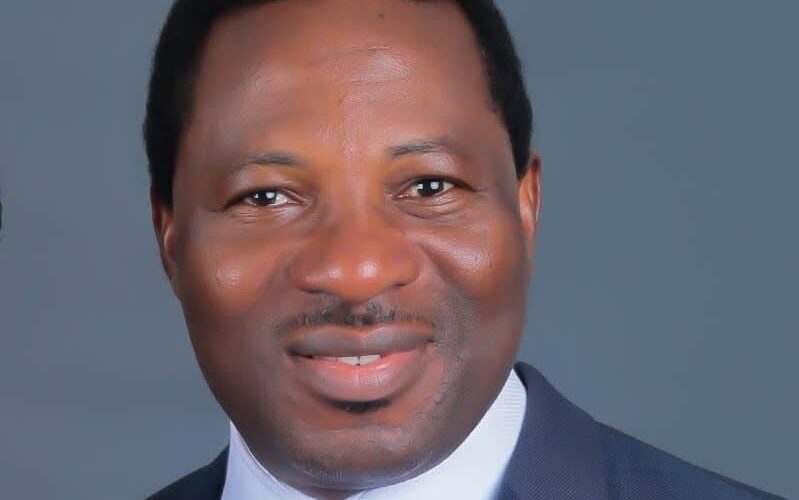
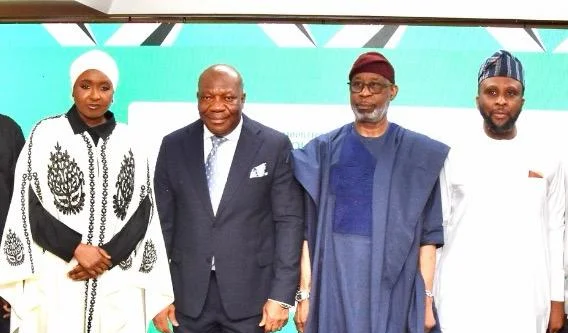
A former Rivers State commissioner has been named among the world’s 50 most crucial thought leaders in media communications, marking a significant international recognition for Nigeria’s public sector professionals. The announcement was made on Tuesday, positioning the ex-commissioner as the sole Nigerian on the prestigious list.
The selection, announced by an unnamed global body, highlights individuals who have demonstrated exceptional influence and innovation in media communications worldwide. The ex-commissioner’s inclusion follows years of service in Rivers State, where his work reportedly shaped public information strategies and advanced government engagement with citizens.
This development is seen as a boost to Nigeria’s reputation in global communications circles, especially at a time when the country is pushing to improve its image abroad and promote transparency in government messaging. Analysts say such recognition can encourage more professionals within Nigeria to pursue excellence and adopt best practices aligned with international standards.
Although details about the selection criteria were not made public, sources familiar with the process noted that honourees were chosen based on their impact, leadership, and contributions to the evolution of media communications. No official statement has been issued by the Rivers State Government or federal authorities as at press time. However, communication experts in Nigeria have described the recognition as a welcome development that could inspire better performance among public officials.
Observers expect this recognition to open further opportunities for knowledge exchange between Nigerian professionals and their global counterparts. Stakeholders are also calling on government to leverage such achievements to enhance capacity building within the country’s communication sector.
Nigeria News (Standard)
Abuja Court Dismisses Yahaya Bello’s Attempt to Halt ₦110bn Fraud Trial
Former Kogi governor’s legal challenge fails as Federal High Court rules EFCC can proceed with prosecution
Former Kogi governor’s legal challenge fails as Federal High Court rules EFCC can proceed with prosecution
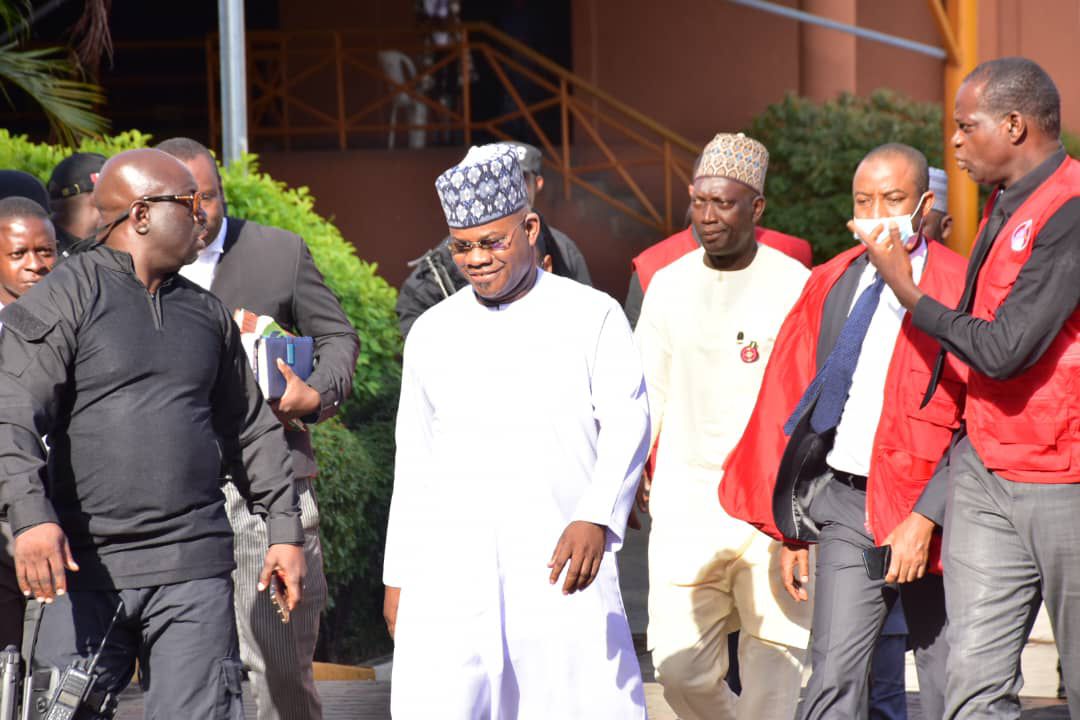
A Federal High Court sitting in Abuja on Tuesday dismissed the bid by former Governor of Kogi State, Yahaya Bello, to stop his ongoing fraud trial involving allegations of ₦110 billion misappropriation. The ruling paves the way for the Economic and Financial Crimes Commission (EFCC) to continue its prosecution against Bello, who served two terms as governor under the All Progressives Congress (APC).
The court delivered its judgment after hearing arguments from both Bello’s legal team and counsel representing the EFCC. The former governor had filed a motion seeking to restrain the anti-graft agency from proceeding with criminal charges over alleged diversion of state funds. However, the presiding judge held that Bello’s application lacked merit and declined to grant any order stopping the trial.
This development marks a significant point in ongoing efforts to hold high-profile political figures accountable for corruption allegations in Nigeria. Bello, who left office earlier this year, has consistently denied any wrongdoing and insists that the charges are politically motivated. The EFCC, on its part, maintains that it has gathered sufficient evidence to support its claims of financial impropriety during Bello’s tenure.
In reaction to the ruling, officials from the EFCC welcomed the court’s decision as a victory for due process and the rule of law. They reiterated their commitment to pursuing all cases of alleged corruption regardless of an individual’s political status. Attempts to reach representatives from Yahaya Bello’s camp for comment were unsuccessful as at press time.
The case is expected to proceed with substantive hearings in the coming weeks. Legal analysts say the outcome could have wider implications for anti-corruption enforcement involving former public office holders across Nigeria.
Nigeria News (Standard)
IMF Warns Surge in Stablecoin Transactions Could Weaken Naira Demand in Nigeria
International lender says increased use of digital currencies may undermine monetary policy and financial stability
International lender says increased use of digital currencies may undermine monetary policy and financial stability
The International Monetary Fund (IMF) has raised concerns that the growing adoption of stablecoins within Nigeria could further erode demand for the naira, posing risks to both monetary policy and financial stability. The warning was issued on Tuesday in Abuja, as the IMF assessed the implications of digital currency trends in the country.
According to the IMF, as more Nigerians turn to stablecoins—digital currencies pegged to assets like the US dollar—there is a risk that traditional reliance on the naira for transactions may decline. The lender noted that this shift could make it more difficult for the Central Bank of Nigeria (CBN) to manage inflation and exchange rates effectively.
The IMF’s caution comes amid continued volatility in the value of the naira, which has faced pressure due to foreign exchange scarcity and persistent inflation. Many Nigerians have increasingly adopted digital assets for remittances, savings, and cross-border payments, a trend that has accelerated as confidence in fiat currency wavers.
The international body called on Nigerian authorities to strengthen regulatory oversight of digital assets and ensure that financial innovations do not undermine macroeconomic stability. “Increased stablecoin usage could weaken demand for local currency, complicating efforts to maintain price stability,” an IMF official said during a press briefing in Abuja.
It remains unclear how quickly stablecoin adoption will spread across sectors, but analysts say continued monitoring is necessary. The CBN has yet to issue a formal response to the IMF’s remarks. Financial sector experts warn that if unchecked, rising digital currency use could further impact naira liquidity and limit government’s ability to steer economic outcomes.
Nigeria News (Standard)
Dangote Refinery Reduces Petrol Depot Price to ₦1,175 in Lagos as Global Oil Prices Fall
Marketers expected to review pump prices after Dangote’s ₦75 cut, citing easing Middle East tensions

Marketers expected to review pump prices after Dangote’s ₦75 cut, citing easing Middle East tensions
Dangote Petroleum Refinery has announced a reduction in its ex-depot price of Premium Motor Spirit (PMS), commonly called petrol, from ₦1,250 to ₦1,175 per litre effective Sunday, 16 June 2026. The price adjustment, which took effect at the refinery’s facility in Lagos, comes amid a recent decline in global crude oil prices following improved geopolitical stability in the Middle East.
The company stated that the ₦75 per litre reduction was prompted by the resolution of tensions between the United States and Iran and the planned reopening of the Strait of Hormuz—a key route for international oil shipments. This development has eased fears of supply disruptions that had previously driven up energy prices globally and affected domestic fuel costs.
In a notice to marketers on Sunday, Dangote Refinery explained that its decision to lower the depot price was directly linked to these international events. The refinery also confirmed a downward review of its coastal loading price from ₦1,595,790 per metric tonne to ₦1,495,215 per metric tonne. All outstanding unloaded gantry volumes will be repriced at the new rates from the date of implementation.
Industry experts said the move could provide relief for motorists and businesses nationwide if marketers pass on the savings through lower pump prices at filling stations. However, actual reductions at retail outlets may depend on how quickly existing stocks—purchased at higher rates—are depleted and replaced by petrol bought at Dangote’s new ex-depot rate. The ex-depot price refers to what marketers pay before adding transportation and retail margins.
The Nigerian downstream petroleum sector has witnessed significant volatility in recent months due to fluctuations in crude oil prices and persistent security challenges affecting supply routes. Dangote Refinery’s latest action highlights its growing influence within Nigeria’s deregulated fuel market, where major suppliers now play a central role in shaping pricing trends nationwide.
Abuja Court Dismisses Yahaya Bello’s Attempt to Halt ₦110bn Fraud Trial
IMF Warns Surge in Stablecoin Transactions Could Weaken Naira Demand in Nigeria
Dangote Refinery Reduces Petrol Depot Price to ₦1,175 in Lagos as Global Oil Prices Fall
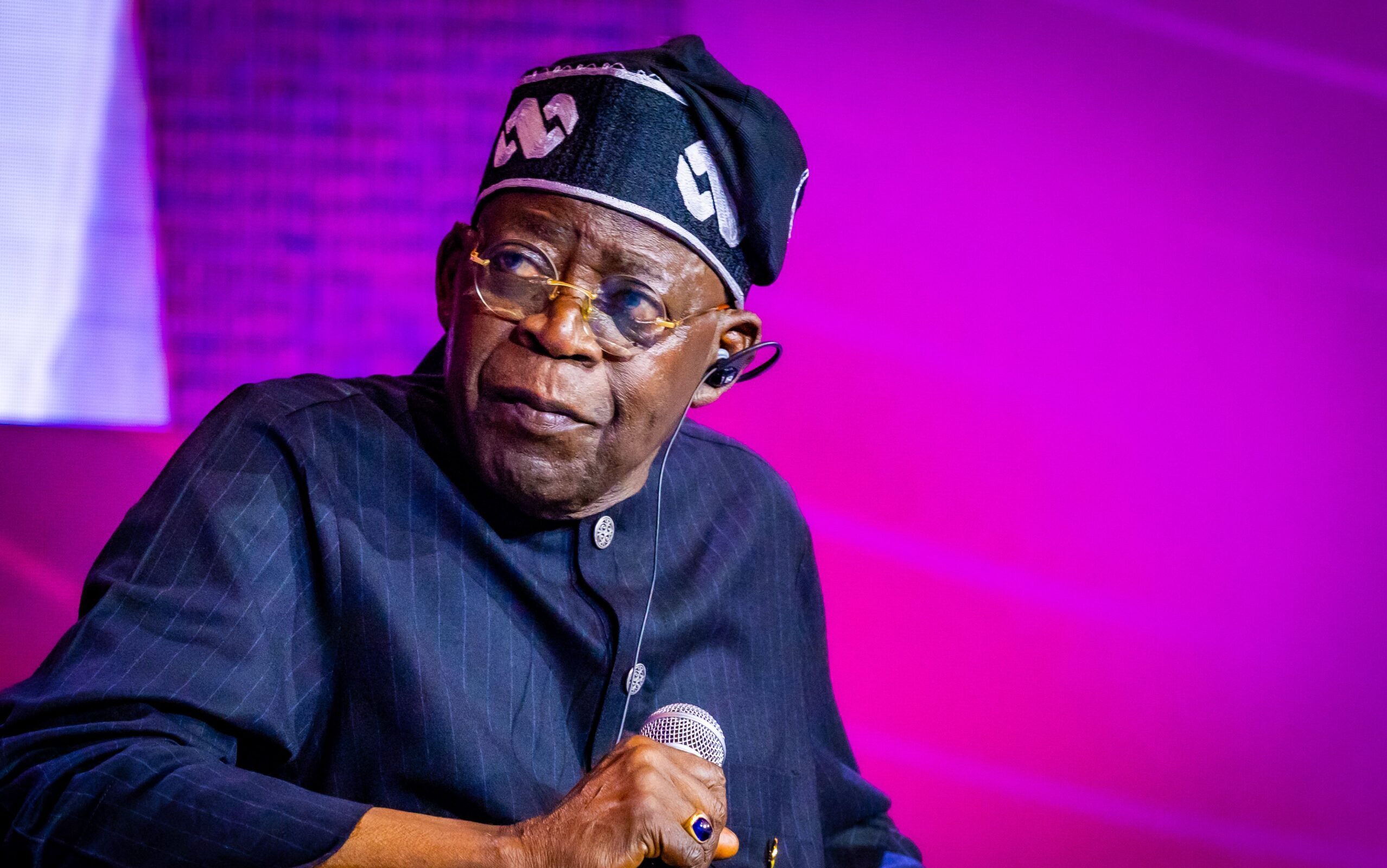
Tinubu Commends Military for Killing Notorious Bandit Leader, Rescuing Ex-General’s Widow in Kaduna

Civil Group Petitions NJC, Demands Disciplinary Action Against Judge Over ADC Deregistration Ruling
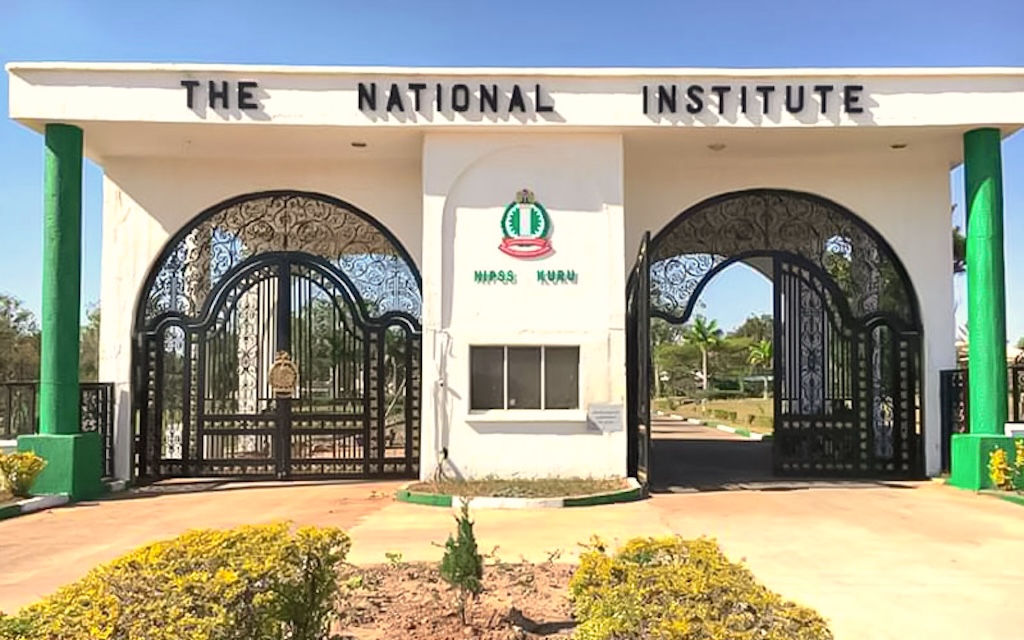
Gunmen Attack NIPSS in Jos, Kill Two as Security Agencies Launch Investigation

Delta Police Seize Vehicle, Recover Illicit Drugs After Suspected Robber Flees Along Ozoro–Oleh Expressway
Ụlọ Akụ Ụwa Kwupụtara Na Nigeria, Angola Nwetara Uru N’ịrị Elu Ọnụ Ahịa Mmanụ
Ex-Rivers Commissioner Named Among Top 50 Global Thought Leaders in Media Communications
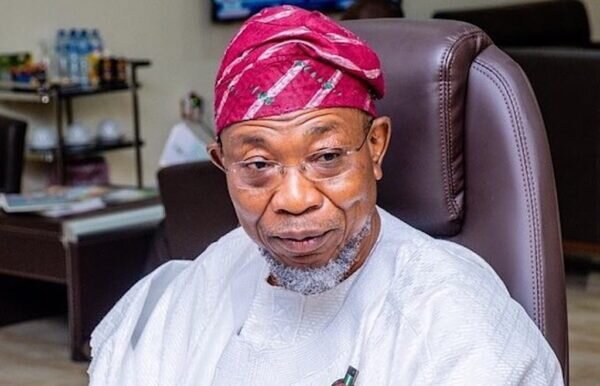
Abuja Court Rejects ADC, Aregbesola’s Application to Withdraw from Leadership Suit, Imposes ₦1m Fine
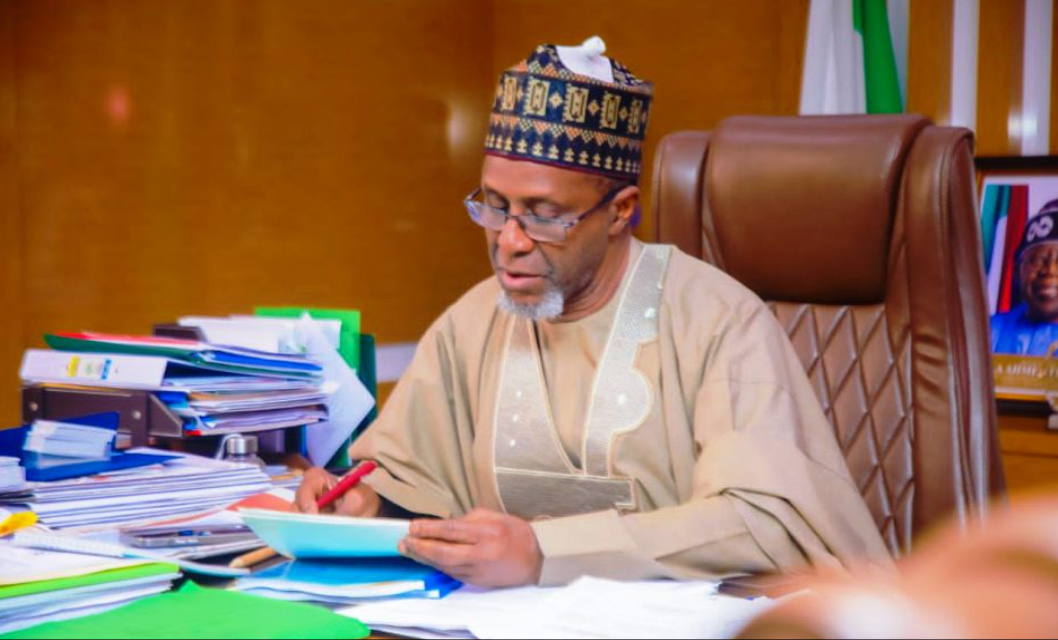
Environment Minister Urges Increased Investment in Nigeria’s Green Economy Ahead of Global Climate Summit

Moniepoint Graduates Second DreamDevs Cohort in Lagos to Strengthen Nigeria’s Engineering Workforce

Gọvanmenti Nigeria Kwupụtara 53 Orù Anyanwụ Maka Ike Ọhụrụ N’iru Afọ 2050

Fresh Romance Rumours Trail Lando Norris as Alix Earle Sparks Drama in Monaco
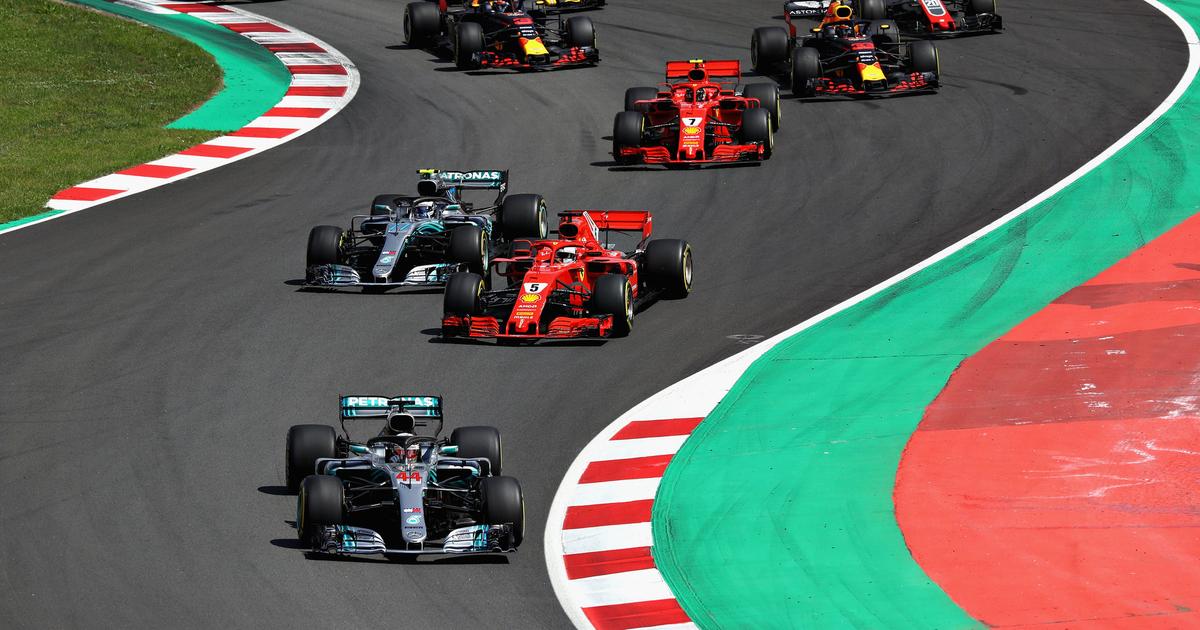
FG Launches $500m Abuja Formula 1 Bid, Targets Africa’s First Grand Prix Since 1993

Why More Nigerians Are Searching for Casino Bonuses—and What You Should Know Before Claiming
Ụlọ Ọrụ Nigeria Kwupụtara Nsogbu Nchekwa na Ụtụ Isi N’agbanyeghị Ịrị Elu Obi Ike Ahịa
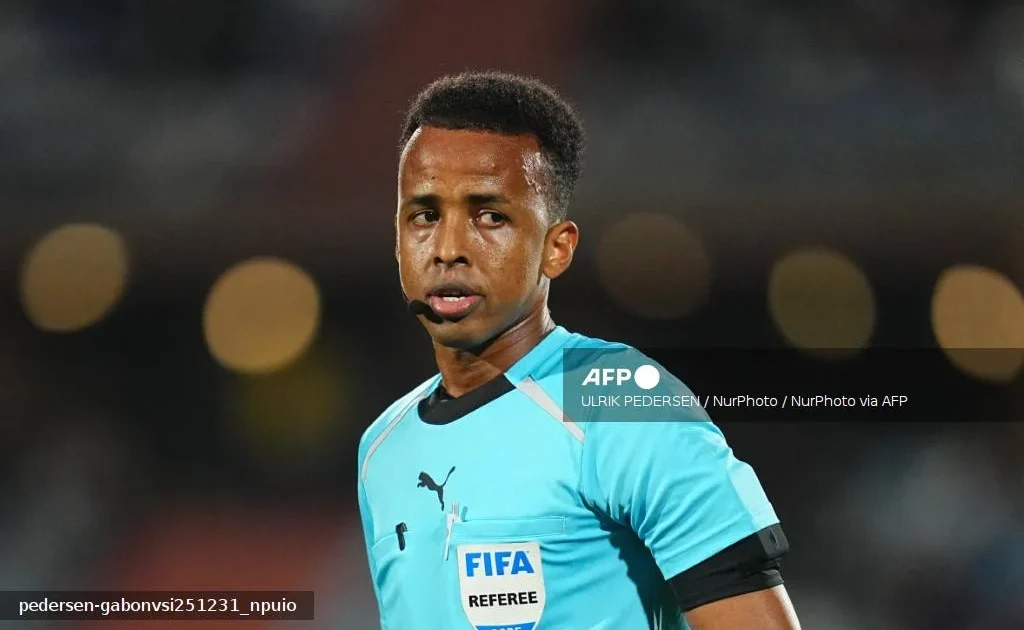
Somali Referee Omar Artan Blocked From US World Cup Over Visa Row, Misses Dream Debut
Federal Government Launches Mining Grants for Research and Exploration Across Nigeria