Nigeria News (Standard)
FAAC Shares ₦2.3trn May Revenue as Nigerians Decry Heavy VAT Burden on Goods
Consumers question impact of increased federal allocations while many feel rising taxes on everyday purchases
Consumers question impact of increased federal allocations while many feel rising taxes on everyday purchases
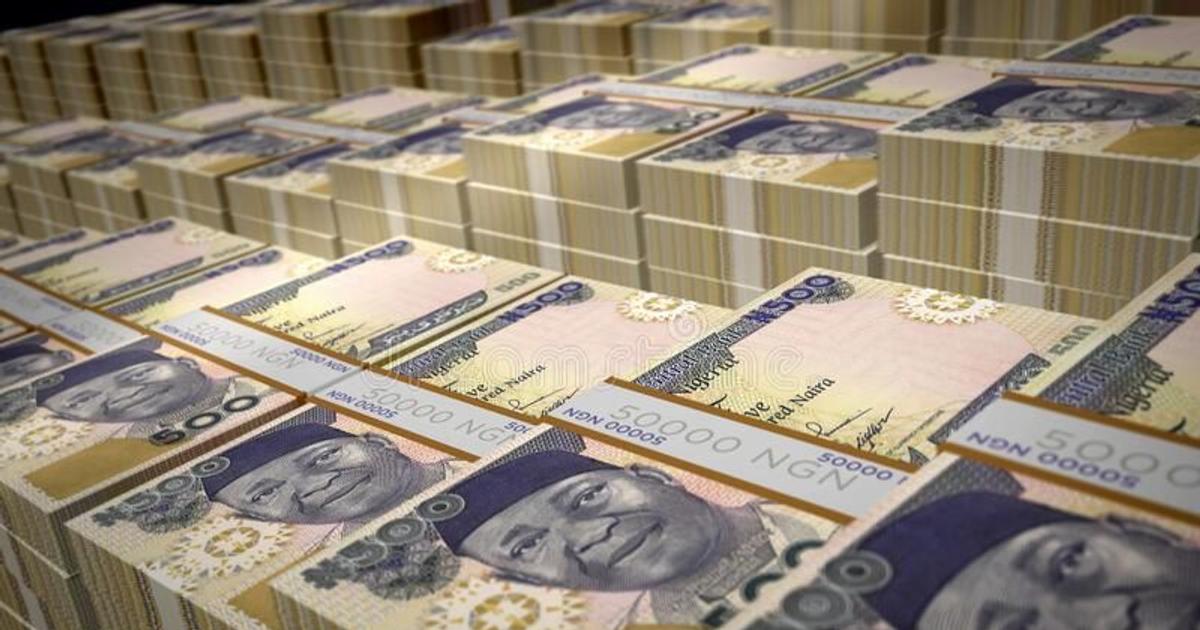
The Federation Account Allocation Committee (FAAC) has distributed a record ₦2.3 trillion among the Federal Government, state governments and local government councils for May 2026, prompting fresh debate among citizens in Lagos and across Nigeria over how these funds are being used. The disbursement, which represents an increase from the ₦2.26 trillion shared in April, was announced by FAAC in Abuja on Tuesday.
According to the committee’s communiqué, the revenue comprised ₦1.611 trillion from statutory sources and ₦688.8 billion generated through Value Added Tax (VAT). Gross revenue for the month reached ₦3.395 trillion, with ₦123.5 billion deducted as collection costs and ₦971.6 billion earmarked for transfers, interventions and refunds.
Despite the higher allocation, many Nigerians took to social media to express frustration over what they described as a lack of visible improvement in infrastructure, healthcare or public welfare at the grassroots level. One Lagos-based consumer shared that he paid over ₦300,000 in VAT alone when buying electronic appliances recently, using his experience to highlight concerns about the burden of Nigeria’s 7.5% VAT on basic goods.
FAAC disclosed that while statutory revenue increased significantly in May to ₦2.651 trillion from ₦2.378 trillion in April, VAT earnings actually dropped from ₦806.6 billion to ₦743.7 billion within the same period. The committee also noted that collections from Companies Income Tax (CIT), Capital Gains Tax (CGT), Stamp Duties, Petroleum Profit Tax (PPT), Hydrocarbon Tax and Oil and Gas Royalties all saw notable increases during the month, but Import Duty, Excise Duty and CET Levies declined.
From the latest allocation, the Federal Government received ₦818.7 billion; states got ₦759.1 billion; local government councils received ₦534.3 billion; while oil-producing states were given an additional ₦188.1 billion under the 13% derivation formula.
Reactions online captured a growing sense of disillusionment among ordinary Nigerians regarding how public resources are managed and spent at all levels of government. One user wrote: “₦2.3 trillion was shared in one month and ordinary Nigerians are still asking where the impact is.” Others called for greater accountability not only from federal authorities but also from state and local governments responsible for delivering essential services.
As at press time, government officials had yet to respond directly to these concerns but have previously stated that revenue allocations are meant to fund ongoing projects and address fiscal challenges across sectors including education, health and security.
Nigeria News (Standard)
Ekiti Governor Oyebanji Faces 13 Challengers as INEC Releases 2026 Governorship Ballot
No female candidates make final list as political parties prepare for high-stakes contest in South-West state
No female candidates make final list as political parties prepare for high-stakes contest in South-West state
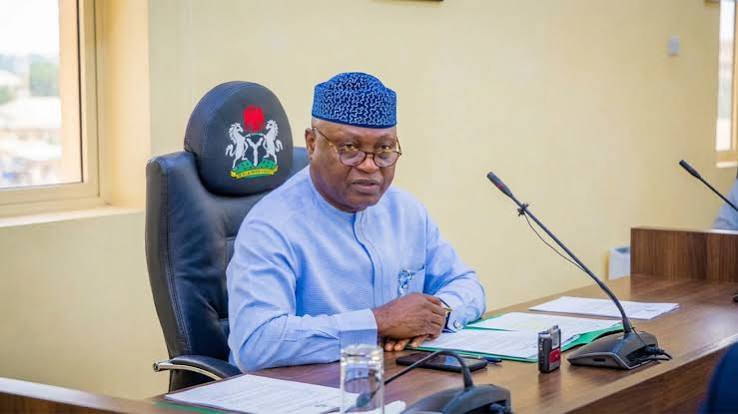
Governor Biodun Oyebanji of Ekiti State will contest for re-election against 13 other candidates in the 2026 governorship election, according to the official ballot published by the Independent National Electoral Commission (INEC) on Thursday. The race, which has drawn interest across the South-West, is set for intense competition with no women among the listed contenders.
INEC’s release of the final list marks a significant milestone in preparations for the poll, confirming Oyebanji of the All Progressives Congress (APC) as the incumbent and main contender. The ballot also features candidates from major opposition parties, including the Peoples Democratic Party (PDP), Labour Party (LP), and New Nigeria Peoples Party (NNPP), alongside others aiming to unseat the APC-led administration.
The absence of female candidates has drawn attention from civil society groups and political observers, who note that Ekiti—despite its history of progressive advocacy—will again hold a governorship election without gender representation on the ballot. Analysts say this highlights ongoing barriers to women’s participation in top political offices in Nigeria.
INEC officials stated that all nominated candidates met constitutional and party requirements for inclusion. “Our processes remain transparent and open to public scrutiny,” an INEC spokesperson said. Opposition parties have urged voters to scrutinise candidate manifestoes closely, while APC chieftains maintain Oyebanji’s performance will give him an edge at the polls.
With campaigns expected to intensify in coming weeks, stakeholders say the outcome will shape Ekiti’s developmental trajectory and could influence party dynamics ahead of national elections. The electoral commission has assured residents that security arrangements and logistics are being finalised to ensure a credible exercise.
Nigeria News (Standard)
Katsina Police Launch Crackdown on Unregistered Vehicles, Concealed Number Plates Across State
Enforcement follows Inspector-General Disu’s directive; motorists risk vehicle impoundment and prosecution for violations
Enforcement follows Inspector-General Disu’s directive; motorists risk vehicle impoundment and prosecution for violations
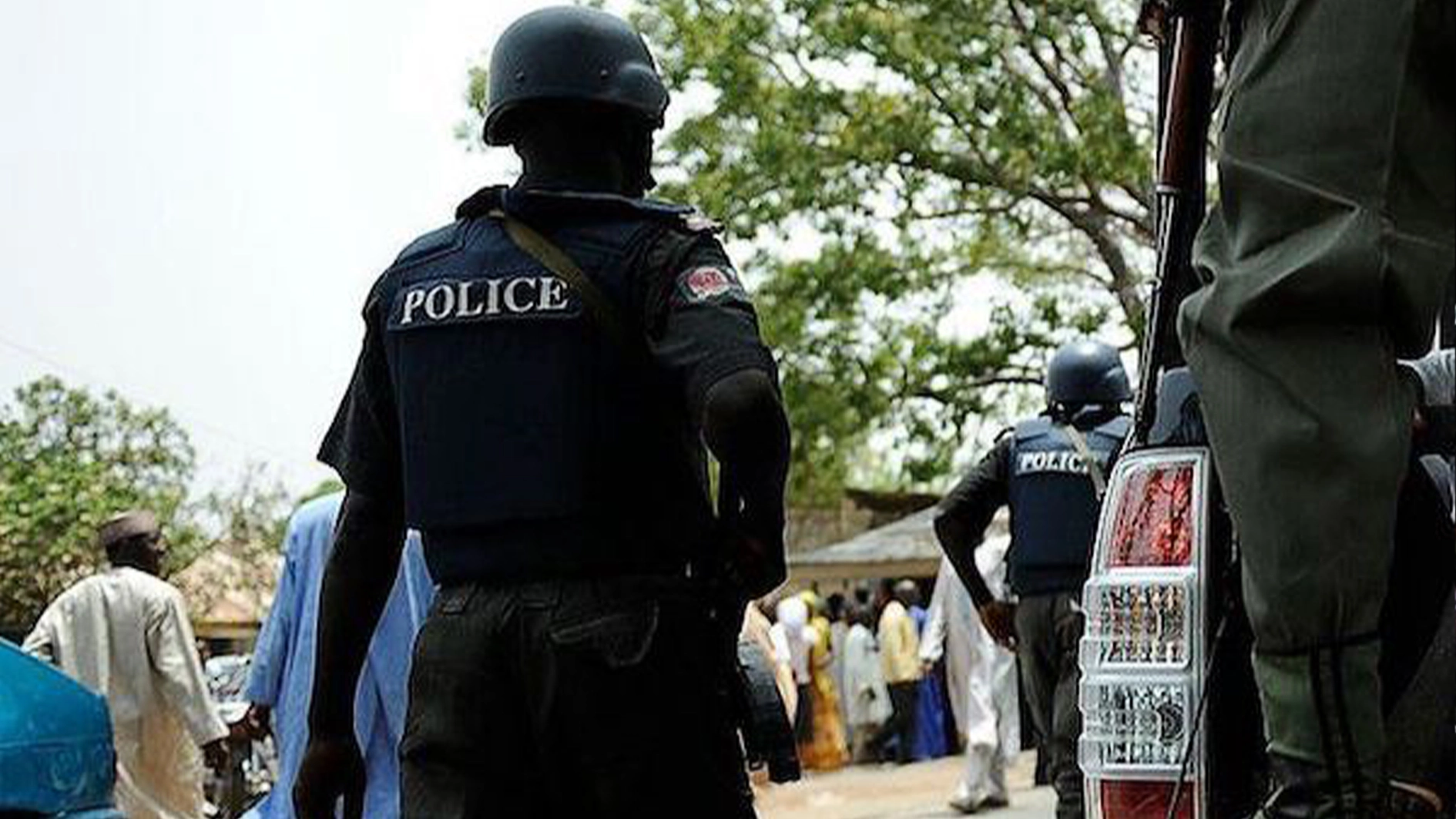
The Katsina State Police Command has commenced a statewide operation targeting unregistered vehicles and those with concealed or improperly displayed number plates. The exercise, which began on Tuesday, is in line with a directive issued by the Inspector-General of Police, IGP Olatunji Rilwan Disu, aimed at enhancing internal security and aiding crime detection efforts across the North-West state.
According to a statement released by the command’s spokesperson, DSP Abubakar Aliyu, police officers have been deployed to enforce compliance with vehicle registration laws. He explained that the operation would focus on vehicles operating with covered, defaced, fake, forged, duplicated or incorrectly affixed number plates. Any vehicle found violating these regulations will be impounded on the spot for investigation and possible prosecution in accordance with existing laws.
Aliyu stated that the intensified enforcement became necessary as criminals have increasingly resorted to using unregistered or disguised vehicles to evade law enforcement and perpetrate offences. He said, “The Katsina State Police Command wishes to notify the general public of immediate enforcement against vehicles operating with unregistered, covered, concealed, defaced, mutilated, fake, forged, duplicated or improperly affixed number plates.”
He further cautioned motorists to regularise their documentation and ensure that number plates are clearly visible and compliant with statutory requirements. The police also called on members of the public to cooperate fully with security agencies during this exercise.
The command emphasised that this crackdown is part of ongoing efforts to strengthen security across Katsina State. While no opposition party or independent expert had responded at press time, the police said they would continue sensitisation campaigns alongside enforcement to ensure residents understand the importance of proper vehicle registration.
Nigeria News (Standard)
Ogun State Bans Graduation and End-of-Session Parties in All Schools
Education ministry directs public and private schools to halt celebrations, citing safety and discipline concerns
Education ministry directs public and private schools to halt celebrations, citing safety and discipline concerns
Ogun State government has ordered an immediate ban on graduation and end-of-session parties across all public and private schools within the state. The directive, which takes effect from Thursday, 18 June 2026, was issued by the state’s education authorities as part of efforts to maintain discipline and ensure student safety during school activities.
According to the Ogun State Ministry of Education, the prohibition covers all forms of ceremonial gatherings marking the completion of academic sessions or graduation in both primary and secondary institutions. School heads were instructed to comply with the new guideline without exception, as any violation will attract sanctions from the government.
The move comes amid growing concerns over incidents that have occurred at such events in recent years, with authorities citing security risks and disruptions to academic activities. Ogun State officials noted that some celebrations in the past had escalated into unruly behaviour among students or attracted unwanted attention from outside groups.
While no specific incident prompted this latest action, education stakeholders in the state have repeatedly called for stricter controls around school-organised events. Parents and teachers are expected to work with government to ensure a smooth transition as schools adjust their end-of-session programmes.
The Ogun State Ministry of Education emphasised that academic excellence and student welfare remain top priorities. The ministry also assured that it would continue to monitor compliance closely, while engaging with school administrators on alternative ways to mark significant milestones within approved guidelines.
Ekiti Governor Oyebanji Faces 13 Challengers as INEC Releases 2026 Governorship Ballot
Katsina Police Launch Crackdown on Unregistered Vehicles, Concealed Number Plates Across State
Ogun State Bans Graduation and End-of-Session Parties in All Schools
CBN Abawanyela Ọnụ Ego Ọchụ T-Bills Oge Afọ Otu Ruo Ogo Kasị Elu N’ime ọnwa ise

Nigerian Authors Launch Five Romance Novels Set in Lagos and Campuses for 2026 Reading Lists
EFCC Arrests Alleged ‘Prophet’ Over ₦70 Million Church Fraud in Delta State
Portugal Manager Defends Ronaldo Selection Against DR Congo Amid Criticism

ETK Unveils Momentum Platform in Lagos to Boost Organisational Capacity and Climate Resilience

Tuchel Voices Concern Over Declan Rice Injury as Midfielder Faces Uncertain Spell
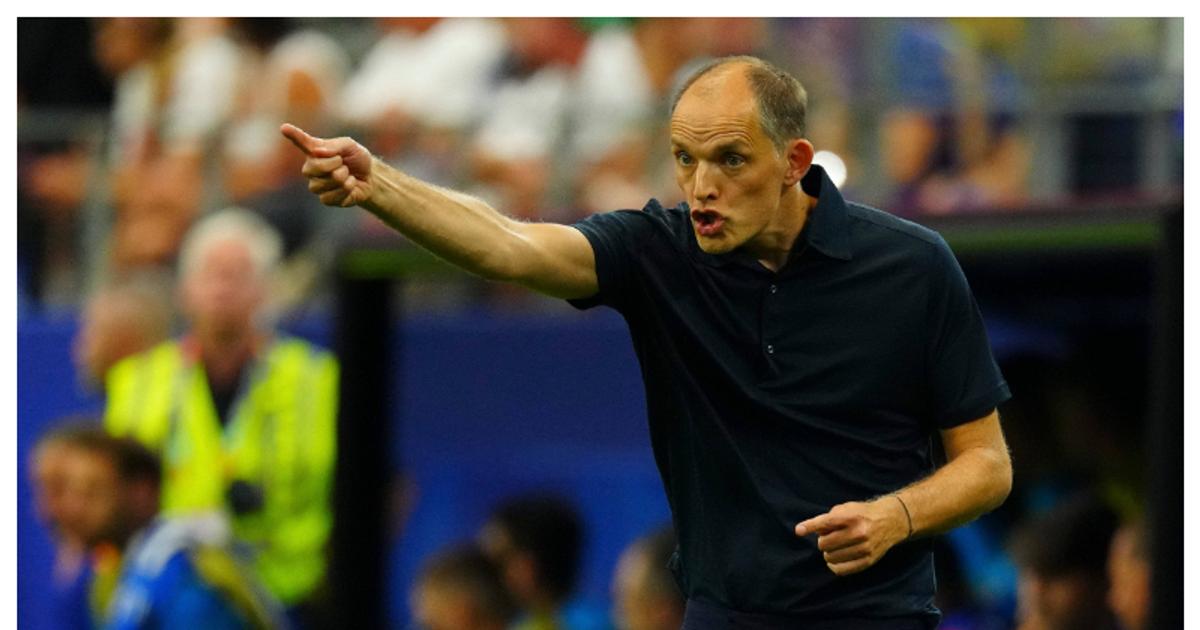
Touchline Drama as Thomas Tuchel Clashes With Star Player During Bundesliga Match
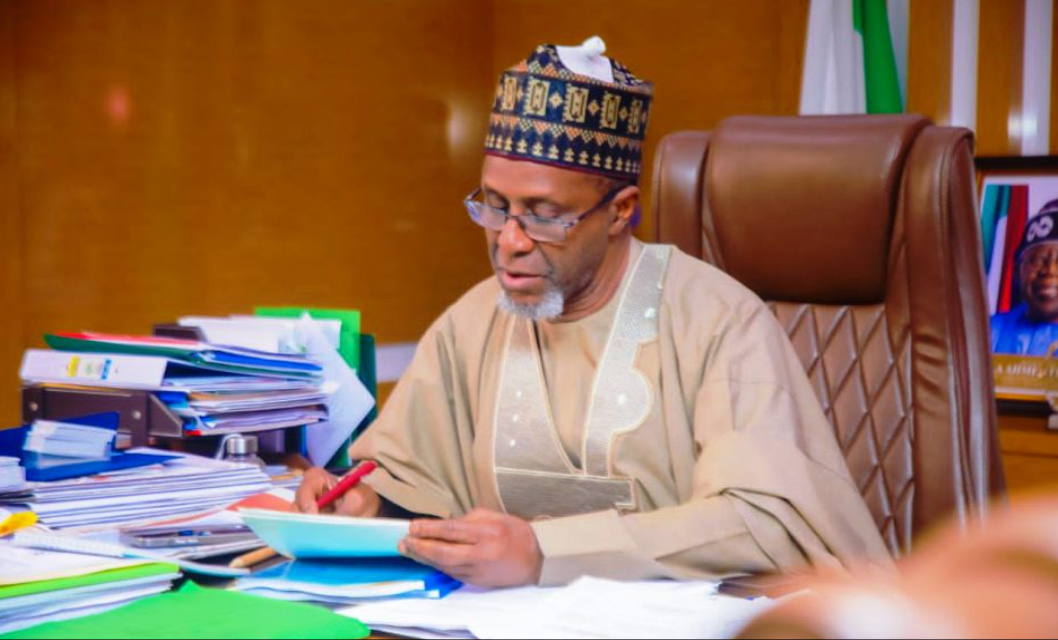
Environment Minister Urges Increased Investment in Nigeria’s Green Economy Ahead of Global Climate Summit

Moniepoint Graduates Second DreamDevs Cohort in Lagos to Strengthen Nigeria’s Engineering Workforce

Gọvanmenti Nigeria Kwupụtara 53 Orù Anyanwụ Maka Ike Ọhụrụ N’iru Afọ 2050

Fresh Romance Rumours Trail Lando Norris as Alix Earle Sparks Drama in Monaco
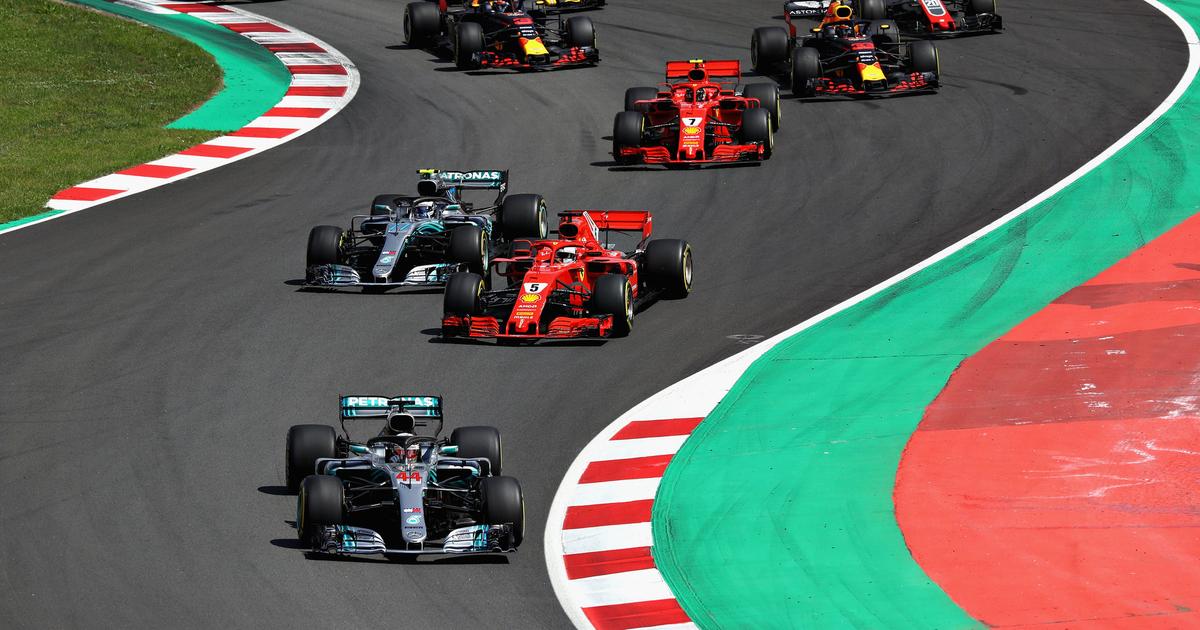
FG Launches $500m Abuja Formula 1 Bid, Targets Africa’s First Grand Prix Since 1993

Why More Nigerians Are Searching for Casino Bonuses—and What You Should Know Before Claiming
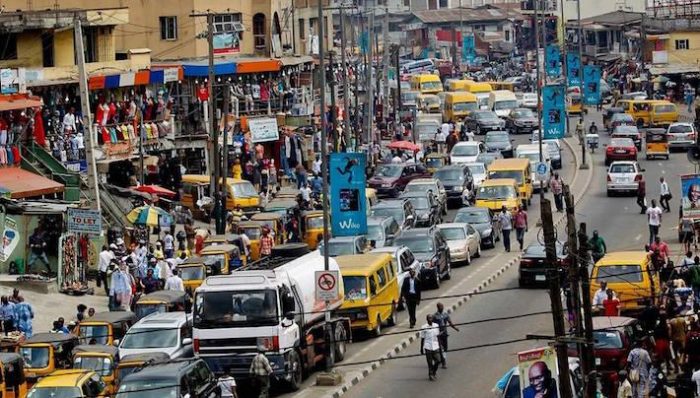
Ụlọ Ọrụ Nigeria Kwupụtara Nsogbu Nchekwa na Ụtụ Isi N’agbanyeghị Ịrị Elu Obi Ike Ahịa
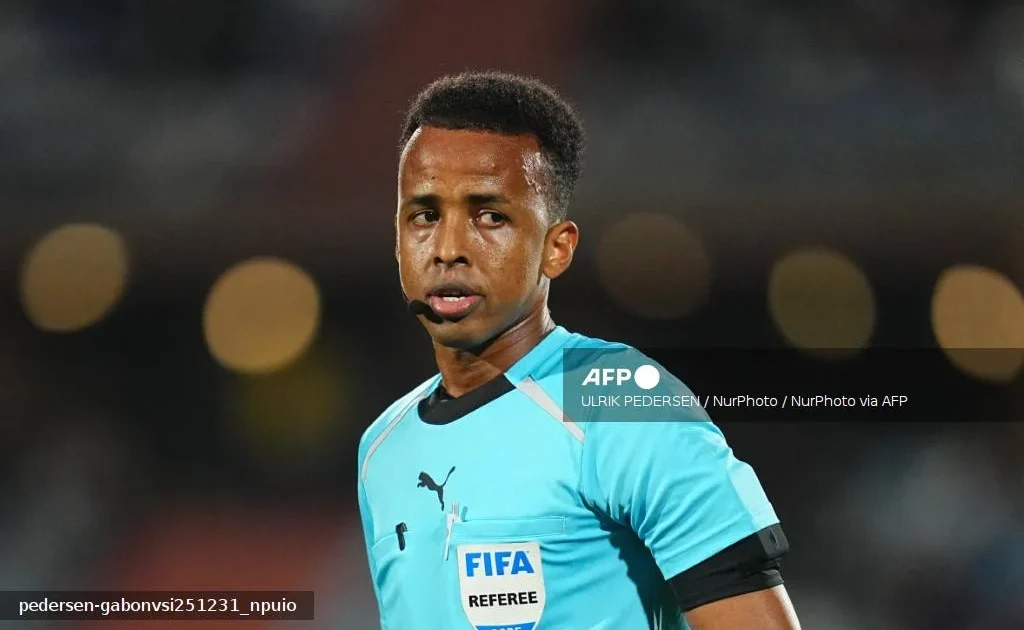
Somali Referee Omar Artan Blocked From US World Cup Over Visa Row, Misses Dream Debut
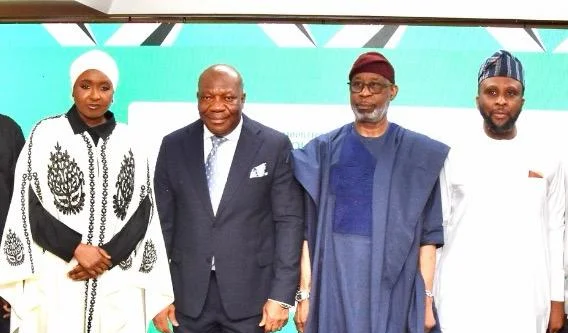
Federal Government Launches Mining Grants for Research and Exploration Across Nigeria