
Nigeria News (Standard)
Federal Government Denies Plans to Introduce New Telecoms and Fuel Taxes Nationwide
Presidency dismisses reports of proposed levies on fuel and telecoms, urges public to ignore speculation
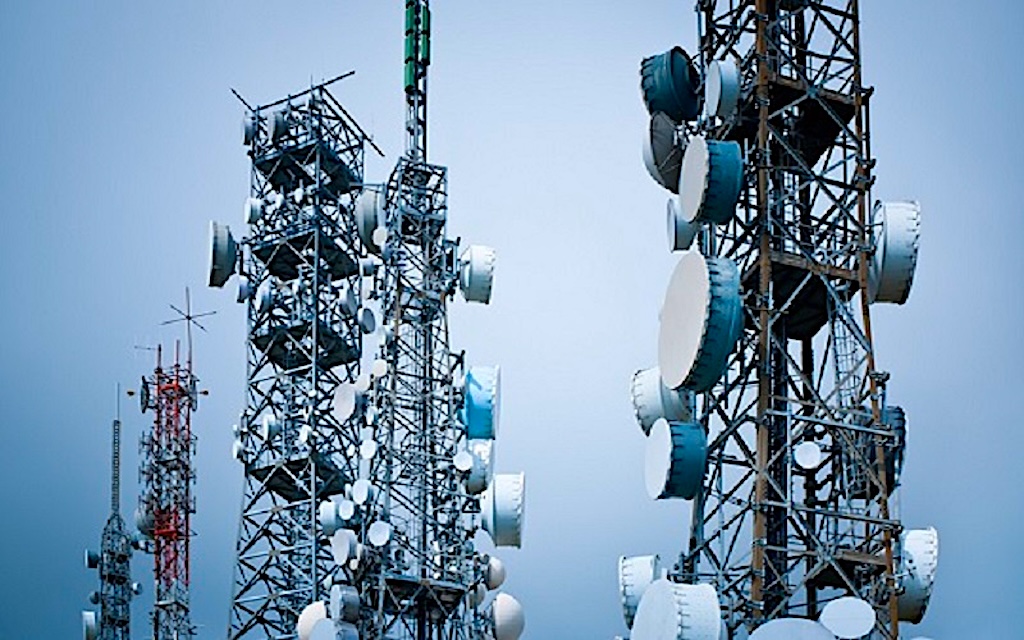
Presidency dismisses reports of proposed levies on fuel and telecoms, urges public to ignore speculation
The Federal Government has debunked claims circulating online about plans to introduce new taxes on telecommunications and fuel across Nigeria. The clarification was made on Wednesday, 17 June, following widespread reports alleging imminent policy changes affecting the cost of telecom services and petrol.
Authorities moved swiftly to address growing public concern as rumours about possible hikes in telecoms tariffs and fuel prices gained traction on social media. Many Nigerians had expressed fears that such taxes would worsen the economic burden already facing households amid high inflation.
The government’s position comes at a time when citizens are grappling with persistent increases in the prices of essential goods and services. With inflation rates remaining in double digits, any suggestion of additional taxes sparks anxiety among businesses and consumers alike. The telecoms sector, a major driver of Nigeria’s digital economy, would have been particularly affected by such fiscal moves.
Responding to the reports, the Presidency categorically stated there are no plans to impose new taxes on either fuel or telecommunications. Officials urged Nigerians to disregard unsubstantiated claims and assured that any significant changes in government tax policy would be communicated transparently through official channels. No opposition party or independent experts had issued statements as at press time.
The Federal Government reiterated its commitment to stabilising the economy without imposing extra hardship on citizens. Economic analysts say ongoing reforms should focus on improving tax compliance and widening the revenue base rather than introducing new levies in critical sectors.
Nigeria News (Standard)
Lagos Scientists Unveil Why Mosquitoes Target Some Nigerians More Than Others
Experts link higher mosquito bites to body chemistry, carbon dioxide emission and alcohol intake; urge use of nets and repellents

Experts link higher mosquito bites to body chemistry, carbon dioxide emission and alcohol intake; urge use of nets and repellents
Researchers in Lagos have explained the scientific reasons why some Nigerians are bitten by mosquitoes more frequently than others, highlighting the role of body chemistry, carbon dioxide output and lifestyle choices. The findings were released on Tuesday following a series of laboratory studies conducted in collaboration with international partners.
According to the scientists, mosquitoes are not randomly attracted to people. The lead researcher explained that female mosquitoes are drawn first to carbon dioxide exhaled by humans, which they can sense from several metres away. As they approach, they rely on body odour and skin heat to select specific targets. “Our studies show that individuals who produce more sebum—a natural oil on the skin—emit compounds that are especially attractive to mosquitoes,” the scientist said during a briefing in Ikeja.
The research further dispelled popular beliefs about blood type or skin colour influencing mosquito preference. The team stated that there is no scientific evidence supporting claims that blood group affects mosquito attraction, noting previous studies were too small for meaningful conclusions. However, they found that pregnant women in their second trimester face a higher risk due to increased body temperature and metabolic changes.
Alcohol consumption was also identified as a factor that increases mosquito bites. In one study involving 465 volunteers, those who consumed beer within the previous day were over 30 percent more likely to be bitten. Experts attributed this to higher body heat and altered skin odour after drinking alcohol.
The researchers advised Nigerians to use loose-fitting clothing that covers the skin, apply insect repellent, and sleep under treated mosquito nets—especially during rainy season when malaria risk is highest. They also recommended minimising alcohol intake before outdoor activities in mosquito-prone areas. “Prevention remains key because most risk factors are tied to natural body processes,” the scientist added.
Public health officials say these findings reinforce ongoing malaria prevention campaigns across Nigeria’s six geopolitical zones, urging residents to prioritise protective measures regardless of perceived personal immunity.
Source: https://www.pulse.ng/story/why-mosquitoes-bite-some-people-more-than-others-2026061717360585875
Nigeria News (Standard)
First Lady Oluremi Tinubu Disburses ₦100m Grant to 2,000 Benue Women, Commissions ICT Centre
Governor Alia hails Renewed Hope Initiative as newly built roads and digital centre target economic growth in North-Central state
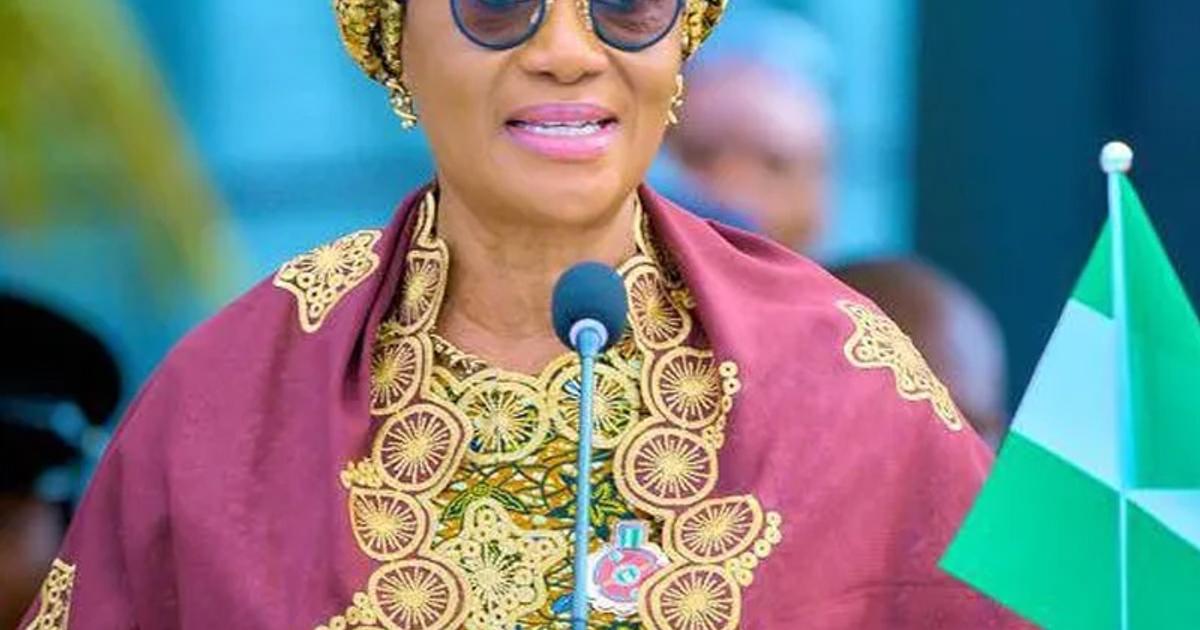
Governor Alia hails Renewed Hope Initiative as newly built roads and digital centre target economic growth in North-Central state
First Lady Senator Oluremi Tinubu on Tuesday empowered 2,000 women petty traders in Benue State with a ₦100 million economic grant and commissioned a new ICT centre in Vandeikya Local Government Area. The interventions, carried out under the Renewed Hope Initiative (RHI), are aimed at promoting financial inclusion and digital skills for women and youths across the state.
The event, held during the First Lady’s visit to Benue, saw each beneficiary receive ₦50,000 to support their businesses and improve their livelihoods. In addition to the grant distribution, Mrs Tinubu unveiled the Lucy Zayol Aluor Community ICT Centre in Ihugh, a facility established through collaboration between RHI and the National Information Technology Development Agency (NITDA). The centre is expected to provide training in digital literacy and technology for local residents.
Addressing attendees at the commissioning, Senator Tinubu said the programme was designed to help women expand their businesses and contribute more effectively to their families and communities. “Empowering women is key to national development. This initiative will not only boost economic activities but also ensure sustainable growth among beneficiaries,” she stated during her speech.
Governor of Benue State, Rev. Fr Hyacinth Alia of the All Progressives Congress (APC), commended the First Lady for making Benue one of the selected states for the Renewed Hope Initiative’s empowerment efforts. He expressed optimism that both the grant and new ICT centre would positively impact women entrepreneurs and young people seeking opportunities in today’s economy.
As part of her visit, Mrs Tinubu also participated in the official commissioning of 10 newly completed intra-city roads in Makurdi, covering approximately 11.5 kilometres. The roads—including Shire Bakut Road dual carriageway and Abu Ken Shulua Road—were constructed under Phase I of Benue’s Urban Renewal Programme. In recognition of her contributions, Ishayaba Street was renamed after Senator Tinubu.
The Renewed Hope Initiative has rolled out similar empowerment schemes across multiple states, focusing on grants, educational support and vocational training for women, youths and vulnerable groups nationwide. The Benue programme forms part of a broader campaign to improve livelihoods, reduce poverty and expand access to economic opportunities through targeted support.
Source: https://www.pulse.ng/story/remi-tinubu-benue-women-grant-ict-centre-2026061717241397087
Nigeria News (Standard)
Minister Ekpo Orders Increased Cooking Gas Imports as Nigerians Question Reliance Despite Vast Reserves
Federal Government blames forex volatility and logistics for high LPG prices; citizens urge focus on domestic supply
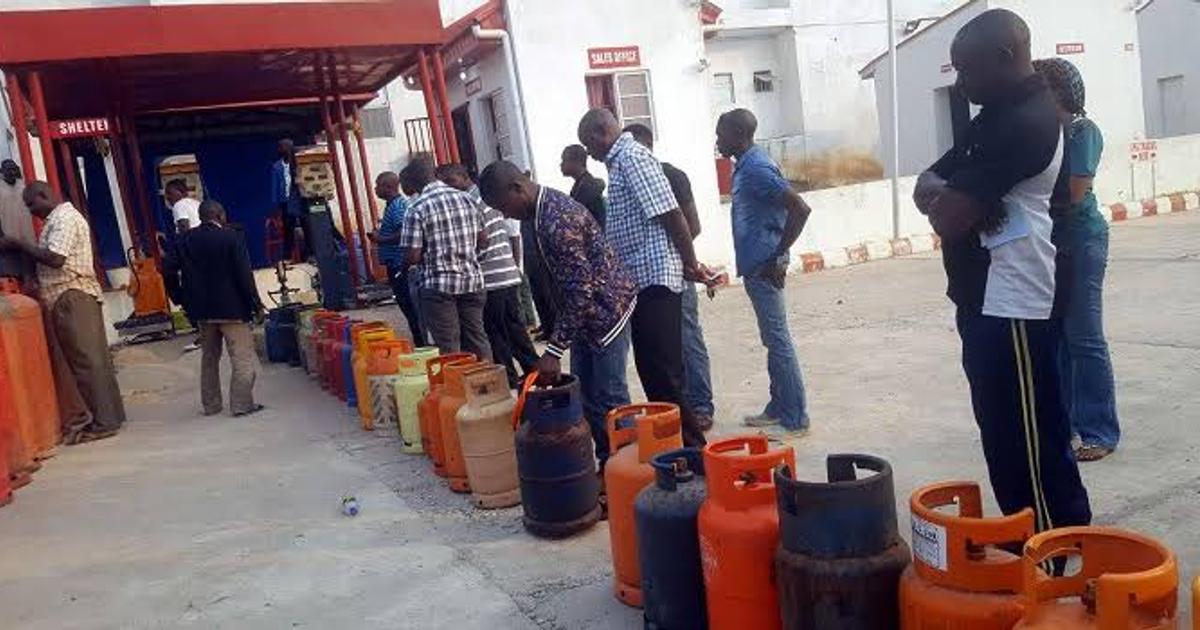
Federal Government blames forex volatility and logistics for high LPG prices; citizens urge focus on domestic supply
The Federal Government has directed gas marketers to ramp up imports of Liquefied Petroleum Gas (LPG), commonly known as cooking gas, to address supply shortages and rising prices across Nigeria. Minister of State for Petroleum Resources (Gas), Ekperikpe Ekpo, announced the move on Monday in Abuja, following widespread complaints from households struggling with higher energy costs.
Ekpo explained that recent spikes in cooking gas prices were driven by foreign exchange volatility, logistics challenges, and inadequate infrastructure within the country. He stated that marketers had received clear instructions to increase imports in the short term while government works on longer-term solutions to stabilise supply and prices. The directive comes as many Nigerians grapple with climbing food and transportation costs, making affordable cooking gas a pressing concern nationwide.
The government’s decision has drawn sharp reactions from citizens, who questioned why a nation with over 200 trillion cubic feet of proven natural gas reserves still needs to depend on imports. Many took to social media to express their frustration. “In a country where we have more gas reserves than oil, a nation is saying people should import? What happens to opening up more LNG plants across the country for this thing to be in abundance?” one user wrote. Another added: “If we have a large reserve and we export more than 942 billion scf and yet the minister’s solution is to import instead of cut export and increase what’s available for consumption… this isn’t a renewed hope, Nigeria is screwed.”
Despite these criticisms, Ekpo maintained that government policies are focused on ensuring local supply remains a priority. He emphasised that factors such as rising international LPG prices and infrastructural bottlenecks have limited domestic availability but assured that new gas projects—such as those from Seplat Energy—are expected to boost local supply and help moderate prices in the coming months.
Stakeholders in the oil and gas sector have long highlighted issues like inadequate processing facilities and poor transportation networks as obstacles preventing Nigerians from fully benefiting from the country’s vast gas wealth. The government insists that domestically produced LPG will continue to serve local demand first before exports are considered. Meanwhile, concerns persist that further price hikes may force more Nigerians to revert to firewood or charcoal for cooking—a trend with serious health and environmental implications.
Lagos Scientists Unveil Why Mosquitoes Target Some Nigerians More Than Others

Senegal Captain Blasts USA Travel Ban Ahead of 2026 FIFA World Cup
First Lady Oluremi Tinubu Disburses ₦100m Grant to 2,000 Benue Women, Commissions ICT Centre
Minister Ekpo Orders Increased Cooking Gas Imports as Nigerians Question Reliance Despite Vast Reserves

Oshiomhole’s Suspension Claim on Akpoti-Uduaghan Proven False After Fact Check

Victor Osimhen Reveals the One Relationship Dealbreaker He Can’t Ignore
IMF Kwupụtara Na Nigeria Ga-eji Pasent 53.7 Ego Ọchịchị Kwụọ Ụgwọ Mmefu Ugwo N’afọ 2026

CBN Kwupụtara Ịnye Swede Control Intertek Ụzọ Nrụpụta Mmanụ Mbụ abụọ Ọzọ

Gọvanmentị Federal Kwupụtara Mmegharị Ọrụ Ego Mba Ọzọ, Kwụsịrị Iji Eurobond Dị Ka Isi Ngwaọrụ

Saint Helena’s Jonathan Confirmed as World’s Oldest Living Land Animal at 194 Years
Environment Minister Urges Increased Investment in Nigeria’s Green Economy Ahead of Global Climate Summit

Moniepoint Graduates Second DreamDevs Cohort in Lagos to Strengthen Nigeria’s Engineering Workforce

Gọvanmenti Nigeria Kwupụtara 53 Orù Anyanwụ Maka Ike Ọhụrụ N’iru Afọ 2050

Fresh Romance Rumours Trail Lando Norris as Alix Earle Sparks Drama in Monaco

FG Launches $500m Abuja Formula 1 Bid, Targets Africa’s First Grand Prix Since 1993

Why More Nigerians Are Searching for Casino Bonuses—and What You Should Know Before Claiming
Ụlọ Ọrụ Nigeria Kwupụtara Nsogbu Nchekwa na Ụtụ Isi N’agbanyeghị Ịrị Elu Obi Ike Ahịa

Somali Referee Omar Artan Blocked From US World Cup Over Visa Row, Misses Dream Debut

Federal Government Launches Mining Grants for Research and Exploration Across Nigeria