Nigeria News (Standard)
FG, Global Fund Commission Expanded Medical Warehouse in Abuja to Boost Drug Storage
Facility aims to strengthen Nigeria’s health supply chain; officials say improved storage will enhance access to essential medicines
Facility aims to strengthen Nigeria’s health supply chain; officials say improved storage will enhance access to essential medicines
The Federal Government and the Global Fund on Wednesday inaugurated an expanded medical warehouse in Abuja, designed to increase Nigeria’s capacity for storing and distributing essential medicines nationwide. The event, held in the Federal Capital Territory, marks a major step towards improving the country’s health supply chain infrastructure.
The new warehouse, located in Abuja, was commissioned as part of ongoing efforts to address challenges around drug storage and timely delivery of medical supplies. According to officials at the event, the upgraded facility will serve as a national hub for receiving, storing, and dispatching medicines and health commodities to federal and state healthcare centres.
The expansion is expected to address longstanding issues of inadequate storage space and substandard warehousing practices that have affected medicine distribution across Nigeria. Health experts note that poor storage conditions have previously led to wastage and reduced effectiveness of vital drugs. The facility’s launch comes at a time when access to quality medicines is considered critical for achieving universal health coverage targets set by the government.
Government representatives said the partnership with the Global Fund demonstrates Nigeria’s commitment to strengthening its health system. Speaking during the commissioning, officials emphasised that improved warehousing will ensure better management of medicines for diseases such as malaria, HIV/AIDS, and tuberculosis. The opposition could not be immediately reached for comment.
With the warehouse now operational, authorities say attention will shift to ensuring efficient last-mile delivery of drugs across all regions. Health sector stakeholders have called for sustained investment in logistics and supply chain management so that Nigerians can benefit fully from international support programmes like this initiative.
Nigeria News (Standard)
FG Auctions ₦6.15bn Drug Assets in Lagos, Akure as NDLEA Sells Victoria Island Hotel
Estate firms acquire seized properties in major public auction; four assets withdrawn for not meeting reserve price
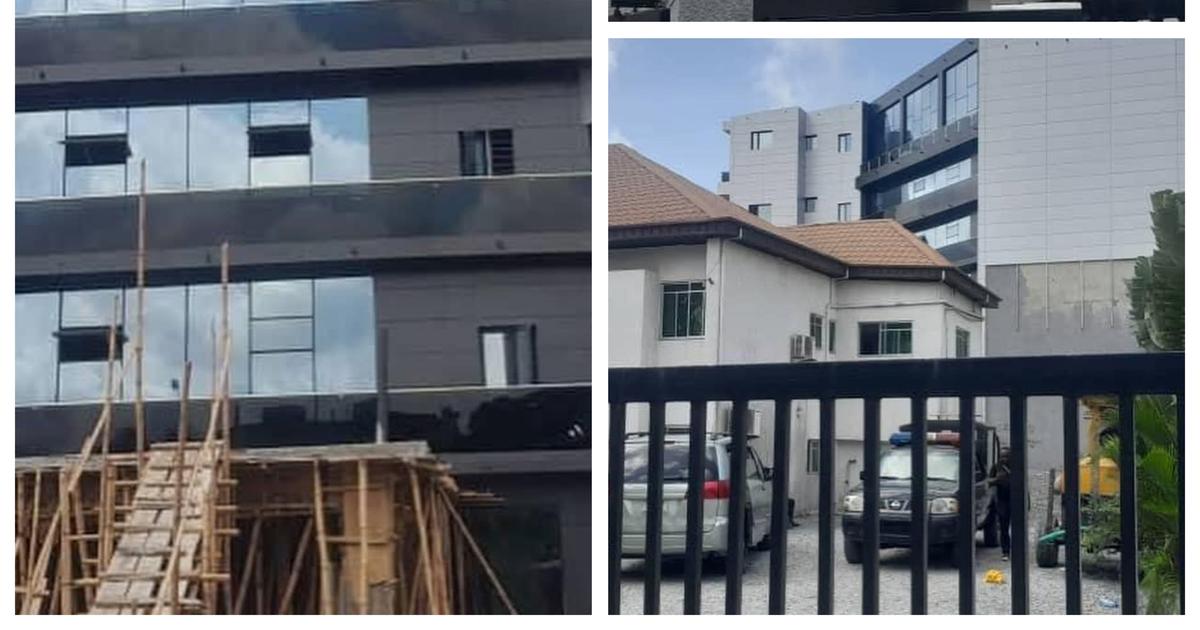
Estate firms acquire seized properties in major public auction; four assets withdrawn for not meeting reserve price
The Federal Government on Monday concluded the public auction of assets forfeited by convicted drug traffickers, generating over ₦6.14 billion in revenue from high-value properties in Lagos and Akure. The exercise, which took place in Abuja under the supervision of the National Drug Law Enforcement Agency (NDLEA) and the Federal Ministry of Justice, saw a six-storey luxury hotel on Victoria Island, Lagos sold for ₦5.9 billion—the largest single asset in the auction.
According to Tamarantare Francis Ali-Bozi, Head of Asset Recovery and Management Unit at the Ministry of Justice, a total of four major properties were successfully handed over to new corporate owners after meeting government reserve prices. These include the Victoria Island hotel acquired by Tope Ojo and Tunde Olonishakin Estate Firm; a commercial/residential property in Lekki Phase 1 bought by FSS Limited for ₦219.5 million; a block of flats in Ejigbo secured by A-BNB Global Innovations Limited for ₦104 million; and a residential property in Akure purchased by Fazeen Global Link Limited for ₦29.36 million.
The NDLEA confirmed that all assets auctioned had been permanently confiscated following final court orders linked to high-profile narcotics cases. Director of Media and Advocacy, Femi Babafemi, said four other properties listed for sale did not meet their minimum valuation and were therefore withdrawn from the auction floor. “Those properties will be considered for future disposal once they attract qualifying bids,” Babafemi stated during the bid announcement.
The asset disposal marks one of Nigeria’s most significant recoveries under the Proceeds of Crime Act, reflecting government efforts to deter drug trafficking through aggressive forfeiture measures. Experts say such auctions not only raise funds for public use but also send a message that crime will not pay. The Ministry of Justice assured that proceeds would be remitted into federal coffers for development projects.
With this round concluded, stakeholders expect more asset auctions as court-ordered forfeitures increase amid ongoing anti-narcotics operations nationwide.
Source: https://www.pulse.ng/story/ndlea-forfeited-properties-auction-lagos-2026061711284118086
Nigeria News (Standard)
Lagos-Based Pulse Marketing Wins Double Bronze at Pitcher Awards, Delivers 1.98 Million Engagements
Agency’s targeted digital campaigns for Honey and Banana, Salonpas spark industry debate on measurable impact in Nigerian marketing
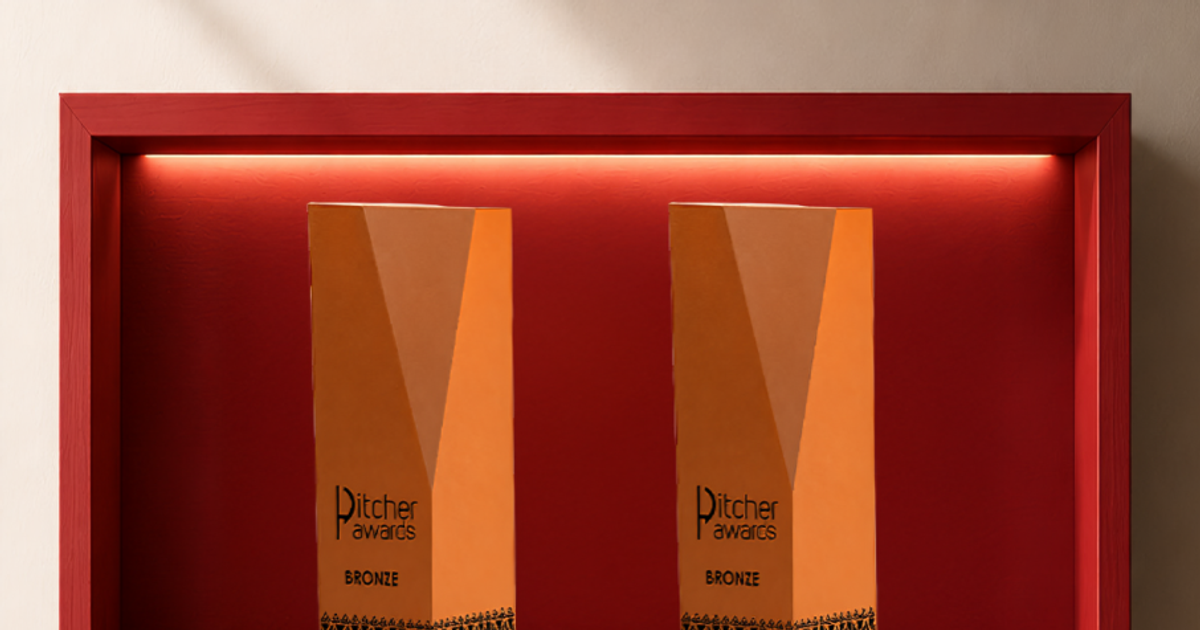
Agency’s targeted digital campaigns for Honey and Banana, Salonpas spark industry debate on measurable impact in Nigerian marketing
Pulse Marketing, a leading agency headquartered in Lagos, secured two Bronze medals and one shortlist placement at the recently concluded Pitcher Awards, with both winning entries focused on measurable business results rather than mere brand visibility. The awards ceremony took place on Monday, 17 June 2026, drawing stakeholders from across Nigeria’s advertising and marketing sectors.
The agency was recognised for its data-driven approach in two major campaigns. For Honey and Banana, a health initiative operating in a culturally sensitive category, Pulse Marketing designed a digital-first strategy targeting mobile users during specific call centre hours. By leveraging platforms like Transsion and Eskimi, the campaign created private channels for engagement while remaining mindful of regional sensitivities—especially in Northern Nigeria. The team responded to concerns about radio placements by reallocating investment to digital media. This operational flexibility resulted in nearly 1.98 million click-to-action engagements and more than 63,000 inbound calls, according to figures provided by the agency.
The second Bronze-winning campaign, titled ‘Behind the Hustle,’ was executed for Salonpas, a topical pain relief brand from Hisamitsu Pharmaceutical. Rather than traditional celebrity endorsements, Pulse Marketing opted to partner directly with fitness communities at select i-Fitness gyms in Lagos—including locations in Jakande, Yaba and Gbagada—placing Salonpas products within authentic workout environments. The aim was to reach active professionals seeking alternatives to oral medication through peer influence and contextual relevance.
Industry observers say these wins reflect shifting expectations among Nigerian brands under economic pressure. “Brands are no longer satisfied with just awareness; they want real business results,” said a senior official at the Lagos Advertising Practitioners Council who attended the awards event. Pulse Marketing also noted that effective campaigns must align with operational realities on ground: “For us, marketing goes beyond visibility—it’s about creating meaningful connections that translate into measurable outcomes,” an agency spokesperson said in a written statement.
With scrutiny on marketing spend rising as Nigeria faces persistent inflation—most recently reported at 33.7 percent by the National Bureau of Statistics—analysts believe campaigns that combine cultural sensitivity with disciplined media planning will shape the next phase of Africa’s marketing industry. Pulse Marketing’s performance at the Pitcher Awards is seen as evidence that creativity paired with operational discipline delivers both industry accolades and tangible business impact.
Nigeria News (Standard)
Abdulsalami Abubakar Dismisses Poisoning Rumours, Reveals Autopsy Found MKO Abiola Died of Natural Causes
Former Head of State cites international autopsy and Abiola’s medical history in new autobiography launched in Abuja
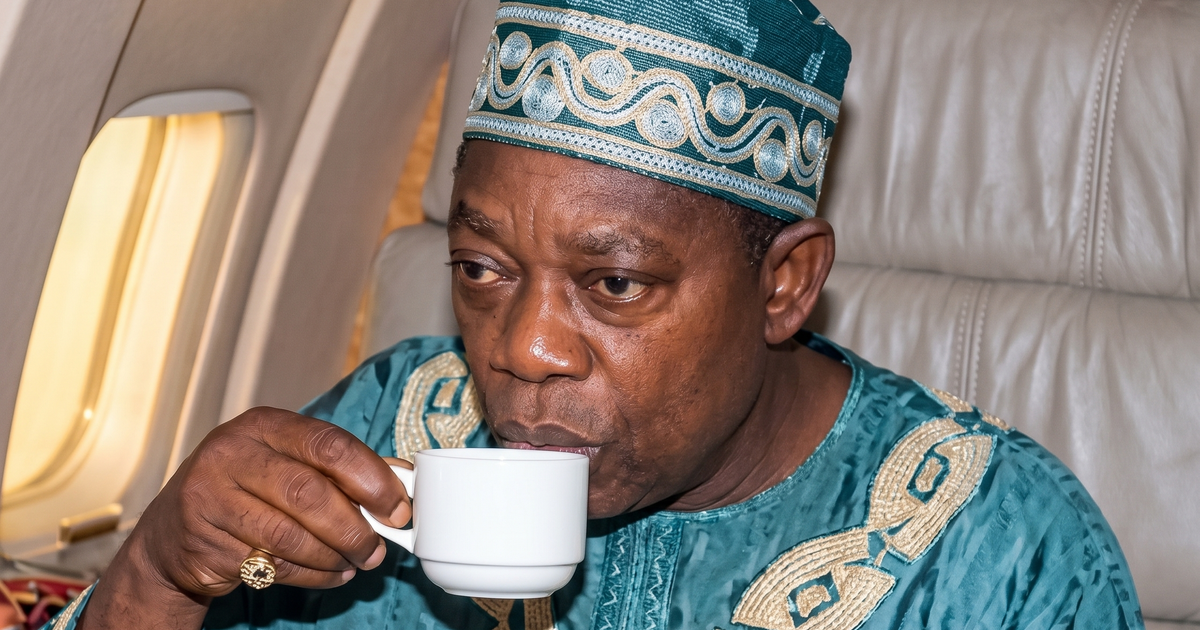
Former Head of State cites international autopsy and Abiola’s medical history in new autobiography launched in Abuja
Former Head of State, Gen. Abdulsalami Abubakar (retd.), has refuted long-standing claims that Chief Moshood Kashimawo Olawale (MKO) Abiola was poisoned while in detention, stating that an international autopsy confirmed the June 12 icon died of natural causes. Abdulsalami made this disclosure in Abuja on Monday during the launch of his autobiography, ‘Call of Duty’, held as part of his 84th birthday celebrations.
In the book, Abdulsalami revisited the circumstances around Abiola’s death on 7 July 1998, which occurred during a meeting with a delegation from the United States government. The delegation included Tom Pickering, then US Undersecretary of State for Political Affairs, and Susan Rice, then Assistant Secretary for African Affairs. Shortly after the meeting began at an undisclosed Abuja location, Abiola developed a severe cough and complained of feeling hot before collapsing. A doctor was immediately called in and later pronounced him dead from what was diagnosed as a heart attack.
The development reignited decades-old suspicions among many Nigerians that Abiola had been poisoned—particularly theories focusing on a cup of tea served during the meeting. Abdulsalami, however, wrote: “I do not believe Abiola was poisoned. The family requested an autopsy and we assembled American, British, Nigerian and Canadian pathologists to conduct it. The autopsy report attributed his death to natural causes.” He further noted that medical records dating back to 1994 showed Abiola had pre-existing health conditions including hypertension and an enlarged heart consistent with hypertensive heart disease.
Drawing from Susan Rice’s memoir ‘Tough Love’, Abdulsalami described how Abiola began coughing severely almost as soon as the meeting started before suffering breathing difficulties and being rushed for urgent medical attention. “Efforts to save him were unsuccessful,” he added, citing also Tom Pickering’s account that detailed how visibly distressed Abiola became before he passed away. The former Head of State also recalled receiving news from his Chief Security Officer Abdulrasheed Aliyu: “Aliyu, my CSO, called me. As soon as I picked, he said in a shaky voice that there was a problem… He said Abiola was dead. My head went blank.”
Beyond clarifying the cause of death, Abdulsalami used his autobiography to address other key moments in Nigeria’s political history—including the annulment of the June 12 presidential election—and to counter persistent rumours surrounding deaths under military rule. As at press time, opposition figures could not be immediately reached for comment on Abdulsalami’s revelations.
FG Auctions ₦6.15bn Drug Assets in Lagos, Akure as NDLEA Sells Victoria Island Hotel
Lagos-Based Pulse Marketing Wins Double Bronze at Pitcher Awards, Delivers 1.98 Million Engagements
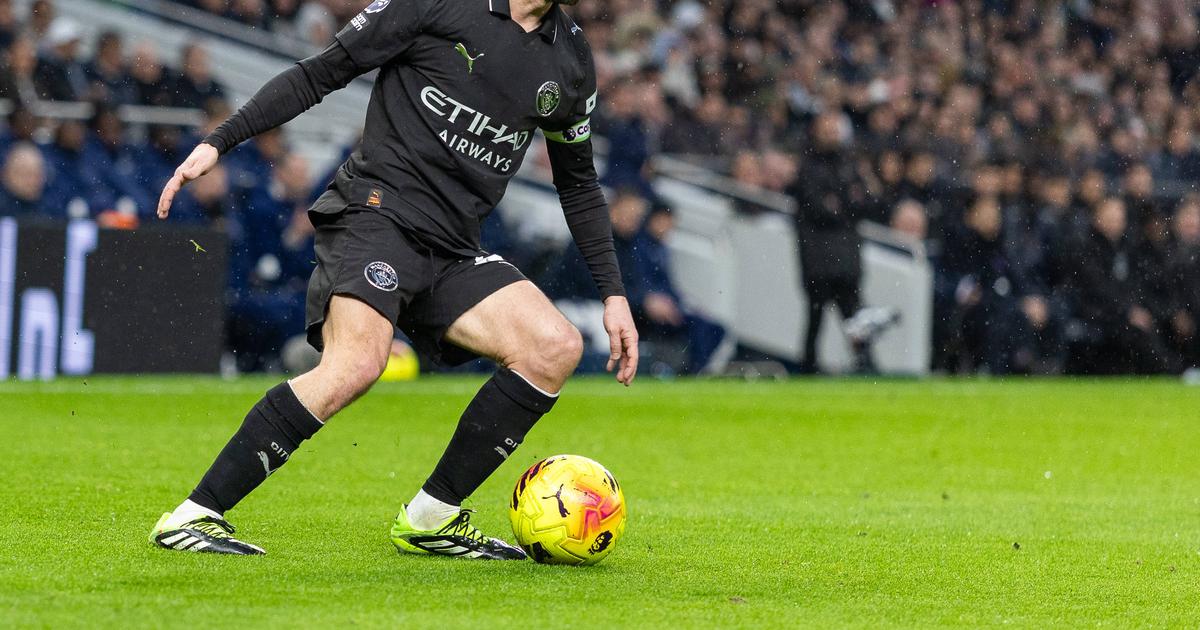
Mourinho’s Madrid Land Bernardo Silva as Summer Overhaul Picks Up Pace
Abdulsalami Abubakar Dismisses Poisoning Rumours, Reveals Autopsy Found MKO Abiola Died of Natural Causes
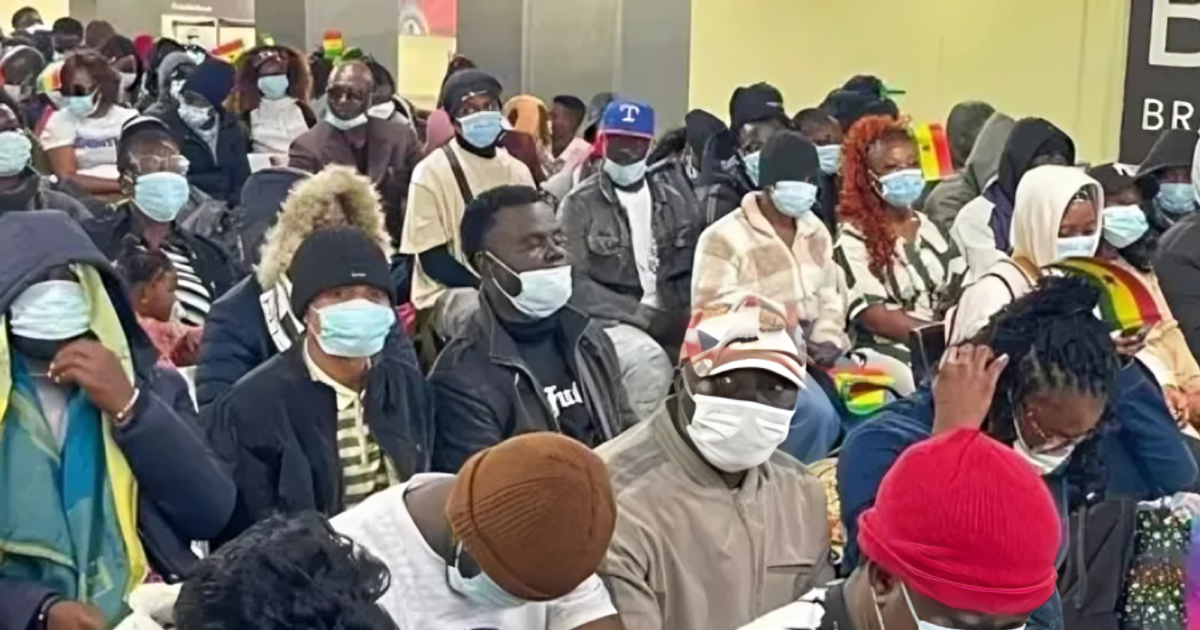
Federal Government Cancels Second South Africa Evacuation Flight, Hundreds of Nigerians Stranded in Johannesburg
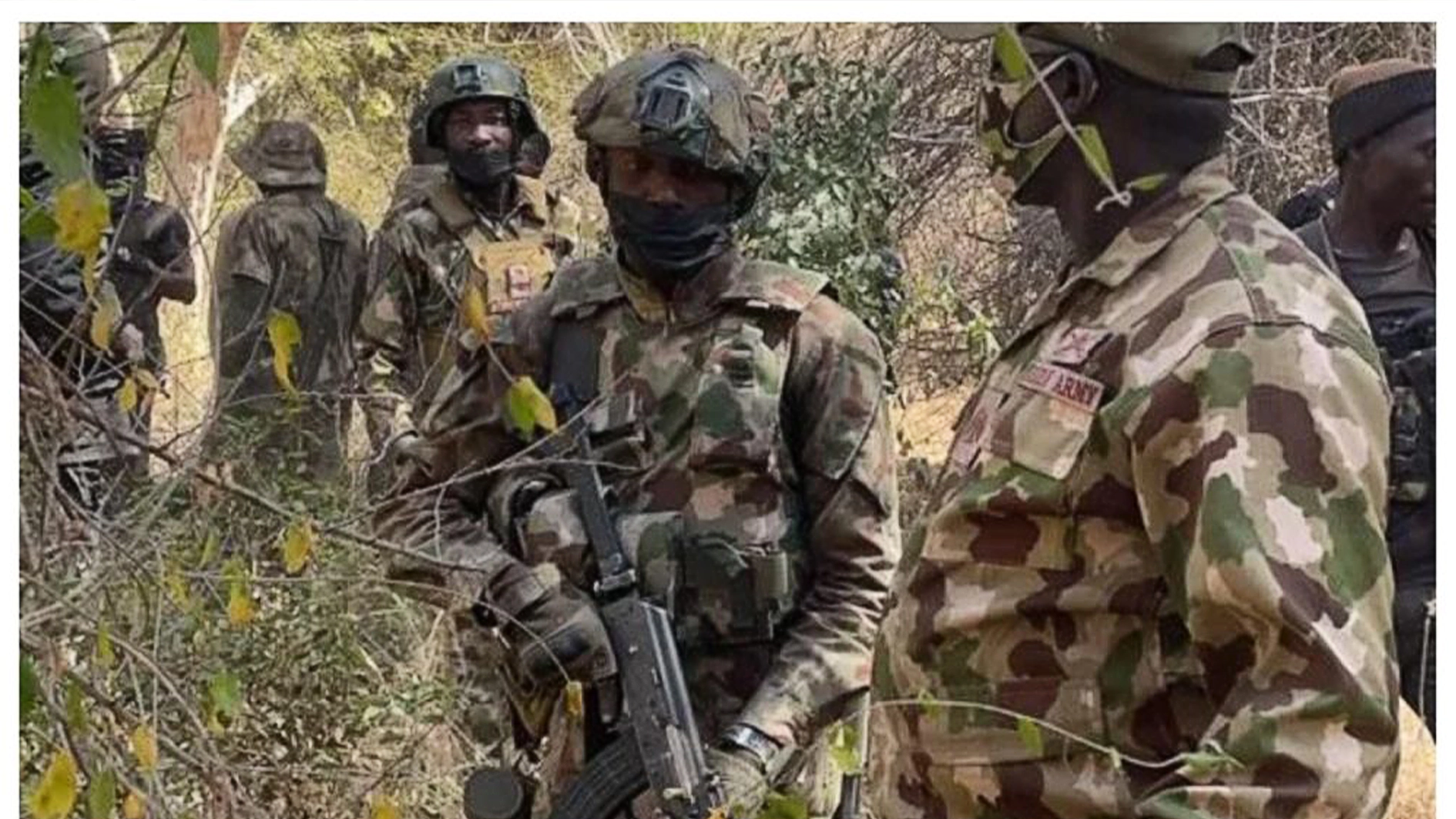
Troops Rescue Four Kidnap Victims in Katsina During Military Operations
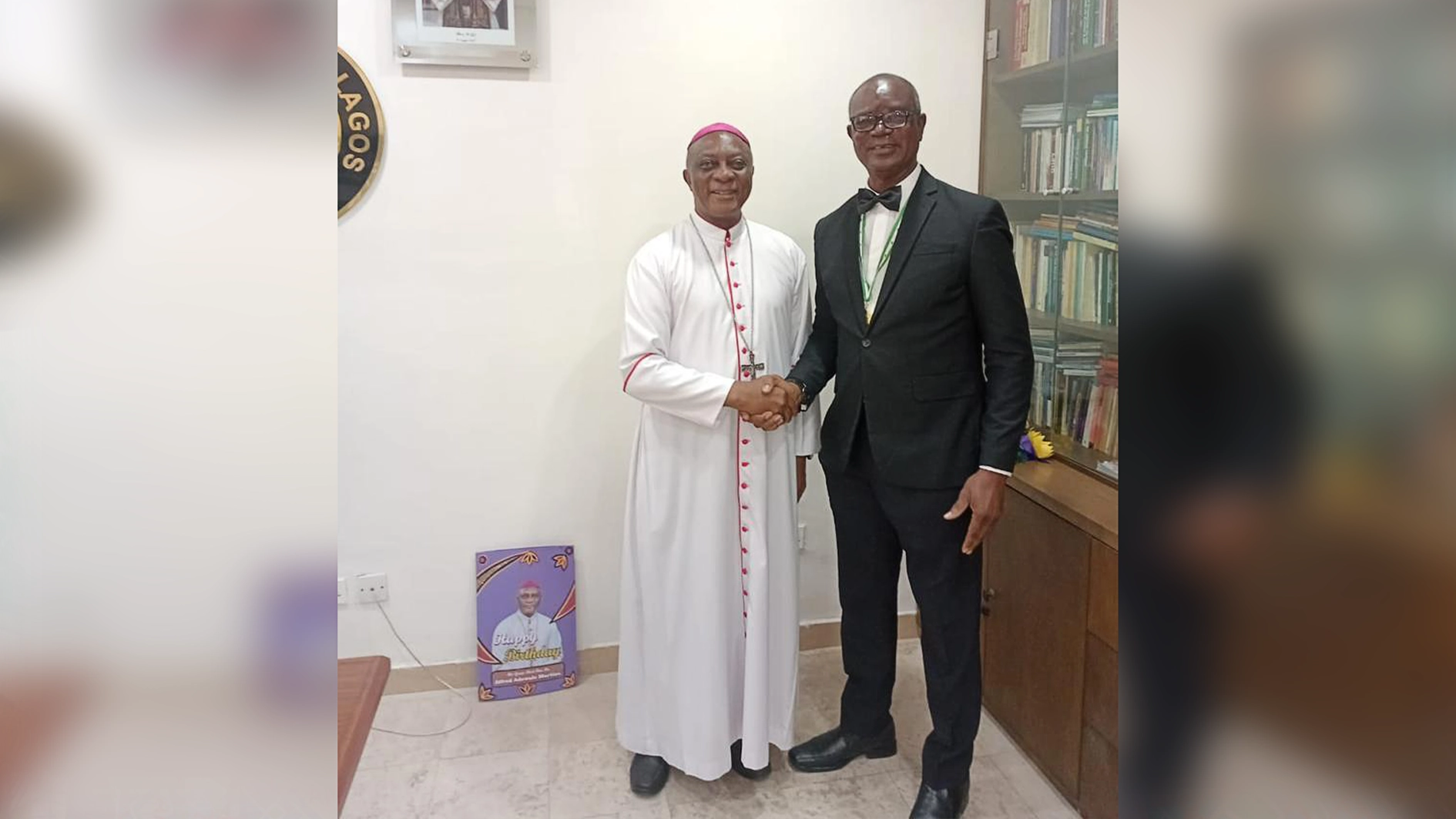
Lagos Archbishop Martins Endorses KSM Awards for Longstanding Church Charity Supporters

Ogun Police Arrest Six, Recover Stolen Generators in Statewide Operation
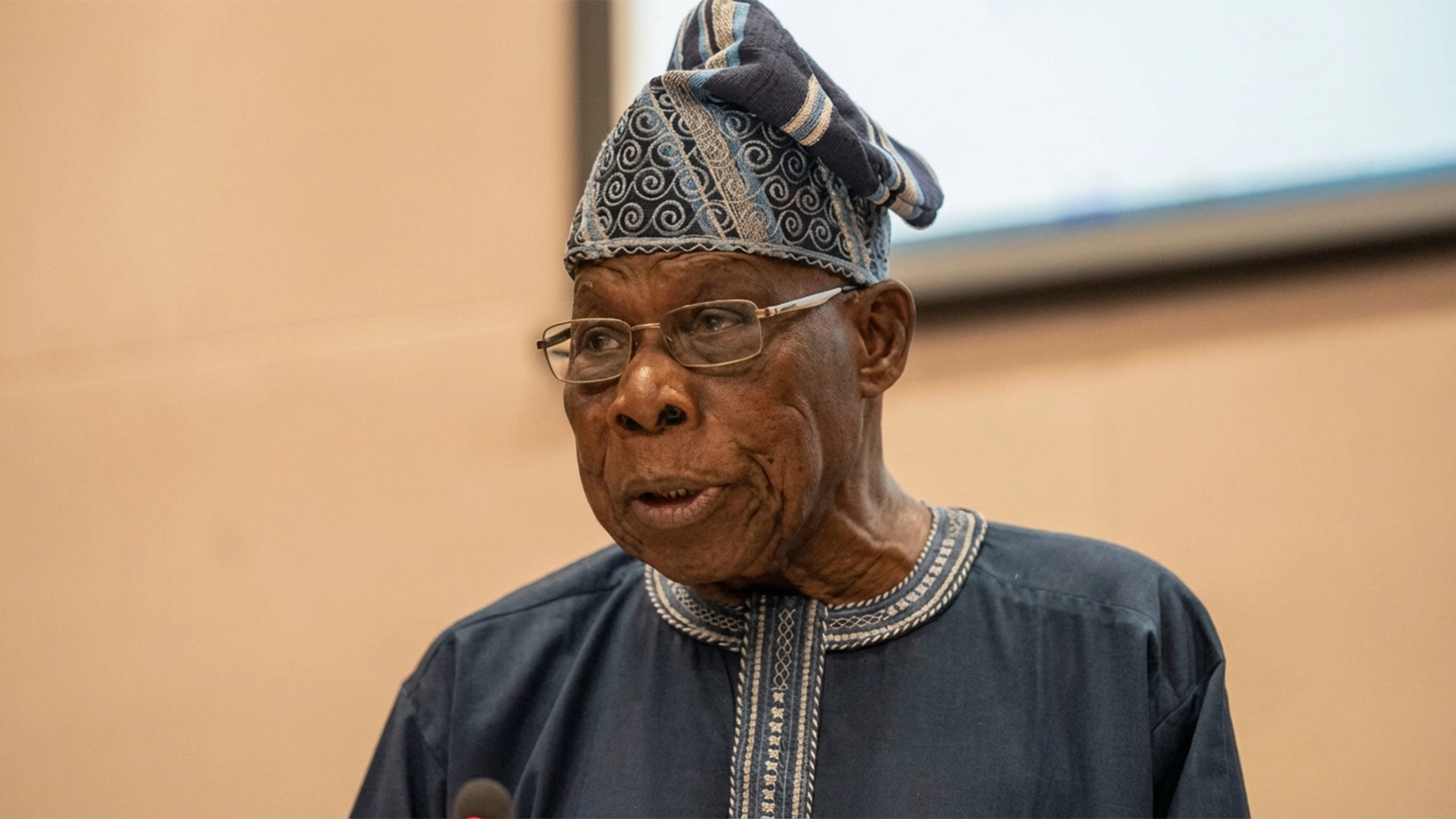
Obasanjo, Omishakin Lead Lagos Diaspora Investment Summit to Boost Africa’s Economic Renaissance
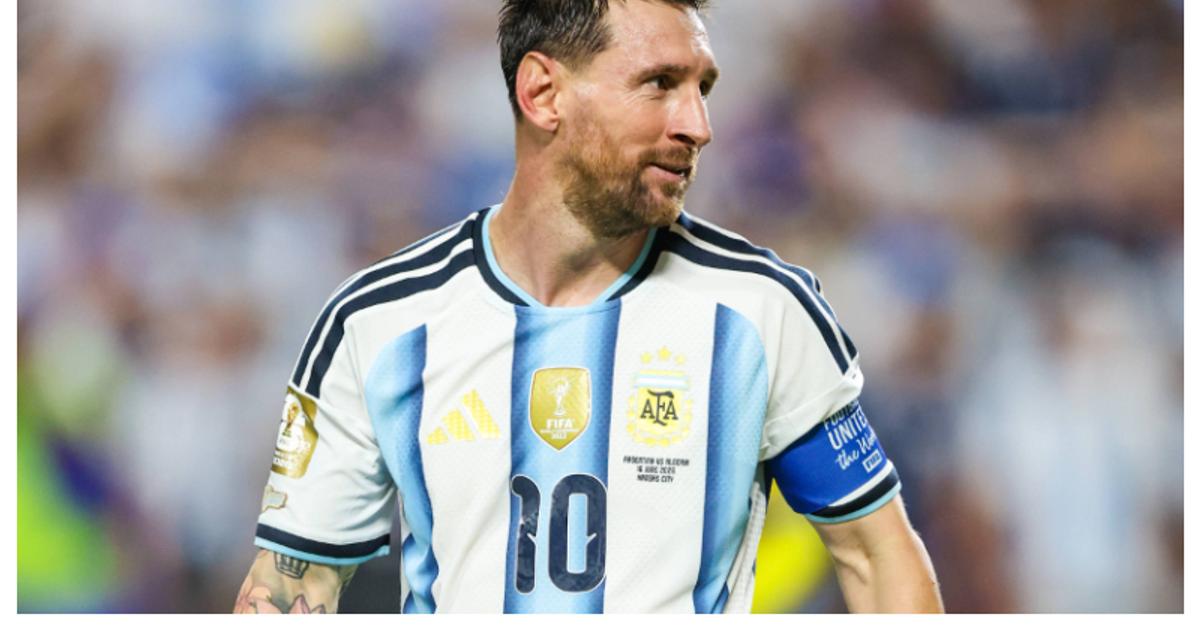
Messi Breaks Down After Hat-Trick Against Algeria, Reveals Personal Struggles Behind the Tears
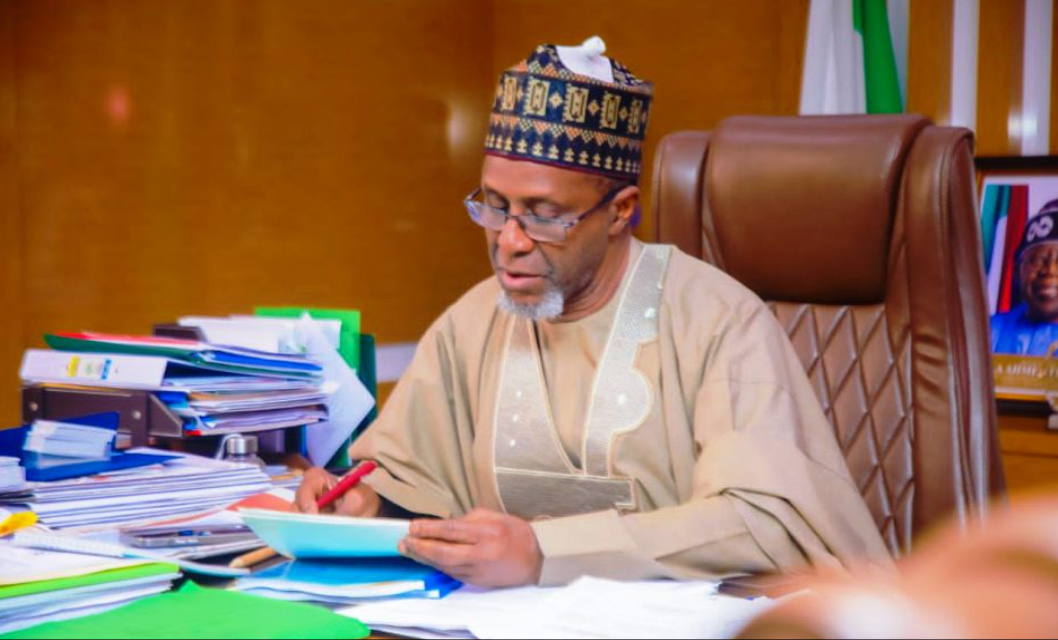
Environment Minister Urges Increased Investment in Nigeria’s Green Economy Ahead of Global Climate Summit
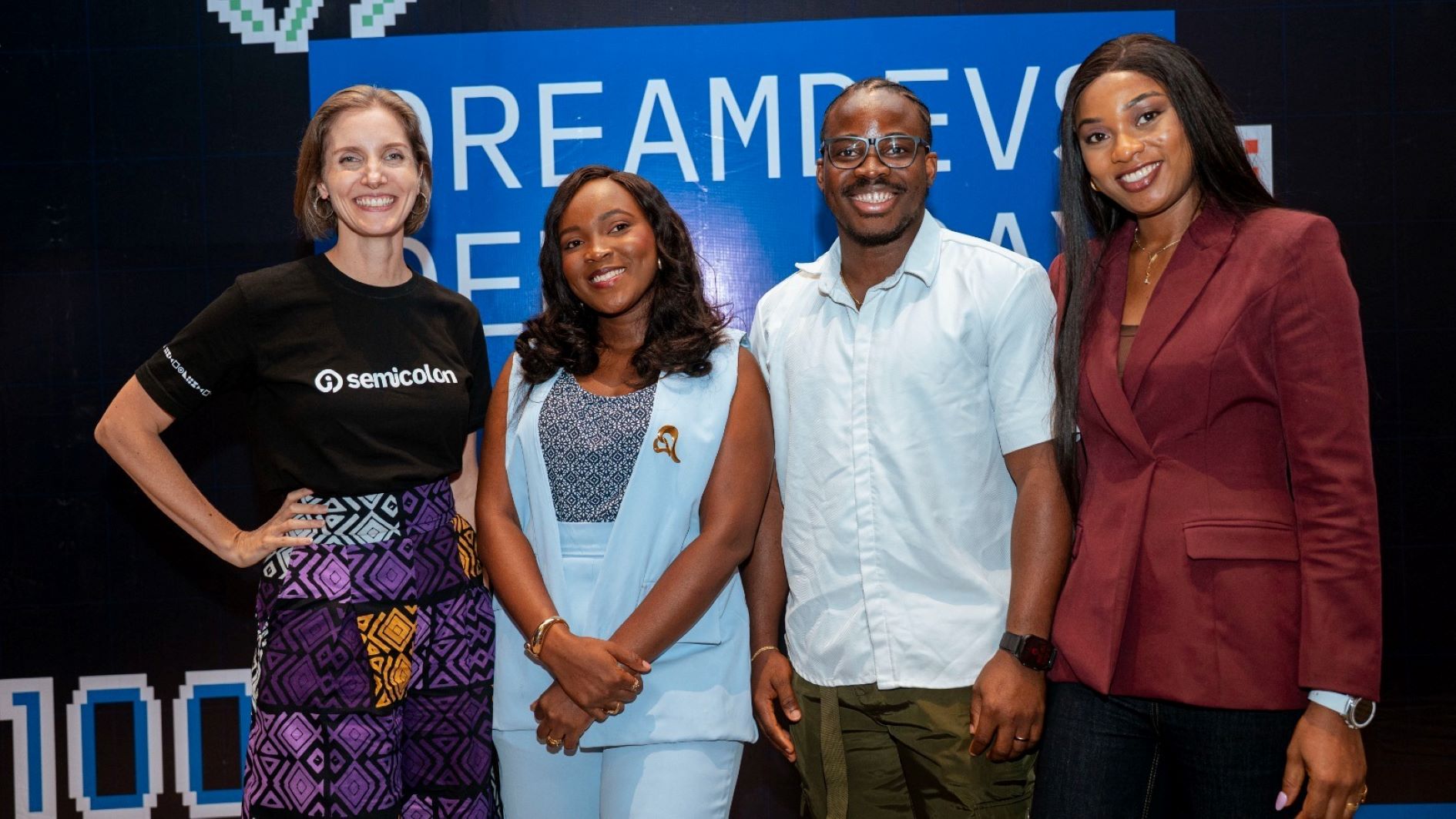
Moniepoint Graduates Second DreamDevs Cohort in Lagos to Strengthen Nigeria’s Engineering Workforce

Gọvanmenti Nigeria Kwupụtara 53 Orù Anyanwụ Maka Ike Ọhụrụ N’iru Afọ 2050

Fresh Romance Rumours Trail Lando Norris as Alix Earle Sparks Drama in Monaco
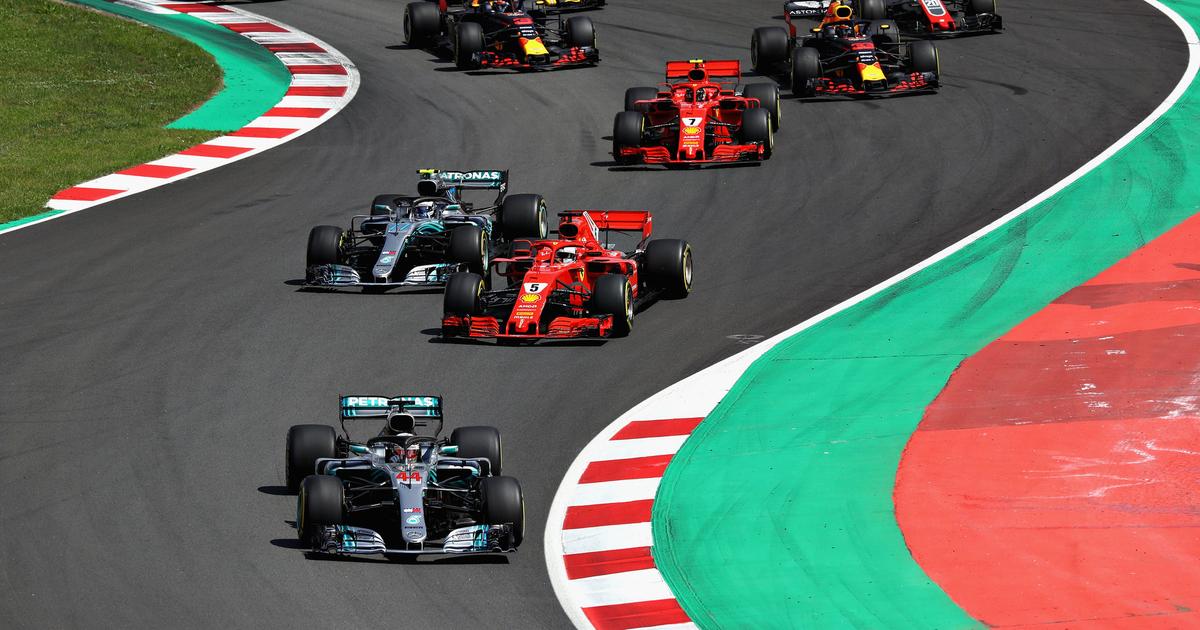
FG Launches $500m Abuja Formula 1 Bid, Targets Africa’s First Grand Prix Since 1993

Why More Nigerians Are Searching for Casino Bonuses—and What You Should Know Before Claiming
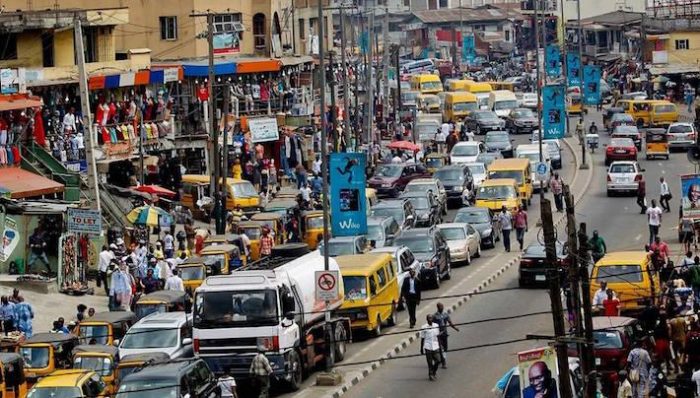
Ụlọ Ọrụ Nigeria Kwupụtara Nsogbu Nchekwa na Ụtụ Isi N’agbanyeghị Ịrị Elu Obi Ike Ahịa
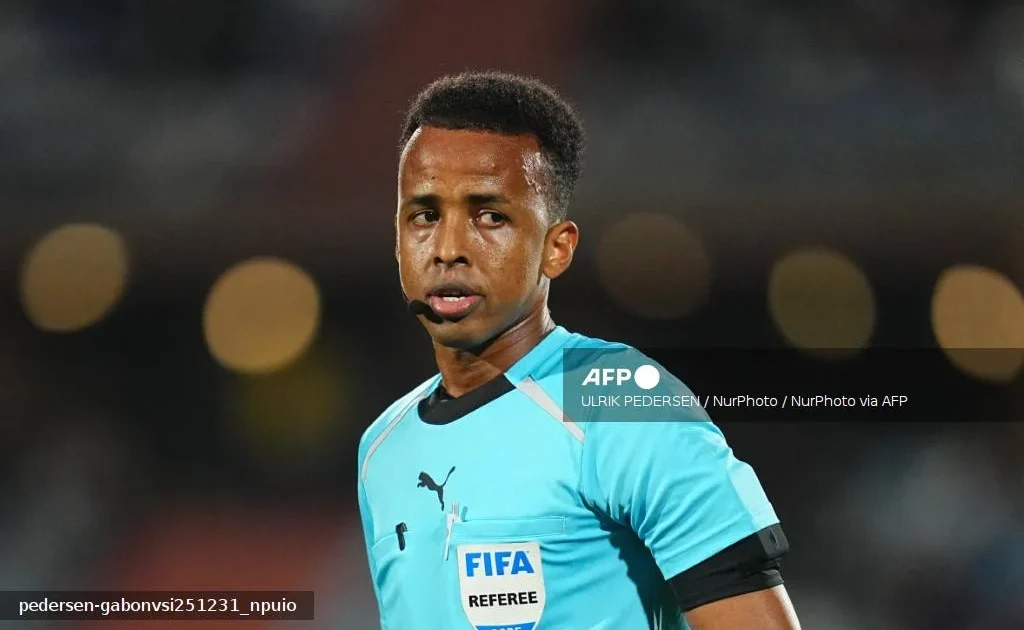
Somali Referee Omar Artan Blocked From US World Cup Over Visa Row, Misses Dream Debut
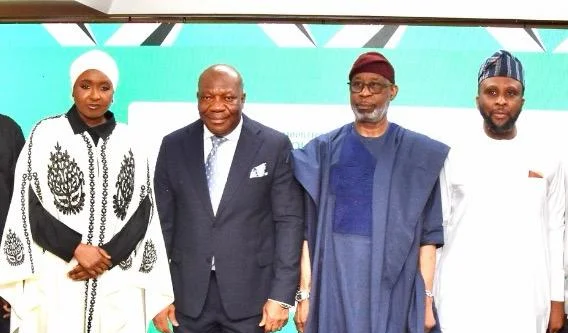
Federal Government Launches Mining Grants for Research and Exploration Across Nigeria