Nigeria News (Standard)
Governors’ Forum Urges State Police to Uphold Citizens’ Rights, Support Federalism Principles
NGF says state policing must respect human rights and align with Nigeria’s federal structure amid security debates

NGF says state policing must respect human rights and align with Nigeria’s federal structure amid security debates
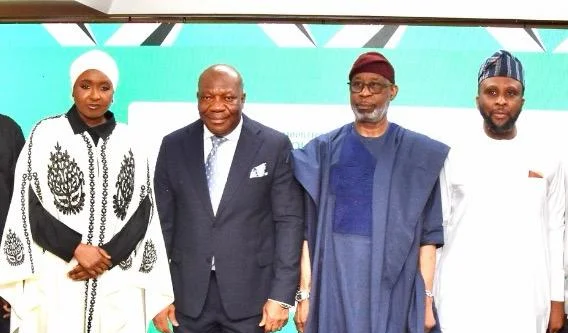
The Nigeria Governors’ Forum (NGF) has called for any proposed state police structure to be firmly rooted in the protection of citizens’ rights and consistent with federalist principles. The forum made this position clear on Thursday, 18 June, during a meeting where security arrangements across the country were discussed in light of ongoing public debates about decentralising policing powers.
Deliberations at the NGF meeting, which took place in Abuja, centred on the need for a security architecture that addresses local challenges while maintaining respect for constitutional safeguards. Members emphasised that while state police could help address rising insecurity in various states, there must be mechanisms to prevent abuse and safeguard fundamental freedoms.
The issue of establishing state police has gained renewed traction as stakeholders and policymakers seek solutions to persistent security threats ranging from banditry to communal clashes. Several state governments and advocacy groups have backed calls for state policing, arguing that it will enable quicker response times and better understanding of local dynamics. However, concerns remain over potential misuse by political actors if appropriate checks are not instituted.
According to the NGF’s official position, any move towards state police must be “anchored on respect for citizens’ rights” and should reinforce Nigeria’s federal system rather than undermine it. The forum stated that robust legal frameworks would be essential to prevent violations and ensure accountability within any new policing model.
As discussions continue at both national and subnational levels, the NGF said it will consult widely with relevant stakeholders—including civil society groups and security experts—to develop recommendations that balance security needs with democratic values. The final outcome of these deliberations is expected to shape legislative proposals as Nigeria reviews its policing structures.
Nigeria News (Standard)
Ex-Governor Fayose Votes in Ekiti, Predicts Landslide Victory for Governor Oyebanji
Former Ekiti Governor casts ballot in Ado-Ekiti, says incumbent APC candidate will win by overwhelming margin

Former Ekiti Governor casts ballot in Ado-Ekiti, says incumbent APC candidate will win by overwhelming margin
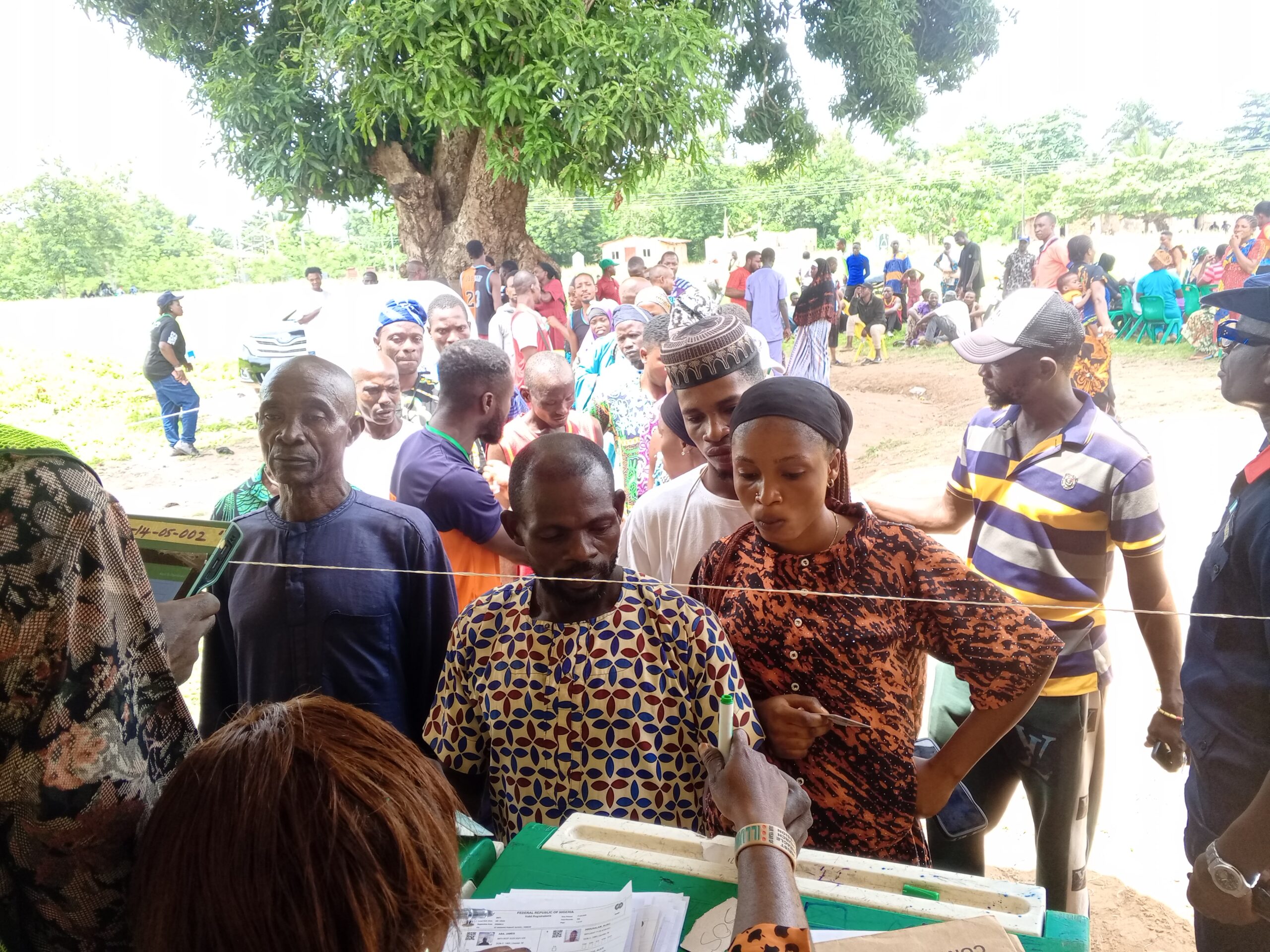
Former Governor of Ekiti State, Ayodele Fayose, on Saturday cast his vote in the ongoing governorship election in Ado-Ekiti, South-West Nigeria, expressing strong confidence that Governor Biodun Oyebanji of the All Progressives Congress (APC) would secure a decisive victory. The exercise took place on 20 June 2026 amid tight security and a steady turnout of voters across key polling centres.
Fayose, who arrived at his designated polling unit in the state capital, was seen interacting with electoral officers and party agents before casting his ballot. Shortly after voting, he told reporters that the APC candidate, Oyebanji, would emerge victorious with a significant margin based on what he described as visible support from residents and stakeholders.
The 2026 Ekiti governorship poll is being closely watched across Nigeria due to its political significance for the South-West zone and its potential impact on national party alignments ahead of future elections. Both the APC and opposition parties have mobilised supporters across all sixteen local government areas to ensure robust participation and credible results.
Although full results were yet to be released as at press time, Fayose’s declaration has drawn reactions from political observers. Several opposition figures expressed caution over early predictions, urging the Independent National Electoral Commission (INEC) to ensure transparency in collation and announcement of results. APC chieftains meanwhile cited high turnout in their strongholds as evidence of popular support for Oyebanji.
INEC officials said counting was underway at various polling units and pledged that official results would be announced promptly once collation is concluded. Security agencies maintained a visible presence throughout major towns in Ekiti to prevent disruptions as stakeholders await final outcomes.
Nigeria News (Standard)
Nigerian-Born DJ Spectacles Uses Data Analytics to Transform UK Live Music Scene
Performer blends audience insights with music trends and cultural storytelling, drawing attention from British and Nigerian communities

Performer blends audience insights with music trends and cultural storytelling, drawing attention from British and Nigerian communities
Nigerian-born DJ Spectacles is making waves in the United Kingdom by using data-driven techniques to redefine live music experiences. Based in Britain, the innovative DJ and music curator is gaining recognition for combining audience analytics, music trends, and elements of cultural storytelling to deliver standout performances across various venues.
Spectacles, who hails from Nigeria but has established his career in the UK, departs from the traditional approach where DJs rely mainly on instinct or long-standing experience. Instead, he studies crowd preferences and music consumption data before every show, ensuring each set list reflects the tastes and moods of his audience. This method has set him apart among both British and Nigerian diasporan communities.
Industry observers note that his approach comes at a time when the global entertainment sector is shifting towards more personalised experiences. For many Nigerians living abroad, Spectacles’ performances serve as a bridge to home culture while also introducing British audiences to new sounds and narratives. The trend of integrating technology into live entertainment is gradually gaining ground in London, Manchester, Birmingham and other major UK cities where large Nigerian populations reside.
While some critics argue that relying on data could limit artistic spontaneity, supporters believe Spectacles’ method brings much-needed innovation to an industry sometimes resistant to change. His supporters say that by using technology alongside musical talent, he is helping UK event organisers attract more diverse crowds.
As the popularity of data-informed performances grows, stakeholders in both Nigeria’s creative industry and the UK entertainment sector are watching closely. Many expect more DJs and performers will adopt similar practices as competition for audiences intensifies both at home and abroad.
Nigeria News (Standard)
Nigerian-Born Musician Spencer Percussionist Champions Wellbeing Through African Rhythms in UK
Spencer Richard Momoh’s creative health initiatives use music to foster social connection among diverse communities
Spencer Richard Momoh’s creative health initiatives use music to foster social connection among diverse communities
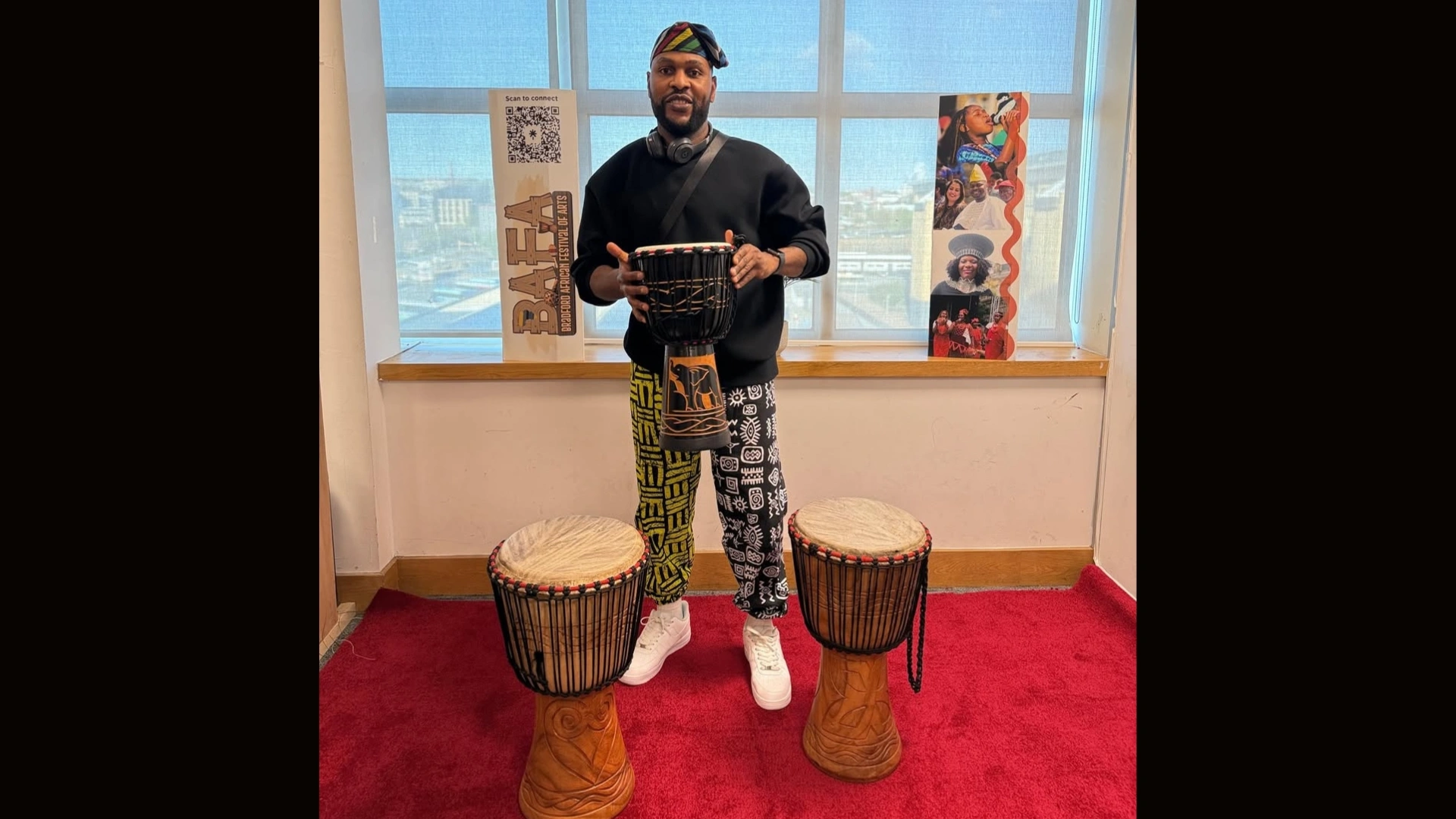
Nigerian-born musician Spencer Richard Momoh, popularly known as Spencer Percussionist, is leveraging African percussion and community engagement to promote wellbeing and social connection across the United Kingdom. Based in the UK, Spencer has garnered attention for integrating traditional rhythms with creative health programmes, offering an alternative approach to mental and physical wellness beyond conventional medical settings.
Spencer’s work spans multiple festivals and community events, where he employs African percussion instruments to create interactive sessions aimed at enhancing participants’ sense of belonging and participation. His initiatives fall under the Creative Health movement, which encourages the use of art forms as tools for improving overall wellbeing. Through workshops and performances, Spencer invites people from various backgrounds to connect through rhythm, fostering an environment where creativity becomes a pathway to healing.
The musician’s approach comes at a time when discussions on health in Nigeria and across the world are shifting towards holistic methods that include mental, emotional, and social aspects. By drawing from African musical traditions and adapting them for audiences in the diaspora, Spencer highlights how cultural heritage can serve as a bridge for inclusion and positive mental health outcomes. Stakeholders in both the arts and healthcare sectors have noted a growing interest in such cross-disciplinary collaborations, which reflect broader trends in community-based health interventions.
While official statements from UK health authorities on Spencer’s specific projects were not available as at press time, advocacy groups within the creative industry have welcomed his efforts. They maintain that artists like Spencer play an important role in addressing isolation and stress through accessible programmes that encourage group participation. Experts say that such initiatives could inform similar models in Nigeria, where community-driven solutions are increasingly seen as vital complements to formal healthcare delivery.
Looking ahead, observers expect that success stories like Spencer’s may inspire more Nigerian artists at home and abroad to explore how their craft can impact public health. As cultural exchange continues to shape approaches to wellbeing globally, artists engaging with their roots stand poised to make meaningful contributions within their adopted communities.
Source: https://guardian.ng/life/music/how-spencer-percussionist-uses-rhythm-to-promote-wellbeing/
Ex-Governor Fayose Votes in Ekiti, Predicts Landslide Victory for Governor Oyebanji
Nigerian-Born DJ Spectacles Uses Data Analytics to Transform UK Live Music Scene
Nigerian-Born Musician Spencer Percussionist Champions Wellbeing Through African Rhythms in UK

Casemiro Set to Join Elite Club of Players Who Have Teamed Up With Both Ronaldo and Messi
Ekiti ADC Governorship Candidate Raises Alarm Over Vote-Buying Ahead of 2026 Polls
Ekiti Governor Oyebanji Urges Calm Over Voting Glitches in Governorship Poll
Ekiti Police Vow to Sanction Vote-Buying Offenders, Launch Electoral Emergency Hotline

Ekiti Accord Party Candidate Alleges Vote-Buying, Accuses Security Agents of Bias in Governorship Poll

Ogun Police Arrest Three over Armed Robbery, Vehicle Theft in Abeokuta

Ekiti Party Agents Use Numbered Slips for Vote Buying Amid Tight Cash Scrutiny
Environment Minister Urges Increased Investment in Nigeria’s Green Economy Ahead of Global Climate Summit

Gọvanmenti Nigeria Kwupụtara 53 Orù Anyanwụ Maka Ike Ọhụrụ N’iru Afọ 2050

Moniepoint Graduates Second DreamDevs Cohort in Lagos to Strengthen Nigeria’s Engineering Workforce
FG Launches $500m Abuja Formula 1 Bid, Targets Africa’s First Grand Prix Since 1993

Fresh Romance Rumours Trail Lando Norris as Alix Earle Sparks Drama in Monaco

Why More Nigerians Are Searching for Casino Bonuses—and What You Should Know Before Claiming
Peter Obi Demands ₦5bn and Public Apology From Kenneth Okonkwo Over Defamation in Lagos

Ụlọ Ọrụ Nigeria Kwupụtara Nsogbu Nchekwa na Ụtụ Isi N’agbanyeghị Ịrị Elu Obi Ike Ahịa
Lagos State Disburses ₦15bn, Creates 320,000 Jobs Through Employment Trust Fund