Nigeria News (Standard)
ICEHD Reports Over 80% of Rural Women Farmers in Nigeria Lack Awareness of Climate Finance Schemes
Stakeholders blame weak policy implementation and poor funding as grassroots forum in Abuja seeks urgent government intervention
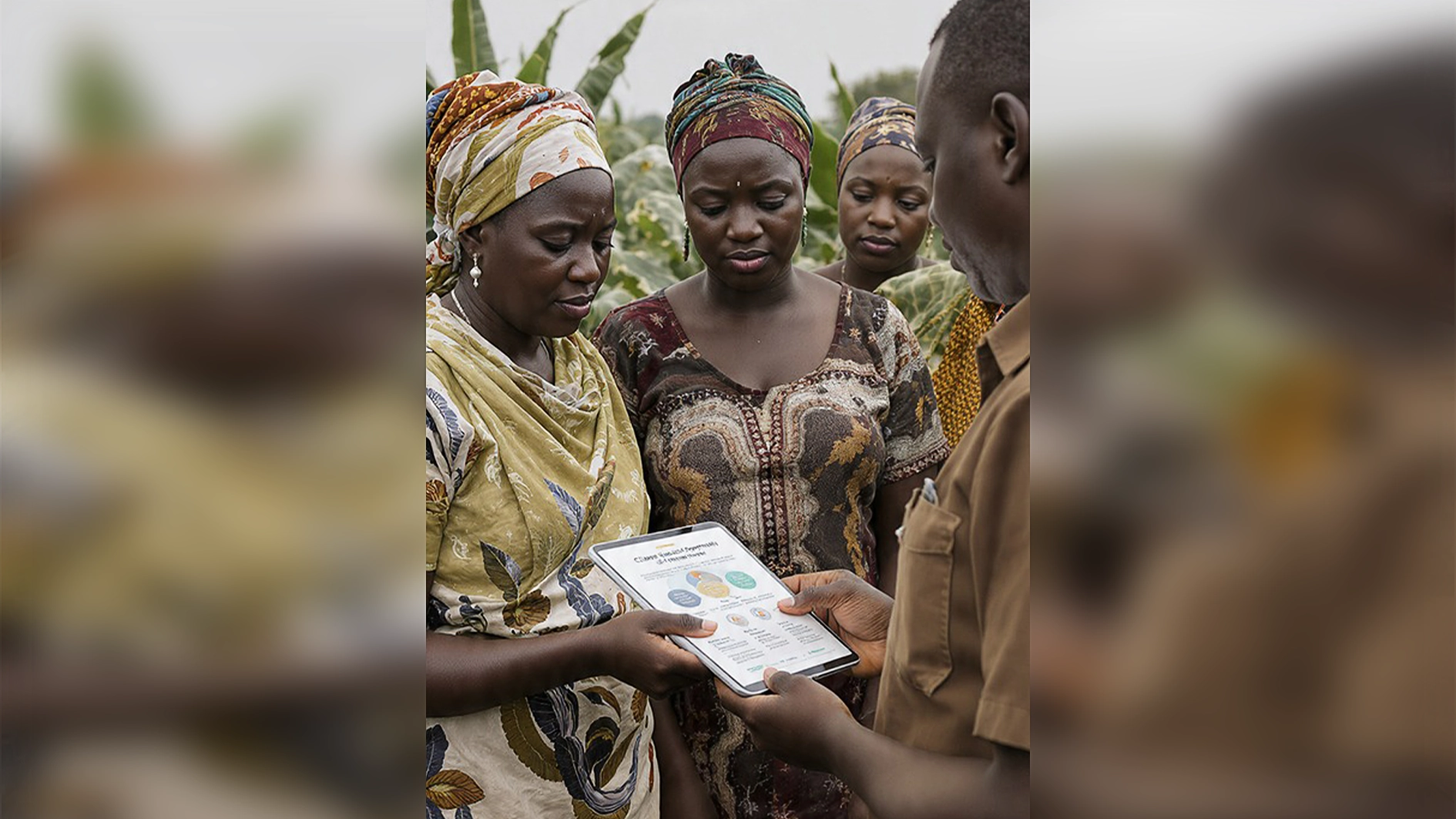
Stakeholders blame weak policy implementation and poor funding as grassroots forum in Abuja seeks urgent government intervention
More than 80 percent of rural women farmers across Nigeria remain unaware of existing climate finance opportunities, according to findings presented at a national policy engagement forum held in Abuja on Wednesday. The forum, organised by the International Centre for Environmental Health and Development (ICEHD) under its Grassroots Women Climate Action project and supported by the African Women’s Development Fund (AWDF), brought together government officials, civil society organisations and development partners to address persistent gender gaps in agriculture and climate-related funding.
Participants at the forum noted that despite several national and state-level policies on climate change, agriculture and women’s economic empowerment, weak implementation and limited awareness have left many rural women excluded from government interventions meant to boost resilience against climate shocks. “Most of our women in the villages do not even know these finance opportunities exist, let alone how to access them,” a representative from ICEHD said during plenary.
The gathering highlighted that lack of information is compounded by bureaucratic hurdles and financing barriers, making it difficult for rural women to benefit from available support. Stakeholders argued that increasing access to climate finance is essential for improving food security and livelihoods among women smallholder farmers, who are often the most affected by droughts, floods and changing weather patterns across Nigeria’s agricultural belts.
Government representatives at the event acknowledged the challenges but stressed that efforts are ongoing to mainstream gender inclusion in agricultural value chains. “We are reviewing our outreach strategies so more women get the right information and support,” a Federal Ministry of Agriculture official told participants. Civil society groups called for targeted awareness campaigns at the community level, along with simplified processes for accessing funds.
ICEHD urged both federal and state authorities to prioritise women’s access to climate finance as part of broader economic empowerment initiatives. The centre also recommended stronger collaboration between government agencies, CSOs and donor bodies to bridge information gaps. Stakeholders agreed to monitor progress on policy reforms while seeking additional resources for grassroots sensitisation programmes in rural communities nationwide.
Nigeria News (Standard)
Lagos Contestant Loye Sacked from MasterChef Nigeria After Black Apron Jollof Rice Challenge
Judges faulted Loye’s dish for not making jollof rice the star; Top 5 now set for next round

Judges faulted Loye’s dish for not making jollof rice the star; Top 5 now set for next round
The MasterChef Nigeria competition took a dramatic turn in Lagos on Thursday as contestant Loye was sacked from the show after struggling in the high-stakes Jollof Rice Feast challenge. The episode, which aired on 20 June 2026, saw the remaining six contestants compete under intense scrutiny from the judges during Black Apron Day.
Contestants were instructed to prepare a feast inspired by two regions of Nigeria, with jollof rice required to be the centrepiece of their plate. The judges assessed each entry based on flavour, regional identity, execution and how well the signature Nigerian dish was highlighted. Loye, who had previously shown promise in earlier rounds, admitted dissatisfaction with his final presentation before the panel delivered their verdict.
After tasting all six entries, the judges observed that while Loye’s meal showed some potential, it failed to meet the challenge’s core requirement of making jollof rice the hero of the dish. This shortcoming ultimately cost him his place among the Top 5 contestants. The exit marks another milestone in a season that has kept Nigerian viewers engaged with regional culinary creativity and fierce competition.
MasterChef Nigeria has continued to grow in popularity since its launch, offering a platform for talented home cooks to showcase their skills and celebrate Nigerian cuisine. The show’s focus on regional inspiration has resonated with audiences across various states, reinforcing jollof rice as a unifying dish in national food culture.
With Loye’s departure, five contestants now remain in contention for this year’s title and its lucrative prize package. The next episode will see them tackle another regional food challenge as they vie for a place in the finals.
Source: https://guardian.ng/life/loye-exits-masterchef-nigeria-after-tough-jollof-rice-challenge/
Nigeria News (Standard)
SDP Denies Isaac Alade’s Withdrawal, Affirms Candidacy for Ekiti Governorship Poll
Party insists Alade remains in race as speculation of withdrawal spreads ahead of 2026 Ekiti election
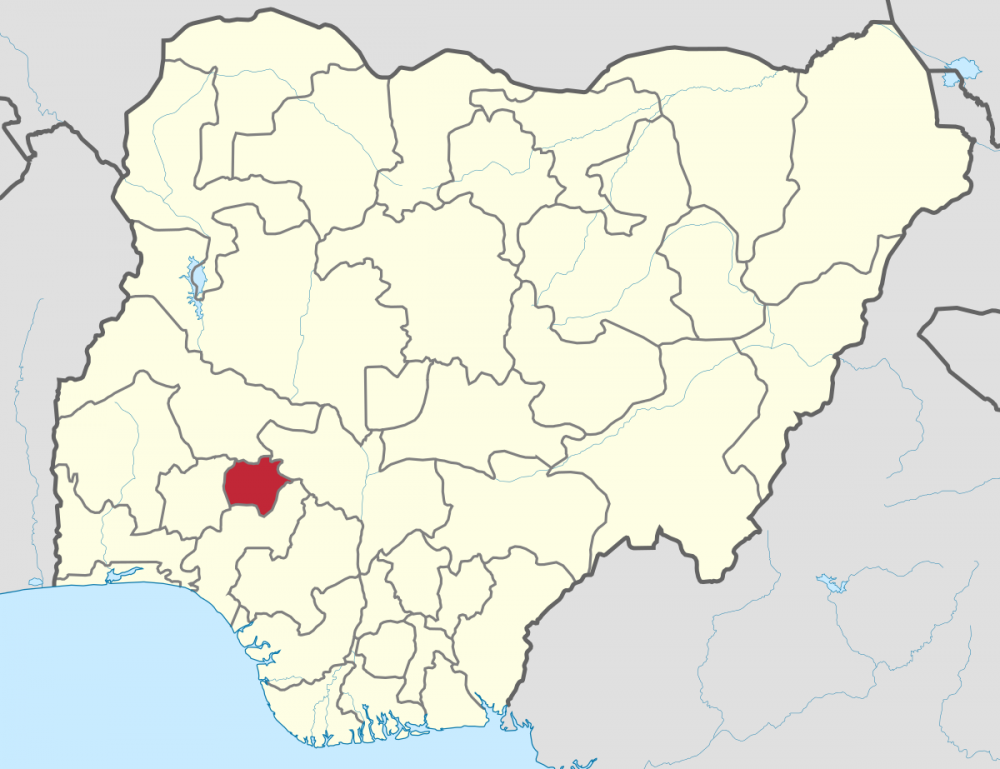
Party insists Alade remains in race as speculation of withdrawal spreads ahead of 2026 Ekiti election
The Social Democratic Party (SDP) has dismissed reports suggesting that its candidate, Isaac Alade, has withdrawn from the upcoming Ekiti State governorship election. The party made this clarification on Saturday, 20 June 2026, amid rising rumours across the South-West state about Alade’s participation.
According to the SDP, Isaac Alade remains its flagbearer for the crucial poll scheduled later this year. The party stated that recent claims of his withdrawal were unfounded and aimed at misleading voters and supporters. Party officials maintained that Alade has not stepped down or decamped to any other party.
The clarification comes as political activities intensify in Ekiti State ahead of the governorship election, with multiple parties seeking to consolidate their chances. Observers note that such rumours are common during pre-election periods in Nigeria, often used to destabilise rival camps or confuse the electorate.
A statement from SDP leadership urged members and supporters to disregard the withdrawal reports and continue mobilisation efforts across all local government areas. The party emphasised its confidence in Alade’s candidacy and readiness to present a credible alternative in Ekiti’s political landscape.
With this development, attention remains on how parties will navigate last-minute alignments and propaganda as election day approaches. The SDP called on security agencies and electoral bodies to monitor misinformation closely, warning that such tactics could affect the credibility of the process.
Nigeria News (Standard)
Iranian Court Sentences Singer Parastoo Ahmadi to 74 Lashes for Performing Without Hijab
Human rights groups condemn Qom Province ruling as crackdown on women’s rights intensifies after viral concert
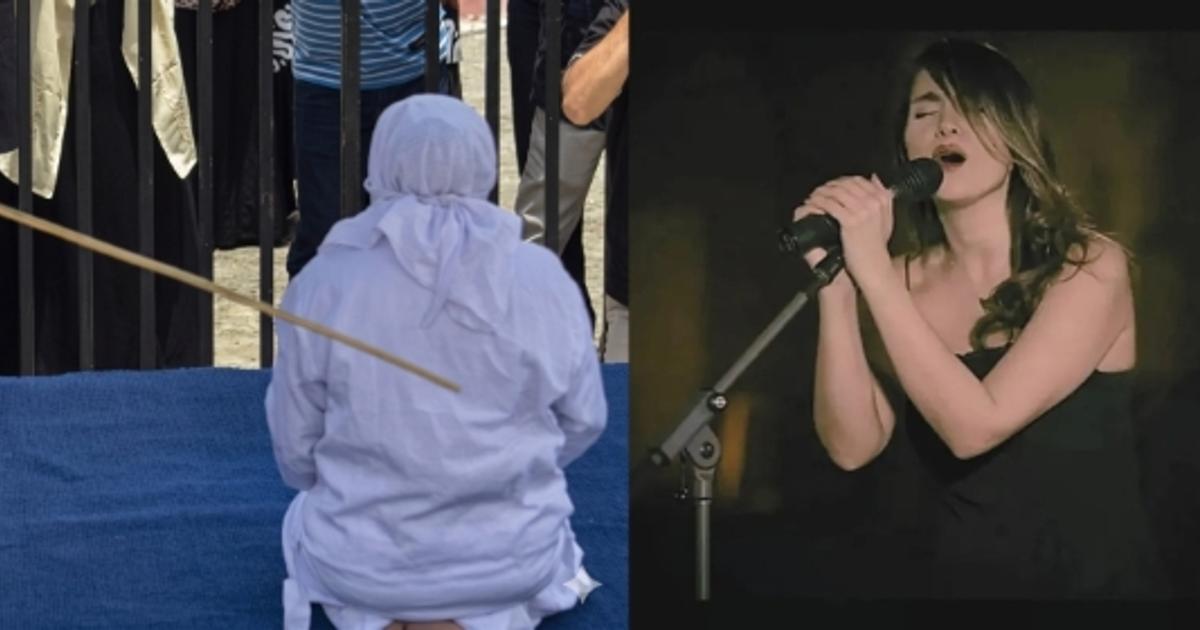
Human rights groups condemn Qom Province ruling as crackdown on women’s rights intensifies after viral concert
An Iranian criminal court in Qom Province has sentenced singer Parastoo Ahmadi to 74 strokes of cane, a two-year travel ban, and a two-year prohibition from artistic activities for performing without a hijab during a livestreamed concert in December 2024. The verdict, delivered this week, also affects eight members of her production team, all of whom received similar penalties after their performance went viral online.
The case centres on Ahmadi’s performance of the patriotic song ‘Az Khoone Javanane Vatan’ during an audience-free event later dubbed the ‘Caravanserai Concert.’ The concert was broadcast on Ahmadi’s YouTube channel and quickly attracted millions of views. Iranian authorities charged the artist and her colleagues with producing and publishing what they described as ‘vulgar and immoral content.’ Shortly after the concert, Ahmadi and several musicians were reportedly arrested before being released on bail, leading to formal legal proceedings.
The sentence has drawn strong reactions from international human rights advocates, who describe it as part of a wider campaign by Iranian authorities against cultural expression and women’s rights. According to Bahar Ghandehari, Director of Advocacy at the Center for Human Rights in Iran, the punishment highlights that conditions for artists and women in Iran remain largely unchanged. “Ahmadi’s punishment of 74 lashes for merely singing and appearing without a hijab is yet another reminder that human rights conditions in Iran have not changed,” Ghandehari said.
Legal experts have also raised concerns about the legitimacy of the charges. Human rights lawyer Moein Khazaeli argued that Iranian criminal law does not criminalise women singing or producing musical works. Khazaeli added that corporal punishment like flogging raises serious issues under international human rights standards, with many organisations considering it a form of torture.
The ruling comes amid ongoing tension over compulsory hijab laws in Iran, especially following nationwide protests triggered by the death of Mahsa Amini in police custody in 2022. Exiled Iranian figures such as actress Nazanin Boniadi have condemned the verdict as evidence that repression remains entrenched. Setareh Maleki, another exiled actress, praised Ahmadi’s courage in performing despite knowing the risks involved. Rights groups say prosecutions like Ahmadi’s are designed to deter dissent and enforce strict social restrictions on cultural expression.

Maduka Okoye Surprised as His Social Media Fame Explodes With Over 700,000 New Followers
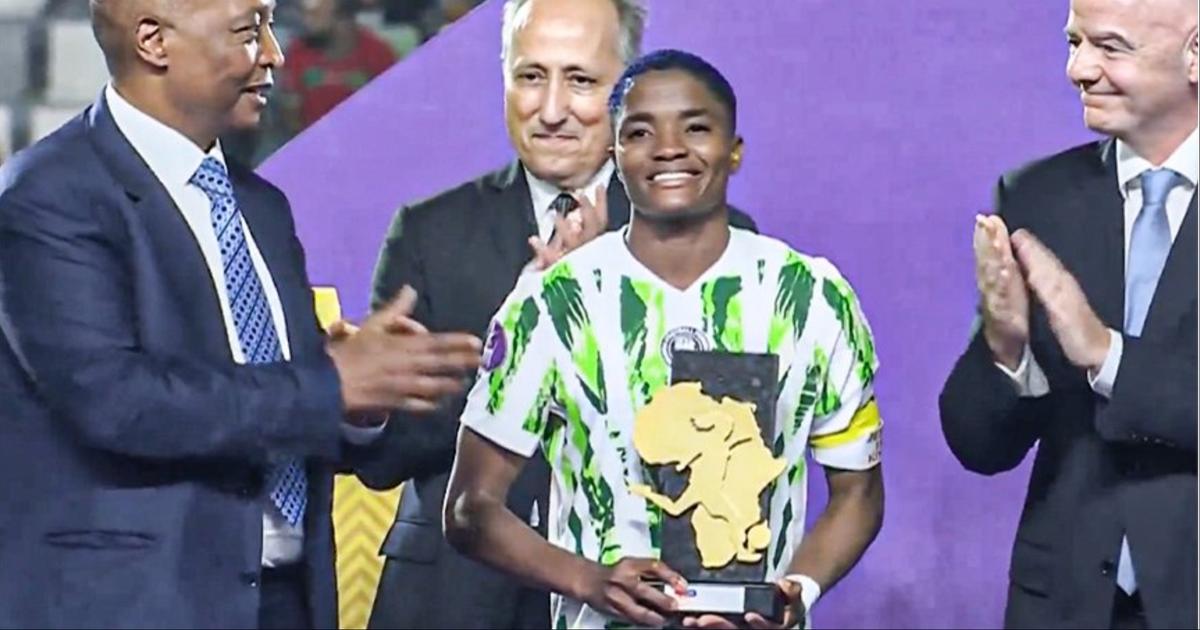
Super Falcons Captain Rasheedat Ajibade Throws Her Support Behind Morocco’s Atlas Lions at World Cup
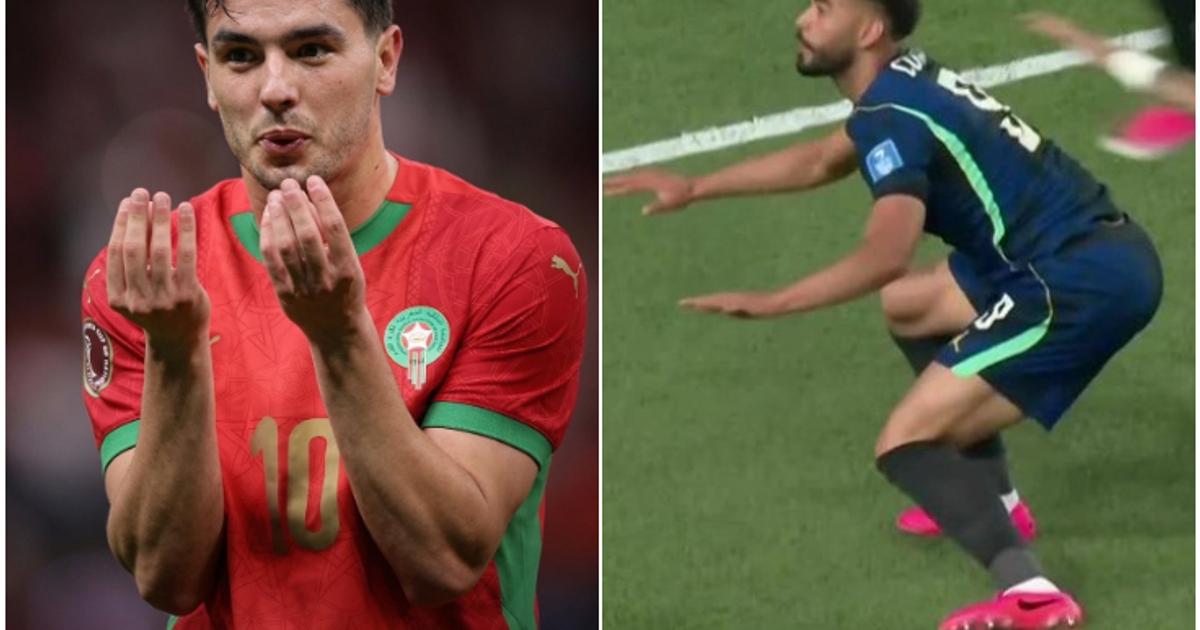
Brahim Díaz Makes African World Cup History as Cunha Dance Grabs Headlines

Morocco Coach Throws Support Behind Achraf Hakimi Amid Rape Allegation Trial
Lagos Contestant Loye Sacked from MasterChef Nigeria After Black Apron Jollof Rice Challenge

Ndị Nollywood Nwetara Ogo Ego Kachasị Elu n’Ahịa 2026, Ndị Ise Kasị Mma Kwupụtara
SDP Denies Isaac Alade’s Withdrawal, Affirms Candidacy for Ekiti Governorship Poll
Iranian Court Sentences Singer Parastoo Ahmadi to 74 Lashes for Performing Without Hijab
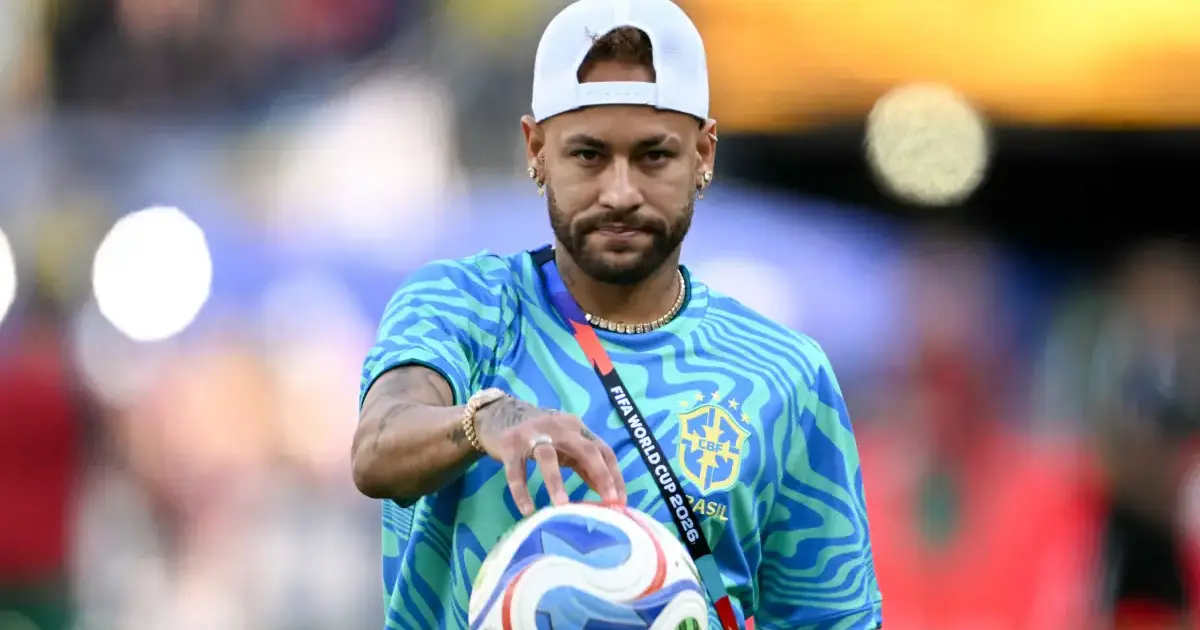
Ancelotti Offers Hope as Neymar Eyes Brazil Comeback After Injury Setback
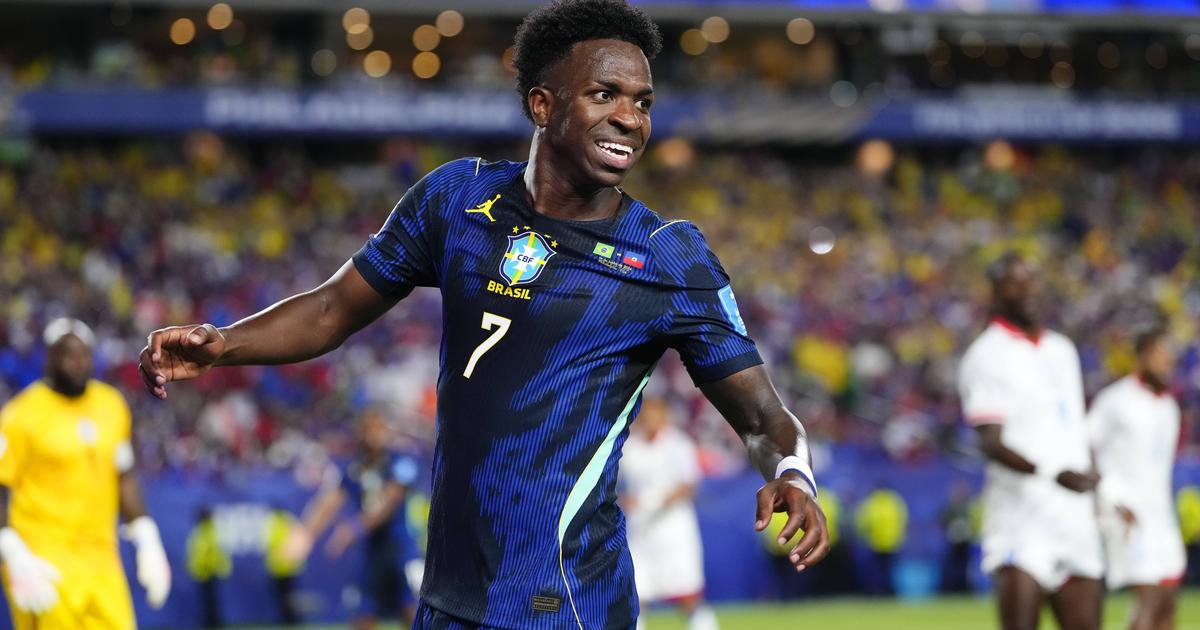
Vinicius Matches Ronaldinho’s World Cup Record in Haiti Rout — But Final Score Not Confirmed
Environment Minister Urges Increased Investment in Nigeria’s Green Economy Ahead of Global Climate Summit

Gọvanmenti Nigeria Kwupụtara 53 Orù Anyanwụ Maka Ike Ọhụrụ N’iru Afọ 2050

Moniepoint Graduates Second DreamDevs Cohort in Lagos to Strengthen Nigeria’s Engineering Workforce
FG Launches $500m Abuja Formula 1 Bid, Targets Africa’s First Grand Prix Since 1993

Fresh Romance Rumours Trail Lando Norris as Alix Earle Sparks Drama in Monaco

Why More Nigerians Are Searching for Casino Bonuses—and What You Should Know Before Claiming

Ụlọ Ọrụ Nigeria Kwupụtara Nsogbu Nchekwa na Ụtụ Isi N’agbanyeghị Ịrị Elu Obi Ike Ahịa
Peter Obi Demands ₦5bn and Public Apology From Kenneth Okonkwo Over Defamation in Lagos
Federal Government Launches Mining Grants for Research and Exploration Across Nigeria