Nigeria News (Standard)
INEC Begins Distribution of Election Materials in Ekiti Ahead of Governorship Poll
Commission moves sensitive and non-sensitive items to local councils as state prepares for crucial June 22 vote
Commission moves sensitive and non-sensitive items to local councils as state prepares for crucial June 22 vote
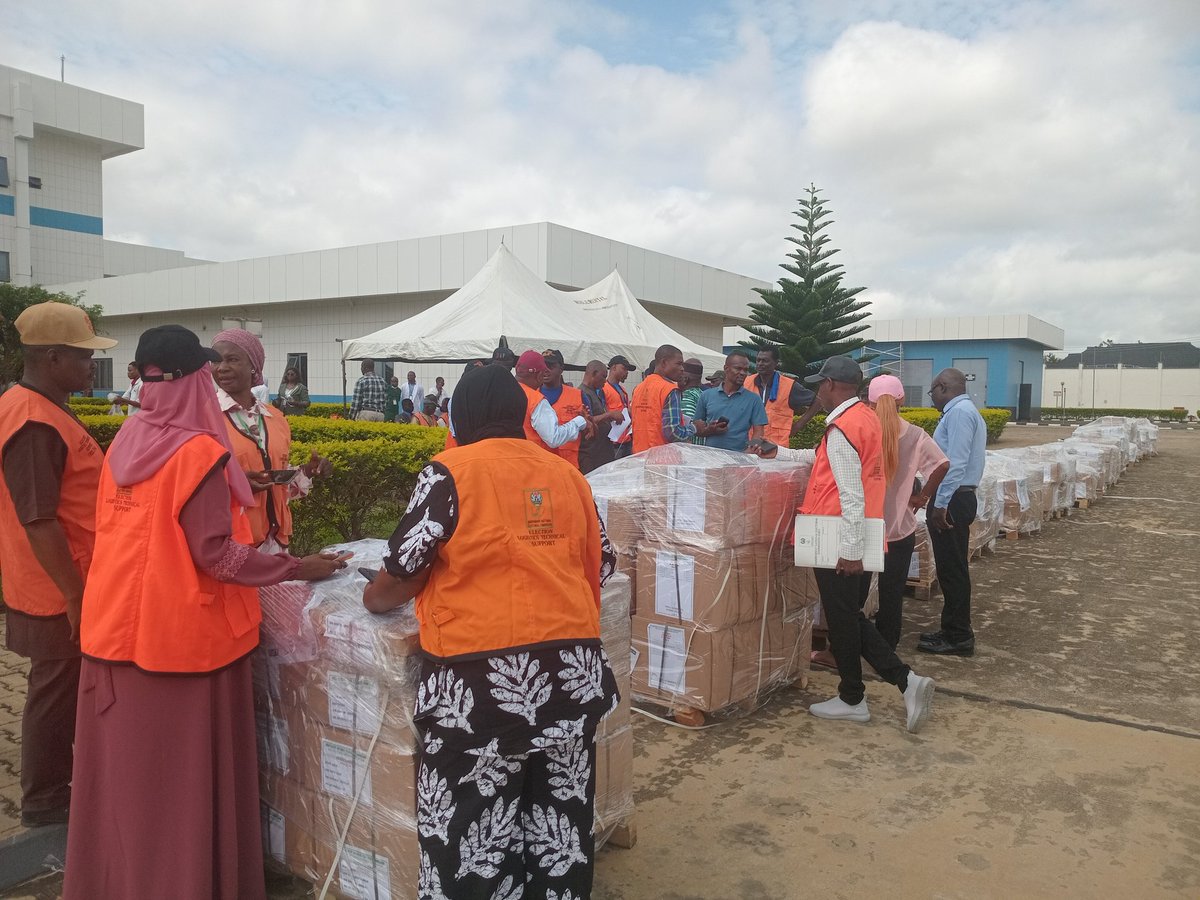
The Independent National Electoral Commission (INEC) has commenced the distribution of election materials across Ekiti State, ahead of the governorship election slated for Saturday, June 22. The process began on Thursday, with officials dispatching both sensitive and non-sensitive items to various local government areas as part of preparations to ensure a smooth and credible poll.
According to INEC, the early movement of materials is aimed at preventing last-minute logistical challenges that could affect voting processes on election day. The commission stated that ballot papers, result sheets, and other essential materials are being transported under tight security to designated collation centres across all 16 local councils in the state.
This development comes as political parties and stakeholders intensify their mobilisation efforts across Ekiti, a key South-West state. The governorship race has drawn significant attention due to its potential impact on regional power dynamics and party fortunes ahead of the 2027 general elections. Analysts note that efficient distribution of electoral materials is crucial for building public confidence following recent concerns over late arrivals and missing items in past elections.
INEC officials have reiterated their commitment to transparency and fairness throughout the process. The commission urged residents to remain law-abiding and assured voters that necessary arrangements have been made to guarantee safe and timely delivery of all materials. As at Thursday afternoon, there were no reports of disruptions or incidents affecting the distribution exercise.
With just days before Ekiti voters head to the polls, attention remains on INEC’s logistics operation and the readiness of security agencies deployed across the state. Observers say the conduct of this election will serve as an important test case for Nigeria’s broader electoral reforms.
Nigeria News (Standard)
Finance Ministry Dismisses New Fuel, Telecom Taxes Amid IMF Recommendations
Federal Government says VAT waiver on petroleum products and repeal of telecom excise duty remain in effect
Federal Government says VAT waiver on petroleum products and repeal of telecom excise duty remain in effect
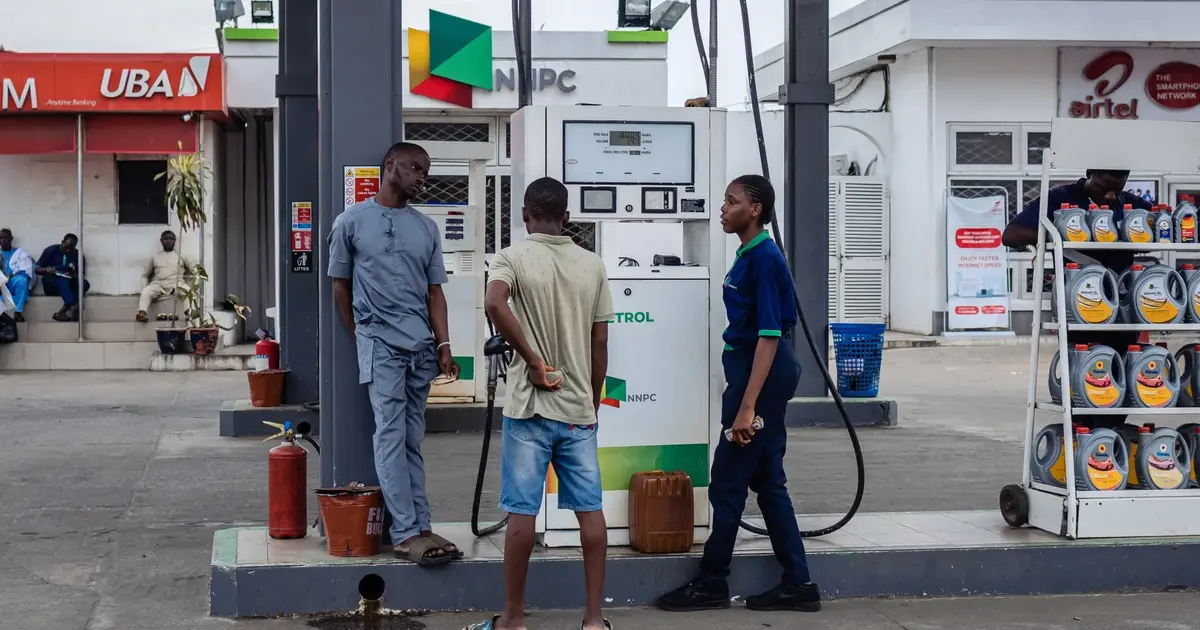
The Federal Ministry of Finance on Tuesday in Abuja clarified that there will be no new taxes on fuel or telecommunications services, following public anxiety over recommendations from the International Monetary Fund (IMF) Article IV Consultation Report. The ministry assured Nigerians that the current VAT waiver on petroleum products remains active, and the excise duty on telecom services has already been repealed under the nation’s fiscal laws.
Concerns surfaced last week after the IMF advised Nigeria to broaden its tax base by extending Value Added Tax (VAT) to petrol and introducing an excise levy on telecoms. The recommendations, contained in the Fund’s annual review of Nigeria’s economy, sparked debate about possible increases in fuel pump prices and network service charges at a time when cost of living pressures are mounting nationwide.
However, the Ministry of Finance stated in an official release that policy decisions on taxation rest solely with government and must follow constitutional and legislative procedures. “The recommendations contained in the IMF Article IV Consultation Report are advisory and not binding. They do not automatically translate into government policy or fiscal measures,” the ministry said. It further explained that although existing law allows for a potential fuel surcharge, such a measure would require a ministerial order published in the Official Gazette—a process not currently underway. On telecommunications, officials stressed that any proposed 5% excise duty had already been revoked under recent tax reforms.
Rather than introducing new levies, government said it is focusing on improving tax administration, boosting compliance and plugging leakages to increase revenue collection without burdening ordinary Nigerians. The ministry pledged that any future changes to tax policy would be communicated transparently through official channels and enacted only according to due process.
The clarification comes as many Nigerians worry about rising household expenses driven by high petrol prices—now above ₦1,500 per litre—and elevated costs for basic services. Labour groups have previously warned that additional taxes could worsen hardship for millions. While opposition leaders did not immediately comment on Tuesday’s announcement, analysts say clear communication from government will be crucial to avoid panic buying or speculation in key sectors. The Federal Ministry of Finance reiterated its commitment to protecting consumers while ensuring fiscal stability.
Source: https://www.pulse.ng/story/fg-denies-new-taxes-fuel-telecom-nigeria-2026061813380322269
Nigeria News (Standard)
Lagos Governor Sanwo-Olu Orders Emergency Waste Evacuation Following Public Outcry
Directive comes after reports exposed mounting refuse on major roads, prompting swift response from Lagos State authorities
Directive comes after reports exposed mounting refuse on major roads, prompting swift response from Lagos State authorities
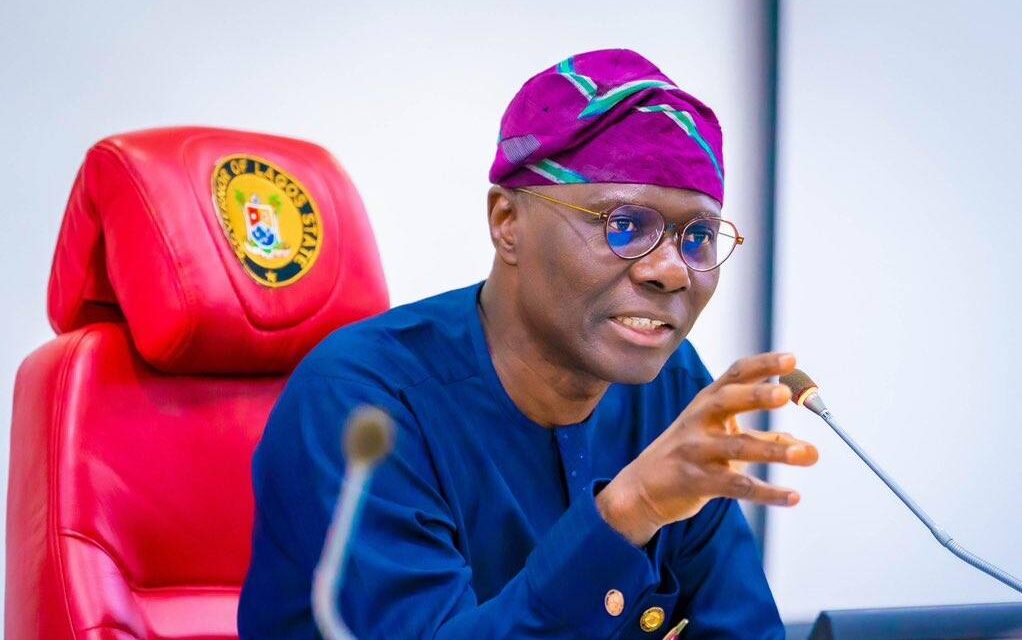
Governor Babajide Sanwo-Olu has directed the immediate evacuation of refuse from streets across Lagos following mounting complaints about waste accumulation in Nigeria’s commercial capital. The order, issued on Thursday, comes after renewed public attention on deteriorating sanitation and heaps of rubbish obstructing major roads in the metropolis.
Sanwo-Olu’s directive follows a series of reports highlighting the failure of existing waste management systems and the growing frustration among Lagos residents. Many communities have reported increased incidence of blocked drainages and foul odours, with business owners and commuters expressing concerns about health risks and road accessibility. The state government has now mandated relevant agencies to begin emergency waste removal operations across key hotspots.
The issue of refuse disposal has become a recurring challenge in Lagos, West Africa’s most populous city. Over the past months, residents have raised alarms over uncollected waste piling up in markets and residential areas, especially during the rainy season when flooding risk is heightened by blocked gutters. The Lagos State Government previously introduced reforms to improve collection and disposal but implementation gaps have persisted.
Reacting to the situation, Governor Sanwo-Olu said in his directive that urgent action was needed to restore environmental sanity and prevent disease outbreaks linked to poor sanitation. He tasked officials of the Lagos State Waste Management Authority (LAWMA) to mobilise resources for round-the-clock operations until normalcy is restored. No formal response was immediately available from opposition parties or environmental advocacy groups as at press time.
The state government is expected to provide updates on progress made with the evacuation exercise in coming days, while residents await longer-term solutions to Lagos’ persistent waste management challenges.
Nigeria News (Standard)
Bayelsa Government Yet to Set Tariff for Proposed Independent Power Plant
State authorities say discussions on electricity pricing ongoing as residents await details of new energy initiative
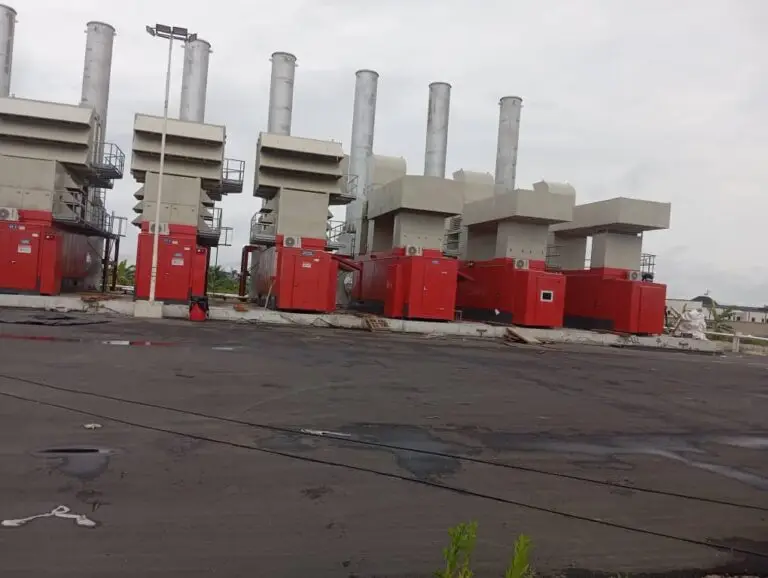
State authorities say discussions on electricity pricing ongoing as residents await details of new energy initiative
The Bayelsa State government has not reached a final decision on the electricity tariff for its proposed independent power plant, officials confirmed on Thursday. The clarification comes amid growing public interest in the project’s potential impact on power supply and household bills in the oil-rich South-South state.
According to government representatives, talks are still underway regarding the framework for tariff determination and stakeholder engagement. The proposed power plant, which aims to boost electricity generation within Bayelsa, is expected to address persistent outages and unreliable supply that have affected businesses and residents in recent years.
The issue of affordable energy remains critical for many Nigerians, particularly in the Niger Delta region where communities often face erratic power despite being at the centre of the country’s oil and gas sector. The Bayelsa government’s push for an independent power solution is seen by some as a step towards addressing these challenges, but questions remain about how much consumers will eventually pay once the facility becomes operational.
State officials said consultations with regulatory agencies and private sector partners are ongoing to ensure a transparent process that balances sustainability with fair consumer pricing. As at Thursday, no date has been announced for when tariff rates will be finalised or when the independent plant will commence full operations. Residents and business owners in Bayelsa have called on the government to prioritise affordability in its final decision.
Finance Ministry Dismisses New Fuel, Telecom Taxes Amid IMF Recommendations
Lagos Governor Sanwo-Olu Orders Emergency Waste Evacuation Following Public Outcry

Messi and Mbappe Lead the Line as Biggest Stars Dominate World Cup Group Stage Best XI
Bayelsa Government Yet to Set Tariff for Proposed Independent Power Plant
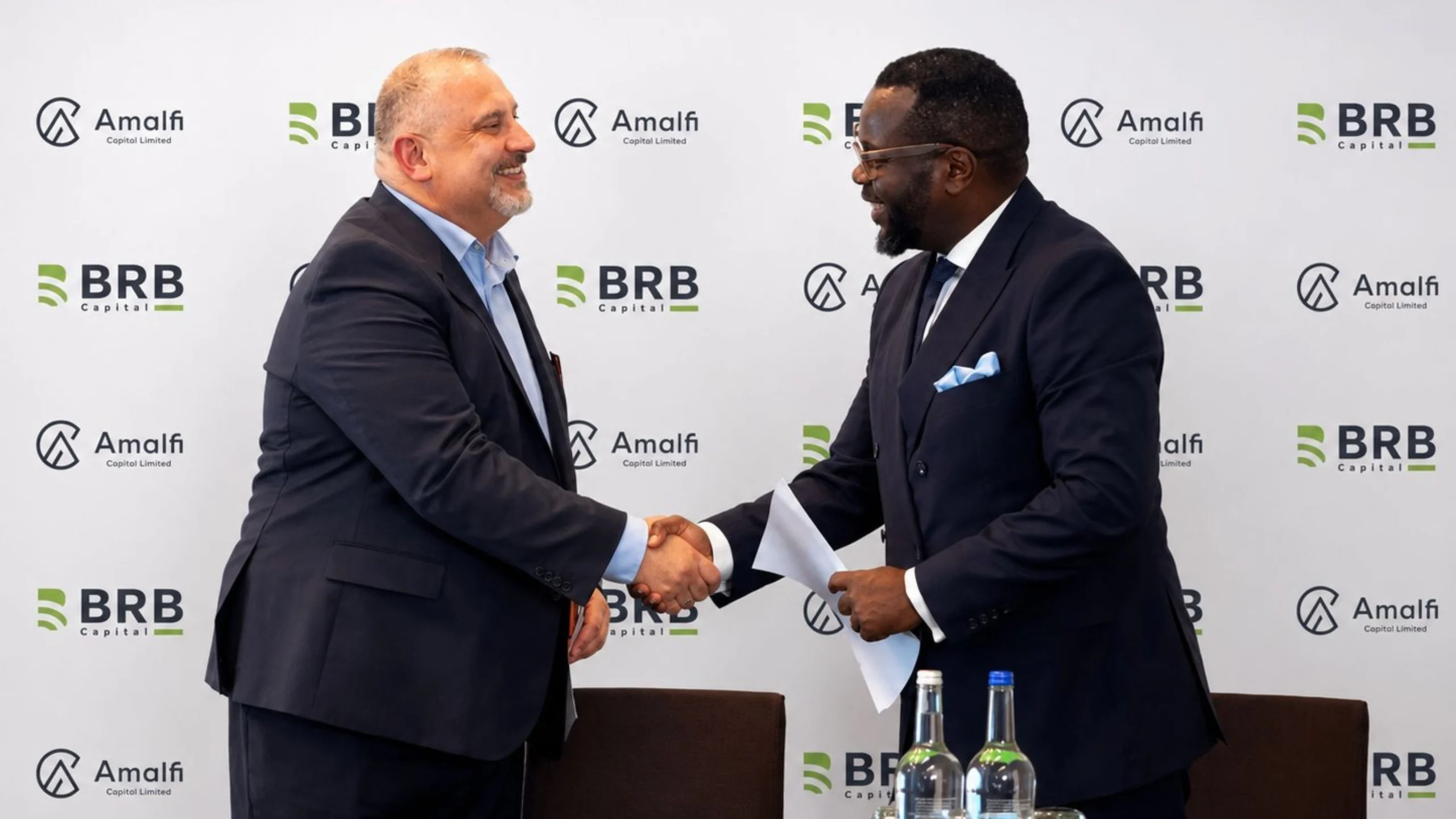
Lagos-Based BRB Capital Acquires FCA-Approved Amalfi Capital, Sets Up ₦8.1trn Nigeria-UK Investment Corridor
Standard Bank Sets Sights on $15.4bn Expansion in Nigeria and African SME Sector
Gọvanmentị Federal Wepụtara Usoro Ntughari Maka Mmepe Iwu Ọhụrụ N’ihe Ego Ọchịchị Na-akọta
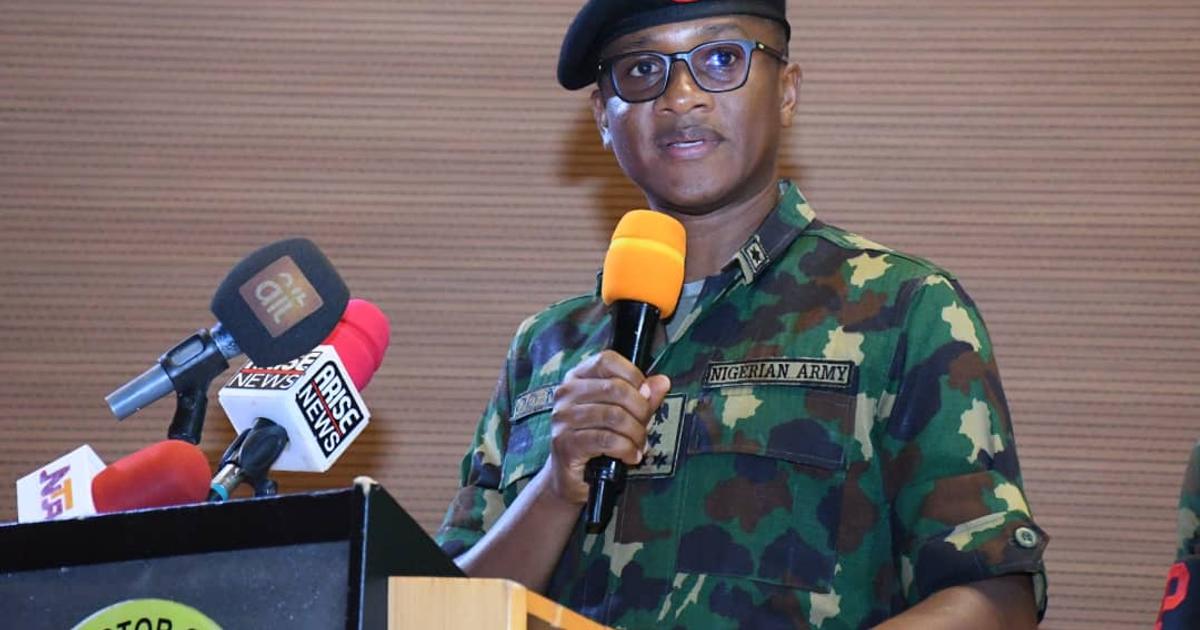
NYSC DG Olakunle Nafiu Warns Corps Members Nationwide to Shun Politics Ahead of 2027 Elections
INEC Begins Distribution of Election Materials in Ekiti Ahead of Governorship Poll
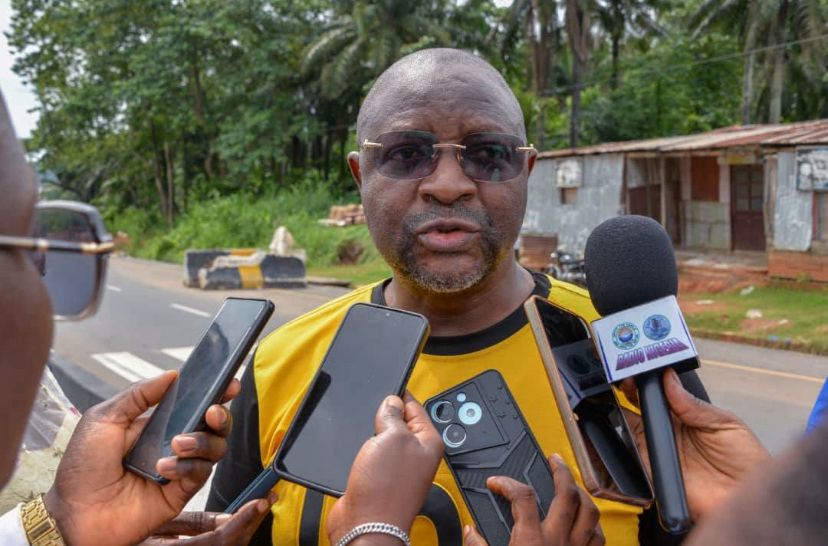
Presidential Media Team Hails Abia Progress Under Governor Otti’s Leadership
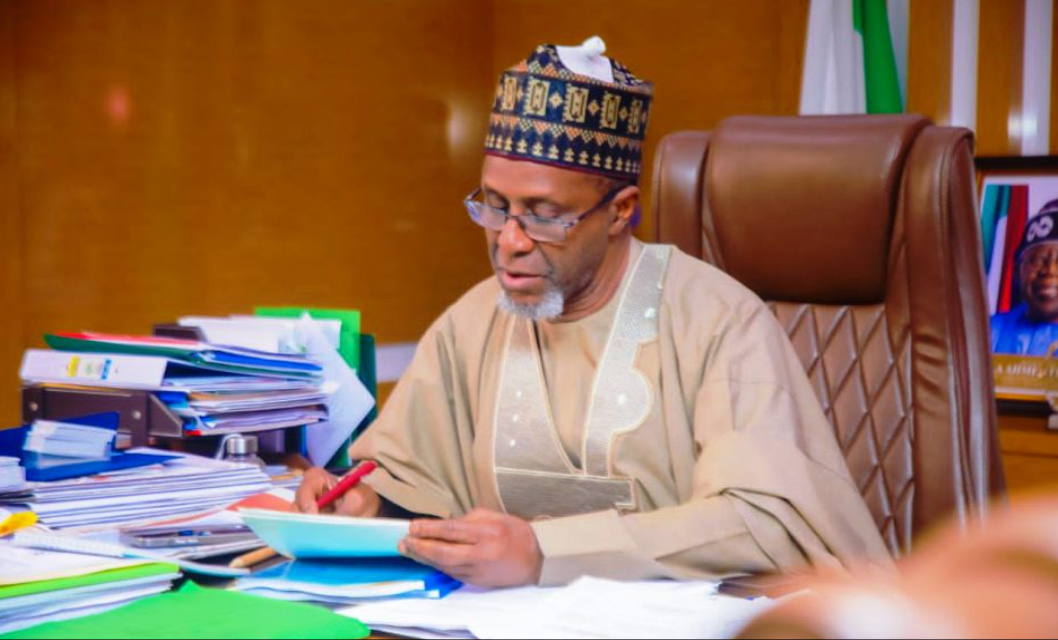
Environment Minister Urges Increased Investment in Nigeria’s Green Economy Ahead of Global Climate Summit

Moniepoint Graduates Second DreamDevs Cohort in Lagos to Strengthen Nigeria’s Engineering Workforce

Gọvanmenti Nigeria Kwupụtara 53 Orù Anyanwụ Maka Ike Ọhụrụ N’iru Afọ 2050

Fresh Romance Rumours Trail Lando Norris as Alix Earle Sparks Drama in Monaco
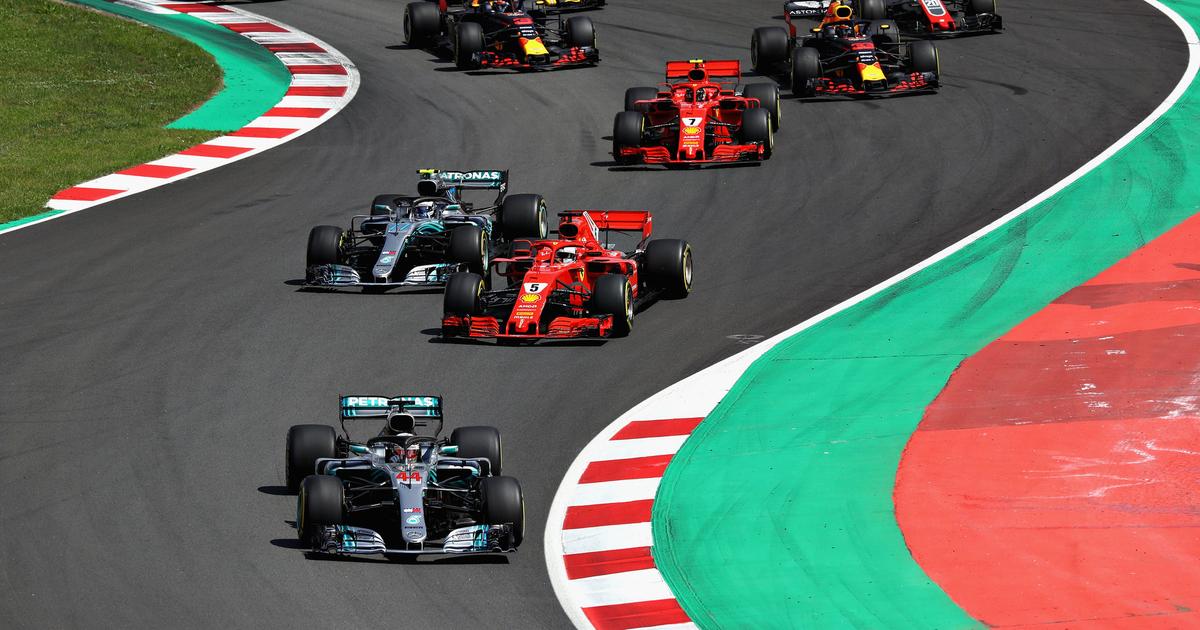
FG Launches $500m Abuja Formula 1 Bid, Targets Africa’s First Grand Prix Since 1993

Why More Nigerians Are Searching for Casino Bonuses—and What You Should Know Before Claiming
Ụlọ Ọrụ Nigeria Kwupụtara Nsogbu Nchekwa na Ụtụ Isi N’agbanyeghị Ịrị Elu Obi Ike Ahịa
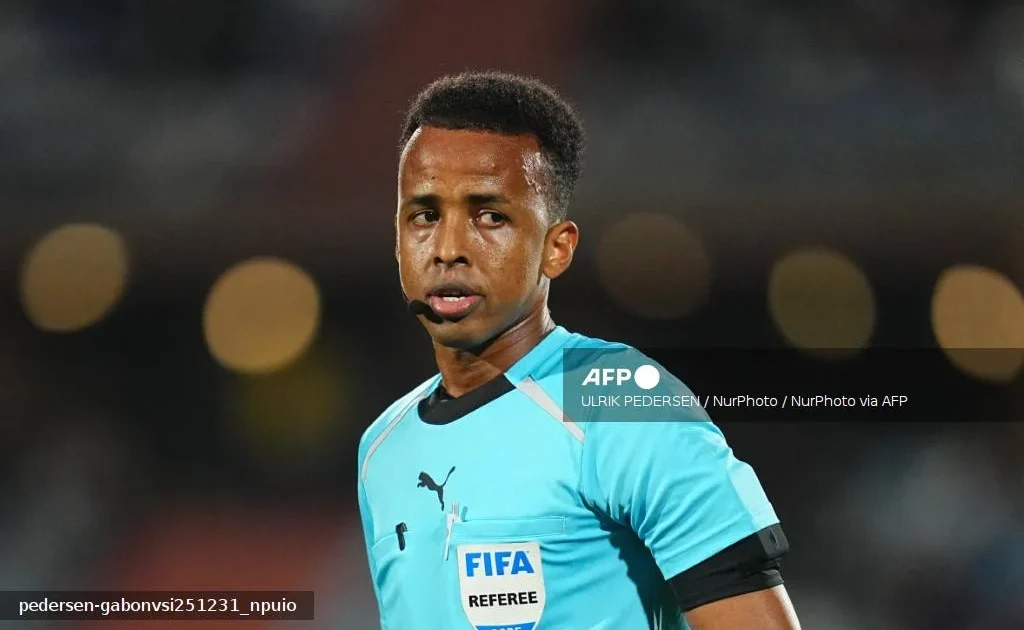
Somali Referee Omar Artan Blocked From US World Cup Over Visa Row, Misses Dream Debut
Federal Government Launches Mining Grants for Research and Exploration Across Nigeria