Nigeria News (Standard)
Lagos Monarch Says Nigerian Kings Have Lost Power, Calls for Constitutional Reform
Oba Semiudeen Kasali urges legal backing for traditional rulers as palace authority wanes since 1979 Constitution
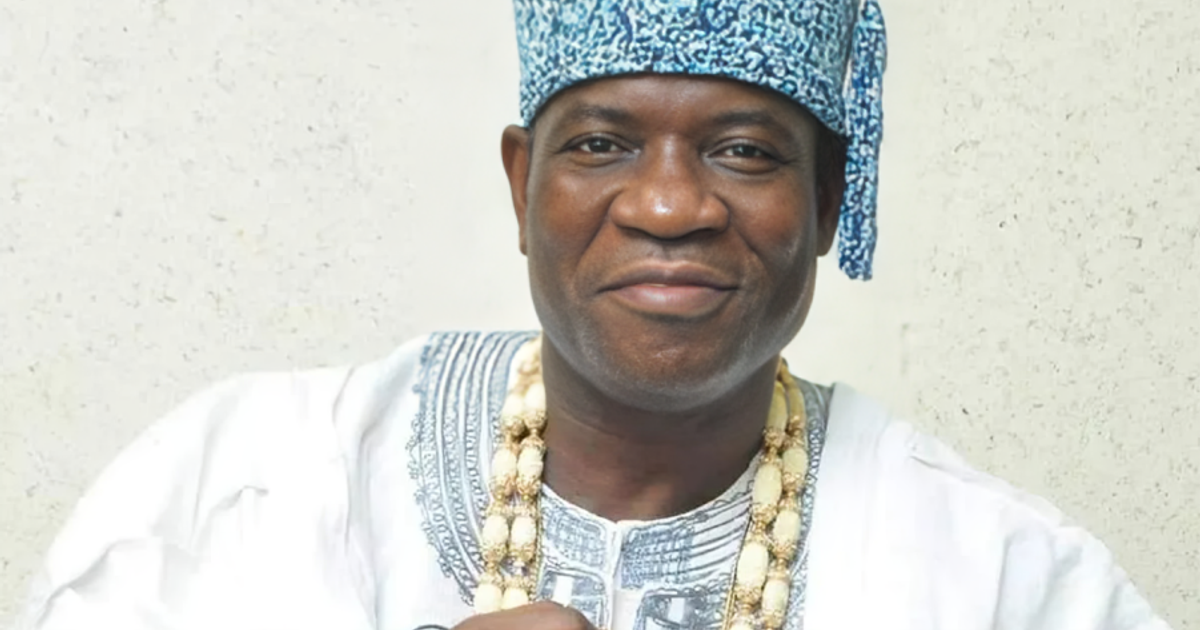
Oba Semiudeen Kasali urges legal backing for traditional rulers as palace authority wanes since 1979 Constitution
Traditional rulers in Nigeria now hold mainly ceremonial roles without real governing authority, the Adeboruwa of Igbogbo Kingdom in Lagos State, Oba Semiudeen Kasali, has said. Speaking from his palace to mark his tenth year on the throne, Oba Kasali explained that constitutional changes over the decades have stripped monarchs of formal power at both state and local levels.
The monarch, a lawyer and former Lagos State Ministry of Justice counsel, traced the decline to Nigeria’s 1979 and 1999 constitutions which removed traditional rulers from legislative councils and governance structures. He noted that, unlike in the past when kings participated directly in government, local government chairmen are now the chief executives at grassroots level. “The power resides…in any local government; the chairman is the governor of that local government. There’s no power in the palace anymore,” Kasali said.
Oba Kasali added that palace decisions are often ignored because citizens can challenge them in court based on constitutional rights. He argued that this has eroded respect for traditional institutions and led to delays in resolving disputes—especially those involving land or communal matters. “Some people are not bound to obey what we say in the palace because they want to exercise their constitutional right to approach court; you cannot stop them,” he stated.
This situation has sparked nationwide agitation among monarchs for constitutional reforms. Oba Kasali supported these calls but warned that any new role assigned to traditional rulers must be meaningful and enforceable. He cited examples from Ghana, South Africa and Namibia, where chieftaincy is recognised in their constitutions. Oyo’s Oba Rashidi Ladoja and other traditional leaders have made similar appeals this year.
Kasali proposed making palace mediation a compulsory first step for certain community disputes before such cases reach the courts—restoring a practice where royal judgements stood unless they were contrary to justice or good conscience. He lamented that today even settled palace matters are re-litigated in court with some parties joining the king as a defendant.
The monarch also blamed declining values within communities, saying some kingmakers now install individuals based on wealth rather than character or heritage: “They don’t care about the implications of who occupies the seat.”
Despite reduced powers, Oba Kasali highlighted contributions by traditional rulers towards security and development—such as collaborating with police to curb crime along waterways around Igbogbo and supporting improvements in infrastructure, schools and healthcare. On recent cases of kidnappings targeting kings nationwide, he attributed this to wider insecurity rather than hostility towards monarchs specifically: “Monarchs are being kidnapped because they see us as a soft target,” he said.
As discussions on constitutional amendments continue across Nigeria, many traditional leaders insist their restoration is crucial not just for symbolism but for strengthening governance at community level.
Source: https://www.pulse.ng/story/why-nigerian-kings-lost-power-oba-semiudeen-kasali-2026062212550873492
Nigeria News (Standard)
Oyo Police Reassure Families on Swift Release of Abducted Pupils and Teachers
State command renews commitment to rescue operation as community anxiously awaits return of victims
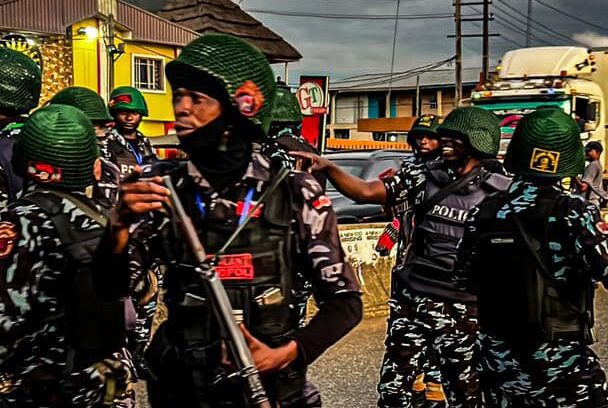
State command renews commitment to rescue operation as community anxiously awaits return of victims
The Oyo State Police Command has given fresh assurance regarding the ongoing efforts to secure the release of pupils and teachers who were abducted in the state. The reassurance came on Monday, 22 June 2026, as families and residents in the affected community continue to await positive news.
According to police authorities, operatives are intensifying their search and rescue operations across identified locations linked to the abduction. The command stated that every available resource is being deployed to ensure that those held captive are freed unharmed and reunited with their loved ones.
The incident has heightened concerns over security in Oyo State, especially among parents and educational stakeholders. Many have called for improved security measures around schools and increased patrols in vulnerable areas. The police have urged members of the public to remain calm and cooperate by providing credible information that could assist investigators.
While the details surrounding the number of abducted persons remain undisclosed, the police reiterated their commitment to resolving the matter swiftly. “We are working round the clock with other security agencies to ensure the safe rescue of all victims,” a statement from the command noted.
The state government is yet to issue a separate statement on the incident as at press time. Meanwhile, security agencies have intensified surveillance in neighbouring communities as part of ongoing efforts to prevent further incidents.
Nigeria News (Standard)
FG Releases Updated Emergency Hotlines for All 36 States and FCT to Boost Rapid Response
Direct state control room numbers, national toll-free codes, and specialised agency contacts published for medical, fire, and security incidents
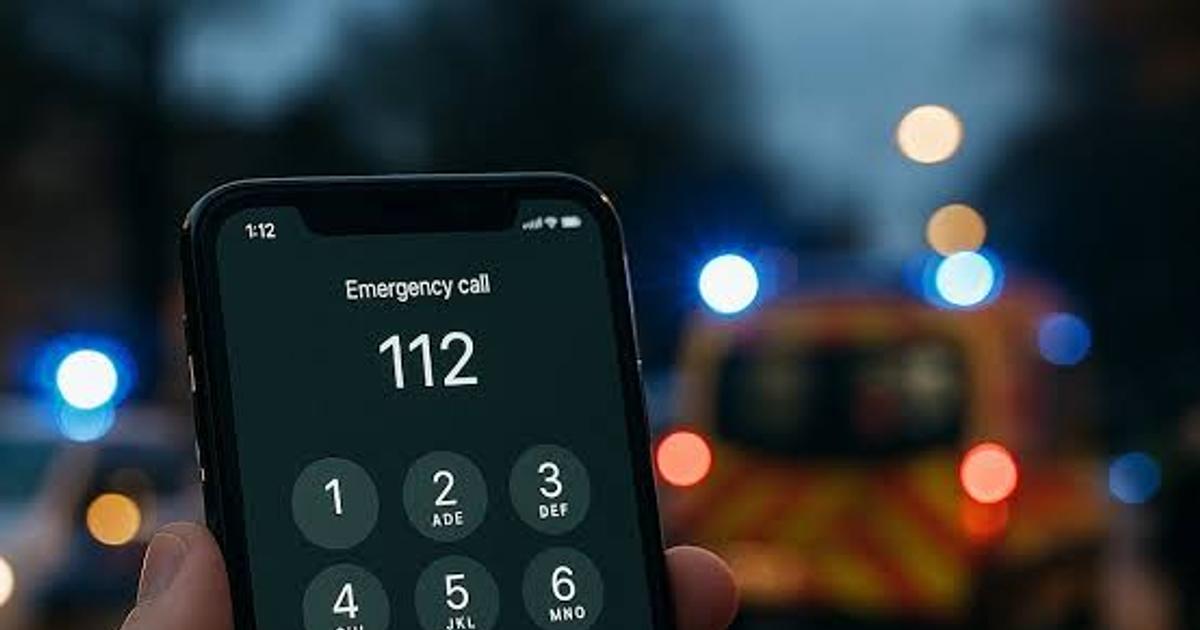
Direct state control room numbers, national toll-free codes, and specialised agency contacts published for medical, fire, and security incidents
The federal government has unveiled a comprehensive list of emergency hotlines for all 36 states and the Federal Capital Territory (FCT), aiming to improve rapid response to medical, fire, and security emergencies nationwide. The updated directory was released on Saturday, highlighting both national toll-free lines and direct mobile numbers for state police commands and emergency control rooms.
According to the directory, while Nigerians can dial the national 112 toll-free code for immediate assistance in any part of the country, direct 11-digit mobile numbers are also provided for each state’s command centre. These lines are intended to bypass delays often experienced on national switchboards during critical incidents such as health emergencies, fire outbreaks or criminal attacks.
The directory also features dedicated numbers for the National Emergency Management Agency (NEMA), Federal Fire Service (FFS), and domestic violence support units. For example, NEMA can be reached on 0800 22 55 63 62 for disasters such as floods or building collapses, while FFS is available on 0803 200 3557 nationwide.
A breakdown of the contact details shows that every state—including Lagos (with its unique toll-free codes ‘767’ and ‘112’)—has at least one direct-dial number for its police or emergency control centre. Other shortcodes like ‘199’ for Police and ‘122’ for Road Safety remain active across Nigeria. Authorities advise citizens to save both local and national lines to ensure swift access during emergencies.
Officials said publishing the verified contacts is part of ongoing efforts to enhance public safety infrastructure amid rising concerns over delayed first responder deployment. The government urged Nigerians to make use of these lines responsibly and reminded callers that while shortcodes are toll-free, standard network charges apply on full-length mobile numbers. The new directory is expected to reduce response times significantly and ensure that help reaches affected communities faster in times of need.
Source: https://www.pulse.ng/story/nigeria-emergency-numbers-state-directory-2026062213515128457
Nigeria News (Standard)
Wizkid Sparks Album Speculation With Paris Listening Party Set for Thursday
Fans in Lagos and beyond react as Grammy-winning singer hints at new project, with reports of event at Cova Club, Paris
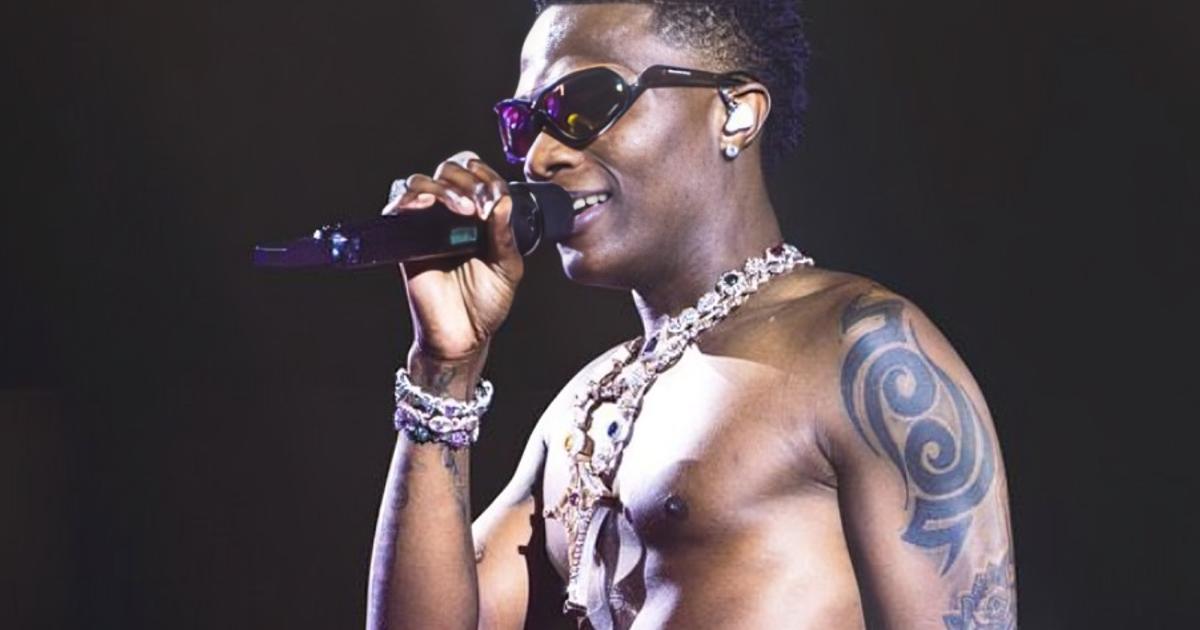
Fans in Lagos and beyond react as Grammy-winning singer hints at new project, with reports of event at Cova Club, Paris
Nigerian superstar Wizkid has reignited talk of a new album after posting a cryptic one-word message on X over the weekend, as reports emerged of a listening party scheduled for Thursday, June 25, in Paris. The award-winning artiste, whose real name is Ayodeji Balogun, made the announcement on his verified X account, writing simply: “Album,” without giving further details about title or release date. The development has generated excitement among fans in Lagos and across Nigeria who have been anticipating a follow-up to his last studio album.
Shortly after Wizkid’s post, industry sources began circulating information about a pre-release album listening party set to take place at Cova Club in Paris. According to those familiar with the arrangements, the event is being organised in partnership with Deeds Magazine and will feature performances by DJs Yosa and Gingerboy, hosted by Sina and Rae Grey93. Although neither Wizkid nor his management have officially confirmed the Paris party as at press time, social media activity—including Wizkid’s recent Instagram stories from studios near the Eiffel Tower—has fuelled speculation that part of the new project was recorded in France.
The move mirrors Wizkid’s pattern of minimalistic album rollouts. In 2024, his sixth studio LP ‘Morayo’ was announced with a single tweet on his late mother’s birthday before tracklists and dates were released in subsequent months. Similarly, his collaborative EP with Asake titled ‘Real Vol. 1’ was unveiled during an Apple Music interview without prior notice. Music analysts say this approach keeps fans guessing and builds anticipation ahead of official releases.
Speaking on the current speculation, music commentator Dotun Akande noted that “Wizkid has mastered how to control conversation around his projects by dropping subtle hints and letting fans do the rest.” As at Monday evening, neither Wizkid’s label nor organisers of the reported Paris party had issued an official statement. The singer’s last album ‘Morayo’, released in late 2024 and dedicated to his late mother Jane Dolapo Balogun, was widely praised for its introspective themes but also drew calls from critics for more creative risk-taking.
If confirmed, this would mark Wizkid’s first major solo release since ‘Morayo’. For now, fans are left waiting for further information from the singer or his team regarding title, tracklist or official release date. Industry watchers believe any announcement could come immediately after Thursday’s rumoured event in Paris.
Source: https://www.pulse.ng/story/wizkid-new-album-teaser-paris-party-2026062214142474874

Ibrahimovic Blasts Belgium for ‘Boring’ World Cup Draw Against Iran — Says He Nearly Slept Off
Oyo Police Reassure Families on Swift Release of Abducted Pupils and Teachers
Wizkid Sparks Album Speculation With Paris Listening Party Set for Thursday
FG Releases Updated Emergency Hotlines for All 36 States and FCT to Boost Rapid Response
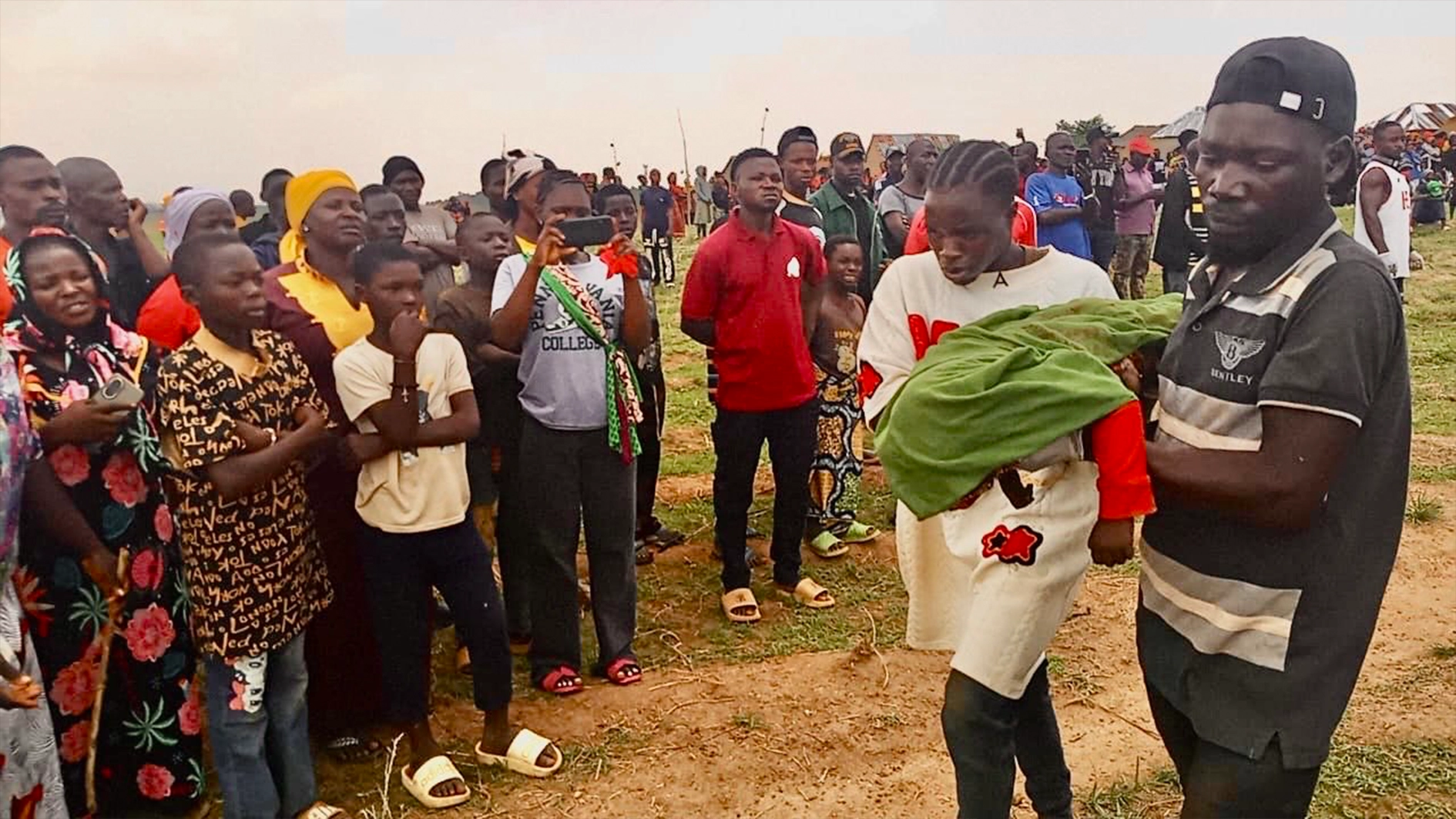
Gunmen Kill 21 in Night Attack on Plateau’s Bokkos LGA, Youth Leaders Confirm
Rivers Police Sack Oyigbo DPO over Alleged ₦500,000 Extortion
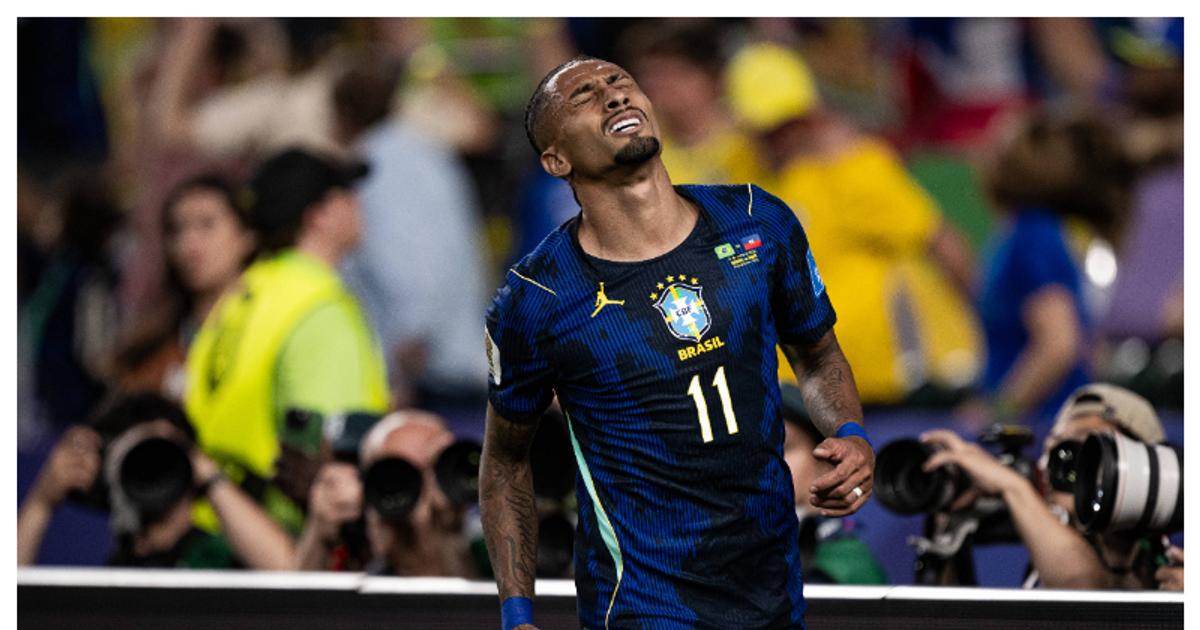
Raphinha’s Wife Reveals Emotional Phone Call After World Cup Injury Scare

Peter Obi Kpọrọ Onye Isi Ala Tinubu Ka Ọ Rịpụ Ọrụ N’ihi Nnukwu Nsogbu Nduzi
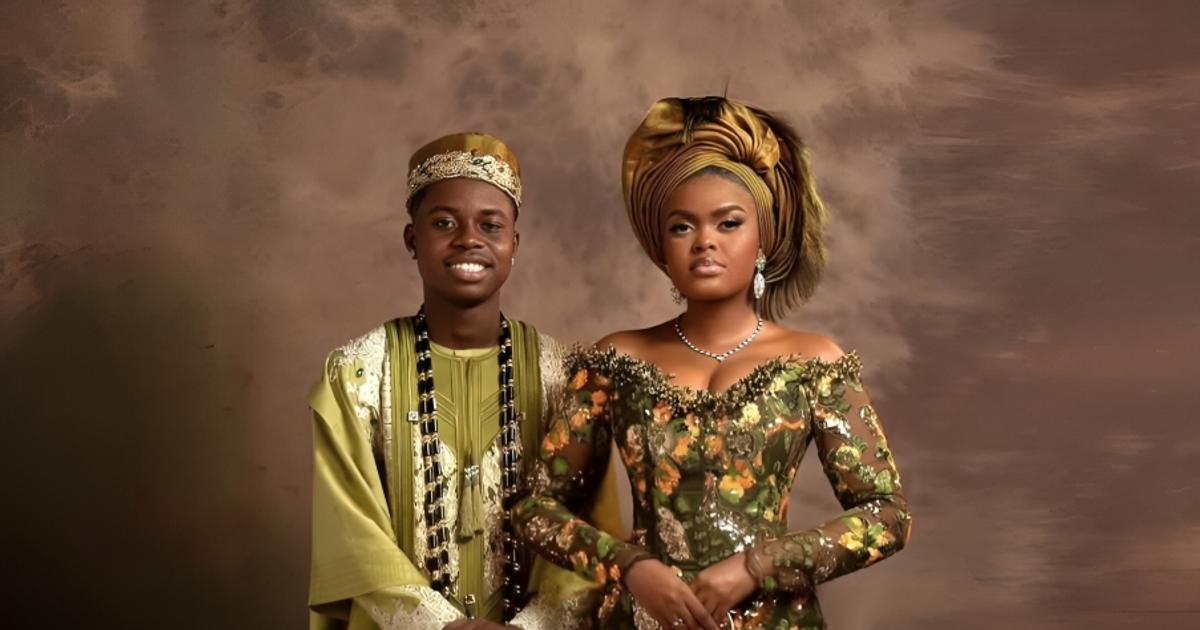
Benin City: TikTok Influencer Peller Pays Bride Price for Jarvis, Sparks Social Media Debate

Panama Set for Another Tough Test Against Croatia in 2026 World Cup Clash
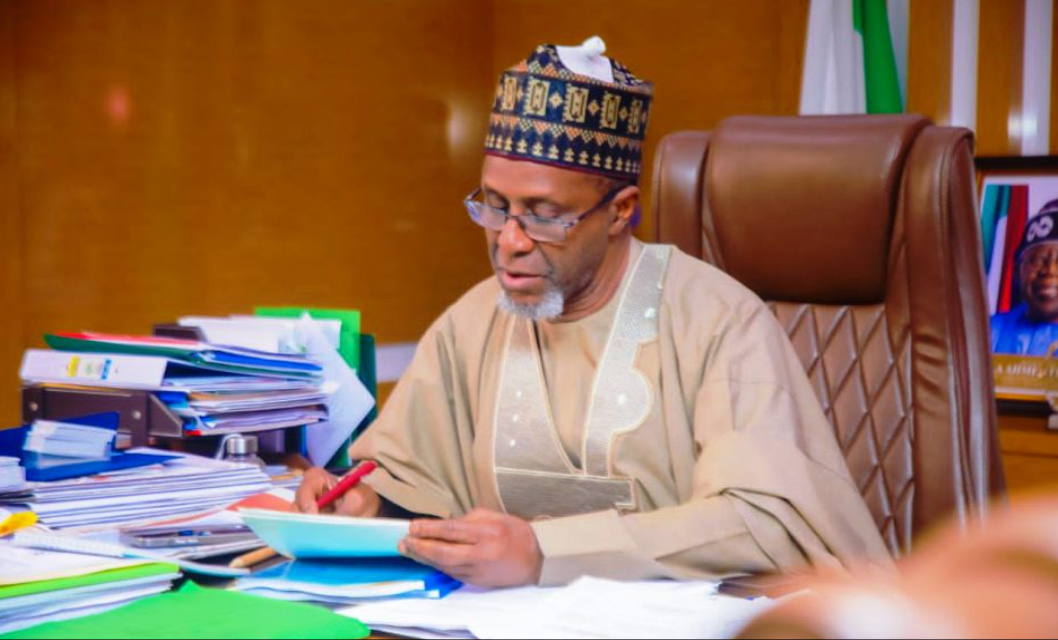
Environment Minister Urges Increased Investment in Nigeria’s Green Economy Ahead of Global Climate Summit

Gọvanmenti Nigeria Kwupụtara 53 Orù Anyanwụ Maka Ike Ọhụrụ N’iru Afọ 2050

Moniepoint Graduates Second DreamDevs Cohort in Lagos to Strengthen Nigeria’s Engineering Workforce

FG Launches $500m Abuja Formula 1 Bid, Targets Africa’s First Grand Prix Since 1993

Fresh Romance Rumours Trail Lando Norris as Alix Earle Sparks Drama in Monaco
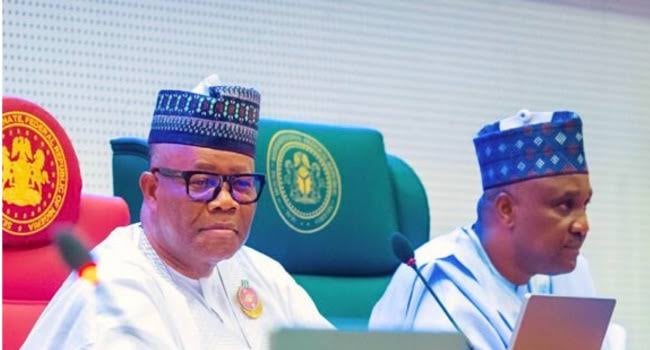
Lagos Court Declares National Assembly’s ₦110bn Vehicle and Allowance Spending Unlawful

Why More Nigerians Are Searching for Casino Bonuses—and What You Should Know Before Claiming
Lagos State Disburses ₦15bn, Creates 320,000 Jobs Through Employment Trust Fund
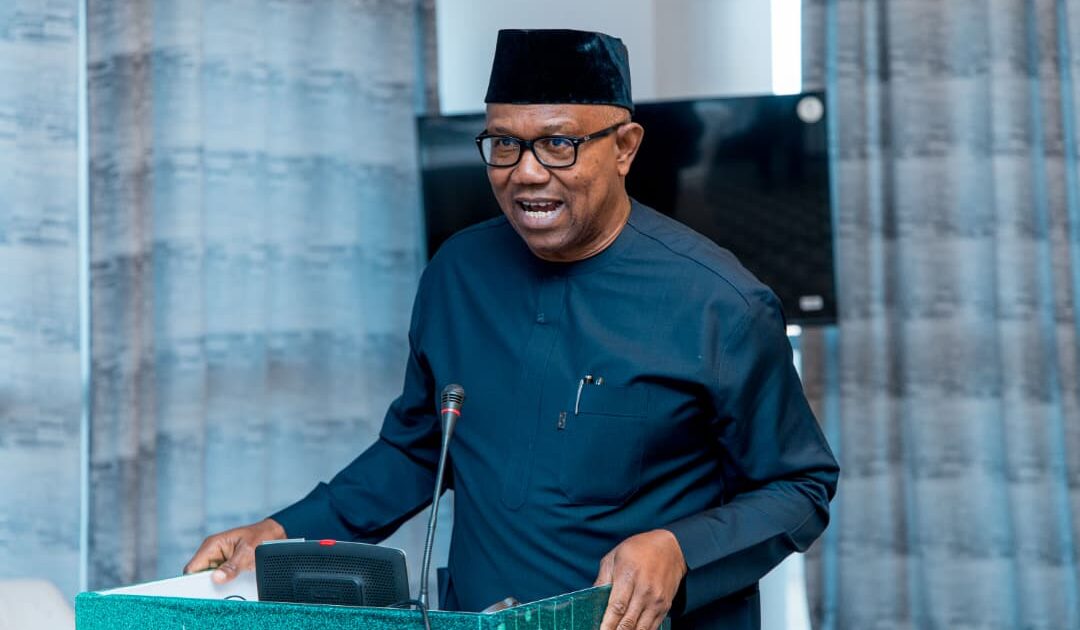
Peter Obi Demands ₦5bn and Public Apology From Kenneth Okonkwo Over Defamation in Lagos