Nigeria News (Standard)
Manufacturers Association Opposes Federal Ban on Single-Use Plastics in Lagos, Warns of Higher Costs
MAN urges government to suspend proposed regulation, citing risk to jobs and small traders amid inflation concerns
MAN urges government to suspend proposed regulation, citing risk to jobs and small traders amid inflation concerns
The Manufacturers Association of Nigeria (MAN) has called on the federal government to halt plans for a nationwide ban on single-use plastics thinner than 80 microns, warning that the policy could increase operational costs and threaten jobs across Lagos State and beyond. The proposal, announced in June 2026, is part of the National Environmental (Plastic Waste Control) Regulations 2026 driven by the National Environmental Standards and Regulations Enforcement Agency (NESREA).
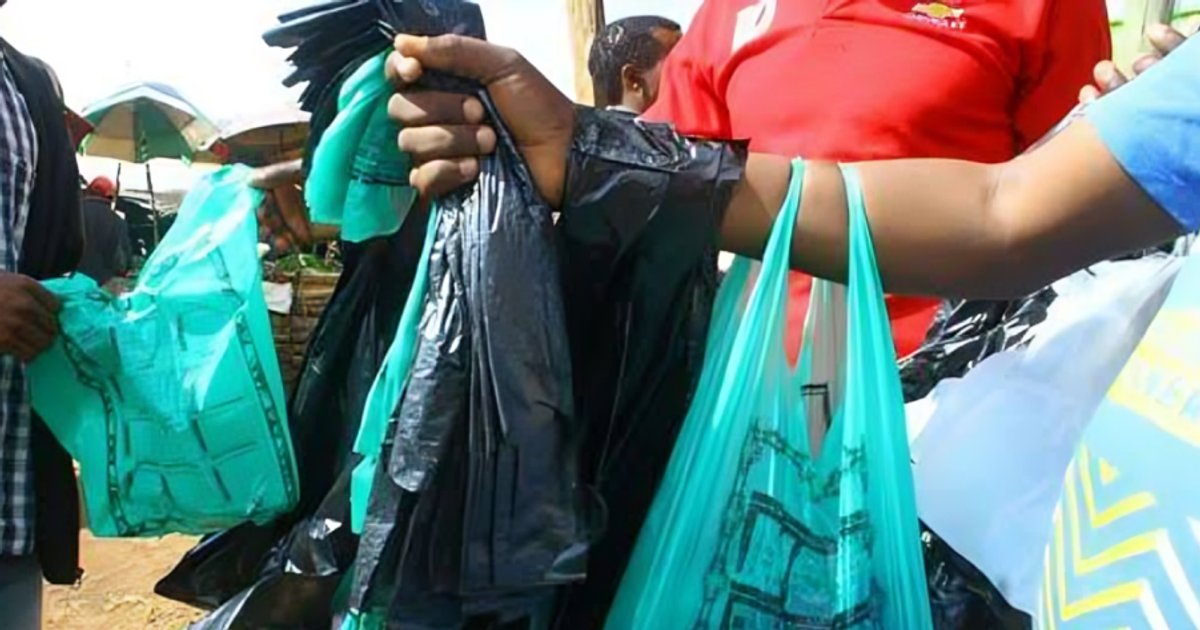
If approved, the ban would immediately affect lightweight nylon shopping bags, plastic straws, disposable cutlery, thin packaging films, and similar items commonly used by market traders and food vendors throughout Nigeria. The regulation also proposes new taxes on shopping bags between 30 and 50 microns. According to MAN’s Director General Segun Ajayi-Kadir, manufacturers may be forced to overhaul machinery and absorb significant capital losses — costs likely to be passed on to consumers already battling high inflation.
Ajayi-Kadir stated in a written statement that while MAN supports environmental protection efforts, the current approach could disrupt businesses without delivering immediate ecological gains. “Small traders, food vendors and market operators who depend on affordable packaging would feel it most directly,” he said. MAN also cited international examples from Kenya, Bangladesh and India where outright bans led to factory closures and job losses but failed to eliminate banned products from informal markets.
The association urged government to consider alternative strategies such as Extended Producer Responsibility systems and investment in recycling infrastructure — models that have shown better results in countries like Germany, South Korea and the Netherlands. For everyday Nigerians, the experience from Lagos State’s earlier plastic ban at a lower threshold provides a glimpse: thin nylon bags from markets, plastic straws at restaurants, disposable cutlery with takeaway food, thin food wrapping films and lightweight supermarket bags could all disappear if the policy takes effect. However, sachet water packs and PET bottles are not expected to be affected immediately as they typically exceed the thickness threshold.
MAN has requested a comprehensive regulatory impact assessment before any new prohibition regime is introduced. The association called for full implementation of existing recycling programmes and broader stakeholder consultation to avoid unintended economic consequences. Government response is still pending as at press time.
Source: https://www.pulse.ng/story/nigeria-proposed-plastic-ban-items-affected-2026061611233964035
Nigeria News (Standard)
NSA Ribadu Says Nigeria’s Porous Borders Fuel Terrorism, Outlines New Security Measures
National Security Adviser highlights ongoing efforts to secure border regions, links weak surveillance to rising insurgency threats
National Security Adviser highlights ongoing efforts to secure border regions, links weak surveillance to rising insurgency threats
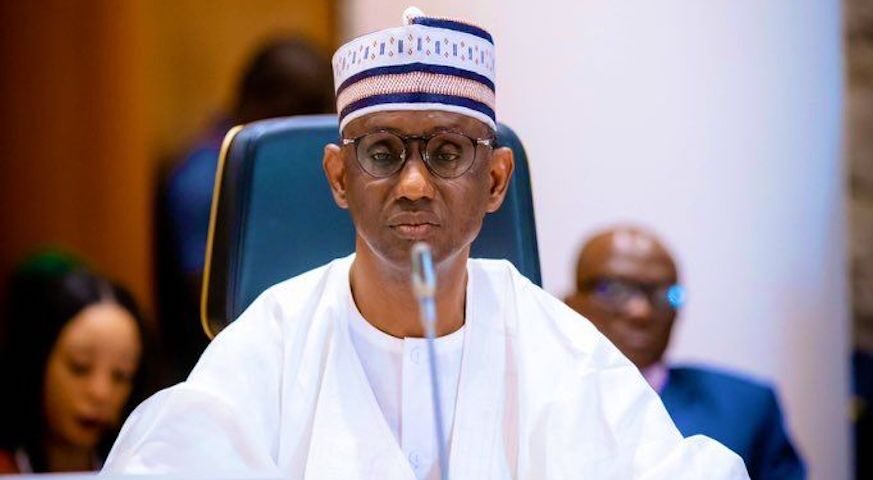
Nigeria’s National Security Adviser, Nuhu Ribadu, has identified the country’s porous borders as a major factor fuelling terrorism and insecurity nationwide. Ribadu made this statement in Abuja on Tuesday, stressing that uncontrolled entry points have enabled armed groups and criminal elements to operate with ease across several regions.
Ribadu explained that the federal government is implementing fresh strategies to curb illegal cross-border movements and address the rising threat of terrorism. According to him, security agencies are working together to enhance surveillance and patrols in border communities, especially in northern states most affected by insurgency. The NSA noted that new technologies for monitoring and data collection are being deployed as part of a broader border management programme.
Border security has remained a significant challenge for Nigeria due to its expansive land boundaries stretching over thousands of kilometres with neighbouring countries such as Niger, Chad, Cameroon, and Benin Republic. The unchecked flow of arms, drugs and fighters has compounded insecurity in border areas, contributing to attacks on civilians and displacement of residents.
“The open nature of our borders is a key enabler for terrorists,” Ribadu said while addressing stakeholders on Tuesday. He assured that President Bola Tinubu’s administration is prioritising improved coordination among security agencies and investing in intelligence gathering to stem the tide of cross-border crimes. Ribadu added that the government is engaging with regional partners to strengthen joint patrols and information sharing.
Security experts have consistently called for more robust border controls to complement military operations against armed groups. While welcoming government’s renewed focus, some analysts argue that community engagement and economic support for border communities are also crucial in reducing local collaboration with criminal elements.
The federal government is expected to roll out further details on its new border security framework in the coming weeks as part of ongoing efforts to tackle insurgency, banditry and other transnational crimes.
Nigeria News (Standard)
Nigeria Eyes Broader 5G Rollout as Global Subscriptions Hit 3.1 Billion
Telecoms sector in Africa expected to expand adoption, with Nigerian operators citing economic benefits and digital inclusion

Telecoms sector in Africa expected to expand adoption, with Nigerian operators citing economic benefits and digital inclusion
Global subscriptions to fifth-generation (5G) mobile networks have reached 3.1 billion, with Nigeria and other African countries intensifying efforts towards broader adoption of the technology. This milestone was highlighted in a recent industry report released on Tuesday, which showed significant growth in mobile broadband worldwide.
According to the findings, while North America, Europe and parts of Asia remain the largest markets for 5G services, Africa is now focusing on bridging the gap through improved infrastructure and regulatory support. In Nigeria, major telecom operators are increasing investments in network upgrades, aiming to boost connectivity in urban centres like Lagos and Abuja, as well as underserved rural areas.
The report emphasised that wider 5G deployment could deliver major economic benefits across Nigeria and the continent, especially in key sectors such as fintech, e-commerce and health. “Broader access to high-speed internet will strengthen digital inclusion and help drive innovation in Nigeria’s economy,” the document noted. However, it also pointed out challenges including limited spectrum availability and high deployment costs facing African operators.
Industry stakeholders say government support is crucial for accelerating 5G adoption. A senior executive at one of Nigeria’s largest telecom firms said: “We are ready to scale up our infrastructure if the right policies are in place.” The executive added that public-private partnerships could help address funding gaps and speed up rollout across all states.
With global figures showing sustained growth in mobile broadband usage, experts predict that Africa’s share of the 5G market will continue rising over the next five years. Nigerian regulators are expected to announce new guidelines soon to facilitate further investments by telecoms companies.
Nigeria News (Standard)
DJ Cuppy Rejects Nigerian Suitors, Cites Pressure of Being Otedola’s Daughter
Popular DJ says Lagos relationships come with suspicion as billionaire father’s status affects genuine connections

Popular DJ says Lagos relationships come with suspicion as billionaire father’s status affects genuine connections
Popular Nigerian disc jockey and media personality, Florence Otedola, known as DJ Cuppy, has said she is no longer interested in marrying a Nigerian man due to her experiences dating as the daughter of billionaire businessman Femi Otedola. The statement was made in Lagos during a resurfaced interview that has drawn fresh attention to her relationship history and challenges faced by high-profile women in Nigeria.
According to DJ Cuppy, her last relationship with a Nigerian partner revealed that the individual seemed more interested in meeting her father than building a genuine romantic bond. “I can never marry a Nigerian. The last Nigerian I dated was already asking me when he could meet my dad. I don’t even think they actually like me,” she said, reflecting on the impact of her family background on her personal life.
Cuppy explained that being Otedola’s daughter makes it difficult to identify those who are truly interested in her as a person rather than for what her name represents. She noted, “I want someone to love me and be happy. I’m constantly under my dad’s shadow; I want to be with someone who doesn’t care about my dad.” The DJ further stated that her father does not have any preference regarding the nationality of her future spouse, only wishing for her happiness and eventual marriage.
The interview has also revived discussions around Cuppy’s past high-profile relationships, notably with British boxer Ryan Taylor. Their engagement in 2022 ended in 2023, with public exchanges highlighting the strain caused by fame and wealth. Taylor had previously alleged on a podcast that Cuppy discouraged him from hiring Nigerian staff and felt uncomfortable around Nigerian fans—a claim that resurfaced after her recent comments but was not directly addressed by Cuppy at the time.
Before Taylor, Cuppy had dated Davido’s manager Asa Asika and footballer Victor Anichebe. She has since said she now prefers partners outside celebrity circles—people with regular jobs who are less likely to be influenced by the spotlight attached to her surname. As at now, DJ Cuppy continues to focus on her career while expressing support for her sister Temi Otedola’s relationship with musician Mr Eazi.
Source: https://www.pulse.ng/story/dj-cuppy-no-nigerian-marriage-past-relationships-2026061612435088387
NSA Ribadu Says Nigeria’s Porous Borders Fuel Terrorism, Outlines New Security Measures
Nigeria Eyes Broader 5G Rollout as Global Subscriptions Hit 3.1 Billion
DJ Cuppy Rejects Nigerian Suitors, Cites Pressure of Being Otedola’s Daughter

Zamfara Bomb Explosion Kills Three Police Officers in Northwest Nigeria

Abuja Court Revokes Sowore’s Bail, Orders Immediate Arrest of Activist

Lagos Influencer Dispute Exposes Deep Rift Between Brands and Creators in Nigeria’s Digital Economy

FirstBank Launches 2026 Pan-African Graduate Trainee Programme Across Lagos and Six African Cities

Report: Why Super Eagles’ Maduka Okoye Reportedly Turned Down Nigerian Billionaire’s Daughter

Naira Riri Dollar Elu N’ahịa FX Ka Ego Mpụga Nigeria Ruru $50.5bn
Katsina State Bans Fuel Sales in Jerrycans, Restricts Motorcycle Use in Jibia, Batsari LGAs Over Security Concerns
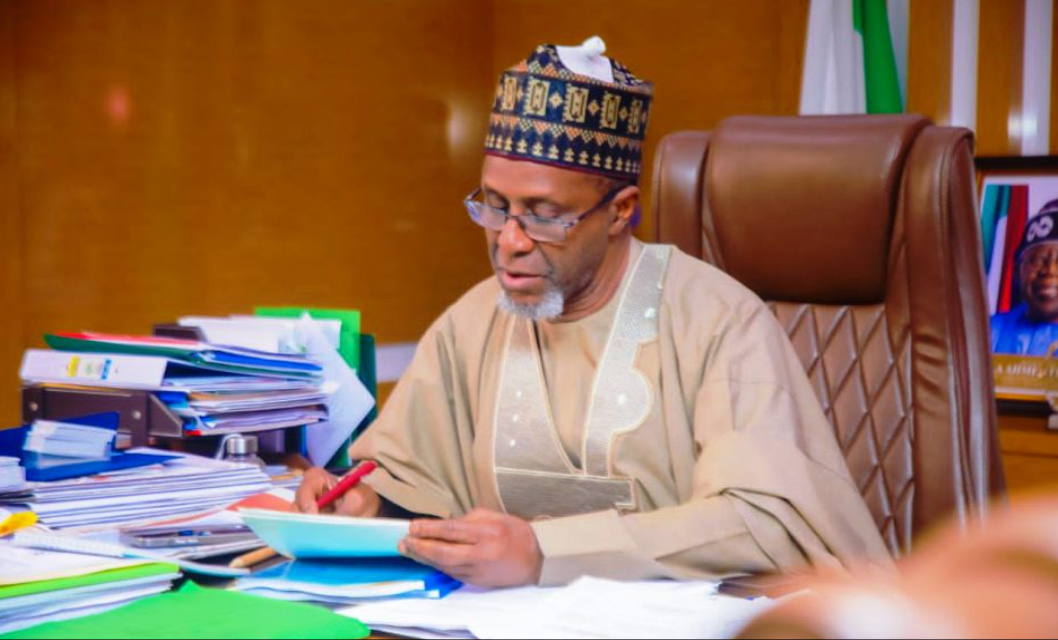
Environment Minister Urges Increased Investment in Nigeria’s Green Economy Ahead of Global Climate Summit

Moniepoint Graduates Second DreamDevs Cohort in Lagos to Strengthen Nigeria’s Engineering Workforce

Gọvanmenti Nigeria Kwupụtara 53 Orù Anyanwụ Maka Ike Ọhụrụ N’iru Afọ 2050

Fresh Romance Rumours Trail Lando Norris as Alix Earle Sparks Drama in Monaco

FG Launches $500m Abuja Formula 1 Bid, Targets Africa’s First Grand Prix Since 1993

Why More Nigerians Are Searching for Casino Bonuses—and What You Should Know Before Claiming

Ụlọ Ọrụ Nigeria Kwupụtara Nsogbu Nchekwa na Ụtụ Isi N’agbanyeghị Ịrị Elu Obi Ike Ahịa
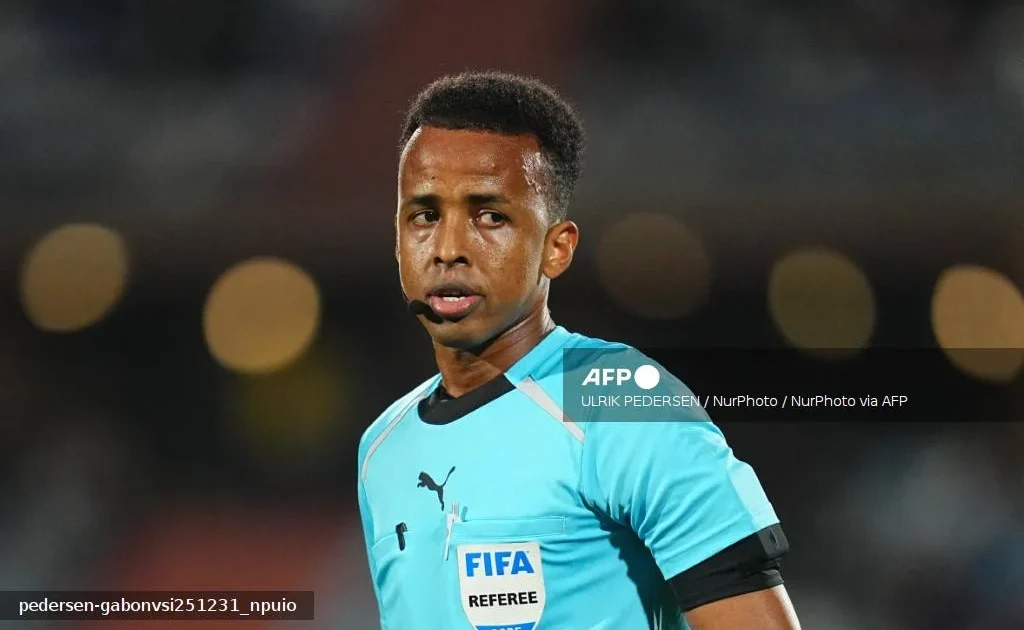
Somali Referee Omar Artan Blocked From US World Cup Over Visa Row, Misses Dream Debut
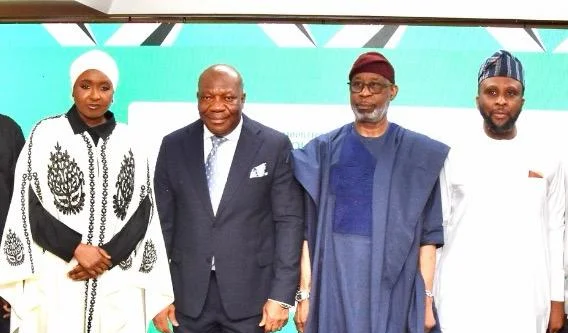
Federal Government Launches Mining Grants for Research and Exploration Across Nigeria