Nigeria News (Standard)
Niger State Shuts 15 Health Centres, Arrests Suspected Fake Doctor in Suleja Crackdown
Private Health Facilities Agency seals Ellamara Hospital, says operation follows intelligence reports on unqualified practitioners
Private Health Facilities Agency seals Ellamara Hospital, says operation follows intelligence reports on unqualified practitioners
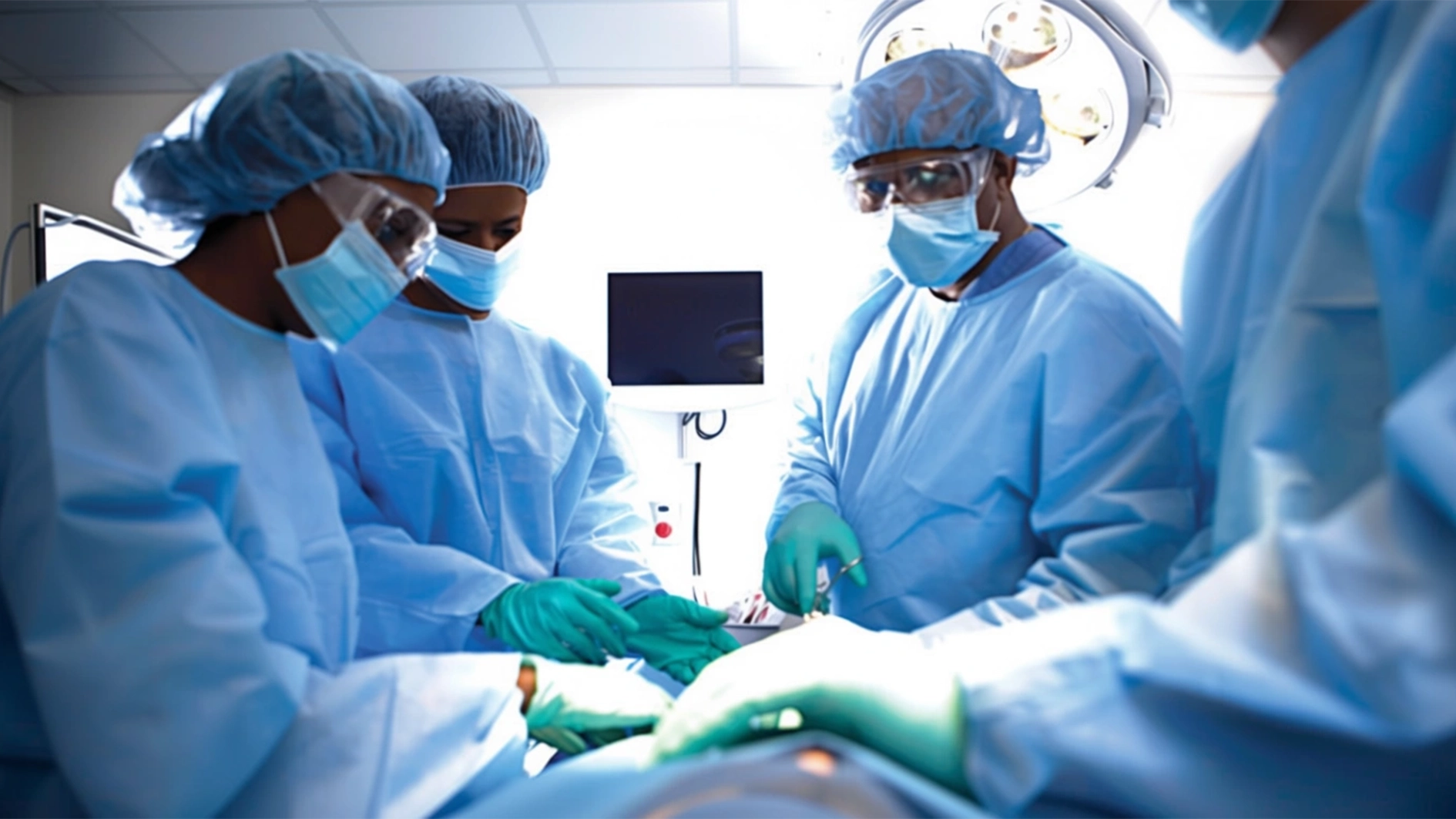
Authorities in Niger State have sealed off 15 private health centres and arrested a man accused of practising as a fake doctor during an enforcement operation in Suleja Local Government Area on Saturday. The action was led by the Niger State Private Health Facilities Agency as part of efforts to sanitise the health sector and protect residents from unsafe medical practices.
According to Dr Abdullahi Suleiman, Executive Chairman of the agency, the clampdown followed intelligence reports and routine compliance checks that revealed irregularities in several facilities. Suleiman said Ellamara Specialist Hospital was shut down after inspectors discovered that a suspect had been providing medical services without necessary qualifications or a valid practising licence.
Preliminary investigations indicated that the suspect, who allegedly dropped out of medical school, had worked as a medical doctor in Suleja for about six years. The agency noted that he was previously disengaged by a former employer over issues related to his credentials and had reportedly been arrested before in Cross River State for similar offences.
Suleiman stated that the ongoing enforcement exercise is aimed at upholding regulatory standards and ensuring only qualified professionals operate in Niger State’s health sector. “We will not tolerate quackery or illegal medical practice that puts lives at risk,” he said during an inspection tour. The agency did not immediately disclose the names of other affected centres but assured residents that further investigations would be carried out.
The Niger State Private Health Facilities Agency has urged members of the public to report suspicious activities at any health facility and warned operators to comply strictly with registration and licensing requirements. Further updates are expected as authorities continue their probe into private healthcare operations across Suleja LGA.
Nigeria News (Standard)
NSCIA Expands National Executive Council to Strengthen Muslim Representation Nationwide
Islamic council increases leadership body size, aims for broader inclusion of stakeholders across Nigeria’s six geopolitical zones

Islamic council increases leadership body size, aims for broader inclusion of stakeholders across Nigeria’s six geopolitical zones
The Nigerian Supreme Council for Islamic Affairs (NSCIA) has announced the expansion of its National Executive Council, a move aimed at deepening representation and strengthening the council’s capacity to address Muslim affairs across Nigeria. The development was made public on Monday, 5 October 2026, following a meeting of top council officials in Abuja.
According to the statement released after the meeting, the NSCIA leadership resolved to increase the number of seats on its executive body. The council said this adjustment will allow for greater input from Muslim leaders and scholars from all six geopolitical zones, reflecting the diverse interests and challenges faced by Nigeria’s Muslim community.
The decision comes at a time when many stakeholders in the Islamic community have called for more inclusive governance structures within faith-based organisations. The council noted that as Nigeria’s Muslim population continues to grow and diversify, it is critical that leadership bodies remain responsive to changing realities. The expanded executive is expected to facilitate improved consultation and coordination on religious matters affecting education, social welfare, and interfaith relations.
In its official statement, the NSCIA emphasised that “the expansion will enhance collaboration among stakeholders and ensure that voices from every region are properly represented.” While no specific figures were disclosed regarding the number of new seats or names of new appointees, the council assured members that transparency and merit would guide all selections. Attempts to reach opposition or dissenting voices within the council were unsuccessful as at press time.
The NSCIA said it will release a full list of new executive council members following its next general assembly. Observers say this move could influence policy directions within Nigeria’s wider religious landscape over the coming months.
Nigeria News (Standard)
Lagos Tenant Discovers Landlord’s Father Buried Beneath Living Room After Over a Year
Landlord’s family exhumes remains in Surulere flat, pledges to repair sitting room after tenant expresses shock

Landlord’s family exhumes remains in Surulere flat, pledges to repair sitting room after tenant expresses shock
A Lagos tenant, identified as Mr Bachelor, has revealed he lived for more than a year in a Surulere apartment without knowing his landlord’s late father was buried beneath the living room floor. The discovery was made on September 20, 2026, when members of the landlord’s family visited the property and informed the tenant of their intention to exhume the remains.
According to Mr Bachelor, who shared details of the incident on X (formerly Twitter), he was in his apartment when the landlord’s relatives arrived and disclosed that their late brother—who is also the landlord’s father—had been buried in the middle of his sitting room. “He was buried right in my living room, and I was not aware until they came around today,” he stated.
The family explained that they planned to move the body to another location they had prepared and assured Mr Bachelor that necessary repairs would be made to his sitting room after the exhumation. The tenant noted that he was the first occupant of the newly built house and had spent over a year there before learning about the burial.
The incident has raised fresh concerns among Lagos residents about transparency from landlords regarding property histories. Some social media users responding to Mr Bachelor’s post urged prospective tenants across Nigeria to conduct due diligence before moving into rental properties. Others called for clearer regulations around residential burials and disclosure by property owners.
As at press time, neither local authorities nor tenants’ rights groups have issued official statements on the matter. The landlord’s family has not provided additional comments beyond assurances of repairs. The situation highlights ongoing gaps in property regulation and tenant protection in Lagos State.
Source: https://www.pulse.ng/story/man-discovers-corpse-buried-under-living-room-2026100506463406930
Nigeria News (Standard)
INEC to Address Nigerians Nationwide as 2027 Election Countdown Reaches 100 Days
Electoral commission prepares public statement amid growing anticipation for next general polls across all states

Electoral commission prepares public statement amid growing anticipation for next general polls across all states
The Independent National Electoral Commission (INEC) has announced plans to address Nigerians nationwide as the countdown to the 2027 general elections hits the 100-day mark. The development, expected to take place across all states, comes as political parties and voters begin preparations for one of the country’s most significant democratic exercises.
According to information from INEC headquarters in Abuja, the commission will issue a formal statement to outline its readiness and call on citizens to participate actively in the electoral process. This move is seen as part of efforts to assure stakeholders of INEC’s commitment to credible and transparent polls, following widespread debates over electoral integrity in recent cycles.
The announcement is particularly significant given Nigeria’s recent history of tightly contested elections, with issues such as voter turnout, technological deployment, and security logistics taking centre stage. Many Nigerians, especially young voters, have expressed concerns about the credibility of past elections and are watching closely for signals of improvement in 2027.
While details of INEC’s planned address remain under wraps, observers expect the commission’s leadership to emphasise the importance of voter registration, collection of Permanent Voter Cards (PVCs), and adherence to election guidelines. Political analysts note that early communication from INEC could help build public confidence and encourage broader participation ahead of the polls.
With just over three months before Nigerians return to the ballot box, all eyes are on INEC’s next steps. The commission is likely to face scrutiny from both ruling and opposition parties over its preparations. As at Monday, October 5th, no official response has been issued by major political parties regarding INEC’s planned address.

Nwabali Returns as Okoye Left Out — Iheanacho Leads New-Look Super Eagles Against Russia
NSCIA Expands National Executive Council to Strengthen Muslim Representation Nationwide
Lagos Tenant Discovers Landlord’s Father Buried Beneath Living Room After Over a Year
INEC to Address Nigerians Nationwide as 2027 Election Countdown Reaches 100 Days

Calabar Banker Left Homeless After Funding Family’s Relocation to Canada, Loses Contact With Four Children

Sowore Reveals RCCG’s Pastor Adeboye Prayed for Him in Lagos After Thanksgiving Service

Federal Government’s King’s College Concession Plan Sparks Fresh Criticism in Lagos

Portugal FA President Breaks Silence on Ronaldo’s Post-2026 World Cup Plans — Why the Legend Refused to Retire

Ndidi Admits Frustration After Super Eagles’ Defeat to Guinea-Bissau Leaves Fans Demanding Answers

Portuguese FA President Backs Jorge Jesus Amid Ronaldo Scandal Fallout
Environment Minister Urges Increased Investment in Nigeria’s Green Economy Ahead of Global Climate Summit

Lagos Tech Professionals Earn More Than Oil Workers in 2026 as Dollar Salaries Surpass ₦220m
Lagos Police Arrest Doctor, Birth Attendant Over Alleged Sale of Newborn for ₦2.5m
CBN Kwupụtara Nnweta Ego Ọhụrụ ₦2.09trn OMO Na ₦464.6bn NTB N’ime Ụlọ Akụ N’izu a
NDLEA Auctions Forfeited Lagos Hotel, Properties for ₦6.15bn
Ogun Police Kill Two Suspected Kidnappers, Rescue Abducted Victim and Recover ₦2.2m

Lagos Shop Sparks Debate as Silicone Breast Prostheses Sell for ₦115,000
NBS Reports CIT Drops by 31% Nationwide as VAT Revenue Climbs to ₦2.42trn
Lagos Welcomes 66 South Africa Returnees as Pastor Bolaji Donates ₦100,000 Each