Nigeria News (Standard)
Rank CEO Femi Iromini Launches Collective Wealth Model for Young Nigerians in Lagos Summit
Platform reports over $100 million paid to users as experts urge shift from legacy banking to digital, community-driven finance

Platform reports over $100 million paid to users as experts urge shift from legacy banking to digital, community-driven finance
Rank, a Nigerian fintech platform, has unveiled a new collective wealth model aimed at helping young Nigerians and Africans achieve financial security in the digital era. The announcement was made during ‘The Collective,’ Rank’s flagship user event held in Lagos on Tuesday, where CEO and Co-Founder Femi Iromini addressed an audience of creators, entrepreneurs, and investors.
Iromini stated that traditional pathways to wealth—such as stable civil service jobs and land ownership—have lost their effectiveness for the current generation. “This generation is the most educated, connected and digitally fluent in the continent’s history. Yet they face the weakest, most volatile pathways to actual wealth accumulation,” Iromini said at the summit.
Presenting recent data, Rank highlighted that less than 10 percent of Africans currently have access to formal investment products, with conventional banks struggling to provide inclusive financial services. Africa’s median age is about 19 years, making it the youngest continent globally. Projections indicate that by 2050, one in four people worldwide will be African. Fintech adoption among this demographic is growing at more than 20 percent annually in major cities.
To address these challenges, Rank has developed a three-part ecosystem: Rank Microfinance Bank offers inclusive banking; Rank Capital provides advanced wealth management solutions; and the Rank App enables communities to save, invest, and spend collectively. The company revealed that it bypassed standard consumer banking models in favour of pooled capital and community-driven investment structures. Over the past year alone, Rank reported paying out over $100 million (about ₦150 billion at current exchange rates) to users across various communities.
During a panel discussion titled “Old Money, New Wealth,” leading venture capitalists and digital creators including Kola Aina (Founding Partner at Ventures Platform), Adebukola Adewole, Topher, Lydia Ogah and Segi Ademoroti compared traditional physical-asset-based fortunes with modern digital wealth opportunities. The speakers agreed that young professionals must leverage their demographic advantage and digital skills through flexible platforms like Rank to create sustainable wealth.
With Nigeria’s fintech sector outpacing mature markets in terms of growth rate, stakeholders say collective models could become central to future wealth creation strategies. The summit concluded with calls for further innovation in community-based finance tailored to Africa’s youthful population.
Nigeria News (Standard)
Ekiti Voters Head to Polls as Governorship Election Kicks Off Across South-West State
INEC begins collation of polling unit results as major parties vie for victory; turnout reported high in key LGAs
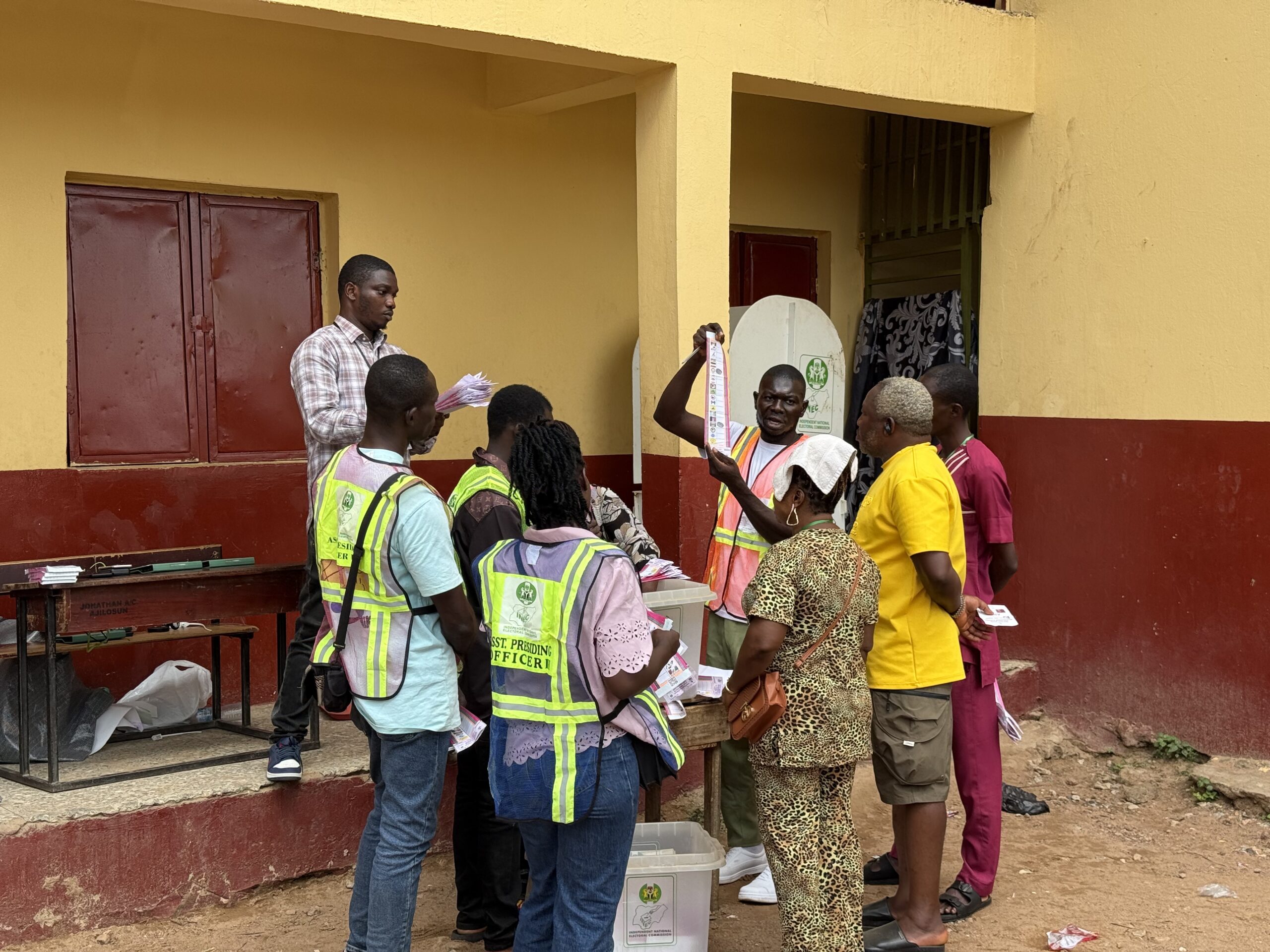
INEC begins collation of polling unit results as major parties vie for victory; turnout reported high in key LGAs
Polling units across Ekiti State opened their doors on Saturday, 20 June 2026, as residents turned out to cast their votes in the highly anticipated governorship election. The exercise, which commenced early in the morning, saw significant participation from eligible voters in various local government areas of the South-West state.
According to reports from different parts of Ekiti, the Independent National Electoral Commission (INEC) officials arrived at most polling stations on schedule, with voting materials distributed and accreditation processes underway before midday. Security personnel were visible at strategic locations to ensure a peaceful atmosphere throughout the exercise. Observers noted that voter turnout appeared particularly strong in Ado-Ekiti and Ikere LGAs, where competition among candidates is traditionally fierce.
This year’s governorship election is seen as a crucial test for both the ruling All Progressives Congress (APC) and opposition parties such as the Peoples Democratic Party (PDP) and Labour Party (LP). With no female candidates on the ballot for the top seat, attention has focused on male flagbearers vying to succeed the current administration. The outcome is expected to have implications for party strategies ahead of the 2027 general elections.
While official statements from INEC indicated that polling generally proceeded smoothly, some voters cited minor delays related to biometric accreditation devices at isolated centres. However, electoral officers assured that any technical issues were being resolved promptly. At press time, opposition party agents said they were closely monitoring collation processes and urged INEC to ensure transparency in result announcement.
Collation of results from individual polling units began late Saturday afternoon and is expected to continue into Sunday. INEC has called for calm among supporters while official tallies are compiled. Political analysts say the result will likely shape political alignments in Ekiti and could influence national calculations within major parties.
Nigeria News (Standard)
Sickle Cell Disease Remains Widespread in Nigeria Despite Decades of Awareness Campaigns
Health experts lament persistent high cases nationwide as government faces criticism over inadequate screening and treatment support

Health experts lament persistent high cases nationwide as government faces criticism over inadequate screening and treatment support
Sickle cell disease continues to affect millions across Nigeria, with health authorities reporting no significant decline in new cases despite years of public awareness efforts. The ongoing struggle was highlighted on Saturday, 20 June 2026, as medical professionals and advocacy groups raised concerns over the country’s slow progress in reducing the burden of the genetic disorder.
According to health officials, Nigeria remains one of the countries with the highest prevalence of sickle cell disease globally, particularly in states across the South-West and North-Central zones. Despite repeated campaigns and education programmes, many Nigerians still lack access to early diagnosis and comprehensive care, leading to preventable complications and deaths among children and adults.
The continued spread of sickle cell disease is a major public health concern in Nigeria, where an estimated quarter of the population carries the sickle cell trait. Experts say factors such as low rates of genetic counselling before marriage, limited newborn screening, and inadequate funding for specialised treatment centres have hampered efforts to curb new cases. The World Health Organisation has also identified Nigeria as a priority country for intervention due to its high disease burden.
Health sector stakeholders have criticised government’s response as insufficient. Medical practitioners point out that while awareness campaigns have increased knowledge about sickle cell disease, there is still a lack of free or subsidised screening services at most primary healthcare centres. An official from a leading sickle cell foundation noted that many families are unable to afford regular medical care for affected children. The Federal Ministry of Health has acknowledged these challenges and pledged to strengthen support for affected communities through improved funding and expanded screening initiatives.
Experts warn that without urgent reforms—including making genotype testing compulsory before marriage and increasing budgetary allocations—the country may continue to witness high rates of sickle cell complications. Advocacy groups are calling on policymakers at both federal and state levels to prioritise comprehensive sickle cell control strategies, including public education, affordable diagnosis, and access to life-saving treatments.
Nigeria News (Standard)
Ekiti Observers Hail BVAS Performance, Raise Alarm Over Vote-Buying in 2026 Governorship Election
Civil society groups praise INEC’s technology but warn that widespread cash inducement threatens credibility of South-West poll
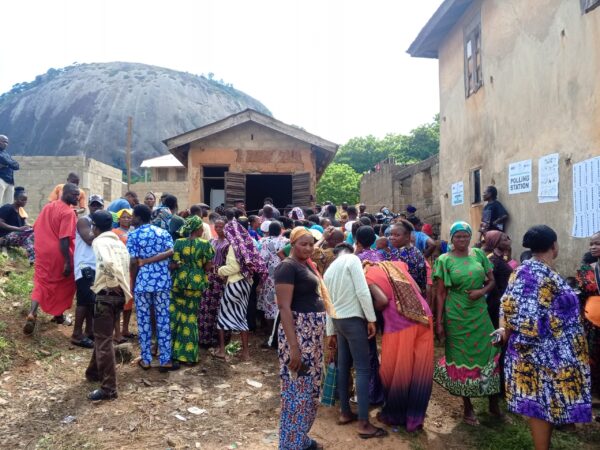
Civil society groups praise INEC’s technology but warn that widespread cash inducement threatens credibility of South-West poll
Election observers in Ekiti State have commended the Bimodal Voter Accreditation System (BVAS) for its efficient performance during the 2026 governorship election held on Saturday, June 20. However, they expressed concern over reports of rampant vote-buying across several polling units, warning that such malpractice undermines the integrity of the electoral process.
According to monitoring teams deployed by various civil society organisations, the BVAS devices functioned smoothly at most polling centres in Ado-Ekiti and other LGAs, allowing for quick accreditation and reducing incidents of multiple voting. The observers noted that the swift verification process contributed to orderly conduct at many locations and encouraged voter turnout.
Despite these technological gains, observers reported that party agents from major political parties were openly distributing cash and material inducements to voters near some polling stations. They said that while security personnel were present at many sites, enforcement against vote-buying was inconsistent. This development has renewed concerns about the effectiveness of Nigeria’s campaign against electoral corruption, especially in the South-West region where Ekiti is located.
The observers called on INEC and security agencies to intensify efforts to curb financial inducement in future elections. “The use of BVAS is a major step forward for transparency,” one monitoring group stated in their preliminary report. “But as long as politicians continue to buy votes with impunity, the credibility of our elections remains at risk.” Calls for stricter prosecution of offenders were echoed by local civic leaders.
INEC officials have yet to issue a formal response regarding the reported cases of vote-buying. Meanwhile, stakeholders say they expect a comprehensive review from the commission once collation is concluded. Many believe that addressing these challenges is crucial as Nigeria prepares for subsequent off-cycle elections in neighbouring states.
Ekiti Voters Head to Polls as Governorship Election Kicks Off Across South-West State

Netherlands Hit Sweden for Five to Join Argentina and Brazil in Exclusive World Cup Club
Sickle Cell Disease Remains Widespread in Nigeria Despite Decades of Awareness Campaigns
Ekiti Observers Hail BVAS Performance, Raise Alarm Over Vote-Buying in 2026 Governorship Election

INEC Uploads 34.6% of Polling Unit Results on IReV for Ekiti Governorship Election

Oyo Emergency Services Confirm Five Dead, Eight Injured in Lagos-Ibadan Expressway Multi-Vehicle Crash
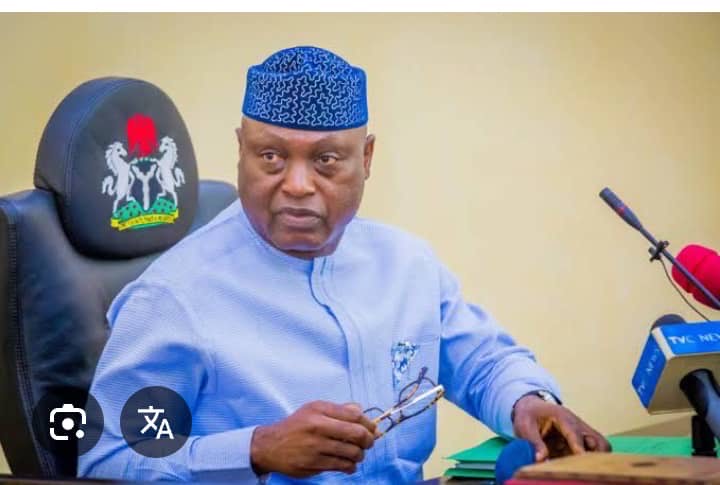
Ekiti Governor Oyebanji Secures Victory at Own Polling Unit in 2026 Governorship Election
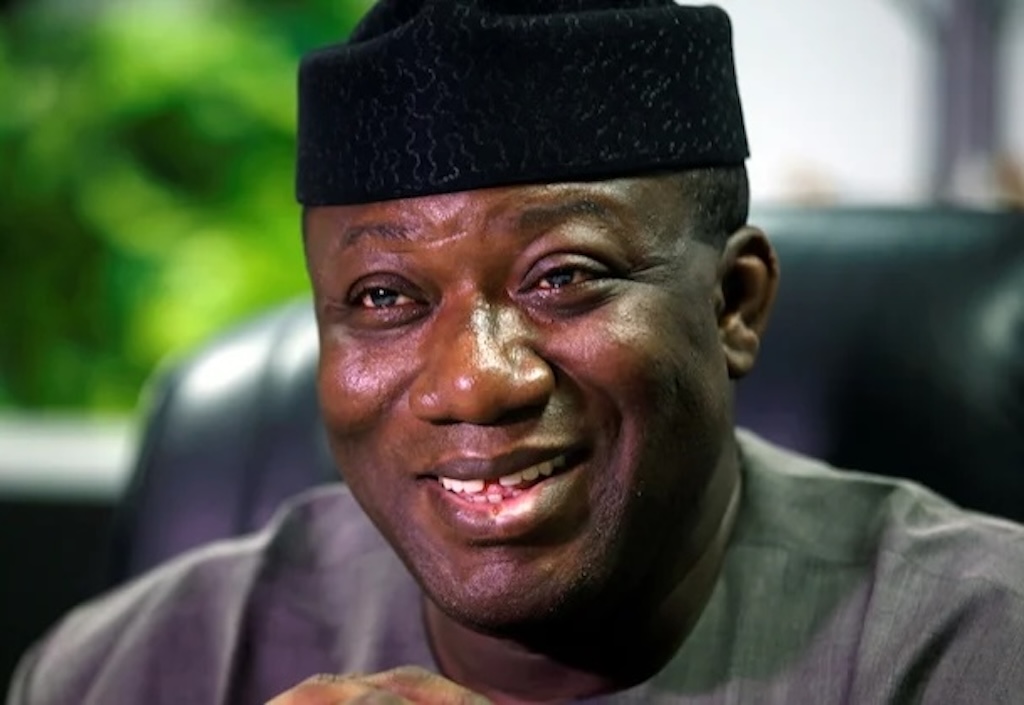
Fayemi, Arise Commend Voting Process in Ekiti Ahead of 2026 Governorship Election
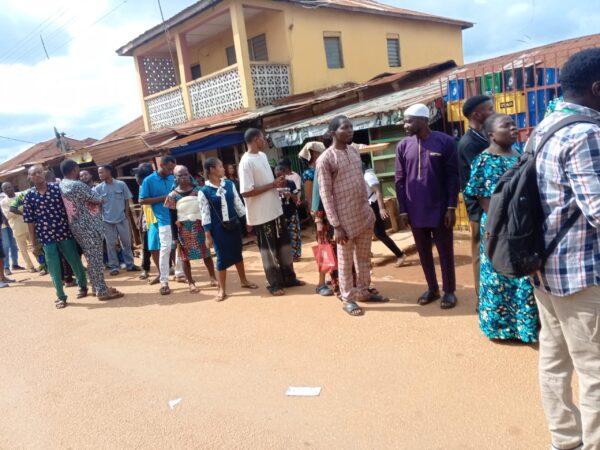
INEC Official Rates Ekiti Governorship Election Peaceful, Commends Security Agencies
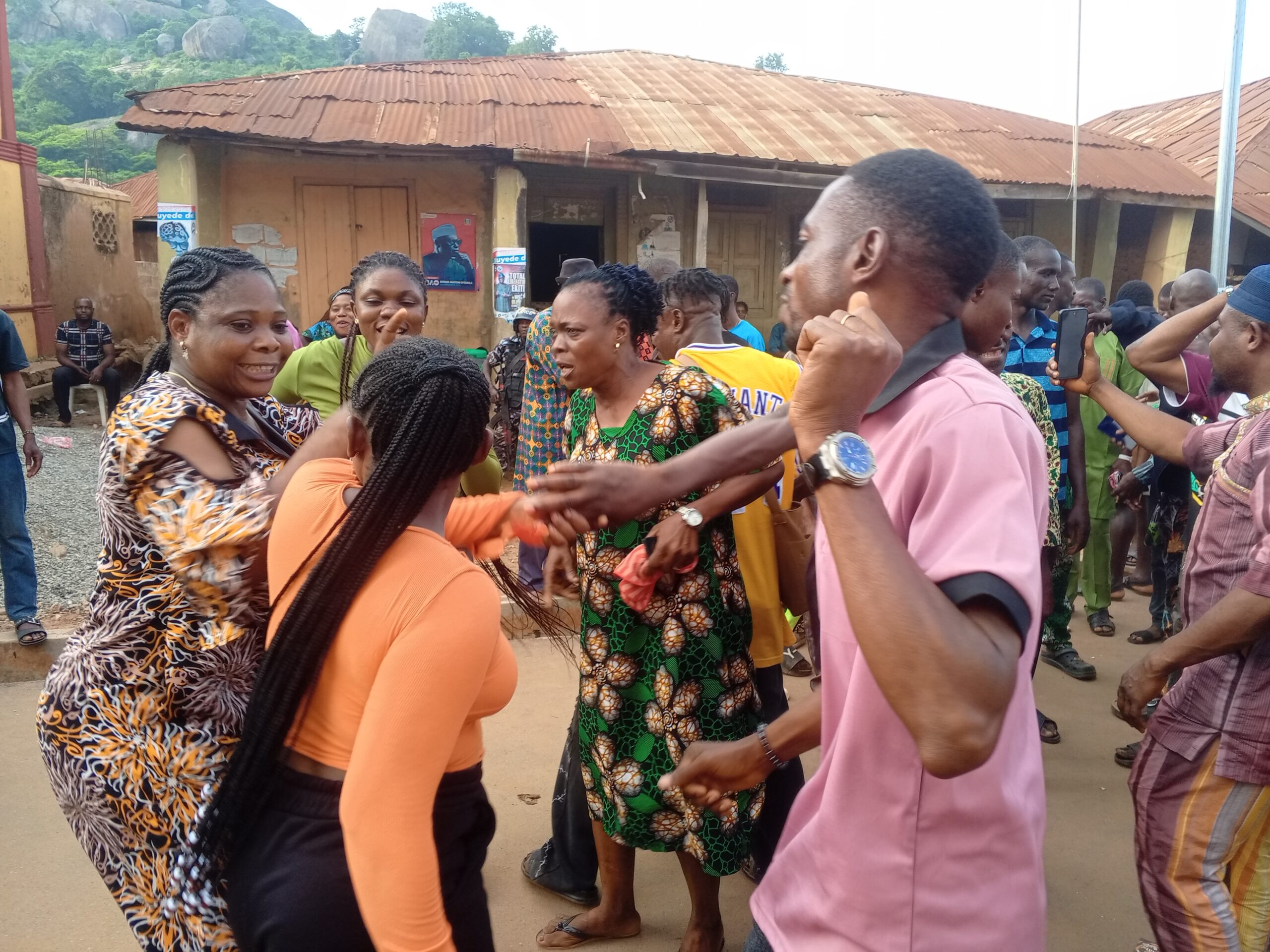
Hoodlums Attack Journalists Covering Ekiti Governorship Election in Iyin-Ekiti
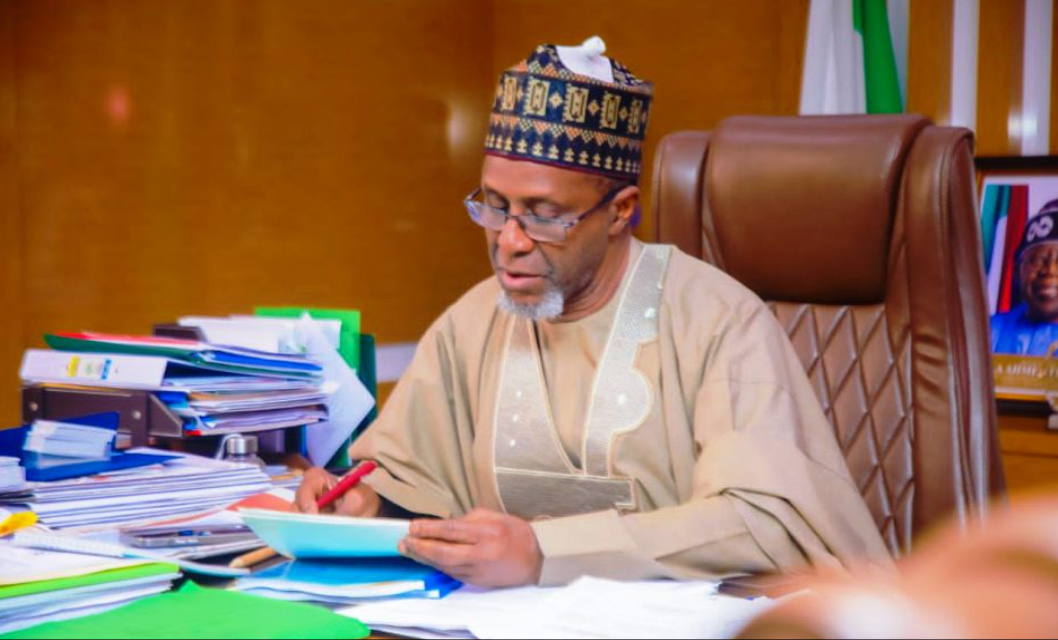
Environment Minister Urges Increased Investment in Nigeria’s Green Economy Ahead of Global Climate Summit

Gọvanmenti Nigeria Kwupụtara 53 Orù Anyanwụ Maka Ike Ọhụrụ N’iru Afọ 2050

Moniepoint Graduates Second DreamDevs Cohort in Lagos to Strengthen Nigeria’s Engineering Workforce

Fresh Romance Rumours Trail Lando Norris as Alix Earle Sparks Drama in Monaco
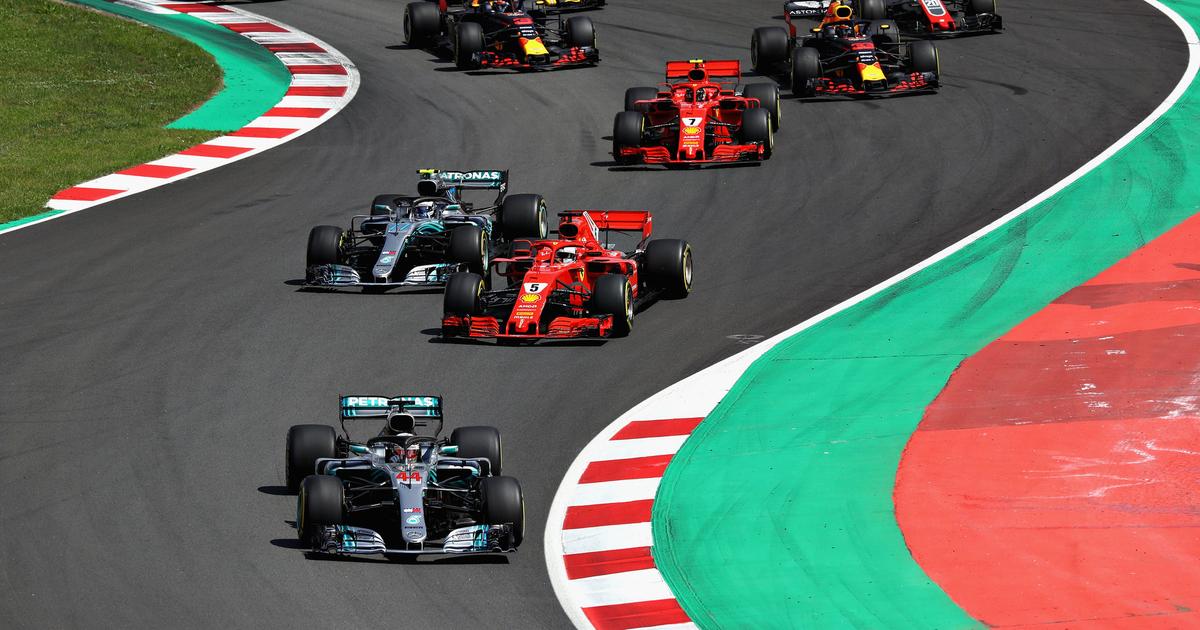
FG Launches $500m Abuja Formula 1 Bid, Targets Africa’s First Grand Prix Since 1993

Why More Nigerians Are Searching for Casino Bonuses—and What You Should Know Before Claiming
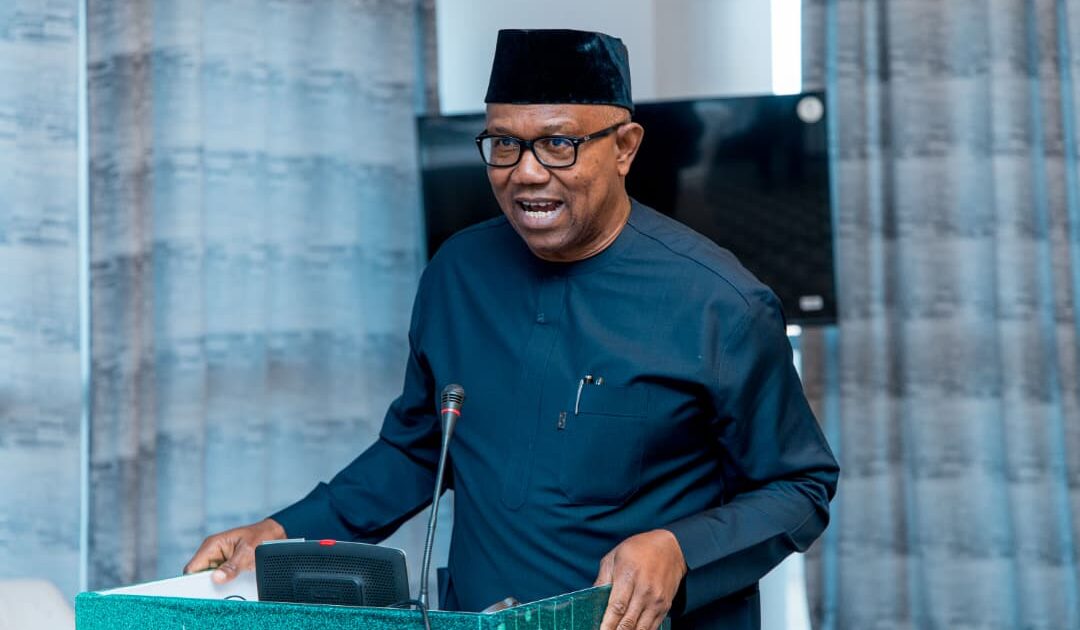
Peter Obi Demands ₦5bn and Public Apology From Kenneth Okonkwo Over Defamation in Lagos

Ụlọ Ọrụ Nigeria Kwupụtara Nsogbu Nchekwa na Ụtụ Isi N’agbanyeghị Ịrị Elu Obi Ike Ahịa
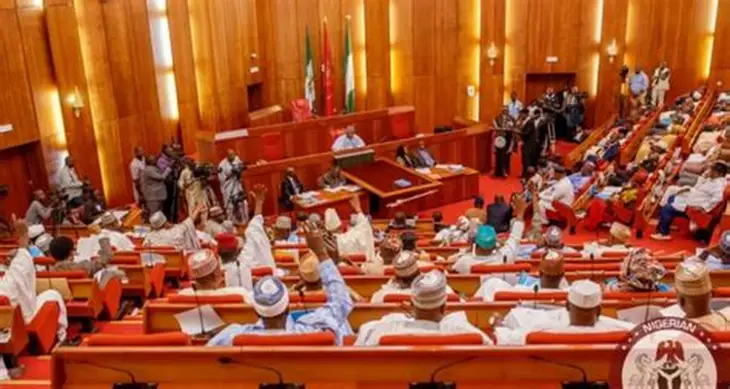
Senate Disowns Arrest Warrant for Ex-NNPC Boss Kyari, Rebukes Oshiomhole Over ₦210trn Probe Comments