Nigeria News (Standard)
Rising Kidnappings in All Nigerian Zones Spur Security Agencies to Issue Fresh Advisory
Over 19,000 abductions recorded nationwide in past decade as authorities urge citizens to adopt personal safety measures

Over 19,000 abductions recorded nationwide in past decade as authorities urge citizens to adopt personal safety measures
Security agencies across Nigeria have raised fresh concerns over the increasing rate of kidnappings, with recent data showing that more than 19,366 people have been abducted in 2,694 reported incidents nationwide within the last ten years. The Nigeria Security Tracker documented these cases spanning every geopolitical zone, including the North-East, South-South, North-Central, North-West, South-West, and South-East.
Authorities in Abuja stated on Thursday that kidnappers no longer focus only on wealthy individuals but now target a wider range of victims such as employees, students, and children regardless of their social status. This shift has prompted security operatives to encourage Nigerians to take greater responsibility for their own safety while efforts to contain criminal gangs intensify at both state and federal levels.
The security situation has become a major concern for families and businesses across Nigeria. Armed groups—including militants and other unidentified gunmen—have continued to operate despite ongoing military operations and increased police patrols. Citizens are now being urged to remain vigilant at all times, avoid sharing sensitive information about their movements online or with strangers, and ensure that homes are secured with reliable gates and surveillance systems where possible.
A spokesperson for the Nigeria Police Force said the command is committed to tackling kidnapping through intelligence-led patrols and community engagement. “We advise everyone to be conscious of their environment and report suspicious activities promptly,” the official stated during a media briefing in Lagos. No official opposition response was available as at press time.
Experts warn that until kidnappers are effectively deterred through coordinated action by security agencies and communities, Nigerians must remain proactive about their personal safety. Authorities say additional awareness campaigns will be rolled out in coming weeks to educate the public on practical steps that can reduce exposure to abduction risks.
Source: https://guardian.ng/life/security-tips-that-could-help-you-stay-off-kidnappers-radar/
Nigeria News (Standard)
Dangote Refinery Slashes Jet Fuel Price to ₦1,450 Per Litre in Lagos Market Move
Price reduction expected to ease operational costs for Nigerian airlines amid rising aviation expenses and naira volatility
Price reduction expected to ease operational costs for Nigerian airlines amid rising aviation expenses and naira volatility
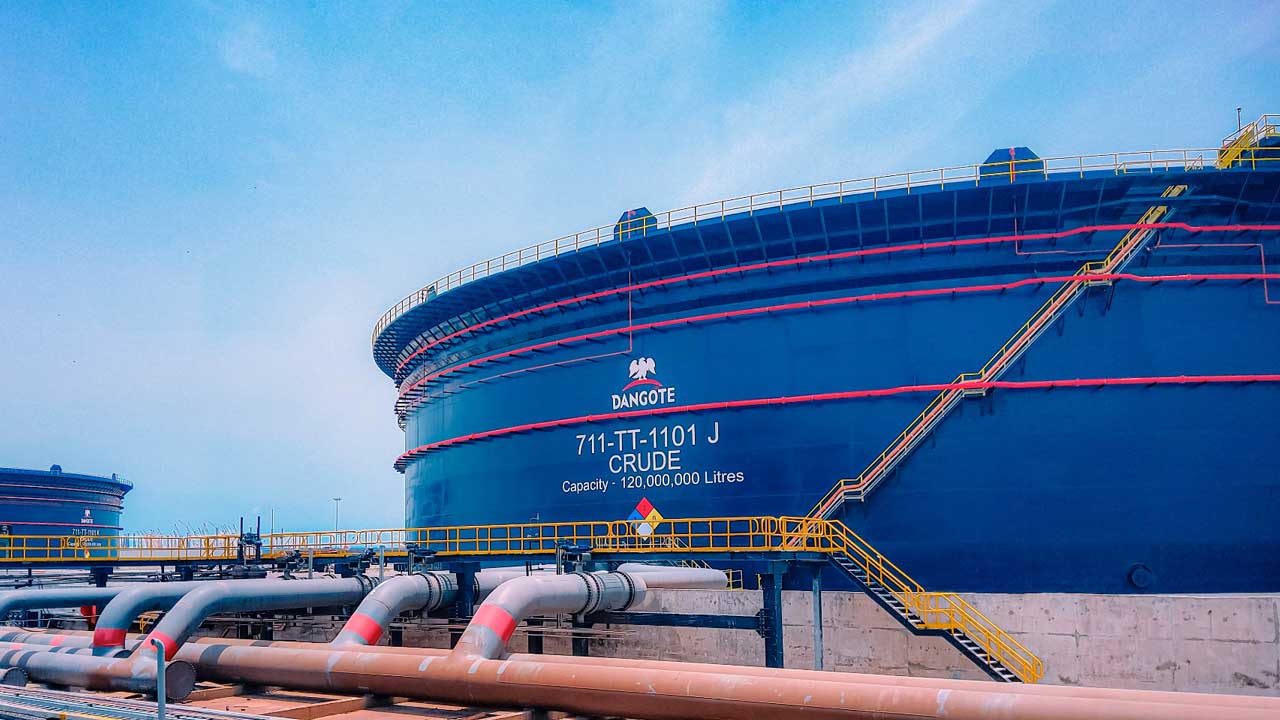
Dangote Petroleum Refinery has reduced the price of aviation fuel (Jet A1) to ₦1,450 per litre, marking a significant shift in Nigeria’s downstream oil sector. The new pricing structure was announced on Saturday in Lagos and is expected to bring relief to domestic airlines struggling with high operational costs.
The refinery, located in Lekki Free Zone, implemented the price cut following recent pressures on airline operators who have consistently raised concerns over the escalating cost of jet fuel and its impact on ticket prices. Previously, airlines had cited jet fuel prices exceeding ₦1,600 per litre as a major factor driving up airfares nationwide.
Nigeria’s aviation sector has faced persistent challenges due to fluctuating exchange rates and global oil market volatility. The move by Dangote Refinery comes at a time when operators and industry stakeholders have called for local refineries to intervene and stabilise the market. With this reduction, airlines may now have some respite from recent financial pressures, which have led some carriers to scale back routes or suspend operations entirely.
As at Saturday, there was no official statement from the Federal Government or the Nigerian Civil Aviation Authority regarding the development. However, industry analysts suggest that the price drop could help make air travel more affordable for Nigerians while also supporting local content in fuel supply chains. Stakeholders will be watching closely to see if this move prompts further reductions in other petroleum product prices as Dangote ramps up operations at its new facility.
The development is expected to stimulate competition within Nigeria’s energy sector and could potentially lead other marketers to adjust their pricing strategies. Market watchers say that sustained supply from Dangote Refinery could help reduce Nigeria’s dependence on imported petroleum products going forward.
Nigeria News (Standard)
PFI NPK Says Early Fertiliser Procurement Cushioned Middle East Supply Disruptions
Company reports proactive import strategy reduced impact of global tension on Nigerian farmers ahead of planting season
Company reports proactive import strategy reduced impact of global tension on Nigerian farmers ahead of planting season
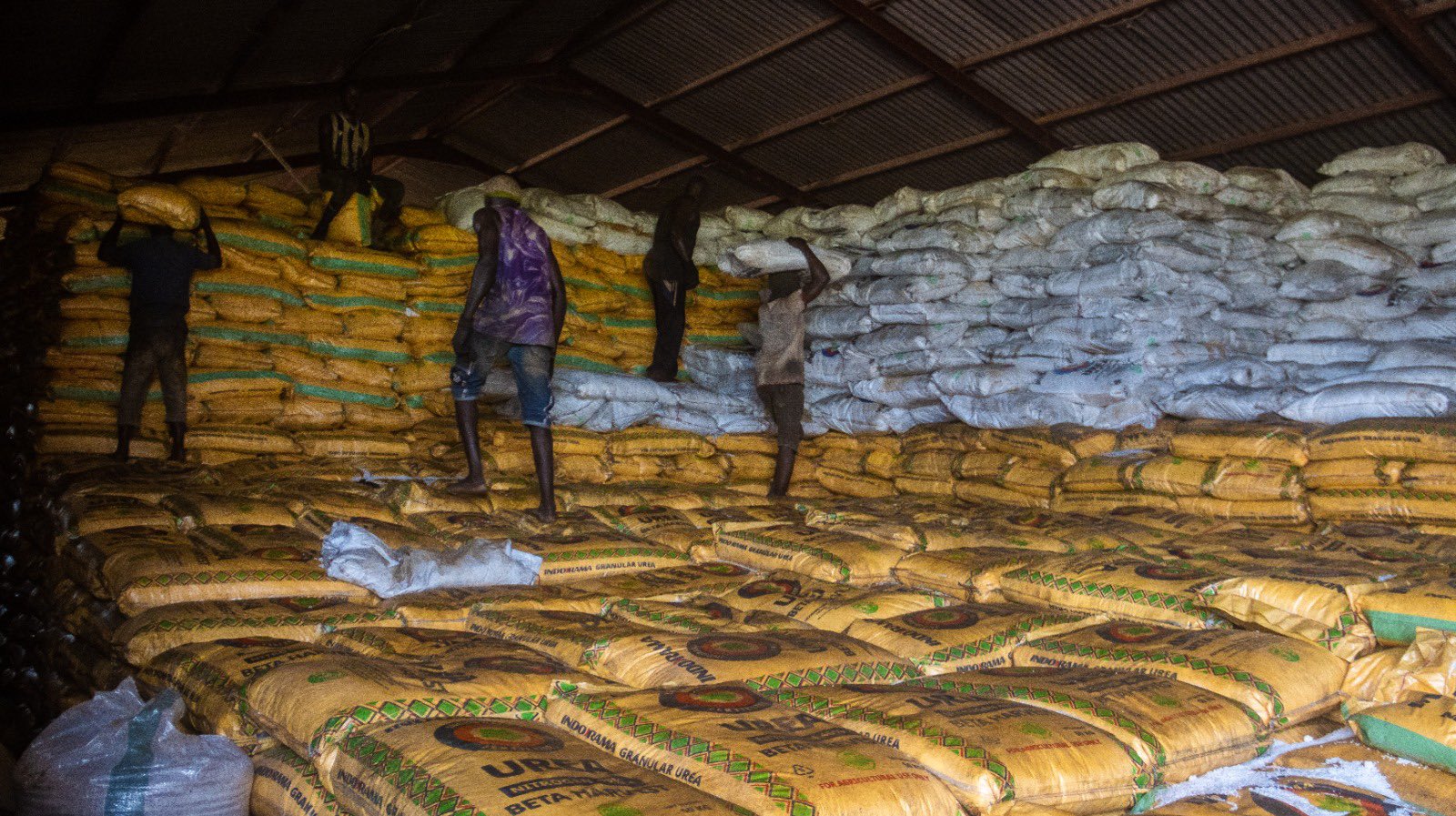
Early procurement of fertiliser by the Presidential Fertiliser Initiative (PFI) NPK helped Nigeria avoid severe shortages caused by rising tensions in the Middle East, the company has said. The initiative, which oversees large-scale fertiliser blending and supply, revealed this in a statement issued on Saturday, 20 June.
According to PFI NPK, management anticipated possible disruptions in international supply chains due to escalating conflicts in the Middle East region, a key source of raw materials for fertiliser production. As a result, the company prioritised early importation and local blending efforts to ensure Nigerian farmers could access essential inputs ahead of the current planting season.
The move comes at a time when global fertiliser prices have spiked and some countries have experienced acute shortages following restricted exports from major producers. Nigerian agriculture is heavily reliant on timely and affordable access to fertiliser, especially as smallholder farmers make up a significant portion of the sector. The PFI NPK said its strategy was designed to protect farmers from these global shocks.
While specific figures were not disclosed, PFI NPK noted that its early action helped stabilise domestic supply and maintain price levels for end-users. The company stated: “By securing raw materials ahead of time, we were able to mitigate potential delays and ensure that blending plants across the country remained operational.” No comments from opposition groups or independent agriculture analysts were immediately available as at press time.
The fertiliser initiative said it would continue monitoring international developments and adjust its procurement strategy as necessary. Stakeholders expect ongoing vigilance will be needed given continued volatility in global commodity markets affecting Nigeria’s agriculture sector.
Nigeria News (Standard)
Lagos Bartenders Launch Blue Lagoon Cocktail as Demand for Tropical Drinks Rises
Hospitality sector in Lagos sees increased interest in visually appealing cocktails, with Blue Lagoon gaining popularity among young professionals

Hospitality sector in Lagos sees increased interest in visually appealing cocktails, with Blue Lagoon gaining popularity among young professionals
Bartenders across Lagos State have introduced the Blue Lagoon cocktail to their menus this June, responding to a surge in demand for vibrant, tropical-inspired drinks among the city’s nightlife crowd. The new addition, known for its distinct bright blue colour and refreshing citrus taste, was rolled out in major hospitality spots across Victoria Island and Lekki on 20 June.
According to hospitality managers, the cocktail’s simple preparation and eye-catching presentation have made it a favourite at social gatherings and after-work events. The Blue Lagoon is typically prepared with 50 ml vodka, 25 ml blue curaçao liqueur, and 25 ml freshly squeezed lemon juice or lemonade for those who prefer a sweeter taste. It is served over ice in a tall glass and garnished with either a lemon slice or maraschino cherry. Some bartenders opt to top up the drink with soda water or lemonade for a lighter option.
The renewed interest in such cocktails comes as Lagos continues to position itself as West Africa’s entertainment hub. Industry observers say visually striking drinks like the Blue Lagoon appeal to young professionals seeking both flavour and style in their beverage choices. Many establishments have reported increased sales of tropical cocktails since the beginning of June, attributing the trend to both social media influence and changing consumer preferences.
Speaking on the development, Chidinma Enweani, a beverage consultant based in Lagos, said: “This kind of drink is attractive because it is easy to make and brings something fresh to the table. People are looking for experiences that are not just about taste but also about presentation.”
Bar owners expect the popularity of colourful cocktails like the Blue Lagoon to grow further as more venues adopt creative menus ahead of major summer events. Stakeholders in Lagos’ hospitality sector anticipate that this shift could drive higher patronage and encourage innovation among local bartenders.
Dangote Refinery Slashes Jet Fuel Price to ₦1,450 Per Litre in Lagos Market Move
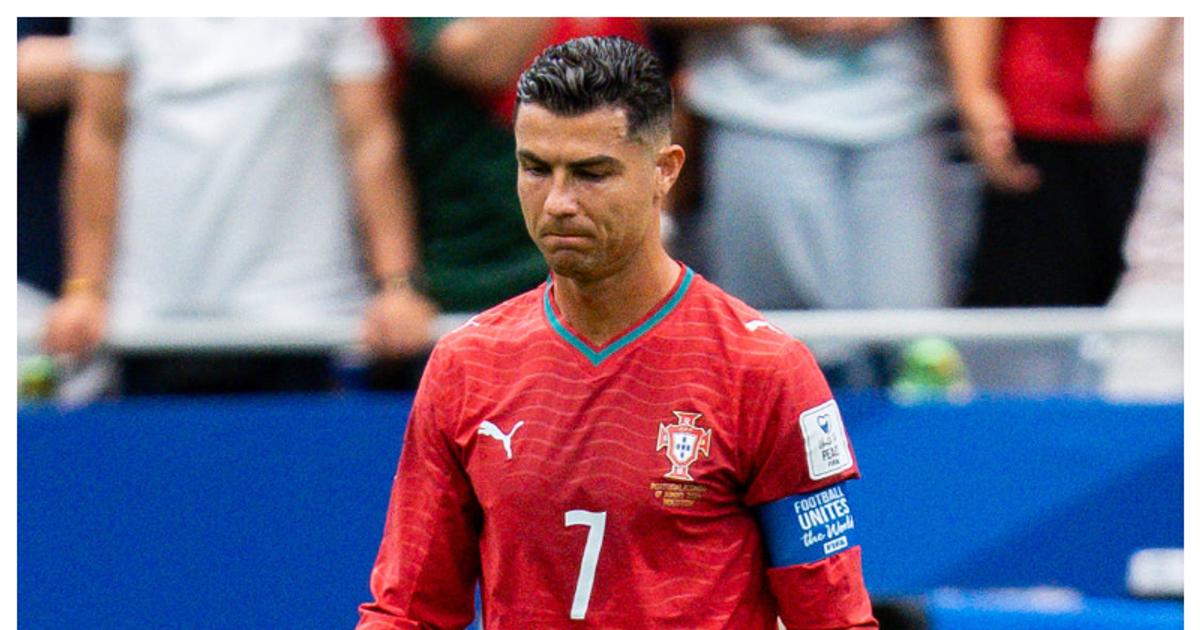
Portugal Star Blames Ronaldo Media Spotlight for Team Distractions Ahead of Big Games
PFI NPK Says Early Fertiliser Procurement Cushioned Middle East Supply Disruptions

No Saturday Football Results Yet — Bet of the Day Predictions Await Key Match Outcomes

Paraguay’s Almiron First to Fall Under ‘Vinicius’ Rule as Turkey Crash Out of World Cup
Lagos Bartenders Launch Blue Lagoon Cocktail as Demand for Tropical Drinks Rises
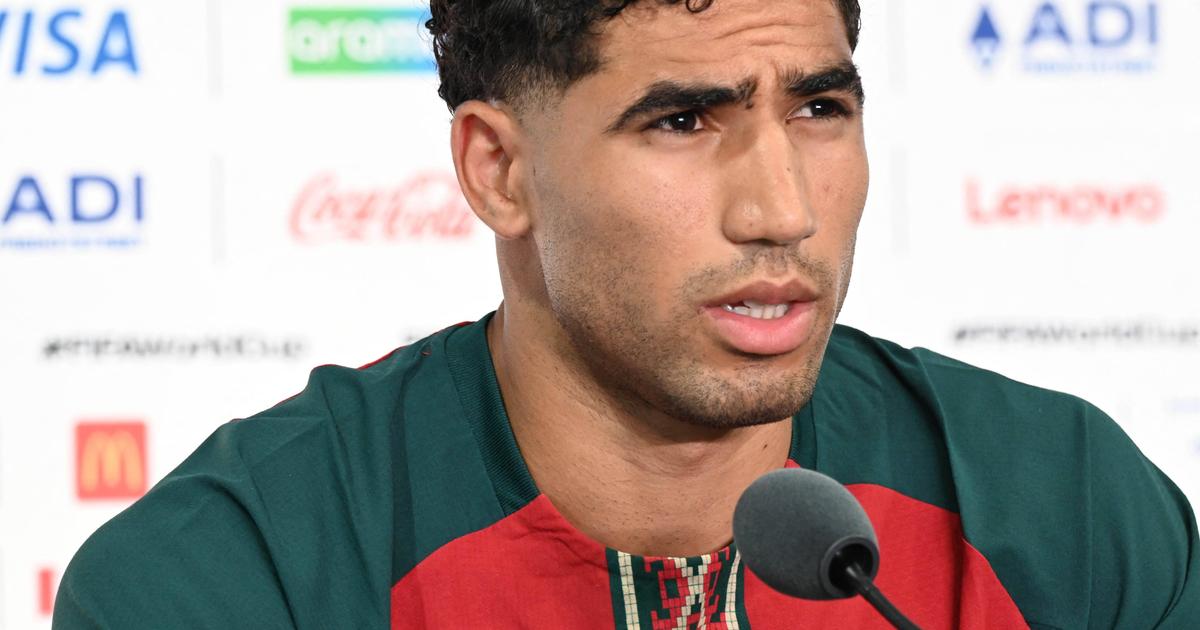
Morocco Captain Achraf Hakimi Faces Court Trial Over Rape Allegations — What We Know So Far

Dr Isioma Okolo Raises Alarm Over Beauty Product Risks for Women in Lagos

Queiroz Sets New World Cup Record as Ghana Coach, Surpassing Mark Previously Achieved Against Super Eagles
Rising Kidnappings in All Nigerian Zones Spur Security Agencies to Issue Fresh Advisory

Environment Minister Urges Increased Investment in Nigeria’s Green Economy Ahead of Global Climate Summit

Gọvanmenti Nigeria Kwupụtara 53 Orù Anyanwụ Maka Ike Ọhụrụ N’iru Afọ 2050

Moniepoint Graduates Second DreamDevs Cohort in Lagos to Strengthen Nigeria’s Engineering Workforce
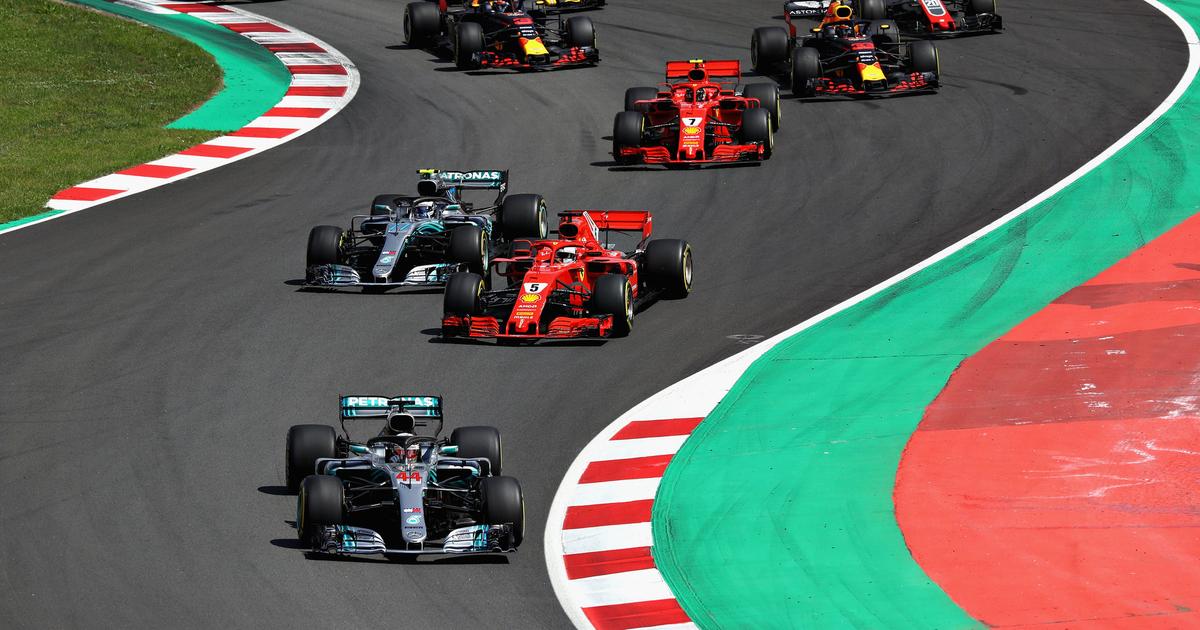
FG Launches $500m Abuja Formula 1 Bid, Targets Africa’s First Grand Prix Since 1993

Fresh Romance Rumours Trail Lando Norris as Alix Earle Sparks Drama in Monaco

Why More Nigerians Are Searching for Casino Bonuses—and What You Should Know Before Claiming
Ụlọ Ọrụ Nigeria Kwupụtara Nsogbu Nchekwa na Ụtụ Isi N’agbanyeghị Ịrị Elu Obi Ike Ahịa
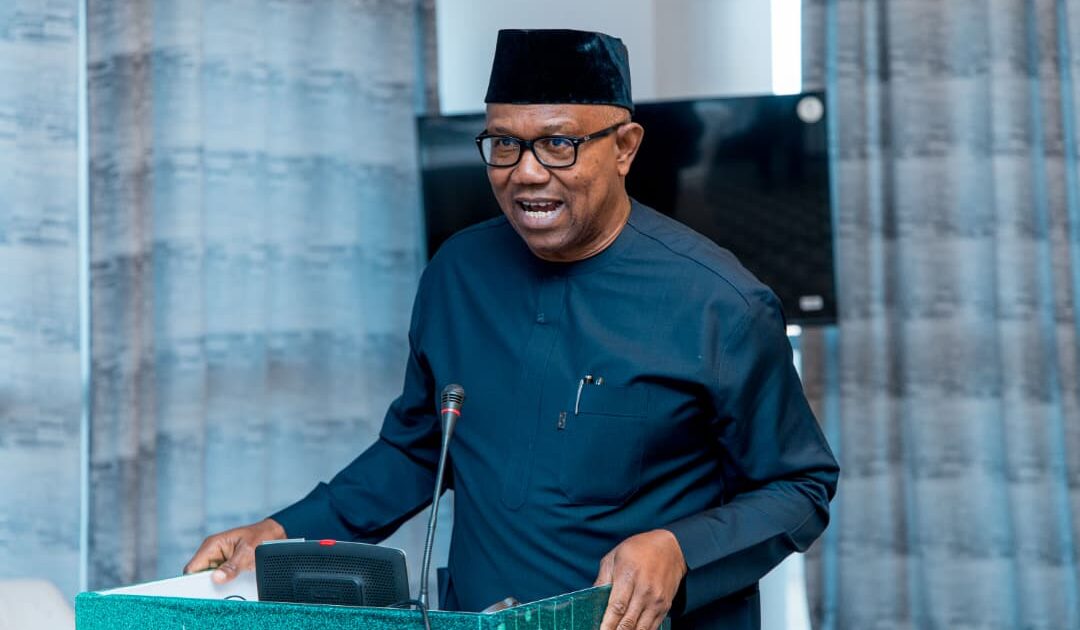
Peter Obi Demands ₦5bn and Public Apology From Kenneth Okonkwo Over Defamation in Lagos

Federal Government Launches Mining Grants for Research and Exploration Across Nigeria