Nigeria News (Standard)
Scholars in Abuja Link Nigeria’s Security Challenges to Governance Gaps and Widespread Poverty
Experts urge federal government to tackle root causes as insecurity persists across North-West, North-East, and Middle Belt
Experts urge federal government to tackle root causes as insecurity persists across North-West, North-East, and Middle Belt
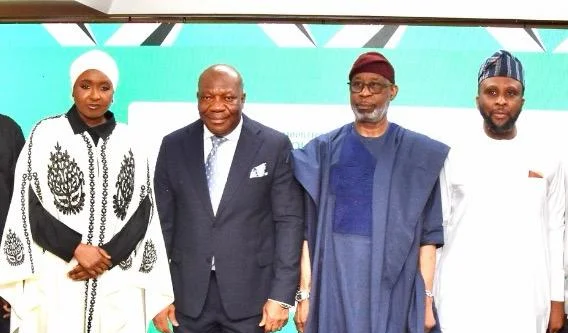
Academic experts have identified governance failures and deepening poverty as the core drivers of Nigeria’s ongoing security problems, with rising incidents of violence reported in multiple states. Speaking at a policy forum in Abuja on Saturday, scholars argued that sustained insecurity in regions like the North-West and North-East stems from systemic neglect of social welfare, weak public institutions, and lack of economic opportunities.
The event, which brought together university researchers and policy analysts, focused on analysing the country’s persistent issues with armed banditry, insurgency, and kidnapping. Participants highlighted how inadequate government response has allowed criminal networks to expand their operations, leaving rural communities vulnerable to attacks and displacement.
Nigeria has witnessed a sharp increase in abductions and communal violence over the past decade. Experts noted that these trends have been worsened by unemployment and poor access to education, particularly among young people in affected areas. According to participants at the forum, many aggrieved citizens have lost faith in state institutions due to corruption allegations and perceived exclusion from economic development programmes.
The scholars called on President Bola Tinubu’s administration to prioritise reforms that will improve transparency at all levels of government and strengthen social safety nets. They also recommended targeted investments in rural infrastructure and youth empowerment initiatives as strategies to address insecurity. “We cannot solve security problems by force alone,” one participant said during the session. “It is critical for government to restore trust by delivering basic services and creating jobs.”
While the federal government has announced new military deployments in some hotspots, analysts argue that long-term peace will depend on addressing underlying economic grievances. The gathering concluded with a call for further research into local governance structures across Nigeria’s six geopolitical zones.
Nigeria News (Standard)
Ekiti Accord Party Candidate Alleges Vote-Buying, Accuses Security Agents of Bias in Governorship Poll
Candidate faults conduct of security personnel during Saturday’s election, calls for investigation by electoral authorities
Candidate faults conduct of security personnel during Saturday’s election, calls for investigation by electoral authorities
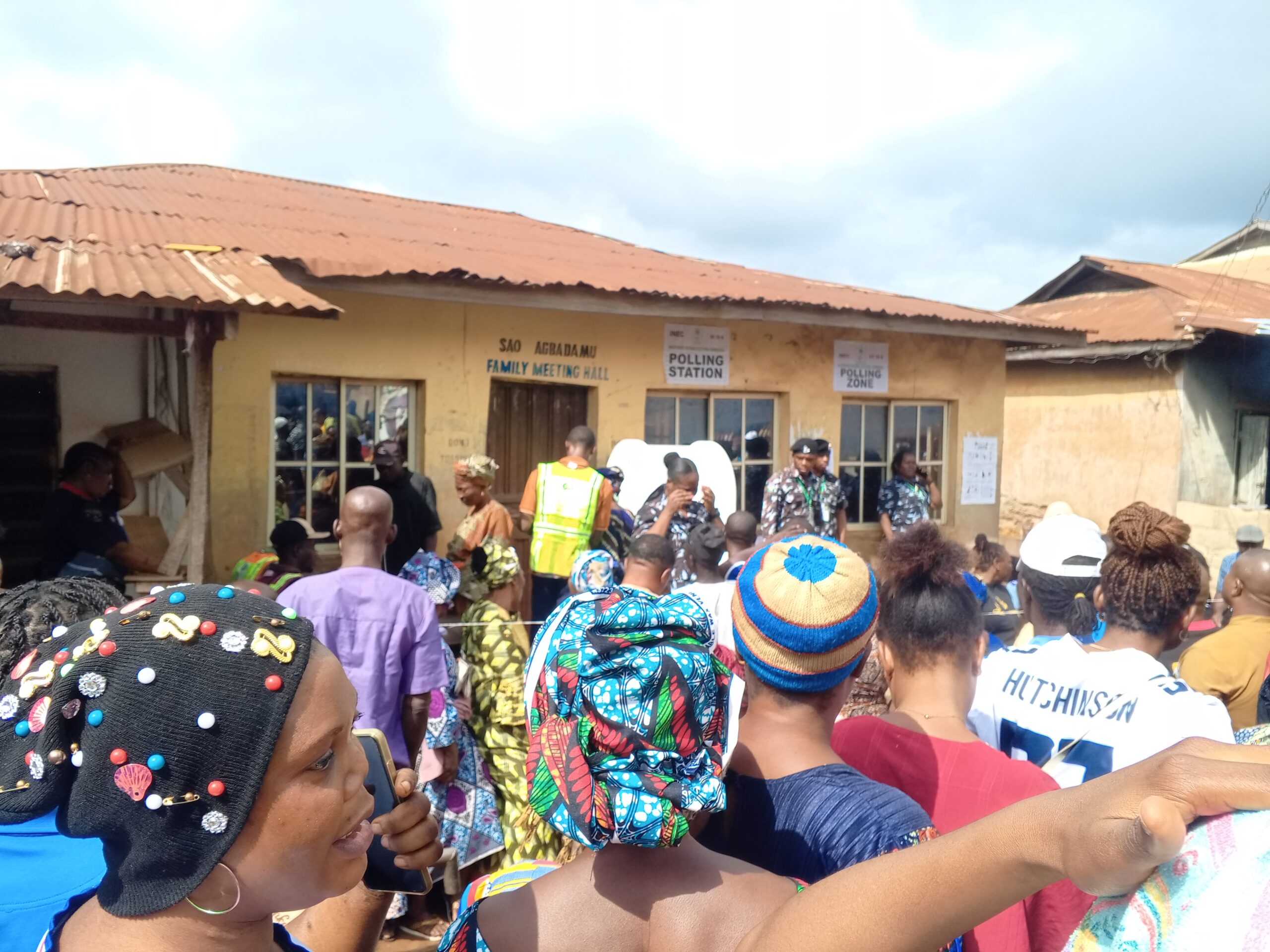
An Accord Party candidate in the just-concluded Ekiti State governorship election has accused political opponents of engaging in large-scale vote-buying and criticised the conduct of security agents on duty during the poll. The allegations were made on Saturday, 20 June 2026, as voting took place across various local government areas in Ekiti State, South-West Nigeria.
According to the candidate, there were widespread instances of financial inducement at several polling centres, with agents allegedly distributing cash to sway voters. He stated that these activities were carried out openly and with little interference from law enforcement or electoral officials. The candidate further alleged that some security personnel failed to act on reported cases of vote-buying and, in certain instances, appeared to support those engaged in the practice.
The claims come amid heightened scrutiny over Nigeria’s electoral integrity, with many stakeholders expressing concern about recurring incidents of voter inducement and the credibility of state elections. Vote-buying has remained a persistent issue in recent election cycles, despite repeated assurances by the Independent National Electoral Commission (INEC) and security agencies to clamp down on such practices.
The Accord Party candidate called on INEC and relevant security authorities to investigate his allegations thoroughly. He urged them to sanction anyone found complicit, whether as perpetrators or negligent officials. As at press time, neither INEC nor the police had issued an official response to these claims. The opposition could not be immediately reached for comment regarding the allegations.
It remains unclear if these accusations will affect the final outcome of the Ekiti governorship election. Election observers have continued monitoring collation centres as results are being compiled, while stakeholders await official pronouncements from INEC in Ado-Ekiti.
Nigeria News (Standard)
Ogun Police Arrest Three over Armed Robbery, Vehicle Theft in Abeokuta
Command recovers exhibits from suspects after failed car theft; DSP Babaseyi says investigations are ongoing
Command recovers exhibits from suspects after failed car theft; DSP Babaseyi says investigations are ongoing
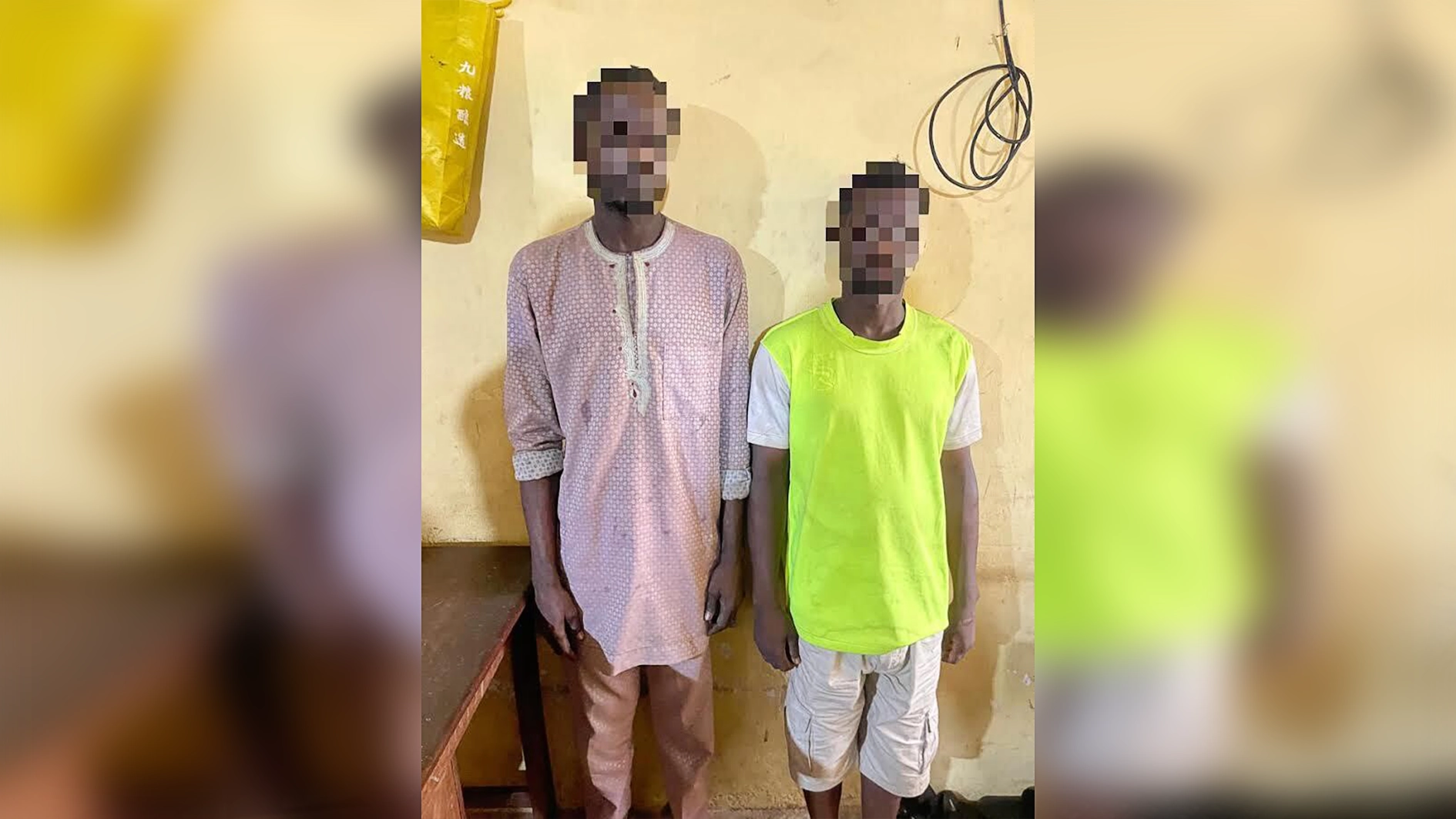
Operatives of the Anti-Robbery Squad under Ogun State Police Command have apprehended three suspects allegedly linked to armed robbery and vehicle theft incidents around Abeokuta, the state capital. The arrests followed a botched robbery attempt at Oniyo Community, Arokoje, Obantoko area of Abeokuta on 22 May 2026.
Police spokesperson, DSP Oluseyi Babaseyi, confirmed the development in a statement released on Wednesday in Abeokuta. According to Babaseyi, the suspects—Ismaila Israel Sokunbi (38), Kayode Adeyemi (37), identified as the suspected kingpin, and Kola Taiwo (55)—were picked up after detectives acted on intelligence gathered at the scene of the attempted robbery.
The incident occurred when armed men tried to dispossess a resident of his vehicle while he was opening his gate. The victim raised alarm and struggled with the attackers, drawing neighbours’ attention. In the ensuing commotion, the suspects lost control of the stolen vehicle and crashed it into a fence before fleeing in another car parked nearby.
Babaseyi stated that police recovered an Infinix mobile phone and a Wema Bank ATM card dropped by one suspect while escaping. He explained that telecommunications analysis of these items led investigators to Ismaila Sokunbi and subsequently linked him with Adeyemi and Taiwo. All three were later arrested by operatives of the Anti-Robbery Squad.
The Command assured residents that efforts are ongoing to apprehend other members of the syndicate still at large. Babaseyi urged community members to continue providing credible information to security agencies, stating that “the police will not relent in ridding Ogun State of criminal elements.” No injuries or fatalities were reported during the incident.
As at press time, the suspects remain in police custody while investigations continue. The Command has reiterated its commitment to ensuring safety and security within Ogun State.
Source: https://guardian.ng/news/nigeria/metro/three-arrested-over-vehicle-theft-in-ogun/
Nigeria News (Standard)
Ekiti Party Agents Use Numbered Slips for Vote Buying Amid Tight Cash Scrutiny
Observers flag new tactic as political parties bypass cash payments during Ekiti governorship poll, raising concerns over INEC enforcement

Observers flag new tactic as political parties bypass cash payments during Ekiti governorship poll, raising concerns over INEC enforcement
Party agents in Ekiti State adopted a new method of vote buying by distributing numbered slips instead of direct cash payments during the governorship election held on Saturday, 20 June 2026. The development was observed at multiple polling units across the state, with local monitors reporting that agents discreetly handed out small pieces of paper bearing unique numbers to selected voters.
According to witnesses at polling centres in Ado-Ekiti and Ikere-Ekiti LGAs, voters who received the slips were instructed to present them after casting their ballots in exchange for agreed sums. This approach appears aimed at evading law enforcement and anti-graft officials deployed to curb cash-for-votes activities commonly seen in previous Nigerian elections.
The use of numbered slips marks a shift from earlier trends where party agents openly disbursed ₦1,000 to ₦5,000 notes at polling centres. Civil society observers say this adaptation is a direct response to increased vigilance by security agencies and the Economic and Financial Crimes Commission (EFCC), which mounted visible patrols throughout Ekiti’s urban and rural areas during the poll.
Election observers from the Transition Monitoring Group (TMG) described the tactic as “a sophisticated workaround” designed to undermine ongoing reforms by the Independent National Electoral Commission (INEC) aimed at reducing electoral malpractice. “We saw less open cash movement, but subtle inducements are still happening,” a TMG field coordinator said at a press briefing in Ado-Ekiti.
INEC officials declined immediate comment on the reported trend but reiterated that any form of vote buying remains prohibited under Nigeria’s electoral laws. The All Progressives Congress (APC) and Peoples Democratic Party (PDP) did not issue official statements on the matter as at press time. Observers have called for improved surveillance and prosecution to address evolving tactics ahead of future elections in the South-West region.
Ekiti Accord Party Candidate Alleges Vote-Buying, Accuses Security Agents of Bias in Governorship Poll
Ogun Police Arrest Three over Armed Robbery, Vehicle Theft in Abeokuta
Ekiti Party Agents Use Numbered Slips for Vote Buying Amid Tight Cash Scrutiny
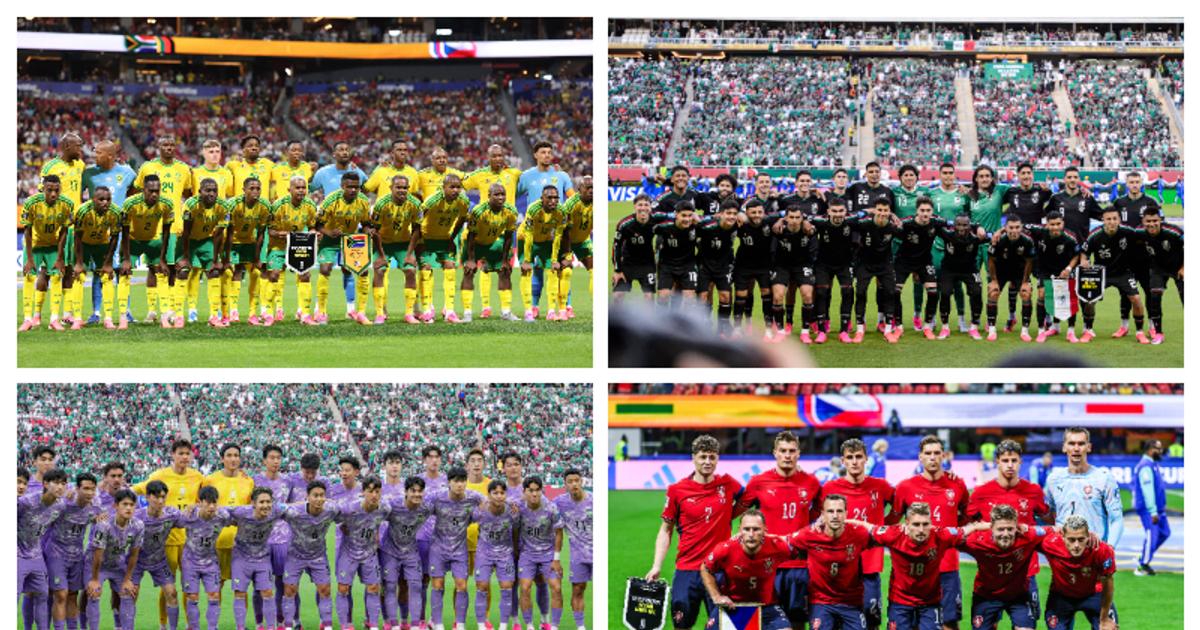
South Africa’s Qualification Math: What Bafana Bafana Need to Reach 2026 World Cup from Group A
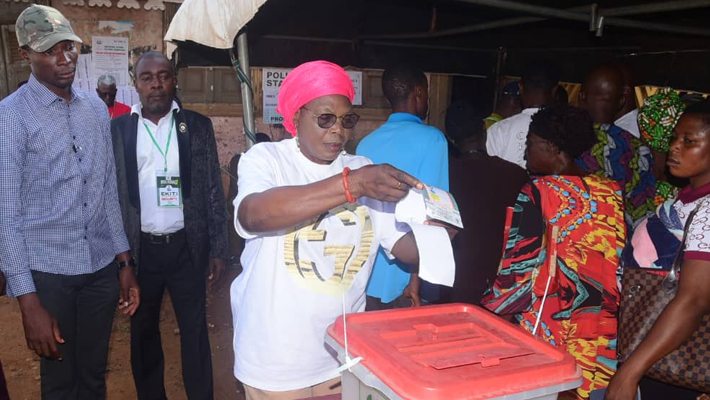
Ekiti Deputy Governor Casts Vote, Applauds High Turnout in 2026 Polls
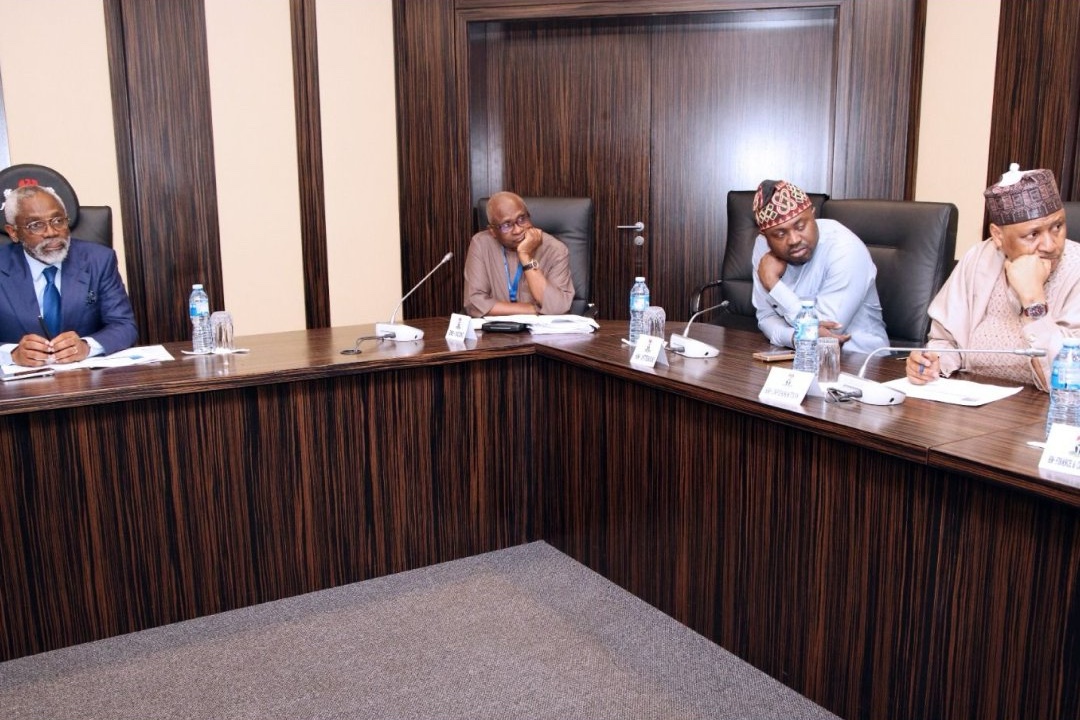
Presidency Inaugurates Ebola Task Force in Abuja, Moves to Prevent Outbreak Nationwide
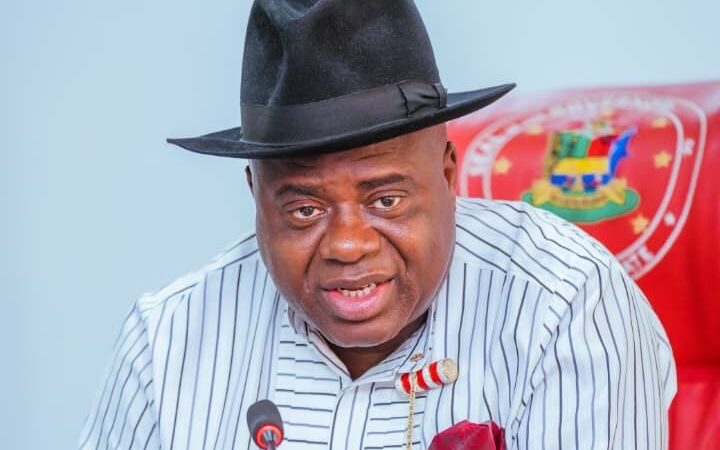
Bayelsa Government Discloses ₦13 Billion Monthly Wage Bill, Details State Expenditure
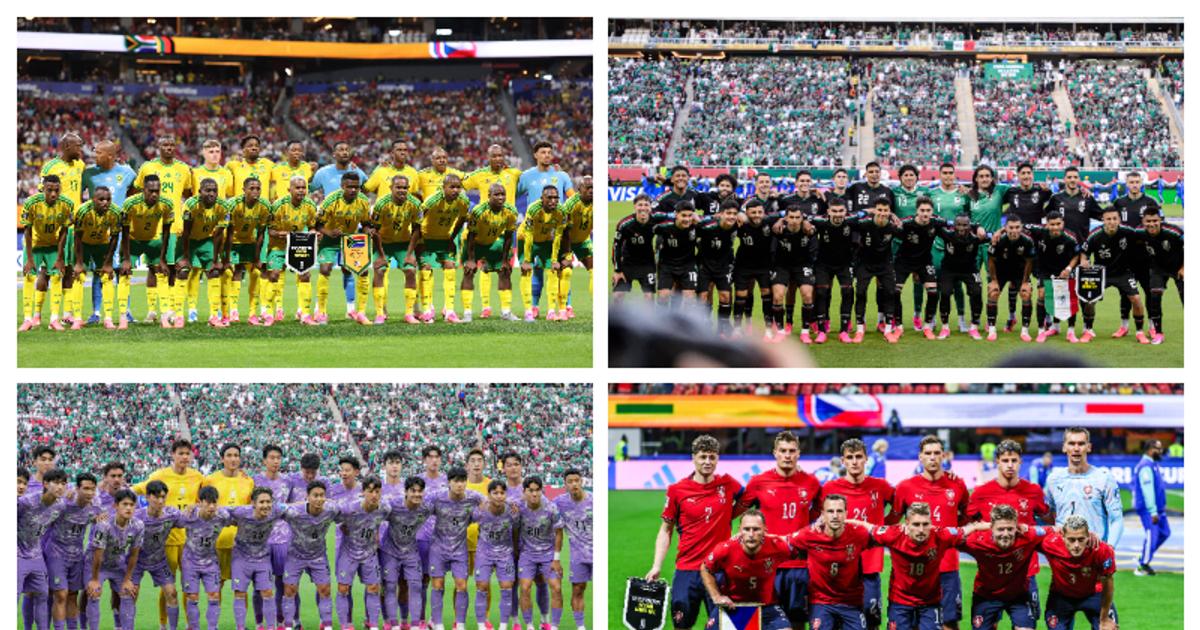
What South Africa Must Do to Qualify From Group A in 2026 FIFA World Cup Race

Victor Osimhen Opens Up on Pain of Missing World Cup After Super Eagles Miss Out
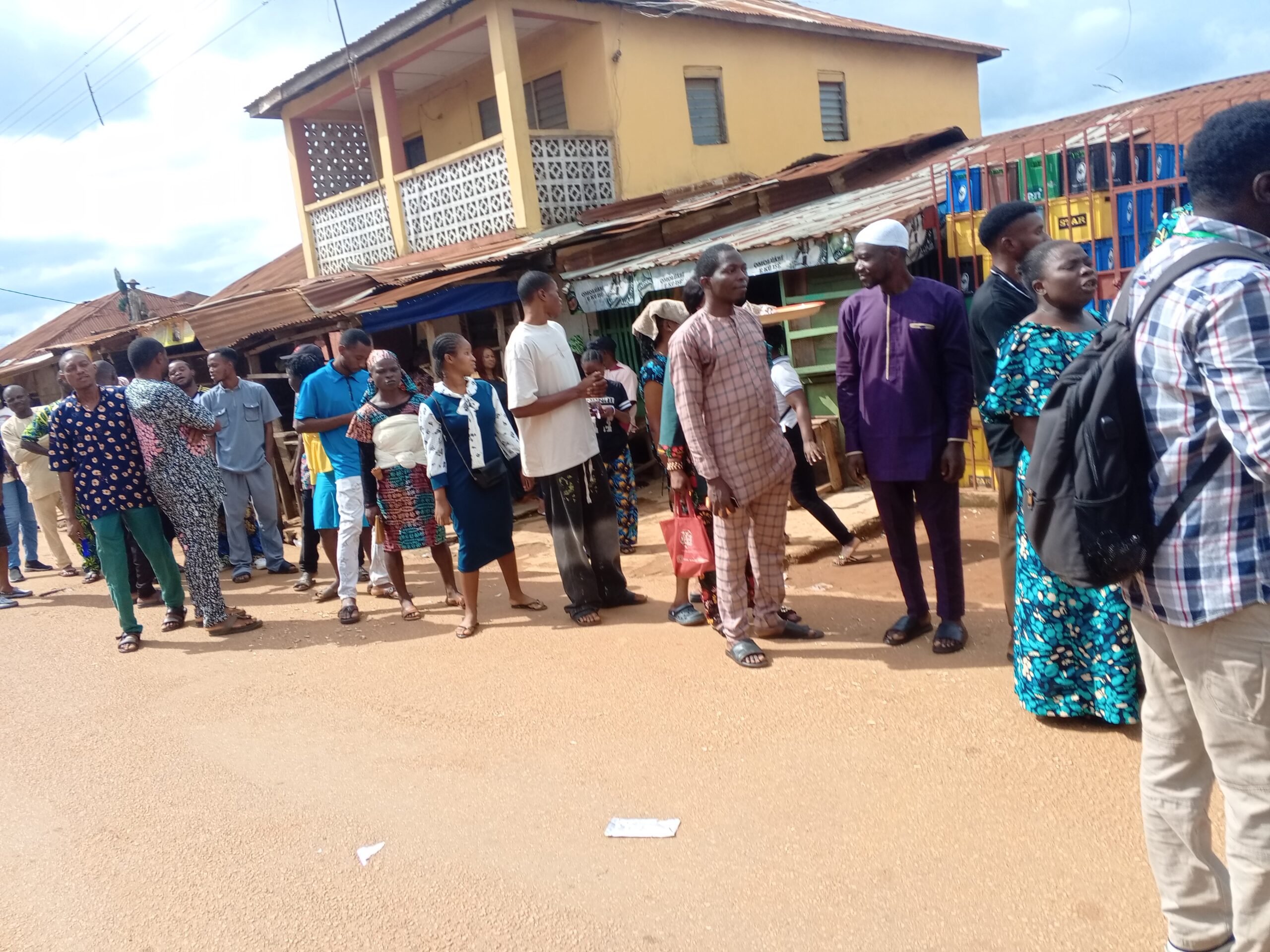
Ekiti Police Commissioner Hails High Early Voter Turnout in Governorship Polls
Environment Minister Urges Increased Investment in Nigeria’s Green Economy Ahead of Global Climate Summit

Gọvanmenti Nigeria Kwupụtara 53 Orù Anyanwụ Maka Ike Ọhụrụ N’iru Afọ 2050

Moniepoint Graduates Second DreamDevs Cohort in Lagos to Strengthen Nigeria’s Engineering Workforce
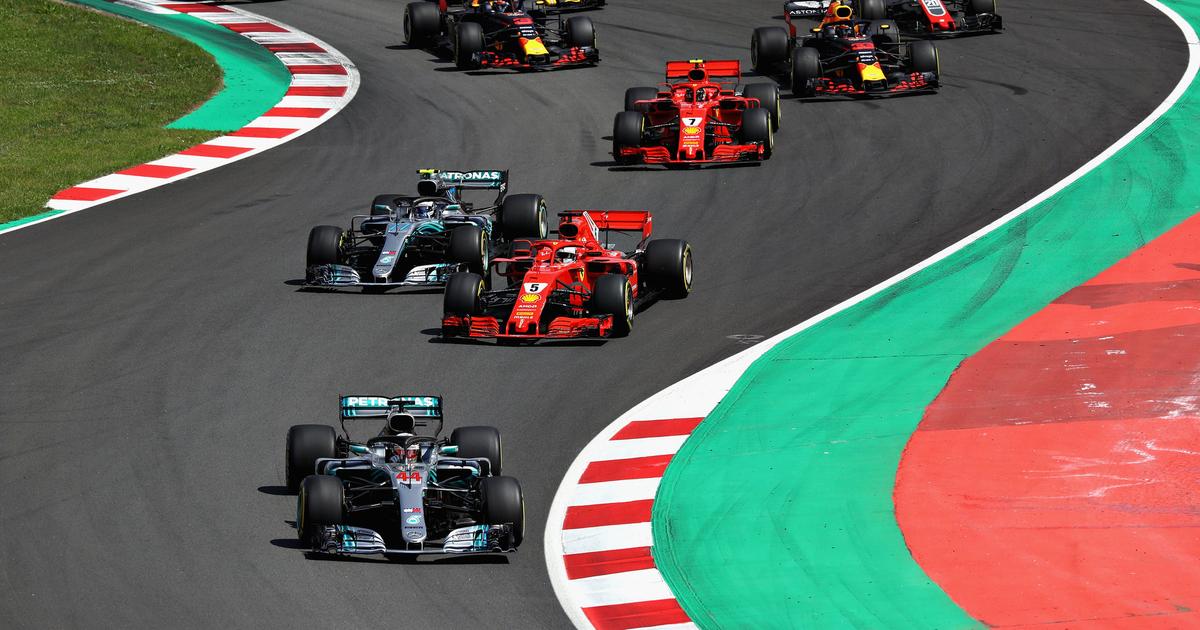
FG Launches $500m Abuja Formula 1 Bid, Targets Africa’s First Grand Prix Since 1993

Fresh Romance Rumours Trail Lando Norris as Alix Earle Sparks Drama in Monaco

Why More Nigerians Are Searching for Casino Bonuses—and What You Should Know Before Claiming
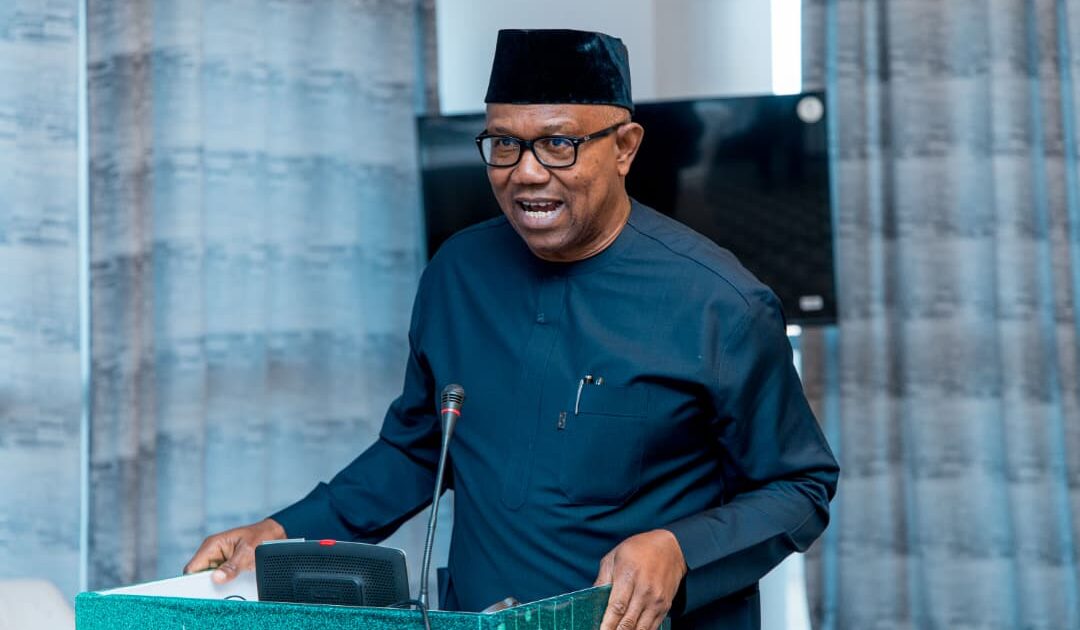
Peter Obi Demands ₦5bn and Public Apology From Kenneth Okonkwo Over Defamation in Lagos

Ụlọ Ọrụ Nigeria Kwupụtara Nsogbu Nchekwa na Ụtụ Isi N’agbanyeghị Ịrị Elu Obi Ike Ahịa
Lagos State Disburses ₦15bn, Creates 320,000 Jobs Through Employment Trust Fund