Nigeria News (Standard)
Women, Youths Protest Detention of Akwa Ibom Critic in Uyo
Demonstrators demand immediate release of detained government critic as calls mount for due process from Akwa Ibom authorities

Demonstrators demand immediate release of detained government critic as calls mount for due process from Akwa Ibom authorities
A group of women and youths staged a protest in Uyo, Akwa Ibom State, on Thursday to express their displeasure over the continued detention of a known critic of Governor Umo Eno. The protest, which drew dozens of participants, took place in front of a government building in the state capital.
Eyewitnesses said the protesters carried placards and chanted solidarity songs as they demanded the immediate release of the detained individual. Security personnel were present at the scene to maintain order, but there were no reports of violence or arrests during the demonstration.
The prolonged detention has sparked concerns among residents and rights advocates in Akwa Ibom South-South zone, who argue that dissenting voices should not be silenced by any administration. Protesters said they believe the arrest was politically motivated and urged Governor Eno’s government to respect citizens’ rights to free expression.
As at press time, state officials had not issued an official statement regarding the protest or provided updates on the status of the detained critic. Efforts to reach key government spokespersons for comment were unsuccessful. Human rights groups have also called on relevant agencies to ensure due process is followed in handling the matter.
The protesters vowed to continue peaceful demonstrations until their demands are met. Observers say the incident could heighten tensions between civil society actors and state authorities if not resolved promptly.
Nigeria News (Standard)
Federal Government Shifts to Domestic Funding for Nutrition Programmes as Donor Support Drops
Authorities say new model aims to sustain child health initiatives amid declining international aid and rising malnutrition cases
Authorities say new model aims to sustain child health initiatives amid declining international aid and rising malnutrition cases
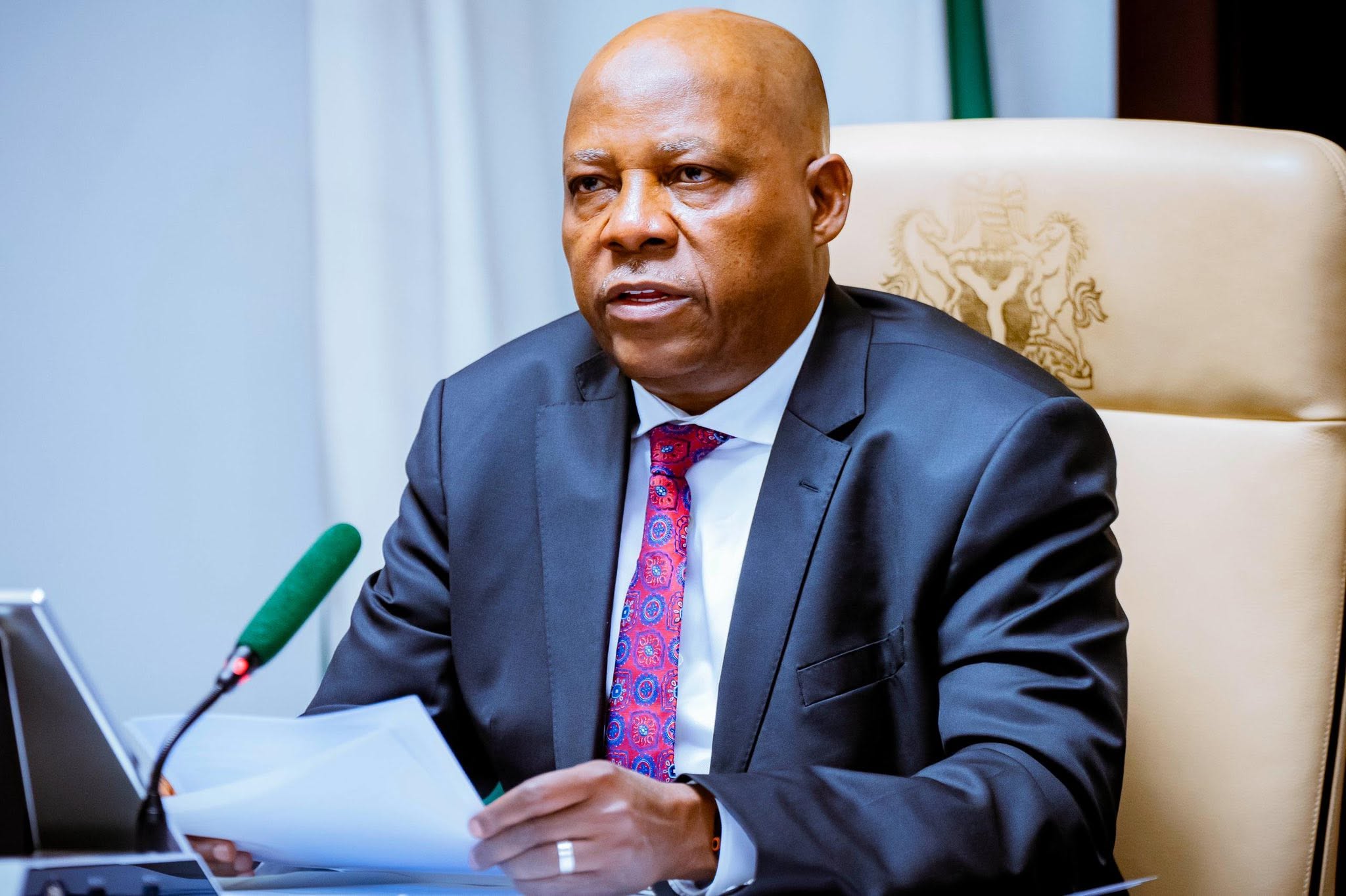
The federal government has adopted a domestic funding approach for nutrition programmes across Nigeria, moving to address rising malnutrition rates as foreign donor support continues to dwindle. The policy shift was confirmed on Thursday, 18 June, by officials who highlighted the urgent need for sustainable financing given the current decline in external assistance.
According to government sources, the decision follows years of reliance on international partners to bankroll critical nutrition interventions targeting children and vulnerable groups nationwide. With recent reductions in donor contributions, authorities say the country must now rely more heavily on internal resources to sustain these essential services.
The move comes at a time when Nigeria faces persistent challenges with child malnutrition, especially in rural communities and conflict-affected areas. Analysts have warned that the withdrawal of international support could further strain health outcomes if not properly addressed. Officials noted that the new funding model is expected to enhance accountability and ensure better alignment with national priorities.
Although details of the domestic funding mechanism were not fully disclosed, authorities stressed their commitment to maintaining momentum in nutrition programming. “We are putting structures in place so our children do not suffer because of reduced donor support,” an official said during a briefing. No opposition or civil society reactions were immediately available as at press time.
With this development, Nigeria joins other African countries rethinking reliance on foreign aid for critical health sectors. Stakeholders are expected to monitor implementation closely in the coming months, as the government works to mobilise public funds and safeguard gains made in reducing childhood malnutrition.
Nigeria News (Standard)
NAFDAC to Begin Second Phase of Sachet Alcohol Ban Enforcement Nationwide
Agency targets manufacturers and distributors in renewed crackdown as health concerns over alcohol abuse persist
Agency targets manufacturers and distributors in renewed crackdown as health concerns over alcohol abuse persist
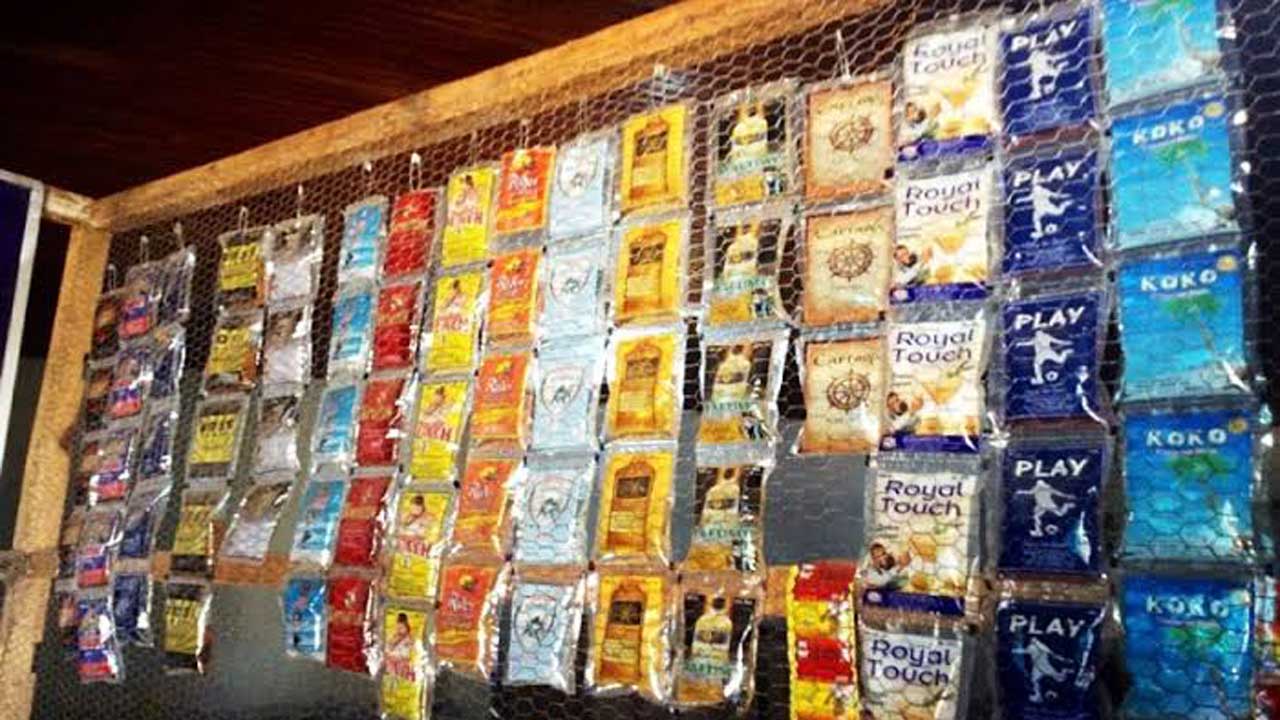
The National Agency for Food and Drug Administration and Control (NAFDAC) has announced plans to commence the second phase of enforcement against the production and distribution of sachet alcohol across Nigeria. The move is aimed at intensifying efforts to curb the availability of small-sized alcoholic drinks, which regulators say contribute to rising cases of alcohol misuse, particularly among youths.
The agency revealed on Thursday that it will widen its crackdown to cover more states, focusing on both manufacturers and distributors who continue to flout the ban on sachet and small-bottle alcohol sales. NAFDAC officials stated that enforcement teams will conduct coordinated operations in key markets and production centres in the coming weeks, building on the initial phase launched earlier this year.
The ban on sachet alcohol was first introduced in response to growing public health concerns, as experts linked the affordable packaging format to increased consumption by underage Nigerians. The policy has been a subject of debate among industry stakeholders, with some arguing it threatens jobs in the beverage sector while others support stricter regulation to address social issues tied to excessive drinking.
NAFDAC said it is working closely with security agencies and state task forces to ensure compliance. The agency’s leadership maintains that public health remains its top priority. However, some producers have appealed for phased implementation and more stakeholder engagement, citing economic impact. As at Thursday, there had been no formal response from major industry groups regarding the renewed enforcement drive.
The agency indicated that further updates on compliance rates and sanctions against violators will be released as operations progress. NAFDAC also urged Nigerians to report illegal sales through official channels as it seeks broader public cooperation in enforcing the sachet alcohol ban.
Nigeria News (Standard)
US, Iran Move Towards Ending Hostilities With Secret Talks in Tehran
Diplomatic sources say indirect negotiations aim to de-escalate tensions; regional allies watch developments closely

Diplomatic sources say indirect negotiations aim to de-escalate tensions; regional allies watch developments closely
The United States and Iran have commenced indirect negotiations in Tehran aimed at ending years of hostilities between the two nations, diplomatic sources disclosed on Thursday. The talks, which began this week in the Iranian capital, are part of a renewed push to de-escalate tensions following a series of confrontations in the Gulf region.
According to officials familiar with the development, senior diplomats from both countries are engaging through mediators to discuss a potential roadmap for peace. The discussions are said to focus on issues such as nuclear enrichment limits, prisoner exchanges, and easing economic sanctions imposed on Iran by successive US administrations.
The latest move comes after several months of back-channel contacts between Washington and Tehran, prompted by concerns over regional instability and rising oil prices. Analysts note that the Gulf region has witnessed repeated flare-ups involving Iranian and US forces, raising fears of a wider conflict that could impact global energy supplies and security.
A Western diplomatic source involved in the process stated that while significant differences remain, both sides have expressed willingness to make concessions. “There is a window for progress if all parties remain committed,” the source said. Regional stakeholders including Saudi Arabia and Israel are reportedly monitoring the situation closely but have not issued official statements as at press time.
Observers believe that a successful deal could lead to gradual lifting of sanctions on Iran and improved security cooperation in the Middle East. However, experts caution that previous efforts at rapprochement have faltered due to mutual distrust and domestic opposition within both countries. Further rounds of talks are expected in the coming weeks as negotiators work towards a possible agreement.
Source: https://www.premiumtimesng.com/news/top-news/888600-inside-iran-us-deal-to-end-the-war.html
Federal Government Shifts to Domestic Funding for Nutrition Programmes as Donor Support Drops
NAFDAC to Begin Second Phase of Sachet Alcohol Ban Enforcement Nationwide

Thierry Henry Accuses Ronaldo of Selfish Play for Denying Bruno Fernandes in Congo Clash
US, Iran Move Towards Ending Hostilities With Secret Talks in Tehran
Tinubu Unveils Blue Economy Action Plan, Targets 5 Million Maritime Jobs by 2035
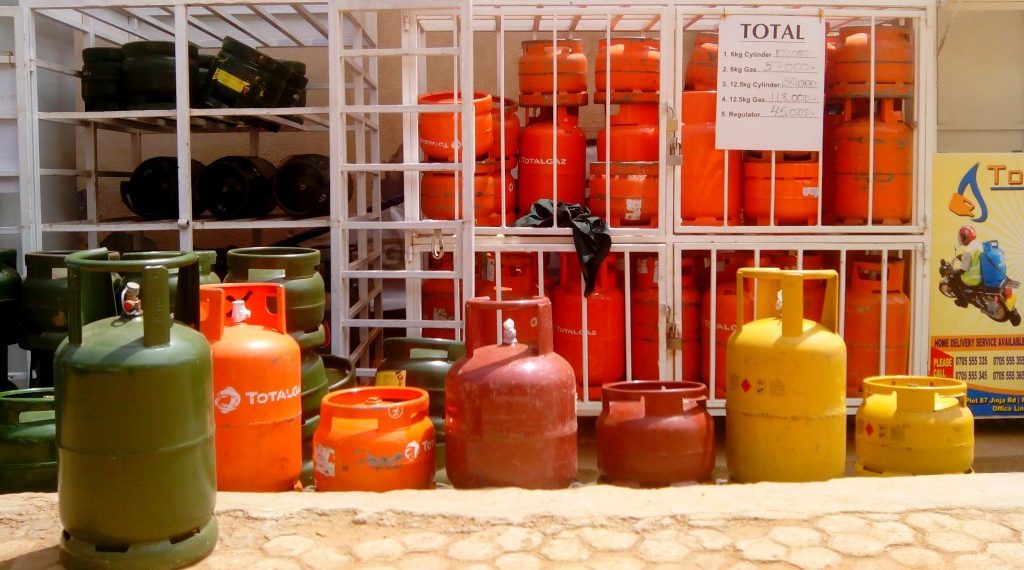
Enugu Cooking Gas Dealers Lament Drop in Sales as Residents Switch to Charcoal

FirstHoldCo Raises ₦45bn Through Private Placement, Boosts FirstBank Capital Base
Women, Youths Protest Detention of Akwa Ibom Critic in Uyo

Iyabo Obasanjo Returns to PDP, Clinches Ogun Central Senatorial Ticket
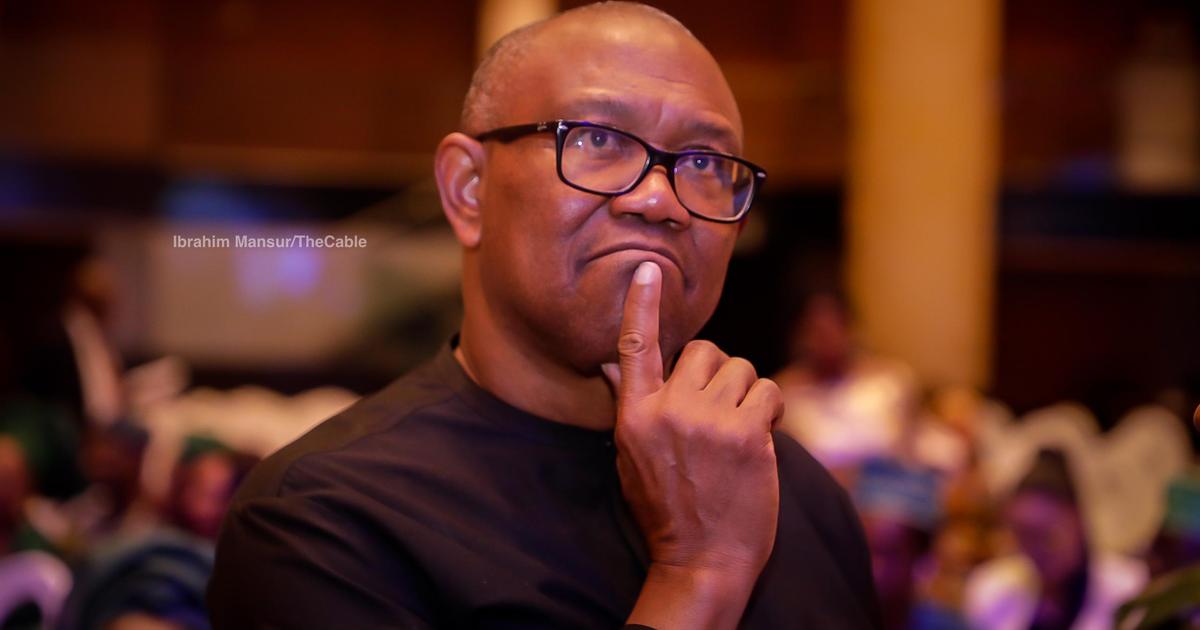
Peter Obi Declares Readiness to Sacrifice Life for Nigeria Amid Rising Insecurity
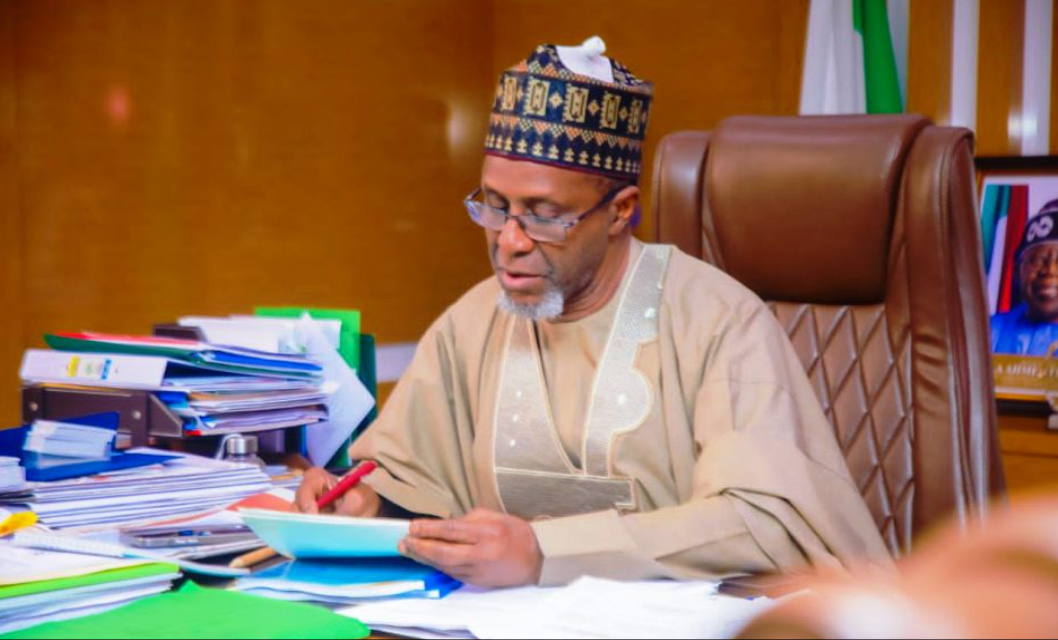
Environment Minister Urges Increased Investment in Nigeria’s Green Economy Ahead of Global Climate Summit

Moniepoint Graduates Second DreamDevs Cohort in Lagos to Strengthen Nigeria’s Engineering Workforce

Gọvanmenti Nigeria Kwupụtara 53 Orù Anyanwụ Maka Ike Ọhụrụ N’iru Afọ 2050

Fresh Romance Rumours Trail Lando Norris as Alix Earle Sparks Drama in Monaco
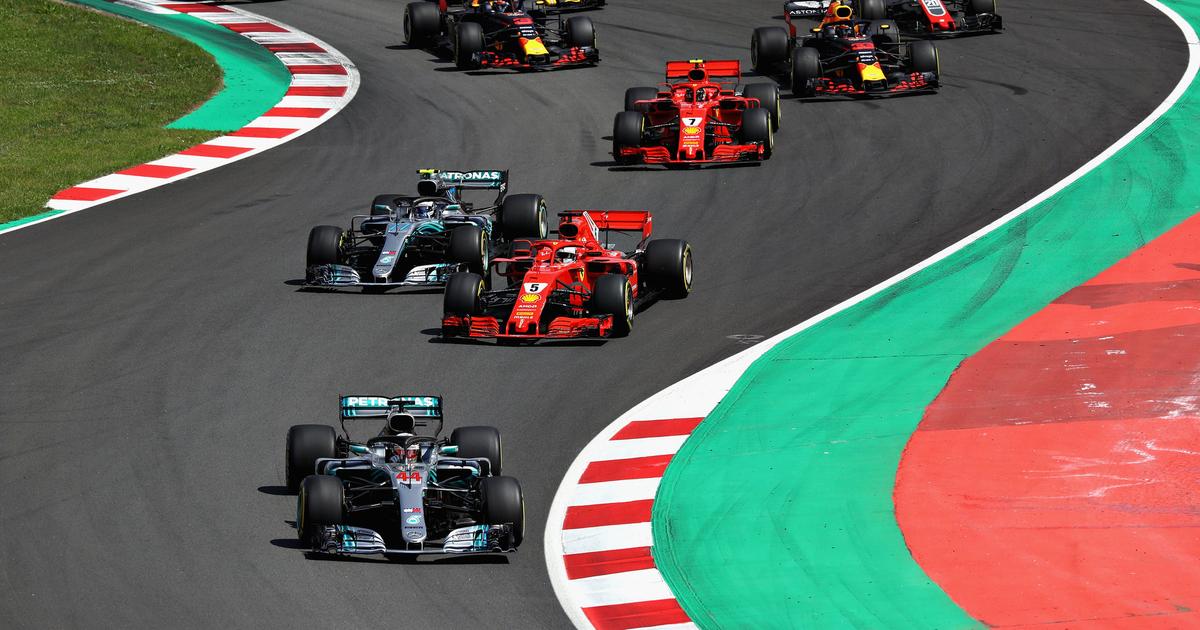
FG Launches $500m Abuja Formula 1 Bid, Targets Africa’s First Grand Prix Since 1993

Why More Nigerians Are Searching for Casino Bonuses—and What You Should Know Before Claiming

Ụlọ Ọrụ Nigeria Kwupụtara Nsogbu Nchekwa na Ụtụ Isi N’agbanyeghị Ịrị Elu Obi Ike Ahịa
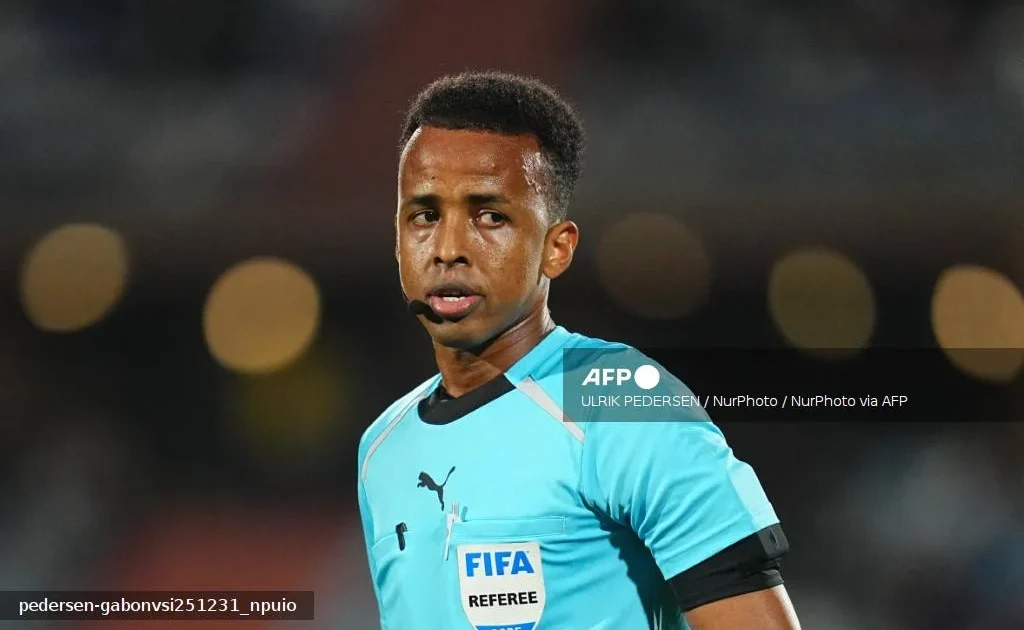
Somali Referee Omar Artan Blocked From US World Cup Over Visa Row, Misses Dream Debut
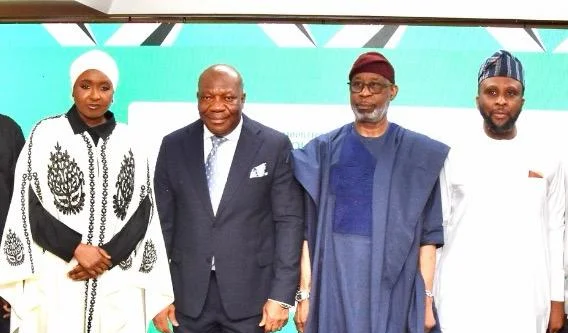
Federal Government Launches Mining Grants for Research and Exploration Across Nigeria