Nigeria News (Standard)
Benin City Hosts Traditional Marriage of TikTok Stars Peller and Jarvis After Viral Romance
Couple completes bride price ceremony in Edo State following two years of public attention, online controversies, and engagement drama
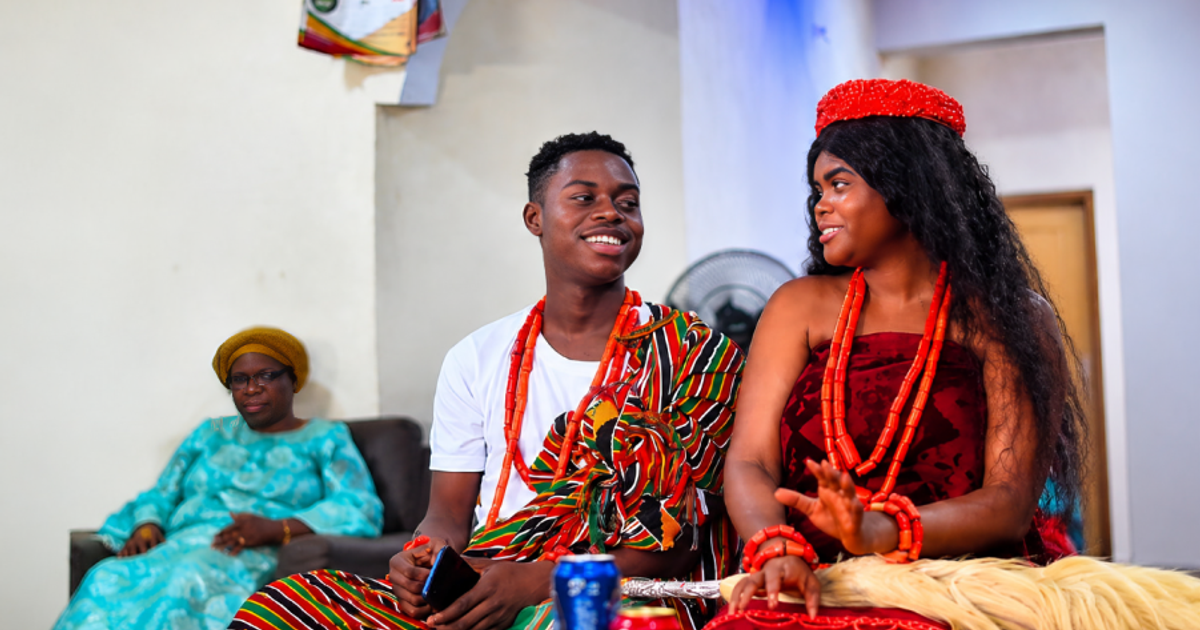
Couple completes bride price ceremony in Edo State following two years of public attention, online controversies, and engagement drama
Popular TikTok personalities Habeeb Hamzat, widely known as Peller, and Elizabeth Amadou Aminata, known as Jarvis, have formalised their union with a traditional marriage ceremony in Benin City, Edo State. The event took place over the weekend after nearly two years of widespread attention on social media regarding their relationship journey.
The couple first met during a TikTok livestream in 2023, where both were already gaining popularity as content creators. According to accounts shared by Jarvis, her initial impression of Peller was less than favourable, describing him as loud and sometimes rude. Despite this rocky start, the two began collaborating regularly online, quickly capturing the interest of Nigerian social media users with their entertaining exchanges.
Their partnership soon gave rise to dating rumours when they posted a set of romance-themed, 90s-inspired photos together just weeks after their first interaction. Throughout 2024, both personalities maintained ambiguity about the true nature of their relationship despite mounting speculation from fans. The turning point came in December 2024 when Peller proposed to Jarvis on camera. This was followed by Jarvis appearing in a now-deleted video wearing Edo cultural attire with the caption ‘your bride to be,’ further fuelling discussions online.
The couple’s journey has not been without controversy or public disagreements. Their frequent online interactions and occasional disputes have kept them in the spotlight, making them one of Nigeria’s most talked-about internet couples. Despite facing criticism and navigating rumours about breakups and reconciliations, both parties remained committed to taking their relationship offline and formalising it through traditional rites.
With the successful completion of the bride price ceremony in Benin City, Peller and Jarvis have officially transitioned from viral collaborators to husband and wife. Their story underscores the growing influence of social media on modern relationships in Nigeria and highlights how digital platforms are shaping new paths for celebrity culture among young Nigerians.
Source: https://www.pulse.ng/story/peller-jarvis-relationship-timeline-2026062211461818624
Nigeria News (Standard)
Lagos Monarch Says Nigerian Kings Have Lost Power, Calls for Constitutional Reform
Oba Semiudeen Kasali urges legal backing for traditional rulers as palace authority wanes since 1979 Constitution
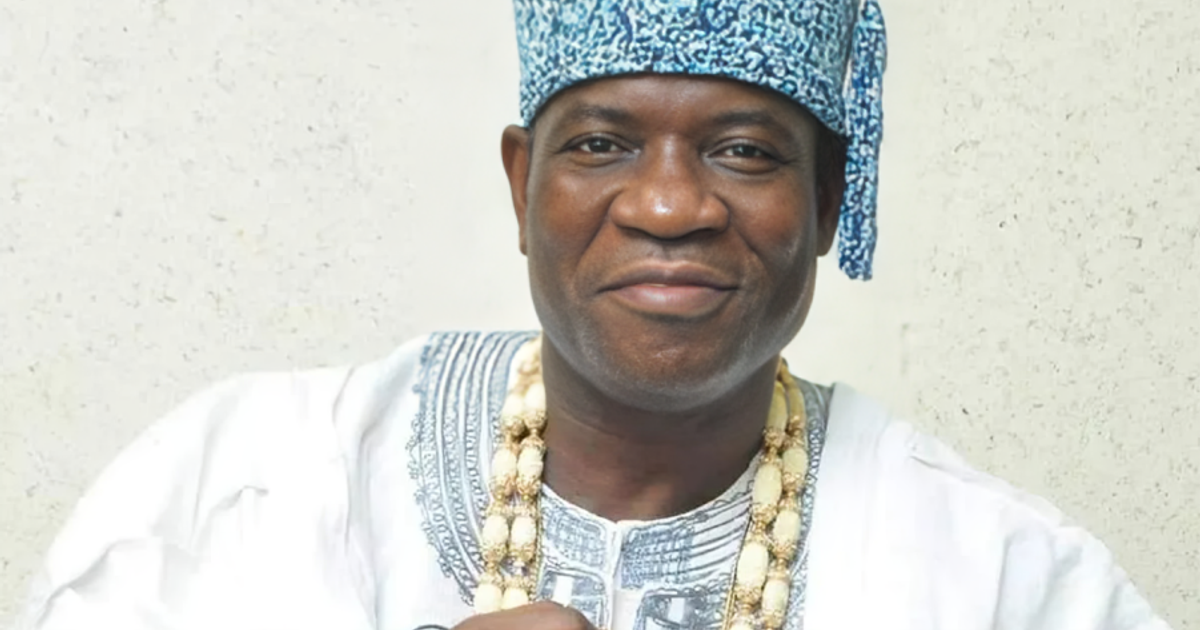
Oba Semiudeen Kasali urges legal backing for traditional rulers as palace authority wanes since 1979 Constitution
Traditional rulers in Nigeria now hold mainly ceremonial roles without real governing authority, the Adeboruwa of Igbogbo Kingdom in Lagos State, Oba Semiudeen Kasali, has said. Speaking from his palace to mark his tenth year on the throne, Oba Kasali explained that constitutional changes over the decades have stripped monarchs of formal power at both state and local levels.
The monarch, a lawyer and former Lagos State Ministry of Justice counsel, traced the decline to Nigeria’s 1979 and 1999 constitutions which removed traditional rulers from legislative councils and governance structures. He noted that, unlike in the past when kings participated directly in government, local government chairmen are now the chief executives at grassroots level. “The power resides…in any local government; the chairman is the governor of that local government. There’s no power in the palace anymore,” Kasali said.
Oba Kasali added that palace decisions are often ignored because citizens can challenge them in court based on constitutional rights. He argued that this has eroded respect for traditional institutions and led to delays in resolving disputes—especially those involving land or communal matters. “Some people are not bound to obey what we say in the palace because they want to exercise their constitutional right to approach court; you cannot stop them,” he stated.
This situation has sparked nationwide agitation among monarchs for constitutional reforms. Oba Kasali supported these calls but warned that any new role assigned to traditional rulers must be meaningful and enforceable. He cited examples from Ghana, South Africa and Namibia, where chieftaincy is recognised in their constitutions. Oyo’s Oba Rashidi Ladoja and other traditional leaders have made similar appeals this year.
Kasali proposed making palace mediation a compulsory first step for certain community disputes before such cases reach the courts—restoring a practice where royal judgements stood unless they were contrary to justice or good conscience. He lamented that today even settled palace matters are re-litigated in court with some parties joining the king as a defendant.
The monarch also blamed declining values within communities, saying some kingmakers now install individuals based on wealth rather than character or heritage: “They don’t care about the implications of who occupies the seat.”
Despite reduced powers, Oba Kasali highlighted contributions by traditional rulers towards security and development—such as collaborating with police to curb crime along waterways around Igbogbo and supporting improvements in infrastructure, schools and healthcare. On recent cases of kidnappings targeting kings nationwide, he attributed this to wider insecurity rather than hostility towards monarchs specifically: “Monarchs are being kidnapped because they see us as a soft target,” he said.
As discussions on constitutional amendments continue across Nigeria, many traditional leaders insist their restoration is crucial not just for symbolism but for strengthening governance at community level.
Source: https://www.pulse.ng/story/why-nigerian-kings-lost-power-oba-semiudeen-kasali-2026062212550873492
Nigeria News (Standard)
Osun PDP, Accord Accuse APC of Seeking Unclaimed PVCs Ahead of August Governorship Election
Opposition parties demand INEC publicly disclose uncollected voter cards, warn against electoral malpractice in South-West state
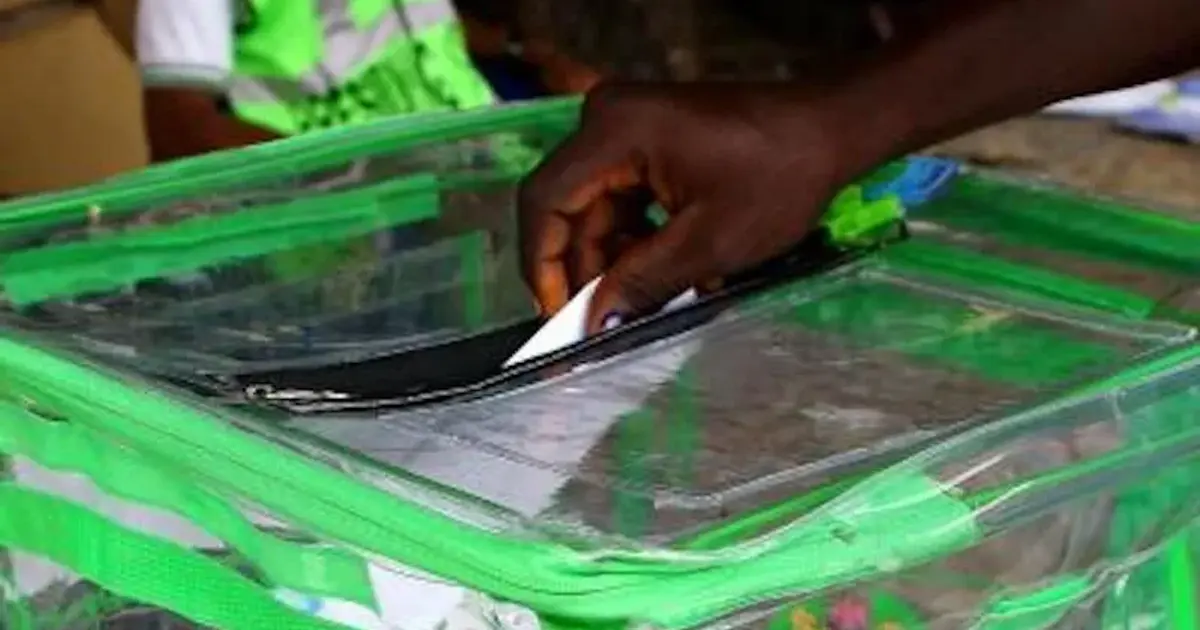
Opposition parties demand INEC publicly disclose uncollected voter cards, warn against electoral malpractice in South-West state
The Peoples Democratic Party (PDP) and Accord Party have jointly accused the All Progressives Congress (APC) of making attempts to obtain unclaimed Permanent Voter Cards (PVCs) in Osun State ahead of the 15 August governorship election. The allegation was made on Saturday in Osogbo by PDP Chairman Sunday Bisi and Accord Party Chairman Pastor Victor Akande, who called on the Independent National Electoral Commission (INEC) to resist any pressure to release the cards outside the approved legal process.
According to a joint statement signed by both party leaders, the opposition parties claimed they received credible information that the APC was pressuring INEC officials to hand over thousands of uncollected PVCs for alleged use by individuals described as “imported illegal voters”. The parties insisted that all distribution of voter cards must strictly follow provisions in Nigeria’s Electoral Act to prevent irregularities.
The controversy comes at a time when political tension is rising in Osun, South-West Nigeria, as parties prepare for a closely watched poll. Both PDP and Accord referenced concerns from the recent Ekiti governorship election, alleging that unclaimed PVCs were misused during that exercise. They stated their intention to monitor INEC’s handling of PVCs closely in Osun and warned that any deviation could undermine public trust in the electoral process.
“We task the commission not to succumb to such illegal conduct, as distribution of PVCs has a template which should be observed to the letter,” Bisi and Akande said. They further called on INEC to publicly announce the number of uncollected PVCs once collection resumes and pledged to independently verify any figures provided. According to them, transparent accounting is essential for maintaining confidence in Nigeria’s democracy.
As at press time, neither INEC nor APC had issued an official response to these allegations. However, APC previously dismissed other claims by Accord Party—including accusations about planned violence—as false and politically motivated. The issue of unclaimed PVCs remains a sensitive one nationally, with stakeholders warning that improper handling could violate electoral laws and impact election outcomes.
Source: https://www.pulse.ng/story/osun-pdp-accord-allege-apc-unclaimed-pvcs-inec-2026062212182907124
Nigeria News (Standard)
Travel Vlogger Compares Lagos, Malaysia Rent as Nigerians Pay Up to ₦6m for Unfurnished Flats
Adenike Daramola’s viral video reignites debate on housing affordability in Lagos amid minimum wage gap and rising inflation

Adenike Daramola’s viral video reignites debate on housing affordability in Lagos amid minimum wage gap and rising inflation
A prominent Nigerian travel vlogger, Adenike Daramola, has sparked heated discussions after highlighting steep rent costs in Lagos compared to Malaysia, describing Nigeria’s commercial capital as ‘extremely ridiculously expensive.’ Daramola made her comments on Saturday via a social media post documenting her stay in a serviced apartment in Kuala Lumpur, the Malaysian capital.
Daramola gave a tour of her fully furnished studio apartment in Kuala Lumpur, stating that it cost about $27 (roughly ₦40,000) per night and came with amenities such as a bed, mattress, wardrobe, television, refrigerator, air conditioning, microwave and Wi-Fi. She noted that tenants also enjoy access to communal facilities like a rooftop swimming pool, gym, co-working spaces and 24-hour security—features rarely included in similar-priced rentals within Lagos.
‘In Kuala Lumpur you can rent a studio for between 1,000 and 1,500 Ringgit per month—about $250 to $350—which comes to around ₦4.2 million yearly,’ Daramola said. She emphasised that these apartments are usually fully furnished and located at the city centre. By contrast, she argued that many Lagos residents pay upwards of ₦6 million per annum for smaller, unfurnished flats lacking basic appliances or modern facilities. ‘An agent will take you to a tiny empty apartment in Lagos and confidently tell you it is ₦6 million per annum,’ she added.
Daramola further questioned why rental costs remain so high despite Nigeria’s much lower minimum wage. ‘The official minimum wage in Malaysia is about ₦600,000 monthly while here it is just ₦70,000. Yet tenants are expected to pay nearly 1,000 percent of their minimum wage on rent,’ she stated.
Nigerians have increasingly expressed frustration over soaring rents in Lagos and other major cities as inflation and foreign exchange pressures push up construction costs. Many social media users echoed Daramola’s complaints about landlords demanding millions for unrenovated properties while failing to provide adequate facilities. The federal government has yet to announce new measures addressing the affordability gap despite calls from housing rights advocates.
Industry stakeholders say unless urgent reforms are introduced—including stricter regulation of agent fees and incentives for affordable housing—the cost of living crisis may worsen for urban dwellers. Debate continues online as more residents share their experiences with the widening disconnect between earnings and accommodation expenses in Nigeria’s largest city.
Lagos Monarch Says Nigerian Kings Have Lost Power, Calls for Constitutional Reform
Osun PDP, Accord Accuse APC of Seeking Unclaimed PVCs Ahead of August Governorship Election
Travel Vlogger Compares Lagos, Malaysia Rent as Nigerians Pay Up to ₦6m for Unfurnished Flats

Ronaldo Leads Portugal Against Uzbekistan: Can the 2026 World Cup Favourites Bounce Back?

Lagos-Based Aradel Sees 192% Profit Jump as ND Western, Renaissance Africa Acquisitions Boost Earnings

AFRIMA Delegation Begins Stakeholder Engagement in Casablanca Ahead of 10th Music Awards

Former Super Eagles Striker Ighalo Credits Marcelo Houseman for Launching His European Career
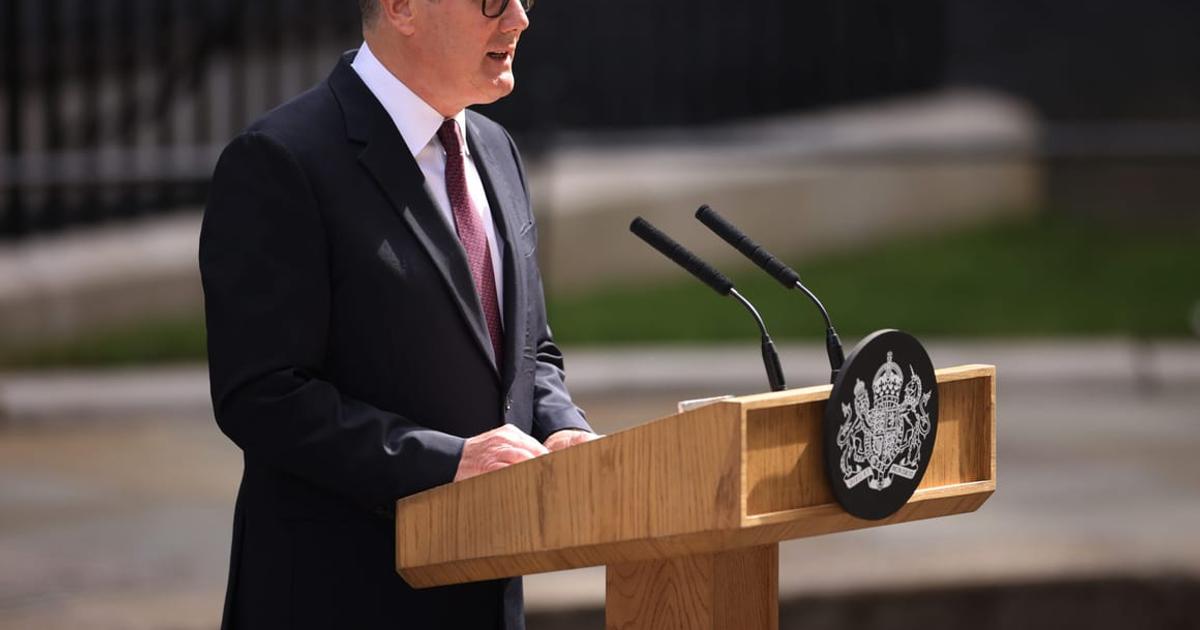
UK Prime Minister Keir Starmer Resigns Amid Labour Party Tensions After 2024 Victory
Benin City Hosts Traditional Marriage of TikTok Stars Peller and Jarvis After Viral Romance

Army Troops Repel Terrorist Attack in Sokoto, Katsina, Rescue Abductees and Recover Weapons
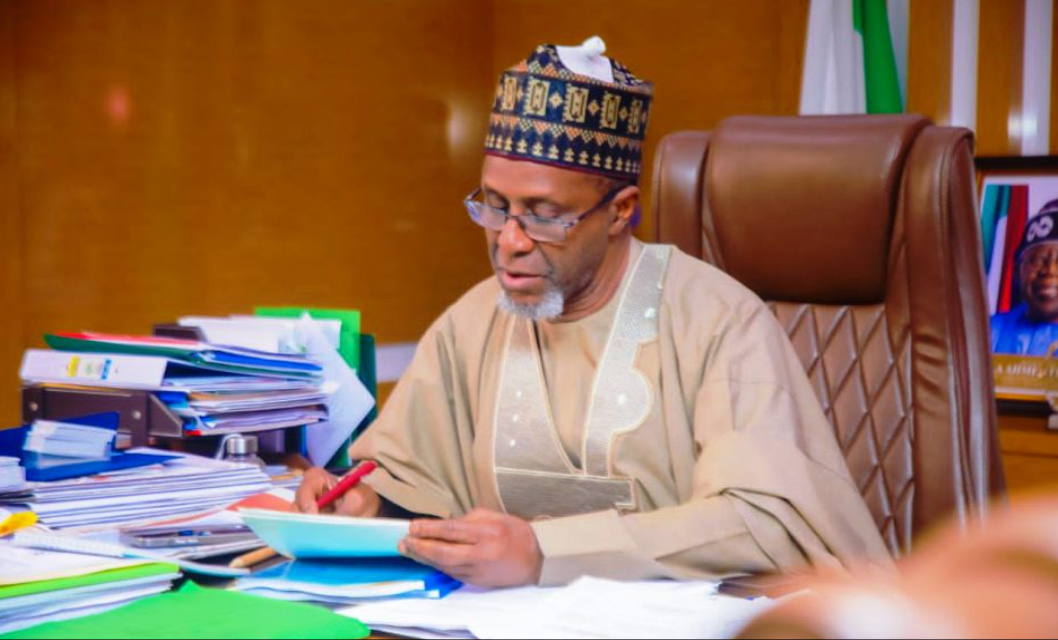
Environment Minister Urges Increased Investment in Nigeria’s Green Economy Ahead of Global Climate Summit

Gọvanmenti Nigeria Kwupụtara 53 Orù Anyanwụ Maka Ike Ọhụrụ N’iru Afọ 2050

Moniepoint Graduates Second DreamDevs Cohort in Lagos to Strengthen Nigeria’s Engineering Workforce
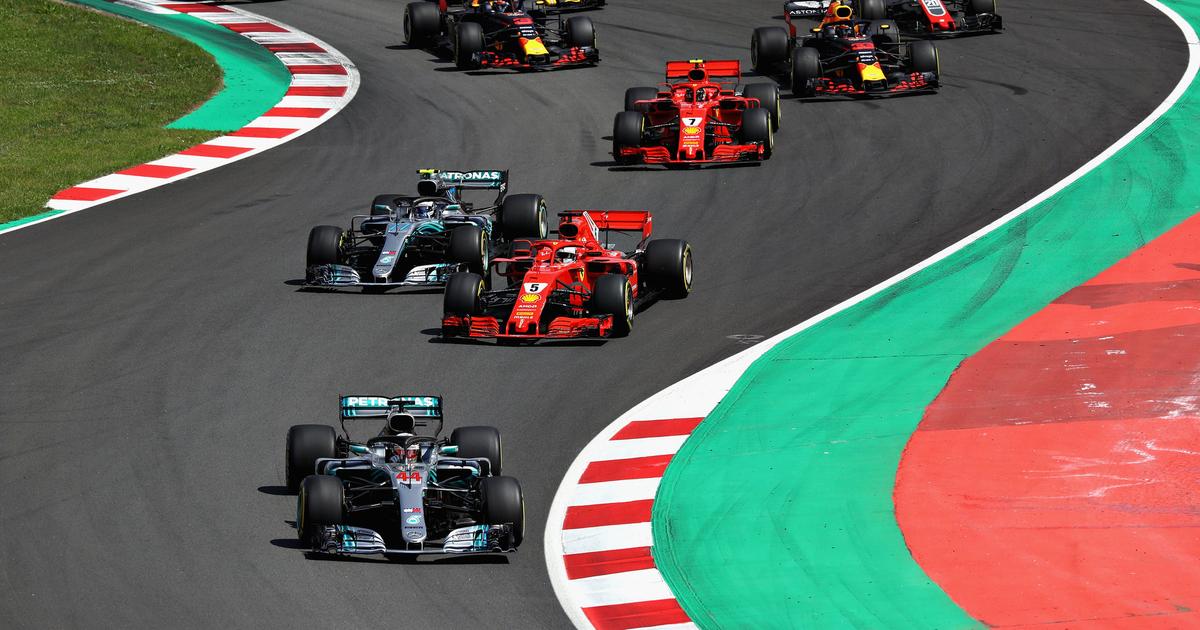
FG Launches $500m Abuja Formula 1 Bid, Targets Africa’s First Grand Prix Since 1993

Fresh Romance Rumours Trail Lando Norris as Alix Earle Sparks Drama in Monaco
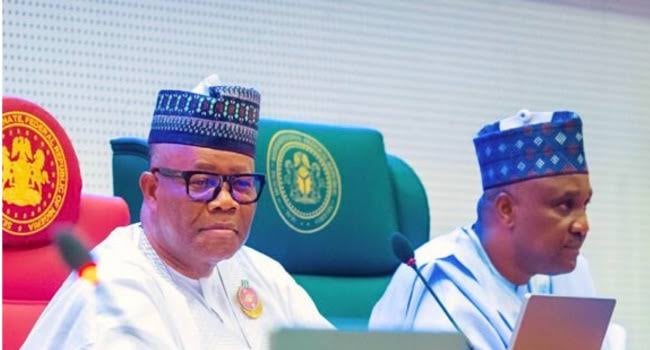
Lagos Court Declares National Assembly’s ₦110bn Vehicle and Allowance Spending Unlawful

Why More Nigerians Are Searching for Casino Bonuses—and What You Should Know Before Claiming
Lagos State Disburses ₦15bn, Creates 320,000 Jobs Through Employment Trust Fund
Peter Obi Demands ₦5bn and Public Apology From Kenneth Okonkwo Over Defamation in Lagos