Nigeria News (Standard)
Delta Police Seize Sienna Loaded With Illicit Drugs as Suspect Flees Ozoro-Oleh Expressway
Anti-Vice Squad recovers codeine, tramadol and other substances after driver escapes arrest during routine stop
Anti-Vice Squad recovers codeine, tramadol and other substances after driver escapes arrest during routine stop
A suspected drug trafficker narrowly escaped arrest on Tuesday after abandoning a Toyota Sienna filled with illicit drugs along the Ozoro/Oleh Expressway in Delta State. The incident occurred around 4:00 p.m. on 16 June 2026, during a stop-and-search operation by the Delta State Police Command’s Anti-Vice Squad.
According to police accounts, officers intercepted the vehicle bearing registration number FST 242 YK for a routine search. As officers began questioning, the driver abruptly abandoned the vehicle and ran into nearby bushland. Despite an immediate pursuit, the suspect evaded capture.
Following the suspect’s escape, police conducted a thorough search of the abandoned Sienna and discovered large quantities of suspected illicit drugs. Items recovered included codeine syrup, tramadol tablets, swinol, man G and vega capsules. The substances have been taken into custody as exhibits pending further investigation.
The Delta State Police Command said its operatives are intensifying efforts to track down the fleeing suspect and dismantle related drug trafficking networks in the area. A police spokesperson urged members of the public to provide information that could assist ongoing investigations and reaffirmed government’s commitment to combating illegal drug distribution in Delta State and across Nigeria.
In a separate development, operatives from the Command’s Anti-Vice Squad in Ughelli, working with members of the Ughelli Vigilante Group, arrested two suspected armed robbers linked to recent incidents in Ughelli and surrounding areas. The Command stated that these operations underscore its resolve to tackle both drug-related offences and violent crime throughout Delta State.
Nigeria News (Standard)
ETK Unveils Momentum Platform in Lagos to Boost Organisational Capacity and Climate Resilience
UK Deputy High Commissioner, ANDE, and ETK leadership partner to strengthen SMEs’ access to finance and global markets
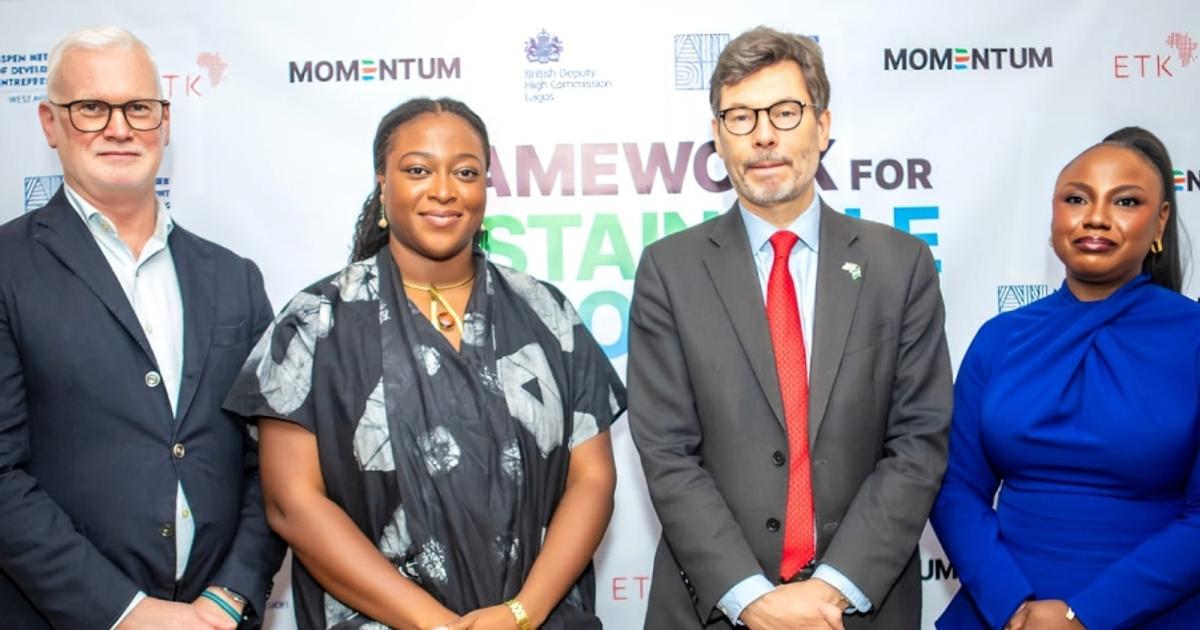
UK Deputy High Commissioner, ANDE, and ETK leadership partner to strengthen SMEs’ access to finance and global markets
Enterprise Trade and Knowledge (ETK) on Tuesday officially launched its Momentum technology platform at a high-level event in Ikoyi, Lagos, aiming to help Nigerian organisations strengthen capacity, access finance, and build climate resilience. The unveiling brought together stakeholders from the private sector, government, and development agencies, with support from the UK Foreign, Commonwealth & Development Office (FCDO) and the Aspen Network of Development Entrepreneurs (ANDE).
The Lagos launch marks the first phase of Momentum’s global rollout. According to ETK, the platform offers a data-driven approach for organisations—especially MSMEs and high-growth companies—to assess their performance in finance and growth, trade and market access, as well as climate risk management. The tool is designed to help businesses identify operational gaps, improve governance structures, comply with regulations, and develop transformation plans that align with international standards.
The move comes at a time when Nigerian businesses face increasing challenges around governance systems, compliance requirements, and climate-related risks. Weak internal controls have limited access to capital for many SMEs, while changing weather patterns threaten operational stability across multiple sectors. By offering tailored diagnostics and action plans through Momentum, ETK aims to position Nigerian enterprises for greater competitiveness both locally and internationally.
Bolaji Sofoluwe MBE, Managing Director of ETK Group, said during her address at the event: “At ETK, we believe resilience is the new competitive advantage. In a world shaped by global uncertainty, climate governance enables organisations to build capacity, manage risk and drive sustainable growth.” She added that the launch aligns with ongoing UK-Nigeria partnerships focused on strengthening private sector development.
British Deputy High Commissioner Jonny Baxter noted that the initiative highlights UK innovation in supporting economic development. “The launch of Momentum reflects the strength of UK innovation in delivering practical solutions to global development challenges… The platform brings a highly adaptable capability for strengthening small and growing businesses,” Baxter said at the launch.
Karina Karunwi, West Africa Regional Head for ANDE, also welcomed the partnership: “Momentum brings a fresh perspective to access to finance and impact measurement… It will strengthen capacity of West African SMEs and those supporting them.”
Momentum’s introduction is expected to support more Nigerian businesses in demonstrating reliability to lenders and investors while enhancing their participation in global value chains. The phased rollout will extend beyond Lagos in coming months.
Nigeria News (Standard)
FAAC Shares ₦2.3trn May Revenue as Nigerians Decry Heavy VAT Burden on Goods
Consumers question impact of increased federal allocations while many feel rising taxes on everyday purchases
Consumers question impact of increased federal allocations while many feel rising taxes on everyday purchases
The Federation Account Allocation Committee (FAAC) has distributed a record ₦2.3 trillion among the Federal Government, state governments and local government councils for May 2026, prompting fresh debate among citizens in Lagos and across Nigeria over how these funds are being used. The disbursement, which represents an increase from the ₦2.26 trillion shared in April, was announced by FAAC in Abuja on Tuesday.
According to the committee’s communiqué, the revenue comprised ₦1.611 trillion from statutory sources and ₦688.8 billion generated through Value Added Tax (VAT). Gross revenue for the month reached ₦3.395 trillion, with ₦123.5 billion deducted as collection costs and ₦971.6 billion earmarked for transfers, interventions and refunds.
Despite the higher allocation, many Nigerians took to social media to express frustration over what they described as a lack of visible improvement in infrastructure, healthcare or public welfare at the grassroots level. One Lagos-based consumer shared that he paid over ₦300,000 in VAT alone when buying electronic appliances recently, using his experience to highlight concerns about the burden of Nigeria’s 7.5% VAT on basic goods.
FAAC disclosed that while statutory revenue increased significantly in May to ₦2.651 trillion from ₦2.378 trillion in April, VAT earnings actually dropped from ₦806.6 billion to ₦743.7 billion within the same period. The committee also noted that collections from Companies Income Tax (CIT), Capital Gains Tax (CGT), Stamp Duties, Petroleum Profit Tax (PPT), Hydrocarbon Tax and Oil and Gas Royalties all saw notable increases during the month, but Import Duty, Excise Duty and CET Levies declined.
From the latest allocation, the Federal Government received ₦818.7 billion; states got ₦759.1 billion; local government councils received ₦534.3 billion; while oil-producing states were given an additional ₦188.1 billion under the 13% derivation formula.
Reactions online captured a growing sense of disillusionment among ordinary Nigerians regarding how public resources are managed and spent at all levels of government. One user wrote: “₦2.3 trillion was shared in one month and ordinary Nigerians are still asking where the impact is.” Others called for greater accountability not only from federal authorities but also from state and local governments responsible for delivering essential services.
As at press time, government officials had yet to respond directly to these concerns but have previously stated that revenue allocations are meant to fund ongoing projects and address fiscal challenges across sectors including education, health and security.
Nigeria News (Standard)
UK Imposes Sanctions on Russian Woman Accused of Recruiting Nigerians for Ukraine Conflict
British government freezes assets and bans travel of Polina Azarnykh over alleged human trafficking network targeting Nigerians, others

British government freezes assets and bans travel of Polina Azarnykh over alleged human trafficking network targeting Nigerians, others
The United Kingdom has sanctioned a Russian national, Polina Azarnykh, for allegedly running a recruitment network that targeted young men from Nigeria and other countries to fight for Russia in the ongoing conflict in Ukraine. The sanctions, which include an asset freeze, travel ban, and director disqualification order, were announced on 5 May under the Global Irregular Migration and Trafficking in Persons Sanctions Regulations 2025.
According to British authorities, Azarnykh was accused of facilitating the movement of foreign nationals from countries such as Nigeria, Egypt, Iraq, the Ivory Coast, Morocco, Syria, and Yemen into Russia before deploying them to the frontlines in Ukraine. The UK government said her actions were backed by Russian authorities and described the network as a form of human trafficking aimed at destabilising Ukraine through the use of foreign fighters.
A BBC investigation published in January exposed how Azarnykh allegedly used a Telegram channel with over 21,000 subscribers to lure vulnerable individuals from Nigeria and several African and Middle Eastern countries. The investigation revealed that more than 500 invitation letters were reportedly issued by her to foreign nationals, mainly from Syria, Egypt and Yemen. These letters enabled recruits to enter Russia with promises of employment opportunities, Russian citizenship and high salaries—offers that many later discovered were false after they found themselves deployed on the battlefield.
Some recruits told investigators they were not informed they would be sent into combat zones or that withdrawal after signing military contracts was impossible. Several individuals interviewed claimed intimidation tactics were used against those who questioned their deployment—allegations which Azarnykh has denied. One Syrian recruit named Omar described his experience after arriving in Moscow: “We were tricked… this woman is a con artist and a liar,” he said. He recounted being promised $2,500 monthly salary and a $5,000 signing bonus but instead faced grim conditions on the battlefield.
The BBC also spoke with relatives of men reported missing or killed after joining Russia’s military through this network. In one case, an Egyptian man explained how his brother was recruited while studying in Russia due to financial hardship but was unexpectedly sent to fight in Ukraine. Further reports indicated that Azarnykh previously managed a Facebook page offering help to Arab students seeking admission into Russian universities before expanding her activities via Telegram.
Human rights groups estimate that since 2022, Russia has recruited approximately 27,000 foreign nationals from around 130 countries for its war effort against Ukraine—with some allegedly deceived or coerced into service. The UK government stated that these latest sanctions are part of wider efforts to disrupt human trafficking operations linked to conflict zones.
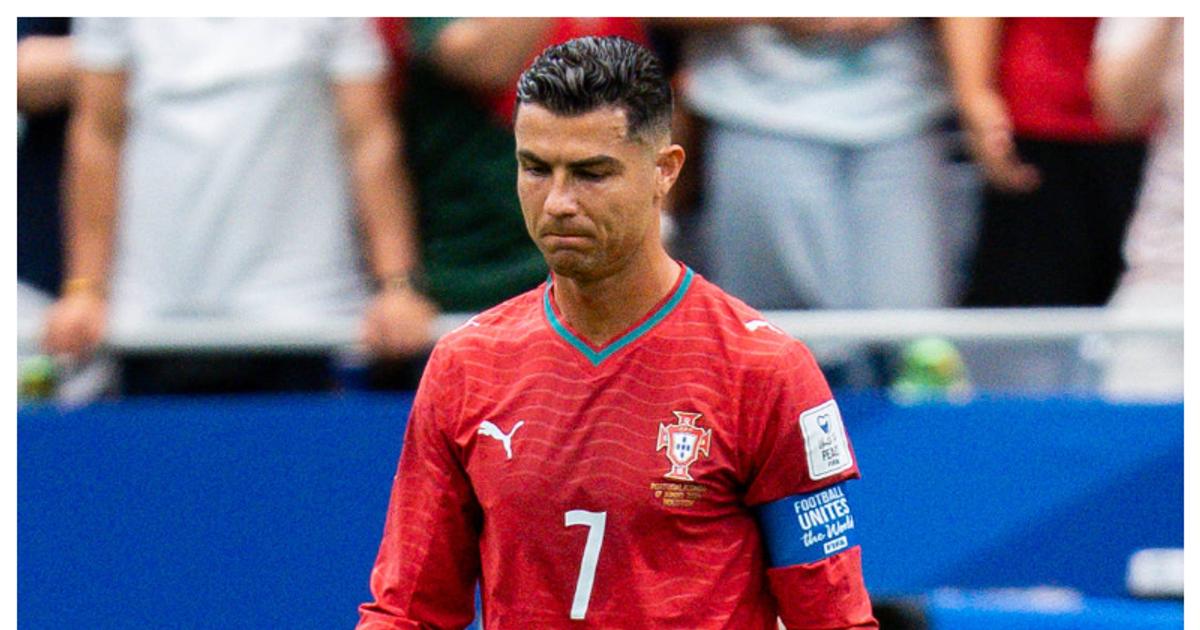
Portugal Manager Defends Ronaldo Selection Against DR Congo Amid Criticism
ETK Unveils Momentum Platform in Lagos to Boost Organisational Capacity and Climate Resilience

Tuchel Voices Concern Over Declan Rice Injury as Midfielder Faces Uncertain Spell
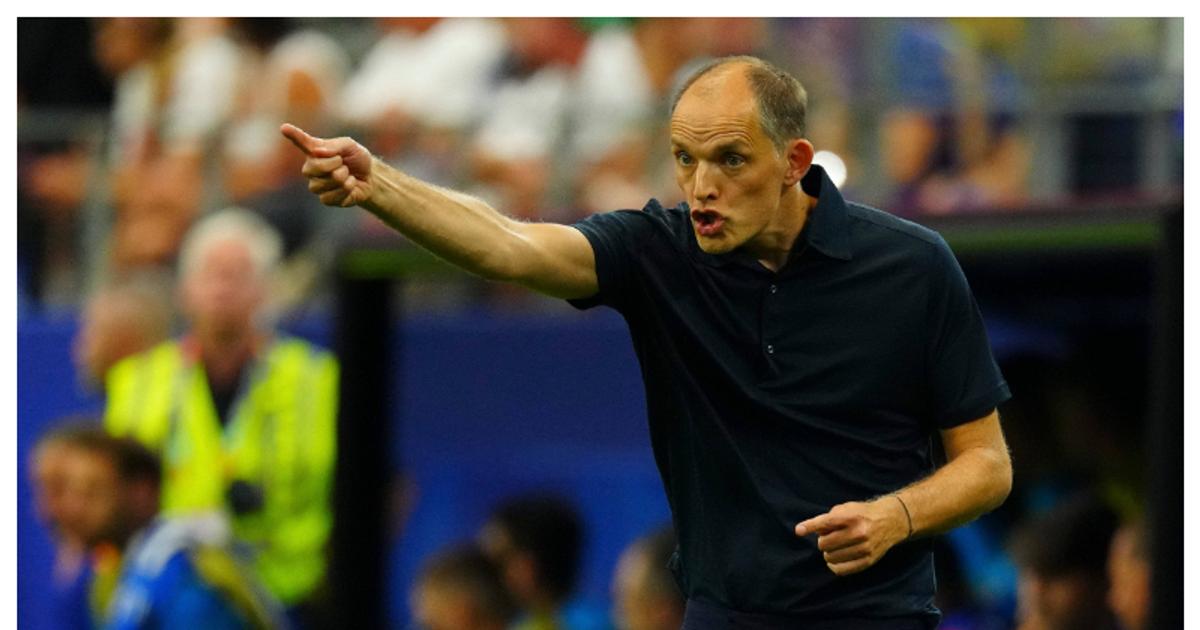
Touchline Drama as Thomas Tuchel Clashes With Star Player During Bundesliga Match
FAAC Shares ₦2.3trn May Revenue as Nigerians Decry Heavy VAT Burden on Goods

Maduka Okoye Picks His Best Goalkeeper — Settles Debate Between Ter Stegen, Courtois, and Donnarumma

Jude Bellingham’s Romantic Moment With Ashlyn Castro Steals Spotlight at World Cup Opener

Ex-Super Eagles Star Picks Messi Over Ronaldo in Greatest of All Time Debate
UK Imposes Sanctions on Russian Woman Accused of Recruiting Nigerians for Ukraine Conflict

Antoine Semenyo’s Fiancée Jordeen Buckley Shows Love After World Cup Man of the Match Award
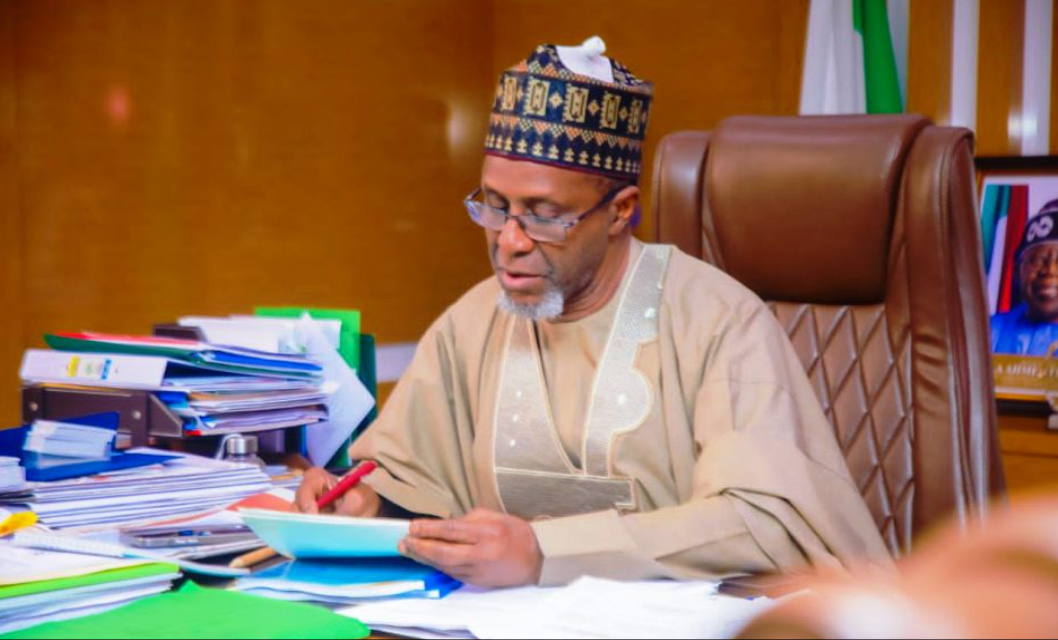
Environment Minister Urges Increased Investment in Nigeria’s Green Economy Ahead of Global Climate Summit
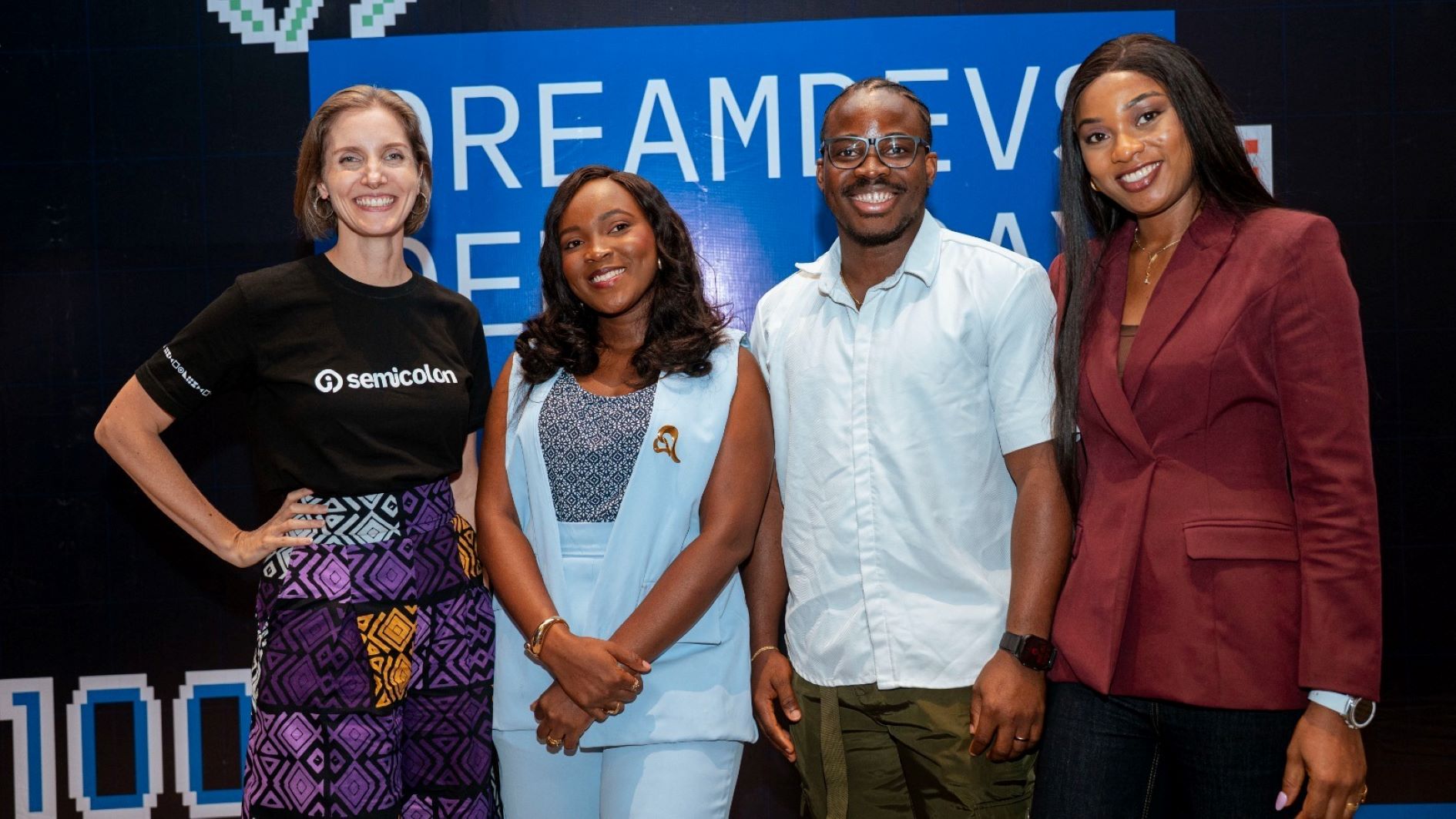
Moniepoint Graduates Second DreamDevs Cohort in Lagos to Strengthen Nigeria’s Engineering Workforce

Gọvanmenti Nigeria Kwupụtara 53 Orù Anyanwụ Maka Ike Ọhụrụ N’iru Afọ 2050

Fresh Romance Rumours Trail Lando Norris as Alix Earle Sparks Drama in Monaco
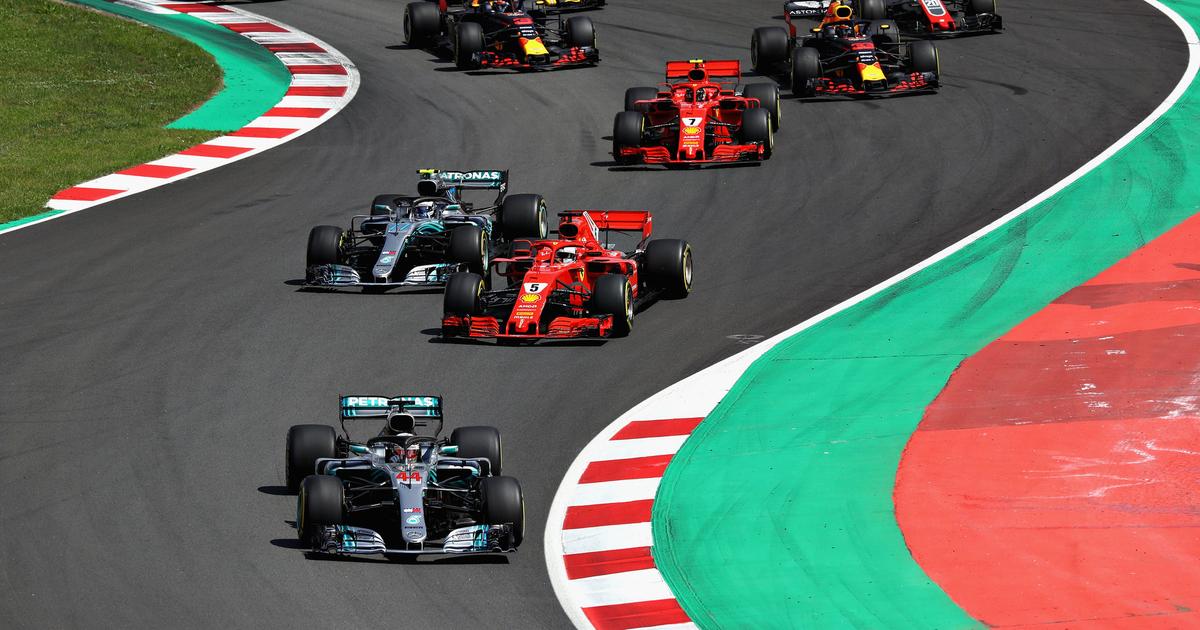
FG Launches $500m Abuja Formula 1 Bid, Targets Africa’s First Grand Prix Since 1993

Why More Nigerians Are Searching for Casino Bonuses—and What You Should Know Before Claiming

Ụlọ Ọrụ Nigeria Kwupụtara Nsogbu Nchekwa na Ụtụ Isi N’agbanyeghị Ịrị Elu Obi Ike Ahịa
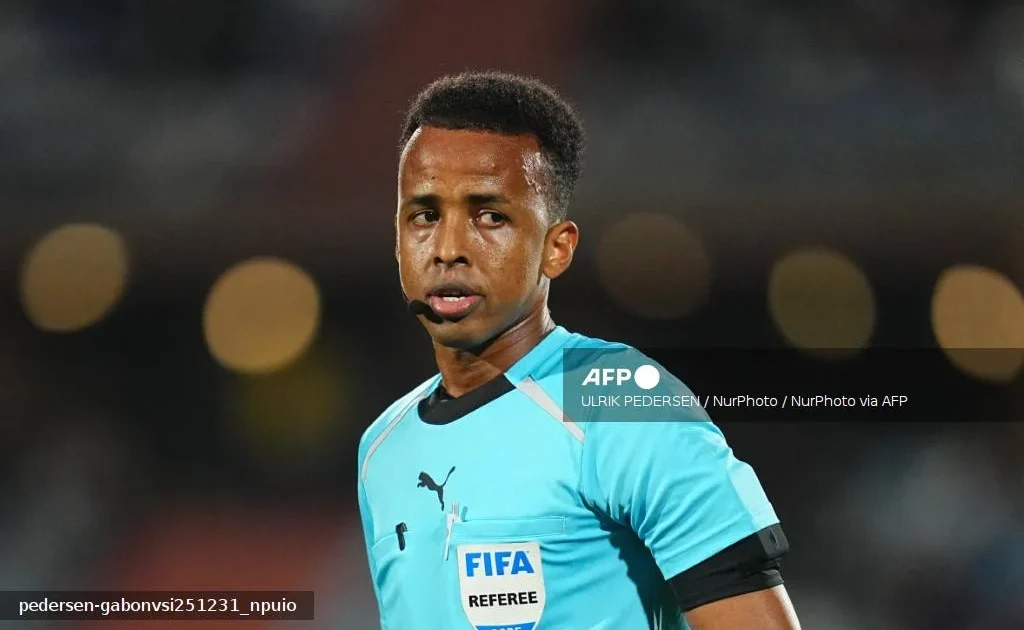
Somali Referee Omar Artan Blocked From US World Cup Over Visa Row, Misses Dream Debut
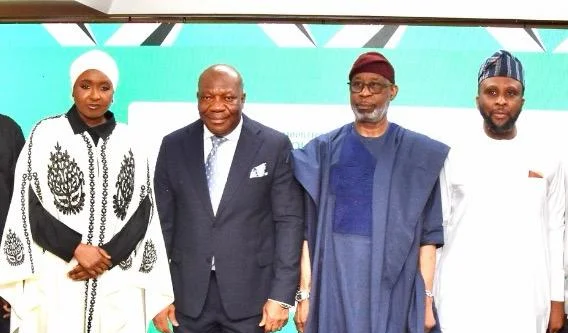
Federal Government Launches Mining Grants for Research and Exploration Across Nigeria