Nigeria News (Standard)
Diaspora Nigerians Shine as Super Eagles Miss Out on 2026 FIFA World Cup in Lagos
Analysts say at least 12 players of Nigerian descent represent other nations, fuelling debate over talent drain

Analysts say at least 12 players of Nigerian descent represent other nations, fuelling debate over talent drain
The absence of Nigeria’s Super Eagles at the ongoing 2026 FIFA World Cup has been keenly felt by football fans and analysts in Lagos, as players of Nigerian descent continue to deliver impressive performances for other countries. The global tournament, which kicked off in June, has seen at least 12 footballers with strong Nigerian roots representing teams such as England, the United States, Austria, and France.
As matches unfold across North America, attention in Nigeria has shifted to these diaspora stars who could have potentially strengthened the national squad. According to recent analysis, an ‘imaginary’ team of diaspora Nigerians—featuring prominent names like Bukayo Saka (England), Folarin Balogun (USA), and others—could rival any team at the championship. Former international Sam Okpodu, who once coached the Super Falcons and chaired the Black Coaches Association of the USA, said a forward line combining Victor Osimhen with these diaspora talents would have been “unstoppable”.
The conversation around Nigeria’s absence has intensified after unexpected upsets and dramatic results at this year’s World Cup. Many stakeholders attribute the situation to gaps in player development, scouting, and administrative issues within the Nigeria Football Federation (NFF). Football analyst Segun Odegbami noted that while Nigerian fans celebrate their compatriots abroad, the missed opportunity for national glory remains a sore point. “Every time a player of Nigerian descent scores or makes an impact for another country, it reminds us of what could have been for the Super Eagles,” Odegbami said during a post-match discussion in Lagos.
Officials from NFF have not issued a formal statement on the increasing number of eligible players opting for other nations. However, sports development advocates are calling for reforms to improve talent retention and ensure that promising young footballers are encouraged to commit to Nigeria from early stages of their careers.
With the next qualifying cycle approaching, experts say government and football authorities must address these challenges urgently if Nigeria is to return to the world stage with its best talent. For now, fans continue to cheer on players with green-white-green heritage—even if they wear different colours this summer.
Source: https://guardian.ng/sport/super-eagles-missed-at-the-world-cup/
Nigeria News (Standard)
PFI NPK Says Early Fertiliser Procurement Cushioned Middle East Supply Disruptions
Company reports proactive import strategy reduced impact of global tension on Nigerian farmers ahead of planting season
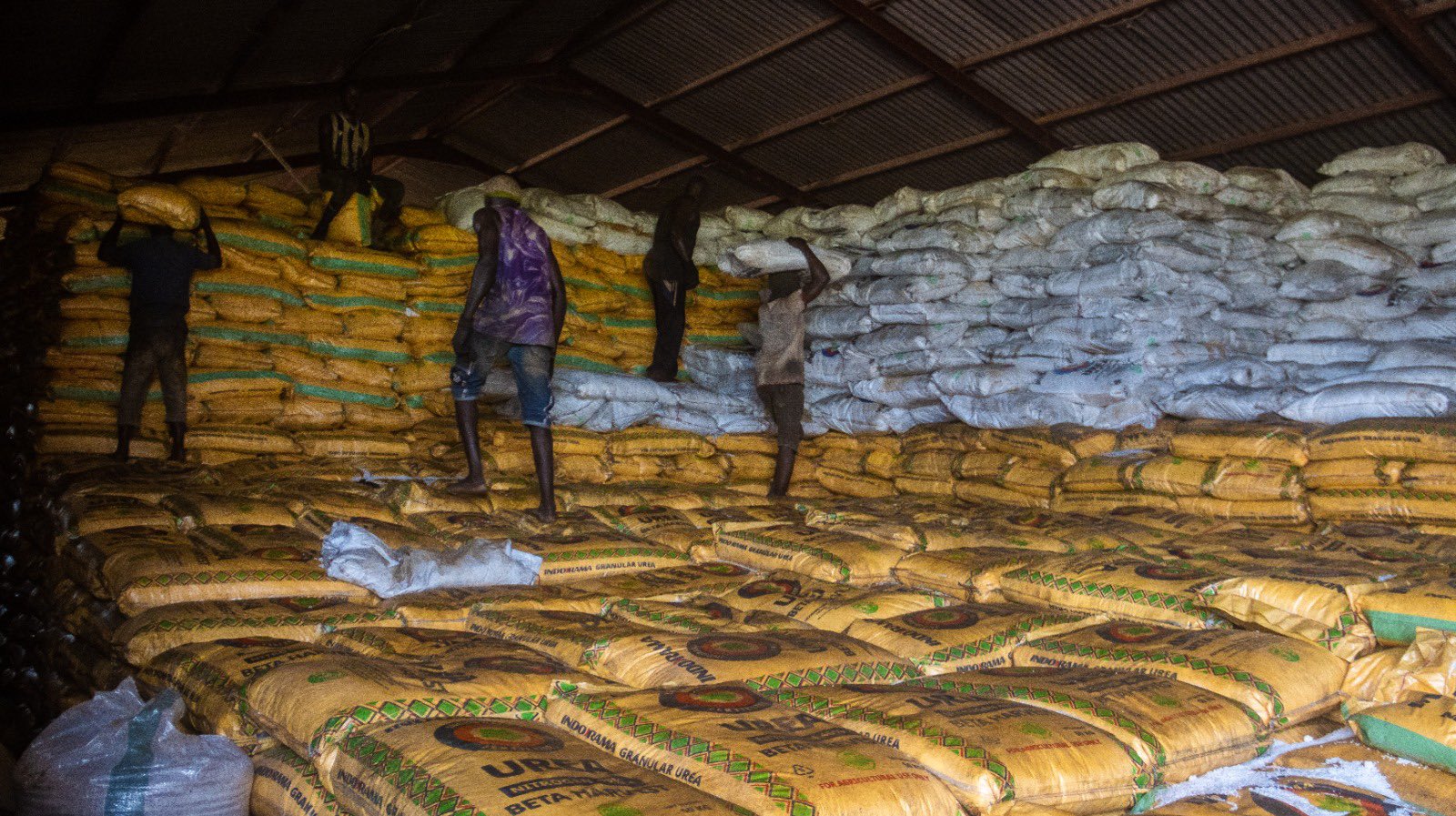
Company reports proactive import strategy reduced impact of global tension on Nigerian farmers ahead of planting season
Early procurement of fertiliser by the Presidential Fertiliser Initiative (PFI) NPK helped Nigeria avoid severe shortages caused by rising tensions in the Middle East, the company has said. The initiative, which oversees large-scale fertiliser blending and supply, revealed this in a statement issued on Saturday, 20 June.
According to PFI NPK, management anticipated possible disruptions in international supply chains due to escalating conflicts in the Middle East region, a key source of raw materials for fertiliser production. As a result, the company prioritised early importation and local blending efforts to ensure Nigerian farmers could access essential inputs ahead of the current planting season.
The move comes at a time when global fertiliser prices have spiked and some countries have experienced acute shortages following restricted exports from major producers. Nigerian agriculture is heavily reliant on timely and affordable access to fertiliser, especially as smallholder farmers make up a significant portion of the sector. The PFI NPK said its strategy was designed to protect farmers from these global shocks.
While specific figures were not disclosed, PFI NPK noted that its early action helped stabilise domestic supply and maintain price levels for end-users. The company stated: “By securing raw materials ahead of time, we were able to mitigate potential delays and ensure that blending plants across the country remained operational.” No comments from opposition groups or independent agriculture analysts were immediately available as at press time.
The fertiliser initiative said it would continue monitoring international developments and adjust its procurement strategy as necessary. Stakeholders expect ongoing vigilance will be needed given continued volatility in global commodity markets affecting Nigeria’s agriculture sector.
Nigeria News (Standard)
Lagos Bartenders Launch Blue Lagoon Cocktail as Demand for Tropical Drinks Rises
Hospitality sector in Lagos sees increased interest in visually appealing cocktails, with Blue Lagoon gaining popularity among young professionals

Hospitality sector in Lagos sees increased interest in visually appealing cocktails, with Blue Lagoon gaining popularity among young professionals
Bartenders across Lagos State have introduced the Blue Lagoon cocktail to their menus this June, responding to a surge in demand for vibrant, tropical-inspired drinks among the city’s nightlife crowd. The new addition, known for its distinct bright blue colour and refreshing citrus taste, was rolled out in major hospitality spots across Victoria Island and Lekki on 20 June.
According to hospitality managers, the cocktail’s simple preparation and eye-catching presentation have made it a favourite at social gatherings and after-work events. The Blue Lagoon is typically prepared with 50 ml vodka, 25 ml blue curaçao liqueur, and 25 ml freshly squeezed lemon juice or lemonade for those who prefer a sweeter taste. It is served over ice in a tall glass and garnished with either a lemon slice or maraschino cherry. Some bartenders opt to top up the drink with soda water or lemonade for a lighter option.
The renewed interest in such cocktails comes as Lagos continues to position itself as West Africa’s entertainment hub. Industry observers say visually striking drinks like the Blue Lagoon appeal to young professionals seeking both flavour and style in their beverage choices. Many establishments have reported increased sales of tropical cocktails since the beginning of June, attributing the trend to both social media influence and changing consumer preferences.
Speaking on the development, Chidinma Enweani, a beverage consultant based in Lagos, said: “This kind of drink is attractive because it is easy to make and brings something fresh to the table. People are looking for experiences that are not just about taste but also about presentation.”
Bar owners expect the popularity of colourful cocktails like the Blue Lagoon to grow further as more venues adopt creative menus ahead of major summer events. Stakeholders in Lagos’ hospitality sector anticipate that this shift could drive higher patronage and encourage innovation among local bartenders.
Nigeria News (Standard)
Dr Isioma Okolo Raises Alarm Over Beauty Product Risks for Women in Lagos
Emerging research links common cosmetics to hormonal health concerns as experts urge regulatory scrutiny and public awareness

Emerging research links common cosmetics to hormonal health concerns as experts urge regulatory scrutiny and public awareness
Concerns over the health impact of everyday beauty products have been brought to the fore in Lagos, as Dr Isioma Okolo highlighted possible risks associated with repeated use of certain cosmetics on Thursday. The discussion, which focused on the long-term effects of chemical exposure among Nigerian women, comes amidst growing calls for improved regulation and public sensitisation.
Beauty salons across Lagos and other urban centres remain busy every weekend, with women opting for hair relaxing, braiding, colouring and various skin treatments. However, Dr Okolo noted that while these products are meant to enhance appearance, emerging studies indicate they may contribute to hormonal imbalances and other health issues when used frequently over time.
The issue has gained urgency as more Nigerian women report experiencing skin irritations and unexplained symptoms linked to cosmetic use. Health professionals warn that certain ingredients found in some imported and locally manufactured products could have cumulative effects, especially with regular application. “Many of these substances are absorbed through the skin into the bloodstream and may disrupt natural hormone levels,” Dr Okolo said during a public forum in Ikeja.
Despite mounting evidence from recent research, regulatory agencies such as NAFDAC are yet to issue fresh guidelines on ingredient safety or conduct large-scale product testing. Some consumer advocates argue that existing policies do not adequately address newer chemicals now present in popular brands. “Women need to be better informed about what they are applying daily,” Dr Okolo emphasised, calling for stricter monitoring and increased education campaigns.
Experts say further investigation is needed into the specific health outcomes tied to these products in Nigerian contexts. In the meantime, both medical practitioners and advocacy groups encourage users to scrutinise labels carefully and seek professional advice before choosing personal care items.
Source: https://guardian.ng/life/what-everyday-beauty-products-may-be-doing-to-nigerian-womens-health/
PFI NPK Says Early Fertiliser Procurement Cushioned Middle East Supply Disruptions

No Saturday Football Results Yet — Bet of the Day Predictions Await Key Match Outcomes
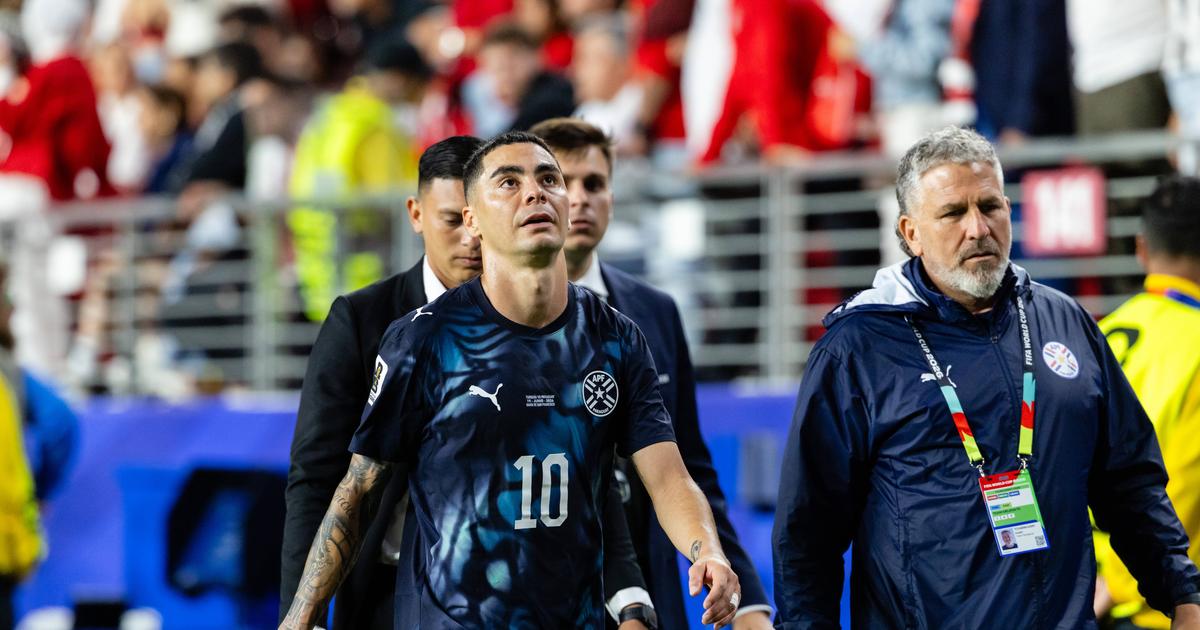
Paraguay’s Almiron First to Fall Under ‘Vinicius’ Rule as Turkey Crash Out of World Cup
Lagos Bartenders Launch Blue Lagoon Cocktail as Demand for Tropical Drinks Rises
Morocco Captain Achraf Hakimi Faces Court Trial Over Rape Allegations — What We Know So Far
Dr Isioma Okolo Raises Alarm Over Beauty Product Risks for Women in Lagos

Queiroz Sets New World Cup Record as Ghana Coach, Surpassing Mark Previously Achieved Against Super Eagles

Rising Kidnappings in All Nigerian Zones Spur Security Agencies to Issue Fresh Advisory
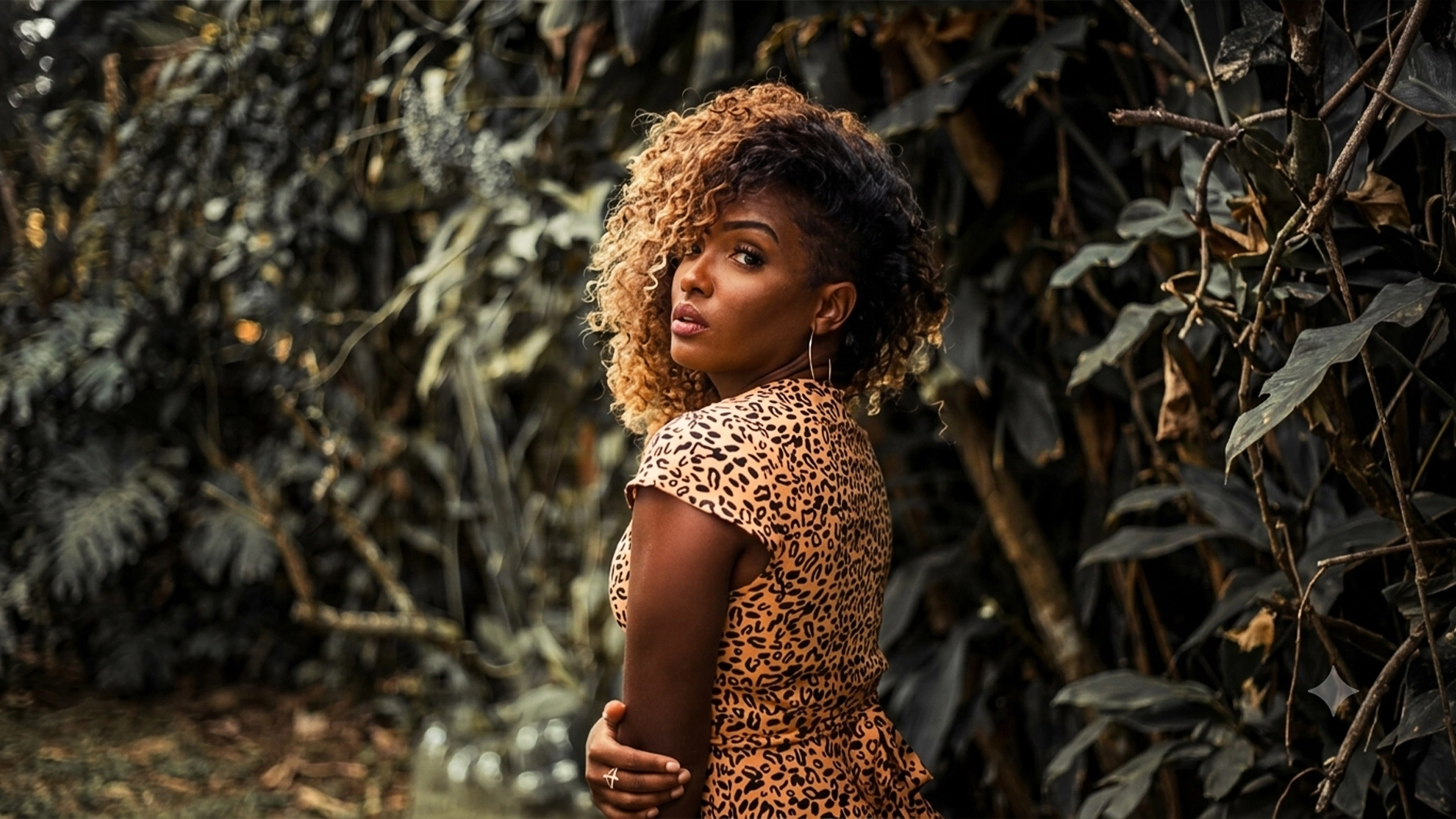
Lagos Stylists Promote Vibrant Hair Colours as Women Embrace Creative Trends

Lagos Fashion Enthusiasts Embrace Timeless Handbags as Style Statements

Environment Minister Urges Increased Investment in Nigeria’s Green Economy Ahead of Global Climate Summit

Gọvanmenti Nigeria Kwupụtara 53 Orù Anyanwụ Maka Ike Ọhụrụ N’iru Afọ 2050
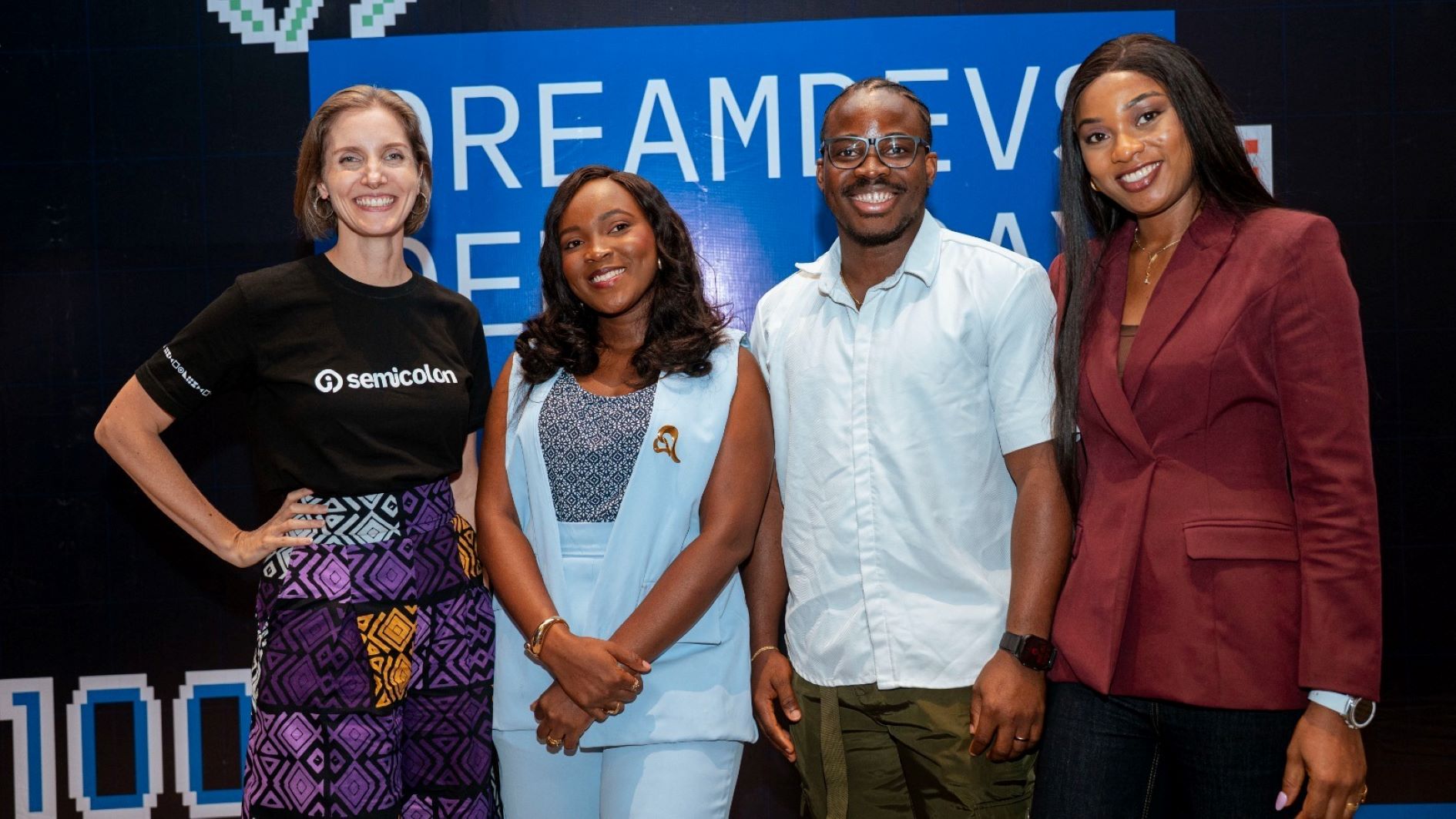
Moniepoint Graduates Second DreamDevs Cohort in Lagos to Strengthen Nigeria’s Engineering Workforce
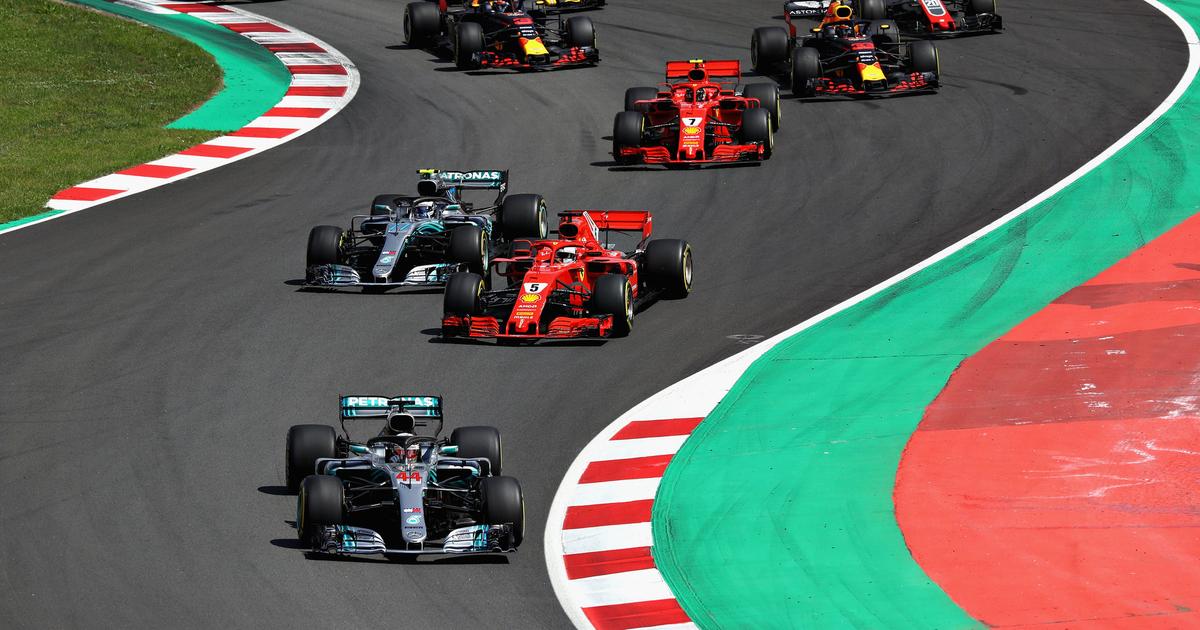
FG Launches $500m Abuja Formula 1 Bid, Targets Africa’s First Grand Prix Since 1993

Fresh Romance Rumours Trail Lando Norris as Alix Earle Sparks Drama in Monaco

Why More Nigerians Are Searching for Casino Bonuses—and What You Should Know Before Claiming
Ụlọ Ọrụ Nigeria Kwupụtara Nsogbu Nchekwa na Ụtụ Isi N’agbanyeghị Ịrị Elu Obi Ike Ahịa
Peter Obi Demands ₦5bn and Public Apology From Kenneth Okonkwo Over Defamation in Lagos

Federal Government Launches Mining Grants for Research and Exploration Across Nigeria