Nigeria News (Standard)
IBB Says Abdulsalami’s Move From Air Force to Army Paved Way for His Emergence as Nigeria’s Leader
Former Military President highlights significance of career switch in shaping Abdulsalami Abubakar’s path to power
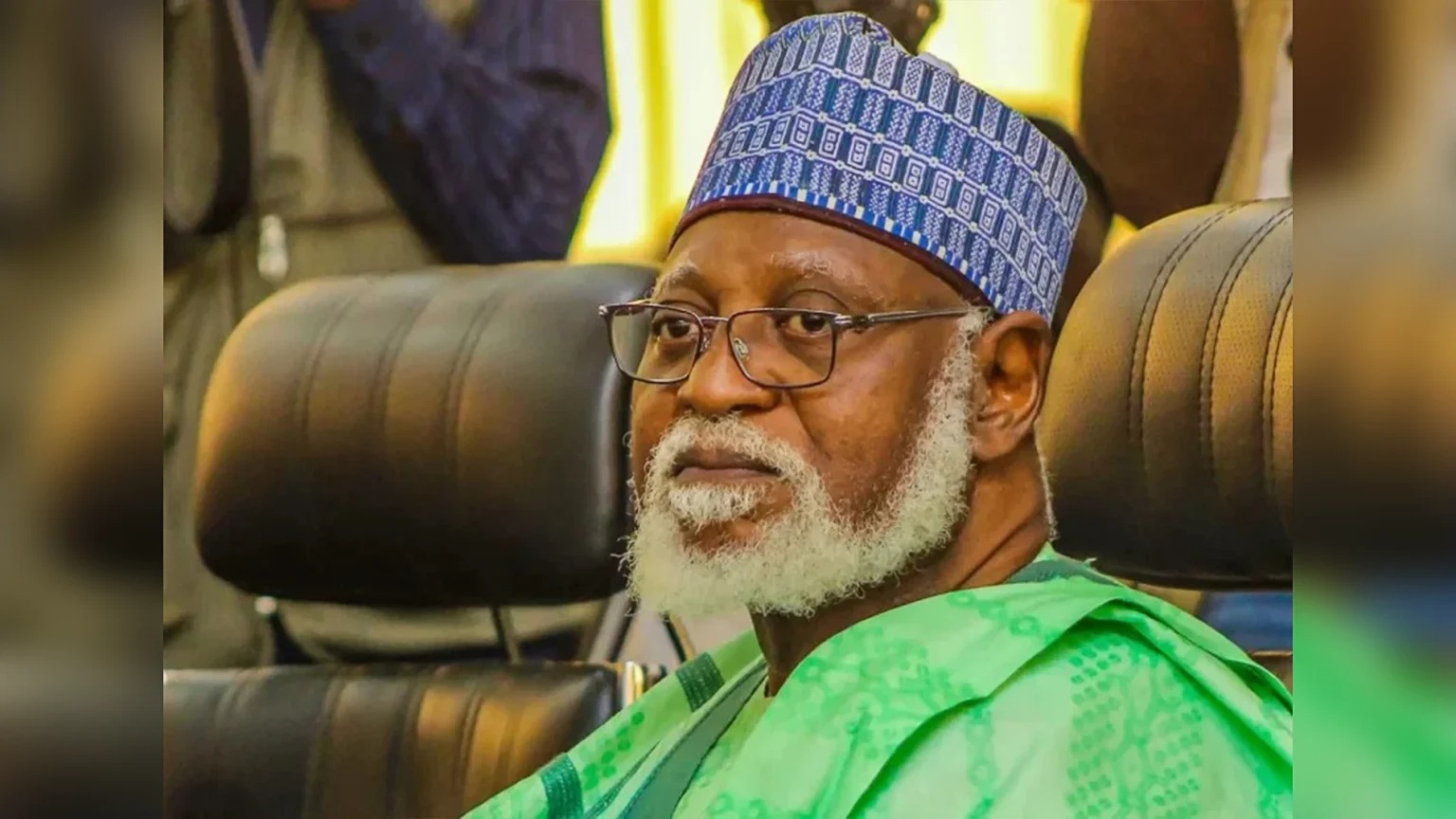
Former Military President highlights significance of career switch in shaping Abdulsalami Abubakar’s path to power
Former Military President Ibrahim Badamasi Babangida (IBB) has stated that the transfer of General Abdulsalami Abubakar from the Nigerian Air Force to the Army was a turning point that divinely positioned him to lead the country. IBB made this assertion while reflecting on Nigeria’s leadership transitions during an event held in Abuja on Tuesday.
According to Babangida, Abdulsalami’s decision early in his military career to switch from the Air Force to the Nigerian Army was instrumental in placing him in a position where he could eventually become Head of State. He described the move as significant, saying it aligned with events that would later require Abdulsalami’s leadership at a crucial period in Nigeria’s history.
The former military leader noted that, while such inter-service transfers were not common at the time, Abdulsalami’s choice proved consequential for national governance years down the line. Babangida emphasised that this development should serve as a reminder of how individual career decisions can have national impact, especially within Nigeria’s security institutions.
Although Babangida did not elaborate further on specific circumstances surrounding Abdulsalami’s rise, his comments come as Nigerians continue to reflect on past transitions and their effects on contemporary governance. At the event, other speakers also highlighted the importance of leadership preparedness and adaptability in the armed forces.
Abdulsalami Abubakar became Nigeria’s Head of State in June 1998 following the death of General Sani Abacha. He oversaw a transition programme that culminated in the handover to civilian rule in 1999. Observers say his background across both military branches contributed to his approach during that critical period. The discussion is expected to fuel further debate about military professionalism and leadership succession within Nigeria.
Nigeria News (Standard)
Shettima Launches 10,000 Electric Tricycles in North-East, Nigerians Question Power Feasibility
Public scepticism grows as government rolls out electric vehicles despite persistent electricity supply and security concerns nationwide
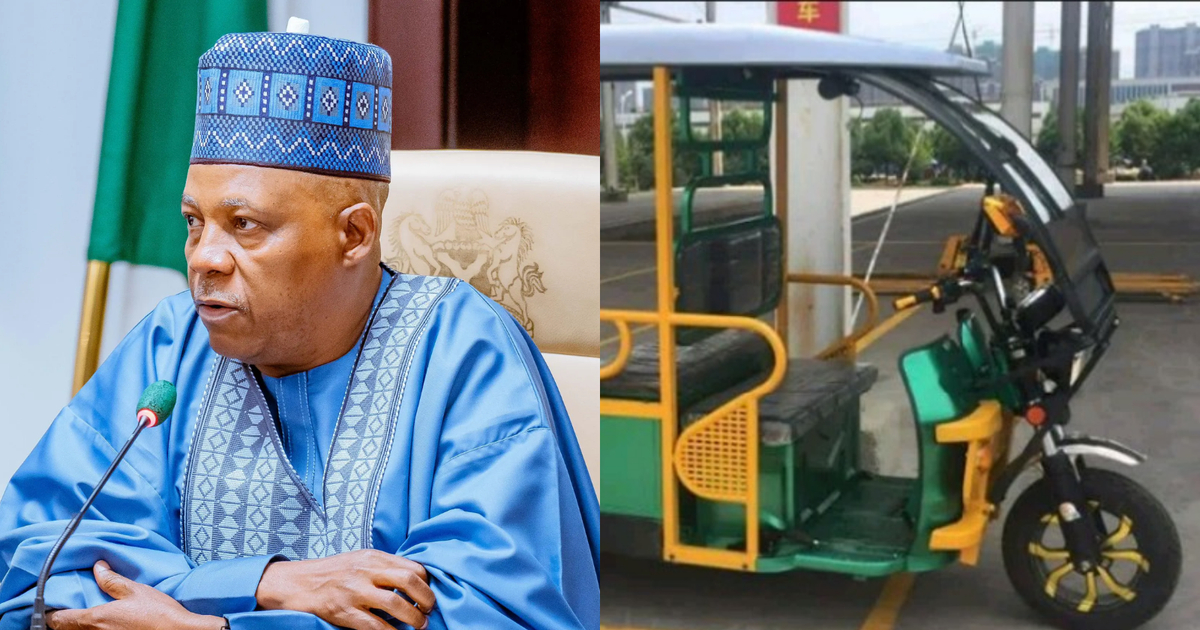
Public scepticism grows as government rolls out electric vehicles despite persistent electricity supply and security concerns nationwide
Vice President Kashim Shettima on Monday announced the deployment of 10,000 electric tricycles beginning August in the North-East, a move government says is aimed at lowering transportation costs and promoting clean energy. The announcement was made during a meeting with members of Transporters for Tinubu/Shettima 2027 at the Presidential Villa, Abuja.
Shettima stated that the North East Development Commission (NEDC) will oversee the initial phase before expanding to other regions through development commissions. He added that President Bola Tinubu (APC) has approved the nationwide rollout as part of broader transport reforms targeting improved logistics and cleaner energy use. “The President has approved the replication of the electric tricycle initiative in other parts of the country through the various regional development commissions,” Shettima said.
However, many Nigerians have voiced doubts about the viability of electric-powered tricycles given Nigeria’s persistent electricity supply issues and ongoing security challenges. Social media users and stakeholders questioned how drivers would reliably charge their vehicles when much of the country still faces regular power outages. Some argued that government should first address electricity generation, insecurity and food production before introducing new electric transport schemes.
Responding to critics, Shettima maintained that transport reforms remain central to government’s agenda. He highlighted ongoing efforts to build an integrated network connecting roads, railways, ports, airports and alternative fuel vehicles. The Vice President also cited progress in deploying Compressed Natural Gas (CNG) vehicles, noting: “We said CNG could cut fuel costs by over 60 per cent… Today, heavy-duty trucks run on Nigerian gas, proving sceptics wrong.”
Technical Adviser to the Vice President on Transportation, Logistics and Innovation, Prince Segun Obayendo, stated that major transport unions have endorsed government’s reforms ahead of the 2027 election. Despite this support from organised labour in transport sectors including aviation, maritime and railways, questions persist over practical implementation. As at now, there is no detailed plan released for how charging infrastructure will be deployed or how security concerns will be addressed for operators in vulnerable areas.
The presidency maintains that investment in clean energy transport like electric tricycles is key to modernising Nigeria’s logistics system and reducing long-term costs for both operators and commuters. Further details on implementation timelines are expected as the pilot phase begins in North-East states.
Nigeria News (Standard)
Tunisia Sacks Lamouchi After Sweden Defeat, Appoints Renard Ahead of 2026 World Cup Qualifiers
Tunisian Football Federation replaces coach following heavy loss to Sweden; Renard tasked with reviving World Cup hopes
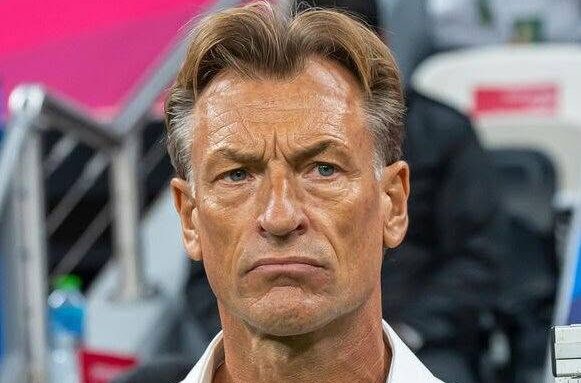
Tunisian Football Federation replaces coach following heavy loss to Sweden; Renard tasked with reviving World Cup hopes
The Tunisian Football Federation has sacked head coach Sabri Lamouchi after the national team suffered a humiliating defeat to Sweden in their latest 2026 FIFA World Cup qualifier. The decision was announced on Tuesday, just days after the match, with officials moving quickly to name French tactician Hervé Renard as Lamouchi’s replacement.
According to the federation, the move comes in response to widespread criticism from fans and stakeholders following Tunisia’s poor performance against Sweden, which left their qualification campaign in doubt. The match, played in Stockholm, ended in a heavy loss for Tunisia and sparked calls for immediate changes within the team’s technical crew.
Lamouchi, who took charge earlier in the year, had been under pressure after a string of disappointing results in both friendlies and competitive fixtures. The federation said it was left with no choice but to act decisively to protect Tunisia’s chances of reaching the 2026 World Cup finals. “We acknowledge the contributions of Sabri Lamouchi but believe a change is needed at this critical stage,” an official statement read.
New coach Hervé Renard is well known on the African continent, having previously managed Zambia and Côte d’Ivoire to Africa Cup of Nations titles. His appointment signals Tunisia’s ambition to qualify for their sixth World Cup appearance. Stakeholders are hopeful that Renard’s experience will bring stability and renewed energy to the squad ahead of their remaining qualifiers.
The federation has urged supporters to rally behind the team as preparations begin for upcoming fixtures. Analysts say Renard faces a tough task rebuilding confidence among players and fans alike. Further changes to technical staff are expected as he settles into his new role.
Nigeria News (Standard)
FG Arraigns 227 Suspected Boko Haram Members in Abuja as Mass Terrorism Trials Begin
Federal High Court proceedings mark Nigeria’s largest terrorism prosecution; some suspects already sentenced to jail terms
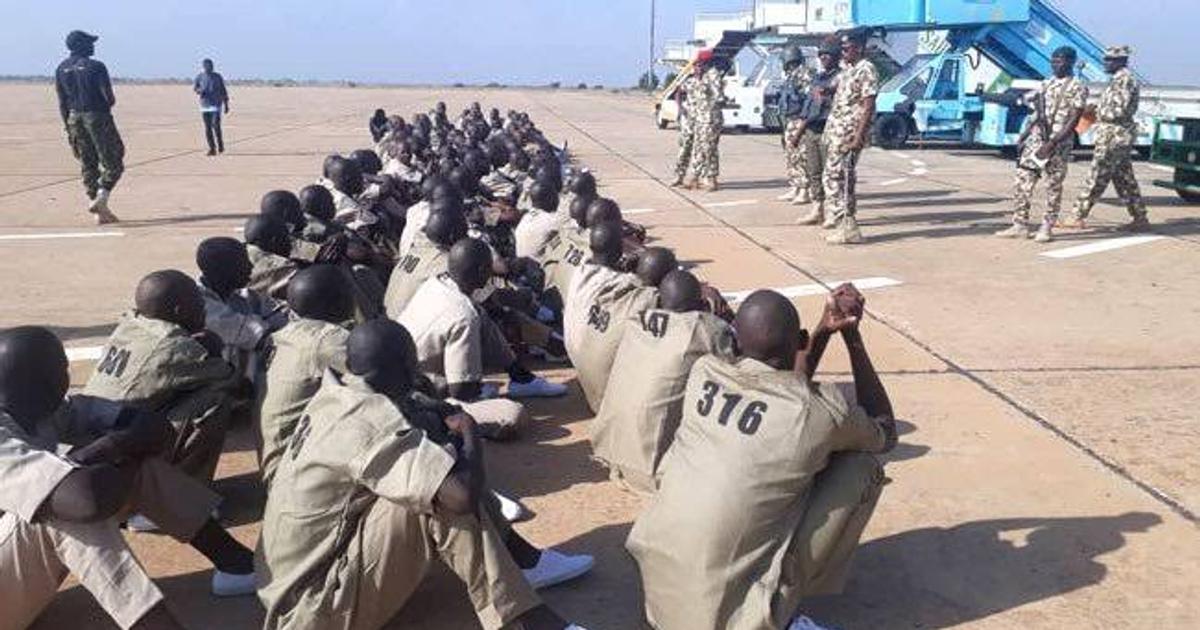
Federal High Court proceedings mark Nigeria’s largest terrorism prosecution; some suspects already sentenced to jail terms
The Federal Government has commenced the mass prosecution of more than 500 suspected Boko Haram and Islamic State West Africa Province (ISWAP) members in Abuja, with the arraignment of 227 defendants before the Federal High Court on Monday. This marks the ninth phase of terrorism trials since the insurgency began over a decade ago.
According to Attorney-General of the Federation and Minister of Justice, Lateef Fagbemi (SAN), ten judges have been assigned to handle the cases, which involve charges such as terrorism financing, provision of logistics support, membership of terrorist groups, and supplying food and materials to insurgents. Proceedings were relocated from Kainji in Niger State to Abuja for logistical reasons. The Legal Aid Council is representing the defendants, while both national and international observers are monitoring the process.
This development comes after years of calls by human rights groups and legal experts for more transparent and expedited trials for thousands detained during counterinsurgency operations. The Boko Haram conflict, mainly affecting Borno, Yobe and Adamawa states in Nigeria’s North-East, has led to thousands of deaths and displaced millions across Nigeria and neighbouring countries including Niger, Chad and Cameroon.
Fagbemi said the ongoing trial phase demonstrates government’s resolve to ensure justice for victims while upholding due process. “This process will strengthen national security and reinforce rule of law in our fight against terrorism,” he stated at a press briefing in Abuja. Reports indicate several suspects have already pleaded guilty during proceedings, resulting in convictions with prison sentences ranging from seven to twenty years. Others have been ordered into rehabilitation and deradicalisation programmes.
Officials say subsequent phases will continue as authorities address outstanding terrorism-related cases across the country. The Federal Government has expressed confidence that these prosecutions will support efforts to restore peace in affected communities. Opposition leaders could not be immediately reached for comment on Monday.
Shettima Launches 10,000 Electric Tricycles in North-East, Nigerians Question Power Feasibility
Tunisia Sacks Lamouchi After Sweden Defeat, Appoints Renard Ahead of 2026 World Cup Qualifiers
FG Arraigns 227 Suspected Boko Haram Members in Abuja as Mass Terrorism Trials Begin
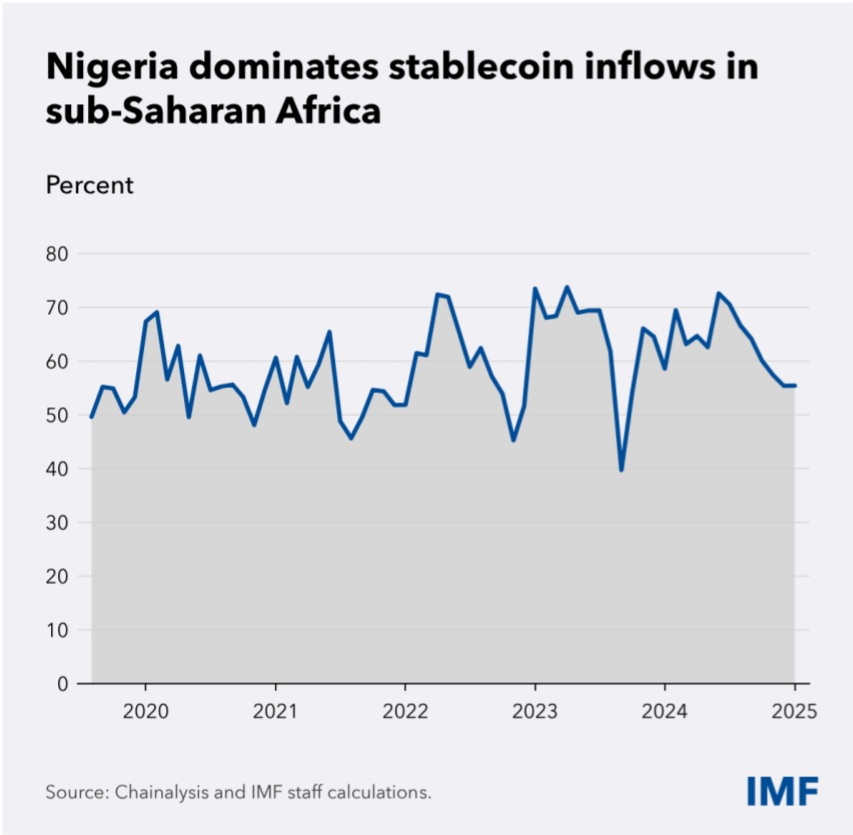
IMF Kwupụtara Na $59bn Ego Crypto Batara Nigeria Putara Ihe Ọgụgụ Isi Maka Usoro Ọchịchị Ego
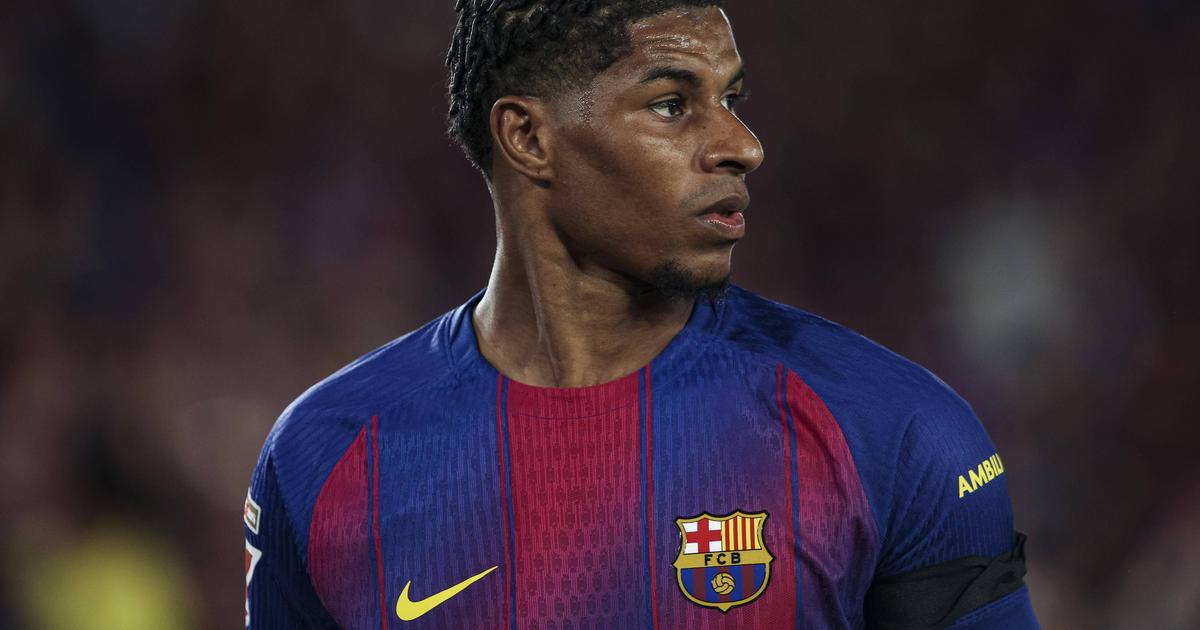
Carrick Set to Welcome Rashford Back After Barcelona Transfer Move Falls Through
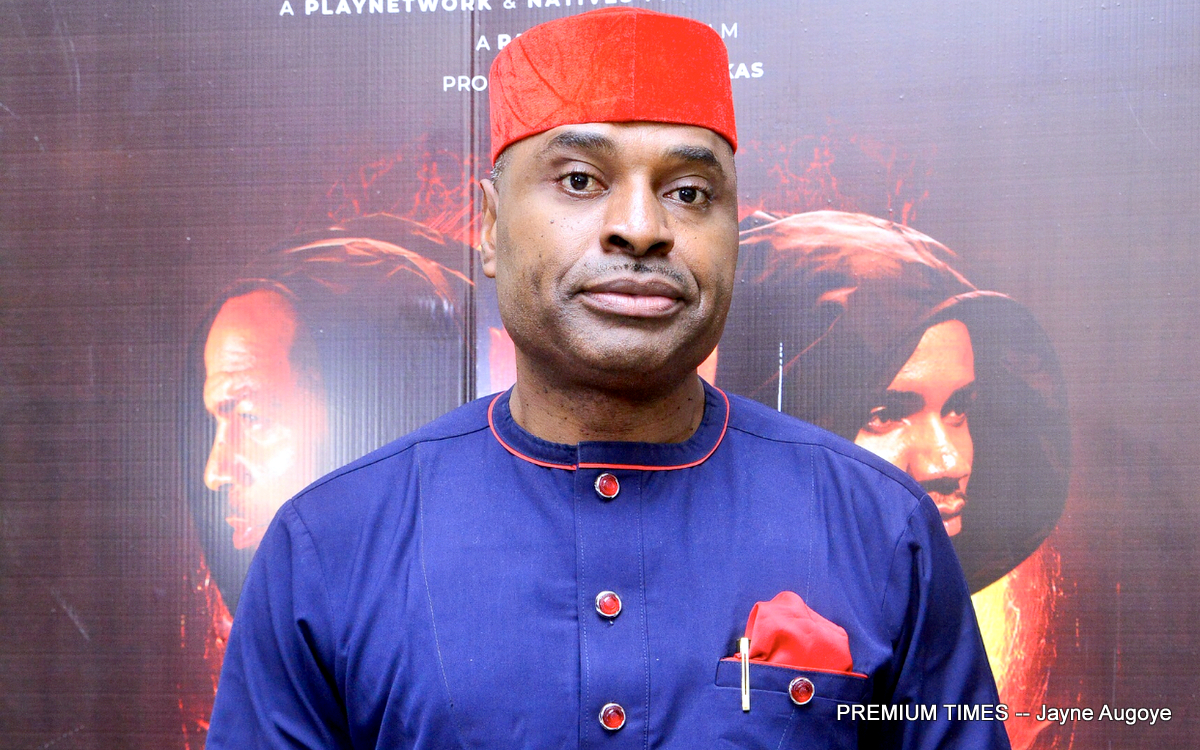
ADC’s Okonkwo Rejects Amaechi as Atiku’s Running Mate in 2026 Presidential Race
NYSC Raises Alarm Over Security Risks in Katsina Orientation Camp

Elon Musk Surpasses $1.3 Trillion Net Worth as SpaceX Stock Soars After IPO
Lagos-Based United Capital Acquires 5% Stake in Nigerian Exchange Group

No Score, No Trophy: FIFA Faces Backlash Over Reported Trump World Cup Move
Environment Minister Urges Increased Investment in Nigeria’s Green Economy Ahead of Global Climate Summit

Moniepoint Graduates Second DreamDevs Cohort in Lagos to Strengthen Nigeria’s Engineering Workforce

Gọvanmenti Nigeria Kwupụtara 53 Orù Anyanwụ Maka Ike Ọhụrụ N’iru Afọ 2050

Fresh Romance Rumours Trail Lando Norris as Alix Earle Sparks Drama in Monaco
FG Launches $500m Abuja Formula 1 Bid, Targets Africa’s First Grand Prix Since 1993

Why More Nigerians Are Searching for Casino Bonuses—and What You Should Know Before Claiming
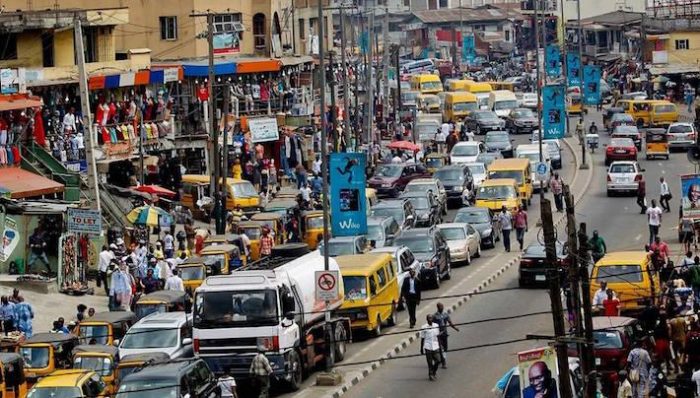
Ụlọ Ọrụ Nigeria Kwupụtara Nsogbu Nchekwa na Ụtụ Isi N’agbanyeghị Ịrị Elu Obi Ike Ahịa
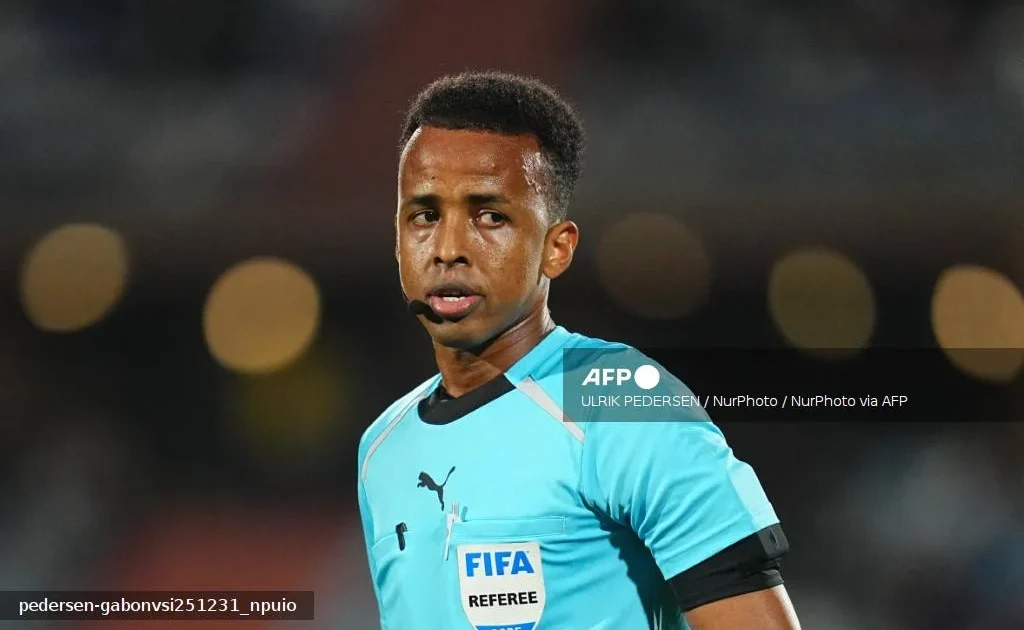
Somali Referee Omar Artan Blocked From US World Cup Over Visa Row, Misses Dream Debut
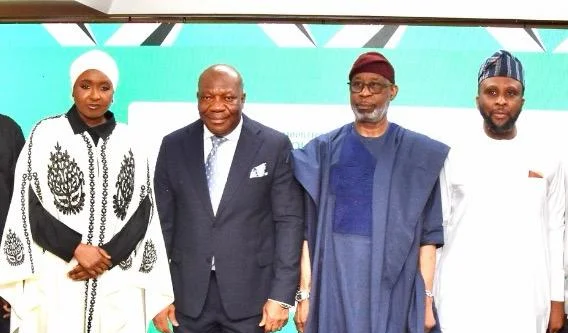
Federal Government Launches Mining Grants for Research and Exploration Across Nigeria