Nigeria News (Standard)
CBN Directs Banks, Fintechs to Disclose Owners and Store Payment Data in Nigeria
New policy aims to strengthen financial transparency; operators required to keep all customer payment records within the country
New policy aims to strengthen financial transparency; operators required to keep all customer payment records within the country
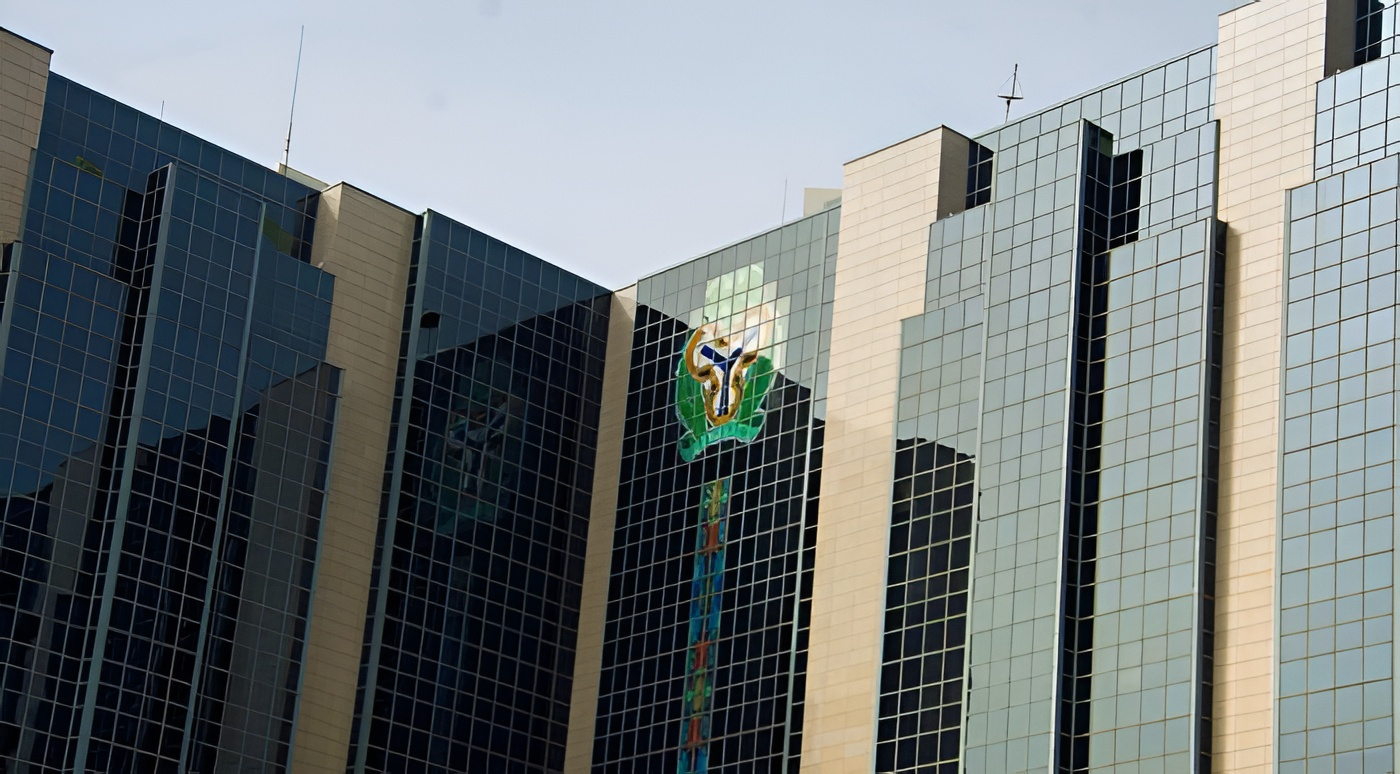
The Central Bank of Nigeria (CBN) has issued a directive mandating all banks and fintech companies operating nationwide to disclose the identities of their owners and ensure that customer payment data is stored within Nigeria. The announcement was made on Tuesday, 16 June, as part of ongoing efforts to enhance transparency and security across the financial sector.
According to the CBN, financial institutions must now provide detailed information on their ownership structure and refrain from hosting payment data outside Nigeria’s borders. The apex bank stated that these measures are designed to reinforce regulatory oversight, improve consumer protection, and prevent illicit financial activities in the rapidly growing fintech industry.
This move comes amid heightened concerns over data privacy and the increasing role of digital platforms in Nigeria’s banking ecosystem. With a surge in online transactions and new entrants into the payments space, industry analysts say the CBN’s latest rules are aimed at addressing potential risks relating to money laundering, fraud, and unauthorised access to sensitive information.
The CBN emphasised that compliance would be strictly monitored, warning that any bank or fintech found violating the new requirements faces sanctions. Operators are expected to update their systems accordingly and submit ownership disclosures by the stipulated deadline. Financial sector stakeholders have been urged to align with these directives to maintain public confidence in Nigeria’s digital payments landscape.
Further details on implementation timelines and specific technical requirements are expected from the CBN in subsequent circulars.
Nigeria News (Standard)
Malaysian Platform Winbox Launches Live FIFA World Cup 2026 Streaming and Betting
Platform offers real-time match streaming, live betting, and rewards for Malaysian fans during ongoing FIFA tournament season

Platform offers real-time match streaming, live betting, and rewards for Malaysian fans during ongoing FIFA tournament season
Winbox, an online gaming platform, has introduced live streaming of FIFA World Cup 2026 matches alongside in-play betting features for Malaysian football fans this June. The initiative aims to enhance fan engagement during the global tournament, allowing users to watch matches and place bets seamlessly on their mobile devices or computers.
According to details released by the company on Sunday, Winbox now streams every fixture of the World Cup—from group stages through knockout rounds—directly on its platform. This service is designed for mobile-first access, with features that ensure quick loading and stable video quality whether users are at home or in public venues such as mamak restaurants. Previously, fans had to switch between separate streaming and betting apps to follow matches and place bets.
The new offering also integrates real-time betting markets that update as matches progress. Fans can respond instantly to major developments on the pitch—such as red cards or penalties—by placing or adjusting their bets without leaving the live stream. Winbox stated that its system is optimised to handle heavy traffic during peak match times when national interest is high.
In addition to live features, Winbox has launched a FIFA Points promotion exclusive to the World Cup period. Registered users can accumulate points through regular engagement on the platform, with new members receiving bonus points upon signing up. These points can be redeemed for various prizes during the tournament window. Registration reportedly takes under two minutes, giving users immediate access to all live features and promotions.
Winbox’s management said the combined experience of streaming, live betting, and rewards makes this year’s World Cup unique for Malaysian users. The company emphasised that these services are available only during the tournament period, encouraging fans to register early for maximum benefit.
Nigeria News (Standard)
Oshiomhole Says APC Sacked Him as National Chairman via Zoom Meeting at Presidential Villa
Former Edo governor alleges court orders and internal party moves led to his removal after 2019 electoral victories
Former Edo governor alleges court orders and internal party moves led to his removal after 2019 electoral victories
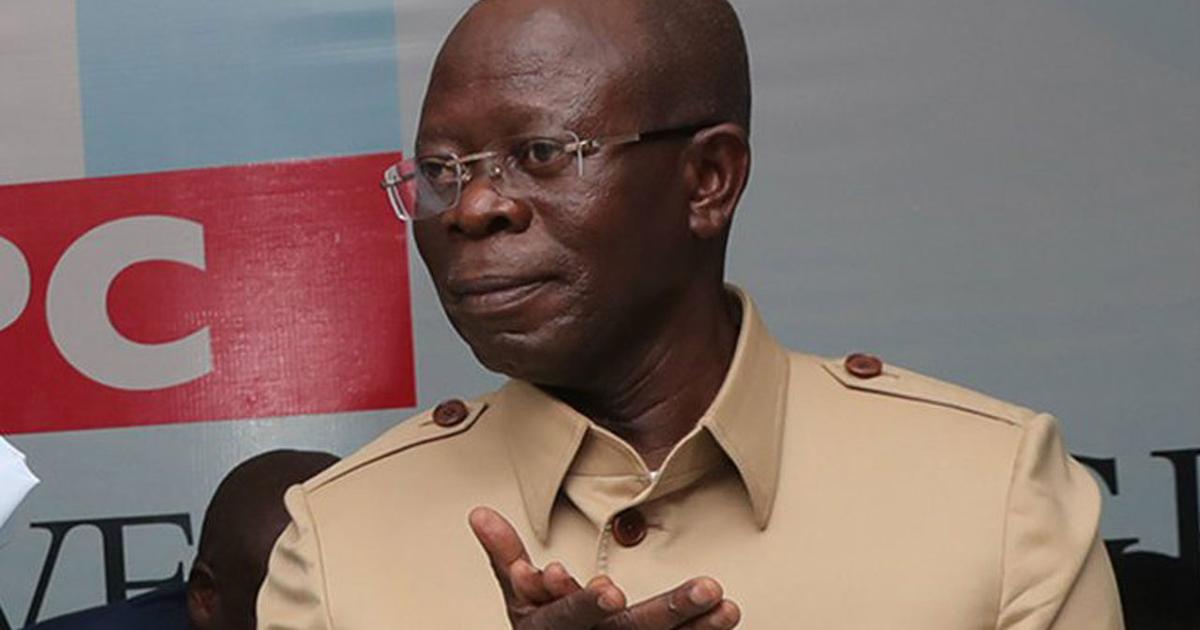
Former National Chairman of the All Progressives Congress (APC), Adams Oshiomhole, has revealed that he was removed from office through a virtual National Executive Council (NEC) meeting held via Zoom at the Presidential Villa in Abuja. Oshiomhole, who now represents Edo North Senatorial District, made this known during an interview on AIT aired on Sunday, 16 June 2026.
Oshiomhole explained that his ouster in June 2020 came after he led the APC to a second-term victory for President Muhammadu Buhari and resolved leadership disputes within the National Assembly. According to him, moves to remove him began with a petition allegedly signed by eight members of his ward in Edo State, which was followed by a series of court cases and interim orders that paved the way for his suspension.
He said, “I led my party to victory under Buhari. With my colleagues in the National Working Committee, we were able to fix the leadership tussle of the National Assembly, both Senate and House of Representatives effortlessly. Our president didn’t have to run around the country; we did all the marketing and persuasion needed.” Oshiomhole alleged that after stabilising the party, aggrieved members resorted to court actions when they could not remove him democratically. “Once the system got stabilised, I was sacked through a Zoom. When people couldn’t get me removed democratically, they claimed eight members of my ward passed a vote of no confidence on me. Based on that, they went to court and obtained an interim order.”
The former Edo State governor further stated that although he appealed against the suspension order and initially won at the Court of Appeal, the same court later reversed itself three weeks later. He recounted how, shortly after this reversal, an unprecedented NEC meeting was convened virtually at the Villa where his removal was formalised.
Oshiomhole’s exit marked a significant turning point for APC leadership. The party’s NEC subsequently dissolved its National Working Committee and set up a Caretaker/Extraordinary Convention Planning Committee to oversee party affairs amid ongoing internal divisions. His latest statements offer fresh perspective on one of Nigeria’s most dramatic recent political shake-ups.
At press time, no official response had been issued by current APC national officers regarding Oshiomhole’s account.
Nigeria News (Standard)
FG Approves Digital Address System for All Nigerian Buildings, Targets Rollout in October 2026
Communications Minister Tijani says initiative will boost security, curb fraud and improve service delivery nationwide

Communications Minister Tijani says initiative will boost security, curb fraud and improve service delivery nationwide
The Federal Government has announced plans to assign a unique digital address to every building across Nigeria, in a move officials say will tackle fraud, insecurity and poor logistics nationwide. The rollout of the National Digital Alphanumeric Postcode System is set to begin with selected states in October 2026, according to the Ministry of Communications, Innovation and Digital Economy.
The new addressing system will see all residential, commercial and public buildings across the country assigned a distinct alphanumeric code linked to their precise geographic coordinates. Authorities say this will replace the current reliance on vague descriptions and popular landmarks—such as ‘opposite the filling station’—which often hinder emergency response, deliveries and security investigations.
Minister of Communications, Innovation and Digital Economy, Dr. Bosun Tijani, said the platform is being developed in partnership with the Nigerian Postal Service (NIPOST) using Geographic Information System (GIS) technology. “This digital addressing system will provide a reliable national location framework for security agencies, businesses and government institutions,” Tijani stated at a press briefing. He added that agencies like the Nigeria Police Force, EFCC, ICPC and DSS would benefit from improved ability to trace suspects and strengthen investigations involving fraud or other crimes.
Officials argue that Nigeria’s outdated addressing system has contributed to billions of naira in annual losses due to failed deliveries and inefficiencies in moving goods and services. NIPOST projects that standardising addresses will also boost e-commerce deliveries, postal services, transportation planning and access to essential government services. Responding to concerns over privacy, government representatives stressed that address-related data will be protected by existing data privacy laws.
With phase one scheduled for October 2026 before a nationwide expansion, stakeholders see the initiative as one of the most ambitious attempts yet to unify Nigeria’s national addressing framework. The opposition could not be immediately reached for comment on the announcement.
Malaysian Platform Winbox Launches Live FIFA World Cup 2026 Streaming and Betting
Oshiomhole Says APC Sacked Him as National Chairman via Zoom Meeting at Presidential Villa
FG Approves Digital Address System for All Nigerian Buildings, Targets Rollout in October 2026

Scaloni Makes Key Messi Decision Ahead of Argentina’s World Cup Clash With Algeria

Emeka Ike Sues INEC, Wike’s Aide in Abuja Over ₦10bn Voter Data Leak

Manufacturers Association Opposes Federal Ban on Single-Use Plastics in Lagos, Warns of Higher Costs

NIPOST Approves Digital Postcode Model Ahead of Nationwide Launch

Lagos’ Ayo Animashaun Moves Headies Awards to Toronto for 20th Anniversary Edition
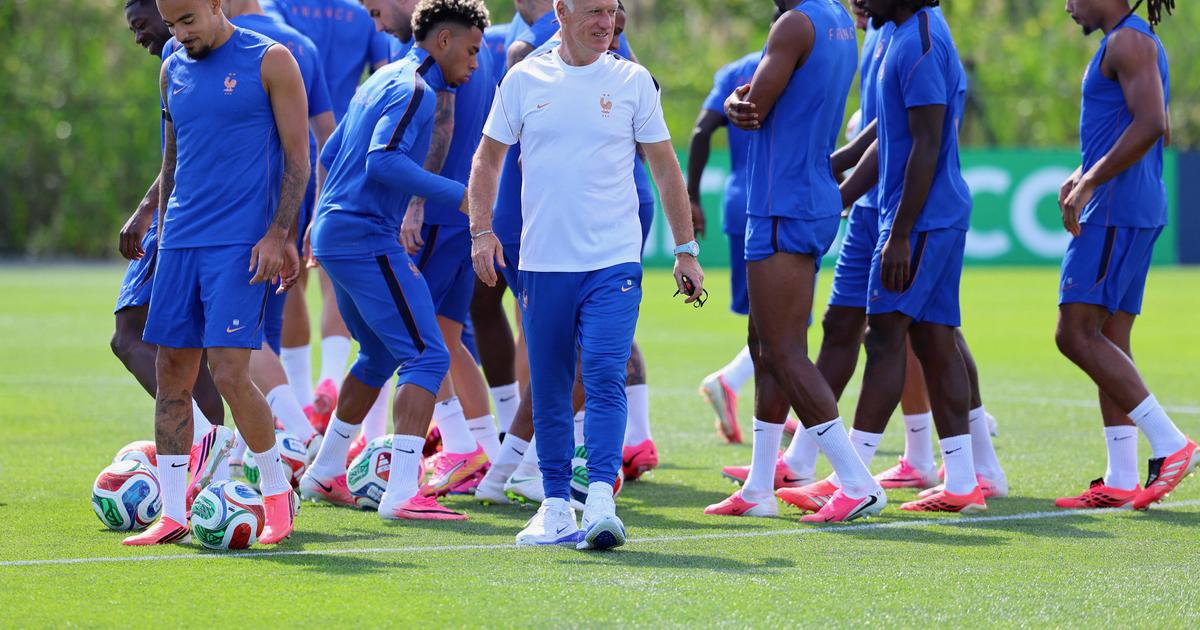
France Coach Deschamps Labels Senegal ‘Very High-Level Opponent’ Ahead of World Cup Opener
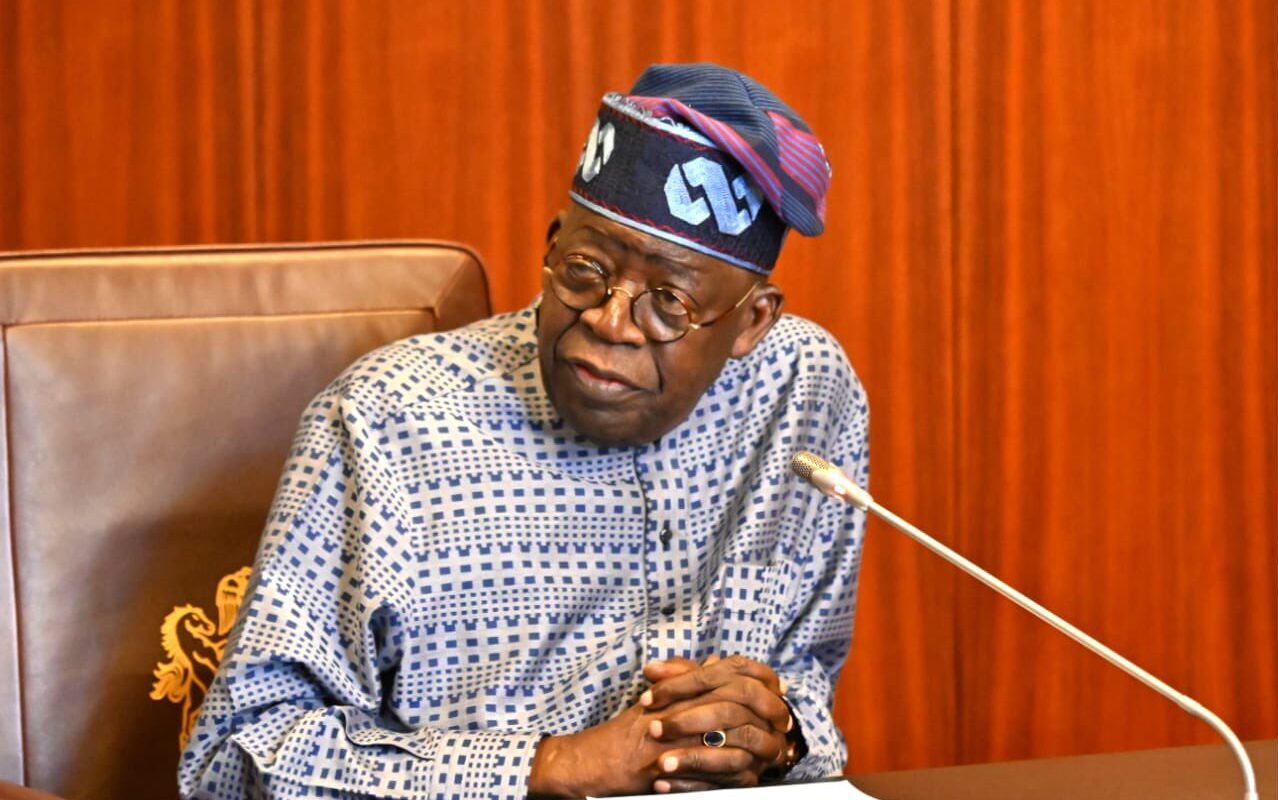
Tinubu Urges Judges to Deliver Swift Justice in Warri Federal Constituency
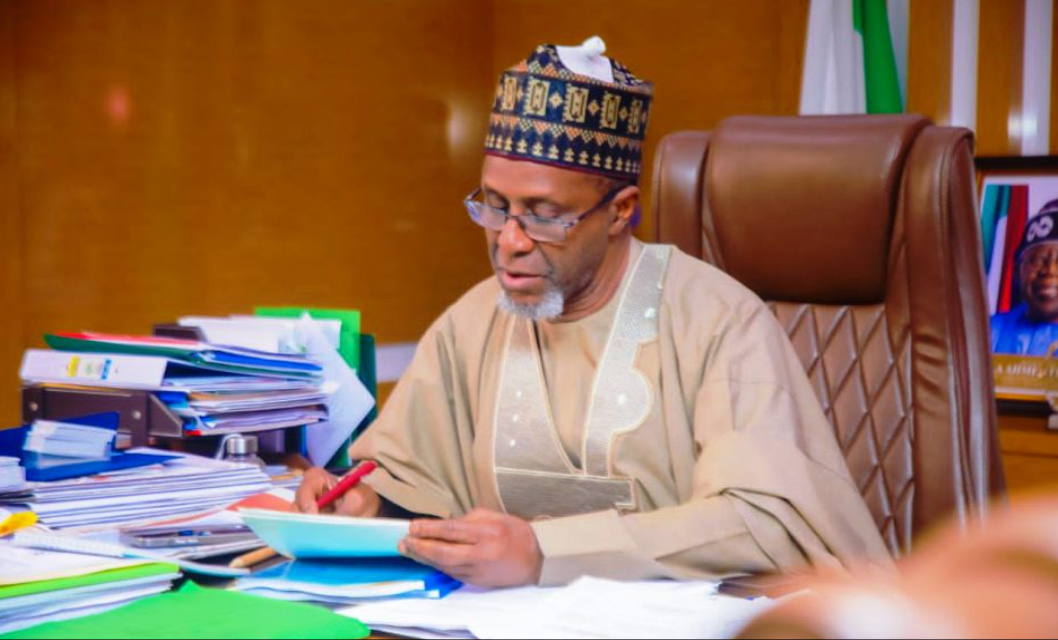
Environment Minister Urges Increased Investment in Nigeria’s Green Economy Ahead of Global Climate Summit

Moniepoint Graduates Second DreamDevs Cohort in Lagos to Strengthen Nigeria’s Engineering Workforce

Gọvanmenti Nigeria Kwupụtara 53 Orù Anyanwụ Maka Ike Ọhụrụ N’iru Afọ 2050

Fresh Romance Rumours Trail Lando Norris as Alix Earle Sparks Drama in Monaco

FG Launches $500m Abuja Formula 1 Bid, Targets Africa’s First Grand Prix Since 1993

Why More Nigerians Are Searching for Casino Bonuses—and What You Should Know Before Claiming

Ụlọ Ọrụ Nigeria Kwupụtara Nsogbu Nchekwa na Ụtụ Isi N’agbanyeghị Ịrị Elu Obi Ike Ahịa
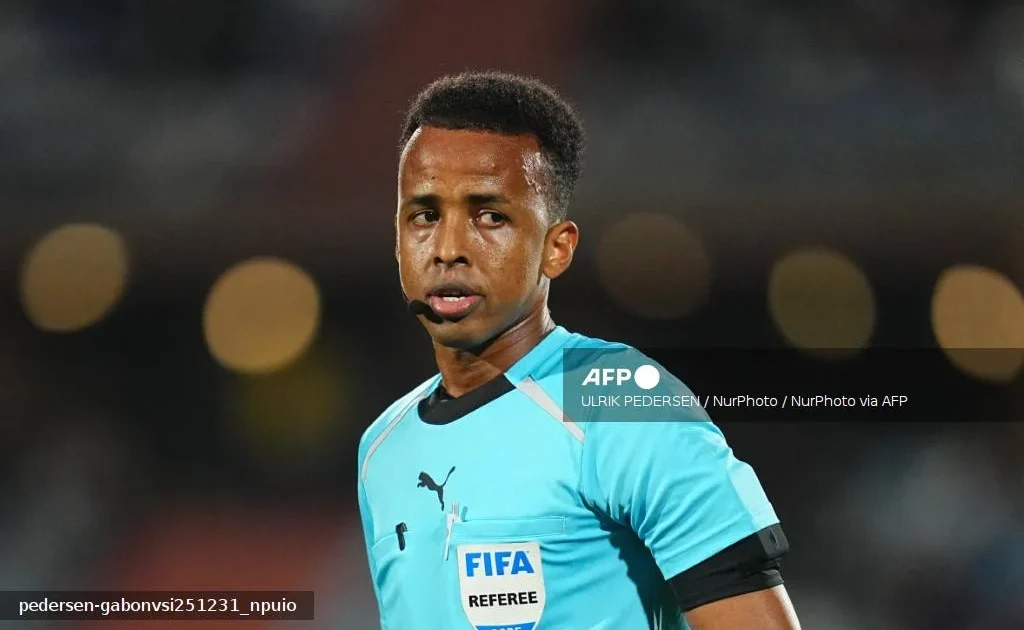
Somali Referee Omar Artan Blocked From US World Cup Over Visa Row, Misses Dream Debut
Federal Government Launches Mining Grants for Research and Exploration Across Nigeria