Nigeria News (Standard)
Nigeria’s PDP, Labour Party Face Internal Struggles as 2027 Elections Approach
Factional disputes and leadership tussles weaken opposition parties, raising concerns over their ability to counter APC dominance
Factional disputes and leadership tussles weaken opposition parties, raising concerns over their ability to counter APC dominance
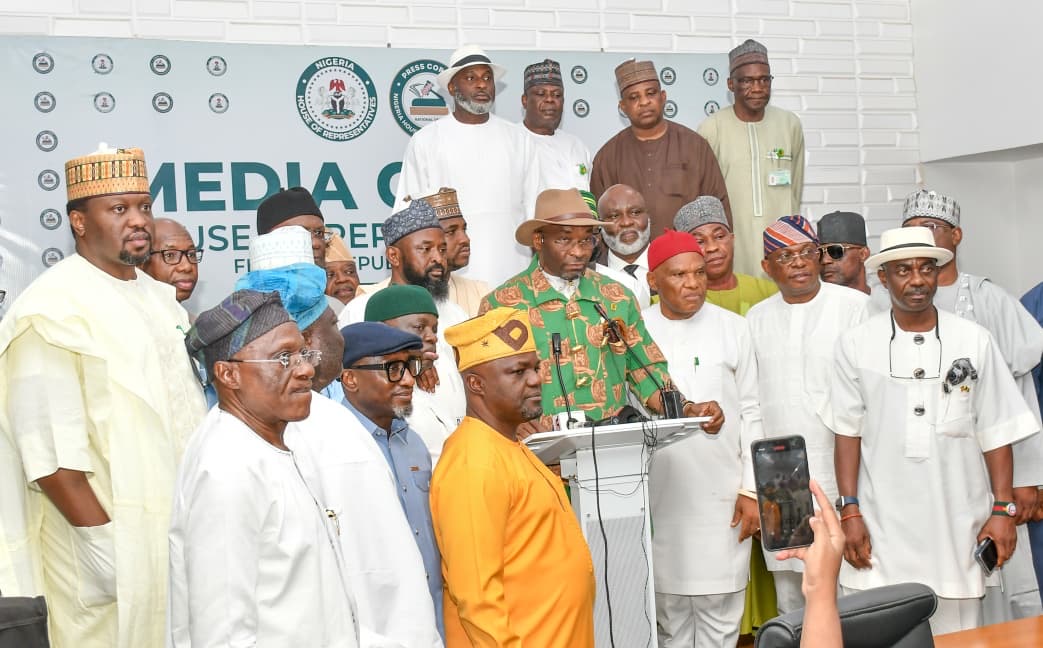
Nigeria’s main opposition parties are grappling with internal divisions, raising questions about their readiness to present a united front against the ruling All Progressives Congress (APC) ahead of the next general elections. The People’s Democratic Party (PDP) and Labour Party (LP), which both challenged APC’s hold on power in the last polls, are now facing leadership disputes and factional infighting across several states.
The crisis within the PDP has deepened, with parallel party congresses held in key states and rival factions laying claim to national leadership positions. In some states, chieftains loyal to different camps have openly disagreed over control of party structures, further eroding public confidence in the opposition’s ability to offer credible alternatives. Meanwhile, the Labour Party is also contending with its own internal disputes, including court cases over national chairmanship and conflicting declarations from state chapters.
These developments come at a time when many Nigerians are expressing dissatisfaction with economic conditions and governance issues under the APC-led federal administration. Political analysts say that a divided opposition could weaken checks on government power and limit voters’ choices in future elections. “A strong opposition is vital for democracy,” one analyst noted, warning that persistent internal wrangling may reduce the parties’ electoral chances.
In response to recent developments, senior members of both PDP and LP have called for reconciliation and urged stakeholders to put aside personal interests for the sake of party unity. However, some aggrieved members have threatened to decamp or initiate legal actions if ongoing disputes remain unresolved. Efforts by national executives to broker peace have so far yielded limited results.
With less than two years until the 2027 general elections, political observers say time is running out for Nigeria’s major opposition parties to resolve their differences and mount a formidable challenge against APC dominance at both national and state levels.
Nigeria News (Standard)
NSA Ribadu Says Nigeria’s Porous Borders Fuel Terrorism, Outlines New Security Measures
National Security Adviser highlights ongoing efforts to secure border regions, links weak surveillance to rising insurgency threats
National Security Adviser highlights ongoing efforts to secure border regions, links weak surveillance to rising insurgency threats
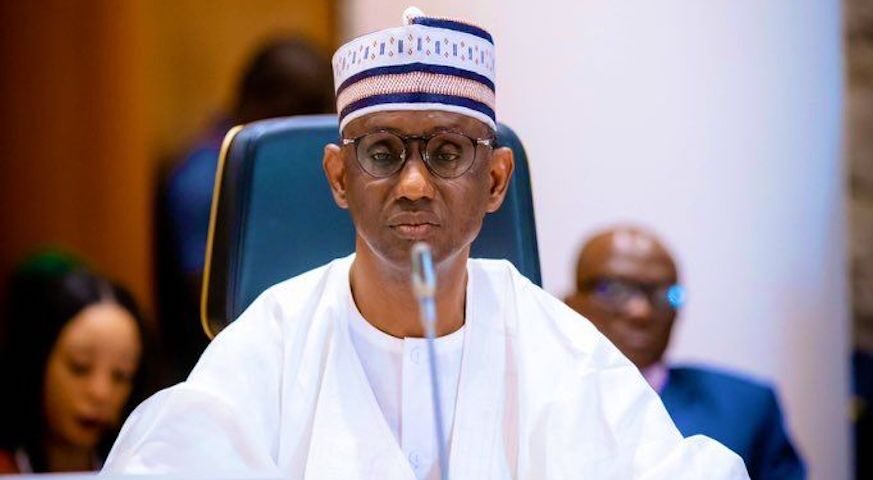
Nigeria’s National Security Adviser, Nuhu Ribadu, has identified the country’s porous borders as a major factor fuelling terrorism and insecurity nationwide. Ribadu made this statement in Abuja on Tuesday, stressing that uncontrolled entry points have enabled armed groups and criminal elements to operate with ease across several regions.
Ribadu explained that the federal government is implementing fresh strategies to curb illegal cross-border movements and address the rising threat of terrorism. According to him, security agencies are working together to enhance surveillance and patrols in border communities, especially in northern states most affected by insurgency. The NSA noted that new technologies for monitoring and data collection are being deployed as part of a broader border management programme.
Border security has remained a significant challenge for Nigeria due to its expansive land boundaries stretching over thousands of kilometres with neighbouring countries such as Niger, Chad, Cameroon, and Benin Republic. The unchecked flow of arms, drugs and fighters has compounded insecurity in border areas, contributing to attacks on civilians and displacement of residents.
“The open nature of our borders is a key enabler for terrorists,” Ribadu said while addressing stakeholders on Tuesday. He assured that President Bola Tinubu’s administration is prioritising improved coordination among security agencies and investing in intelligence gathering to stem the tide of cross-border crimes. Ribadu added that the government is engaging with regional partners to strengthen joint patrols and information sharing.
Security experts have consistently called for more robust border controls to complement military operations against armed groups. While welcoming government’s renewed focus, some analysts argue that community engagement and economic support for border communities are also crucial in reducing local collaboration with criminal elements.
The federal government is expected to roll out further details on its new border security framework in the coming weeks as part of ongoing efforts to tackle insurgency, banditry and other transnational crimes.
Nigeria News (Standard)
Nigeria Eyes Broader 5G Rollout as Global Subscriptions Hit 3.1 Billion
Telecoms sector in Africa expected to expand adoption, with Nigerian operators citing economic benefits and digital inclusion

Telecoms sector in Africa expected to expand adoption, with Nigerian operators citing economic benefits and digital inclusion
Global subscriptions to fifth-generation (5G) mobile networks have reached 3.1 billion, with Nigeria and other African countries intensifying efforts towards broader adoption of the technology. This milestone was highlighted in a recent industry report released on Tuesday, which showed significant growth in mobile broadband worldwide.
According to the findings, while North America, Europe and parts of Asia remain the largest markets for 5G services, Africa is now focusing on bridging the gap through improved infrastructure and regulatory support. In Nigeria, major telecom operators are increasing investments in network upgrades, aiming to boost connectivity in urban centres like Lagos and Abuja, as well as underserved rural areas.
The report emphasised that wider 5G deployment could deliver major economic benefits across Nigeria and the continent, especially in key sectors such as fintech, e-commerce and health. “Broader access to high-speed internet will strengthen digital inclusion and help drive innovation in Nigeria’s economy,” the document noted. However, it also pointed out challenges including limited spectrum availability and high deployment costs facing African operators.
Industry stakeholders say government support is crucial for accelerating 5G adoption. A senior executive at one of Nigeria’s largest telecom firms said: “We are ready to scale up our infrastructure if the right policies are in place.” The executive added that public-private partnerships could help address funding gaps and speed up rollout across all states.
With global figures showing sustained growth in mobile broadband usage, experts predict that Africa’s share of the 5G market will continue rising over the next five years. Nigerian regulators are expected to announce new guidelines soon to facilitate further investments by telecoms companies.
Nigeria News (Standard)
DJ Cuppy Rejects Nigerian Suitors, Cites Pressure of Being Otedola’s Daughter
Popular DJ says Lagos relationships come with suspicion as billionaire father’s status affects genuine connections

Popular DJ says Lagos relationships come with suspicion as billionaire father’s status affects genuine connections
Popular Nigerian disc jockey and media personality, Florence Otedola, known as DJ Cuppy, has said she is no longer interested in marrying a Nigerian man due to her experiences dating as the daughter of billionaire businessman Femi Otedola. The statement was made in Lagos during a resurfaced interview that has drawn fresh attention to her relationship history and challenges faced by high-profile women in Nigeria.
According to DJ Cuppy, her last relationship with a Nigerian partner revealed that the individual seemed more interested in meeting her father than building a genuine romantic bond. “I can never marry a Nigerian. The last Nigerian I dated was already asking me when he could meet my dad. I don’t even think they actually like me,” she said, reflecting on the impact of her family background on her personal life.
Cuppy explained that being Otedola’s daughter makes it difficult to identify those who are truly interested in her as a person rather than for what her name represents. She noted, “I want someone to love me and be happy. I’m constantly under my dad’s shadow; I want to be with someone who doesn’t care about my dad.” The DJ further stated that her father does not have any preference regarding the nationality of her future spouse, only wishing for her happiness and eventual marriage.
The interview has also revived discussions around Cuppy’s past high-profile relationships, notably with British boxer Ryan Taylor. Their engagement in 2022 ended in 2023, with public exchanges highlighting the strain caused by fame and wealth. Taylor had previously alleged on a podcast that Cuppy discouraged him from hiring Nigerian staff and felt uncomfortable around Nigerian fans—a claim that resurfaced after her recent comments but was not directly addressed by Cuppy at the time.
Before Taylor, Cuppy had dated Davido’s manager Asa Asika and footballer Victor Anichebe. She has since said she now prefers partners outside celebrity circles—people with regular jobs who are less likely to be influenced by the spotlight attached to her surname. As at now, DJ Cuppy continues to focus on her career while expressing support for her sister Temi Otedola’s relationship with musician Mr Eazi.
Source: https://www.pulse.ng/story/dj-cuppy-no-nigerian-marriage-past-relationships-2026061612435088387

No Match, No Drama: Key Details Missing as Malaysian Betting Platform Claims Spotlight
NSA Ribadu Says Nigeria’s Porous Borders Fuel Terrorism, Outlines New Security Measures
Nigeria Eyes Broader 5G Rollout as Global Subscriptions Hit 3.1 Billion
DJ Cuppy Rejects Nigerian Suitors, Cites Pressure of Being Otedola’s Daughter
Zamfara Bomb Explosion Kills Three Police Officers in Northwest Nigeria
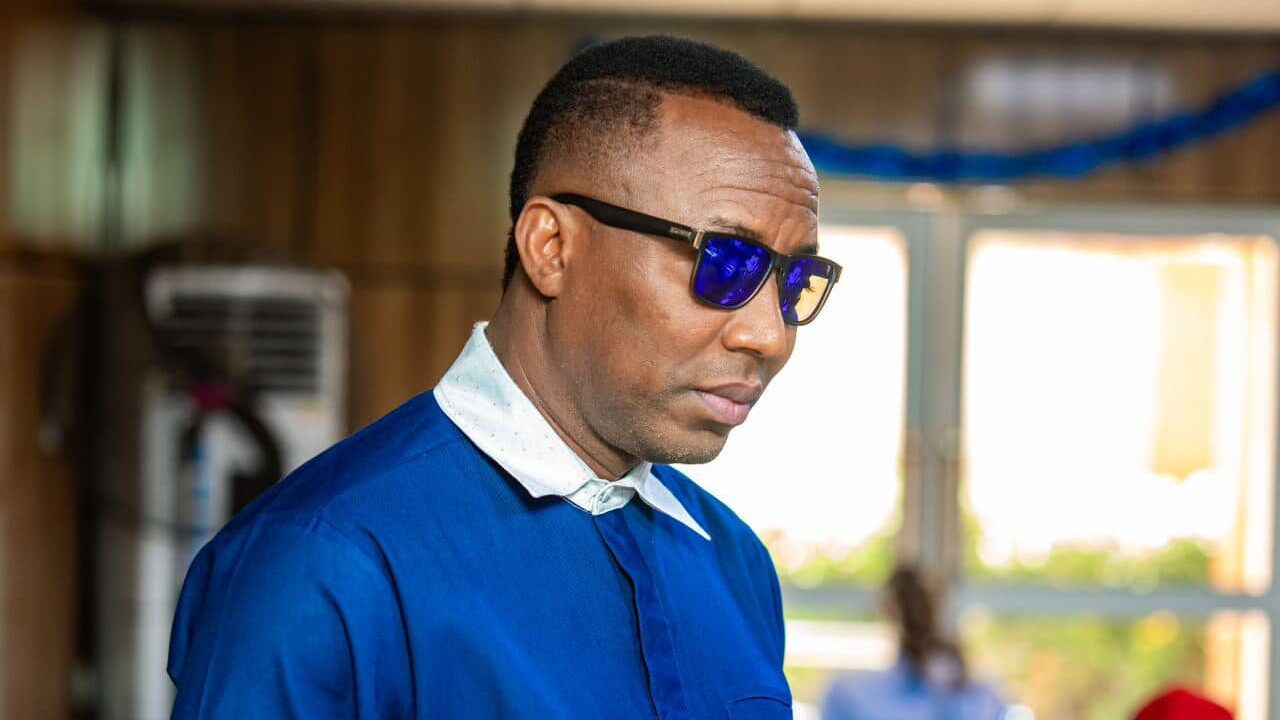
Abuja Court Revokes Sowore’s Bail, Orders Immediate Arrest of Activist
Lagos Influencer Dispute Exposes Deep Rift Between Brands and Creators in Nigeria’s Digital Economy

FirstBank Launches 2026 Pan-African Graduate Trainee Programme Across Lagos and Six African Cities

Report: Why Super Eagles’ Maduka Okoye Reportedly Turned Down Nigerian Billionaire’s Daughter
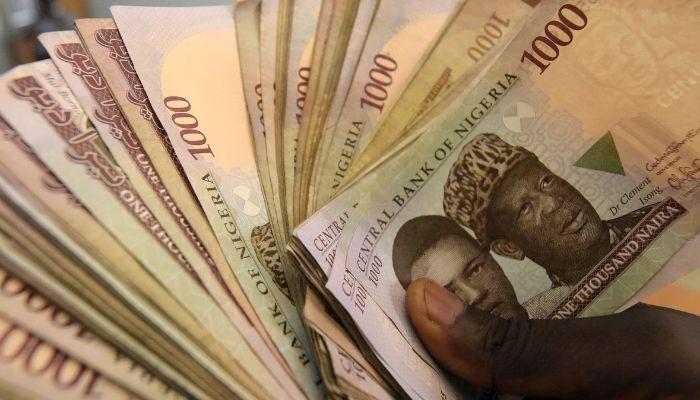
Naira Riri Dollar Elu N’ahịa FX Ka Ego Mpụga Nigeria Ruru $50.5bn
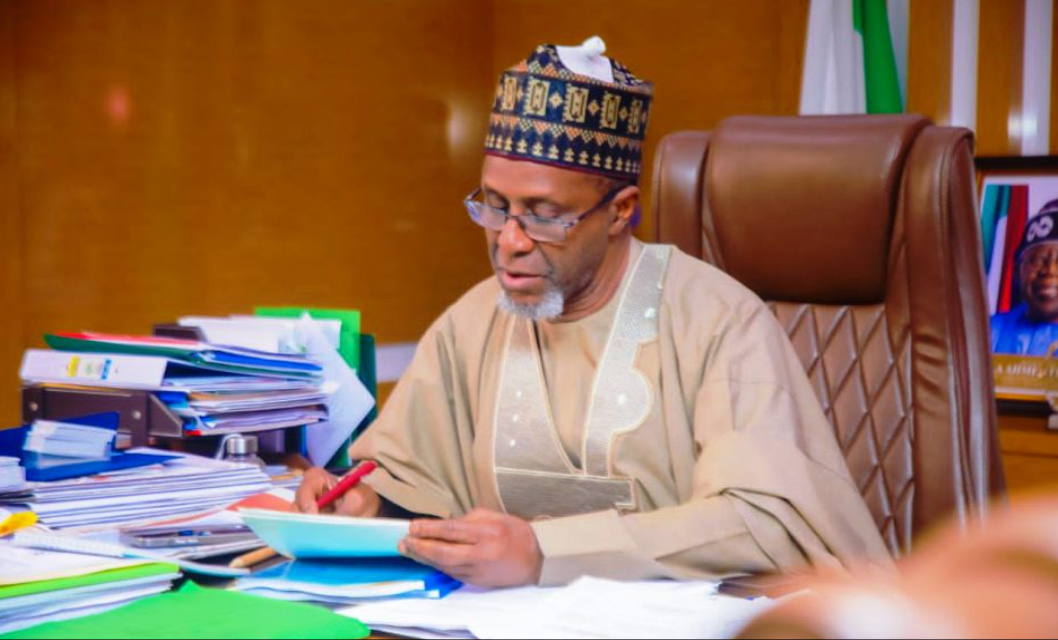
Environment Minister Urges Increased Investment in Nigeria’s Green Economy Ahead of Global Climate Summit
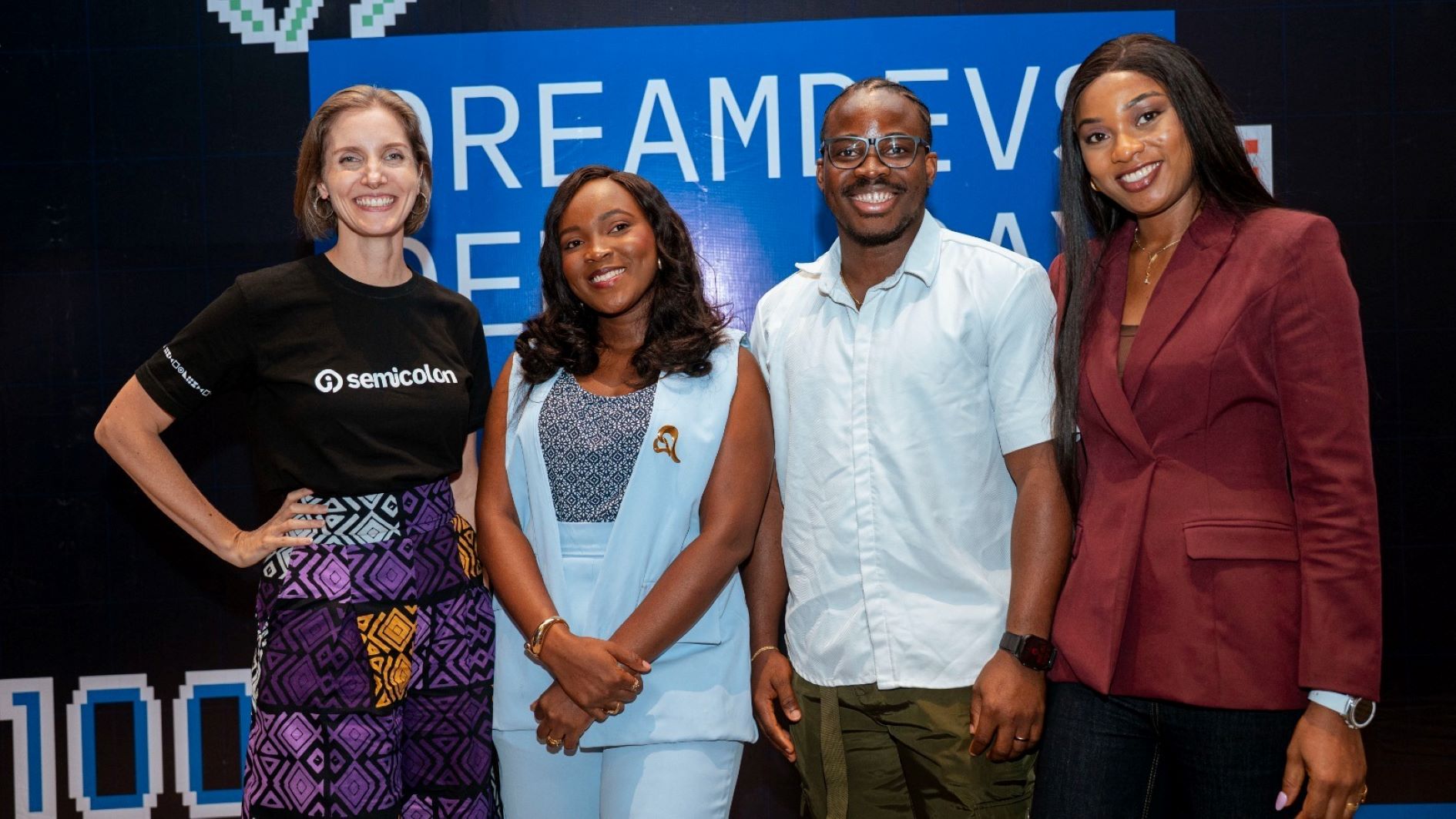
Moniepoint Graduates Second DreamDevs Cohort in Lagos to Strengthen Nigeria’s Engineering Workforce

Gọvanmenti Nigeria Kwupụtara 53 Orù Anyanwụ Maka Ike Ọhụrụ N’iru Afọ 2050

Fresh Romance Rumours Trail Lando Norris as Alix Earle Sparks Drama in Monaco
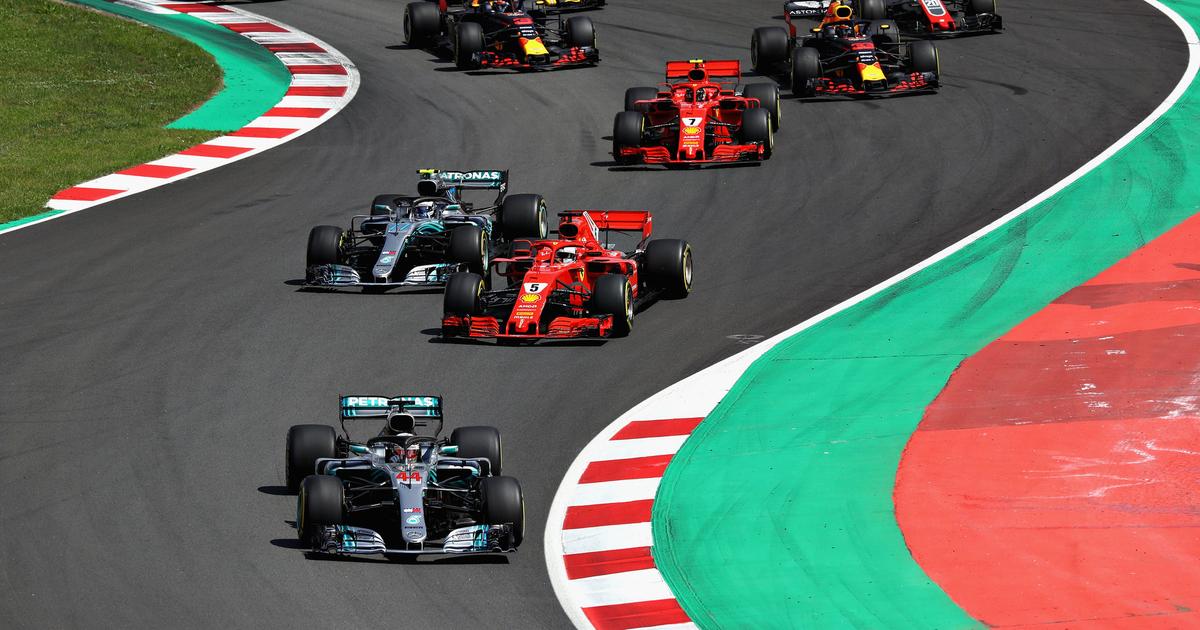
FG Launches $500m Abuja Formula 1 Bid, Targets Africa’s First Grand Prix Since 1993

Why More Nigerians Are Searching for Casino Bonuses—and What You Should Know Before Claiming
Ụlọ Ọrụ Nigeria Kwupụtara Nsogbu Nchekwa na Ụtụ Isi N’agbanyeghị Ịrị Elu Obi Ike Ahịa
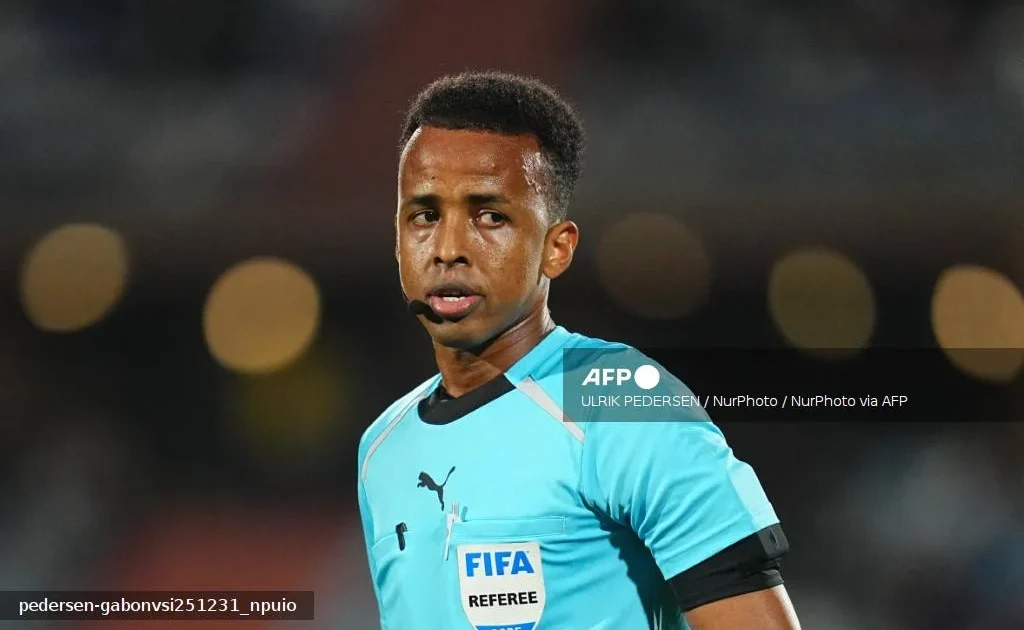
Somali Referee Omar Artan Blocked From US World Cup Over Visa Row, Misses Dream Debut
Federal Government Launches Mining Grants for Research and Exploration Across Nigeria