Nigeria News (Standard)
Lagos Police Foil Attempt to Traffic Kaduna Girls to Ivory Coast
Officers intercept suspected traffickers during Lagos operation; authorities intensify efforts against cross-border child trafficking

Officers intercept suspected traffickers during Lagos operation; authorities intensify efforts against cross-border child trafficking
The Lagos State Police Command on Thursday said its officers have disrupted an attempt to traffic a group of girls from Kaduna State through Lagos to Ivory Coast. The interception took place within Lagos metropolis on 18 June, following intelligence reports that underage girls were being moved for exploitation outside Nigeria.
According to police sources, operatives acted swiftly after receiving tip-offs about the movement of the girls. The suspects were tracked and stopped before they could exit the country through one of the city’s transport hubs. The rescued girls are now in police custody, while investigations continue to unravel the full network behind the trafficking ring.
Human trafficking remains a pressing issue in Nigeria, with Lagos often serving as a transit point for illegal cross-border activities due to its location and transport infrastructure. Security agencies have repeatedly warned about increasing incidents of young people being lured from northern states like Kaduna with promises of better opportunities abroad, only to end up in forced labour or sexual exploitation.
Police spokespersons said that efforts are ongoing to identify other members of the syndicate and secure safe return for all victims. “We want to assure Nigerians that we are committed to stamping out human trafficking,” an officer involved in the operation stated. Stakeholders in child protection have praised the intervention but urged government to strengthen community awareness and support for survivors.
The latest incident highlights ongoing challenges in securing Nigeria’s borders against traffickers. Authorities say they will continue joint operations with sister agencies and work closely with source communities in Kaduna State and beyond, aiming to reduce vulnerability and improve early detection of similar plots.
Nigeria News (Standard)
Presidential Media Team Hails Abia Progress Under Governor Otti’s Leadership
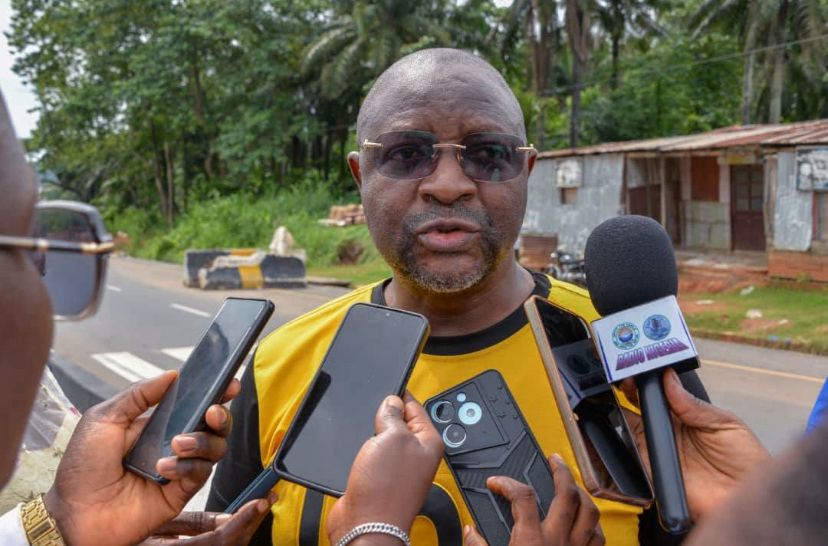
Renewed Hope team says Abia State witnessing positive transformation, credits Otti’s policies for steady development
Renewed Hope team says Abia State witnessing positive transformation, credits Otti’s policies for steady development
The Renewed Hope Presidential Media Team has commended Abia State for what it described as remarkable progress under the administration of Governor Alex Otti. The team made this assertion on Thursday, highlighting visible improvements since Otti assumed office in the South-East state.
According to the media team, the strides recorded in Abia reflect effective governance and a clear commitment to transforming key sectors. The statement noted that critical infrastructure and service delivery have improved, attributing these gains to the governor’s leadership approach and policy direction.
Abia State has faced longstanding challenges, including poor road networks, inadequate healthcare facilities, and unemployment. Observers say recent efforts by the current administration have begun to address these issues, with the government prioritising infrastructural rehabilitation and public service reforms.
The Renewed Hope Presidential Media Team stressed that their assessment is based on observed developments and ongoing projects in Abia. They maintained that such progress aligns with national expectations for state-level performance. While some critics argue that more needs to be done in certain areas, the team said Otti’s tenure has already set a new standard for governance in the region.
With the spotlight now on further delivery of campaign promises, residents and political stakeholders are watching to see how Governor Otti’s administration will sustain its current momentum. The media team expressed optimism that continued focus on transparency and people-oriented policies could consolidate recent achievements across Abia State.
Nigeria News (Standard)
Abuja Experts Demand Urgent FG Action as 68% of Nigerians Rely on Firewood for Cooking
Environmental leaders say over 140 million households risk health, urge accelerated shift to clean energy solutions

Environmental leaders say over 140 million households risk health, urge accelerated shift to clean energy solutions
Environmental experts have called on the Federal Government to fast-track measures for expanding clean cooking access across Nigeria, warning that continued reliance on firewood and other biomass fuels poses serious health and environmental risks. The appeal was made during a workshop held in Abuja on Tuesday, with stakeholders stressing the urgent need for coordinated national action.
Executive Director of the International Centre for Energy, Environment and Development, Ewah Eleri, revealed at the event that as at now, an estimated 68.3 percent of Nigerian families still cook with firewood. According to Eleri, this widespread use of solid biomass contributes up to seventeen percent of Nigeria’s total greenhouse gas emissions—undermining national commitments under the Paris Agreement and Sustainable Development Goals.
The experts highlighted that women bear the brunt of the problem, facing increased health challenges and time poverty due to indoor air pollution linked to traditional cooking methods. “Indoor air pollution from these fuels is responsible for about 95,300 deaths annually in Nigeria,” Eleri stated. He described the situation as a public health emergency requiring urgent strategic solutions.
Despite some recent policy momentum from government, stakeholders at the workshop pointed out that financing for clean cooking remains constrained by regulatory bottlenecks, fragmented sector coordination and low investor confidence. “We need sustainable performance-based revenue models and stronger compliance frameworks if we want private sector participation and real impact,” Eleri said.
Participants called on federal authorities to prioritise clean cooking initiatives in forthcoming policies and budgetary allocations. They also urged closer collaboration between ministries and development partners to ensure implementation targets are met. With over 140 million households affected nationwide, experts warn that delays could deepen energy poverty and worsen Nigeria’s environmental footprint.
Nigeria News (Standard)
MTN CEO Warns Against Boycott as Anti-Xenophobia Protests Target South African Firms in Ghana
Ralph Mupita urges restraint, says retaliatory actions threaten African economies as demonstrations hit Accra MTN office

Ralph Mupita urges restraint, says retaliatory actions threaten African economies as demonstrations hit Accra MTN office
MTN Group Chief Executive Officer Ralph Mupita has cautioned against calls to boycott South African-owned businesses following fresh anti-xenophobia protests that reached MTN’s offices in Accra, Ghana, on Tuesday. The warning comes as campaigners in Nigeria and other African countries intensify demands for the expulsion of South African firms in response to ongoing attacks on foreign nationals in South Africa.
Protesters gathered outside the MTN Ghana head office, demanding that South African businesses leave the country. The demonstration follows a surge of social media campaigns across West Africa calling for economic retaliation after reports of violence against immigrants resurfaced in Johannesburg and other parts of South Africa. Despite the mounting tension, MTN said its operations have not yet been directly affected but noted increased sensitivity in major markets including Nigeria and Ghana.
MTN, Africa’s largest telecommunications company, operates in over 20 countries on the continent. Addressing the situation, Mupita argued that companies like MTN should not be judged solely by their country of origin. “MTN makes less than 20% in South Africa and makes 80% of our earnings elsewhere,” he told Bloomberg. He emphasised that undermining pan-African businesses could harm broader economic integration efforts like the African Continental Free Trade Area (AfCFTA), which seeks to boost cross-border trade and investment.
The MTN boss also linked the current crisis to Africa’s demographic realities, noting that with nearly 70 percent of sub-Saharan Africa’s population under 30 years old, investment in digital infrastructure is critical for job creation. “MTN also believes that embracing the benefits of the digital economy is vital to turning the youth bulge we have in Africa into a youth dividend,” Mupita said.
His comments came days after South Africa’s Justice Minister Mmamoloko Kubayi acknowledged that xenophobic incidents were already costing South African artists performance opportunities abroad and damaging the country’s reputation. While protests continue outside some South African-owned businesses across West Africa, MTN has urged dialogue rather than economic isolation as a way forward.
Presidential Media Team Hails Abia Progress Under Governor Otti’s Leadership
Abuja Experts Demand Urgent FG Action as 68% of Nigerians Rely on Firewood for Cooking
MTN CEO Warns Against Boycott as Anti-Xenophobia Protests Target South African Firms in Ghana

Ayra Starr Unveils ‘Starr Girl’ Album Release Date, Promises Songs Inspired by Personal Journey

Wayne Rooney Overlooks France, Tips Two Teams for World Cup Final Spot
Lagos Police Foil Attempt to Traffic Kaduna Girls to Ivory Coast
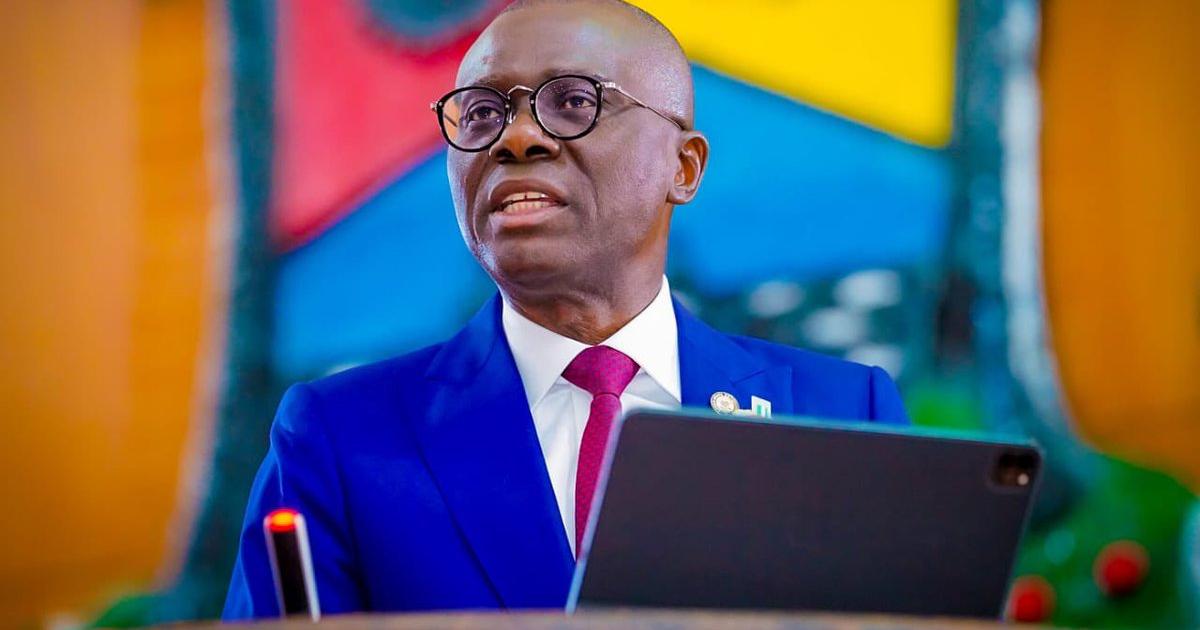
Sanwo-Olu Orders Emergency Waste Evacuation Across Lagos Amid Mounting Refuse Heaps

Late Okey Ezea’s Support Group Endorses NDC Candidate for Enugu North Senatorial By-Election
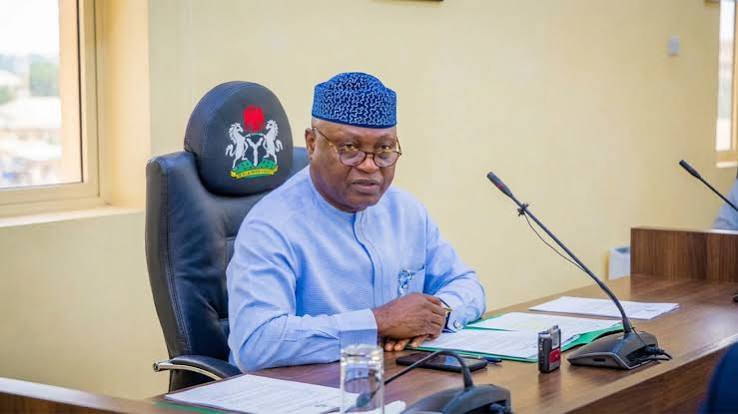
Ekiti Governor Oyebanji Faces 13 Challengers as INEC Releases 2026 Governorship Ballot

Katsina Police Launch Crackdown on Unregistered Vehicles, Concealed Number Plates Across State
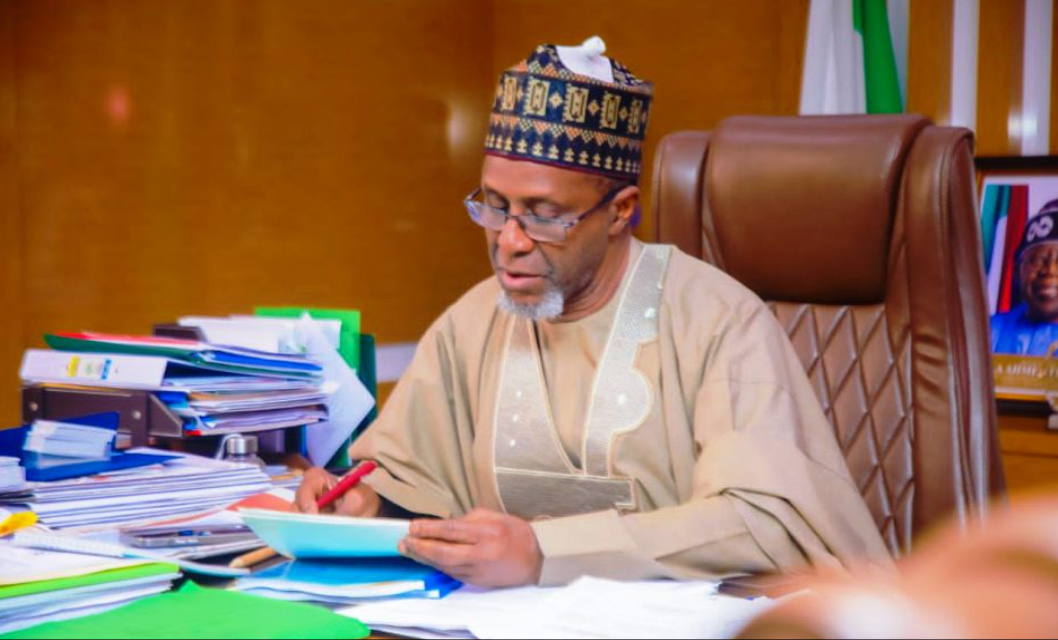
Environment Minister Urges Increased Investment in Nigeria’s Green Economy Ahead of Global Climate Summit

Moniepoint Graduates Second DreamDevs Cohort in Lagos to Strengthen Nigeria’s Engineering Workforce

Gọvanmenti Nigeria Kwupụtara 53 Orù Anyanwụ Maka Ike Ọhụrụ N’iru Afọ 2050

Fresh Romance Rumours Trail Lando Norris as Alix Earle Sparks Drama in Monaco

FG Launches $500m Abuja Formula 1 Bid, Targets Africa’s First Grand Prix Since 1993

Why More Nigerians Are Searching for Casino Bonuses—and What You Should Know Before Claiming
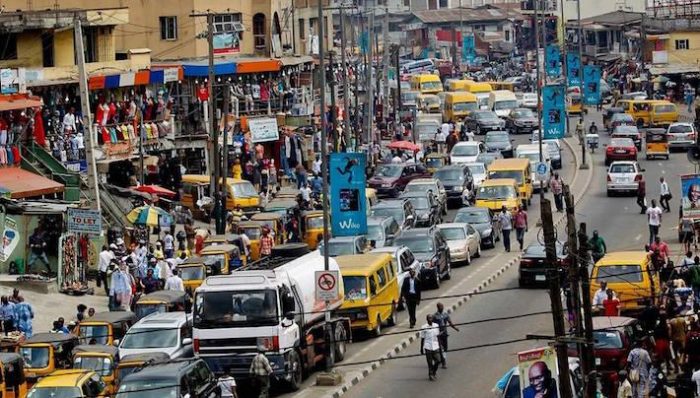
Ụlọ Ọrụ Nigeria Kwupụtara Nsogbu Nchekwa na Ụtụ Isi N’agbanyeghị Ịrị Elu Obi Ike Ahịa
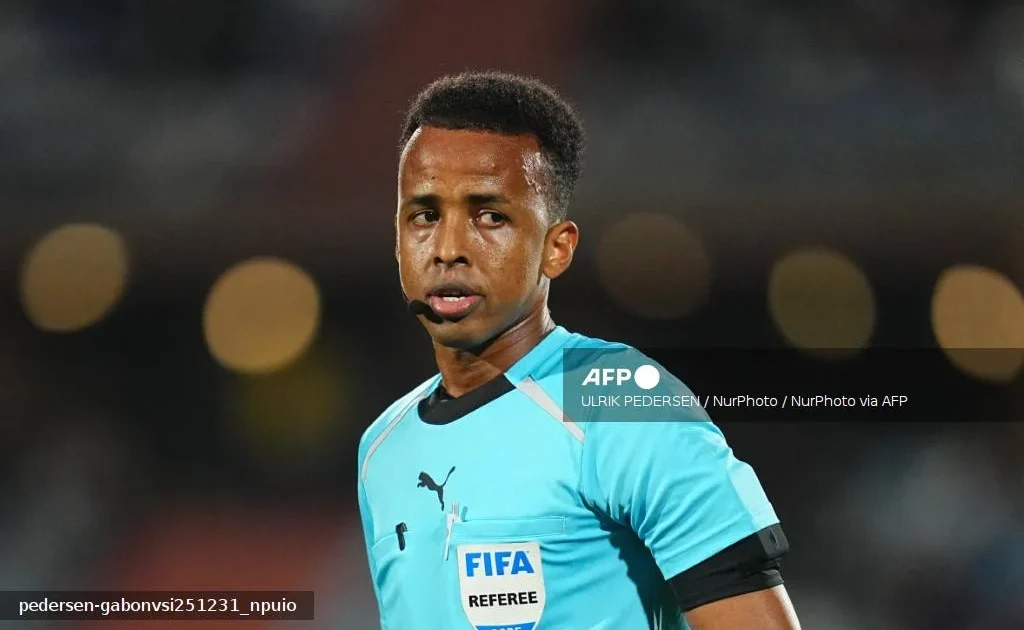
Somali Referee Omar Artan Blocked From US World Cup Over Visa Row, Misses Dream Debut
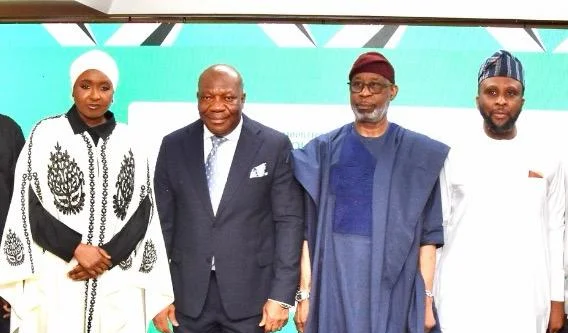
Federal Government Launches Mining Grants for Research and Exploration Across Nigeria