Nigeria News (Standard)
Standard Bank Sets Sights on $15.4bn Expansion in Nigeria and African SME Sector
Bank’s plan aims to boost small business access to finance, strengthen Nigerian market presence, and deepen regional trade ties
Bank’s plan aims to boost small business access to finance, strengthen Nigerian market presence, and deepen regional trade ties
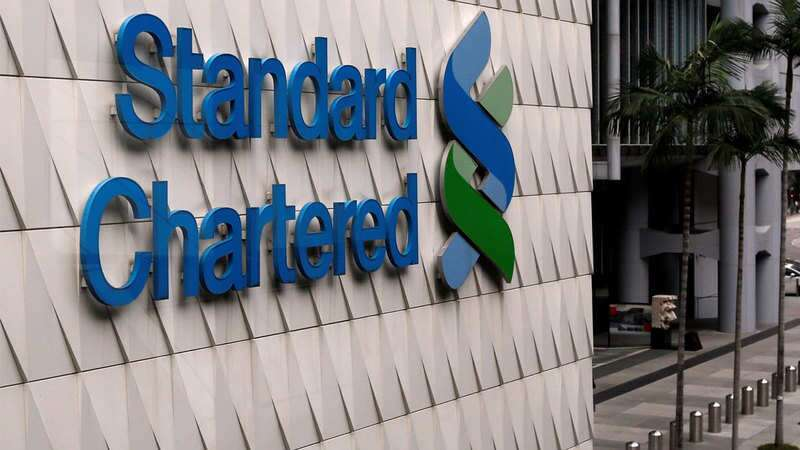
Standard Bank has announced a fresh $15.4 billion expansion drive targeting Nigeria and other key African markets, with a focus on supporting Small and Medium Enterprises (SMEs). The move was revealed on Thursday, 18 June, as the bank outlined its strategy to increase funding and services for businesses in Lagos, Abuja, and major commercial hubs across the continent.
The bank’s latest initiative will inject significant capital into Nigeria’s growing SME sector, which faces persistent challenges accessing affordable credit. Standard Bank said the expansion is part of a broader effort to enhance its footprint in Africa’s largest economy and provide tailored financial solutions for entrepreneurs navigating volatile currency conditions and rising operational costs.
With Nigeria’s inflation rate hovering above 30 percent as at May 2026 (according to NBS data), many small businesses have struggled with limited access to working capital and foreign exchange constraints. Industry analysts note that Standard Bank’s intervention could help unlock growth opportunities for thousands of enterprises involved in agriculture, manufacturing, technology, and trade within West Africa.
While the bank did not immediately provide a breakdown of how much will be disbursed within Nigeria specifically, officials emphasised that local SMEs stand to benefit from increased lending lines, advisory services, and cross-border transaction support. Standard Bank stated that the expansion would also support regional trade integration under the African Continental Free Trade Area (AfCFTA) framework.
The bank indicated that rollout of new products and credit facilities will commence before year-end. Experts say this move could intensify competition among Nigerian lenders while helping bridge the estimated $42 billion SME financing gap reported by the International Finance Corporation (IFC) in recent years.
Nigeria News (Standard)
Enugu Cooking Gas Sellers Record Sharp Drop in Sales as LPG Prices Hit ₦2,000 per Kilogramme
Households reduce gas purchases, with many turning to charcoal as marketers urge federal government intervention on rising costs
Households reduce gas purchases, with many turning to charcoal as marketers urge federal government intervention on rising costs
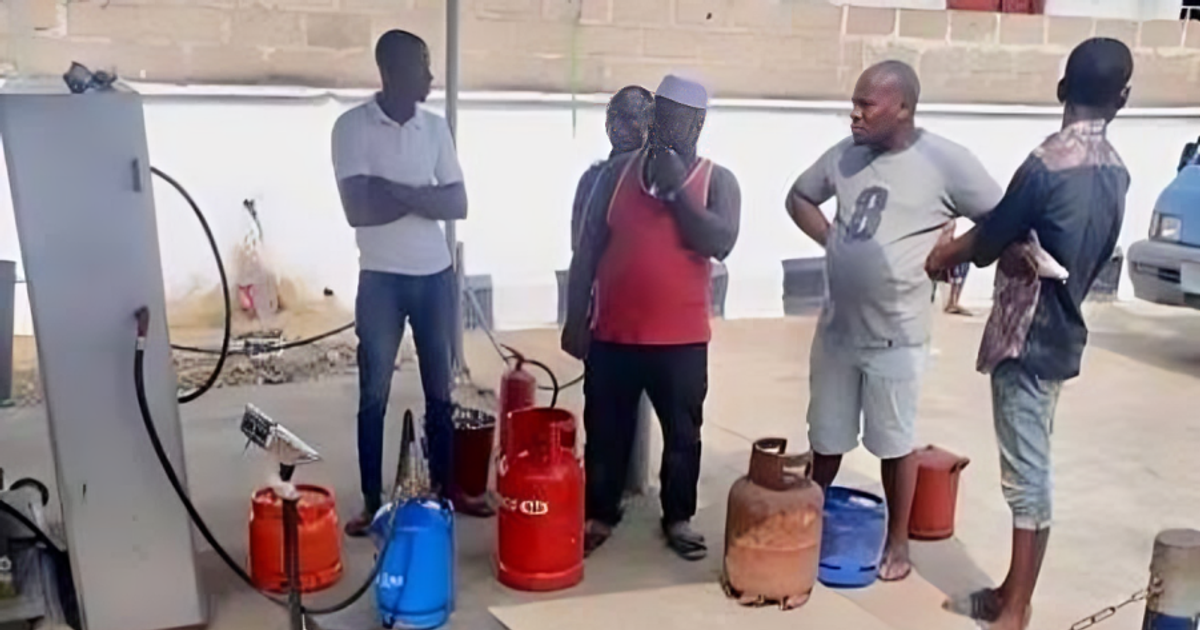
Cooking gas retailers in Enugu State say they are witnessing a severe drop in sales following a dramatic increase in the price of Liquefied Petroleum Gas (LPG), forcing many households to cut their usage or switch to charcoal. The trend, which became more pronounced in recent months, has left traders struggling with shrinking profits and customers buying only minimal quantities.
Speaking with reporters on Tuesday, several sellers at Enugu’s major gas refill points revealed that many customers who previously bought five kilogrammes of gas now opt for just two kilogrammes or less. One retailer explained that he currently buys LPG at about ₦1,600 per kilogramme and sells at ₦1,850, barely making profit as he tries to keep prices within reach. “People no longer buy like before,” he lamented, adding that daily sales have dropped to a fraction of their previous levels.
The impact is also being felt among local charcoal dealers, who report increased patronage as families priced out of LPG return to solid fuels. A bag of charcoal now sells for between ₦8,000 and ₦8,500. While the price has remained relatively stable compared to gas, sellers note that transport costs from supply areas such as Eha-Amufu in Enugu State and parts of Benue and Kogi continue to erode margins.
Data from the National Bureau of Statistics (NBS) shows the average price of cooking gas has soared by 335 percent over the last decade—from ₦400 per kilogramme in 2016 to about ₦2,000 in 2026. The average cost for refilling a five-kilogramme cylinder rose from ₦7,655 in March to ₦8,706 by April alone—a 13.73 percent increase within one month. Despite Nigeria holding Africa’s largest proven gas reserves, industry analysts say more than 62 percent of the country’s output was exported during the first two months of 2026, leaving only 38 percent for local consumption.
The Nigerian Association of Liquefied Petroleum Gas Marketers and financial analysts have called on government to urgently introduce targeted subsidies or other relief measures at the supply level. They warn that unless action is taken soon, years of progress towards cleaner cooking fuels could be reversed permanently as more families abandon gas entirely. A secondary school teacher in Enugu said she now buys less than half her usual amount and fears she may soon have no choice but to stop using LPG altogether if prices do not come down.
Source: https://www.pulse.ng/story/enugu-cooking-gas-sellers-customers-buy-less-2026061814135053476
Nigeria News (Standard)
Finance Ministry Dismisses New Fuel, Telecom Taxes Amid IMF Recommendations
Federal Government says VAT waiver on petroleum products and repeal of telecom excise duty remain in effect
Federal Government says VAT waiver on petroleum products and repeal of telecom excise duty remain in effect
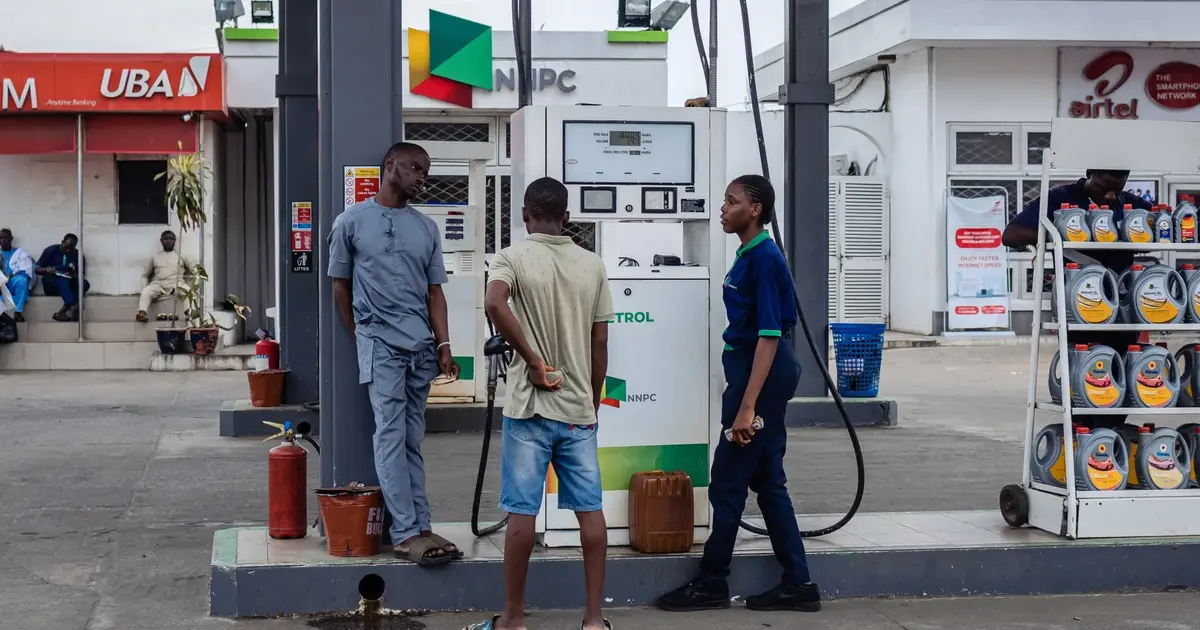
The Federal Ministry of Finance on Tuesday in Abuja clarified that there will be no new taxes on fuel or telecommunications services, following public anxiety over recommendations from the International Monetary Fund (IMF) Article IV Consultation Report. The ministry assured Nigerians that the current VAT waiver on petroleum products remains active, and the excise duty on telecom services has already been repealed under the nation’s fiscal laws.
Concerns surfaced last week after the IMF advised Nigeria to broaden its tax base by extending Value Added Tax (VAT) to petrol and introducing an excise levy on telecoms. The recommendations, contained in the Fund’s annual review of Nigeria’s economy, sparked debate about possible increases in fuel pump prices and network service charges at a time when cost of living pressures are mounting nationwide.
However, the Ministry of Finance stated in an official release that policy decisions on taxation rest solely with government and must follow constitutional and legislative procedures. “The recommendations contained in the IMF Article IV Consultation Report are advisory and not binding. They do not automatically translate into government policy or fiscal measures,” the ministry said. It further explained that although existing law allows for a potential fuel surcharge, such a measure would require a ministerial order published in the Official Gazette—a process not currently underway. On telecommunications, officials stressed that any proposed 5% excise duty had already been revoked under recent tax reforms.
Rather than introducing new levies, government said it is focusing on improving tax administration, boosting compliance and plugging leakages to increase revenue collection without burdening ordinary Nigerians. The ministry pledged that any future changes to tax policy would be communicated transparently through official channels and enacted only according to due process.
The clarification comes as many Nigerians worry about rising household expenses driven by high petrol prices—now above ₦1,500 per litre—and elevated costs for basic services. Labour groups have previously warned that additional taxes could worsen hardship for millions. While opposition leaders did not immediately comment on Tuesday’s announcement, analysts say clear communication from government will be crucial to avoid panic buying or speculation in key sectors. The Federal Ministry of Finance reiterated its commitment to protecting consumers while ensuring fiscal stability.
Source: https://www.pulse.ng/story/fg-denies-new-taxes-fuel-telecom-nigeria-2026061813380322269
Nigeria News (Standard)
Lagos Governor Sanwo-Olu Orders Emergency Waste Evacuation Following Public Outcry
Directive comes after reports exposed mounting refuse on major roads, prompting swift response from Lagos State authorities
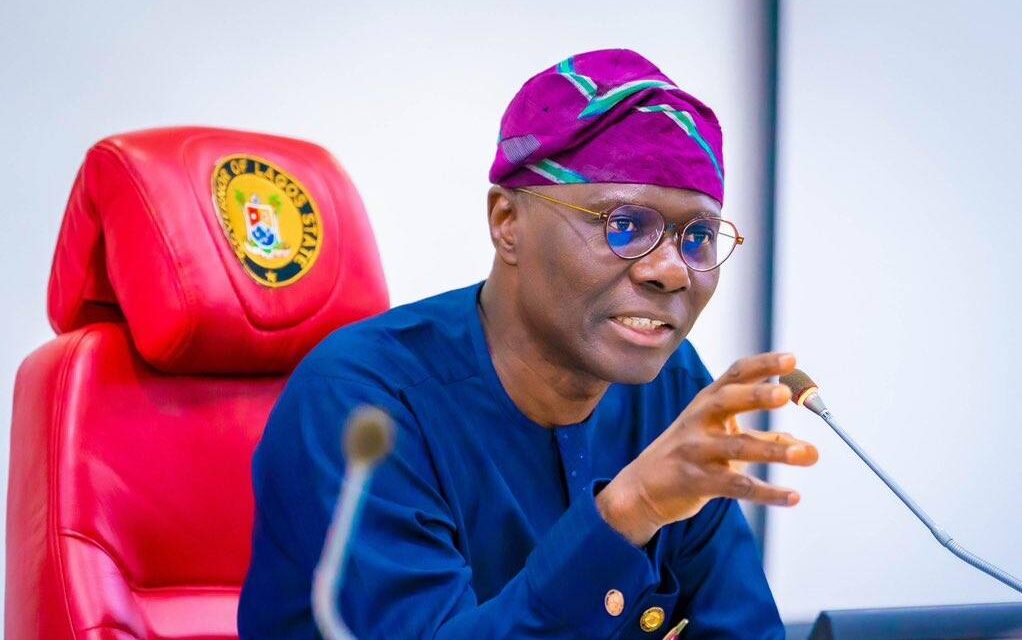
Directive comes after reports exposed mounting refuse on major roads, prompting swift response from Lagos State authorities
Governor Babajide Sanwo-Olu has directed the immediate evacuation of refuse from streets across Lagos following mounting complaints about waste accumulation in Nigeria’s commercial capital. The order, issued on Thursday, comes after renewed public attention on deteriorating sanitation and heaps of rubbish obstructing major roads in the metropolis.
Sanwo-Olu’s directive follows a series of reports highlighting the failure of existing waste management systems and the growing frustration among Lagos residents. Many communities have reported increased incidence of blocked drainages and foul odours, with business owners and commuters expressing concerns about health risks and road accessibility. The state government has now mandated relevant agencies to begin emergency waste removal operations across key hotspots.
The issue of refuse disposal has become a recurring challenge in Lagos, West Africa’s most populous city. Over the past months, residents have raised alarms over uncollected waste piling up in markets and residential areas, especially during the rainy season when flooding risk is heightened by blocked gutters. The Lagos State Government previously introduced reforms to improve collection and disposal but implementation gaps have persisted.
Reacting to the situation, Governor Sanwo-Olu said in his directive that urgent action was needed to restore environmental sanity and prevent disease outbreaks linked to poor sanitation. He tasked officials of the Lagos State Waste Management Authority (LAWMA) to mobilise resources for round-the-clock operations until normalcy is restored. No formal response was immediately available from opposition parties or environmental advocacy groups as at press time.
The state government is expected to provide updates on progress made with the evacuation exercise in coming days, while residents await longer-term solutions to Lagos’ persistent waste management challenges.
Enugu Cooking Gas Sellers Record Sharp Drop in Sales as LPG Prices Hit ₦2,000 per Kilogramme
Finance Ministry Dismisses New Fuel, Telecom Taxes Amid IMF Recommendations
Lagos Governor Sanwo-Olu Orders Emergency Waste Evacuation Following Public Outcry

Messi and Mbappe Lead the Line as Biggest Stars Dominate World Cup Group Stage Best XI
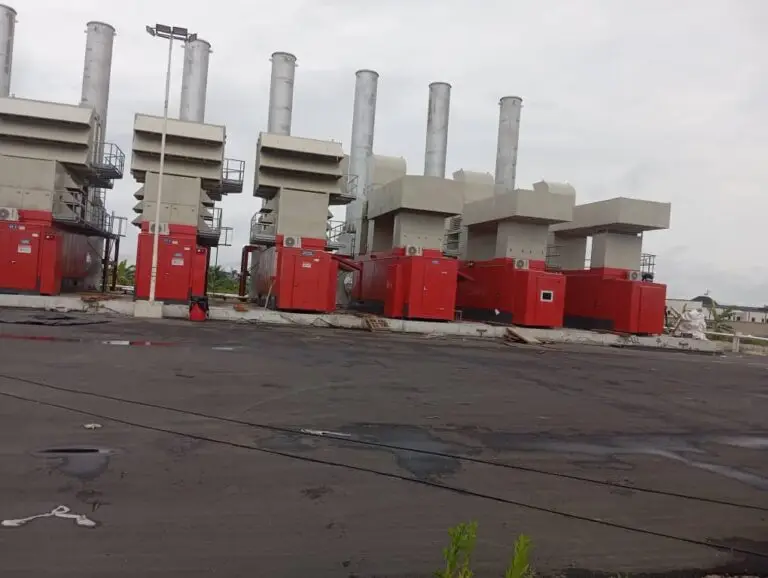
Bayelsa Government Yet to Set Tariff for Proposed Independent Power Plant
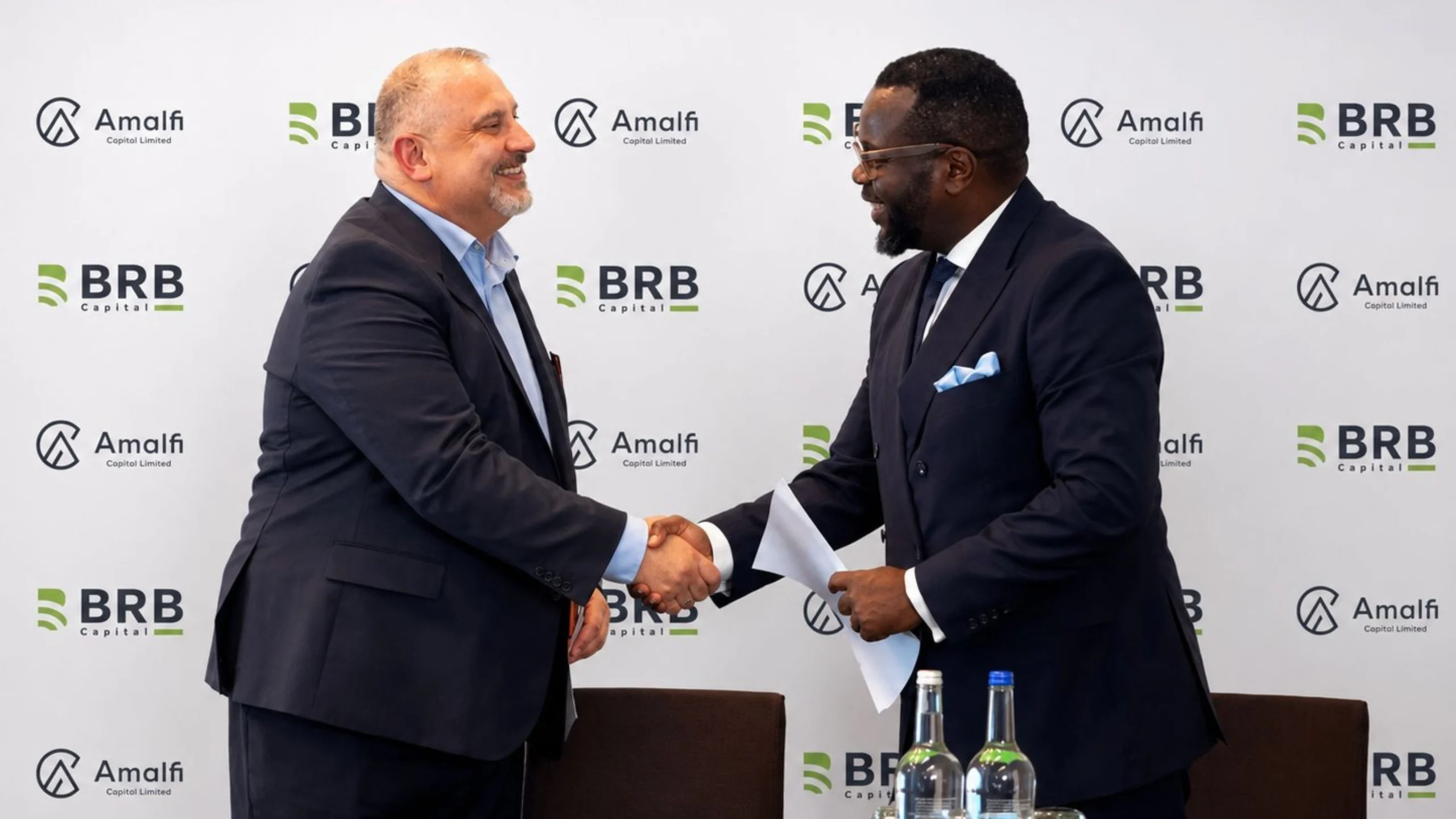
Lagos-Based BRB Capital Acquires FCA-Approved Amalfi Capital, Sets Up ₦8.1trn Nigeria-UK Investment Corridor
Standard Bank Sets Sights on $15.4bn Expansion in Nigeria and African SME Sector
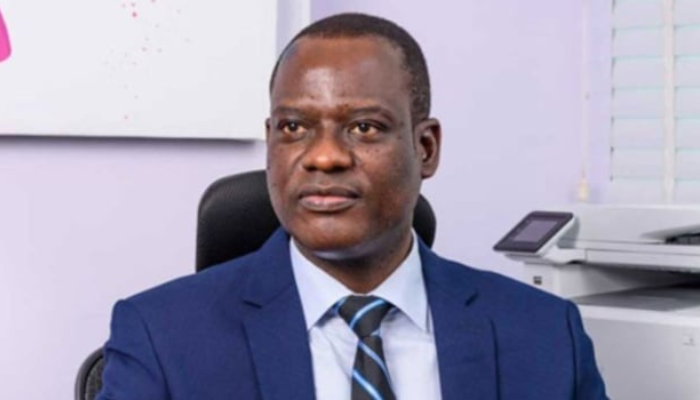
Gọvanmentị Federal Wepụtara Usoro Ntughari Maka Mmepe Iwu Ọhụrụ N’ihe Ego Ọchịchị Na-akọta
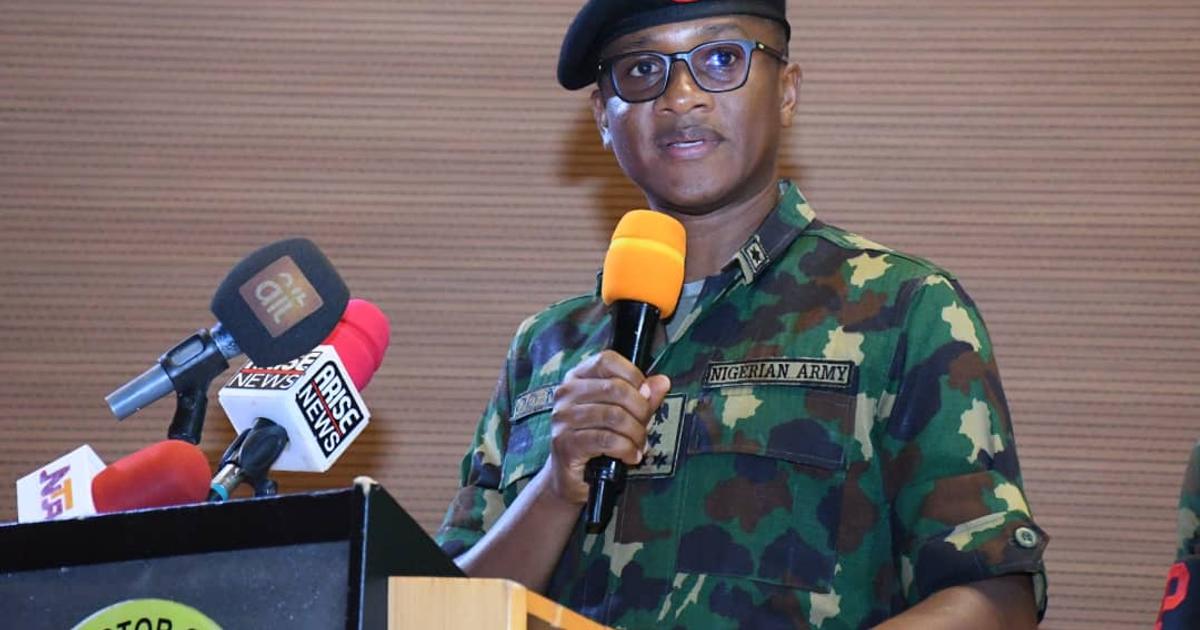
NYSC DG Olakunle Nafiu Warns Corps Members Nationwide to Shun Politics Ahead of 2027 Elections
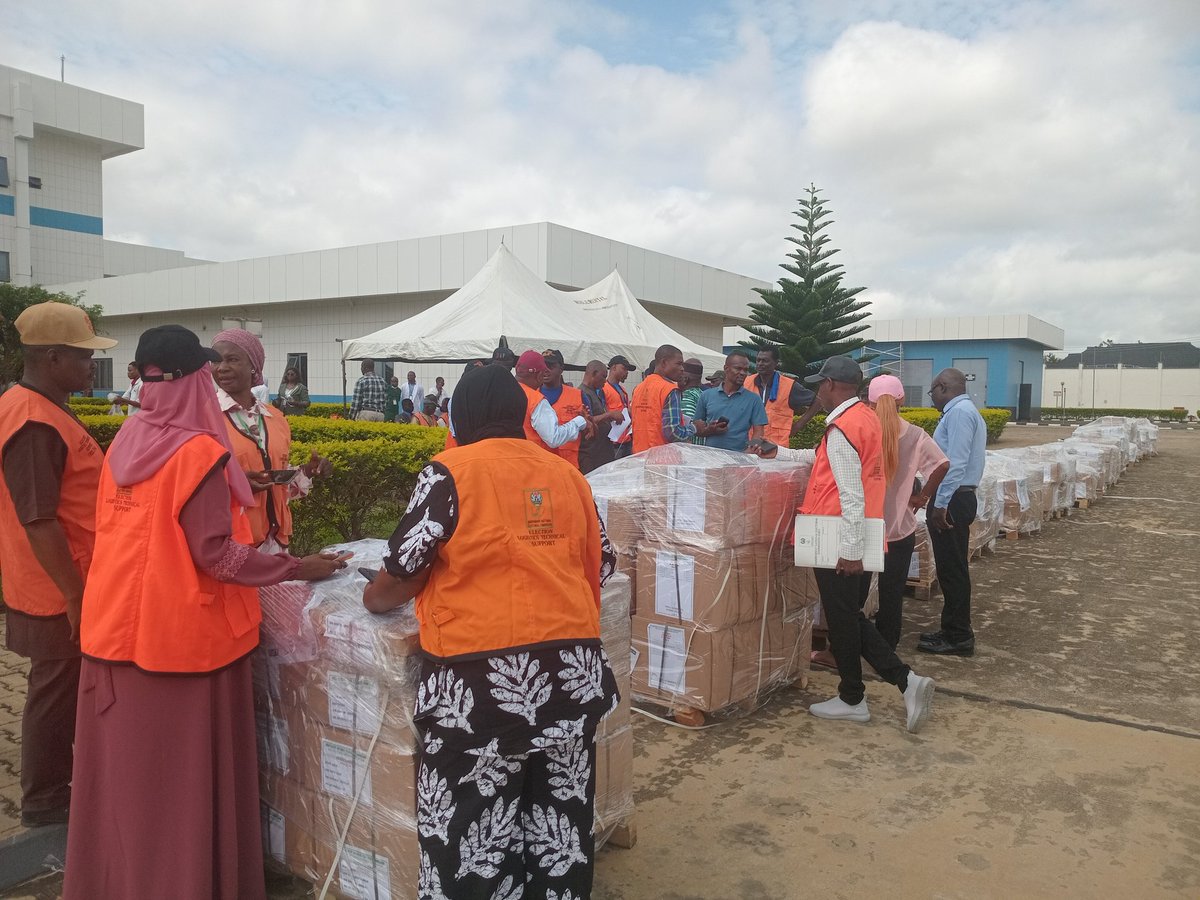
INEC Begins Distribution of Election Materials in Ekiti Ahead of Governorship Poll
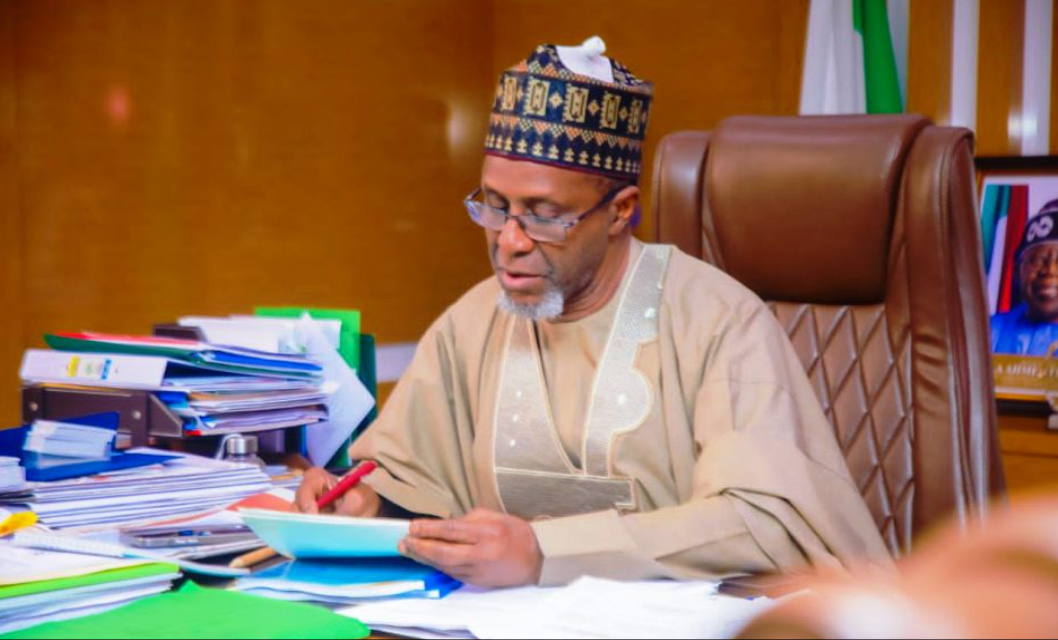
Environment Minister Urges Increased Investment in Nigeria’s Green Economy Ahead of Global Climate Summit

Moniepoint Graduates Second DreamDevs Cohort in Lagos to Strengthen Nigeria’s Engineering Workforce

Gọvanmenti Nigeria Kwupụtara 53 Orù Anyanwụ Maka Ike Ọhụrụ N’iru Afọ 2050

Fresh Romance Rumours Trail Lando Norris as Alix Earle Sparks Drama in Monaco
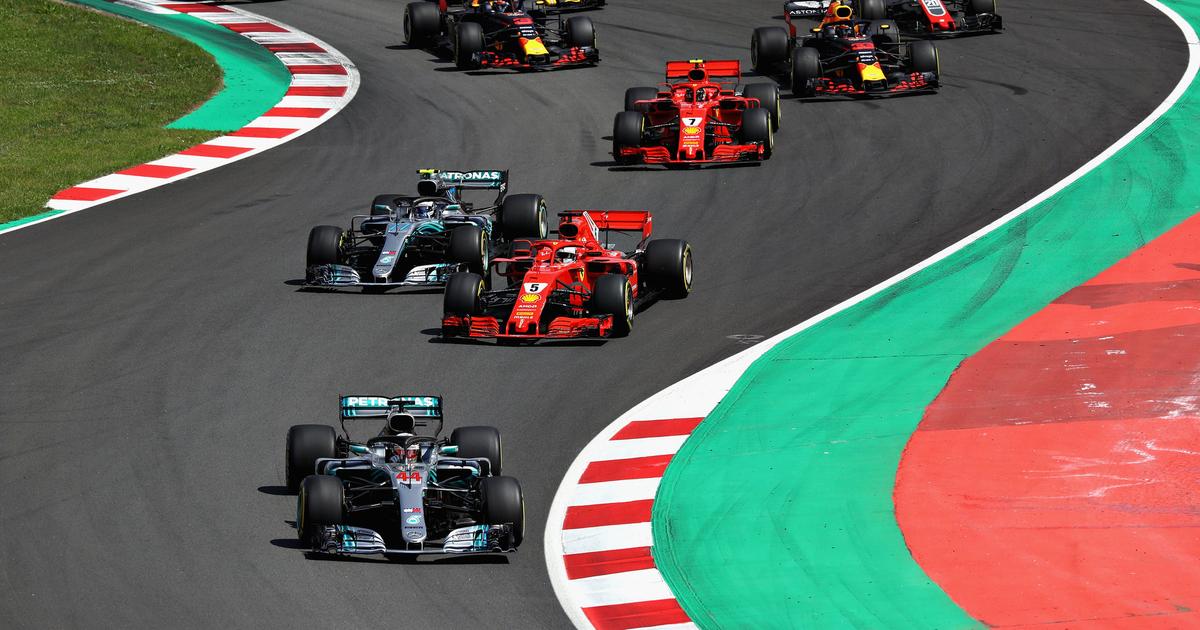
FG Launches $500m Abuja Formula 1 Bid, Targets Africa’s First Grand Prix Since 1993

Why More Nigerians Are Searching for Casino Bonuses—and What You Should Know Before Claiming
Ụlọ Ọrụ Nigeria Kwupụtara Nsogbu Nchekwa na Ụtụ Isi N’agbanyeghị Ịrị Elu Obi Ike Ahịa
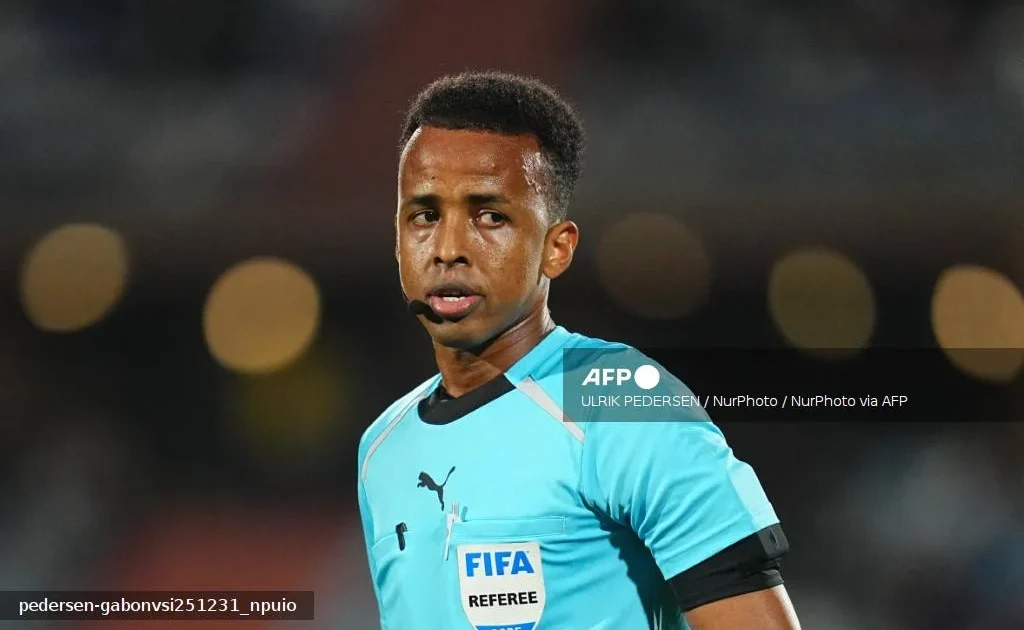
Somali Referee Omar Artan Blocked From US World Cup Over Visa Row, Misses Dream Debut
Federal Government Launches Mining Grants for Research and Exploration Across Nigeria